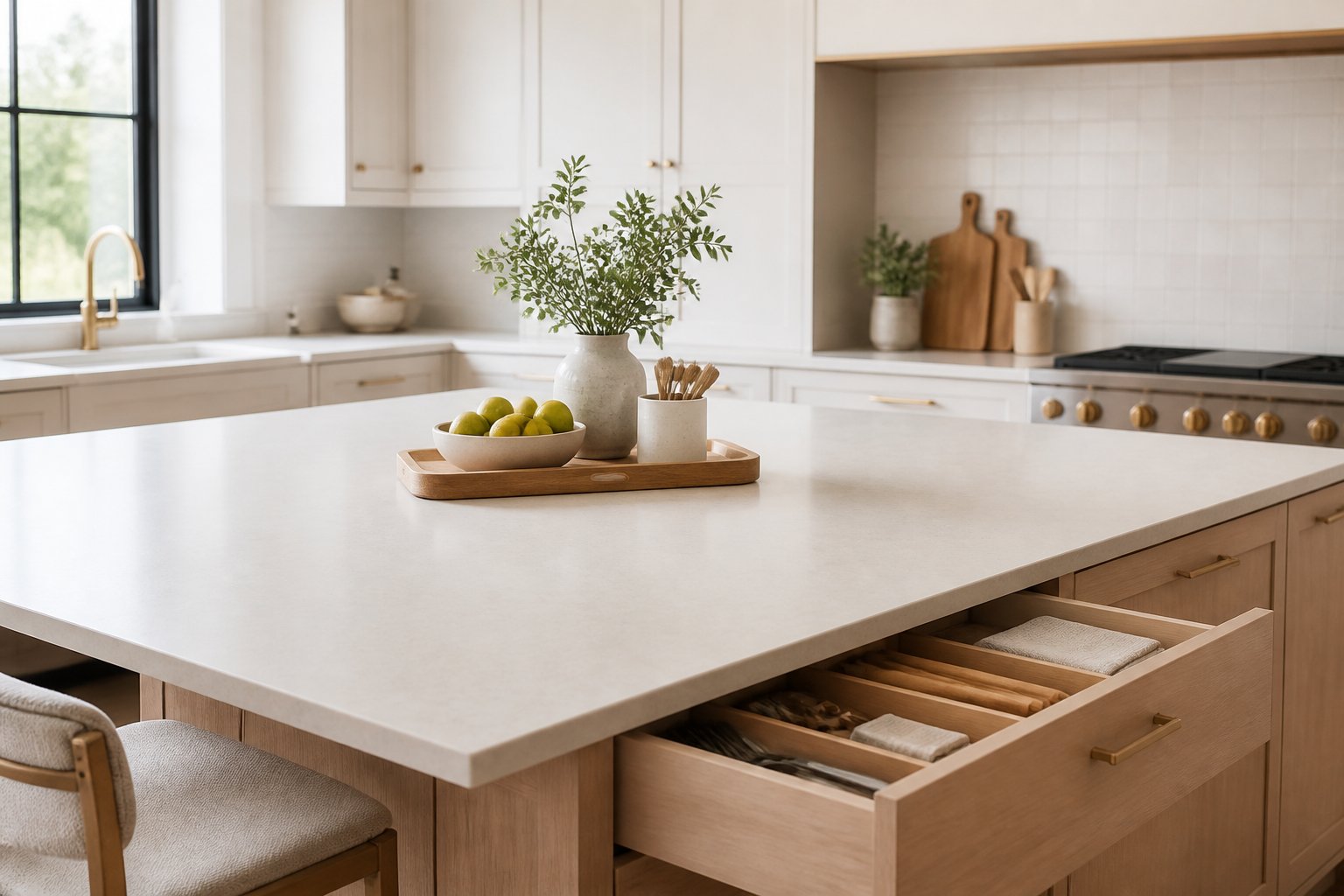
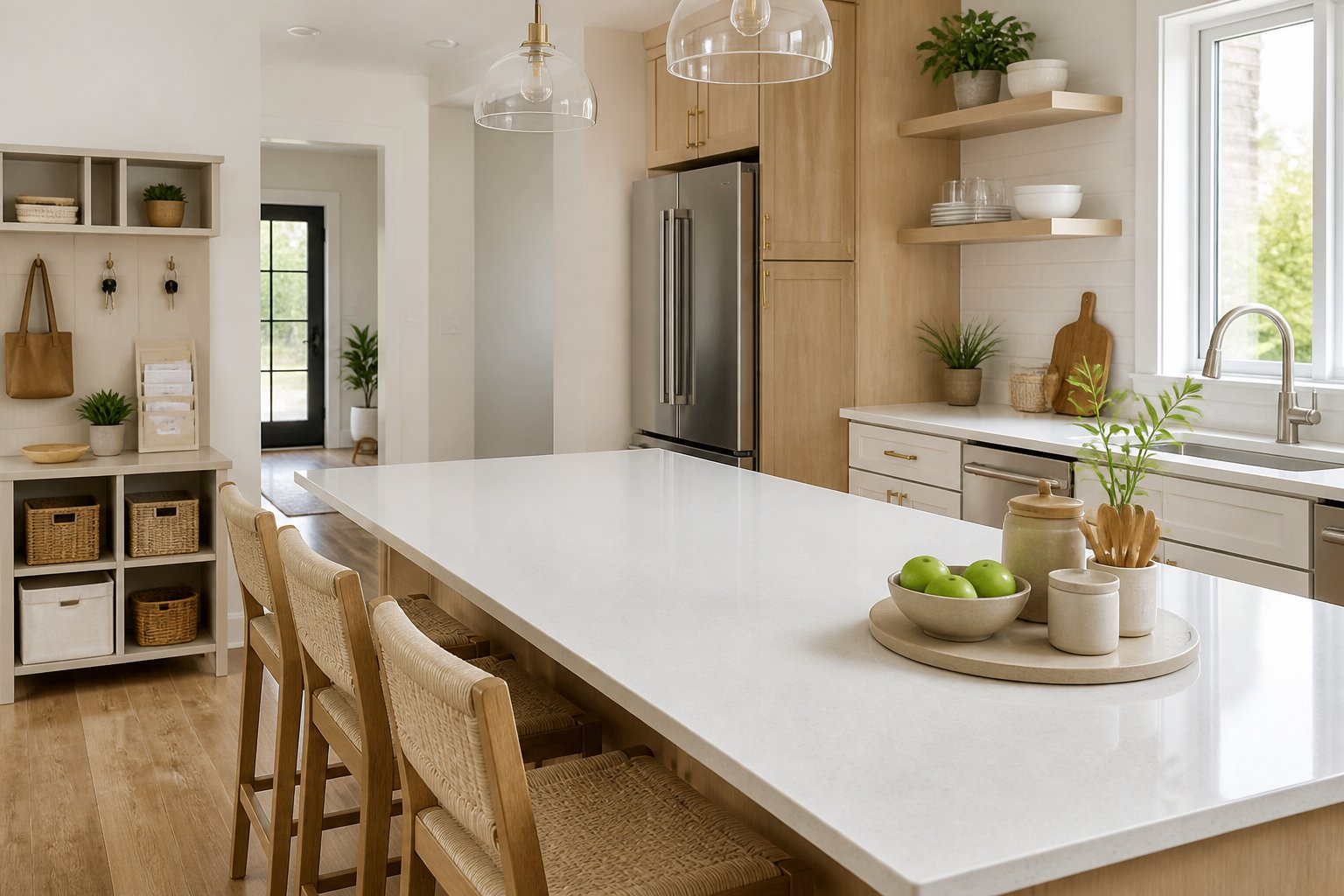
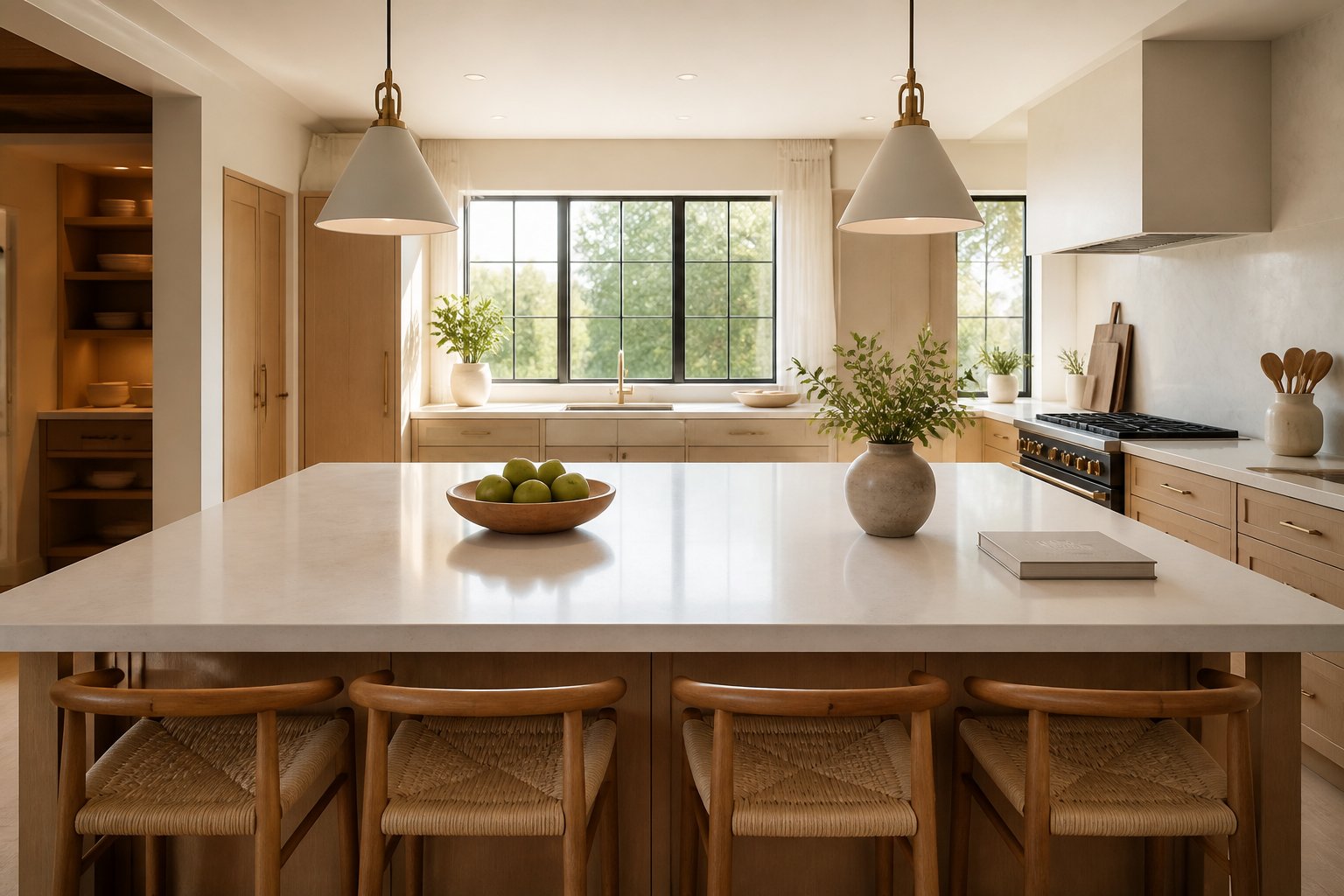
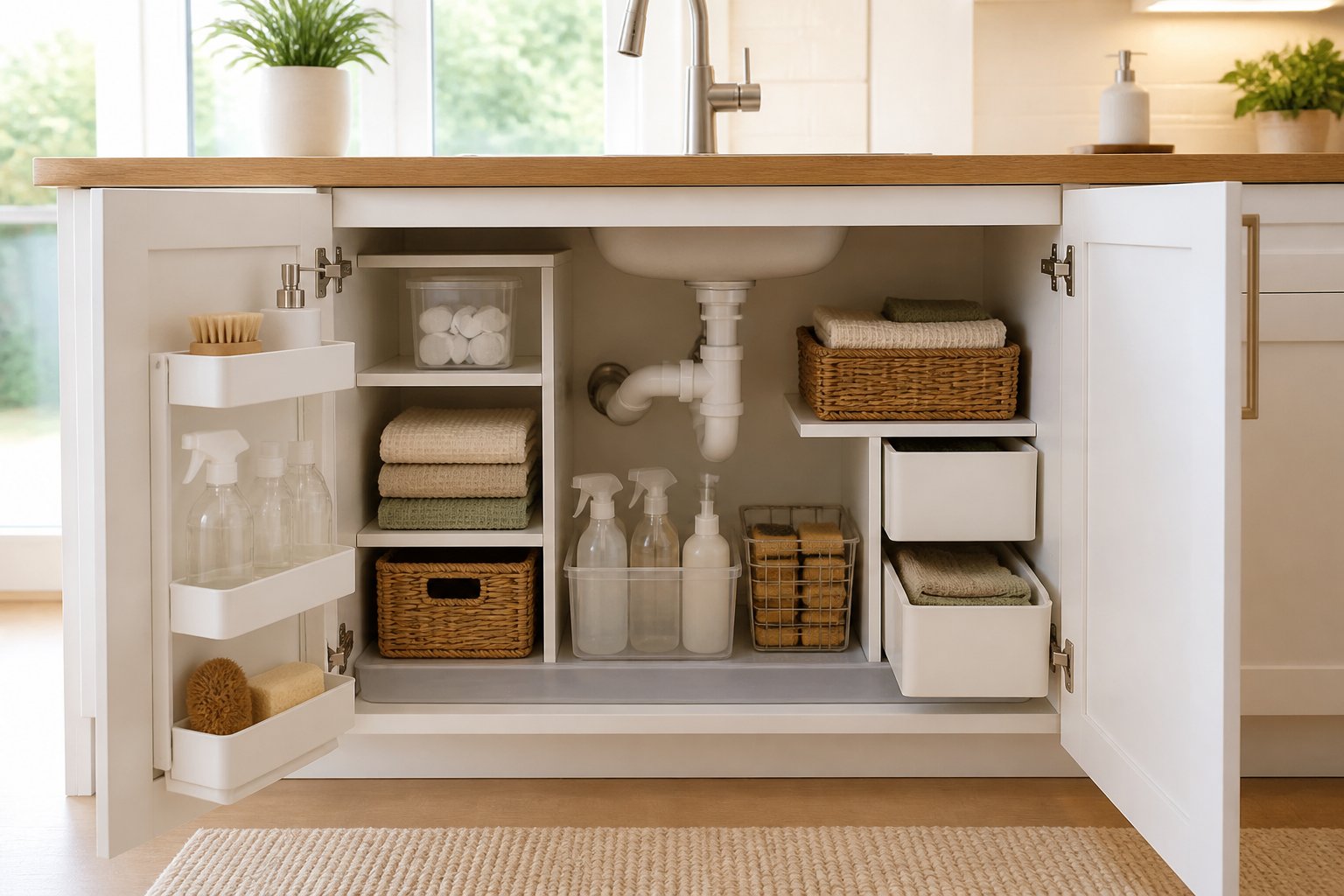
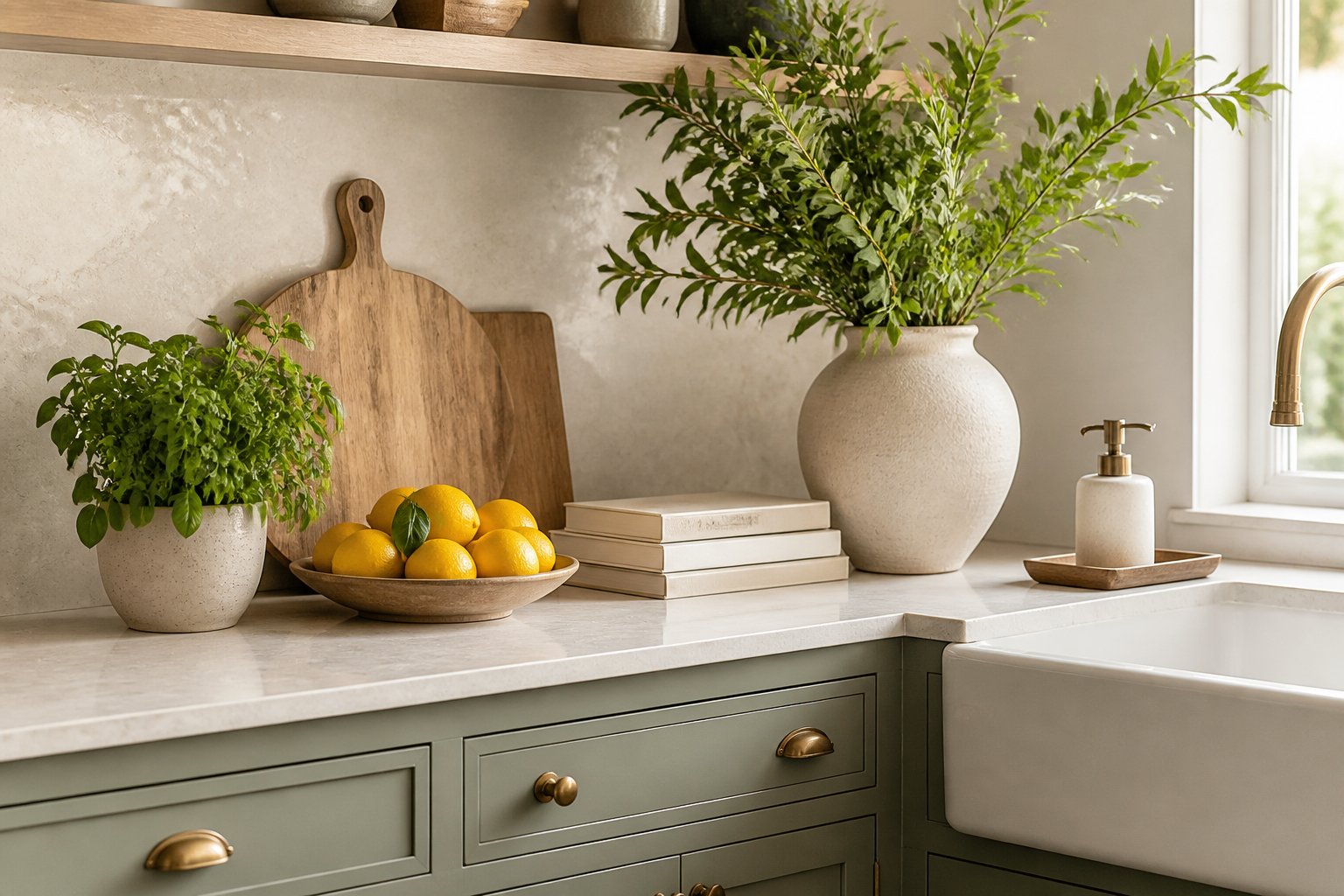
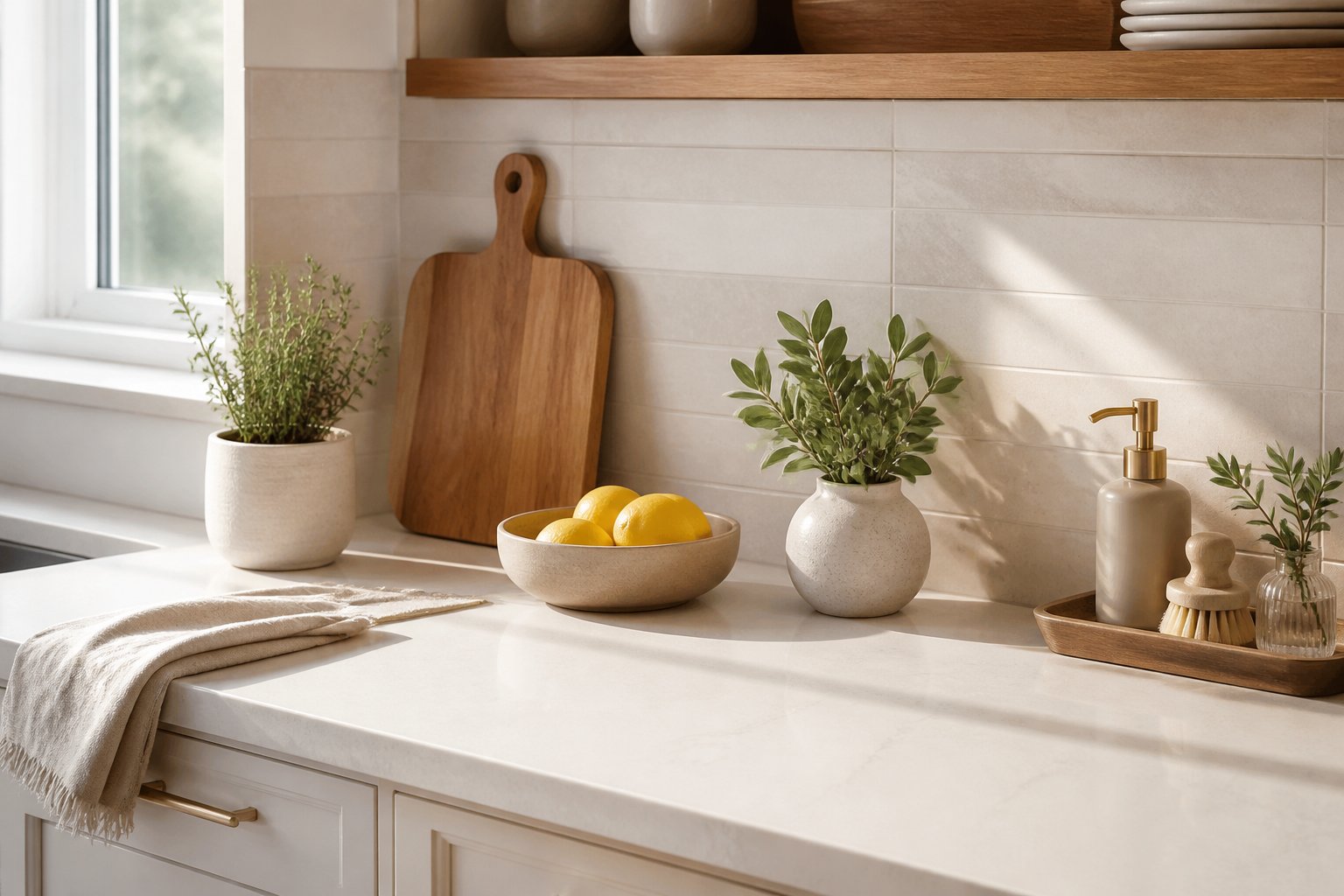
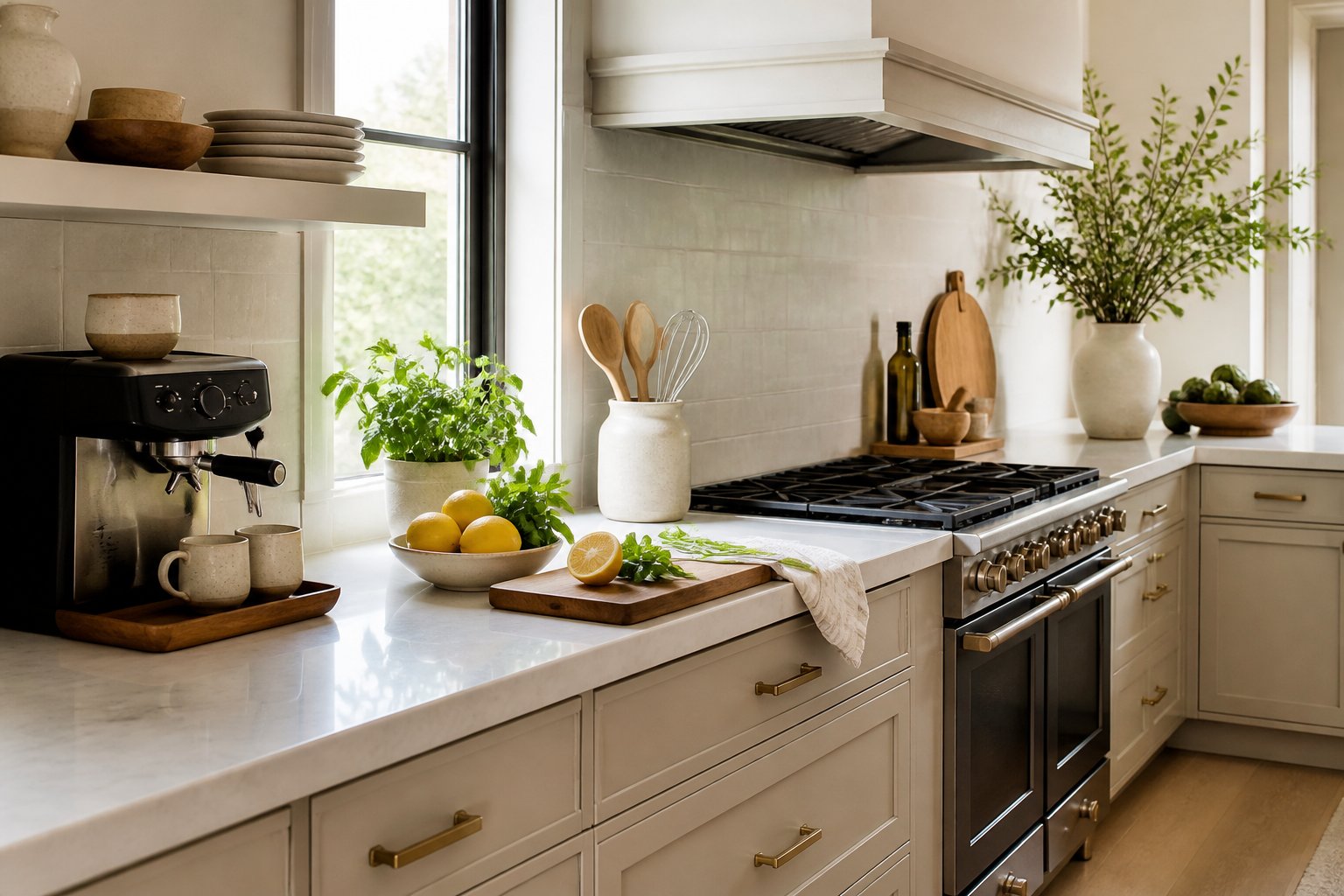
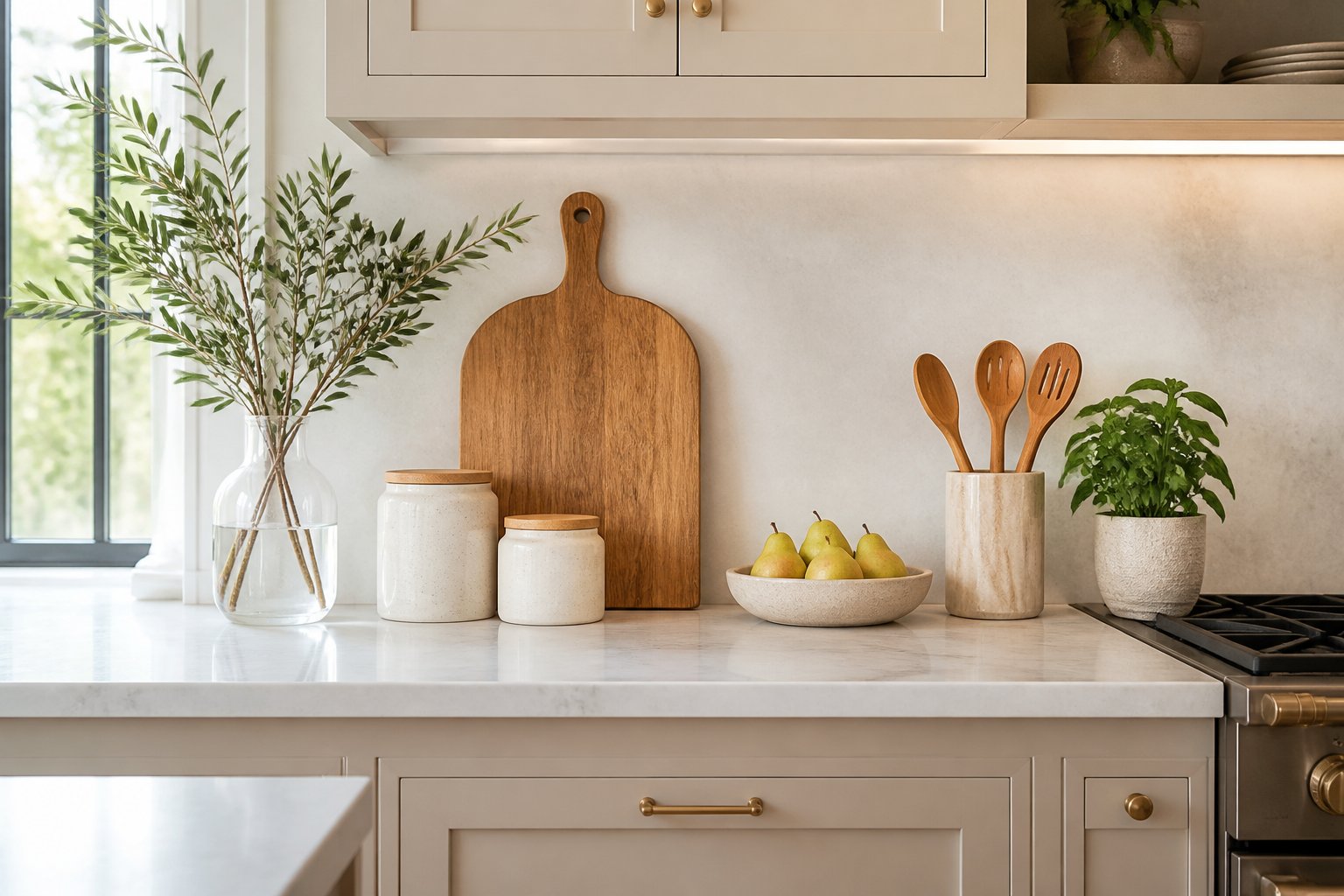
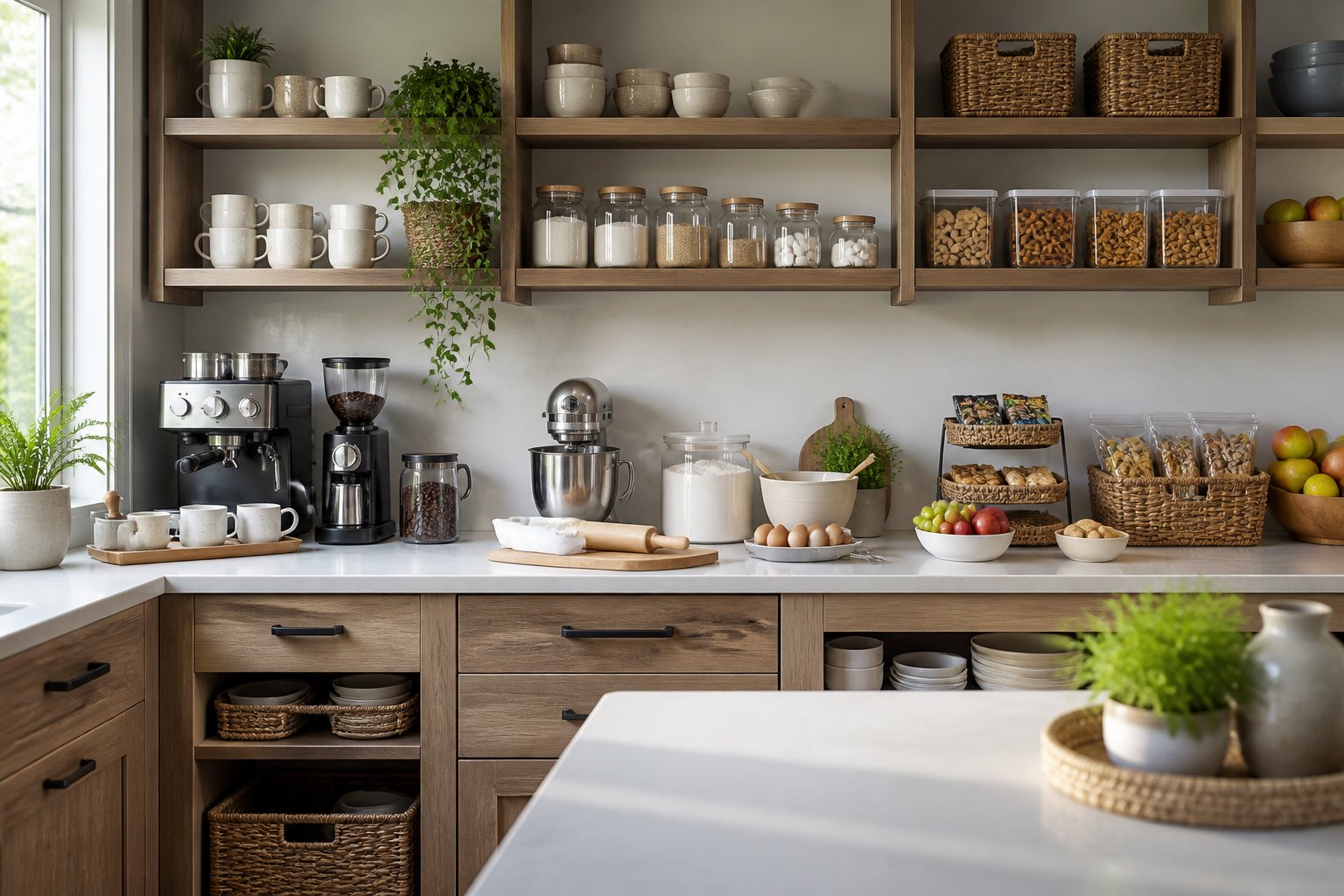
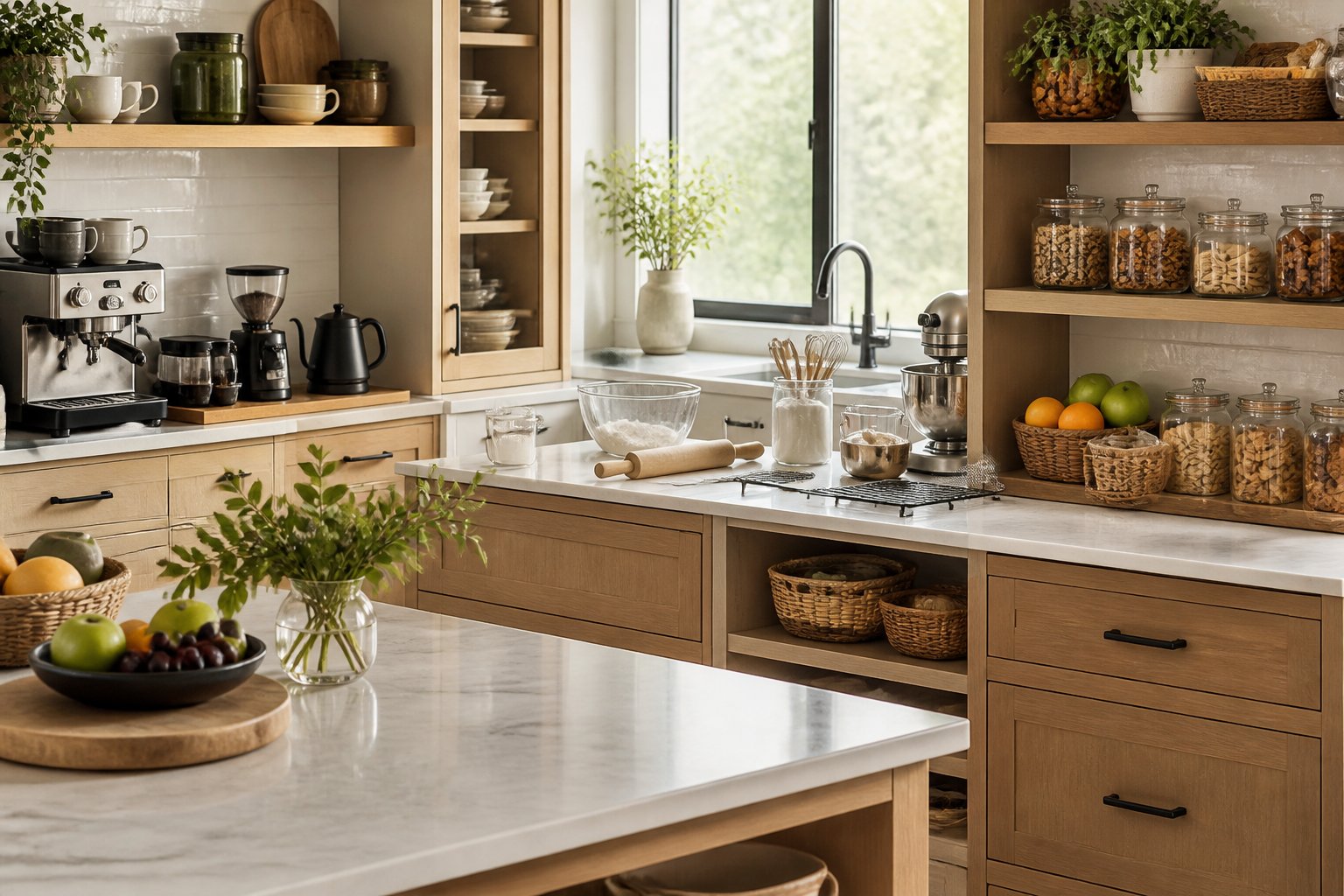
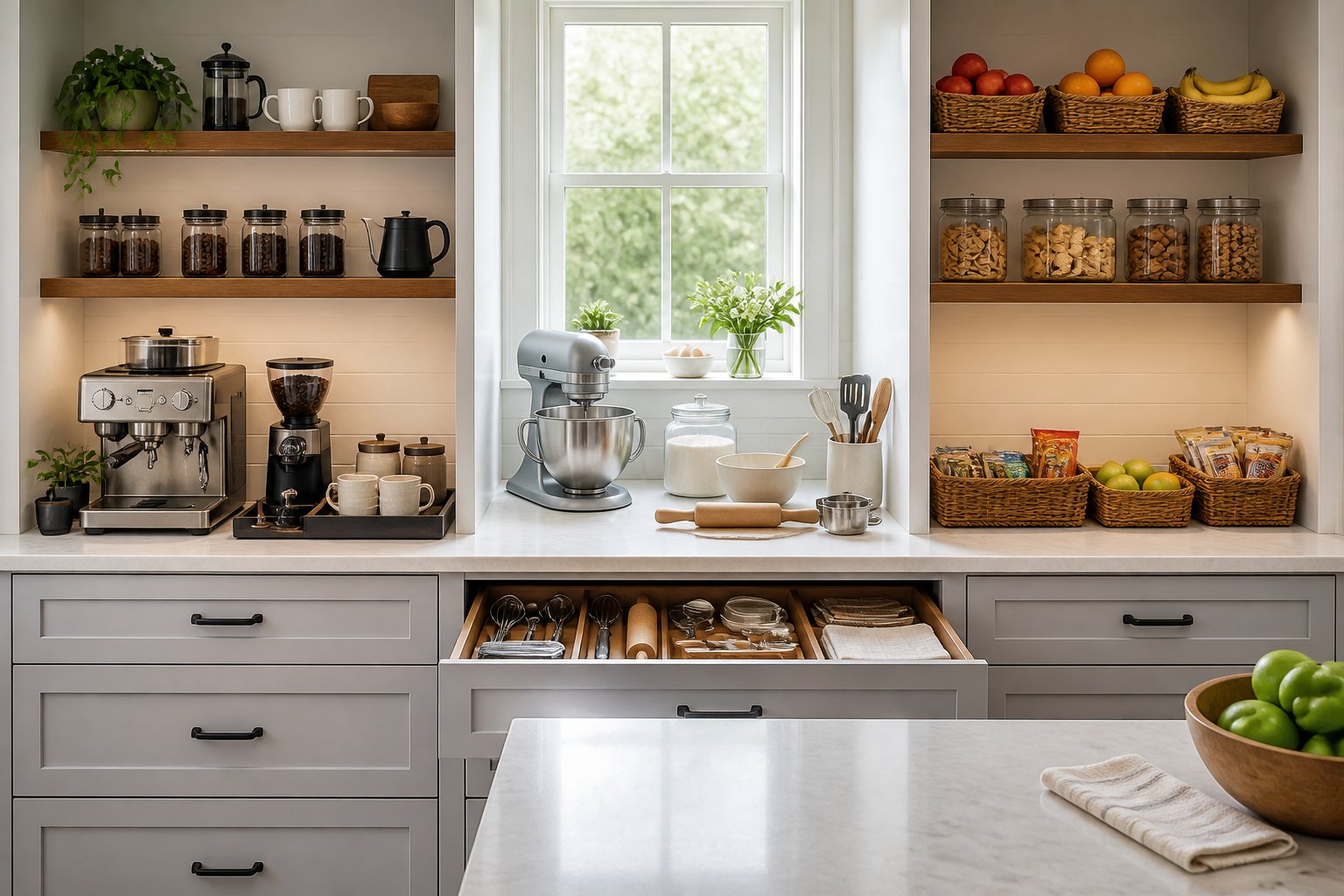
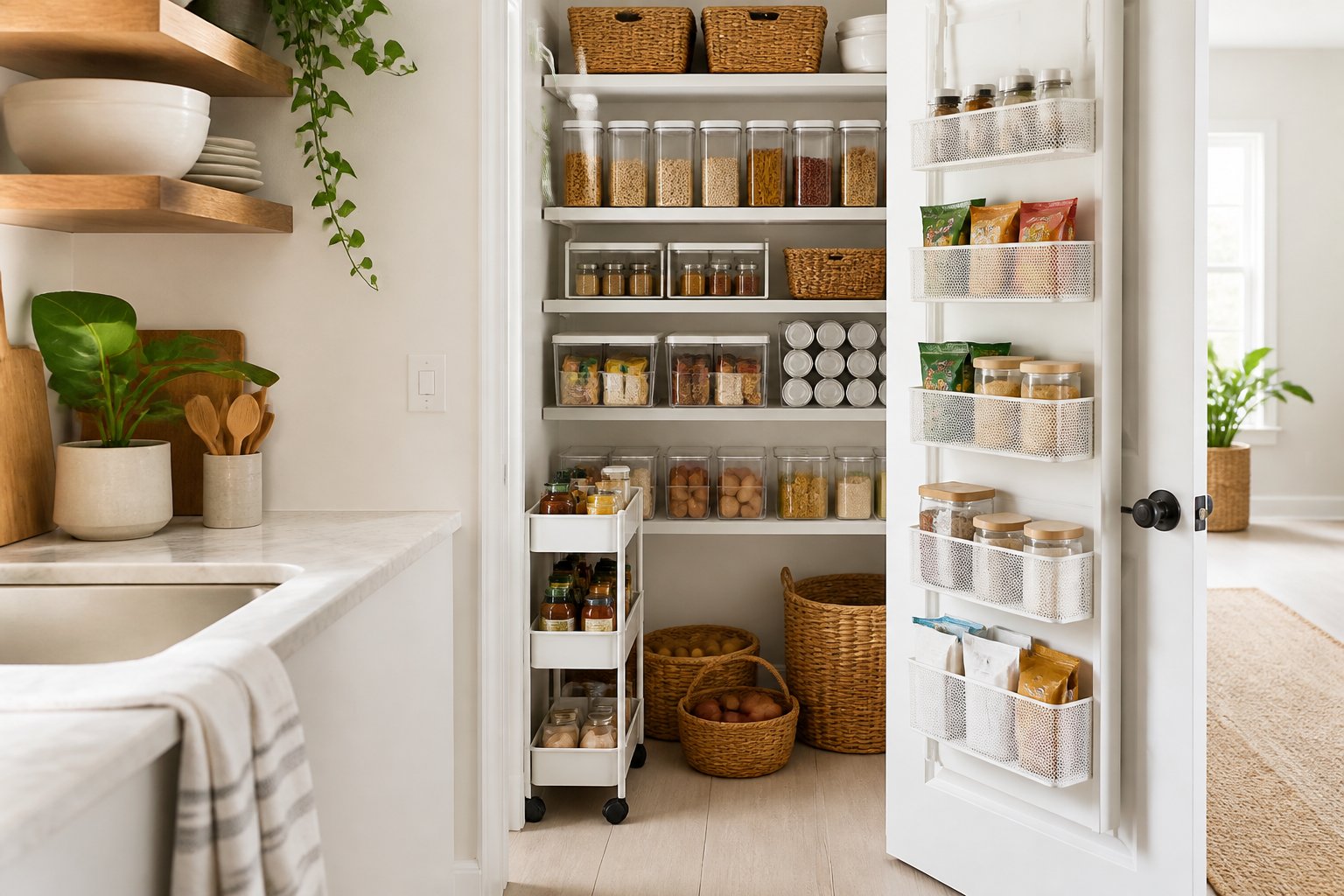
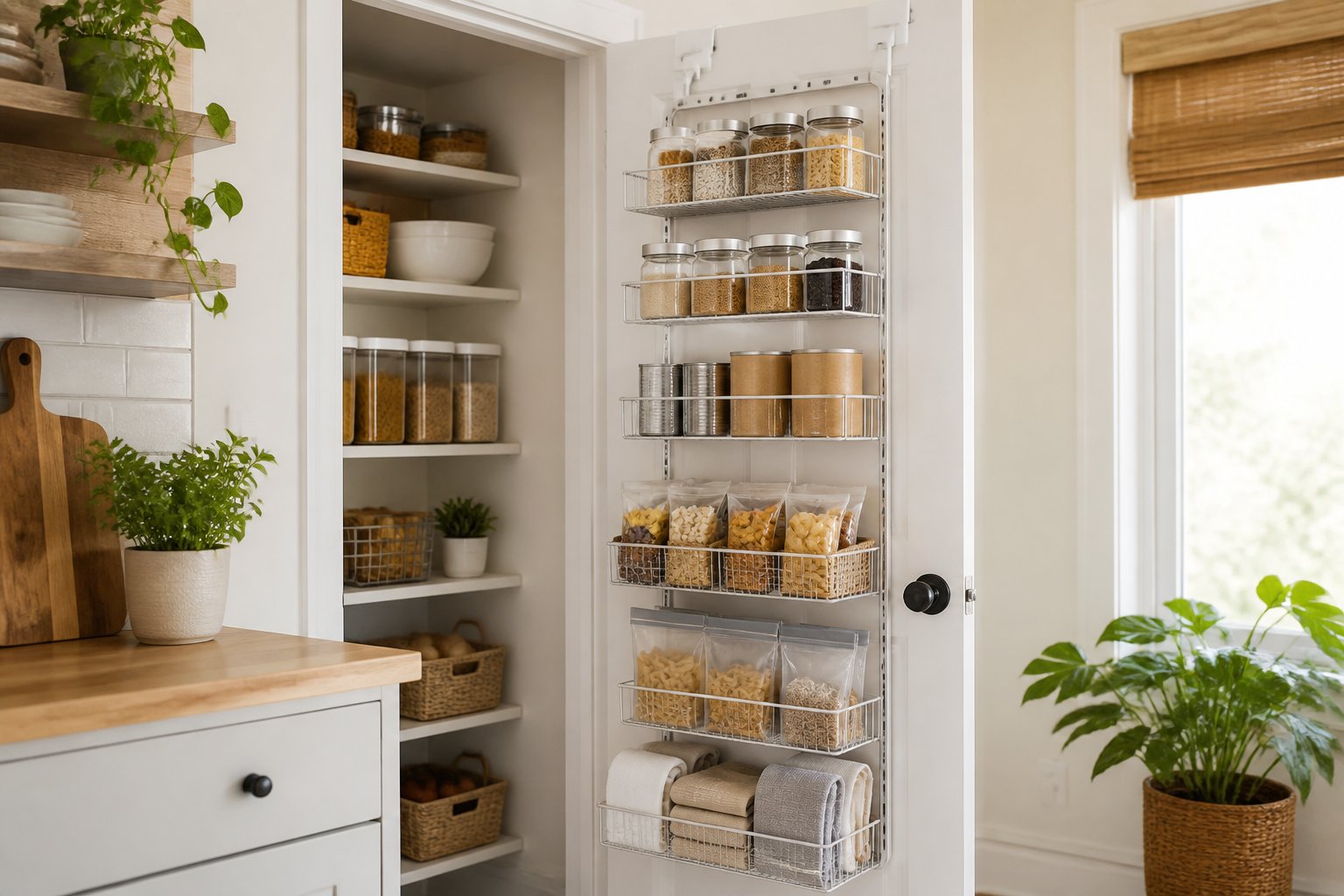
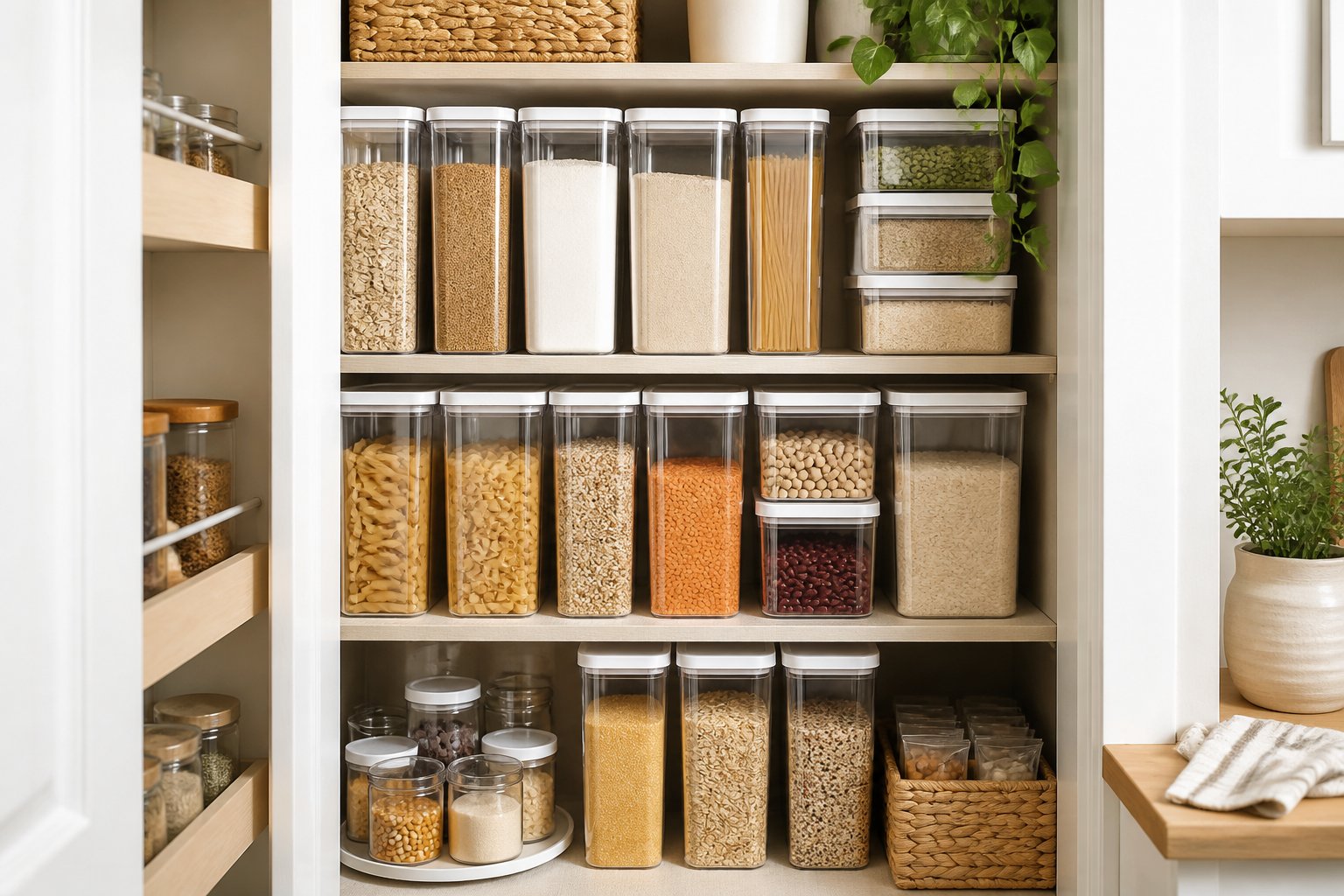
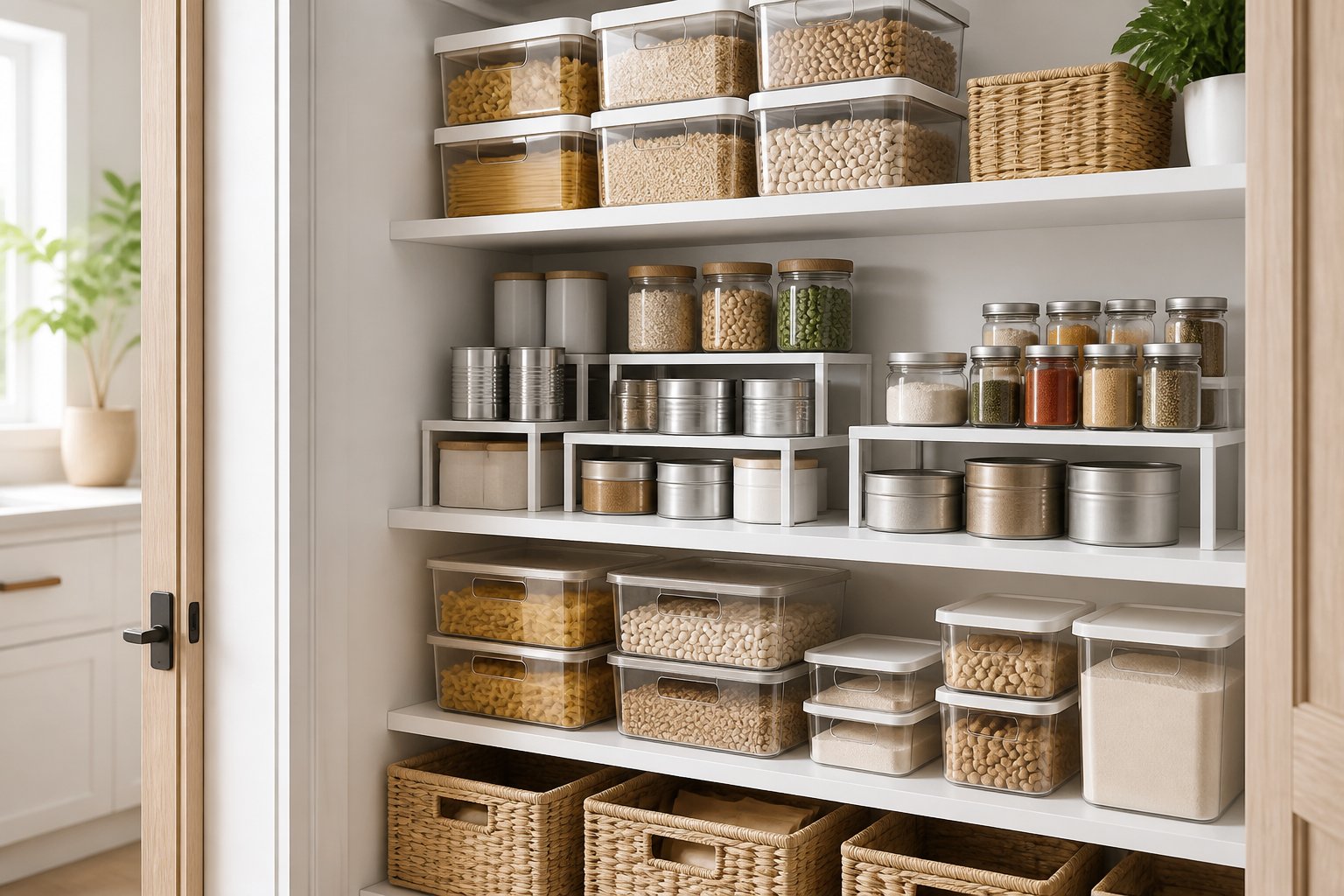
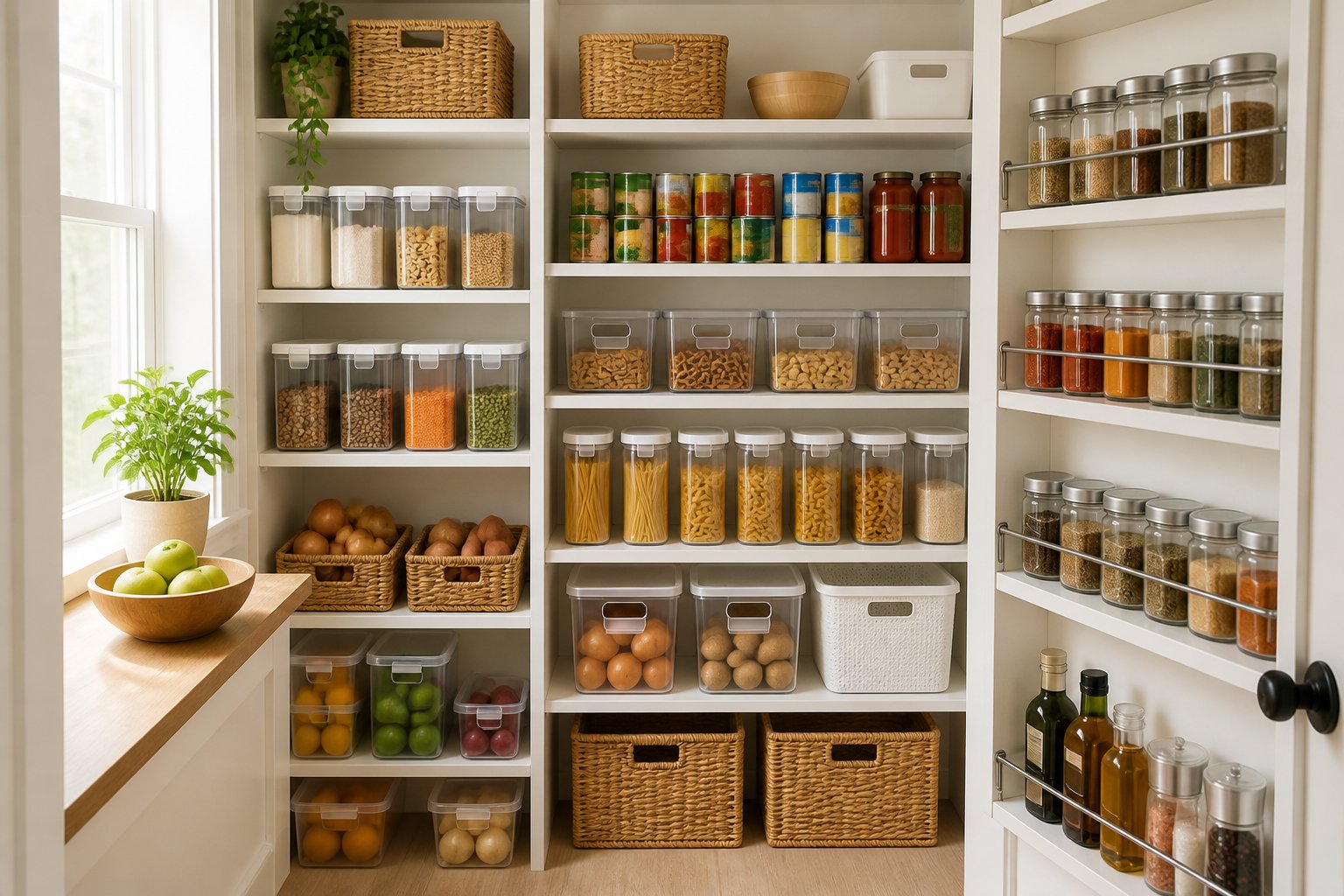
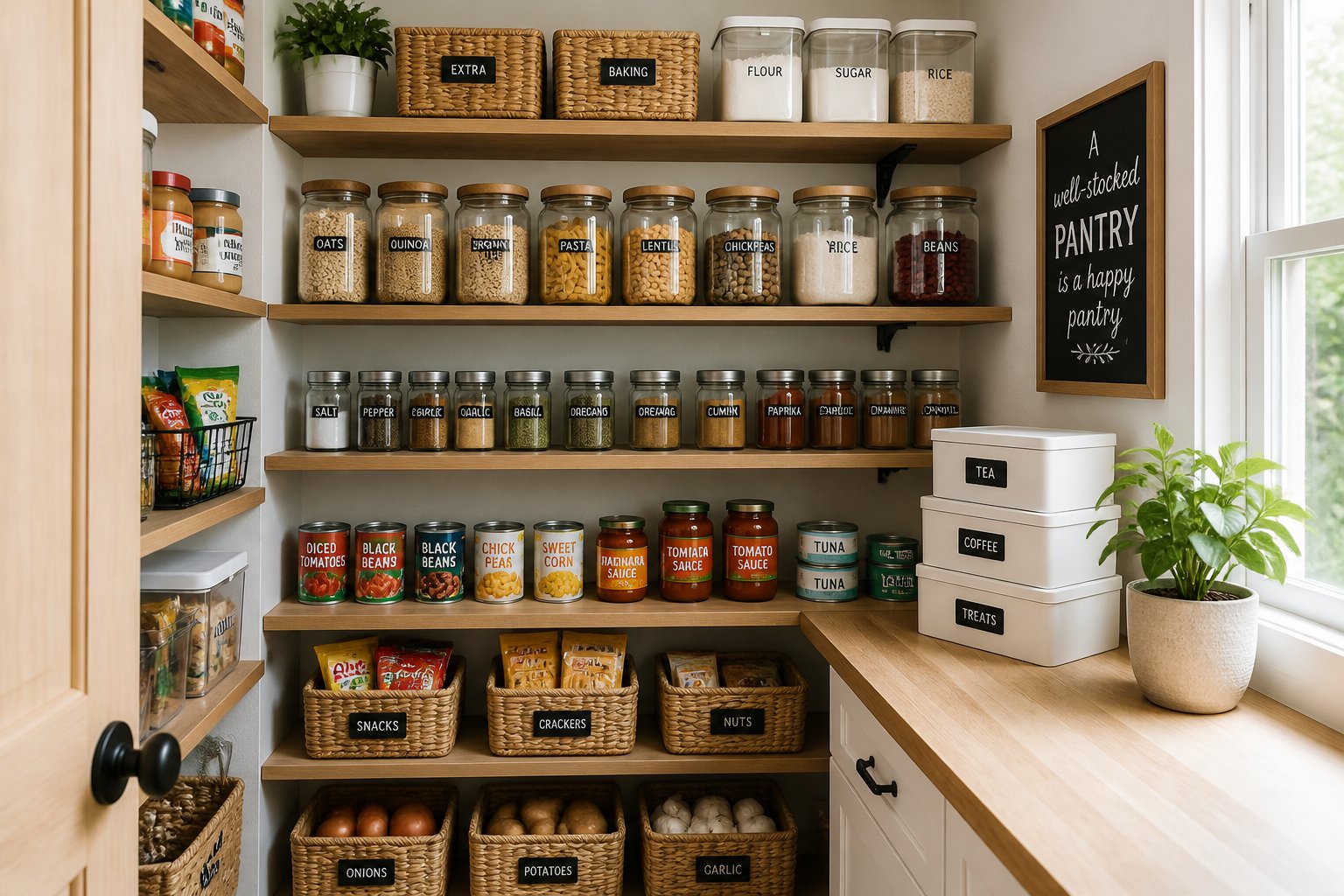
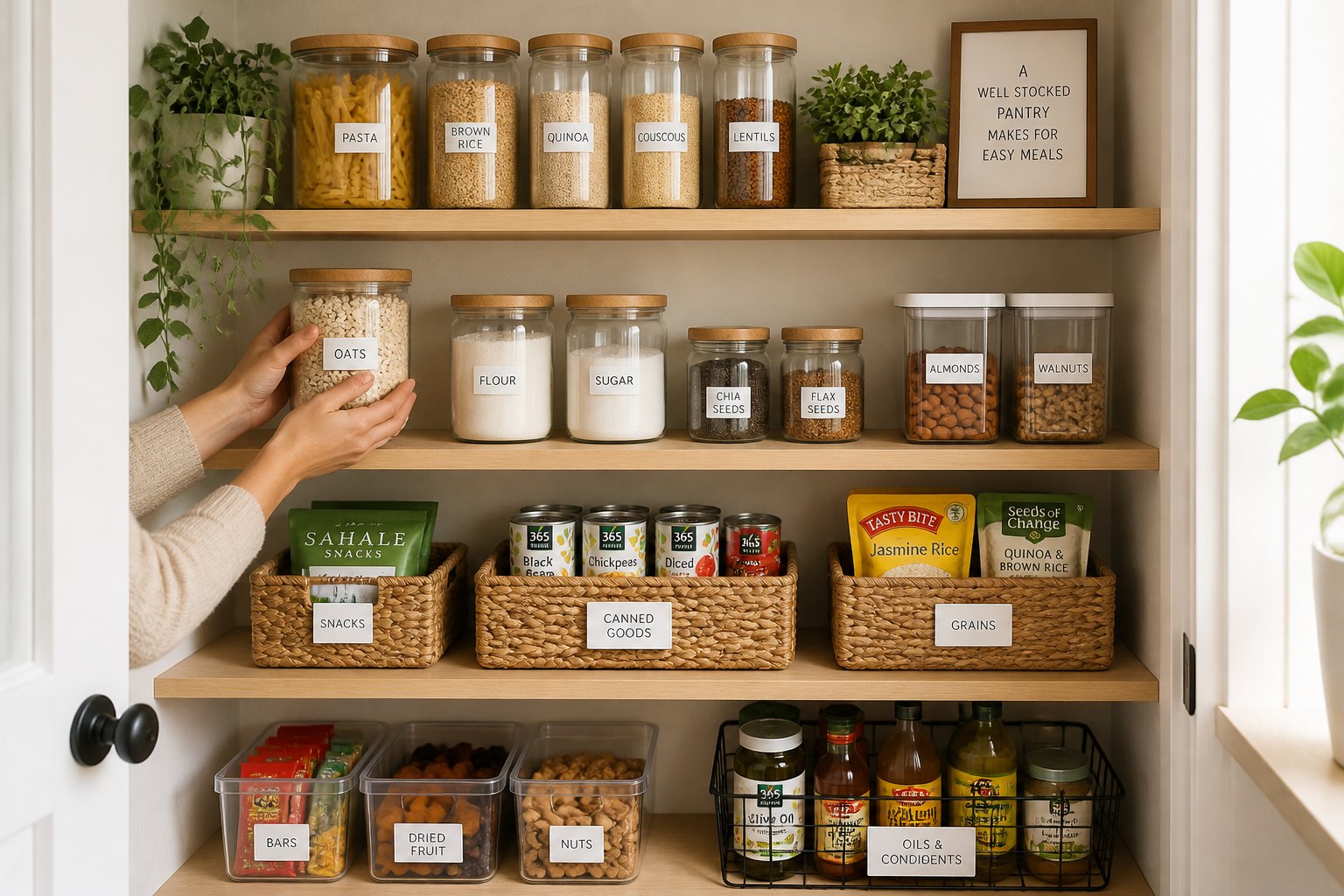
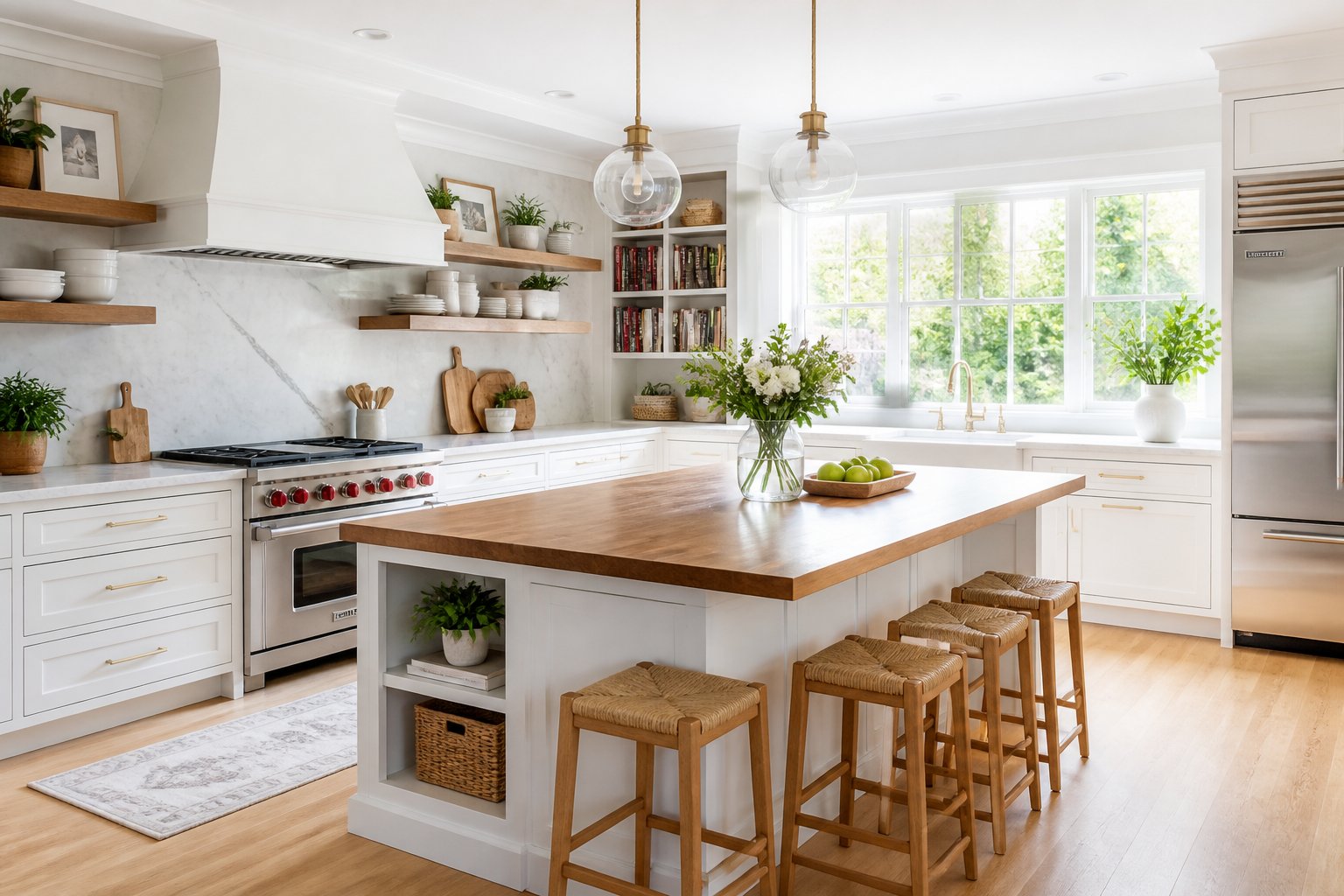
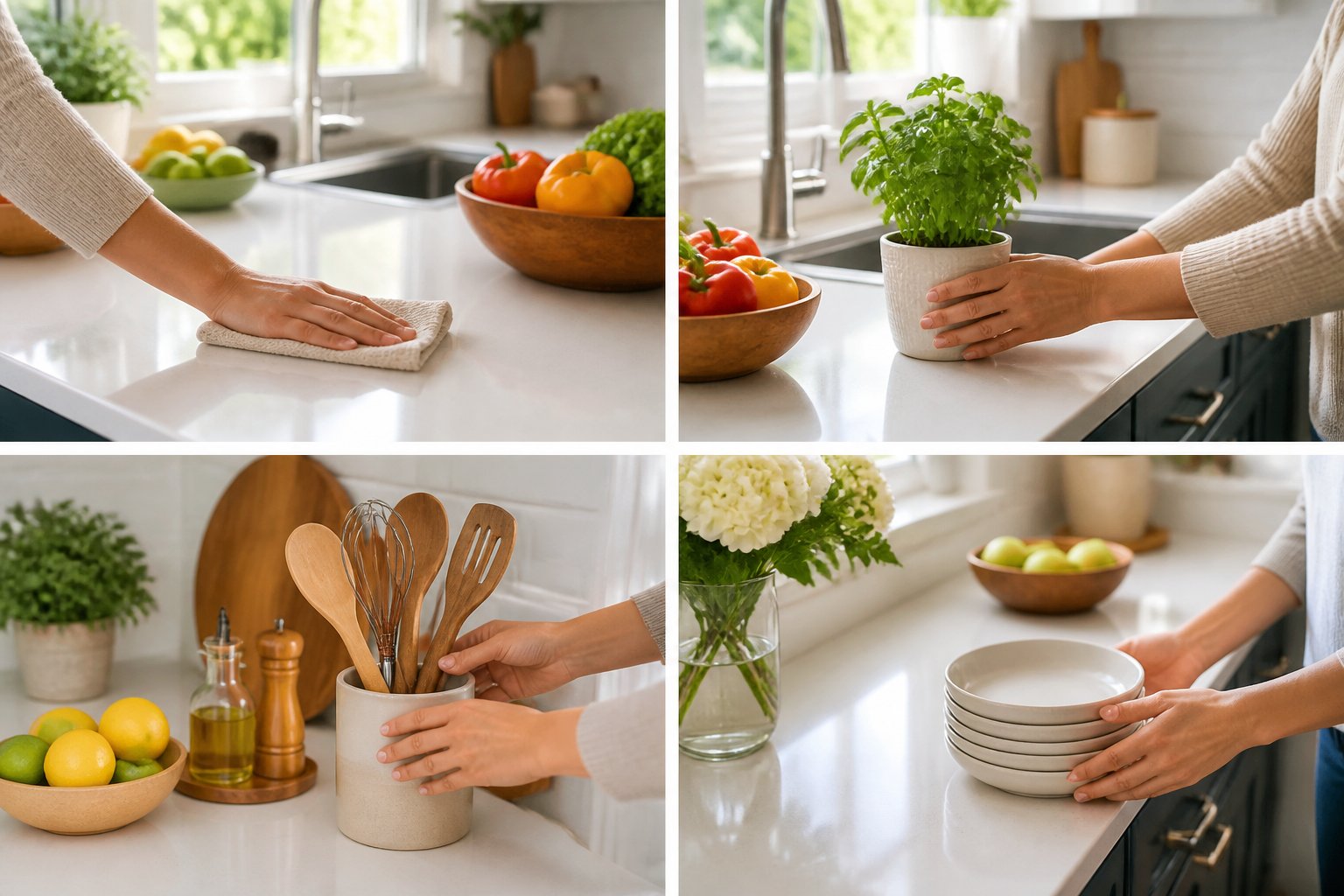
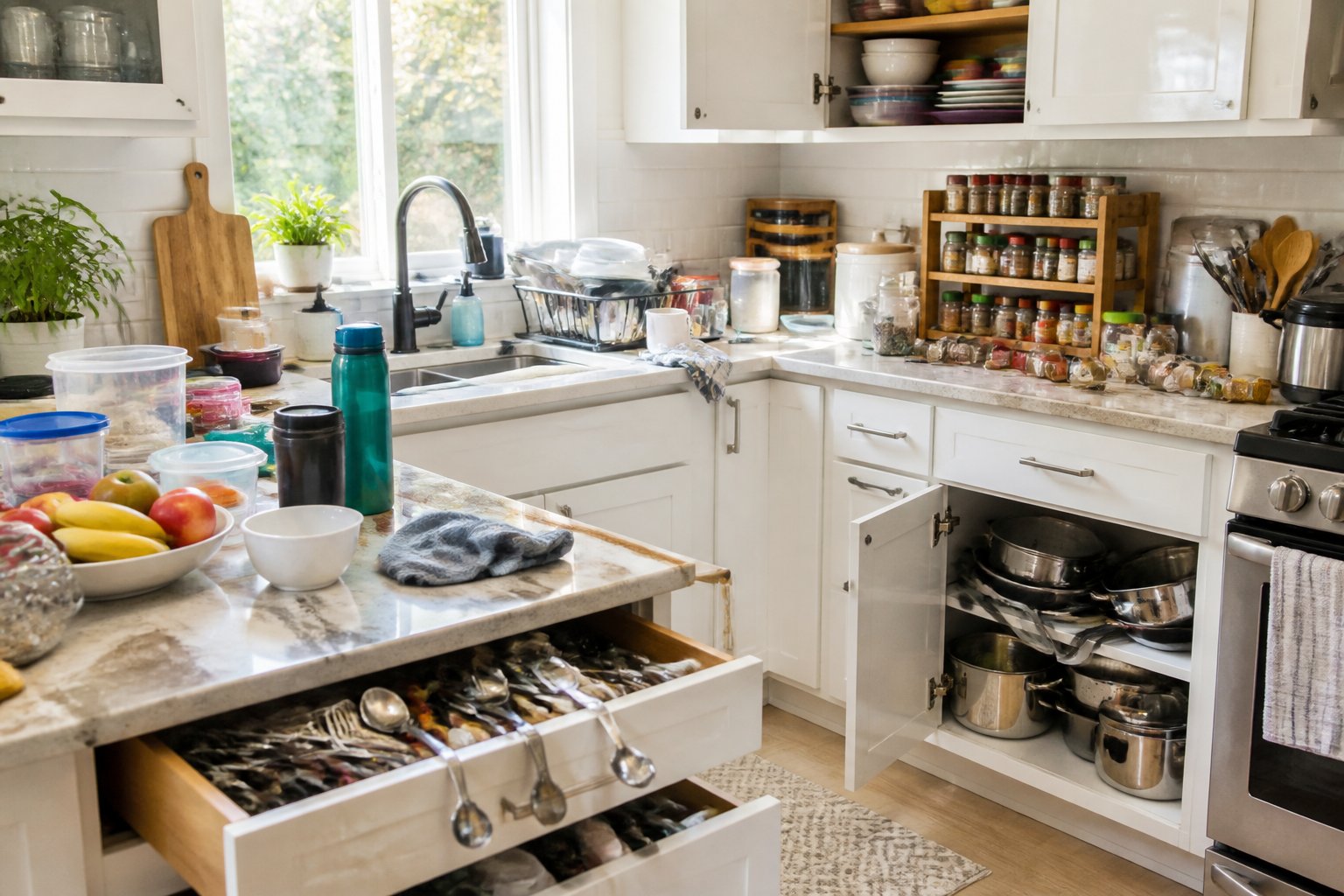
You clean your kitchen counters, put everything away, and feel satisfied with the results. A few days later, the clutter is back. This frustrating cycle happens because you're treating clutter as a cleaning problem when it's actually a system problem.

The real issue isn't that you have too much stuff or that you're not trying hard enough—it's that you don't have the right systems in place to keep clutter from returning. Without clear homes for your items and habits that support organization, your kitchen will keep returning to its cluttered state no matter how many times you clean.
Understanding why clutter reappears means looking beyond the surface mess. When you identify the root causes and fix the broken systems in your kitchen, you can finally break the cycle for good.

Kitchen clutter returns because the underlying systems fail, not because you lack motivation. The real problems are storage that doesn't match how you use items, unclear organizing methods, daily habits that create mess, and expectations that don't fit real life.
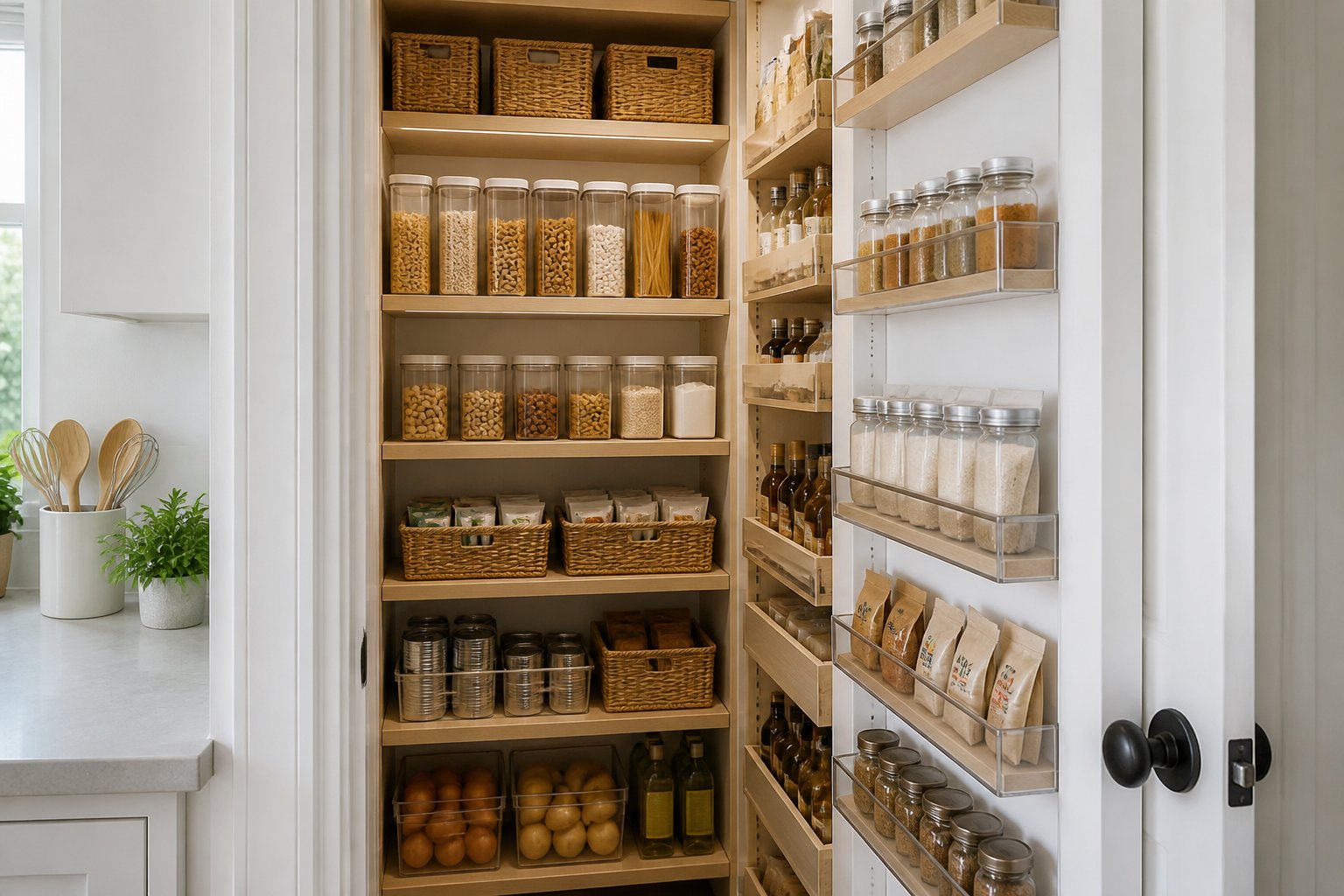
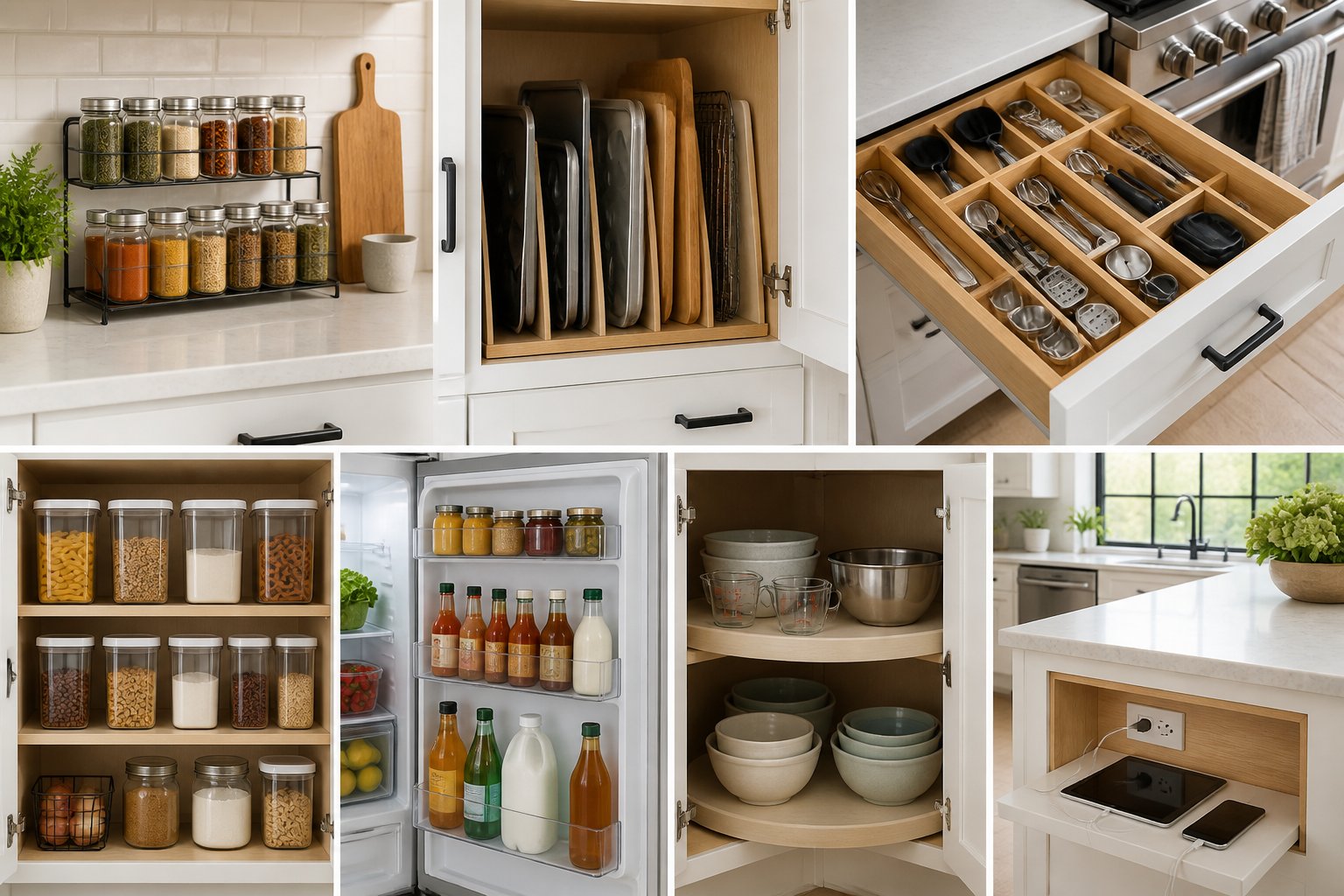
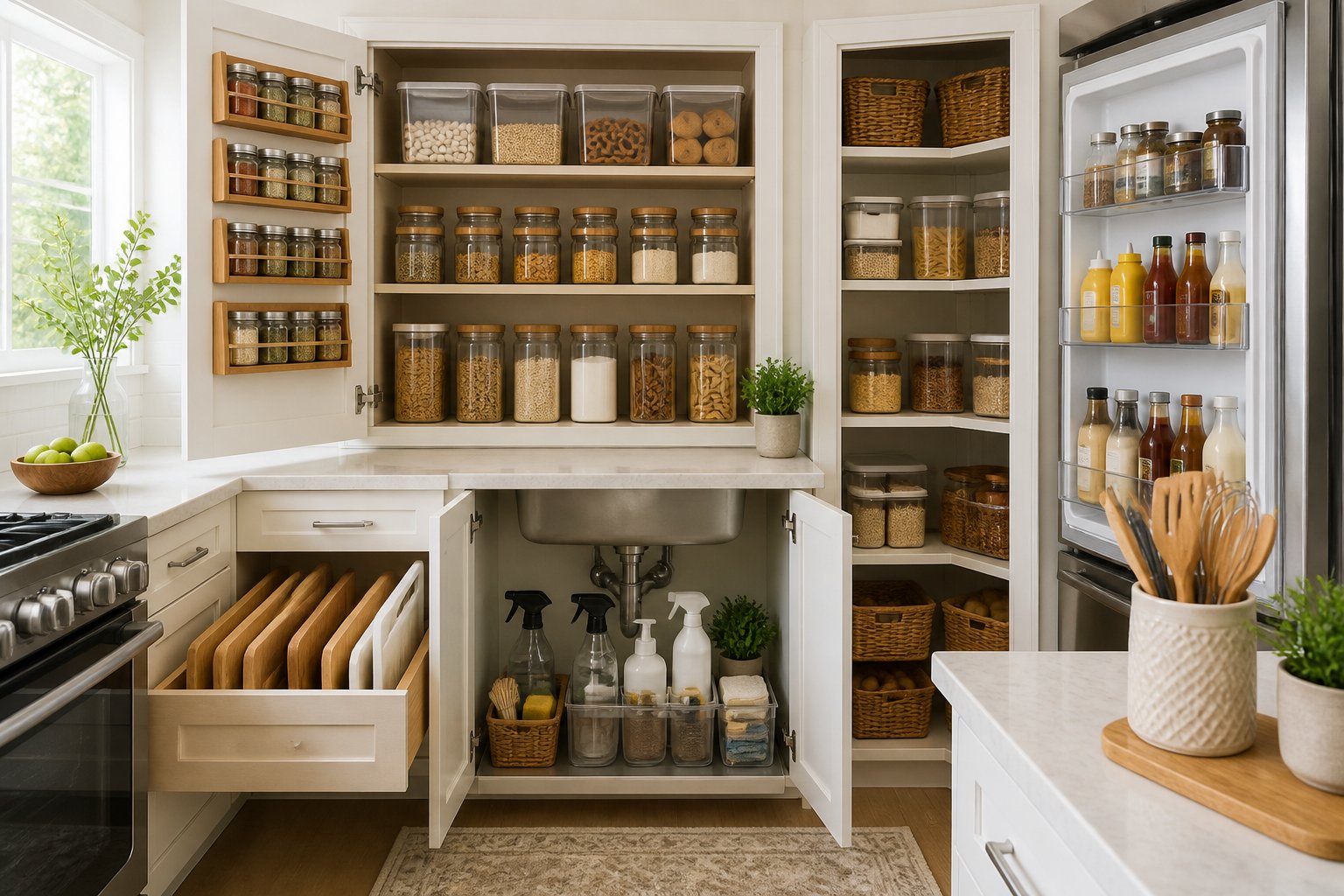
Your cabinets might be full, but that doesn't mean they're working for you. When storage doesn't match your actual cooking habits, items end up on counters instead of in their designated spots.
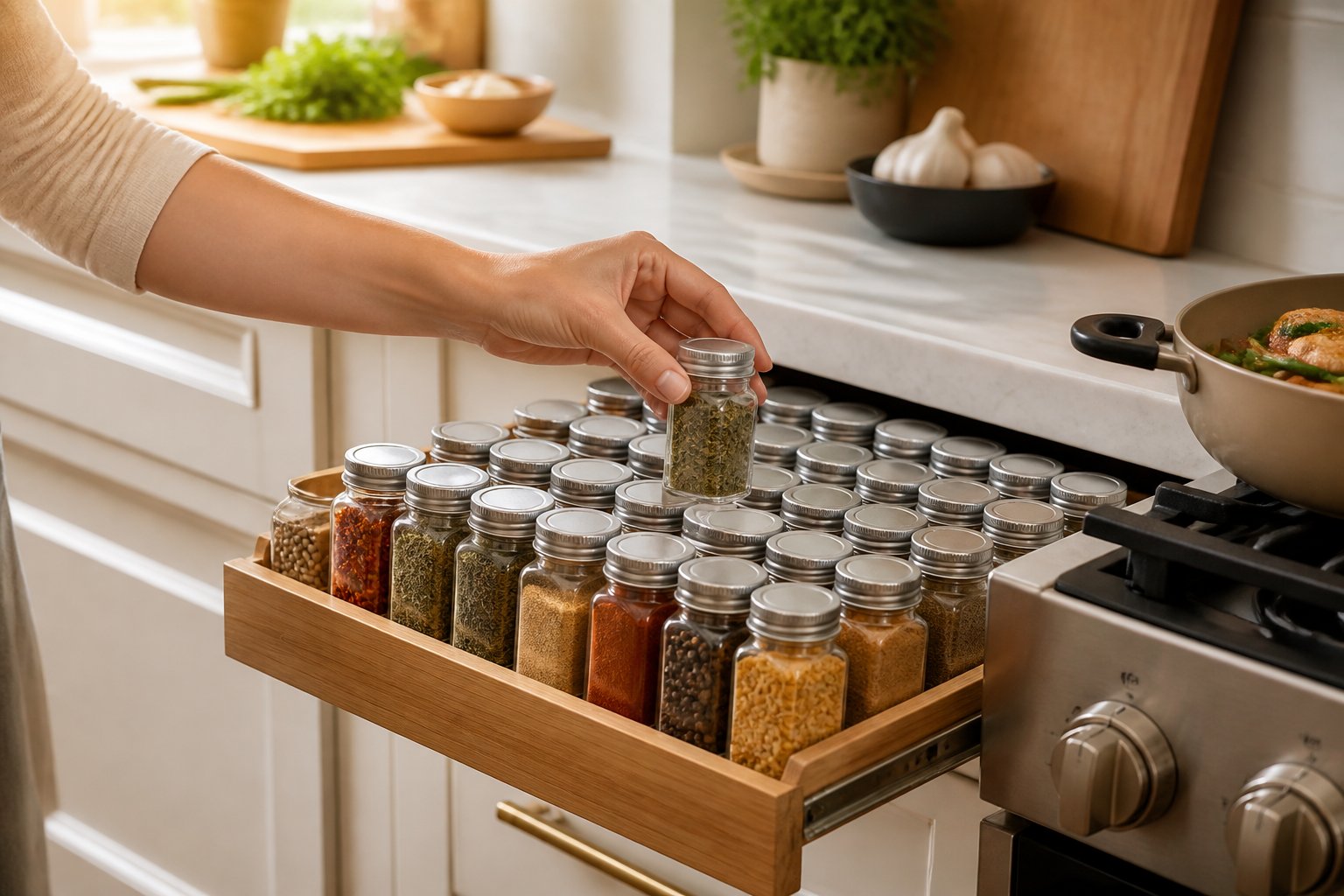
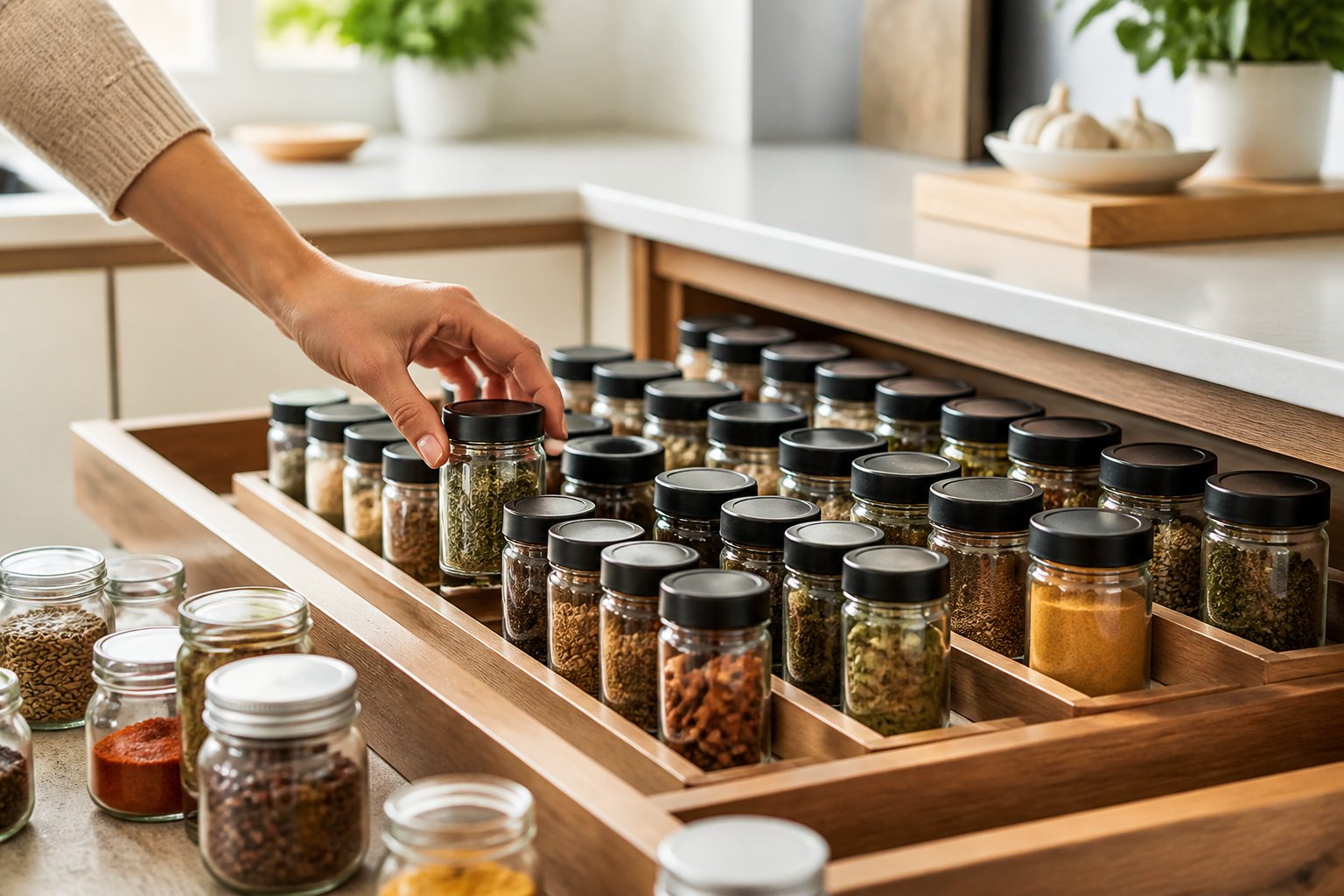
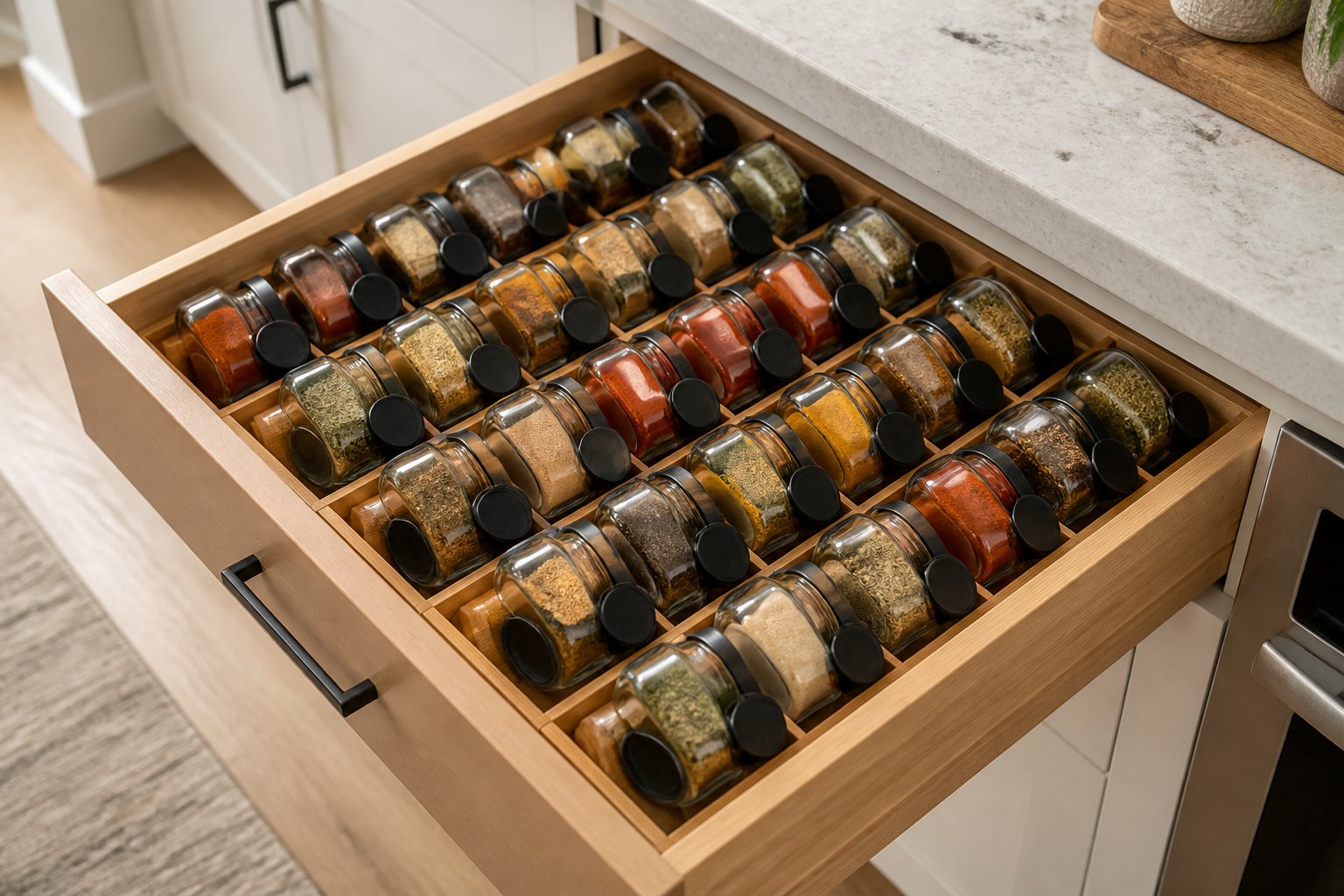
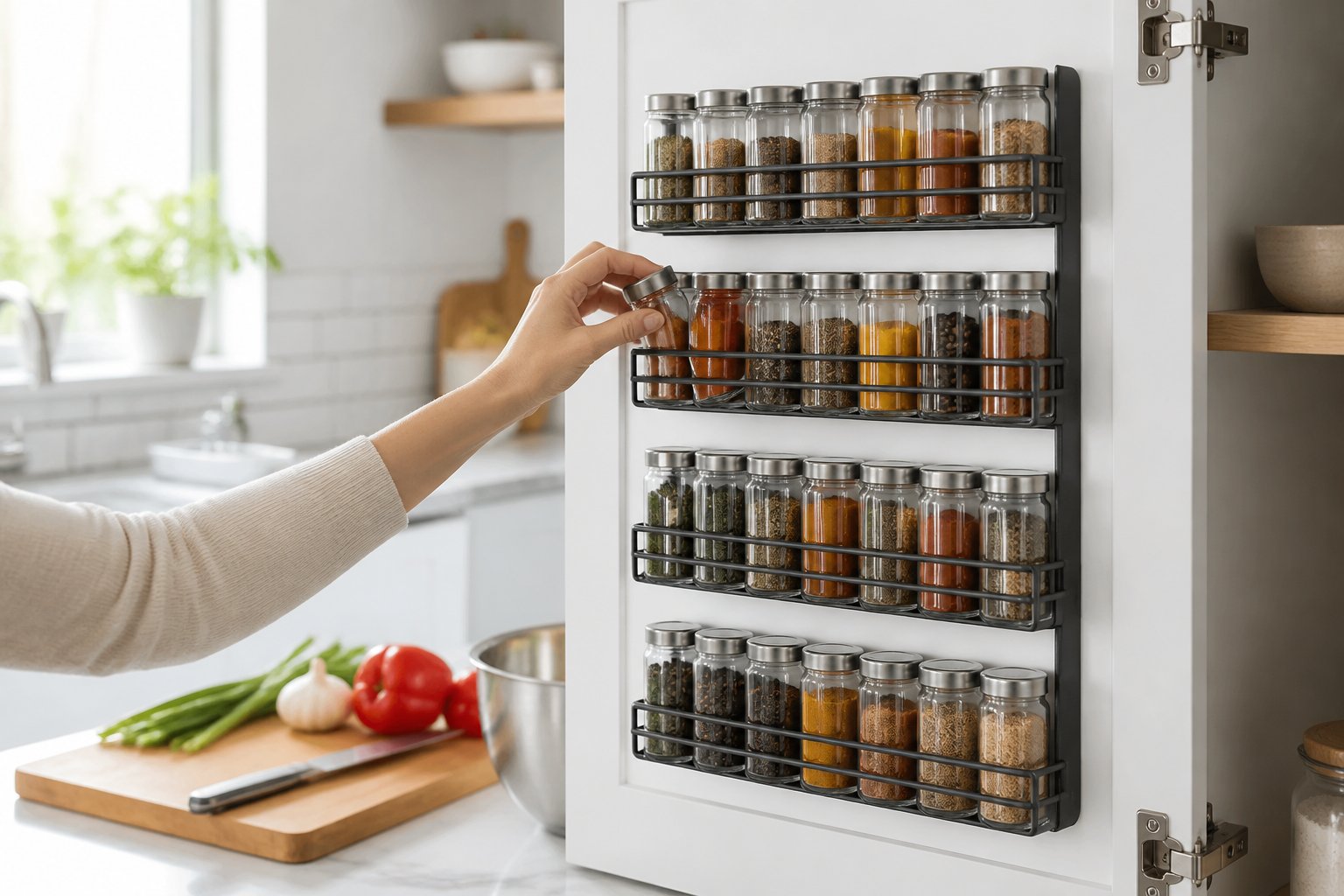
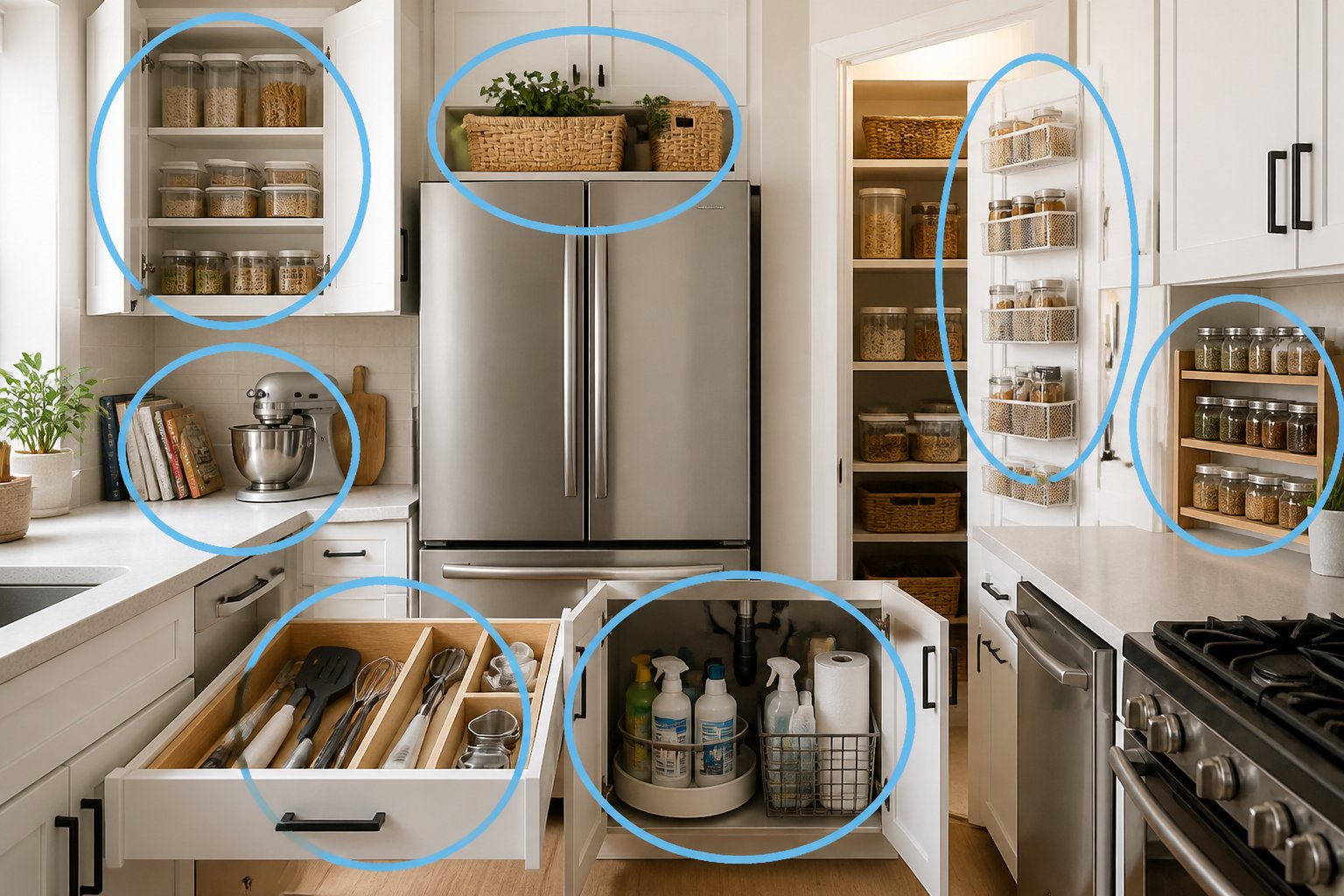
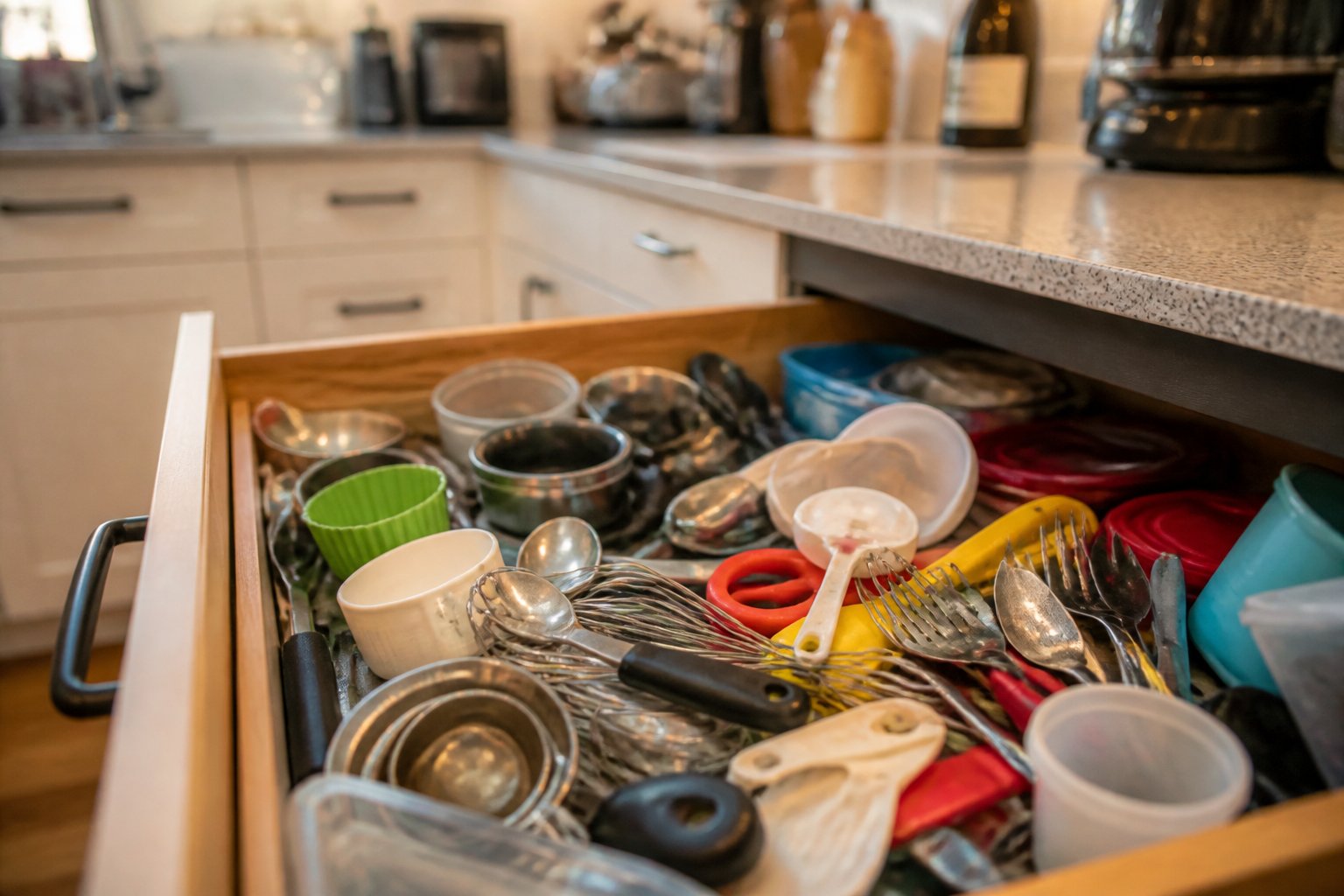
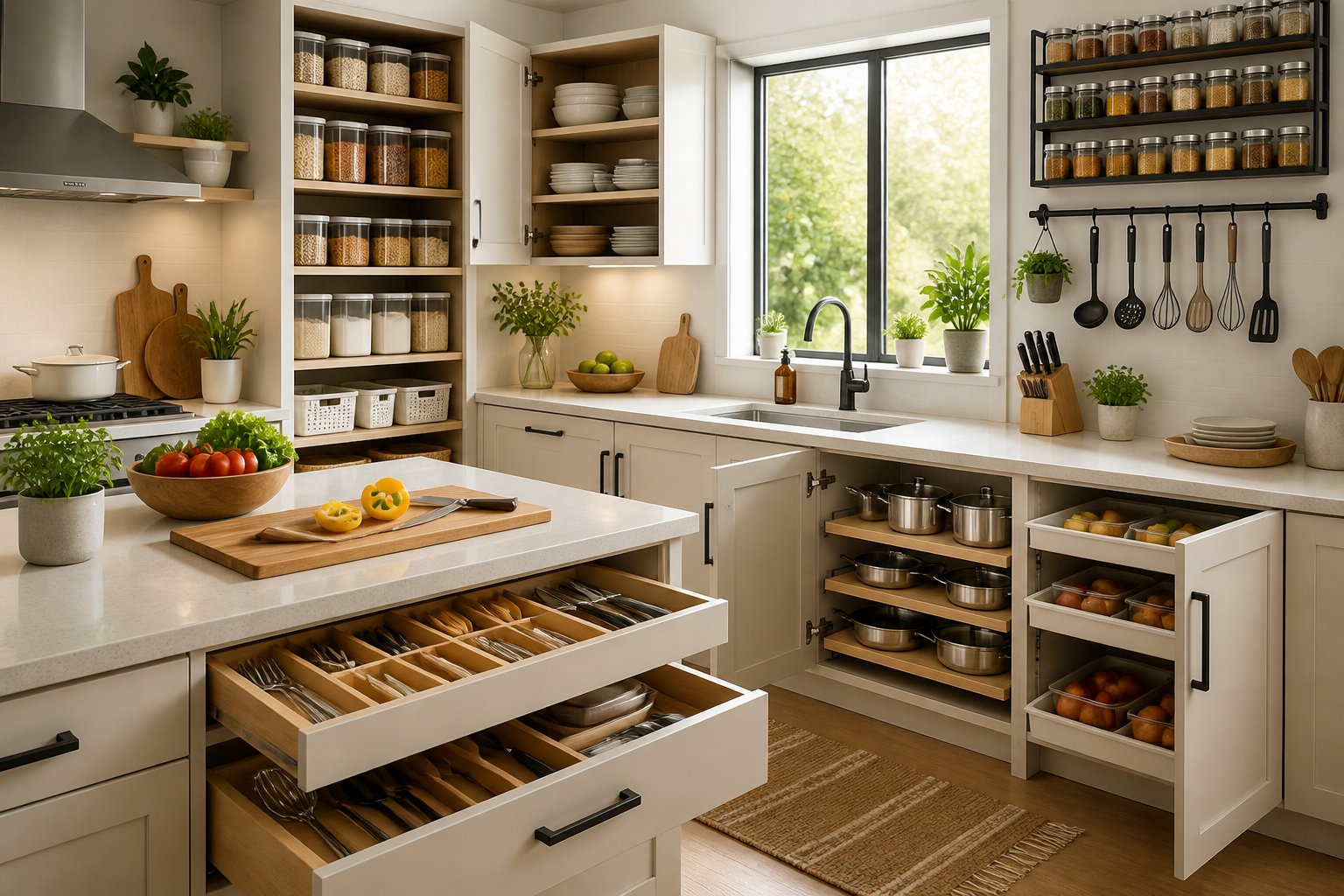
Deep cabinets without pull-out shelves hide items in the back. You forget what you own and buy duplicates. Corner cabinets with fixed shelves waste valuable space. Drawers without dividers turn into jumbled messes where nothing has a clear home.
Common storage failures include:
Your kitchen layout might also work against you. If the coffee maker sits far from the mugs and coffee supplies, you create unnecessary movement and clutter during your morning routine.
You need to know where things go without thinking about it. When your organizational system is unclear or too complicated, items don't get put away properly.
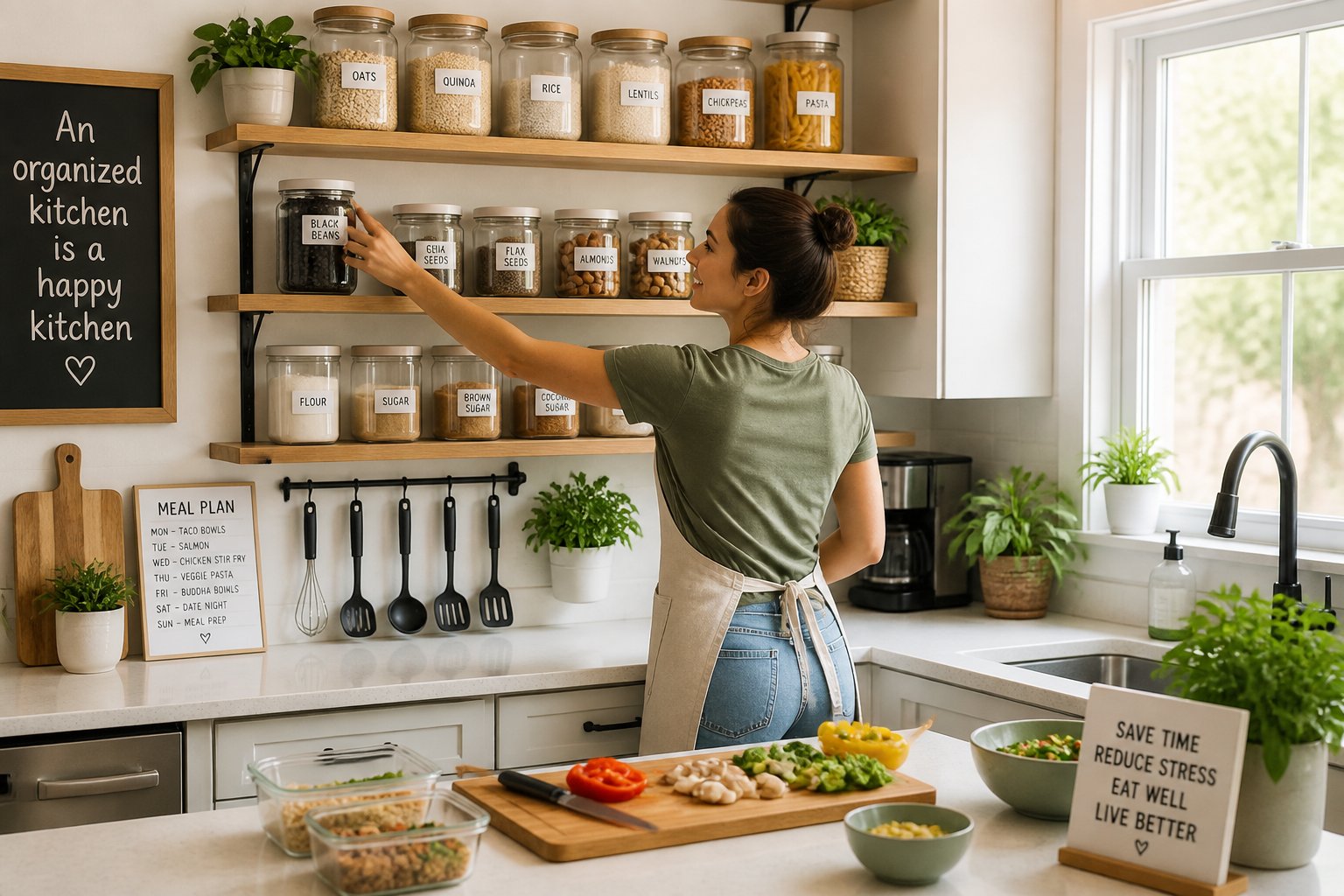
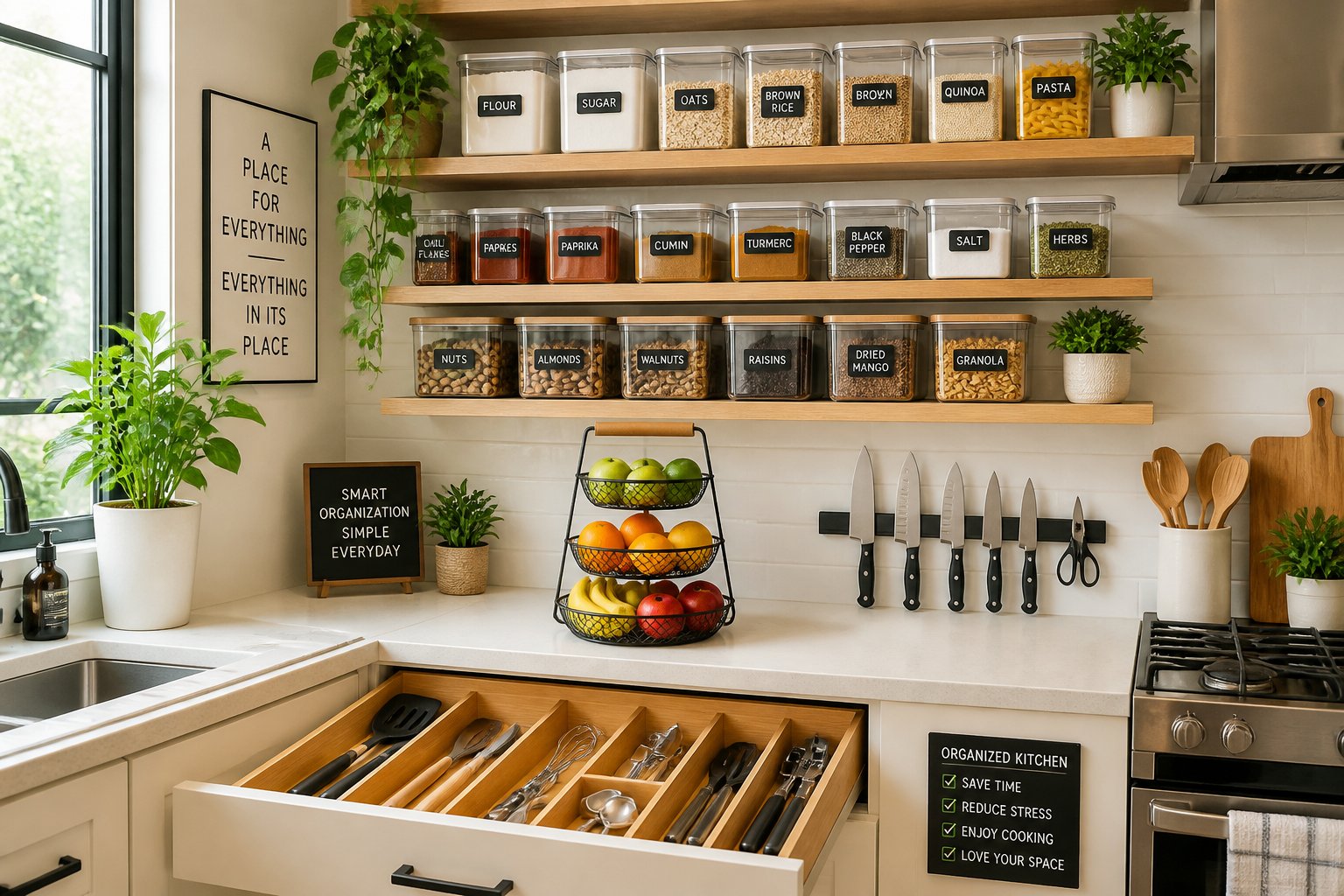
Labels help, but only if the categories make sense. A cabinet labeled "baking supplies" might contain flour, sugar, mixing bowls, measuring cups, cookie cutters, and cake pans. That's too broad. You waste time searching and items get shoved wherever they fit.
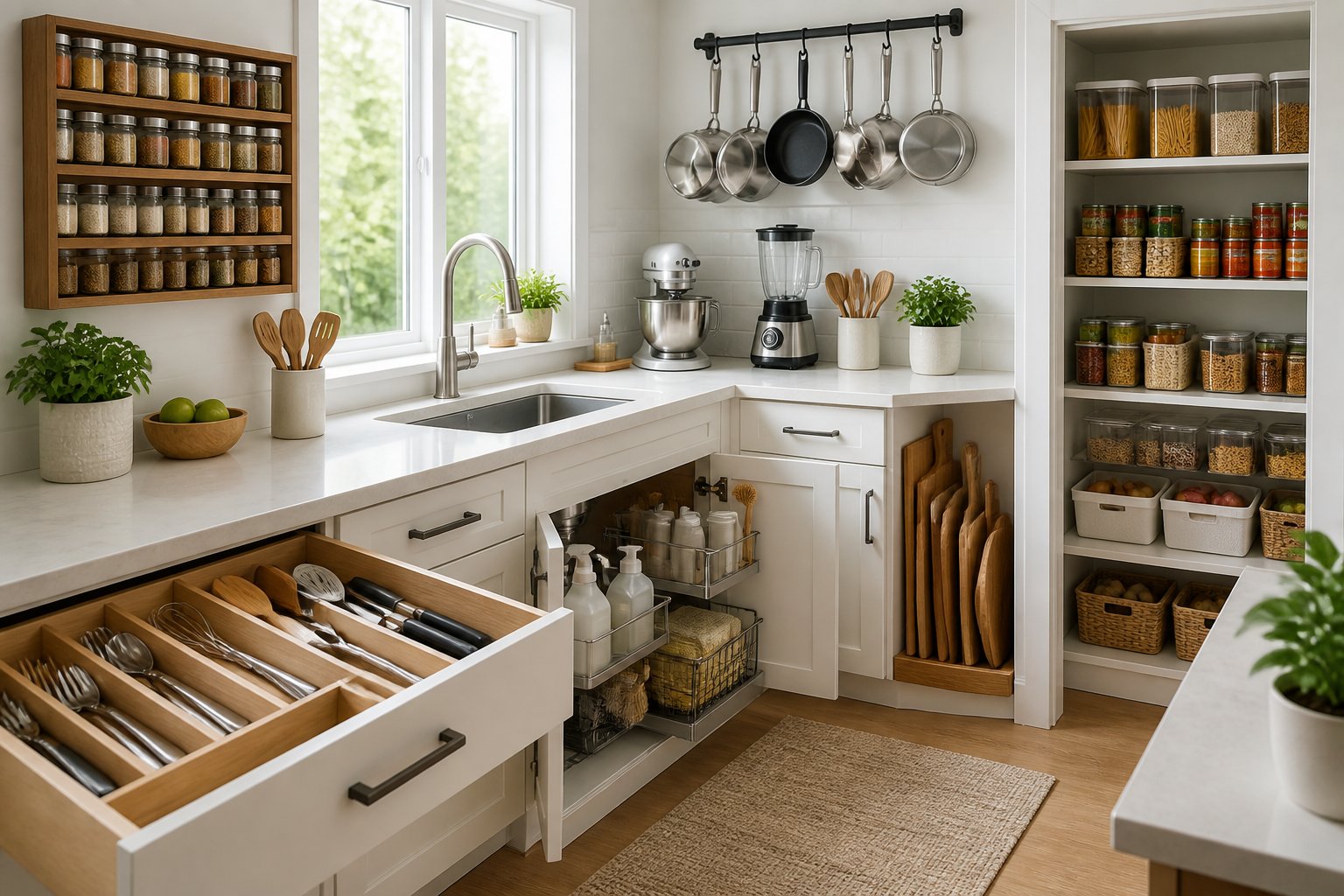
Zones work better than random placement. Your cooking zone should contain oils, spices, and utensils you use at the stove. Your prep zone needs knives, cutting boards, and mixing bowls. When these zones don't exist or overlap poorly, you end up with cooking tools scattered across multiple areas.
Other family members also need to understand the system. If only you know where things belong, everyone else will leave items out or put them in wrong spots.
Your daily actions either maintain order or create chaos. Small habits compound over time into major clutter problems.
Leaving dishes in the sink "just for now" turns into a pile by evening. Not wiping counters immediately means crumbs and spills build up. Keeping mail and papers on the kitchen table creates a permanent clutter zone. Buying groceries without checking what you already have leads to duplicate items and overcrowded shelves.
Habits that generate clutter:
You might also hold onto kitchen tools you never use. That bread maker from three years ago takes up cabinet space. Multiple versions of the same tool create drawer clutter. One good spatula beats five mediocre ones.
You expect your kitchen to stay perfect after one big cleaning session. That's not how kitchens work. They need daily maintenance, not weekly overhauls.
A clean kitchen requires 10-15 minutes of attention each day. You need to wash dishes after meals, wipe counters, and put items back in their spots. Skipping these small tasks means clutter accumulates until you face an overwhelming mess that takes hours to fix.
Social media shows spotless kitchens with empty counters and perfect organization. Those are styled photos, not real working kitchens. Comparing your space to these images sets you up for frustration and failure.
Your system also needs to match your actual lifestyle. If you cook three meals a day at home, you need different storage than someone who eats out frequently. A system designed for a professional chef won't work for a busy parent who relies on quick meals.

Fixing kitchen clutter requires three core changes: building daily habits that prevent buildup, arranging storage so items are easy to reach and put away, and creating clear rules about what enters your kitchen.
Daily habits prevent clutter better than periodic deep cleans. Start with a five-minute reset at the end of each day where you return items to their designated spots.
Key daily routines:
The goal is to make these tasks automatic. Pick one routine to master before adding another. Morning routines work differently than evening ones, so choose times that match your schedule.
Track your progress for two weeks. Most people need 18 to 66 days to form a habit, depending on the complexity. Start simple and build from there.
Your storage setup determines whether items get put away or left on counters. Items you use daily should be within arm's reach of where you use them.
Place coffee mugs near the coffee maker. Store cooking oils next to the stove. Keep cutting boards beside the prep area. This reduces the effort needed to put things away.
Storage accessibility checklist:
Remove cabinet doors or use clear containers if you forget what you own. Visible storage works better than hidden storage for many people.
Label shelves in shared kitchens so everyone knows where items belong.
Every new item needs a designated home before it enters your kitchen. Without this rule, clutter returns quickly.
Apply the one-in-one-out rule: when you buy a new pan, donate or discard an old one. This maintains a stable number of possessions. For consumables like food and cleaning supplies, set maximum quantities based on your storage space.
Create a waiting period for non-essential purchases. Wait 48 hours before buying new kitchen gadgets. Most impulse purchases lose their appeal during this time.
Refuse freebies that don't serve a clear purpose. Extra promotional items and duplicate tools add to clutter without adding value to your kitchen.

Kitchen clutter returns because of shopping habits, poor storage systems, and the emotional patterns that drive how you interact with your space. These answers address the main reasons your kitchen stays messy and what you can do to fix it.
Buying items without a specific place to store them creates immediate clutter. When you purchase kitchen gadgets, food containers, or pantry items without removing old ones first, you exceed your storage capacity.
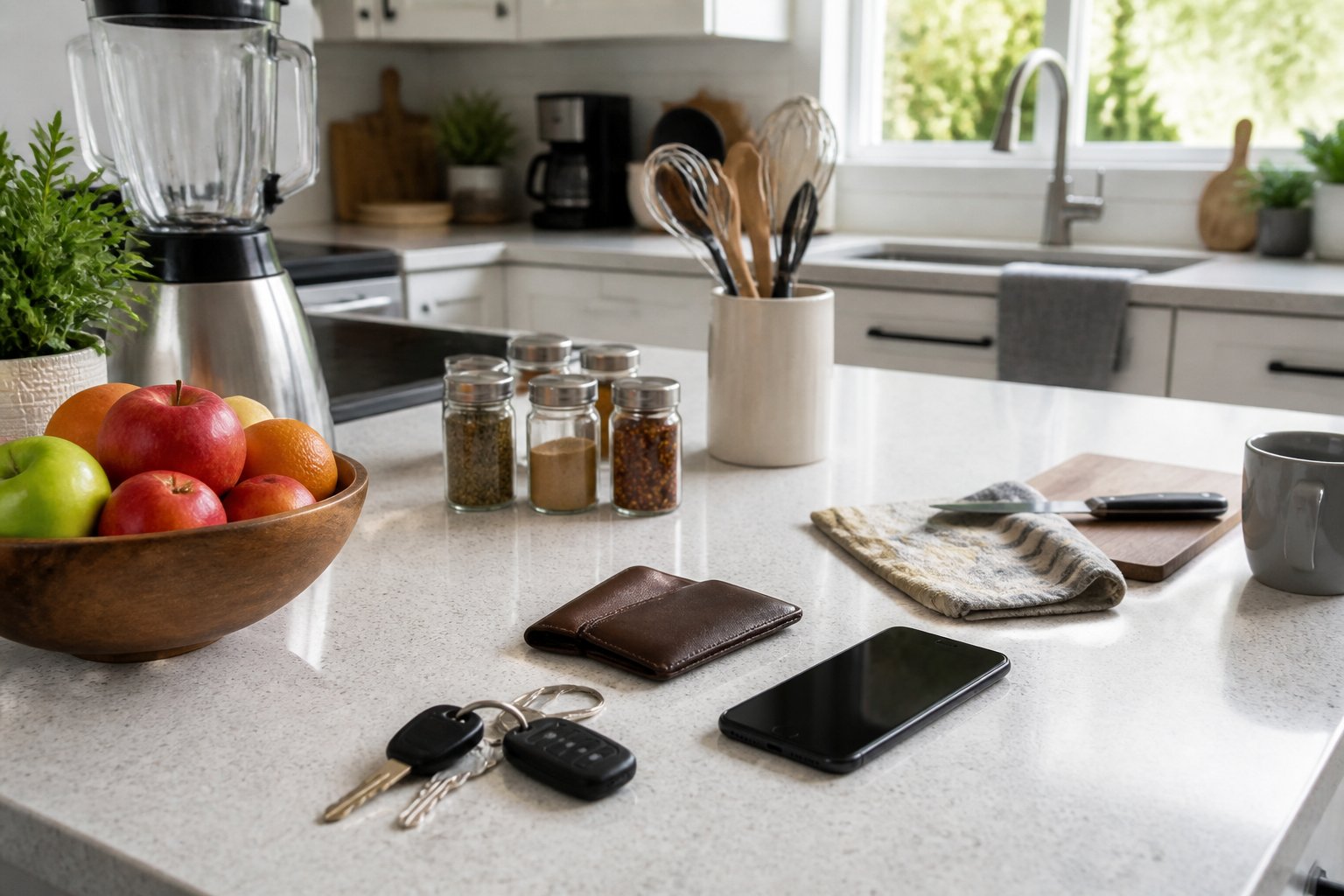
Leaving items on counters instead of putting them away creates a cycle where surfaces become dumping grounds. Mail, keys, and school papers end up in the kitchen because it's a high-traffic area.
Shopping without a list leads to duplicate purchases and unnecessary items. You might already own three can openers but buy another because you couldn't find the others in your cluttered drawers.
Storage systems that don't match how you actually use your kitchen fail quickly. If your most-used items sit in hard-to-reach cabinets, you'll leave them on the counter instead of putting them away.
Cabinets without dividers or shelving turn into black holes where items get lost. You can't see what you have, so things pile up in front while the back stays full of forgotten items.
Zones that don't make sense for your cooking style waste space and create confusion. When your cooking utensils sit far from the stove, you won't return them to their proper spot after use.
Each new item you bring home needs a designated space. When you keep buying without removing old items, your storage fills beyond capacity and overflow lands on your counters.
Sales and bulk buying often lead to more items than you can store or use. The "good deal" mentality results in duplicate tools and expired pantry items taking up space.
Kitchen gadgets marketed as time-savers often become clutter because they serve one narrow purpose. That avocado slicer or banana keeper adds to the mess when a regular knife works fine.
Cleaning addresses the symptoms but not the source of clutter. You can wipe counters and organize shelves, but if you keep the same shopping and storage habits, the mess returns.
Your storage system might not support your daily routines. When putting items away takes too much effort, you'll choose the easier option of leaving them out.
Family members need to know where items belong and why the system matters. Without everyone following the same organizational plan, one person's cleanup gets undone by another's habits.
Emotional attachment to kitchen items makes it hard to let go of things you don't use. That pasta maker from your wedding or the dishes from your grandmother stay in your cabinets even though they take up valuable space.
Fear of waste drives people to keep expired food, broken appliances, and duplicate items. You tell yourself you'll use it someday, but that day rarely comes.
Stress and fatigue reduce your ability to maintain organization systems. When you're tired after work, putting away groceries properly feels like too much effort.
The kitchen often represents nurturing and care, so a messy kitchen can trigger shame. This emotional response sometimes leads to avoidance rather than action.
Create a one-in-one-out rule where each new item requires removing an old one. This keeps your total number of possessions within your storage capacity.
Design your storage around your actual cooking habits, not how you think a kitchen should look. Put frequently used items in the most accessible spots.
Set up a donation box in your pantry or garage for items you no longer need. When you realize something doesn't serve you, remove it from your kitchen immediately.
Schedule a quick daily reset where you clear counters and return items to their homes. Five minutes each evening prevents small messes from becoming major clutter.
Establish specific homes for non-kitchen items that tend to migrate there. Create a mail station, key hook, and charging station outside the kitchen to keep these items from landing on your counters.
Stop buying organizational products until you've decluttered first. You need to know what you're keeping before you can choose the right storage solutions.
Kitchen clutter builds up fast. Between cooking meals, unpacking groceries, and daily family activity, counters fill with dishes, mail, and random items. Before you know it, your kitchen feels messy and stressful instead of functional.

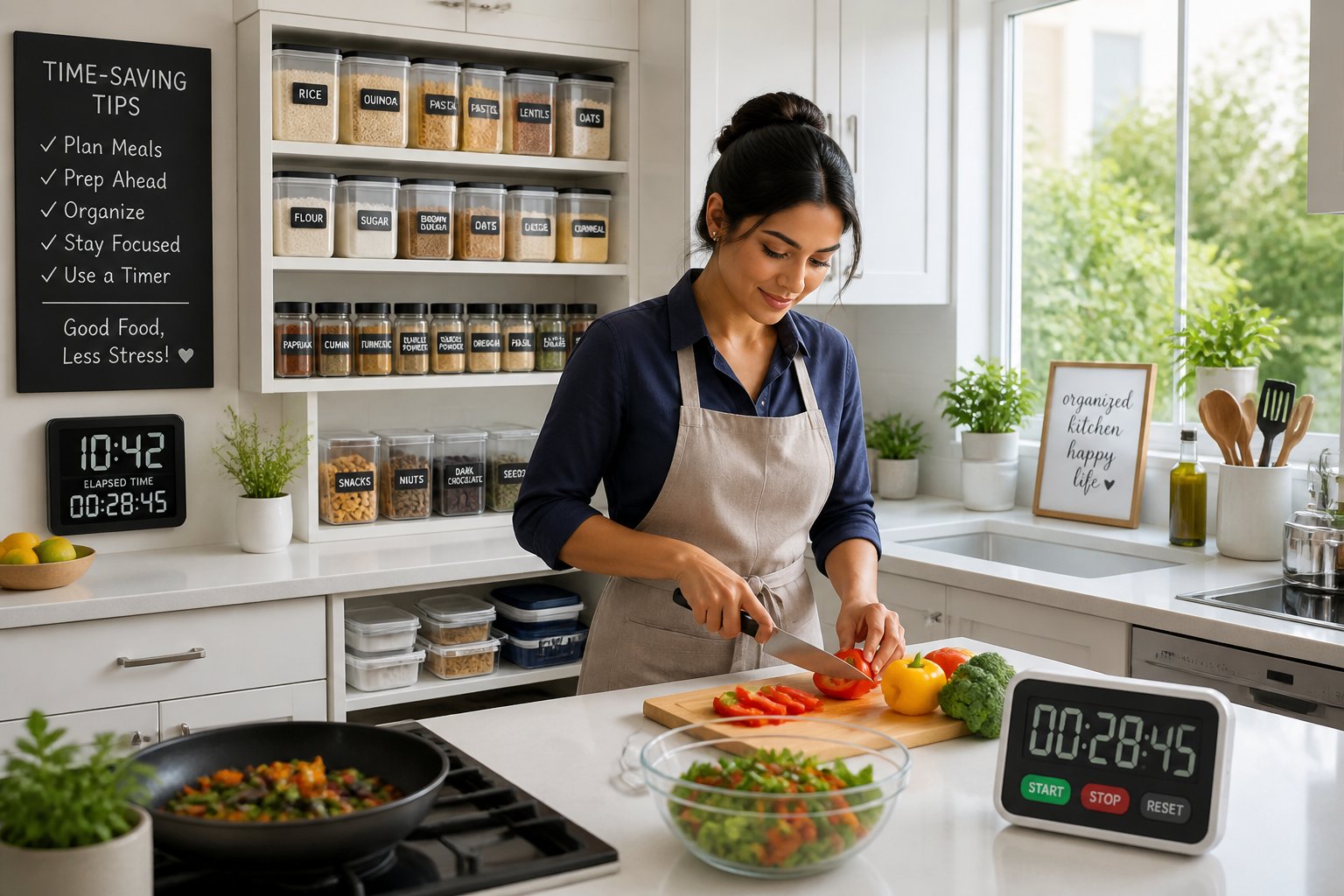
A 15-minute daily kitchen reset stops clutter from piling up by creating a simple routine that keeps your space clear without spending hours cleaning. You set a timer, follow a quick system, and stop when time is up. This approach works because it's manageable and fits into your real schedule.
This method focuses on preventing mess rather than constantly deep cleaning. You'll learn a simple reset routine, how to make it work with your daily life, and ways to keep your kitchen organized long-term. Small daily actions create lasting results.

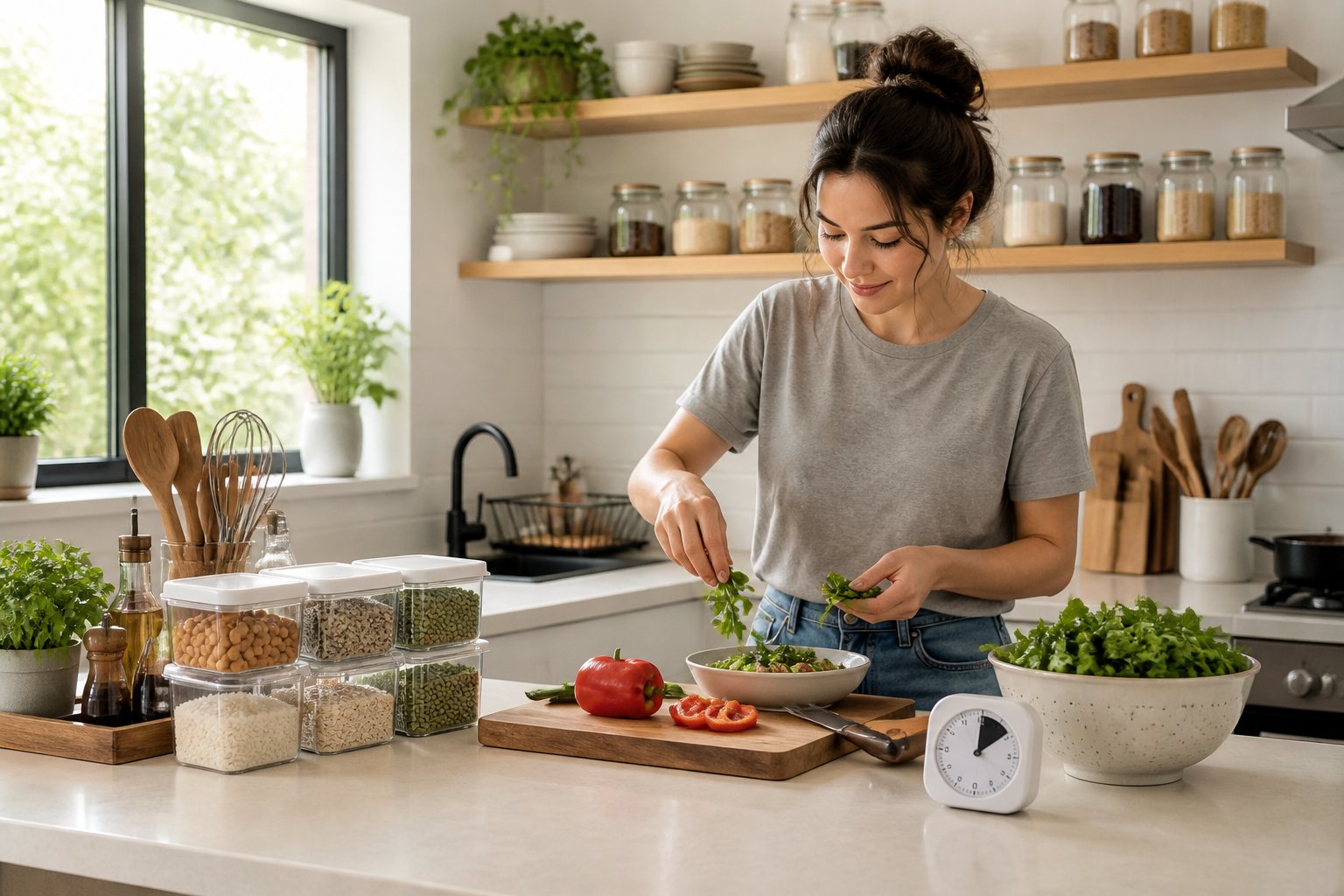
The reset method combines three key elements: a timer to create focus, a clear sequence of actions to tackle clutter and mess, and having the right supplies within reach so you don't waste time searching.
Set a timer for exactly 15 minutes before you start your reset. This creates a clear boundary for the task and prevents the cleaning from taking over your evening.
The timer adds gentle pressure that keeps you moving efficiently. You'll work faster when you know the clock is running. This approach stops you from getting stuck on one spot or perfectionist tendencies that make cleaning feel endless.
Use your phone timer or a kitchen timer that's loud enough to hear from any part of the room. Place it where you can glance at it to check your progress. When the timer goes off, stop wherever you are. The goal is consistency, not perfection.
The 15-minute limit makes the task feel manageable even on tired evenings. You're more likely to start when you know it will end soon.
Start by clearing items that don't belong in the kitchen. Grab a basket or bin and collect toys, mail, school papers, and other items to return to their proper rooms later.
Next, put away clean dishes from the dish rack or dishwasher. Load dirty dishes into the dishwasher or stack them neatly if you wash by hand. Clear all countertops of food items, returning them to the fridge or pantry.
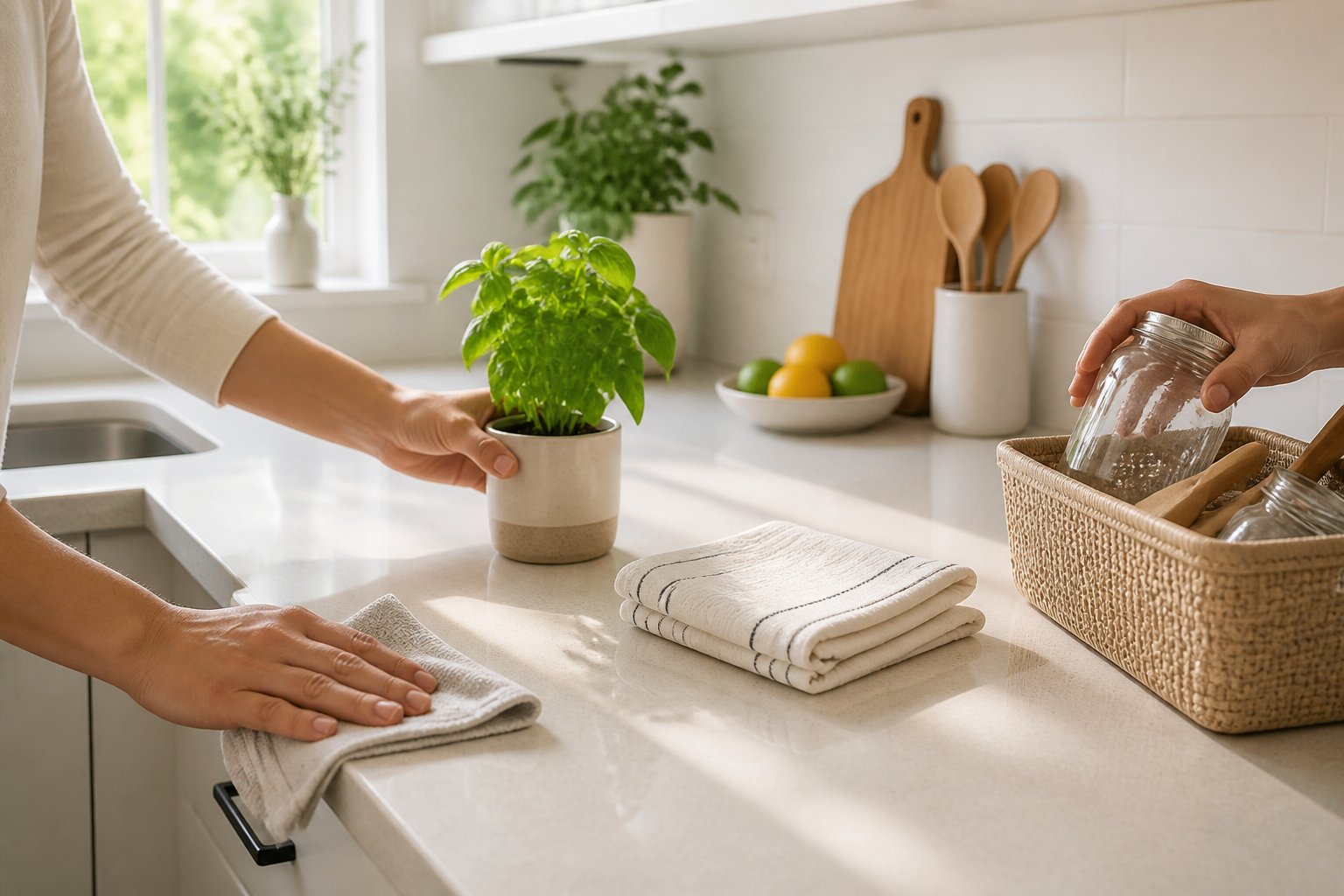
Wipe down counters, the stove, and your sink using a damp cloth or cleaning spray. Focus on visible surfaces rather than deep cleaning. Run the disposal if needed and rinse your sink until it shines.
Take out the trash if it's full or starting to smell. Replace the bag immediately so it's ready for tomorrow. Sweep or spot-clean the floor only if you see crumbs or spills.
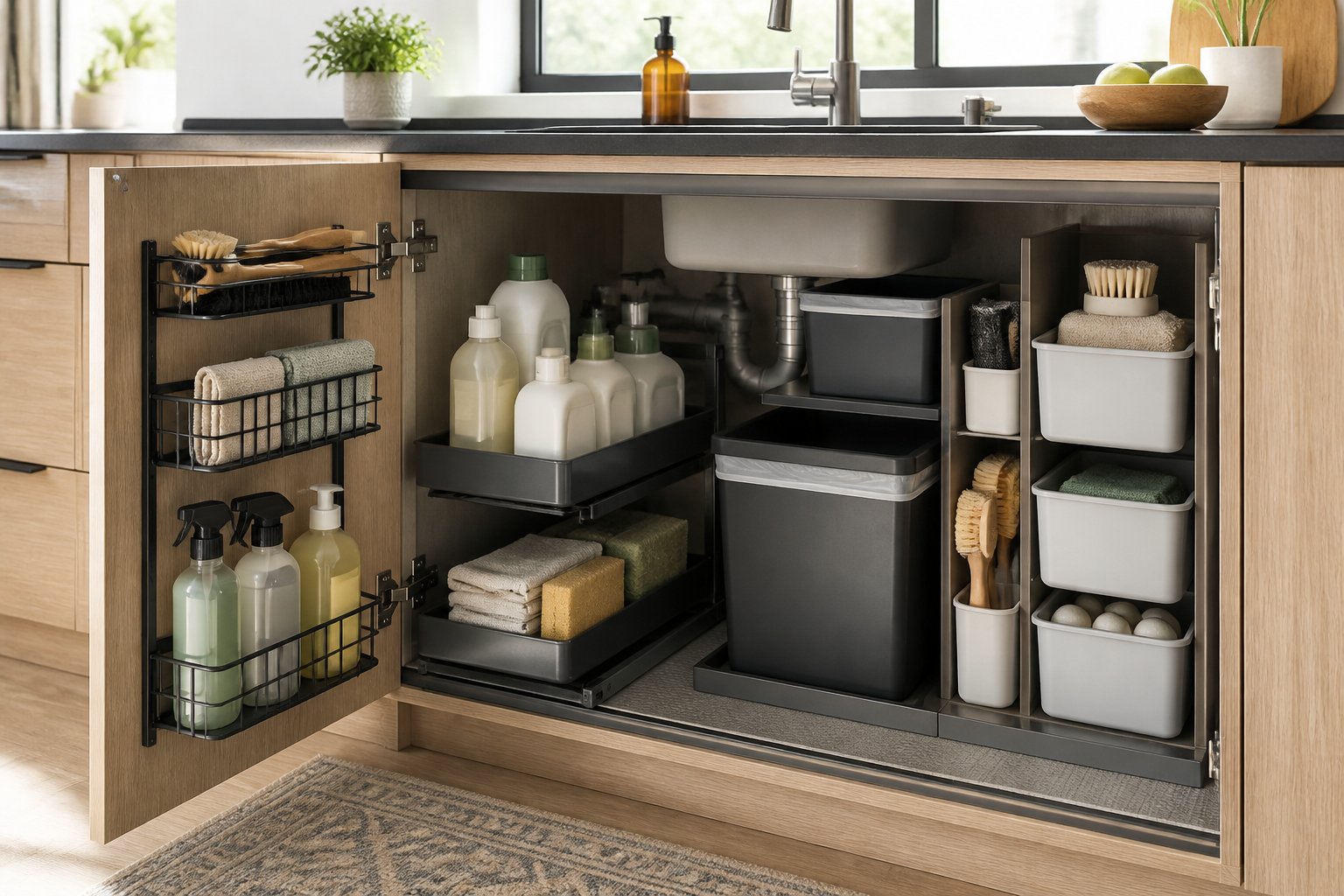
Keep your reset supplies in one easy-to-reach location. Store them under the sink or in a caddy on the counter so you don't waste minutes hunting for what you need.
Your basic kit should include:
Replace items when they run low. Running out of dish soap or trash bags mid-reset breaks your momentum and makes it harder to maintain the habit. Keep backup supplies stocked in your pantry or cleaning closet.

A clean kitchen requires consistent daily actions and shared responsibility. The right habits and quick problem-solving keep your space organized without extra effort.
Pick a specific time each day for your kitchen reset. Most people find success right after dinner or before bed when the kitchen sees its heaviest use.
Set a timer for 15 minutes to keep yourself focused. This time limit prevents burnout and makes the task feel manageable. Work through the same sequence every day: clear counters, load the dishwasher, wipe surfaces, and return items to their homes.
Create a simple checklist for your reset routine:
Stack these habits with existing routines. Do your reset while your coffee brews in the morning or while dinner simmers on the stove. The routine becomes automatic when tied to something you already do.
Assign each family member one specific task they complete daily. A child can clear their dishes while a teenager wipes the table. Adults can split the dishwasher and counter cleaning.
Make expectations clear by posting a simple chart on the fridge. List each person's name and their daily kitchen job. Young children respond well to picture-based charts that show their task.
Start a "clean as you go" rule during meal prep. Everyone who cooks puts away ingredients and washes prep dishes before sitting down to eat. This cuts your reset time in half.
Hold a weekly 5-minute family meeting about kitchen maintenance. Discuss what's working and adjust tasks if someone feels overwhelmed. Rotate jobs monthly to prevent boredom and build everyone's skills.
When clutter returns, identify which zone creates the problem. Paper piles near the entrance need a mail sorting station. Dishes stacking up mean your dishwasher schedule needs adjustment.
Skip perfection on busy days. A 5-minute quick clear beats skipping the reset entirely. Just focus on clearing visible surfaces and loading the dishwasher.
Create a "decision box" for items without a clear home. Place homeless objects in this box during your reset. Sort the box once a week and assign permanent spots or remove items you don't need.
Reset your kitchen in the morning if evenings prove too chaotic. The best routine is the one you'll actually do. Adjust your timing based on your household's natural rhythm.
Track your success with a simple calendar check mark for each completed reset. This visual record motivates you during difficult weeks and shows progress over time.

A 15-minute kitchen reset works because it uses specific steps, focuses on high-impact areas, and builds habits that keep clutter from returning. The key is knowing what to tackle first and creating systems that stick.
Start by setting a timer for 15 minutes to create focus and urgency. Clear your counters first by putting items back in their designated spots.
Load dirty dishes into the dishwasher or wash them by hand. Wipe down countertops, the stovetop, and the sink.
Sweep the floor quickly to remove crumbs and debris. Put away any food items that were left out.
Take out the trash if it's full. These steps create an immediate visual improvement in your kitchen.
Daily resets stop clutter before it builds up into a bigger problem. When you tackle small messes each day, they never have a chance to pile up.
You prevent the dish avalanches and counter overflow that happen when cleaning gets pushed to the weekend. Your kitchen stays in a ready state instead of requiring hours of deep cleaning later.
The routine creates a maintenance system rather than a crisis response. Small daily actions are easier to maintain than large occasional cleanups.
Focus on items that take up counter space first. Put away appliances you're not using daily.
Clear dishes and cups from all surfaces. Return food items to the pantry or refrigerator immediately.
Deal with papers, mail, and non-kitchen items that migrate to your counters. Remove trash and recycling.
These items create the most visual clutter and make your kitchen feel chaotic. Clearing them provides the biggest impact in the shortest time.
Keep only your most-used appliances on the counter. Store everything else in cabinets or a pantry.
Create specific zones for different activities like food prep, cooking, and coffee making. Designate one spot as a catch-all for items that need to go elsewhere in your home.
Use a single tray or basket to corral small items like keys or charging cables that tend to land on counters. Clear your counters completely each evening so you start fresh each morning.
Empty counters make your kitchen look bigger and give you more workspace. They're also faster to wipe down.
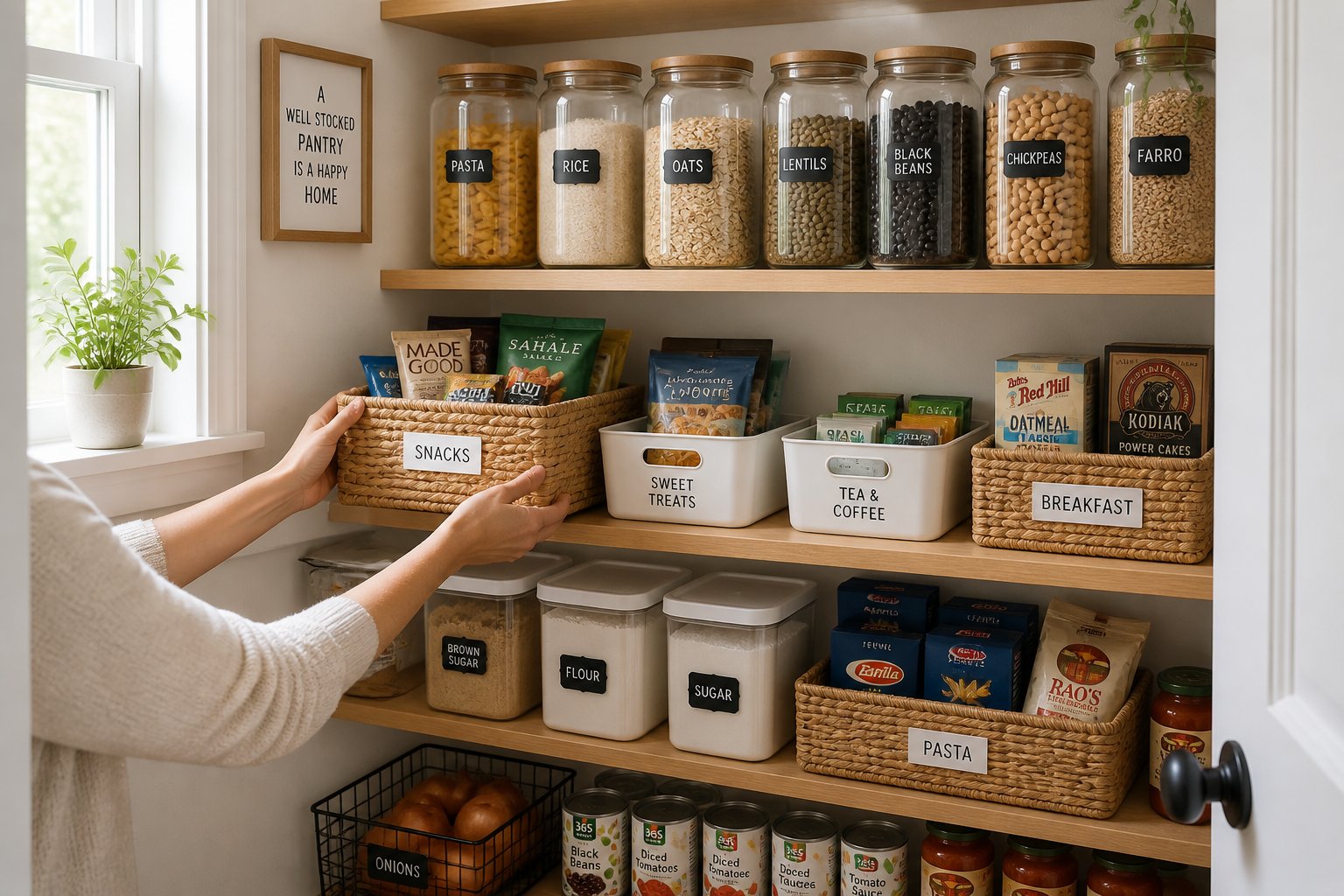
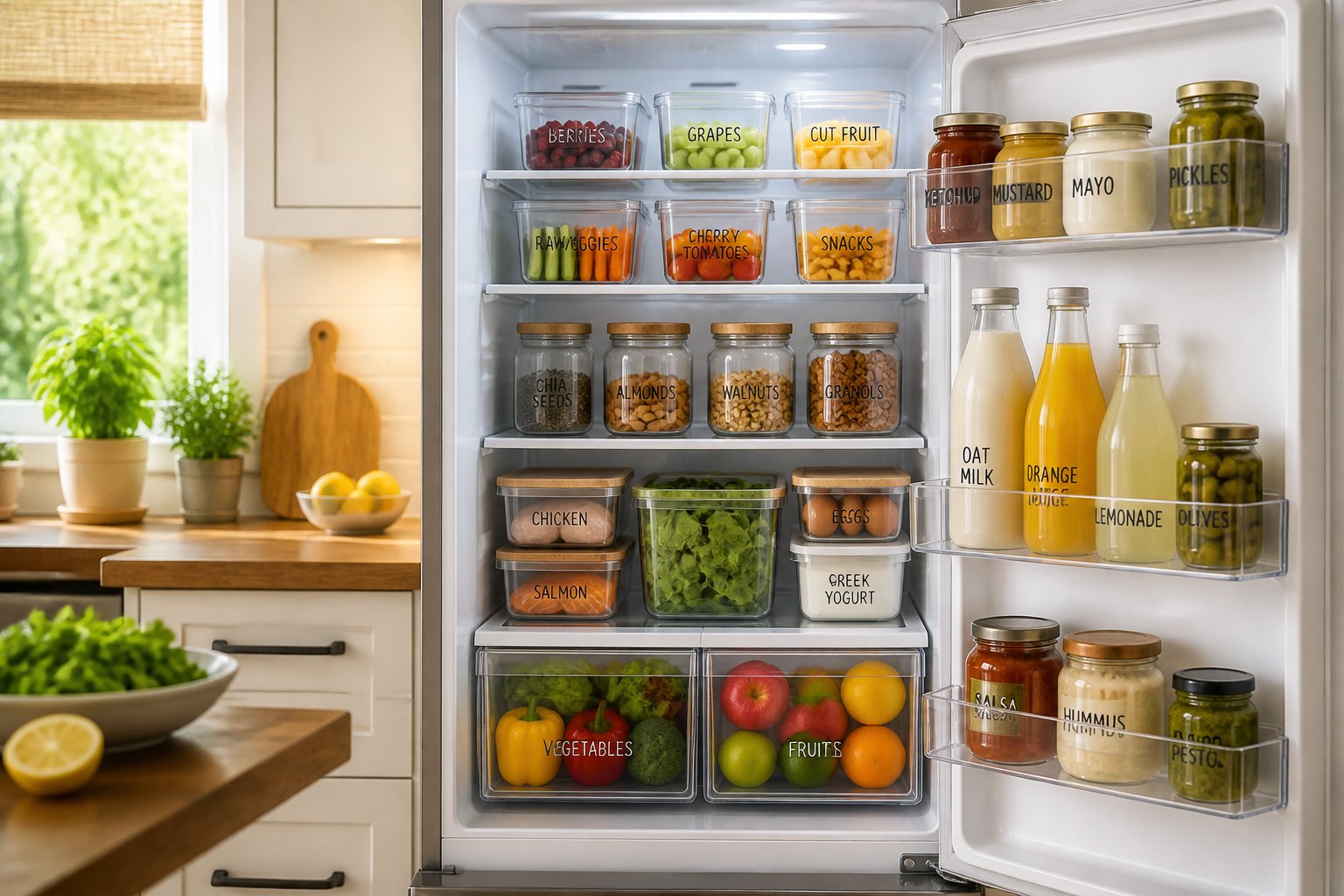
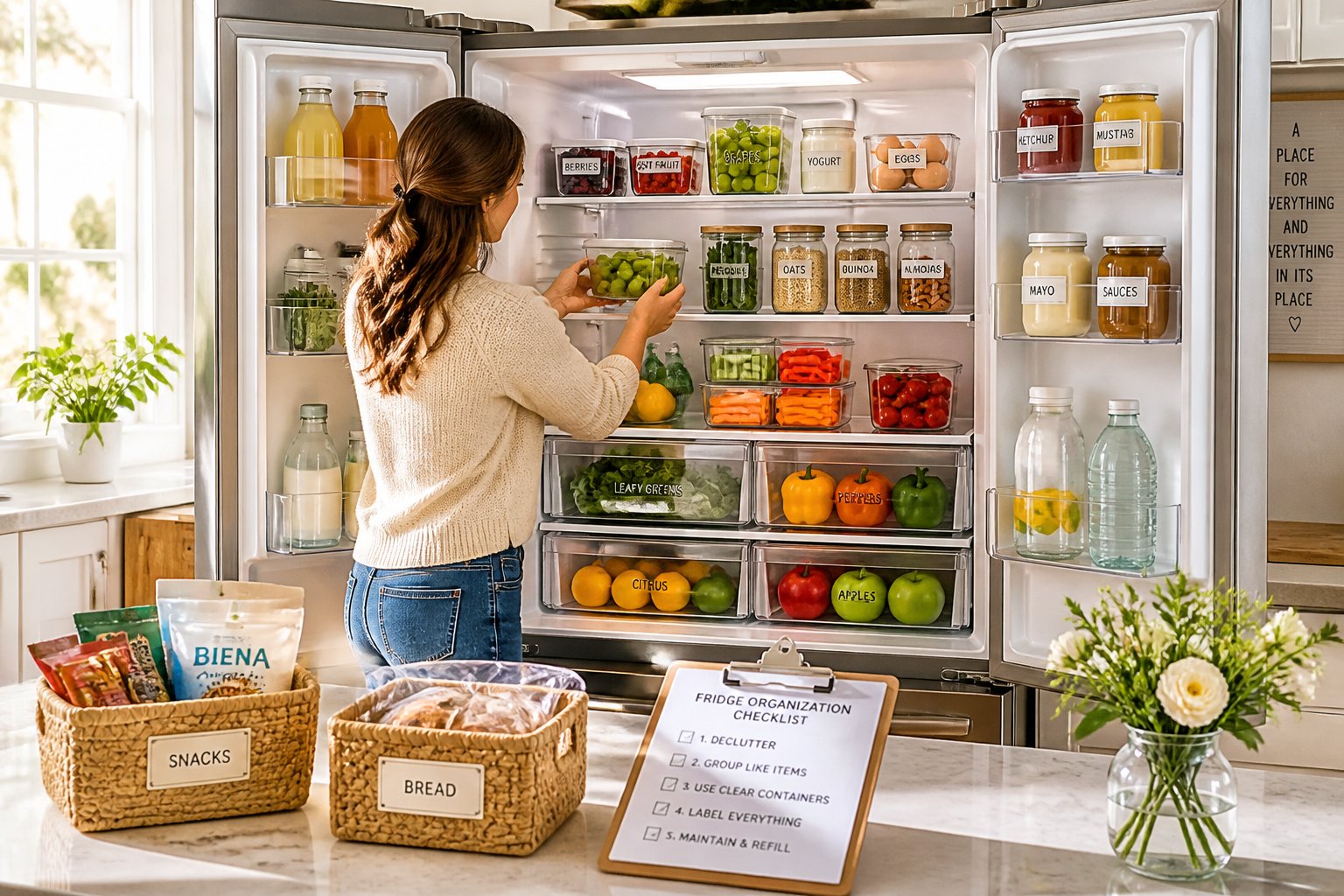
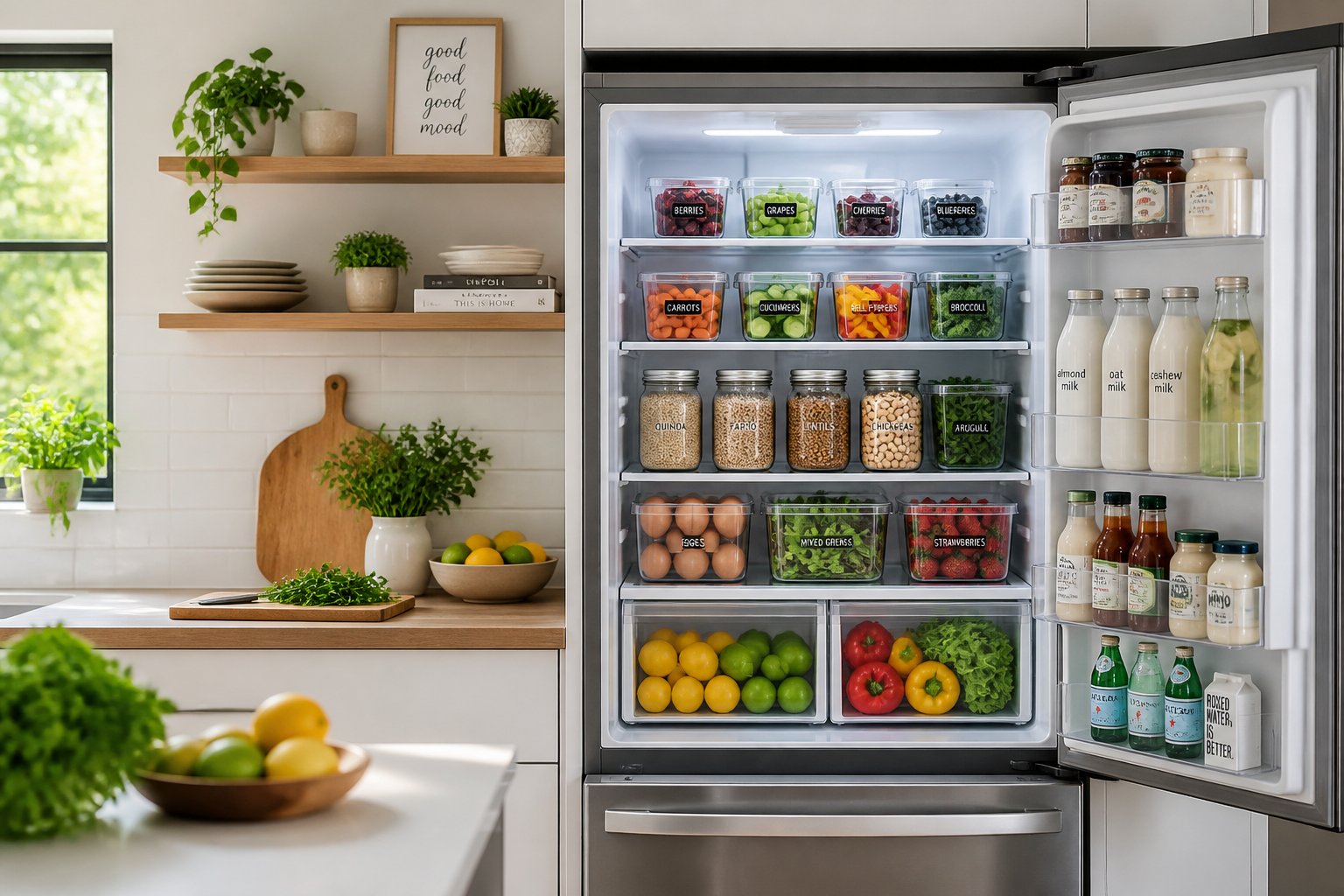
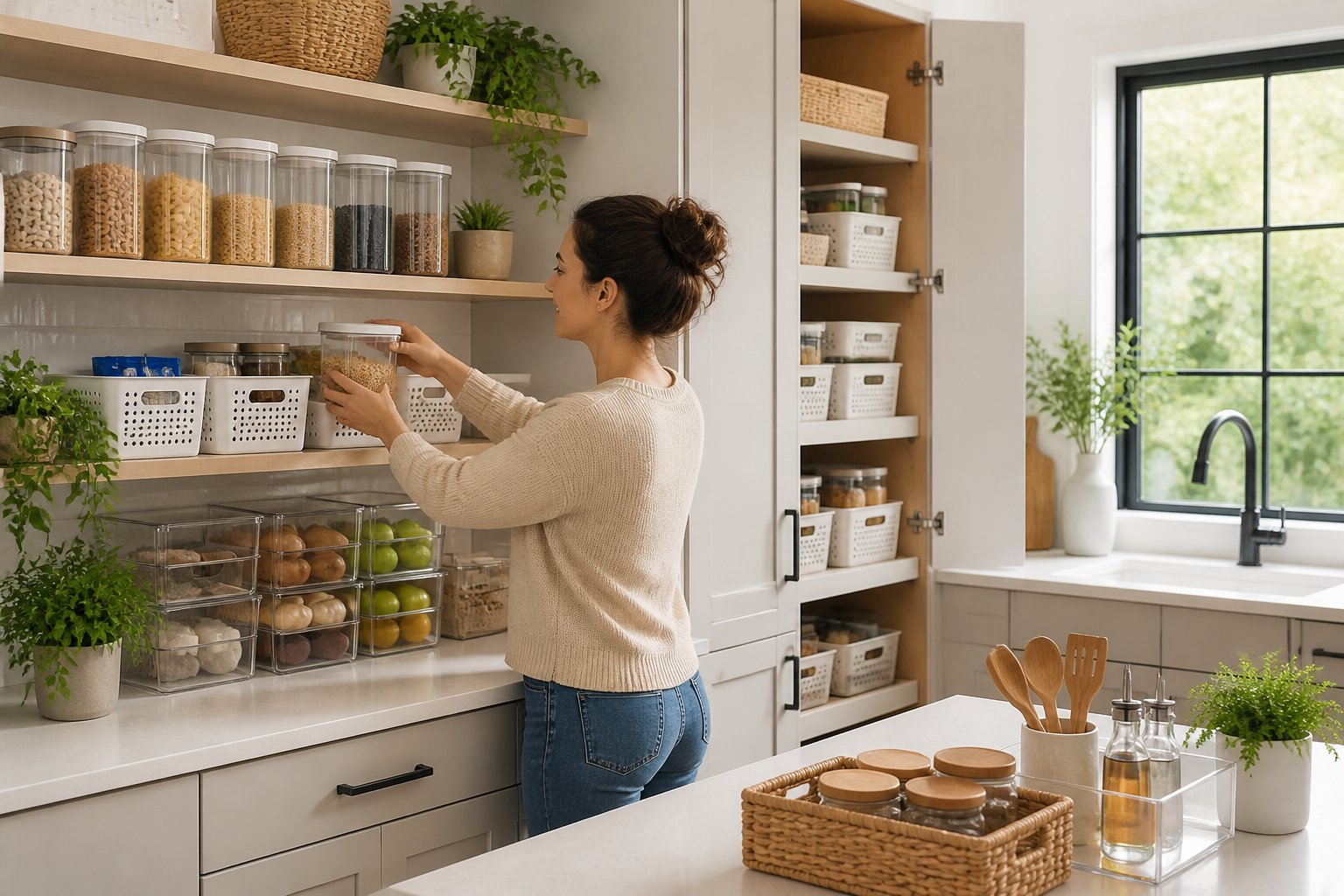
Use clear, labeled bins to group similar items together in your pantry. This makes it easy to see what you have and where it belongs.
Put older items in front so you use them first. Store items at eye level that you use most often.
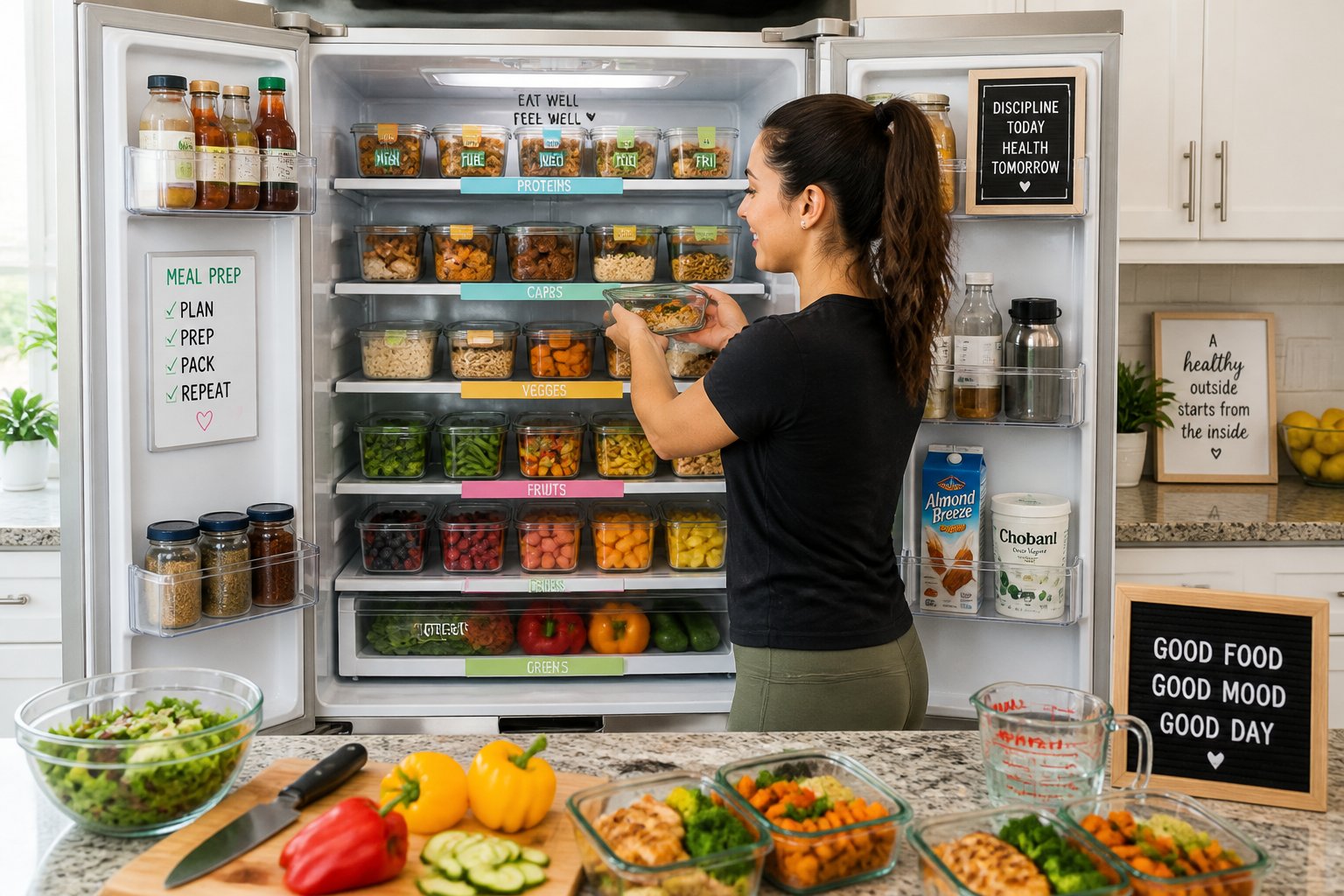
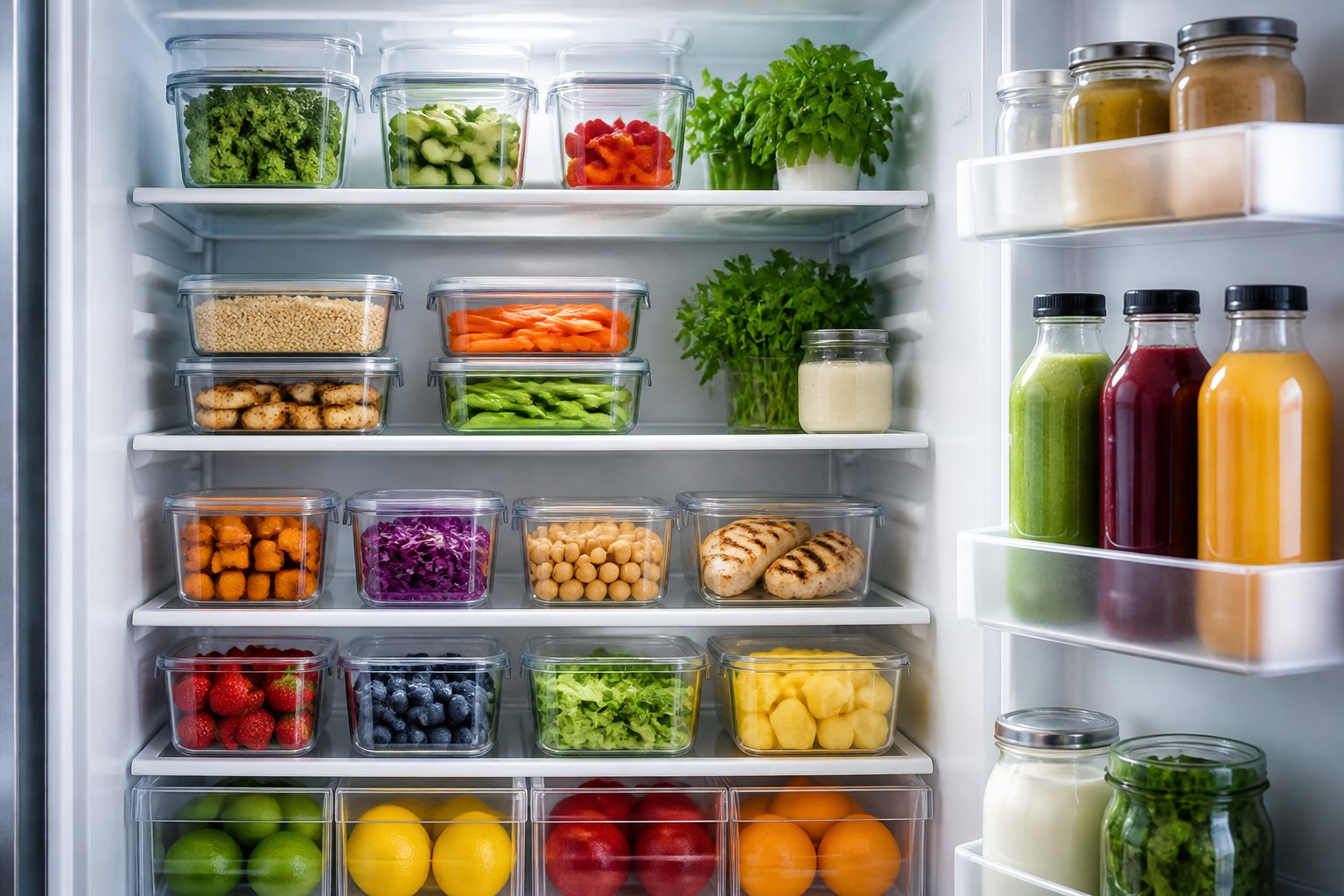
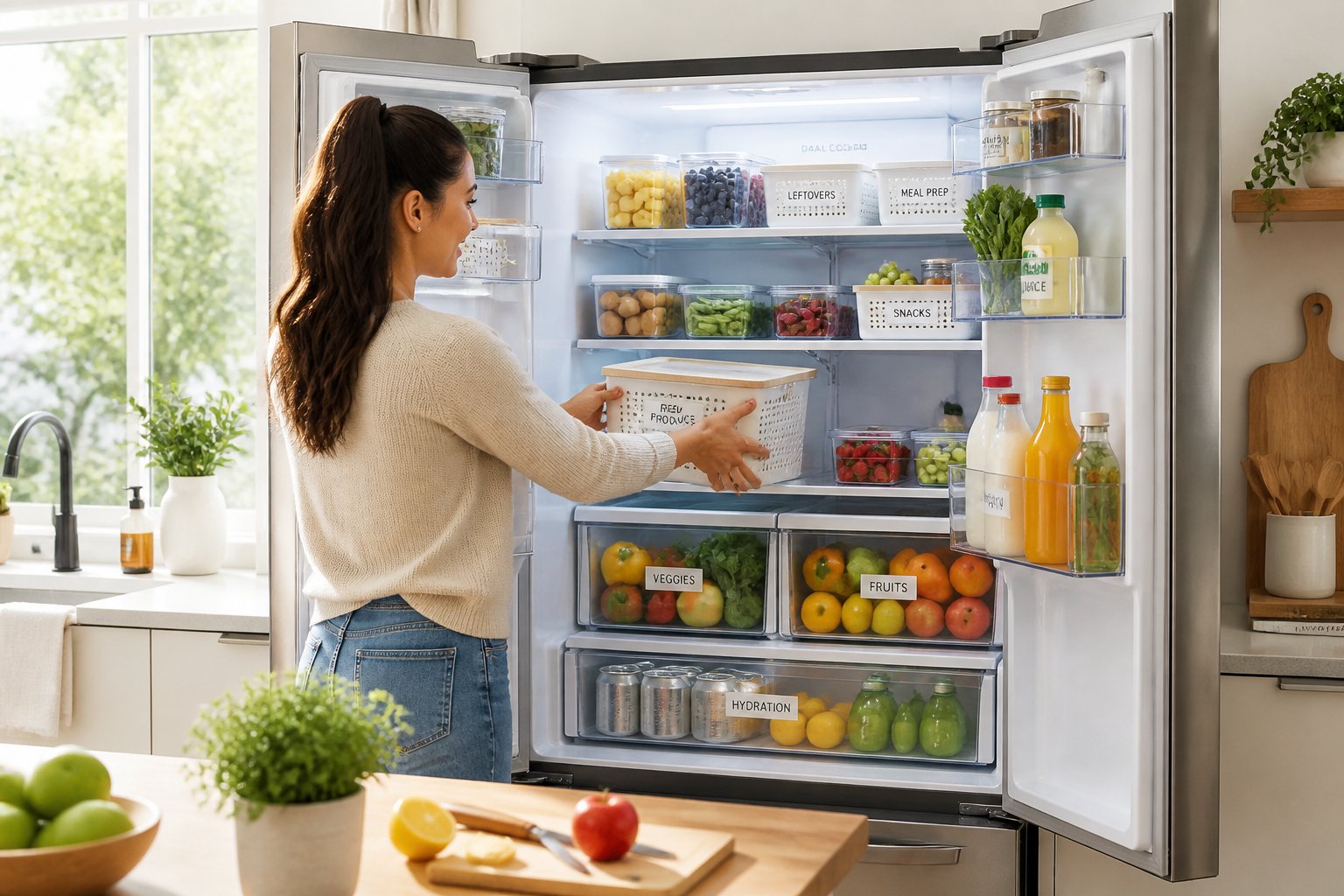
Clean out your refrigerator weekly by removing expired food and wiping down shelves. Use bins in the refrigerator too, especially for small items like condiment packets or snack items.
Label shelves or bins so family members know where to return items. A well-organized pantry and refrigerator save you time and prevent duplicate purchases.
A clean kitchen creates momentum for maintaining other areas of your home. When your kitchen stays organized, you have more energy to tackle other spaces.
The habit of daily resets can extend to bedrooms, bathrooms, and living areas. You learn that small, consistent actions prevent overwhelming messes throughout your home.
Your kitchen often sets the tone for your entire house. When it's functional and clutter-free, you feel more in control of your living space.
The skills you develop during your kitchen reset transfer to other organization challenges. You learn to prioritize high-impact tasks and create sustainable systems.
Your room should feel like your own personal space where you can relax and be yourself. Making it look aesthetic doesn't require spending lots of money or being an expert decorator. You can transform your room into a stylish, personalized space using simple DIY projects with materials you likely already have at home.

The key to creating an aesthetic room is choosing a style that matches your personality and making small changes that add up to a big impact. Simple projects like creating wall collages, adding string lights, or rearranging furniture can completely change how your space looks and feels. These updates work whether you prefer a minimalist look, a cozy vibe, or something more colorful.
This guide will walk you through practical DIY transformations and styling tips that actually work. You'll learn how to create a room that looks great and feels comfortable without breaking your budget.

The foundation of an aesthetic room starts with coordinated colors, personalized wall art, strategic lighting, and refreshed furniture. These four elements work together to create a space that reflects your style without requiring a large budget.
Your color palette sets the mood for your entire room. Pick 2-3 main colors that work well together and stick with them throughout your space.
Start by deciding on your aesthetic style. Soft neutrals like beige, white, and cream work for minimalist rooms. Pastels such as lavender, mint, and blush pink create a dreamy feel. Earthy tones including terracotta, olive green, and warm browns give a natural vibe.
Use your main color on the largest surfaces like walls and bedding. Add your second color through curtains, rugs, or furniture. Your third color should appear in smaller items like pillows, frames, or desk accessories.
Common Color Combinations:
Test colors before committing by hanging fabric samples or paint swatches on your wall. Look at them during different times of day to see how lighting affects them.
Empty walls make rooms feel unfinished. You can create custom wall art using materials you already have or can buy cheaply.
Print your favorite photos or download free artwork online. Frame them in matching frames from thrift stores or dollar stores. Arrange them in a grid pattern for a clean look or create an asymmetrical gallery wall.
Make a photo wall using string lights and clips. Hang twine or wire across your wall and attach polaroids or printed pictures with wooden clothespins. This gives you an easy way to swap photos whenever you want.
Quick Wall Decor Projects:
Create 3D letters of your initials using cardboard and paint them in your color scheme. Wall shelves display small plants, candles, or decorative items while adding depth to flat walls.
Lighting changes how your room feels more than almost any other element. Layer different light sources instead of relying on one overhead light.
String lights create instant ambiance. Drape them along your headboard, around windows, or in glass jars. Choose warm white bulbs over bright white for a cozier feel.
Make a custom lamp by spray painting an old lamp base or creating a shade from fabric. Use battery-operated LED strips under shelves or behind your bed frame for a soft glow. Place them inside paper lanterns for diffused lighting.
Lighting Types to Mix:
Salt lamps and LED candles add warmth without fire hazards. Position lights at different heights throughout your room to eliminate dark corners and create depth.
You don't need new furniture to achieve an aesthetic look. Transform what you already own with paint, fabric, and simple modifications.
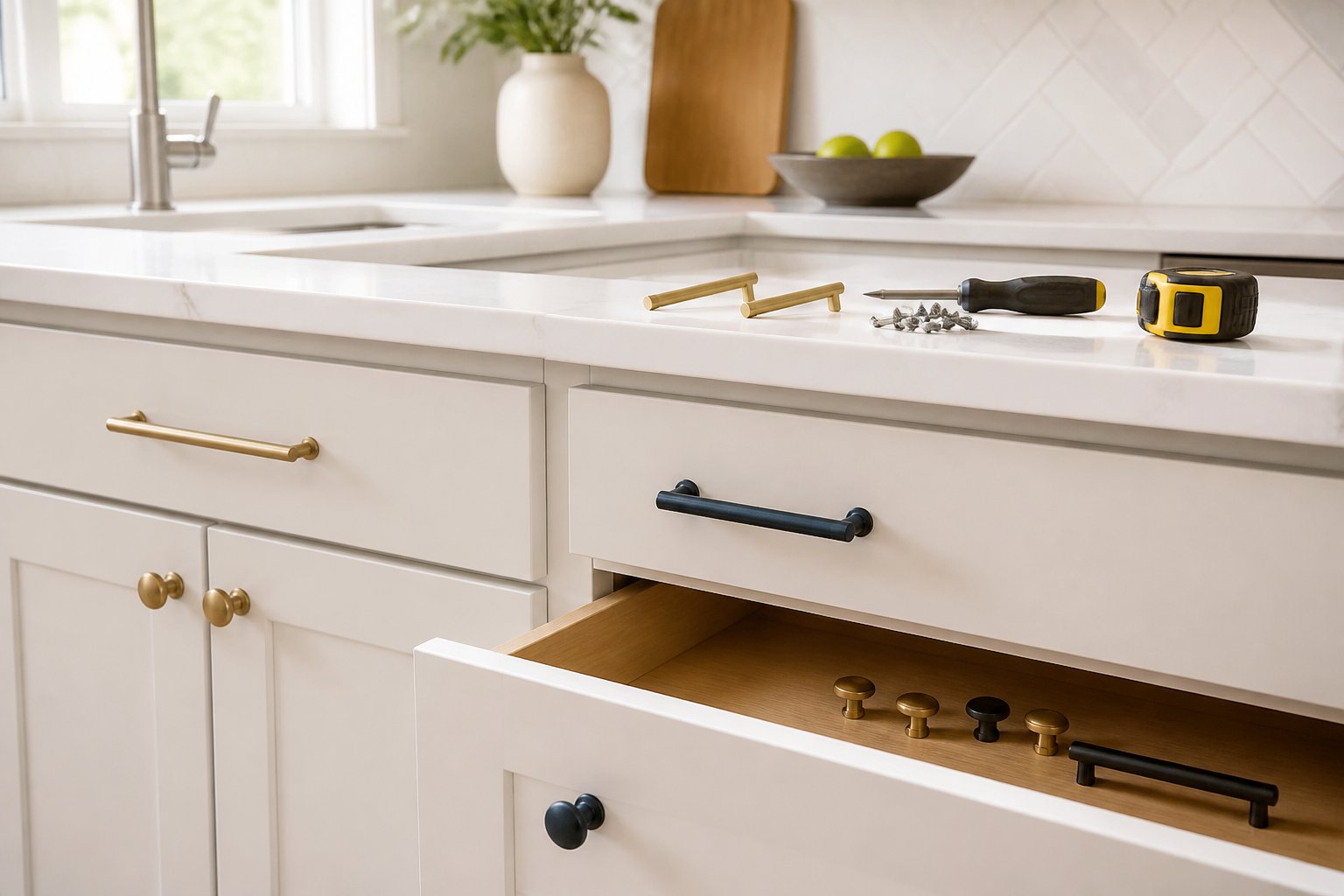
Sand and paint wooden furniture in colors that match your palette. Chalk paint requires minimal prep work and gives a smooth finish. Add new hardware like brass knobs or leather pulls to dressers and nightstands for an instant upgrade.
Cover worn chair cushions with new fabric using a staple gun. Wrap contact paper or adhesive vinyl around desktop surfaces to change their appearance. Remove old varnish from wood pieces to expose natural grain, then seal with clear wax.
Apply decorative trim or molding to plain furniture edges using wood glue. Attach wooden legs to storage cubes to turn them into side tables. Stack and secure wooden crates to create unique shelving units.
Paint furniture in two-tone combinations by keeping drawer fronts one color and the frame another. This adds visual interest without overwhelming your space. Distress painted surfaces lightly with sandpaper for a vintage aesthetic.

Making your room feel unique comes down to adding handmade items, smart storage solutions, and natural elements that reflect who you are. These finishing touches turn a basic space into something that feels personal and complete.
Creating your own decor gives your room character that store-bought items can't match. Start with simple canvas art using acrylic paints in colors that match your room's theme. You can paint abstract shapes, gradients, or simple patterns that don't require advanced skills.
Photo displays offer another easy project. Use clothespins and string to hang printed photos, polaroids, or postcards across a wall. You can also make custom frames by wrapping cardboard or thrift store frames with fabric, washi tape, or paint.
Try making decorative items from materials you already have. Fill glass jars with fairy lights for instant ambient lighting. Create wall hangings using yarn, driftwood, or paper cutouts. Paint old mason jars and use them as pencil holders or small vases.
Quick handmade accent ideas:
Good organization helps your room look cleaner and more put-together. Build simple shelving using wooden crates or floating shelves made from basic lumber. Stack and secure crates vertically to create a bookshelf that costs very little.
Desk organization makes a big difference in how tidy your space looks. Cover shoe boxes or cereal boxes with contact paper or fabric to create matching storage containers. Use old mugs or decorated tin cans to hold pens and supplies. For a quick, polished upgrade that fits an aesthetic DIY room, incorporate a ready-made option like the 3-tier desk organizer—it stacks vertically to save space, keeps pens, notebooks, and small decor visible, and complements a minimalist or cozy setup.
Create a jewelry organizer by mounting small hooks on a painted board or picture frame. You can also stretch fabric over an embroidery hoop and add thumbtacks to make an earring holder. For hair accessories, attach ribbons to a hanger and tie scrunchies or clips along them.
Under-bed storage boxes keep items hidden while maximizing space. Label everything clearly so you know where things belong.
Plants add life and color to any room while improving air quality. Start with low-maintenance options like pothos, snake plants, or succulents if you're new to plant care. These survive in various light conditions and don't need daily watering.
Place plants at different heights to create visual interest. Use wall-mounted planters, hanging macrame holders, or simple shelves to display smaller plants. Larger floor plants work well in empty corners.
You don't need expensive planters. Decorate basic terracotta pots with paint, or use mugs, tin cans, and mason jars with drainage holes added to the bottom. Thrift stores often have unique containers that work perfectly as planters.
If natural light is limited, consider fake plants that still add greenery without the maintenance. Mix real and artificial plants for the best of both options.

You can transform your space using simple materials like paper, fabric, and items you already own. Budget-friendly projects work well in small rooms when you focus on smart storage and vertical space.
Wall-mounted shelves maximize vertical space while adding display areas for plants and photos. You can create floating shelves from wooden boards and brackets for under $20.
Hanging organizers keep clutter off surfaces and make your room feel larger. Use adhesive hooks to hang baskets or fabric pockets on walls and doors.
Mirrors reflect light and make small spaces appear bigger. Place a large mirror across from your window or create a gallery wall with smaller mirrors in matching frames.
Rearrange your furniture to create better flow and open up floor space. Move your bed to a different wall or angle it in a corner to change the room's entire feel.
Group similar items together for a clean, organized look. Stack books by color, arrange plants in one area, or display photos in matching frames.
Repurpose household items as decorative pieces. Use glass jars as vases, turn old boxes into storage containers, or frame fabric scraps as wall art.
String lights add warm ambiance and cost less than $15. Drape them along walls, around windows, or above your headboard.
Plants bring life and color to any space. Low-maintenance options like pothos, succulents, and snake plants thrive indoors with minimal care.
Throw pillows and blankets create cozy texture on beds and chairs. Mix different fabrics and patterns in your chosen color palette.
Posters and prints personalize your walls without damage. Use removable poster strips or washi tape instead of nails.
Paper flowers make beautiful and permanent decorations for walls or garlands. Cut petals from colored paper or book pages and glue them in layers around a center circle.
Origami decorations add dimension to shelves and walls. Fold paper cranes, stars, or geometric shapes and string them together or display them individually.
Paper photo collages create custom wall art at no cost. Cut images from magazines or print your own photos and arrange them in patterns on poster board.
Paint existing furniture or walls with leftover paint from other projects. Even small changes like painting a nightstand or creating an accent wall refresh your space.
Rotate items from other rooms to create new displays. Swap artwork, move lamps, or bring in chairs from different areas of your home.
Hide or store items that don't match your aesthetic. Clear surfaces of excess clutter and keep only items that fit your color scheme and style.
Search specific terms like "DIY wall decor," "budget room makeover," or your preferred aesthetic style. Pinterest shows you visual results based on these keywords.
Create boards to save and organize ideas you want to try. Pin different projects to separate boards for colors, themes, or room types.
Follow accounts that focus on DIY and budget-friendly decor. These creators regularly post new project ideas and tutorials you can adapt for your space.
A modern reading nook blends clean lines, simple furniture, and smart design to create a calm space for reading in your home. These spaces work well in small apartments and large houses alike. You can set up a modern reading nook in a corner, under a window, or even in an unused closet.

Modern reading nooks focus on comfort and style through careful furniture choices, proper lighting, and minimal decor that doesn't create clutter. You'll want to think about seating that supports your back, good light for reading, and storage that keeps your books organized. The key is picking pieces that match your home's look while making the space feel inviting.
Creating your own modern reading nook doesn't require a big budget or major changes to your home. Small updates like adding a sleek chair, a simple side table, and a reading lamp can transform an empty corner into your favorite spot to read. This guide will show you practical ideas and design tips to build a modern reading space that fits your needs.

Modern reading nooks blend clean lines with comfort and smart features that make reading more enjoyable. These spaces work with your home's layout instead of against it, using contemporary design to create spots that feel both stylish and inviting.
A minimalist reading nook focuses on what you actually need and removes everything else. Start with a single statement chair in neutral colors like white, gray, or black. Choose furniture with clean geometric shapes and slim profiles that won't crowd your space.
Keep storage hidden or built-in. Wall-mounted shelves in simple metal or light wood hold your current reads without visual clutter. A small side table with a single drawer gives you space for a reading lamp and your phone.
Essential minimalist elements:
The floor should stay mostly clear. Add one textured throw or pillow for comfort without breaking the clean aesthetic.
Modern doesn't mean uncomfortable. You can create warmth in a corner nook while keeping contemporary style. Layer soft textures through cushions and throws in solid colors or simple patterns.
Install smart lighting that adjusts throughout the day. Use warm LED bulbs that reduce eye strain during evening reading. A floor lamp with a dimmer switch gives you control over brightness levels.
Add natural elements like a small plant or wooden accent pieces. These bring life to the space without making it feel cluttered. Choose low-maintenance plants that thrive in your corner's light conditions.
Built-in seating with plush cushions works well in tight corners. Add USB charging ports and wireless charging pads directly into the furniture. This keeps your devices powered without visible cords running across your reading space.
You can create a reading nook in an open floor plan using furniture placement and visual boundaries. Position a comfortable chair or small sofa to face away from high-traffic areas. This gives you a sense of separation even without walls.
Use a large area rug to define the reading zone. The rug creates a visual boundary that signals this space has a different purpose than the rest of the room. Choose colors that complement your existing decor but help the area feel distinct.
A tall bookshelf or room divider can provide partial privacy. These elements don't block light or airflow like walls do, but they create enough separation to make the nook feel intentional. Add a reading lamp to further establish this as a dedicated space.
Modern homes need spaces that serve multiple purposes. Your reading nook can double as a meditation spot, work area, or guest seating. Choose furniture that adapts to different uses.
A daybed or sleeper chair works as both reading furniture and occasional guest sleeping space. Storage ottomans provide footrests while hiding extra blankets or books. Wall-mounted fold-down desks let you switch between reading and working.
Install adjustable shelving that holds books at reading height and decorative items or work supplies on other levels. Task lighting on swing arms moves where you need it, whether you're reading or doing other activities. Keep the color scheme neutral so the space fits whatever function you need at the moment.

Modern reading nooks rely on clean lines, practical furniture choices, and layers of light to create spaces that work well for long reading sessions. The right mix of colors, textures, and personal touches turns a basic corner into a comfortable retreat.
Your reading nook needs multiple light sources to work throughout the day. Natural light from windows provides the best reading conditions during daytime hours, so position your seating near a window when possible.
Add task lighting for evenings and cloudy days. Floor lamps with adjustable arms let you direct light exactly where you need it. Choose LED bulbs in the 2700-3000K range for warm white light that reduces eye strain.
Layered Lighting Options:
Wall-mounted swing-arm lamps save floor space in tight corners. They attach directly to the wall and extend over your reading spot. Dimmers give you control over brightness levels based on time of day and your mood.
Pick a chair or bench that supports your back and lets you sit comfortably for at least 30 minutes. Modern reading nooks often feature low-profile chairs with clean shapes. Avoid overstuffed furniture that looks dated.
Built-in benches work well under windows. Add storage drawers underneath to hold books, blankets, or reading accessories. The bench should be 18-20 inches deep and 16-18 inches high for comfortable sitting.
If you prefer a chair, look for pieces with the following features:
Place your furniture at an angle to the wall rather than flat against it. This creates visual interest and often improves your view of the room. Leave 18-24 inches of space around the furniture for easy movement.
Contemporary reading spaces use neutral base colors with one or two accent shades. White, gray, beige, and navy blue work well as primary colors. They create a calm backdrop that helps you focus on reading.
Add texture through fabrics and materials rather than busy patterns. Mix smooth leather with nubby linen or soft cotton. Wood shelving adds warmth against painted walls.
| Element | Material Options | Effect |
|---|---|---|
| Seating | Leather, velvet, linen | Comfort and visual interest |
| Pillows | Wool, cotton, faux fur | Softness and warmth |
| Flooring | Wood, jute rug, wool carpet | Defines the space |
| Shelving | Wood, metal, painted MDF | Storage and style |
Stick to two or three textures in your nook. Too many competing surfaces create visual clutter. A leather chair with a wool throw and cotton pillows provides enough variety.
Keep decorative items minimal and purposeful. A small side table holds your current book, reading glasses, and a cup of tea. Choose tables with clean lines and simple shapes.
Add one or two personal items that reflect your interests. A small plant brings life to the space without taking up much room. Framed art or a single decorative object on a nearby shelf adds personality.
Books themselves serve as decoration in modern reading nooks. Display them on open shelving with spines facing out. Mix vertical and horizontal stacks to create visual rhythm.
Storage solutions should blend into your design. Floating shelves, built-in cubbies, or a simple bookcase keep reading materials organized. Choose pieces in finishes that match your overall color scheme.

Modern reading nooks require careful planning to balance style with comfort. The right furniture, lighting, and layout choices can transform any space into a functional reading area.
Start by identifying an underused corner or area near a window. A single sleek chair with clean lines takes up minimal floor space while providing the seating you need.
Wall-mounted shelves eliminate the need for bulky bookcases. You can add a small side table or a floating shelf to hold your current book and a drink.
Keep your color palette simple with neutrals or a single accent color. This approach makes the nook feel intentional rather than cramped.
You need comfortable seating as your foundation. Choose a lounge chair, armchair, or cushioned bench that supports your back during long reading sessions.
Good lighting is non-negotiable for reading. Add a soft throw blanket and a pillow or two for comfort without cluttering the space.
A small table or shelf keeps books within reach. These basic elements create a functional reading spot that serves its purpose.
Place a chair in an empty corner or by a window if you have the floor space. A bedroom already offers privacy and quiet, making it ideal for reading.
You can use your bed as the reading spot if space is tight. Add a reading pillow with armrests and a bedside lamp with adjustable brightness.
Keep the nook's design consistent with your bedroom's existing style. Match colors and materials to create a cohesive look throughout the room.
Built-in seating with storage underneath maximizes vertical space. Window seats work particularly well because they use an area that might otherwise go unused.
Wall-mounted reading lights free up surface space that a table lamp would occupy. Floating shelves hold books without taking up floor area.
A closet can become a reading nook if you remove the door and add cushions. This solution works when you have an extra closet you don't need for storage.
Start with modern furniture that has clean lines and simple shapes. Layer in soft textures through throws, cushions, and rugs to add warmth.
Natural materials like wood and linen soften the modern aesthetic. These elements create comfort without sacrificing the contemporary look.
Stick to a neutral base and add one or two accent colors. This balance keeps the space feeling current while remaining inviting.
A floor lamp with an adjustable arm gives you control over light direction. Look for LED bulbs in warm white temperatures between 2700K and 3000K to reduce eye strain.
Wall-mounted swing-arm lamps save floor space and provide focused light. These fixtures work well in tight corners where a floor lamp won't fit.
Natural light from a window is ideal for daytime reading. Combine it with artificial lighting for evening use and overcast days.
A romantic moody bedroom creates a personal space that feels calm, cozy, and full of warmth. This style uses deep colors, soft lighting, and rich textures to turn an ordinary room into a special retreat. You don't need a big budget to get this look.

The key to a moody romantic bedroom is combining dark colors with layers of soft fabrics and the right lighting to build an intimate atmosphere. Think deep blues, rich grays, or warm burgundy paired with velvet pillows and dim lamps. These choices work together to make your room feel like a getaway.
You'll learn how to pick the right design elements for your space and add personal touches that make it yours. Small changes can make a big difference in how your bedroom looks and feels.

Creating a romantic moody bedroom requires careful attention to color, texture, lighting, and furniture choices that work together to build an intimate atmosphere. Each element plays a specific role in transforming your space into a personal retreat.
Deep, rich colors form the foundation of a moody romantic bedroom. Dark shades like charcoal gray, navy blue, forest green, and burgundy create depth and intimacy in your space.
You can paint all four walls in a dark color for maximum drama, or choose an accent wall approach if you're hesitant about committing fully. Black walls work surprisingly well in bedrooms when balanced with proper lighting and lighter accents.
Consider pairing your primary dark color with complementary shades. A deep plum pairs beautifully with dusty rose accents. Charcoal gray looks sophisticated alongside cream or soft gold details.
Popular moody color combinations:
Your ceiling offers another opportunity for color. Painting it a shade darker than your walls creates a cocooning effect that enhances the moody atmosphere.
Multiple fabric layers add comfort and visual interest to your bedroom. Start with your bedding as the focal point, using materials that invite touch and create warmth.
Velvet stands out as the top choice for moody romantic spaces. Use velvet duvet covers, throw pillows, or a velvet headboard to add luxury. The fabric catches light beautifully and appears different from various angles throughout the day.
Layer your bed with different materials and weights. Begin with high-quality sheets, add a textured blanket or quilt, then finish with a variety of pillows in different sizes and fabrics.
Recommended fabric combinations:
Drape heavy curtains in velvet or thick linen to control light and add softness to your walls. Area rugs in plush materials like wool or shag anchor the space and feel good under your feet when you wake up.
Lighting controls the mood more than any other single element in your bedroom. Avoid bright overhead lights and use multiple light sources at different levels instead.
Dimmer switches give you control over light intensity throughout the day and evening. Install them on any existing overhead fixtures to adjust brightness based on your needs.
Place table lamps on nightstands for reading and ambient lighting. Choose lamps with warm-toned bulbs between 2700K and 3000K to create a cozy glow rather than harsh white light.
String lights or LED strips behind your headboard add a soft backlight effect. Wall sconces free up nightstand space while providing targeted light for reading.
Essential lighting layers:
Candles contribute flickering warmth that electric lights cannot replicate. Use them safely in holders placed away from fabrics.
Your furniture choices should emphasize drama while maintaining functionality. Select pieces with strong visual presence that match the moody aesthetic.
A substantial upholstered headboard in velvet or tufted fabric becomes an immediate focal point. Choose one that reaches high up the wall to add vertical drama. Dark wood or metal frames work well too, especially in ornate or vintage-inspired designs.
Your bed frame sets the tone for the entire room. Four-poster beds or canopy frames add architectural interest and create a room within a room feeling. If those feel too traditional, look for platform beds with interesting textures or unique shapes.
Nightstands in dark wood finishes or painted black provide practical storage while supporting the color scheme. Look for pieces with interesting details like carved legs, metal hardware, or marble tops.
Add a bench at the foot of your bed upholstered in a complementary fabric. This adds another layer of texture while providing a place to sit or lay out clothes. A vintage dresser or armoire in dark wood brings character and storage to your space.

The right decorative elements and personal items can turn a moody bedroom into a romantic retreat that feels uniquely yours. Small details like wall art, candles, and meaningful objects work together to create warmth and intimacy.
Choose wall art that features deep tones and intimate subjects. Dark botanical prints, abstract paintings with burgundy or navy hues, and black-and-white photography work well in moody spaces.
Gallery walls create visual interest when you mix different frame sizes and styles. Keep frames in matching dark finishes like matte black or deep bronze. Hang artwork lower than usual to make the space feel more intimate.
Add accessories that enhance the romantic mood:
Layer textures through decorative items. A chunky knit throw draped over a chair adds warmth, while a velvet jewelry box on the dresser brings luxury.
Scent directly affects mood and creates lasting memories in your space. Use multiple fragrance sources throughout the room for depth.
Candles serve double duty by providing both light and scent. Choose rich fragrances like sandalwood, vanilla, amber, or cedarwood. Place them on nightstands, dressers, and windowsills where you'll notice them most.
Reed diffusers offer constant fragrance without flames. Position them in corners or on shelves where air circulation spreads the scent naturally. Essential oil diffusers let you change fragrances based on your mood.
Layer scents carefully. Stick to one fragrance family or complementary notes like wood and spice, or florals and musk. Too many competing scents become overwhelming.
Display items that tell your story. Framed photographs from meaningful moments add personal history to the space. Choose black-and-white prints or photos with muted tones to match the moody aesthetic.
Keep sentimental objects visible but curated. A small collection of travel souvenirs, handwritten notes in decorative boxes, or inherited jewelry displayed on a velvet tray adds meaning without clutter.
Create a dedicated space for shared memories. A shadow box with concert tickets, pressed flowers, or other mementos becomes functional art. Personal items make the room feel lived-in and authentic, strengthening the emotional atmosphere you've built through color and lighting.

Deep colors, soft lighting, and rich textures form the foundation of a moody romantic bedroom. These design elements work together to create an intimate space that feels both cozy and elegant.
Start by choosing dark wall colors like charcoal, navy, or deep burgundy. These colors set the right mood for your space. Add layers of soft fabrics on your bed, including velvet or satin sheets and multiple pillows.
Candles placed around the room create warm, flickering light that enhances the romantic feel. You can also hang sheer curtains to soften natural light during the day. Keep your decor simple but meaningful, with items like framed photos or small plants that add personal touches without cluttering the space.
Dim lighting is key to achieving a moody atmosphere. Install dimmer switches on your overhead lights so you can control the brightness. Wall sconces on either side of the bed provide soft, indirect lighting that creates shadows and depth.
String lights or fairy lights add a gentle glow without being too bright. Table lamps with warm-toned bulbs work well on nightstands. Avoid harsh white or fluorescent lighting, as these break the moody effect you're trying to create.
Deep jewel tones create the most impact in a moody romantic bedroom. Consider emerald green, sapphire blue, or rich plum for your walls or bedding. These colors add depth and warmth to your space.
Black and charcoal gray serve as strong base colors. You can pair them with softer shades like dusty rose or mauve for balance. Rich burgundy and wine colors also work well, especially when combined with gold or brass accents.
Paint one wall a dark color instead of all four walls. This accent wall creates drama without making the room feel smaller. Use mirrors to reflect light and make the space appear larger while maintaining the moody atmosphere.
Choose furniture that serves multiple purposes, like a storage bed or floating shelves. Stick to a few key decorative items rather than filling every surface. Good lighting becomes even more important in small spaces, so place lamps strategically to avoid dark corners.
Mix clean-lined modern furniture with traditional romantic elements. A sleek platform bed can be dressed with plush velvet bedding to bridge both styles. Metal accents in matte black or brushed gold add modern touches without losing the romantic mood.
Keep your walls simple with minimal artwork in modern frames. Geometric patterns on throw pillows or rugs can add contemporary interest. Balance is important, so if you choose modern furniture, soften it with romantic lighting and fabrics.
Velvet stands out as the top fabric choice for moody romantic bedrooms. It catches light beautifully and feels luxurious. Use velvet for curtains, throw pillows, or your headboard.
Silk and satin sheets add smoothness and shine to your bed. Faux fur throws provide texture and warmth. Linen in darker colors offers a more relaxed feel while still maintaining the moody atmosphere. Layer different textures together to create visual interest and depth in your space.
A messy makeup vanity can waste your time and make getting ready feel stressful. The Dazzleree 3-Tier Desk Organizer offers a simple way to store your makeup, brushes, and beauty products in one rotating unit that saves space and keeps everything visible. The clear design lets you see all your items at once, and the three tiers give you enough room to organize products by type or how often you use them.
This organizer works well for makeup vanities because it rotates 360 degrees, which means you can reach any item without moving the whole unit. You don't need tools to set it up, and it fits on most vanity surfaces. The clear body also adds a clean, modern look to your space.
Whether you're organizing a small bathroom counter or a full makeup station, this three-tier organizer can help you create a system that actually works. You'll learn different ways to arrange your products, how to style the organizer to match your space, and tips for keeping your vanity neat over time.
The Dazzleree 3-tier organizer helps you store makeup, skincare, and beauty tools in a compact vertical design. Its rotating feature and clear construction make it easy to see and access everything you need while keeping your vanity surface clean and functional.
Place your most-used makeup products on the top tier where they're easiest to grab. Items like foundation, concealer, and daily lip products work well here. The middle tier can hold items you reach for several times a week, such as blushes, eyeshadow palettes, and eyeliners.
Store backup products or seasonal makeup on the bottom tier. This keeps them visible through the clear design but out of the way of your daily routine.
The 360-degree rotation lets you spin the organizer to find what you need without moving other items. You can group products by type or color to make selection faster. Keep tall items like mascara and liquid eyeliner in one section and flat compacts in another.
Common items to store by tier:
Your skincare routine items fit well in the three-tier system. Place morning products on one level and evening products on another to separate your routines. Serums, moisturizers, and eye creams stay upright and visible in the compartments.
Beauty tools like brushes, tweezers, and eyelash curlers can stand in the organizer's sections. Small hair accessories also work well here. The clear body shows you exactly what's inside without opening drawers or containers.
Store cotton pads, q-tips, and other small supplies in the lower sections. These everyday items stay contained and easy to refill when you run low.
The three-tier design takes up minimal counter space while providing storage that goes upward instead of outward. This matters when your vanity surface is limited. You get more storage without spreading items across your entire counter.
Position the organizer in a corner or against a mirror to use dead space effectively. The rotating base means you don't need access from all sides, so you can place it close to walls or other items.
Each tier holds multiple products, giving you storage capacity that would normally require several flat trays or boxes. Your vanity stays clutter-free because everything has a designated spot that's still within reach. The vertical arrangement also makes cleaning your vanity surface much simpler since you only need to move one organizer instead of many separate containers.
The Dazzleree 3-tier organizer's clear design serves as a blank canvas for your personal style. You can enhance its look with small decorative touches, organize contents by color groups, or change displays based on seasons and holidays.
Small decorative items turn your organizer from basic storage into a vanity centerpiece. Place a small crystal or gemstone on one tier between your makeup items. Add dried flowers or cotton stems in the back corners for a soft, natural look.
You can line the bottom of each tier with decorative paper or fabric. Cut circles slightly smaller than the tier diameter and place them underneath your products. Patterned scrapbook paper, metallic wrapping paper, or textured fabric samples work well for this purpose.
Stick small decorative stickers or washi tape around the outer edge of each rotating tier. Keep designs minimal so they don't compete with your makeup packaging. Gold foil stars, tiny butterflies, or simple geometric patterns add visual interest without overwhelming the space.
Organize your makeup by color family on each tier. Put all pink and red items on the top tier, neutrals and browns on the middle tier, and bold colors on the bottom tier. This system makes finding products faster and creates an appealing visual gradient.
Group similar product types together using small decorative boxes or containers within each tier. Use one color box for lip products, another for eye makeup, and a third for face products. Label each box with simple tags or label maker strips.
Arrange products from light to dark shades moving clockwise around each rotating tier. This creates a rainbow effect when you spin the organizer and helps you quickly locate the shade you need.
Switch out your organizer contents to match the season. Display warm autumn shades like burgundy, copper, and bronze during fall months. Replace them with cool silvers, blues, and berry tones for winter.
Spring calls for pastel palettes and floral-themed items. Place your pink blushes, lavender eyeshadows, and peachy lip glosses on display. Add small artificial flowers around the base of the organizer.
Summer works well with bright coral, yellow, and turquoise products. Showcase your bronzers, golden highlighters, and vibrant lipsticks during these months. You can even add tiny seashells or beach-themed miniatures between products for a vacation vibe.
A 3-tier desk organizer can transform your makeup vanity from cluttered to efficient. Understanding how to use it properly helps you get the most value from this storage solution.
Place your most-used items on the middle tier where they're easiest to reach. The top tier works well for smaller items like lipsticks and eyeliners that you need to see at a glance.
Store taller bottles and sprays on the bottom tier where there's more vertical clearance. If your organizer rotates 360 degrees, you can fit more items because you can access everything from any angle.
Use small containers or dividers within each tier to create separate zones. This prevents items from sliding around when you spin the organizer.
You can organize by product type with face products on one tier, eye makeup on another, and lip products on the third. This method makes it easy to find what you need during your routine.
Another approach is to organize by frequency of use. Keep daily essentials on the most accessible tier and special occasion items on the top or bottom.
Color-coding also works well for makeup collections. Group similar shades together so you can quickly grab the right tone for your look.
Acrylic and plastic organizers resist moisture damage and won't rust or warp in humid conditions. These materials are easy to wipe down when water droplets accumulate.
Metal organizers need a protective coating or finish to prevent rust in bathroom environments. Look for powder-coated or stainless steel options if you prefer a metal look.
Avoid untreated wood organizers in bathrooms since moisture can cause them to swell or develop mold. Sealed or laminated wood can work but requires more maintenance than plastic or metal.
Most 3-tier organizers have compartments that can hold medium-sized palettes when placed flat. The bottom tier typically offers the most space for larger items.
Tall makeup brushes fit well in deeper compartments on any tier. Some organizers include specific slots designed to hold brushes upright.
Large eyeshadow palettes might need to lean against the organizer's center post or edges. Check the dimensions of each tier before buying to confirm your largest items will fit.
Empty all compartments once a week and wipe down each tier with a damp cloth. This prevents makeup residue and dust from building up over time.
Use makeup remover or rubbing alcohol on a cotton pad to remove stubborn makeup stains. The rotating mechanism should be kept free of product buildup to maintain smooth spinning.
Avoid using harsh chemicals that might damage the finish or material. Mild soap and water work for most cleaning needs.
Choose an organizer color that matches your vanity or bathroom color scheme. Black organizers look elegant and hide makeup stains better than light colors.
Clear acrylic organizers blend with any decor style and let you see all your products at once. They create a clean, minimalist look on your vanity surface.
Position the organizer near your mirror but not directly in front of it. This keeps your products accessible while leaving space for actually applying makeup.
Working out at home sounds great until you realize your equipment sits in a cluttered corner and you never feel like using it. The difference between a home gym you avoid and one you actually use comes down to thoughtful design. A well-designed home gym combines the right equipment, smart use of space, and personal touches that make you want to work out.

Creating your own workout space doesn't mean you need a huge budget or an entire room. You can turn a basement corner, spare bedroom, or garage into a functional gym that fits your fitness goals. The key is understanding what makes a space feel motivating rather than cramped or boring.
This guide will walk you through the core principles of home gym design and show you specific elements that make a workout space both practical and inspiring. You'll learn how to maximize your available space, choose the right equipment, and add design features that keep you coming back.

A successful home gym starts with clear goals, smart space selection, and design ideas that match your lifestyle. These three elements work together to create a workout area that you'll actually use.
Your fitness goals determine what equipment you need and how much space you require. If you focus on cardio training, you'll need room for a treadmill, bike, or rowing machine. Strength training requires space for weights, a bench, and possibly a power rack.
Think about your workout style before buying anything. Do you prefer high-intensity interval training, yoga, weightlifting, or a mix of activities? Write down the specific exercises you do most often.
Your goals also affect your budget and timeline. A basic setup for bodyweight exercises and stretching costs far less than a full weightlifting station with multiple machines. Start with essential items that support your main fitness activities.
Consider how often you'll work out. Daily users need durable equipment and proper flooring. If you exercise three times per week, you can prioritize differently.
The best home gym space has enough room for your equipment plus movement area. Measure your space carefully before buying anything. Most cardio machines need at least a 3-foot clearance on all sides.
Basements work well because they offer privacy and typically have concrete floors that support heavy equipment. Spare bedrooms provide convenience but may need floor reinforcement for weights. Garages give you plenty of space but require climate control solutions.
Key space requirements:
Check if your chosen space has good natural light or needs extra lighting. Poor lighting makes workouts less enjoyable and can affect safety.
Look at hotel gyms and boutique fitness studios for layout ideas. These spaces maximize every square foot while maintaining a clean, organized appearance. Take photos of setups you like during your travels or gym visits.
Social media platforms and home design websites show real examples from people with similar spaces and budgets. Search for gyms in rooms that match your available area. Save images that show color schemes, storage solutions, and equipment arrangements you want to recreate.
Interior designers who specialize in wellness spaces can provide custom solutions that blend fitness with your home's style. They understand how to incorporate motivational elements without making the space feel cluttered.
Visit sporting goods stores to see equipment in person. This helps you understand actual dimensions and test different brands before purchasing.

The right design choices can make the difference between a gym you avoid and one you want to use every day. Your color palette, lighting quality, equipment placement, and storage systems all work together to create a space that supports your fitness goals.
Your gym's colors affect your energy and focus during workouts. Bright colors like orange, red, and yellow boost energy levels and work well for cardio zones. Blues and greens create a calming effect that suits yoga and stretching areas.
Many people find that neutral walls with colorful accents offer the most flexibility. You can add color through equipment, mats, or wall art without overwhelming the space.
Natural light is your best option when available. It improves mood and helps regulate your body's natural rhythms. Position equipment near windows when possible.
For artificial lighting, aim for bright, even illumination that eliminates shadows. Install overhead LED lights with at least 50-70 foot-candles of brightness. Add task lighting near mirrors or specific workout zones. Dimmable lights let you adjust the mood for different activities like high-intensity training versus cool-down stretches.
Start with equipment that matches your actual workout routine. Don't buy machines you won't use just because they look professional.
For small spaces, prioritize:
Larger gyms can accommodate cardio machines, weight benches, and cable systems. Place your most-used equipment in the most accessible spots. Keep at least three feet of clearance around machines for safe movement.
Arrange equipment by workout type. Group free weights together, create a cardio zone, and designate a stretching area. This organization helps you move efficiently through your routine. Position mirrors where they help you check form without creating distracting reflections.
Visible clutter reduces motivation and creates safety hazards. Wall-mounted racks keep weights organized and off the floor. They also make it easy to grab what you need quickly.
Install shelving units or cabinets for smaller items like resistance bands, jump ropes, and fitness accessories. Label storage areas so everything has a designated spot. This system saves time and keeps you focused on your workout instead of searching for equipment.
Use vertical space with hooks for yoga mats, foam rollers, and towels. Baskets or bins can hold cleaning supplies and personal items. A small dedicated space for your water bottle, phone, and workout log keeps essentials within reach.

Setting up a home gym raises practical questions about equipment choices, space planning, floor protection, lighting needs, mirror placement, and storage systems. These answers will help you make informed decisions for your workout space.
Your home gym needs equipment that covers strength training, cardio, and flexibility work. Start with adjustable dumbbells or resistance bands, which take up minimal space and support dozens of exercises.
Add a workout bench if you have room. It expands your exercise options significantly.
For cardio, choose one piece that matches your preferences. A jump rope costs less than $20 and provides intense cardio in any space. If your budget allows, consider a treadmill, stationary bike, or rowing machine.
Include a yoga mat for stretching, core work, and cooldowns. You'll also want a full-length mirror to check your form during exercises.
Keep a water bottle holder or small shelf nearby. Proper hydration during workouts is necessary for performance and safety.
Wall-mounted equipment keeps your floor clear for movement. Install fold-down racks for weights or resistance bands that collapse against the wall when not in use.
Choose multi-purpose equipment instead of single-function machines. A set of adjustable dumbbells replaces an entire rack of fixed weights. An adjustable bench serves multiple exercises rather than owning separate flat and incline benches.
Vertical storage systems work well in tight spaces. Stack weight plates on vertical trees, hang resistance bands on hooks, and use corner shelving units.
Consider furniture that serves dual purposes. A storage ottoman can hold small equipment while providing seating between sets.
Rubber flooring tiles or rolls provide the best protection for your subfloor and equipment. They absorb impact from dropped weights and reduce noise transmission to rooms below.
These tiles typically come in 2x2 foot squares with interlocking edges. You can install them yourself in an afternoon without special tools or adhesives.
Foam tiles work for yoga, bodyweight exercises, and light cardio. They cost less than rubber but won't hold up under heavy weights or high-impact activities.
Horse stall mats offer a budget-friendly alternative. These thick rubber mats cost about $40-50 each at farm supply stores and provide excellent durability.
Your flooring should be at least 3/4 inch thick if you plan to do Olympic lifts or drop weights. For lighter training, 1/2 inch thickness works fine.
Bright, even lighting helps you see equipment clearly and maintain proper form. Aim for 50-75 lumens per square foot in your workout space.
LED panels or track lighting work better than single overhead fixtures. They eliminate shadows that can hide safety hazards or make it hard to check your position in mirrors.
Add dimmer switches to control the intensity. You might want bright light for heavy lifting but softer light for yoga or stretching sessions.
Natural light improves mood and energy during workouts. Position equipment near windows when possible, but avoid glare on mirrors or screens.
Consider the color temperature of your bulbs. Cool white light (4000-5000K) creates an energizing atmosphere for intense workouts. Warm white (2700-3000K) works better for stretching areas.
Full-length mirrors mounted directly to walls give you complete body visibility without taking floor space. Install them at least 60 inches tall and position them across from your main workout area.
Gym-grade acrylic mirrors weigh less than glass and won't shatter if equipment hits them. They cost more upfront but provide better safety in active spaces.
Mirrored walls create the illusion of more space in small gyms. Cover one entire wall with mirror panels rather than hanging individual mirrors with gaps between them.
Freestanding mirrors on wheels let you adjust positioning based on different exercises. You can move them aside when you need open floor space.
Place mirrors where you can see your form during key exercises. Position them to check squat depth, deadlift back position, and overhead press alignment.
Pegboard walls organize small equipment efficiently. Hang resistance bands, jump ropes, foam rollers, and lifting accessories on hooks that you can rearrange as needed.
Built-in shelving between wall studs creates storage without extending into your workout space. These recessed cubbies work well for water bottles, towels, and small weights.
Rolling carts keep frequently used items mobile. You can wheel them to different spots depending on your workout or push them aside when you need more room.
Under-bench storage maximizes unused space. Add bins or drawers beneath your workout bench to store weight plates, ankle straps, or resistance bands.
Ceiling-mounted racks hold long equipment like barbells, resistance bars, or yoga mats. They keep these items accessible while clearing valuable floor and wall space.
Label all storage areas so you can find equipment quickly. Clear bins let you see contents without opening each one.
A messy kitchen makes cooking harder. Dazzleree makes home, kitchen, and dining items with a simple look to help you stay organized. Their kitchen storage organizers help keep counters clear, spices easy to find, and utensils close by.

You can pick organizers for common kitchen problems. They sell rotating organizers that keep spices and tools within reach and dish racks that also act as drainboards. These items are both useful and stylish. They work in small and large kitchens.
This short guide explains the main organizers to think about. You will read about rotating utensil holders, dish racks, and special containers that help you use counter and cabinet space better.

Dazzleree kitchen storage organizers help you keep your kitchen neat and easy to use. Their smart designs and useful parts make it simple to find things and clear counter space.
A rotating kitchen organizer lets you reach items fast without moving other things. It turns all the way around so you can spin it to get spices, utensils, or small tools in seconds.
You can put this organizer on the counter, in a corner cabinet, or on a high shelf. It is good for tight spaces and helps you reach items in the back of a shelf.
Inside are several compartments to keep items separate. Use one section for silverware, one for spices, and another for small tools. This keeps your kitchen tidy and saves counter space.

Your refrigerator needs to be organized just like your cabinets and counters. Fridge storage containers stack neatly on shelves and help you see what food you have. These are great dazzleree kitchen storage organizers for keeping things tidy.
The 5-pack fridge storage containers come in different sizes for different foods. They work well for produce, snacks, leftovers, and meal prep ingredients.

Some containers have built-in colanders so you can rinse fruits and vegetables right in the container. The containers are safe for microwaves, freezers, and dishwashers, so they are useful every day and easy to clean.
Key benefits:
Storing bulk foods is easier with a container made for quick access. The rotating rice container can hold up to 12 pounds of rice or 7.5 pounds of flour.
The tilt design lets you scoop what you need without lifting the whole container. Rice and grains move down to the bottom so you can scoop without a mess.
A date dial on the lid helps you track how fresh the food is. The raised base keeps the container steady and the BPA-free material helps keep food safe.
You can keep this container in lower cabinet drawers or in the pantry. It works for rice, flour, cereal, grains, and pet food. The airtight seal keeps moisture out and keeps food fresh for weeks.

A 3-tier egg holder keeps eggs safe and saves space by using height. The rolling design moves eggs forward so the oldest ones are at the front.

Three layers hold many eggs but do not take up much room. You can put this holder in the fridge or leave it on the counter if you like room-temperature eggs for baking.
The small base fits easily on fridge shelves. Each tier holds eggs securely and stops them from rolling or cracking. This egg holder means you do not need to stack egg cartons or search through the fridge to find eggs.
Dazzleree kitchen storage organizers work in many rooms and for many jobs. Some items keep snacks neat for parties, and others help store kitchen tools or desk supplies. These organizers are simple to use and help you keep spaces tidy.
The Dazzleree 9 Compartment Snackle Box Container has separate spaces for different snacks and foods. Each compartment stops foods from mixing. This is handy for packed lunches or party trays.
The set includes two containers. Each box helps you portion nuts, crackers, cheese, and veggies so they do not touch. You can grab what you want without digging through one big container.
The compartments fit common snack sizes and let you see what is inside without opening the lid. These boxes help you plan meals and keep your fridge neat.

Built-in dividers make serving less messy. The compartments keep foods from spilling when you carry them from the kitchen to the table. You do not need many bowls or plates for different items.
Stackable containers save space in cabinets and the fridge. They fit together better than round containers. When empty, they nest inside each other to cut down clutter.
These containers work well for storage and serving. Use them for snacks on picnics, road trips, or parties. The tight lids help keep food fresh and secure while you move.
Dazzleree kitchen storage organizers can be used for more than food. Small containers sort utensils, pens, or craft supplies. Keep forks, spoons, and knives together so they are easy to find.
On a desk, the compartments hold pens, paper clips, sticky notes, and chargers. This keeps your workspace neat and helps you find things faster.
Pick clear containers so you can see what is inside. Label each section to make items easier to find. These steps make your kitchen and desk cleaner and simpler to use.
The rotating kitchen organizer holds utensils, spices, and small tools on your counter. It spins so you can reach items from any side without moving the whole unit.
A 3-Tier Desk Organizer uses vertical space to store office supplies or small kitchen items. The rotating feature lets you get to each level quickly. Use it for pens, scissors, tape, measuring spoons, or thermometers.
These organizers keep your space tidy. Instead of spreading items on the counter or desk, you stack them in one compact unit. The tiers give enough storage for daily items and keep everything close at hand.
Dazzleree kitchen storage organizers use eco-friendly materials when they can and have simple, clean designs. With good care, these organizers last longer and keep your kitchen tidy.
Pick organizers made from good plastic, metal, or bamboo. These materials resist water and hold up to daily use.
Dazzleree makes products that look nice and work well. They focus on both use and style.
Stainless steel and strong plastic are best near sinks or stoves. Bamboo looks natural and is great for dry places like pantries.
Also check for smooth edges and strong build. Organizers with thick walls and reinforced corners usually last longer than thin, weak ones.
Use vertical space by stacking organizers or picking tall rotating storage that fits on the counter. This keeps things easy to reach and saves counter space.
Collapsible kitchen items save room when you do not use them. They fold or compress to fit in small places.
Put organizers inside cabinet doors or under shelves to use hidden areas. Drawer dividers and trays with sections keep small items neat and easy to find.
Pick multi-purpose organizers that do more than one job. A rotating utensil holder can also hold spices or silverware.
Clear containers and divided trays are popular because you can see what is inside. This helps you avoid buying the same items and cuts down on food waste.
Modular storage systems let you change your setup as your needs change. You can add or remove pieces to match what you own.
Neutral colors like cream, white, and light wood match most kitchens. These colors make the space look calm and neat.
Smart storage solutions combine good looks and function. People want organizers that work well and look nice on display.
Multi-compartment divided trays work well for organizing snacks, packets, and small packaged goods. These keep similar items grouped together so you can find what you need quickly.
Rice containers and grain storage bins protect dry goods from moisture and pests. Look for containers with tight-sealing lids that keep contents fresh longer.
Tiered organizers help you see items in the back of deep shelves. These create levels that prevent food from getting buried and forgotten.
Fridge storage organizers can also work in pantries for produce or items that need air circulation. Clear bins make it easy to check inventory before shopping.
Wash the organizers with warm, soapy water. Dry them completely before putting them back. This stops water spots and helps the material last longer.
Each product has care instructions. You can also find more details on the product pages and documents: Detailed care guidelines.
Do not use harsh chemicals or rough scrubbers that can scratch the surface. Use a soft cloth or a sponge for regular cleaning.
Check your organizers often for cracks, warping, or signs of wear. Finding damage early lets you fix or replace items before they break.
Dazzleree designs their organizers to be flexible. Their simple styles work in many rooms and for many uses: Simple, timeless designs.
A utensil holder can also hold craft supplies, office items, or bathroom items. Where you put it and what you store changes how it is used.
Some pieces are modular, so you can rearrange them without buying everything new. Add pieces as your collection or needs grow.
The brand’s kitchen and dining items use clean looks that fit many decor styles. This means your organizers can still match your home if you update its look: Kitchen and dining essentials.
Living alone in an apartment gives you complete control over your space and daily routine. You get to decide how every corner looks, when to turn off the lights, and what kind of energy fills your home. This freedom lets you build a living space that truly matches who you are.

Creating the right vibes in your solo apartment means setting up your space to support both your practical needs and your personal style. Your apartment should feel like a place where you can relax after a long day and recharge for whatever comes next. The key is making choices that work for your lifestyle while keeping your space comfortable and functional.
This guide walks you through the essential parts of setting up and enjoying your solo apartment. You'll learn how to arrange your space, establish routines that work for you, and make your apartment feel like home. Whether you just moved in or want to refresh your current setup, these practical tips will help you get the most out of living alone.

Your apartment becomes a reflection of your personality when you live alone, and creating the right vibe requires attention to location, furniture choices, personal touches, and lighting. These elements work together to build a space that feels both comfortable and uniquely yours.
Your apartment's location affects your daily life more than almost any other factor. Look for neighborhoods with good public transportation, grocery stores within walking distance, and well-lit streets for evening walks.
Safety matters when you live alone. Check crime statistics for the area and visit the neighborhood at different times of day. Talk to current residents about their experiences. Look for buildings with secure entry systems, working locks, and adequate outdoor lighting.
Consider your commute to work or school. A shorter commute gives you more time to enjoy your apartment and reduces stress. Think about nearby cafes, parks, and entertainment options that match your lifestyle. You'll appreciate having spaces where you can socialize when you want a break from your apartment.
Proximity to friends and family can help reduce feelings of isolation. Being close to your support network makes spontaneous visits easier and provides peace of mind for both you and your loved ones.
Start with essential pieces that serve multiple purposes. A sofa bed provides seating during the day and sleeping space for guests. An ottoman with storage holds blankets while functioning as extra seating or a footrest.
Choose furniture that fits your space without overwhelming it. Measure your rooms before buying anything. A small apartment needs compact pieces, while a larger space can handle bigger items. Leave enough room to move around comfortably.
Key furniture priorities for solo living:
Quality matters more than quantity. Invest in a good mattress and a supportive desk chair since you'll use these daily. Budget furniture works fine for pieces you use less often. Mix styles that appeal to you rather than following rigid design rules.
Your walls tell your story through photos, artwork, and prints that matter to you. Create a gallery wall with frames in matching colors or mix different sizes for visual interest. Personal photos remind you of good memories and important people.
Textiles add warmth and comfort to any space. Layer throw blankets on your sofa, add cushions in colors you love, and choose curtains that provide privacy while letting in natural light. A soft area rug defines your living space and feels good underfoot.
Plants bring life to your apartment and improve air quality. Start with easy-care options like pothos, snake plants, or succulents if you're new to plant ownership. Even small plants on shelves or windowsills make a difference.
Display items that reflect your interests and hobbies. Books, musical instruments, sports equipment, or craft supplies can become part of your decor—your apartment should show who you are, not what design magazines say it should. For a tidy, stylish setup that enhances your living alone vibes apartment, consider a compact solution like the 3-Tier Desk Organizer to keep craft supplies, notebooks, and small decor pieces neatly arranged and on display.

Natural light affects your mood and energy levels throughout the day. Keep windows clean and avoid heavy curtains that block sunlight. Position mirrors across from windows to reflect light into darker corners.
Layer different types of lighting for flexibility. Overhead lights work for cleaning and tasks that need bright illumination. Table lamps and floor lamps create softer lighting for evenings. String lights or LED strips add a warm glow for relaxation.
Lighting options by room purpose:
| Room Area | Best Lighting Type | Purpose |
|---|---|---|
| Workspace | Bright task lighting | Reduces eye strain |
| Living area | Dimmable lamps | Adjusts to activities |
| Bedroom | Soft bedside lights | Promotes relaxation |
| Kitchen | Under-cabinet strips | Improves visibility |
Dimmer switches give you control over brightness levels based on time of day or activity. Warm-toned bulbs (2700-3000K) create a cozy feeling, while cooler bulbs (4000-5000K) work better for focused tasks. Smart bulbs let you change colors and brightness from your phone, adapting your space to different moods without buying new fixtures.

Living alone means you control your schedule and surroundings completely. The key to enjoying solo apartment life is building routines that work for you, designing spaces that match your interests, and keeping your home clean without feeling overwhelmed.
Your daily routine sets the tone for how you feel in your apartment. Start by picking regular times for waking up, eating meals, and going to bed. This structure helps you feel grounded even when no one else is around to share your schedule.
Build in time for activities you enjoy. You might cook breakfast while listening to music, spend evenings reading, or dedicate weekends to projects. Without roommates to consider, you can be as quiet or as active as you want at any hour.
Key routine elements to consider:
Track what makes you feel best during the week. If you notice you feel lonely on certain days, schedule video calls with friends or plan outings. Your routine should prevent boredom while giving you the freedom that comes with living alone.
Your apartment should have designated areas for different activities. Set up your living room with comfortable seating, soft lighting, and items that help you relax. A couch with throw blankets, a reading chair near a window, or a corner for yoga all work well.
Dedicate space to your hobbies. If you paint, set up an easel and storage for supplies. If you game, arrange your desk for long sessions. Musicians need room for instruments and practice time without disturbing neighbors during quiet hours.
Make your bedroom a true rest zone. Keep it cool, add blackout curtains if needed, and limit screens before sleep. Your bed should have quality sheets and enough pillows for comfort.
Personal touches matter. Display photos, artwork, or collections that make you happy. Your space reflects only your taste, so choose colors, furniture, and decor that feel right to you.
Living alone means you create all the mess and handle all the cleaning. A simple schedule prevents tasks from piling up. Wash dishes daily, do laundry weekly, and clean bathrooms every week or two.
Basic cleaning schedule:
Keep cleaning supplies accessible under your sink or in a closet. Basic items include all-purpose cleaner, paper towels, a vacuum or broom, and bathroom cleaner. Buy what you actually use rather than collecting products.
Storage systems help you stay organized. Use drawer dividers, closet organizers, and bins to keep items in their place. When everything has a home, putting things away takes less effort.
Deal with mail and papers immediately. Recycle junk mail, file important documents, and pay bills on time. A small filing system or folder prevents paper clutter from taking over your counter space.

Living alone requires balancing practical concerns like safety and budgeting with personal touches that make your space comfortable, while managing everything from cleaning schedules to storage solutions on your own.
Add personal items that reflect your interests and memories. Photos, artwork, and collections create a sense of belonging in your space.
Choose warm lighting instead of harsh overhead lights. Table lamps and string lights create a cozy atmosphere that makes your apartment feel more welcoming.
Invest in comfortable furniture that suits your lifestyle. A plush sofa or reading chair gives you a dedicated spot to relax.
Add soft textures through throw blankets, pillows, and rugs. These elements make your space feel more comfortable and lived-in.
Keep plants around your apartment to bring life into your space. Even low-maintenance options like succulents add warmth and color.
Always lock your doors and windows, even when you're home. This basic habit prevents most security issues.
Install a peephole or doorbell camera to see who's at your door before opening it. You should never open your door to strangers without knowing who they are first.
Create an emergency plan before you need one. Know where your exits are and keep emergency numbers saved in your phone.
Get to know your neighbors so you have people nearby who recognize you. A familiar face can help in emergency situations.
Keep your apartment well-lit at night with motion sensor lights or timers. Good lighting discourages potential security problems.
Set a regular cleaning schedule so tasks don't pile up. Doing small amounts of cleaning throughout the week is easier than tackling everything at once.
Handle dishes and basic tidying immediately after use. This prevents messes from building up and becoming overwhelming.
Create a routine for weekly tasks like vacuuming, bathroom cleaning, and laundry. Assign specific tasks to specific days so nothing gets forgotten.
Use your time efficiently by multitasking when possible. You can wipe down surfaces while waiting for laundry or let cleaning products sit while you handle another task.
Use vertical storage with tall bookshelves and wall-mounted organizers. Going up instead of out saves valuable floor space.
Choose furniture that serves multiple purposes. A storage ottoman or bed frame with drawers underneath gives you extra storage while serving its main function.
Install floating shelves in your kitchen, bathroom, and living areas. These provide storage without taking up floor space.
Use the back of doors for hanging organizers. This often-ignored space works well for shoes, cleaning supplies, or accessories.
Keep items you rarely use in containers under your bed or on high closet shelves. This frees up prime storage areas for things you use regularly.
Focus on what you actually need and enjoy rather than filling every space. Your apartment should reflect your lifestyle and preferences.
Invest in quality pieces for items you use daily like your bed, desk, or dining table. These pieces affect your daily comfort and last longer than cheap alternatives.
Choose a consistent color scheme to make your space feel unified. This doesn't mean everything matches perfectly, but coordinating colors create visual harmony.
Prioritize comfort in your most-used spaces. If you work from home, invest in your office setup. If you love cooking, focus on your kitchen.
Track all your expenses for a month to see where your money goes. This shows you exactly what you're spending on rent, utilities, food, and other costs.
Set aside money for rent and utilities first since these are fixed expenses. Your remaining budget covers groceries, transportation, and personal spending.
Plan your meals and cook at home to reduce food costs. Eating out regularly adds up quickly when you're covering all expenses alone.
Build an emergency fund with three to six months of expenses. This protects you if unexpected costs come up or you lose income.
Look for ways to reduce utility costs by being mindful of energy use. Turn off lights, adjust your thermostat, and unplug devices when not in use.
The grunge apartment aesthetic brings the rough, edgy feel of 1990s alternative culture into your home. This style does not aim for perfect or shiny rooms. Instead, it uses worn textures, dark colors, and do-it-yourself touches to make a place feel real and personal. Grunge mixes industrial parts, old furniture, and small flaws to create a cool, urban vibe that shows your personality.

You do not need a lot of money or a designer to get this look. It works well in apartments because it uses exposed brick, concrete, and other worn surfaces that many rentals already have. Instead of covering these parts, you make them look intentional.
This short guide explains what makes the grunge apartment aesthetic and gives easy ideas to use it in your home. You will learn how to pick colors, textures, and furniture to make a space that feels comfortable and boldly different.

The grunge apartment look comes from 1990s alternative culture and a feeling of urban rebellion. It celebrates things that are imperfect and real. This style uses dark colors, worn materials, and do-it-yourself touches to make spaces feel full of character.
Grunge started in the music scene in Seattle in the early 1990s. Bands and fans did not like the clean, polished look of mainstream culture. They liked thrift store clothes and things that looked used. That attitude spread from fashion to how people decorated their homes.
Grunge grew as a reaction to very perfect, minimal designs from the 1980s. People wanted homes that showed life, flaws, and history. Grunge rooms use secondhand furniture, exposed building parts, and items with visible wear.
A grunge apartment connects to this counter-culture idea. The style cares more about being real and showing personal style than following trends or having everything look perfect. It borrows ideas from basements, art studios, and old warehouses where creative groups met.
Worn textures are at the heart of grunge design. Pick furniture with chipped paint, scratched wood, or faded fabric. Exposed brick, bare concrete floors, and unfinished surfaces give the space a raw feel.
Layered decorations make the room look interesting. Hang band posters, old photos, and art prints together. Stack books, records, and found objects on shelves without making everything perfect.
Vintage and secondhand pieces add real character. Look for worn leather chairs, metal light fixtures, and old electronics. These items feel lived-in and unique.
The grunge color palette uses dark, muted tones. Use black, charcoal gray, deep burgundy, and forest green for a moody look. Add rust orange or faded denim blue as small accents.
Materials should feel heavy and rough. Choose metal with rust, distressed wood, worn leather, and thick cotton. Stay away from shiny or perfect surfaces.
Mix different textures to keep the space interesting. Pair rough concrete with soft flannel blankets. Use metal shelves with vintage fabric hangings. The mix of hard and soft materials helps define a grunge apartment aesthetic.

Grunge apartment design centers on raw materials, distressed finishes, and a rebellious urban spirit that celebrates imperfection. You'll need to focus on mixing textures, choosing the right worn-in furniture, and creating moody lighting to achieve this aesthetic.
Choose furniture that looks used and real. Pick pieces with scratched wood, visible metal pieces, or worn leather. Old items from thrift stores are better than new ones because they add real character.
Key furniture pieces include:
Add décor that reminds you of 90s alternative culture. Put up band posters, old concert flyers, and album covers. Show these items on open shelves or pin them on the walls.
Don't use matching furniture sets. Mix styles and eras so the room looks collected over time, not bought all at once.
Grunge style uses many different textures. Start with rough materials like exposed brick, concrete, or unfinished wood.
Add fabric layers like mismatched blankets, framed band t-shirts, and worn rugs. Put smooth surfaces next to rough ones to create contrast.
Texture combinations that work:
Layer textures in each room. A bedroom could have rumpled bedding, a chunky knit throw, and a distressed wood headboard. It’s okay if things look messy or not perfect.
Make grunge décor with simple DIY projects that accept flaws. Sand furniture unevenly to make it look worn. Paint old pieces with dark colors and let some old finish show.
Turn crates into shelves. Use milk crates, wooden pallets, or metal bins as storage and décor. These reused items add an industrial feel without needing to be perfect.
Make wall art by framing torn magazine pages, old posters, or book pages. Create gallery walls with thrifted frames in different sizes and finishes.
Hang fairy lights or Edison bulbs with visible cords and clips. The exposed wiring fits the unfinished look and gives useful light.
Your lighting should feel moody and dim, not bright and even. Avoid harsh overhead lights. Use several small lights placed around the room.
Edison bulbs give warm, amber light that fits the grunge look. Put them in metal pendant lights, cage lamps, or simple sockets with visible cords. Add dimmer switches so you can change the mood.
Good grunge lighting choices:
Use lights at different heights. Mix floor lamps, table lamps, and wall lights to make the room feel deeper. Keep some corners darker to add mystery and interest.

Grunge apartment design comes from 1990s alternative culture. It uses dark colors, rough textures, and a bit of rebellion against normal design rules. To make it work, layer different materials and textures, but keep the space useful and comfortable.
Start with exposed or raw materials as your foundation. Brick walls, concrete floors, or distressed wood create an authentic grunge base. If your apartment doesn't have these features, you can add removable brick wallpaper or leave existing imperfections visible instead of covering them.
Layer different textures throughout your space. Combine leather, metal, worn fabrics, and rough surfaces. Mix vintage furniture pieces with industrial elements like metal shelving or pipe fixtures.
Add band posters, vinyl records, or music-related artwork to your walls. These personal touches reflect the music culture that inspired the grunge movement.
Dark or distressed furniture forms the core of a grunge living room. Look for worn leather sofas, vintage armchairs, or thrifted pieces with character. Metal coffee tables or reclaimed wood furniture work well as accent pieces.
Industrial lighting fixtures add the right mood. Edison bulbs, exposed wire pendants, or metal floor lamps provide functional light while supporting the aesthetic.
Layered textiles create depth and comfort. Throw blankets, textured pillows, and worn rugs soften the space without making it look polished. Stick to muted or dark colors that match your overall palette.
Pick bedding in dark or neutral colors. Black, dark gray, or deep red sheets and comforters give the room a grunge base. Add throw blankets and pillows with different textures to make it cozy.
Make a focal wall behind the bed. Hang band posters, vinyl records, or a collage of photos and art. String lights or a small neon sign give soft light that warms the dark colors.
Use simple, useful furniture. A metal bed frame, worn nightstands, or wooden crates can be storage. Don’t match everything—grunge looks good with mixed, worn pieces.
Dark and muted colors are key. Black, charcoal, and other grays form the main colors in grunge spaces. These create the moody feel of the style.
Use deep jewel tones for small accents. Burgundy, dark green, or navy add color without making the room bright. Put these in pillows, rugs, or small decor items.
Add some light colors in small amounts so the room does not feel too heavy. Off-white, cream, or light gray can give contrast but keep the dark mood overall.
Music-related items are essential accessories. Display vinyl records, cassette tapes, or vintage band posters. Musical instruments like guitars can serve as both functional items and wall decor.
Vintage or worn items add authenticity. Old books, antique mirrors, distressed picture frames, and thrifted finds give your space character. Look for pieces that show age and use rather than pristine condition.
Plants in simple containers bring life to dark spaces. Choose low-maintenance plants like pothos or snake plants in basic pots. Metal containers or ceramic planters in neutral colors work better than colorful or decorative options.
Put usefulness first. Grunge looks lived-in, but your home must still work for daily life. Make sure you have enough storage and that furniture is placed so people can move around easily.
Mix grunge pieces with simpler modern furniture. Pair worn or vintage items with clean-lined chairs or tables. This stops the room from feeling messy while keeping the grunge apartment aesthetic.
Adjust dark colors based on how much light you have. If your apartment has few windows, use lighter grays or add different textures. This keeps the grunge mood without making the space feel like a cave.
A vision board party is a group event where friends gather to create visual displays of their goals and dreams using magazines, photos, and craft supplies. Each person makes their own board while sharing inspiration and encouragement with others. It's a creative way to set intentions for the year ahead while spending time with people who support your goals.

Vision board parties work best when you combine meaningful goal-setting activities with a relaxed social atmosphere, giving guests the supplies and space they need to bring their dreams to life. The event typically includes craft materials, magazines for cutting out images, and time for guests to share what they want to achieve. You can make it more special by adding themes, group activities, or guided reflection exercises.
Whether you're planning your first vision board party or looking for fresh ideas to improve your next gathering, you need to know what makes these events successful. The key is creating an environment where people feel comfortable exploring their goals while having fun with the creative process. From choosing the right supplies to picking activities that keep everyone engaged, small details can turn a simple craft night into an inspiring experience your guests will remember.

A successful vision board party requires four key elements: a clear purpose, the right format for your group, proper supplies, and a comfortable workspace. These components work together to create an environment where guests can focus on their goals and express their vision creatively.
The purpose of your vision board party shapes every decision you make as a host. Some hosts organize these gatherings to help friends set New Year intentions, while others use them to celebrate milestones like birthdays or career changes. You might focus on specific themes like career goals, relationships, or wellness.
The benefits extend beyond creating a decorated poster board. When you host a vision board party, you create space for reflection and goal-setting. Guests leave with a physical reminder of their aspirations that they can display at home. The group setting adds accountability and motivation that solo vision board creation often lacks.
Key benefits for guests:
Your party format depends on where your guests live and their comfort levels. In-person gatherings work best for local friend groups who can gather around a dining table or living room floor. These events typically last 2-4 hours and allow for easy sharing of supplies.
A virtual vision board party connects people across different locations through video calls. You'll need to send supply kits ahead of time or provide a vision board party checklist so guests can gather their own materials. Digital vision boards work particularly well for virtual formats since guests can use Canva or similar tools without physical supplies.
Hybrid formats combine both approaches. Some guests join in person while others connect via video. This requires extra planning to make remote participants feel included, but it maximizes attendance.
Format comparison:
| Format | Best For | Setup Needs |
|---|---|---|
| In-Person | Local groups, hands-on crafters | Central supply station, large workspace |
| Virtual | Long-distance friends, busy schedules | Mailed kits or supply lists, video platform |
| Hybrid | Mixed locations, flexibility | Dual setup with camera and physical space |
Vision board supplies fall into three categories: cutting and pasting materials, visual content, and workspace essentials. For traditional boards, you'll need poster board or foam core boards (one per guest), magazines covering various topics, scissors, glue sticks, and markers.
Stock up on magazines that cover different life areas: travel, home design, fashion, business, wellness, and lifestyle. Aim for 5-10 magazines per person. Add printed quotes, stickers, washi tape, and colored paper for extra design options.
For digital vision boards, provide access to design platforms and collect inspiring images beforehand. Create a shared folder with stock photos, quote graphics, and templates that guests can use.
Complete vision board party supplies checklist:
Vision board kits that include pre-selected materials can simplify your shopping, but gathering your own supplies gives you more control over variety and quality.
Your vision board setup determines how comfortable and creative your guests feel. Each person needs 3-4 feet of workspace to spread out their materials without crowding neighbors. Cover tables with craft paper or plastic tablecloths to protect surfaces from glue and markers.
Create a central supply station where guests can browse magazines and grab extra materials. Organize supplies in clear bins or baskets by category: cutting tools, adhesives, decorative items, and writing supplies. This prevents clutter at individual workstations.
For a vision board night, lighting matters. Natural light works best for daytime events, while warm lamps create a cozy evening atmosphere. Avoid harsh overhead fluorescent lights that create glare on glossy magazine pages.
Set up a separate area for refreshments away from the crafting zone. This protects vision boards from spills and gives guests space to take breaks without disrupting their work.
Workspace essentials:

The right theme, decor, and details transform a simple gathering into an event where guests feel genuinely inspired to envision their futures. Thoughtful choices around atmosphere, food, and invitations help set the stage for meaningful creative work.
A well-chosen theme gives your event focus and helps guests connect with specific areas of their lives. New Year intention-setting parties work well in January, when people naturally think about fresh starts and goal-setting. Birthday milestone themes let the guest of honor create themed vision boards around their next life chapter.
Career and business themes appeal to ambitious groups focused on professional growth and financial goals. Self-care and wellness themes emphasize mental health, physical well-being, and personal healing. Travel and adventure themes inspire guests to map out trips and experiences they want to pursue.
Feminine aesthetic themes use soft colors and gentle energy for a calming experience. Moon phase themes align with full or new moons for groups interested in lunar cycles and manifestation timing. You can also create vision board themes around specific life areas like relationships, creativity, or home life.
Vision board party decor should feel welcoming without overwhelming the creative process. Use neutral tones like beige, cream, and soft gray for a calming backdrop. Add warmth with candles, string lights, or table lamps instead of harsh overhead lighting.
Cover work surfaces with brown craft paper or tablecloths to protect tables and create defined creative spaces. Set up supplies in labeled baskets or containers so guests can easily find what they need. Include fresh or dried flowers as simple centerpieces that don't take up too much table space.
Create a mood board display area where guests can hang finished boards for photos. Add floor cushions or extra seating so people can work comfortably at different heights. Keep the space clutter-free by designating a separate area for food and drinks away from craft supplies.
Keep the vision board party menu simple so guests can eat without worrying about messy fingers near their projects. Use a multi-compartment serving piece like the 9-compartment divided serving tray from Dazzleree to organize finger foods—fruit skewers, veggie bites, cheese cubes, crackers, and assorted dips—so everything is easy to reach and stays tidy. Bite-sized treats such as energy balls, mini muffins, or cookies can be placed in separate sections to prevent mixing and make refills simple.
Set up a drink station with options like sparkling water with fruit, herbal teas, or flavored lemonades. Avoid heavy meals that make people sleepy or distracted from their creative work. Label any foods with common allergens to help guests make informed choices.
A motivational playlist sets the right energy without demanding attention. Choose instrumental music, lo-fi beats, or soft background tracks at a volume that allows conversation. Avoid lyrics that might distract from personal reflection or pull focus from the creative process.

Vision board party invitations should clearly communicate what guests need to know and build excitement. Include the date, time, location, and dress code (comfortable clothes that can get crafty). Let guests know if they should bring specific items like personal photos or particular magazine types.
Digital invitations work well through Canva templates or simple text designs. Physical invitations feel more special for intimate gatherings—consider postcard-style designs with vision board inspiration imagery. Add a line about the party's purpose or theme so guests arrive mentally prepared to create.
Small favors help guests remember the experience and continue their manifestation work. Give each person a small journal for ongoing reflection. Mini affirmation card decks make thoughtful takeaways. Small crystals, intention candles, or bookmarks with inspirational quotes also work well. Package favors simply in small bags or wrap them with twine and a thank-you tag.

Planning a vision board party raises practical questions about supplies, invitations, activities, and creative approaches that make the event meaningful for everyone involved.
Start by securing a conference room or creative space during lunch hours or after work. You'll need approval from leadership and a clear connection to professional development goals.
Send calendar invites three weeks ahead with a brief explanation of how vision boards support career planning and team building. Ask employees to bring one magazine focused on business or lifestyle topics.
Set up tables with poster boards, scissors, glue sticks, and markers. Include stations for different professional goals like leadership, skill development, work-life balance, and team collaboration.
Begin with a 10-minute guided reflection where participants write down their top three professional goals for the year. This helps people focus before they start creating.
Keep the event to 90 minutes total. Allow 60 minutes for board creation and 20 minutes for voluntary sharing in small groups of three to four people.
A short meditation or breathing exercise at the start helps guests clear their minds and focus on their true intentions. This takes just five to ten minutes but sets a calm tone.
Create goal-themed stations around the room for career, health, relationships, finances, and personal growth. Guests can move between stations and collect images that match their priorities.
Add a sharing circle where each person presents one or two goals from their board. Speaking intentions out loud builds accountability and strengthens group connections.
Set up accountability partnerships where two guests exchange contact information and agree to check in monthly. This extends the impact beyond the single event.
Include a photo area where guests can take pictures with their completed boards. These photos serve as reminders and can be set as phone backgrounds.
Offer a digital vision board option using tablets or laptops with Canva or Pinterest. Some guests prefer tech-based tools they can update throughout the year.
Try a color-themed approach where each guest picks one color that represents their main goal. Gold might represent success while blue could symbolize peace or health.
Add texture with fabric scraps, ribbon, lace, and decorative paper for a scrapbook-style board. Three-dimensional elements make boards more personal and artistic.
Create mini vision cards or bookmarks as takeaways in addition to the main board. Guests can keep these smaller pieces in wallets or planners for daily reminders.
Host a milestone celebration theme for birthdays or major life transitions. Guests reflect on lessons learned and choose what to welcome in their next chapter.
You need poster boards or foam boards as the base, with one board per guest plus a few extras. Standard 11x14 or 18x24 sizes work well.
Provide at least ten varied magazines per person covering topics like travel, lifestyle, home design, fashion, and business. Ask guests to bring magazines to share and expand variety.
Stock multiple pairs of scissors, glue sticks, and rolls of tape. You'll want one pair of scissors for every two guests to avoid bottlenecks.
Include markers, colored pens, stickers, and printed affirmation cards. These items help guests add personal touches and written goals to their boards.
Set out small bowls or trays to organize cut images before gluing. This prevents clutter and helps guests arrange their layouts.
Have backup supplies like extra glue, additional magazines, and blank cardstock available. Running out of materials can interrupt the creative flow.
Send invitations two to three weeks before the event through text, email, or printed cards. Include the date, time, location, and a brief explanation of what a vision board is.
Explain what guests should bring, such as personal photos, specific magazines, or items that represent their goals. Clear instructions reduce confusion and help people prepare.
Mention whether food will be provided or if the event is potluck style. Let guests know the dress code, which should be casual and comfortable for crafting.
Share a short example of a vision board or a photo from a past event if you've hosted before. Visual references help people understand what to expect.
Ask guests to RSVP so you know how many supplies to prepare. A headcount prevents shortages and ensures everyone has space to work.
Try a word association activity where you say a goal category and guests quickly share the first word that comes to mind. This warms up creative thinking before board creation starts.
Play a goal-sharing game where guests draw cards with prompts like "share one thing you want to learn this year" or "name a place you want to visit." This builds comfort with group sharing.
Use a magazine hunt where guests race to find specific items like "something gold," "a peaceful place," or "a healthy meal." This adds energy and helps people explore magazines quickly.
Create a vision board bingo with squares for different types of goals like fitness, travel, career, relationships, and hobbies. Guests mark squares as they add each category to their boards.
Host a board swap preview where guests walk around and view others' work in progress. This sparks new ideas and creates natural conversation opportunities.
A small laundry room doesn't mean you have to sacrifice function or style. Many homes have compact laundry areas tucked into closets, hallways, or corners of other rooms. The good news is that even the tiniest spaces can work well with the right approach.

Smart storage solutions, efficient layouts, and simple design choices can turn your cramped laundry area into a space that actually works for you. You don't need a huge room to get your laundry done efficiently. With a few practical changes, you can fit everything you need without the clutter.
This guide will show you how to make the most of your small laundry room. You'll learn ways to add storage, organize your supplies, and set up your space so doing laundry becomes easier.

Small laundry rooms need smart planning to fit everything you need. The right storage, appliances, and surfaces can turn even the tiniest space into a practical laundry area.
Your walls hold the key to extra storage space. Install shelves from floor to ceiling to store detergent, fabric softener, and cleaning supplies. Wall-mounted cabinets keep items hidden and dust-free while freeing up floor space.
Pegboards offer flexible storage that you can customize. Hang baskets, hooks, and small shelves to hold laundry supplies, dryer sheets, and stain removers. You can rearrange the setup whenever your needs change.
Tall, narrow cabinets fit into corners and beside appliances. These slim units maximize unused vertical space without blocking walkways. Add pull-out drawers or rotating shelves inside to reach items easily.
Over-the-door organizers create instant storage without tools or mounting. Hang them on the back of your laundry room door to hold spray bottles, lint rollers, and small accessories.
Stackable washers and dryers cut your floor space in half. Place the dryer on top of the washer using a stacking kit to free up room for storage or a folding area. These units work well in closets and narrow spaces.
All-in-one washer-dryer combo units handle both tasks in a single machine. They use even less space than stackable options and need only one set of hookups. Most models are ventless, which gives you more flexibility in placement.
Compact Appliance Dimensions:
| Appliance Type | Typical Width | Space Saved |
|---|---|---|
| Standard Side-by-Side | 48-60 inches | Baseline |
| Stackable Units | 24-27 inches | 50% floor space |
| Combo Units | 24 inches | 60% floor space |
Choose front-loading machines over top-loaders when space is tight. Front-loaders let you use the top surface for folding or storage.
Install a folding table above your washer and dryer. This surface gives you a place to sort and fold laundry, then folds flat against the wall when you're done. Wall-mounted drop-down tables work the same way and take up zero space when stored.
A countertop built over your appliances creates a permanent work surface. This continuous counter hides the machines and provides space for baskets, supplies, and folding. Add storage underneath for laundry baskets or cleaning tools.
Pull-out ironing boards mount inside cabinets or between appliances. They slide out when you need them and disappear completely when you don't. This setup eliminates the need to store a bulky ironing board elsewhere in your home.
Rolling carts provide mobile storage and workspace. Push them against a wall when not in use, then roll them out to hold clean laundry or supplies during wash day.

Smart design choices and strategic organization can transform a cramped laundry area into a workspace that handles your needs without wasting an inch. The right shelving, lighting, and accessory placement work together to create a room that functions smoothly.
Vertical storage is your best tool in a small laundry room. Install floating shelves above your washer and dryer to hold detergent, fabric softener, and cleaning supplies. These shelves keep items within reach without taking up floor space.
Wall-mounted cabinets with doors hide clutter and create a cleaner look. Choose cabinets that extend to the ceiling to maximize storage capacity. You can store seasonal items or backup supplies on the highest shelves.
Pull-out drawers between stacked units provide hidden storage for small items like dryer sheets and stain removers. Narrow rolling carts fit in tight gaps beside appliances and can slide out when you need them.
Practical Shelving Options:
Bright, white lighting makes small spaces feel larger and helps you spot stains on clothing. Install LED strip lights under cabinets or shelves to eliminate shadows in work areas.
Light colors on walls reflect more light and open up the space. White, light gray, or soft beige paint creates an airy feeling. A single accent wall in a bolder color adds personality without overwhelming the room.
Task lighting above the folding area prevents eye strain. Consider a pendant light or track lighting that directs light exactly where you need it.
Natural light from a window makes the biggest difference. If you have a window, keep treatments minimal with simple blinds or a sheer curtain.
Place frequently used items at eye level or within arm's reach of where you use them. Keep detergent near the washer and dryer sheets by the dryer door.
Mount a drying rack on the wall that folds flat when not in use. This saves floor space while giving you a place to hang delicate items. A pull-down rod works the same way for hanging shirts and pants.
Add a countertop over front-loading machines to create a folding surface. This flat space can also hold baskets or serve as a landing spot for clean clothes.
Install hooks on walls or the back of the door for hanging items like mesh laundry bags, lint rollers, or your iron. A small trash can tucked under the counter keeps dryer lint and empty bottles out of sight.

Small laundry rooms require smart planning to handle storage, appliances, and layout challenges while maintaining a sense of openness through color choices and organization systems.
Vertical storage is your best solution for tight laundry spaces. Install shelves from counter height to ceiling to use wall space that would otherwise go unused.
Over-the-door organizers hold cleaning supplies without taking up floor space. You can also add hooks on walls or behind doors for hanging items like ironing boards and drying racks.
Pull-out drawers between stacked appliances create hidden storage for detergents and supplies. Narrow rolling carts fit into gaps beside machines and slide out when you need them.
Wall-mounted drying racks fold flat against the wall when not in use. Magnetic containers stick to the sides of your washer and dryer for small items like clothespins and stain removers.
Stackable washer and dryer units cut your floor space in half compared to side-by-side models. These units work well in closets or narrow rooms where width is limited.
Combination washer-dryer units perform both functions in a single machine. They require less space than any other option but take longer to complete full cycles.
Compact or apartment-sized machines measure 24 inches wide instead of the standard 27 to 29 inches. The smaller size still handles normal loads for most households.
Ventless dryers eliminate the need for exterior venting, which gives you more flexibility in where you place your appliances. You can install them in interior closets or bathrooms without major renovations.
White and light neutral colors make small laundry rooms feel larger and brighter. These shades reflect natural and artificial light throughout the space.
Soft grays, pale blues, and light greens create a clean look without the starkness of pure white. These colors still maintain the brightness you need in a small room.
Glossy or semi-gloss finishes reflect more light than flat paint. The extra sheen adds depth to your walls and makes the room feel more open.
You can paint the ceiling the same color as your walls to eliminate visual boundaries. This technique makes the walls appear taller and the room feel less cramped.
The space above your washer and dryer is perfect for a countertop or shelf. This surface gives you a folding station and storage area without using additional floor space.
Corners often go unused but can hold custom shelving units or rotating lazy Susans. These solutions make corner storage accessible instead of creating dead zones.
The gap between your machines and the wall can fit slim pullout organizers. Even a 6-inch space works for storing flat items like ironing boards or cleaning tools.
The area under wall-mounted sinks accommodates small storage cabinets or baskets. You can also install tension rods under sinks to hang spray bottles.
Mason jars mounted on boards create attractive storage for clothespins, dryer balls, and small supplies. You can attach the boards to any available wall space.
Pegboards give you flexible storage that changes as your needs change. Add hooks, baskets, and shelves wherever you need them without drilling new holes.
Labeled bins or baskets on shelves keep similar items grouped together. This system helps you find what you need quickly and maintains organization. For a space-saving, versatile option consider a collapsible container like the collapsible container, which works great for stashing laundry pods, bulk detergent, clothespins, or seasonal items and folds flat when not in use.
A rolling ladder cart provides mobile storage that moves where you need it. You can wheel it out of the way when you need floor space for sorting laundry.
Tension rods installed between walls create instant hanging space for air-drying clothes. They cost very little and require no permanent installation.
The stacked vertical layout places your dryer on top of your washer to maximize floor space. This arrangement leaves room for shelving or a folding area beside the machines.
Single-wall layouts line up all your appliances and storage along one wall. This design works well in hallways or closets where you only have one usable wall.
The galley layout puts appliances on one wall and storage on the opposite wall. You need at least 36 inches between walls for comfortable movement.
Corner layouts tuck your washer and dryer into an L-shape to use two adjacent walls. This arrangement opens up the center of the room for folding or storage.
Closet laundry setups use bifold or sliding doors to hide your machines when not in use. You can fit stackable units in closets as narrow as 30 inches wide.
Tree shelves bring a touch of nature into your home while giving you a creative way to display books, plants, and decorations. These unique storage pieces mimic the branching shape of real trees, with shelves extending outward like branches from a central trunk. You can mount them on walls or build them as freestanding units.

Building your own tree shelves is a straightforward weekend project that requires basic woodworking skills, simple materials like wood boards and brackets, and tools you likely already own. The design works well in any room, from children's bedrooms to living spaces where you want to add character.
This guide walks you through everything you need to know about creating tree shelves. You'll learn how to plan your design, choose the right materials, and put together a finished piece that fits your space and style.

Successful tree shelf construction starts with selecting durable materials, sketching a design that fits your space, and gathering the right tools while prioritizing safety measures.
Wood is the primary material you'll need for building tree shelves. Plywood works well for most projects because it's affordable and easy to cut into branch shapes. You can use ¾-inch thick plywood for sturdy shelves that will hold books without sagging.
Solid hardwoods like oak, maple, or walnut create more durable shelves but cost more and require stronger tools to cut. Pine offers a middle ground with decent strength at a lower price point.
You'll also need wood glue, screws, and wall anchors for mounting. L-brackets or French cleats provide the strongest support for heavier loads. Sand the wood with 120-grit and 220-grit sandpaper for a smooth finish.
Recommended materials:
Start by measuring your wall space and deciding how tall and wide you want your tree to be. Sketch your design on paper first, including the trunk and all branch positions where books will sit.
Keep branches between 8-12 inches deep to hold standard books. Space the branches 10-15 inches apart vertically so you have enough room for books of different heights.
Draw your tree design on the wood using your sketch as a guide. Use a pencil so you can erase and adjust before cutting. Make sure the trunk is wide enough to support the weight of all the branches and books.
Plan where you'll attach the tree to the wall. Mark mounting points along the trunk at studs for maximum strength. Your design should balance visual appeal with structural stability.
A jigsaw is the most important tool for cutting curved branch shapes from your wood. You'll need a drill with various bits for making pilot holes and driving screws. A level ensures your tree hangs straight on the wall.
Wear safety glasses whenever you cut or drill wood. Use a dust mask when sanding to avoid breathing wood particles. Keep your work area well-lit and clear of clutter.
Secure your wood pieces with clamps before cutting to prevent shifting. Always cut away from your body and keep your hands clear of the blade path. Unplug power tools when changing blades or bits.
Essential tool list:

Building a tree shelf requires careful planning of your design, proper material preparation, and secure installation methods. The finishing touches and decorating choices will determine how well the shelf fits your space.
Start by sketching your tree design on paper with measurements. Decide if you want a realistic branch pattern or a simplified geometric tree shape. Transfer your design to plywood or solid wood boards using a pencil.
Cut out your tree trunk and branch pieces using a jigsaw or scroll saw. Sand all edges smooth with 120-grit sandpaper to remove splinters and rough spots. Create shelf supports by cutting small blocks or using metal brackets that attach to the back of each branch.
Assemble the pieces on the floor before mounting. Attach branches to the trunk using wood screws driven from the back side where they won't be visible. Add wood glue to joints for extra strength. Pre-drill holes to prevent splitting.
Test fit your shelf pieces to ensure branches align at the correct angles. Adjust spacing between shelves based on what you plan to display. Books typically need 10-12 inches of vertical clearance while small decorative items need less space.
Apply wood stain for a natural look that shows the grain pattern. Dark walnut or espresso stains create dramatic contrast while lighter honey or natural finishes keep things simple. Let stain dry for 24 hours between coats.
Paint offers more color flexibility for your tree shelf. Use acrylic or latex paint in colors that match your room. White and black are popular choices that work with most decor styles. Apply primer first if painting over dark wood or stain.
Add a protective topcoat of polyurethane or clear sealer. This protects against scratches and makes cleaning easier. Choose matte finish for a natural look or semi-gloss for easier cleaning in high-traffic areas. Apply 2-3 thin coats instead of one thick coat to avoid drips.
Locate wall studs using a stud finder before drilling. Mark stud locations with painter's tape. Your tree shelf needs to anchor into at least two studs for safe weight support.
Use heavy-duty wood screws that are 3 inches long to penetrate through drywall into studs. Install a mounting board across multiple studs first, then attach your tree shelf to this board. This distributes weight evenly.
For smaller shelves or decorative pieces, use heavy-duty wall anchors rated for at least 50 pounds each. Space anchors 16-24 inches apart along the back of your tree trunk. Double-check that the shelf sits level before tightening all screws completely.
Group books by size or color on different branches to create visual interest. Stack books horizontally on some shelves and vertically on others. Leave some branches empty to avoid a cluttered appearance.
Small potted plants work well on tree shelves because they complement the natural theme. Choose low-maintenance varieties like succulents or air plants that don't need frequent watering. Keep plants on lower branches to make watering easier.
Display framed photos, candles, or small decorative objects on upper branches. Use the shelf as a coat hanger by adding hooks to branch ends near your entryway. During holidays, hang ornaments from branches or wrap string lights around the trunk for seasonal decoration.
For smaller accessories and office supplies near your DIY tree shelves, add a compact organizer like the 3-Tier Desk Organizer. Its tiered design works perfectly on a tabletop beneath a tree shelf or mounted on a lower branch to keep stationery, small tools, or decorative accents tidy without detracting from the organic look of your shelves.

Building tree shelves requires choosing the right materials, understanding basic construction methods, and knowing how to safely install your project. These answers cover the most common questions about creating tree-style shelving units.
You can build tree shelves with just a few fundamental skills and tools. Start by drawing your tree design on plywood, then use a jigsaw to cut out the trunk and branch shapes. Sand all edges smooth to prevent splinters.
Connect the pieces using wood glue and screws for stability. Pre-drill holes before inserting screws to avoid splitting the wood. You don't need advanced techniques to create an attractive tree shelf.
Paint or stain your finished shelf before mounting it to the wall. This approach works well for beginners who have basic familiarity with power tools.
Pine works well for lightweight tree shelves that hold decorative items or small books. It's affordable and easy to cut with basic tools. Oak offers more durability if you plan to store heavier items.
Maple and cherry provide excellent strength for shelves that need to support substantial weight. These hardwoods resist warping and last longer than softer woods. Plywood is another good option that combines strength with cost-effectiveness.
Your wood choice depends on what you plan to store and your budget. Thicker wood (at least 3/4 inch) provides better support regardless of the type you select.
You can search online for free tree bookshelf templates and patterns. Many woodworking websites and DIY blogs offer downloadable designs in various styles and sizes. Print these templates at your desired scale and trace them onto your wood.
You can also create your own template by sketching a tree design on large paper. This gives you complete control over the size and branch placement. Transfer your design to the wood using carbon paper or by cutting out the paper template and tracing around it.
Locate wall studs using a stud finder and mark their positions. Drill pilot holes through your tree shelf's trunk section where it will align with the studs. Use heavy-duty wood screws (at least 3 inches long) to attach the shelf directly into the studs.
If studs aren't positioned where you need them, use toggle bolts or heavy-duty wall anchors rated for the weight you plan to store. Install at least three attachment points spread vertically along the trunk for proper weight distribution.
Check that your shelf is level before fully tightening all screws. Add L-brackets behind the trunk for extra support if you plan to store heavy items.
Building your own tree shelves typically costs $30 to $80 in materials, depending on wood type and size. Pre-made tree bookshelves usually sell for $150 to $400 or more. You save money by doing the work yourself.
Your main expenses are wood, screws, sandpaper, and finish. You'll save the most if you already own basic tools like a jigsaw and drill. Factor in your time when calculating true cost savings.
Custom-built shelves let you choose exact dimensions and wood quality for your space. This customization isn't available with store-bought options at any price.
Wall tapestries are an easy way to change how a room looks. These fabric hangings add color, texture, and style to any space. They come in many sizes, patterns, and materials to fit different tastes.

A decorative tapestry for wall is a fabric piece you hang to make a room more interesting and cozy. Unlike framed art, tapestries can cover large areas and hide wall marks. They add warmth and work well in bedrooms, living rooms, and dorms.
This guide explains what to look for when you buy a wall tapestry. You will learn about styles, materials, sizes, and simple ways to hang them. Whether you want a small accent or a big focal piece, these tips will help you choose and display a tapestry that fits your room.

A decorative tapestry for wall is a piece of fabric made to hang on a wall and make a room look nicer. It can have pictures, patterns, or scenes printed or woven into the cloth.
Wall tapestries are fabric art that you hang on the wall to draw attention or change how a room feels. Traditional tapestries are woven on a loom, with threads crossed to make detailed images. Modern tapestries can be woven or printed on fabric.
People use wall tapestries for different reasons. They add color and texture to empty walls. They can also help reduce echo and make a room feel warmer. Tapestries come in many sizes, from small pieces to large ones that cover a whole wall.
These fabric pieces are different from normal wall art because they are soft and made of cloth. That softness can make a room feel more cozy and inviting.
Historical styles include medieval and Renaissance tapestries that tell stories, Gothic designs with religious scenes, and Baroque pieces with dramatic images. These older styles often show detailed scenes and rich pictures.
Cultural varieties include Oriental tapestries with dragons and flowers, Pre-Columbian geometric patterns, and tribal designs with bold colors. Each culture uses its own symbols and weaving skills.
Modern options offer contemporary and abstract designs that match today’s home decor. Art Nouveau shows flowing plant shapes, while Arts and Crafts focuses on handmade looks and natural patterns. Modern fiber art can mix materials and use new ideas.
Digital tapestries are a newer type made by printing images or computer designs on fabric. They can look like photos and can show many different patterns.
Wall tapestries are made from common materials. Cotton is cheap and easy to care for. Polyester is strong and keeps bright colors. Wool is traditional, feels nice, and helps keep heat. Silk is a luxury choice with a smooth feel and deep colors.
Traditional weaving uses a loom. Vertical threads (warp) and horizontal threads (weft) are crossed. Weavers change thread colors to make pictures, row by row.
Modern production uses other methods. Digital printing puts a design directly on fabric for photo-like images. Screen printing makes bold shapes and solid colors. These newer methods make tapestries cheaper and let makers create many kinds of designs.

Picking the right decorative tapestry for wall means thinking about size, style, and how you will hang it. How you display a tapestry can change the look and feel of a room.
Measure the wall space before you buy a tapestry. Small tapestries work well above a desk or nightstand. Large tapestries fit better above a sofa or bed. Leave about 6–8 inches of space on each side of furniture so it looks balanced.
Choose a tapestry style that matches the room. Modern rooms look good with simple shapes or geometric patterns. Traditional rooms suit nature scenes or classic designs. Check the colors of the tapestry to make sure they match your furniture and wall paint.
Think about the tapestry material and weight. Lightweight cotton is easy to hang and move. Heavy woven tapestries need stronger support. Different fabrics also add texture and interest to the wall.
Light tapestries can be hung with push pins or small nails in the corners. This works for tapestries under 2 pounds and usually won’t damage the fabric.
Medium-weight tapestries need more support. Use a curtain rod through a rod pocket or clip-on curtain rings along the top. Space the clips evenly so the tapestry does not sag.
Heavy tapestries need a wooden board or frame. Screw the board into wall studs through the rod pocket. For brick or concrete walls, use strong adhesive velcro strips that match the tapestry weight.
Renter-friendly options:
Use a level to make sure your decorative tapestry for wall hangs straight. Step back and check the position before you make any permanent holes.
Make a headboard by hanging a large tapestry behind your bed. Nail the bottom corners lightly so it stays flat against the wall.
Use a tapestry as a room divider by draping it over a freestanding frame. This gives privacy in studio apartments or open rooms.
Hang matching or similar tapestries in a gallery-style layout. Try different sizes to make the display more interesting.
Put a tapestry above a sofa to fill empty wall space and add color. Leave about 6–10 inches between the bottom edge and the furniture.
Room-specific places to hang a tapestry:
Layer a tapestry with simple wall items like mirrors or floating shelves. Keep other pieces plain so the tapestry stays the focus.

Choosing the right tapestry means checking the size, material, and how you will hang it. The common questions below help with choosing, hanging, and caring for your wall tapestry.
Measure the wall space before you buy a tapestry. Leave about 6 to 12 inches of empty space around the tapestry so it does not look crowded.
If the tapestry hangs above furniture, try to cover about two-thirds of the furniture's width. A small tapestry will look lost on a big wall, and a very large one can overpower a small room.
Also think about ceiling height. For normal 8-foot ceilings, tapestries that are 4 to 6 feet tall usually look good.
Cotton tapestries are strong and keep color well. They can last a long time and feel softer with care.
Wool tapestries last the longest and keep their texture for many years. Wool stands up well to wear and humidity changes.
Polyester blends are cheaper and resist wrinkles, but they can fade faster in direct sunlight. Tapestries with a canvas backing hold their shape and do not sag as much.
Command strips work for light tapestries. Follow the package weight limit and press the strip to the wall for 30 seconds.
Push pins make small holes that are easy to fix later. Space pins every 6 to 8 inches along the top edge to share the weight.
Velcro strips stick to both the wall and the tapestry and do not need nails. This is helpful on brick or cement where drilling is hard.
Clip-on curtain rings with a tension rod avoid wall damage. Set the rod between two walls and clip the tapestry to the rings.
Natural and plant designs with leaves, flowers, or landscapes are popular because they make the room feel calm.
Celestial themes with moons, stars, and suns add interest without being too bold. Neutral colors like beige, cream, and soft gray match many styles.
Simple geometric patterns give a modern look. Mandala designs are also popular for their balance and peaceful feel.
Etsy offers handmade and vintage tapestries from independent sellers worldwide. You can filter searches by era, size, and specific design elements.
eBay provides access to authentic vintage pieces and reproductions. Check seller ratings and read descriptions carefully to verify age and condition.
Novica features handcrafted tapestries from artisans in different countries. Each piece includes information about the maker and traditional techniques used.
Vacuum your tapestry once a month using a low-suction upholstery tool. Hold the tool about an inch away so you do not pull threads.
Keep the tapestry out of direct sunlight to stop colors from fading. If it must get some sun, turn it every few months so one side does not fade more than the other.
If something spills, clean the stain right away with cold water and mild soap. Blot the spot gently instead of rubbing to protect the weave.
Have a professional clean delicate or old tapestries every 2 to 3 years. Some fabrics, like wool, may also benefit from occasional steam cleaning to refresh the fibers.
Lace tablescapes give your table a soft, romantic feel without much work or cost. The delicate patterns and light texture of lace suit both everyday meals and special events. Use lace as table runners, overlays, or small accents to make your table look classic and fresh.

Lace adds an elegant touch and can match many styles, from vintage to modern. You do not have to use only lace. Mixing lace with wood, linen, or burlap adds layers and texture that make the table feel warm and welcoming.
This short guide will help you choose the right lace, plan a complete tablescape, and care for your lace pieces so they last a long time.

Lace tablescapes mix pretty lace with table settings to make a beautiful dining display. Knowing a few basics about lace types, where they came from, and how to pick them makes it easier to create a look that fits your style and the event.
A lace tablescape is a decorated table that uses lace as a main part of the design. People add lace with tablecloths, runners, placemats, or napkin details. The lace brings texture and style to the table.
Lace tablescapes started in Europe in the 1500s. Wealthy families used handmade lace to show wealth and good taste. In the 1800s, machines made lace more available, so more people could use it.
Today, lace can be used for fancy dinners or casual meals. It works well for many occasions and can make any table look special.
Different lace types give your lace tablescapes unique looks and feels:
Chantilly lace has small flower patterns on a fine net. It suits romantic or vintage table settings.
Crochet lace looks handmade with thicker threads and geometric shapes. It adds a cozy, rustic touch to farmhouse or boho tables.
Guipure lace (also called Venetian lace) has no net background. The patterns are joined by bars or plaits, so it feels heavier and lasts longer.
Battenberg lace uses tape and needle-made bars to form raised designs. It fits Victorian or cottage-style tables.
Eyelet lace has small cutout holes and is often cotton. It is casual and good for outdoor or daytime events.
Choose lace that fits the event and the room. Fine laces like Chantilly are good for weddings and formal dinners. Thicker crochet or eyelet lace works well for everyday meals or outdoor parties.
Think about color. White and ivory feel classic. Colored lace can make the table look modern. Black lace gives a bold, dramatic look for fancy events.
Mix textures. Put delicate lace over a smooth tablecloth to add interest. Pair lace with wood or rustic items for a warm, cozy feel. Layering lace over a solid cloth makes the table look deeper and richer.
Check how strong the lace is. Cotton and linen lace stand up to washing better than many synthetic fabrics. If you will use lace often, pick machine-washable types instead of very delicate handmade pieces.

A good lace tablescape mixes delicate fabrics with careful color choices and layers. Choose items that look good together. Let the lace be the main focus or a soft background texture.
Your theme helps you decide everything else. Lace works well for vintage, romantic, rustic, and formal themes because it is classic and pretty.
First pick a main color for your event. White and ivory lace make a classic, elegant look for weddings or fancy dinners. Colored lace like blush, champagne, or gray gives a softer, more modern style.
Use three color parts: the lace color, an accent color, and a neutral base. For example, try ivory lace with sage green accents and natural wood. Or use black lace with gold details and white dishes for a bold look.
Match the lace pattern to your theme. Small floral lace fits romantic styles. Geometric lace works for modern looks. Thick crochet lace is better for casual, rustic events.
Layering adds depth and creates a rich visual experience. Place a solid tablecloth as your base layer, then add your lace as a runner or overlay. This lets you show off the lace pattern while adding contrast underneath.
You can layer multiple lace pieces at different angles to create texture. Try a full lace tablecloth with a contrasting lace runner down the center. Or drape lace napkins over solid chargers for a subtle detail.
Mix lace with other textures like linen, burlap, or wood for balance. A linen base with lace accents prevents the table from looking too delicate or busy. Wood chargers under lace placemats add warmth and ground the design.
Layer heights matter too. Use varying plate sizes, folded napkins, and elevated centerpieces to create vertical interest that complements your horizontal lace layers.
Your tableware should support your lace tablescapes, not fight them. Simple, single-color plates let lace patterns show. White or cream dishes make the lace stand out.
Glass and crystal match lace well. Clear glass adds shine without taking over. Glasses with gold or silver rims add a formal feel for vintage lace looks.
Key Tableware Choices:
Choose a centerpiece that balances the lace. Small flower arrangements in low vases work well. Candles in plain holders give soft light that shows off the lace texture.
Keep decorations simple. A few petals, small votive candles, or plain place cards stop the table from looking busy.
Spring and summer lace tables use light colors and flowers. Try pastel lace runners, fresh flowers, and plain white dishes. These look nice for garden parties and bridal showers.
Fall tables mix lace with leather, wood, and warm colors. Use cream lace, burgundy napkins, copper pieces, and small pumpkins or fall leaves. This adds contrast and keeps the table elegant.
Winter tables layer lace with heavier fabrics and shiny accents. White lace over a dark cloth makes a formal holiday look. Add silver candles and evergreen sprigs for a festive touch.
Wedding tables are more formal. Use full lace overlays and matching runners. Add your wedding colors with flowers and napkins. Birthday and anniversary tables can be more playful with different lace patterns and casual centerpieces.
Match the lace weight to the season and the event. Light, airy lace works for warm weather and casual events. Heavier lace or layered pieces are better for cool months and formal occasions.

Lace tablescapes need gentle care to keep them looking nice. With the right cleaning and storage, your lace pieces can last for many years.
Always check the care label before you clean lace. Most lace should be hand washed in cool water with a mild soap made for delicates.
Fill a basin with cool water and add a little gentle soap. Put the lace in the water and move it around softly. Do not twist or wring the lace. If there are stains, let it soak for 10–15 minutes.
Rinse the lace in cool water until the soap is gone. Press the water out gently with your hands or against the basin. Never twist or wring, because that can stretch or break the lace.
Lay the lace flat on a clean white towel and roll the towel to soak up extra water. Then unroll and move the lace to a dry towel, reshaping it to its original size. Let it air dry completely away from sunlight and heat.
For very old or fragile lace, take it to a professional cleaner. Some modern lace blends can be machine washed on a delicate cycle if you put them in a mesh laundry bag.
Store your lace tablescapes in a cool, dry place away from direct sunlight. Sunlight can make the lace yellow and weak over time.
Recommended storage methods:
Do not store lace in basements or attics where temperature and humidity change a lot. Those conditions can cause mildew and damage the fabric. Check stored items every few months and refold them differently to avoid permanent creases.
Never use wire hangers or metal clips that can leave rust marks or make holes in the fabric.
Small tears and loose threads can often be fixed at home with care. Use a fine needle and thread that matches the lace color.
For small holes, stitch across the gap with tiny stitches that follow the lace pattern. When you can, work from the back side to hide the repair. Secure loose threads by gently weaving them back into the fabric or cutting them close with sharp scissors.
Yellowed lace can sometimes be brightened by soaking it in cool water with oxygen-based bleach. Test a small hidden spot first. Do not use chlorine bleach because it can ruin lace fibers.
For valuable antique lace or big damage, talk to a textile conservator. They have the tools and training to fix fragile pieces safely.

Lace tablescapes mix pretty looks with old-style charm. People often ask about the best materials, ways to use lace, and how to care for it. Here are simple answers to common questions about using lace on your table.
Put vintage lace doilies under vases or candle holders to make the centerpiece stand out. Layer doilies of different sizes to add height and interest.
Use a lace runner down the middle of the table and put flowers or candles on top. The lace adds texture and lets the table or tablecloth underneath show through.
Wrap lace around glass jars or cylinders to make pretty candle holders. Tie the lace with thin ribbon or twine that matches your colors.
A white lace runner can make a wedding table look elegant without covering the whole surface. This is good when you want to show a wooden table or a colored cloth under the lace.
Place white lace doilies under each plate to frame the dinnerware and add a small personal touch. This works well for small weddings or the head table.
Put a white lace tablecloth over a colored cloth to make a layered look. Popular mixes are white lace over blush pink, navy blue, or champagne colors.
Use lace napkin rings or wrap napkins with lace bands held by small pearl pins. These little details help pull the whole lace tablescape together.
Start with lace fabric or ready-made items like tablecloths, runners, or doilies. You can use old vintage lace or buy new lace from a fabric store depending on your budget and style.
Basic sewing tools help you change or fix lace. Keep fabric scissors, needles, thread, and fabric glue nearby.
Pick tableware—plates, glasses, and flatware—that matches your look. Neutral colors often work best so the lace stands out.
Add simple decorations like candles, flowers, and ribbon to finish the tablescape. Choose items that complement the lace instead of competing with it.
The type of lace matters. Handmade lace, such as Venetian, Alençon, or Brussels, is usually worth more than machine-made lace.
Check the condition for stains, holes, or weak spots. Clean, undamaged pieces are worth more than those that need repair.
Size and detail affect value too. Big tablecloths with complex patterns are generally more valuable than small or simple ones.
Look at similar items on antique sites and auction pages to get a price idea. For rare or expensive pieces, ask a textile appraiser for a professional opinion.
Measure your table dimensions first to determine how much coverage you want. Add the desired overhang length to each side of the table measurements.
Multiply the total fabric needed per table by the number of tables you plan to decorate. Add an extra 10-15% to account for pattern matching, hemming, and potential mistakes.
For lace runners, measure the table length and add 12-20 inches for overhang on each end. Standard runner widths range from 12 to 18 inches depending on your table size.
Consider buying fabric in bulk when decorating multiple tables to ensure pattern and color consistency. Different dye lots can vary slightly even within the same product line.
Handmade bobbin lace and needle lace are the highest quality choices. These old methods make very detailed and strong patterns.
Belgian and French laces are famous for fine work and delicate beauty. Makers from these places often use good materials and careful skill.
Cotton and linen lace last longer than synthetic lace and get better with care. Natural fibers hang nicely and feel heavier on a table.
When checking quality, look for tight, even stitches and clear patterns. Good lace keeps its shape after washing and does not snag or tear easily.
Moving into a dorm is a chance to show your style. Dorm room color designs can quickly change a small shared room into your own place. The colors you pick set the mood for studying, resting, and hanging out. With smart choices, you can make a big difference without painting or spending a lot.

Good dorm room color designs do three main things: they make the room look put together, make the space feel bigger and brighter, and help with daily activities like focusing, sleeping, and socializing. Picking a simple color palette helps small items—bedding, rugs, curtains, pillows, and wall art—look matched and intentional.
Light and texture can make colors look different. Use natural light, warm LED bulbs, desk lamps, or string lights to change the mood. Add different textures like knit throws, soft pillows, and woven baskets to make a simple color scheme feel cozy and interesting.
Good dorm room color designs help you make the space comfy, stylish, and useful without big changes. Pick a matching color palette, use fabrics and lights to change the feel, and add a few items that show your personality. Small changes can make your dorm feel like a cozy home away from home.

Choosing the right color palette gives your room a clear look. You can pick calm single-color schemes or bright mixes that feel energetic. Pick colors that match your taste and help you relax or focus.
A monochromatic color scheme uses different shades, tints, and tones of a single color. This approach creates a cohesive look that's easy to pull together on a student budget.
You can pick any base color and work with its lighter and darker versions. For example, a blue monochromatic scheme might include navy bedding, sky blue curtains, and powder blue accessories.
Popular monochromatic options include:
This palette type works well in small dorm rooms because it doesn't overwhelm the space. You can add visual interest through different textures like knit blankets, smooth pillows, and woven baskets without introducing new colors.
Neutral palettes use colors like beige, cream, white, tan, and soft gray. These colors make the room feel calm. A calm room can help you study and relax.
With a neutral base, you can change accent items easily. Start with beige bedding and white storage bins. Then add small seasonal touches, such as a rust-colored pillow in fall or a green plant in spring.
Key neutral combinations:
Neutral colors work well in dorms because they match most furniture and walls. You do not need to paint or make big changes. The room will look neat and pulled together.
Minimalist neutral designs also make good photos for social media. Simple colors help cut down visual clutter in small rooms.
Bold color palettes use two or three contrasting or complementary colors to create energy and personality. These schemes make strong style statements and reflect your individual taste.
Trending vibrant combinations:
| Primary Color | Accent Colors | Style |
|---|---|---|
| Navy blue | Coral + gold | Preppy coastal |
| Forest green | Blush pink + cream | Modern earthy |
| Terracotta | Mustard + teal | Bohemian warm |
| Black | Hot pink + white | Contemporary chic |
You can balance bold colors by using them strategically. Apply your brightest color on 20% of items like pillows and wall art, a secondary color on 30% like bedding, and a neutral on the remaining 50%.
Vibrant schemes work best when you commit to your color choices across multiple items. Three matching throw pillows create more impact than three different bright colors scattered around your room.

Picking the right colors for your dorm requires thinking about how shades affect space, reflect who you are, and work with what you already have. Smart color choices make small rooms feel bigger and create a space where you actually want to spend time.
Light colors make dorm rooms look bigger than they really are. White, cream, light gray, and soft pastels reflect more light and push walls outward visually.
If you want darker colors, use them on one wall only. This creates depth without closing in the space. Pair a navy or forest green accent wall with lighter colors on the other three walls.
Colors that expand small spaces:
Avoid using more than three main colors in a small dorm. Too many colors make rooms feel busy and cramped. Stick to one main color, one accent color, and one neutral shade.
Vertical stripes in light colors draw the eye up and make ceilings appear higher. You can add this through removable wallpaper, wall decals, or even fabric hangings.
Choose colors that show what you like and how you live. Think about colors that make you feel calm, awake, or focused.
Think about what you do in your room. If you study a lot, blue and green can help you concentrate. If you need energy in the morning, add yellow or orange with bedding or wall art.
Look at the things you already own before you pick colors. Your clothes, photos, and keepsakes can help. Try using two or three colors from items you already have.
Match colors to your needs:
Don't pick a color just because it is popular. You will see these colors every day. Choose shades you truly like.
Most dorm furniture is neutral, so you can pick any colors you like. Use bedding, rugs, and curtains to bring in your main colors—this helps with dorm room color designs.
Start with big items first. Choose a color scheme for your bedding, then add smaller decor that matches. This stops you from buying things that clash.
Try the 60-30-10 rule. Use one main color for 60% of the room (bedding, big pieces), a secondary color for 30% (curtains, rug), and an accent color for 10% (pillows, small desk items).
If your walls are bold, keep furniture and bedding simple so the walls stand out. If your walls are white, add color with textiles and things you can remove later.
Use a desk lamp, storage boxes, and wall art to tie colors together. Small organizers can be both useful and colorful—for example, a small 3-tier desk organizer can hold supplies and add a matching pop of color. These little touches link different parts of the room without big changes to your dorm room color designs.

Color choices in dorm rooms affect comfort, space perception, and overall atmosphere. Understanding how to work with different palettes and coordinate with roommates helps create a functional living space.
Neutral colors like beige, gray, and white make a calm base. They match many items and help small rooms feel tidy. Soft pastels such as light pink, pale blue, or mint add a gentle touch. Earthy tones like terracotta, sage green, and warm brown bring a cozy, natural feel.
Light colors such as white, pale gray, and soft beige reflect light and make a room look bigger. Dark colors work best as small accents or one wall, not all the walls. Using one color in different shades (monochrome) keeps the room flowing and avoids strong contrasts that can make it feel smaller.
Soft white and off-white shades match any decor and let you change bedding and accessories without clashing. Light gray adds a bit more style and works with warm or cool accent colors. Beige and cream give a warm feel, fit both modern and classic rooms, and hide small wall flaws better than bright white. These are all good options for dorm room color designs.
Light and warm colors—like pastel neutrals, yellow, and orange—reflect natural light to make small dorm rooms feel energizing, spacious, and fresh while cool and dark accents such as navy, charcoal, and deep green promote focus and relaxation.
For effective dorm room color designs, use light palettes as the base and reserve deeper hues as accents to create a cozy, study-friendly balance.
You can brighten a dorm room without painting the walls. Try removable wallpaper or wall decals. Hang a tapestry, posters, or fabric panels for big color and patterns. Use colorful bedding, throw pillows, or a bright comforter to change the look. Add a rug, curtains, or string lights for extra color and a cozy feel. All of these are easy to remove when you move out.
Start by discussing your color preferences to find common ground or agree on a neutral base, then choose a main color palette together and assign different accent colors to each side so you both have individual expression while maintaining harmony, and use matching or complementary bedding patterns that share common colors to tie the room together.
Light, neutral colors like soft whites, pale grays, and muted pastels make small dorm rooms feel larger and brighter. Use a consistent palette for walls, bedding, and large furniture, then add one or two accent colors for personality without overwhelming the space.
Start with a base color you find calming, then pick one or two complementary accent colors. For modern looks choose monochromatic schemes with texture; for boho try warm earthy tones and jewel accents; for minimalism stick to neutrals with a single bold accent. Visual inspiration and mood boards help refine your dorm room color designs.
Yes. Removable wallpaper and peel-and-stick tiles let you introduce patterns and bold colors without damaging walls. They’re ideal for renters and allow experimentation with trendy dorm room color designs that can be changed each year.
Use accent colors in small doses: throw pillows, rugs, desk accessories, curtains, and artwork. An accent wall can work if allowed, but coordinating smaller accents across the room creates cohesion and makes your dorm room color designs feel intentional.
Calming blues, soft greens, and muted neutrals promote concentration and reduce stress. Avoid overly bright, saturated colors near study areas; use them instead on non-work zones to maintain focus while still keeping lively dorm room color designs.
Limit patterns to two or three and keep at least one common color across them to tie the look together. Vary scale—pair a large geometric rug with smaller floral pillows—and balance busy patterns with solid colors to avoid visual overload.
Swap textiles like bedding, curtains, and throw blankets; add removable wall decals; use inexpensive decorative items like framed prints, washi tape frames, and plants. Small changes in color accents can refresh the whole room without a big expense.
Natural and artificial light change how colors appear. Warm lighting enhances warm tones (yellows, terracottas), while cool lighting sharpens blues and greens. Test paint chips and fabrics under your room’s lighting before committing to a dorm room color design.
Yes—start by agreeing on a neutral base for walls and large furniture, then allow each person one or two accent areas (bedding, desk accessories) in their preferred colors. This creates a cohesive look while respecting individual tastes in dorm room color designs.
Current trends include muted earth tones, soft pastels, sage green and terracotta combinations, and mixed neutrals with warm wood accents. Sustainable, nature-inspired palettes and high-contrast black-and-white schemes are also popular in dorm room color designs.
Deck planter boxes can change your outdoor space from plain to pretty without big fixes. They add color, texture, and life to your deck. You can grow flowers, herbs, or vegetables right outside your door.
Planter boxes work on large decks and small balconies. The right box can make your space feel cozy and personal. Choose simple designs, sturdy materials, and plants that fit your light and space. This will help your deck look great and be easy to care for.

You can pick many styles like built-in boxes that match your deck, vertical planters that save floor space, or rolling boxes you can move around. Each kind has different benefits for your space and gardening needs. Some look nice, others are very useful, and many give you both beauty and function.
This guide shows different planter box types and design ideas for your deck. You will also learn how to arrange your boxes and choose plants that do well in containers. By the end, you will have easy, practical ideas to make an outdoor space you enjoy.

Deck planter box ideas include several types that fit different decks and gardening needs. Built-in planters, raised boxes and benches, railing planters, and rolling boxes each have different uses. Built-in planters attach to the deck, raised boxes add height and seating, railing planters save floor space, and rolling boxes let you move plants where needed.
Built-in planter boxes attach right to the deck and use the same materials as the deck boards. This makes them look like part of the deck instead of something extra.
They work well along the edges of the deck or between areas to divide space. You can build them at different heights to make the deck look more interesting and to separate places for eating, relaxing, or hosting guests.
Because they fit into the deck layout, built-in planter boxes save floor space. They are permanent, so you should choose their location carefully before building. They are often made with composite decking or treated wood that matches the deck boards.
Built-in planters also spread weight better across the deck. You can make them shallow for herbs or deeper for shrubs and small trees, depending on what plants you want to grow.
Raised planter boxes sit elevated on legs or platforms, bringing plants up to a comfortable height. This design improves drainage and makes planting and maintenance easier on your back.
You can build raised boxes from wood, composite materials, or cedar. The elevation keeps plants away from ground pests and allows better air circulation around roots.
Deck planter benches combine seating with planting space. These dual-purpose pieces feature built-in planters on one or both sides of a bench seat. You get comfortable outdoor seating surrounded by flowers, herbs, or greenery.
Planter benches work especially well on smaller decks where you need to maximize every square foot. The plants create a natural backdrop for seating areas and add privacy without blocking views completely.
Both raised boxes and benches can be freestanding or attached to deck railings. Choose weather-resistant wood like cedar or composite materials that won't rot or require constant maintenance.
Deck railing planters hook onto your deck rails and do not use floor space. These hanging boxes are great for small decks, balconies, or any place where you want the deck clear.
Most railing planters have brackets you can adjust to fit common rail sizes. You can put them on the inside or outside of the rail. Putting them on the inside makes watering easier.
These planters are good for trailing plants, herbs, and small flowers. The raised position gives plants more sun and keeps them at eye level. Before adding many boxes, check that your railing can hold the weight of soil and water.
Vertical planters also save space by growing plants up instead of out. Tiered designs let you grow more plants in a small area and add height to flat deck walls.
Hanging rail boxes are usually 24 to 36 inches long and 6 to 8 inches deep. Make sure the plants you choose will not get too heavy for the brackets.
Rolling planter boxes sit on caster wheels so you can move plants around your deck easily. This makes it simple to follow the sun during the day or move plants when you need space for guests.
Moving your planters gives you more control over growing conditions. Put sun-loving plants in bright spots in summer and move tender plants to safe places before storms. You can even bring rolling boxes indoors in winter.
Most rolling planter boxes have locks on the wheels to keep them steady. Choose boxes with strong frames and wheels made for outdoor use so they do not rust or crack.
These planters are great for container vegetable gardens because you can change their sun exposure as seasons change. They also make cleaning the deck easier since you can roll them out of the way.
If you will move boxes often, pick lightweight materials like resin or thin wood. Heavier materials like thick wood or concrete are better if you want the planter to stay in one place. For more deck planter box ideas, think about how often you will move them and how much weight your deck can hold.

Styling your deck planter boxes means choosing plants that look good together and are easy to care for. Use the space you have well, match the planters to your outdoor furniture, and pick plants that do well in your weather. Try to balance color and shape while keeping maintenance low.
Vertical gardening helps when your deck is small. Use tall planters or stack boxes to add height. This gives room for more plants and looks nice. Trailing plants, ornamental grasses, and small shrubs work well in vertical setups.
Modern planter boxes with simple lines fit well with contemporary furniture. Metal, fiberglass, or composite planters resist sun and rain and last longer. Self-watering planter boxes have reservoirs that cut down on daily watering, which is useful if you travel or are very busy.
Curved planter boxes can soften a deck with many straight lines and make the space more interesting. Freestanding planters let you move plants as they grow or as the seasons change. Custom planters made for your deck size give a neat, planned look for your deck planter box ideas.
Colorful planters give your deck a fresh look without big changes. Bright painted boxes in blue, yellow, or red become eye-catching spots that match flowering plants. You can also use plain planters with bright flowers for a balanced look. These deck planter box ideas are easy and fun.
Mix plants of different heights and textures in each planter to make it look full. Put tall ornamental grasses with trailing vines and medium-height flowers to fill the space. Coleus has strong leaf colors like burgundy, lime green, and copper and does well in some shade.
String lights over colorful planters and you can enjoy your deck at night. Place planters near seats or under a pergola to create cozy spots surrounded by plants.
Flowers such as petunias, marigolds, and geraniums do well in deck planters that get at least six hours of sun each day. For shady decks, try impatiens and begonias; they bloom without full sun. Annuals give color all season but must be replanted each year.
Shrubs add shape and interest to planter boxes year-round. Small Japanese maples stay compact and have red or purple leaves. Boxwood and dwarf conifers keep their shape with little pruning, so they are good for low-maintenance plans.
Herbs like basil, thyme, rosemary, and parsley grow well in self-watering planters that keep moisture steady. Put herb planters near the kitchen door so they are easy to reach while cooking. Raised planters give herbs good drainage and keep them at a comfortable height for harvesting.

Building and styling deck planter boxes means picking the right materials, like cedar wood or composite. You can add seats that include planters, choose proper drainage for railings, and pick plants that fit your climate and how much sun your deck gets.
Planter benches combine seating and plants in one piece. You can buy or build benches that have planter boxes on the sides or the back. This creates a nice spot to sit surrounded by plants.
Place planter benches along the edges of your deck to make clear seating areas. This works well on small decks where space is limited.
Choose benches that match your deck materials. A wooden bench with cedar planters looks natural. A bench with metal planters gives a modern look.
Be sure the planter boxes have drainage holes so water can escape and not damage the bench. Line the inside with landscape fabric so soil does not wash out.
Vertical tiered planters stack plants up instead of spreading them on the floor. They save space and add visual interest at different heights.
Mix different planter styles and materials for a collected look. For example, use rustic wooden boxes with sleek metal or concrete planters for contrast.
Build a privacy wall with built-in planters to block views and add greenery. This gives you privacy and extra vertical space for trailing plants or vines.
Paint planters in bold colors that match your deck furniture. Use weather-resistant paint so the color stays bright in sun and rain.
DIY crate planters are an affordable option. Repurpose old wooden crates by adding drainage holes and staining or painting them to match your style.
Hanging box rail planters hook over the top rail and hang on both sides of the railing. They do not use floor space.
Pick rail planters with adjustable brackets so they fit different railing widths. Many fit railings about 2 to 6 inches wide.
Choose materials that hold up outside. Metal and resin resist fading and cracking better than some plastics.
Make sure the planters have drainage holes in the bottom. Without drainage, water can collect and harm the plants and the deck railing.
Choose planters deep enough for roots. Most herbs and flowers need about 6 to 8 inches of soil to grow well.
Plan the deck so planter boxes are built into the edges or corners. This makes the planters look like part of the deck.
Build the planter frames with the same wood as the deck joists. Use pressure-treated lumber so the wood resists rot from wet soil.
Line each planter with a waterproof material before adding soil. Heavy-duty pond liner or rubber roofing works well to protect the wood.
Add drainage by drilling holes in the bottom and directing water away from the deck base. Space holes every 6 to 8 inches.
Make planter boxes at least 12 inches deep for most plants. Deeper boxes support larger roots and hold more soil to keep moisture longer.
Cedar naturally resists rot and insects without chemical treatment. This wood weathers to a silver-gray patina over time and handles moisture exposure well.
Pressure-treated lumber costs less than cedar and lasts for years. Make sure any wood touching soil uses ground-contact-rated pressure treatment.
Composite materials require almost no maintenance and resist warping and splitting. These planters look like wood but don't need staining or sealing.
Concrete planters handle all weather conditions and provide excellent stability. They work well for larger plants that need substantial root space.
Metal planters made from galvanized steel or aluminum resist rust and offer a modern appearance. Line metal planters with landscape fabric to prevent soil contact with the metal.
Avoid untreated pine or other softwoods that rot quickly when exposed to moisture and soil.
Herbs like basil, rosemary, thyme, and parsley do well in deck planters if they get 6 to 8 hours of sun each day. They need soil that drains well and regular watering.
Perennials such as lavender, sedum, and ornamental grasses come back each year. They give your deck color and texture with little replanting.
Annual flowers like petunias, marigolds, and geraniums bloom brightly in summer. You plant new ones each spring for fresh color.
Evergreen shrubs, for example boxwood, stay green in winter in many places. They work well in larger planters and keep the deck looking neat when other plants die back.
Pick plants based on how much sun your deck gets. Full sun spots need plants that can handle 6 or more hours of direct sun. Shady decks do better with plants like hostas or ferns.
Think about your climate zone. Cold-hardy plants can survive winter in outdoor planters. Tender plants may need to go inside or be replaced each season.
The 1980s had a bold way of making rooms look fancy. Designers mixed shiny surfaces, rich fabrics, and strong shapes. These rooms used mirrored furniture, soft velvet, glossy finishes, and bright light fixtures to feel glamorous and fun.

80s design might seem over-the-top, but it followed simple rules. People combined metal accents with soft textures and matched bold colors with clean furniture lines. The goal was to impress while still being comfortable.
Now these looks are coming back in new ways. You can add 80s luxury touches without making your home look old. Knowing the key pieces and colors helps you create a room with retro glam that still feels fresh.

Luxury rooms in the 1980s used strong colors, bold furniture, and rich fabrics. These choices made rooms look glamorous and modern.
An 80s luxury room often starts with a bold color plan. High-contrast colors were common and made a big visual impact.
Popular luxury color palettes included:
Metallic finishes were important. Gold, brass, and chrome showed up on lights, frames, and decorations. These shiny surfaces added sparkle and made rooms feel larger.
Neon was used too, but more quietly in fancy rooms. You might find a small neon sculpture or a lit display case instead of bright neon walls.
Shiny lacquered furniture was common in fancy 80s rooms. These glossy finishes, often black or white, reflected light and looked elegant.
Furniture used curved and geometric shapes. You might see rounded sectional sofas, round glass coffee tables, and entertainment centers with sharp lines. Chrome and glass were popular on coffee tables, side tables, and shelves.
Leather furniture showed luxury. Plush leather sofas and chairs in black, burgundy, or cream were used in upscale living rooms. Mirrored dressers and nightstands added glamour and made rooms look bigger.
Velvet and silk fabrics made 80s rooms feel rich. People used them on furniture, curtains, and decorative pillows. Velvet gave rooms a warm, textured look.
Common materials in 80s luxury decor:
Glass block walls were used as room dividers and design features. They let light through while adding interest. Thick, soft carpeting in neutral colors covered floors for comfort and quieter rooms.

The right decorations can make an 80s luxury room feel rich and stylish. Pick big art pieces, bold lights, and a few strong accessories that show off the look of the decade.
Big artwork was common in 80s luxury room decor. Choose abstract paintings with bright colors like hot pink, electric blue, or bright yellow. Patterns with geometric shapes and prints inspired by Memphis Design also fit well.
Mirrored wall panels add instant shine. You can cover a whole wall or use mirrors in geometric shapes. Mirrors bounce light and make a room look bigger.
Try wall sculptures made from metal or acrylic. Chrome and brass finishes were popular in the 80s. Wall shelves with glossy finishes can hold small decorations and add shape to the wall.
Art Deco-style pieces also match the 80s luxury vibe. Framed fashion prints or pop art bring character to walls. Use metallic frames or thick black or white lacquered frames for a bold look.
Chandeliers with simple geometric shapes are a key feature in 80s luxury rooms. Choose fixtures with chrome, brass, or gold finishes. Crystal parts add extra sparkle.
Track lighting was used a lot in upscale 80s homes. These adjustable lights let you shine on artwork or special features. Black or metallic finishes match the style.
Torchiere floor lamps give soft light and make a statement. Glass or marble bases look good with metal stems. In the 80s, people often used halogen bulbs.
Table lamps with sculpted bases add interest to side tables. Ceramic bases in bright colors or metallic finishes work well. Use drum or rectangular shades with them.
Glass and clear acrylic (sometimes called lucite) accessories are common in 80s luxury decor. Use bowls, trays, and decorative objects on coffee tables and shelves. They catch the light and look elegant.
Key accessories include:
Silk or velvet throw pillows in jewel tones add comfort and color. Mix plain pillows with geometric patterns. Aim for three to five pillows in each seating area.
Fresh flowers in tall glass vases finish the look. Orchids and calla lilies were popular. Put them on entry tables, mantels, or dining tables for an elegant touch.

80s luxury room decor used strong design choices and rich materials. People used marble, brass, and shiny painted finishes. Colors were often jewel tones and metallics. The Memphis movement and fancy furniture helped shape the look.
1980s luxury rooms aimed for glamour. You can spot them by bold geometric patterns, very large furniture, and lots of shiny surfaces.
High-end materials gave rooms a rich feel. Marble tables, brass lights, and glass details were common. Lacquered furniture added extra shine.
The style favored drama instead of simple design. Rooms often had layered textures, big light fixtures like chandeliers, and mirrors. Some had sunken living areas or built-in entertainment centers.
Memphis design uses bright colors, simple geometric shapes, and playful patterns. Add it with small accent pieces so your room still feels modern.
Start with side tables, lamps, or small decorations in Memphis style. Look for zigzags, squiggly lines, and color blocks in pink, turquoise, or yellow. These items pop against neutral walls or furniture.
Mix Memphis pieces with modern furniture to keep things balanced. Try one Memphis-style chair in a modern living room or a geometric mirror in your entryway. This gives an 80s luxury room decor vibe without making the whole space feel dated.
Luxury 80s rooms often used rich jewel tones. Deep emerald green, sapphire blue, and ruby red showed up on walls, sofas, and curtains.
Shiny metals were also common. Gold, brass, and chrome finishes were used on lights, handles, and decorations. These reflective surfaces made rooms feel more glamorous.
Some upscale rooms used softer colors like mauve and dusty rose. These were paired with gray, cream, or black for a calmer look. White and black marble was often added to make strong, elegant contrasts.
Several designers made famous luxury pieces in the 1980s. Ettore Sottsass started the Memphis Group in 1981. Their bold, colorful furniture became a sign of style and wealth.
Philippe Starck made furniture that mixed use and art. His chairs and tables had unusual shapes and high-quality materials. These designs were seen in luxury homes and hotels.
Karl Springer used rare materials to make upscale furniture. He worked with python skin, shagreen, and lacquer for tables and cabinets. His pieces were expensive and showed the owner's wealth.
Marble was a top choice for luxury 80s rooms. People used it on floors, countertops, coffee tables, and walls. Black marble with white veins was very popular in high-end homes.
Brass and chrome were used on many surfaces. You could see them on door handles, cabinet pulls, lights, and furniture legs. Lacquered wood in black, white, or bright colors covered furniture and wall panels.
Glass and mirrors made rooms feel bigger and fancier. Smoked glass tables, mirrored walls, and glass shelves were common. Very rich homes sometimes used exotic materials like shagreen, python skin, or ostrich leather on furniture.
Hide modern devices inside cabinets or consoles that look vintage. You can buy entertainment centers with 80s-style geometric shapes that hold your TV and sound system. This keeps tech handy but preserves the retro look.
Use smart lighting to get an 80s feel with modern efficiency. Put dimmable LED bulbs in brass or chrome fixtures like those from the decade. You can control the lights from your phone while keeping the warm look of 80s lamps.
Pick modern electronics with metallic finishes to match 80s materials. Devices in gold, rose gold, or chrome blend with brass fixtures and mirrors. Mount a flat-screen TV on a wall with a geometric brass frame to give it an 80s luxury style.
Circus theme interior design uses bright colors, playful patterns, and dramatic touches to make rooms feel lively and fun. It borrows ideas from the classic big top, such as red and white stripes, primary colors, and whimsical props. You can use this style in many rooms, including kids' bedrooms and living rooms.

The key to good circus design is balancing bold looks with practical living. When you balance bright pieces with simpler backgrounds, the room stays useful and not too busy. Done well, the style can feel grown-up and exciting, not just childish. The goal is to pick a few strong items and pair them with neutral walls or furniture.
This short guide explains the main ideas of circus design. You will learn how to choose colors, pick props, and use lighting. It also gives tips for styling your space and answers common questions about making this energetic look work in your home.

Circus theme interior design uses bright colors, strong patterns, and dramatic shapes to make a fun space. It mixes classic circus looks with simple, modern ideas.
The circus tent look is the main idea. You can copy this by hanging fabric from the ceiling or walls so it looks like a tent. Light fabrics like muslin or cotton are good choices.
Try to get a peaked ceiling look by gathering fabric at one center point and letting it spread out. This makes the room feel taller and more dramatic.
If you have a big room or outdoor space, you can build a real tent structure. In smaller rooms, use smaller tent touches, like a fabric canopy over a bed or seating area. That keeps the circus feel without crowding the room.
Using canvas texture and rope details helps the tent feeling too. Add these in pillows, wall hangings, or furniture accents so you get the idea without big construction.
Primary colors are most important in circus design. Bright red, yellow, and blue bring energy, so use them in bold amounts around the room.
Red adds excitement and works well on a wall or on furniture. Yellow feels cheerful and is nice in lights and small decorations. Blue cools the look and is good for rugs, fabrics, or painted pieces.
Traditional Circus Color Applications:
Use white or cream as a neutral background so the bright colors do not feel too busy. These light tones give the eyes a rest. Black can be used for sharp lines and contrast.
Vertical red and white stripes make a room feel like a circus tent. Use them on a wall, curtains, or a rug. Vertical stripes can make the ceiling look higher.
Polka dots add a fun touch and balance the stripes. Put dots and stripes on different items, not on the same piece, so the room does not look too busy.
Simple shapes like diamonds, chevrons, and stars add movement. Use these on pillows, lampshades, or wall art. Change the size of patterns around the room for more interest.
Where you place a pattern matters. Large stripes work well on one main wall. Small patterns are best for accessories. Mix patterns with solid colors to keep the room calm.
Old circus posters make the room feel vintage. Frame them or make a gallery wall with pictures of performers and animals. Reprints are cheaper and still look authentic.
The right lighting can make a room feel like a stage. String lights or marquee bulbs give a warm, showy glow. Use dimmer switches to change the mood.
Props like juggling pins, an old ticket booth sign, or wooden carnival signs add interest. Find these at flea markets or antique shops. Choose a few pieces so the space does not get cluttered.
Velvet and brocade fabrics make furniture and curtains look rich. Tassels and fringe add movement. Pick these details in the same color scheme so everything matches.

Circus theme interior design uses bold visuals and simple styling to make a home feel fun and lively. The right mix of performer details, playful patterns, and careful balance will help you create a space that feels exciting but not messy.
The ringmaster look adds drama with neat, formal pieces. Use furniture in deep reds and blacks, buttoned velvet chairs, and brass or gold handles. Top hats on shelves or on a coat rack can be both decor and useful.
Military-style jackets can add interest on walls or over chairs. Look for jackets with gold trim, shoulder decorations, or fancy buttons. They work well in entryways or home offices to make a strong first impression.
Use clown ideas sparingly so the room does not feel childish. Try abstract art with bright shapes in primary colors or large sculptural pieces instead. Old circus posters showing acrobats and aerial acts give real circus style without relying on clown images.
Theatrical lights like marquee bulbs or spotlight wall lamps help set the mood. Add dimmer switches so you can change how dramatic the room feels.
Use animal prints and pictures that hint at circus history but still look good. Try zebra-print cushions, leopard pillows, or a lion picture as small accents. One zebra chair can look great, but covering a whole room in animal prints can feel too busy.
Choose artistic or simplified animal items instead of exact copies. A small bronze elephant or an abstract tiger painting looks classy. Old-style animal drawings in simple frames can make a neat gallery wall.
Small props add personality without changing the room. A decorative ladder leaned against a wall can suggest acrobats. Juggling pins in a bowl or old popcorn tubs used as plant pots bring real circus touches.
String lights and fabric bunting give a festive feel. Red-and-white striped fabric hung from the corners of the ceiling can copy a tent look without major work.
Keep your circus-themed room useful by using restraint. Pick one or two walls for bold stripes or bright colors and keep the other walls neutral. This prevents visual overload and makes the room feel bigger.
Comfortable seating is still important. Choose plush sofas and chairs in rich fabrics like velvet or chenille. These textures feel luxurious and jewel-tone colors (emerald, ruby, sapphire) match circus palettes.
Mix patterns carefully by changing their size. Pair large stripes on curtains with small polka dots on throw pillows. Add solid colors so the eye can rest. A white or cream area rug helps ground bold furniture.
Good storage keeps things tidy. Built-in shelves show off circus collectibles and keep them organized. Trunk-style coffee tables hide items and fit the old traveling-show look.

Circus theme interior design brings up common questions about colors, furniture, and how to make a space feel fun but not messy. The answers here explain patterns, lighting, art placement, and choices that work for different ages.
Red and white stripes are a classic circus look. Use them on walls, the ceiling, or on fabrics to copy the tent feel.
Stars and diamond shapes add interest beyond stripes. Put these patterns on an accent wall, pillows, or a rug.
Circus pictures, like acrobats, animals, or old posters, give the room a real circus vibe. Colorful flag garlands add movement and fun.
Soft fabrics like velvet and satin feel theatrical. A canopy over a bed or reading corner can make a small tent-like space.
Use neutral walls as a base and add circus colors with accessories. This helps control how bold the theme looks.
Pick two or three main colors instead of using every bright color. Red, yellow, and blue often work well together.
Put bright colors in small items like pillows, art, and decorations. Keep big furniture in neutral tones like white, gray, or wood.
Paint one accent wall with a circus pattern and keep the other walls plain. This keeps the theme but avoids making the room feel too busy.
Use colors and decorations sparingly so the room does not feel too busy. A few strong pieces look better than filling every surface with circus items.
Paint the ceiling with red and white stripes to make it feel like a tent. You can continue the stripes a little way down the walls or stop them at the ceiling edge.
Add fun play items like gym rings or a small trapeze bar for active kids. These can be both decoration and a place to play.
Pick washable fabrics for bedding and curtains because kids' rooms need cleaning often. Use removable wall decals so you can change the look as your child grows.
Keep storage easy to reach with colorful bins or trunks that match the theme. This helps kids tidy up and keeps the circus feel.
Choose vintage circus posters with softer colors instead of bright, cartoon images. Put them in black or gold frames to make them look classy.
Use the harlequin diamond pattern in calm colors like gray and white. This gives a circus link without looking childish.
Show one big statement item like an old circus prop instead of many small pieces. A vintage wooden ring toss or a row of pennant flags can be the room's focus.
Add small gold touches with picture frames, lamp bases, or drawer pulls. These bits hint at circus glam in a subtle way.
Pick good-quality textiles with circus-inspired patterns in adult colors. A throw pillow with soft navy and cream stripes can work in more grown-up spaces.
Marquee-style lights with visible bulbs around mirrors or doorways bring a carnival feel. They remind people of circus signs and make the room feel theatrical.
String lights in warm white tones make the space softer but still festive. Hang them across the ceiling or around a canopy for gentle light.
Use spotlights or track lights to shine on special items like artwork or props. This copies how circuses use spotlights on performers.
Add a bold chandelier with colorful crystals or an unusual shape to be the room's focal point. It adds drama without needing circus-only fixtures.
Dimmer switches let you change how bright the lights are for different moods and times of day. Lower light in the evening can make a child's room calm and cozy.
Round or curved furniture echoes the circus ring and tent. An oval coffee table or curved sofa keeps the theme consistent.
Trunk-style storage pieces remind people of circus travel trunks and help keep things tidy. They can be used as coffee tables, end tables, or toy boxes.
Upholstered pieces in velvet or leather add a dramatic texture. A velvet armchair in deep jewel colors feels grand like a circus show.
Old wooden furniture with painted details fits the nostalgic circus look. Look for dressers or side tables with simple trim or turned legs.
Low seating like poufs or floor cushions makes a casual, playful spot to sit. These work well for the fun, relaxed side of a circus-theme design.
Red marble adds strong color and natural beauty to bathrooms. The stone shows deep reds, burgundies, and pinkish tones with unique veins. Each slab looks different. Red marble works in small powder rooms and large master bathrooms.

Red marble can turn a plain bathroom into a luxury space with rich color and eye-catching patterns. Use it on vanities, shower walls, floors, or as an accent. The warm tones add depth and style that plain white or beige materials do not have.
This guide explains how to use red marble in your bathroom. You will read about different types of red marble, the best places to use it, and how to match it with fixtures and other materials. You will also get simple tips for installation and care so your marble stays beautiful for years.

Red marble brings bold color and natural veins to a bathroom. Choose the right marble and place it where it will have the most impact. Picking the right stone and using it in the best spots are the main steps for a successful red marble bathroom.
Rosso Levanto is a very popular red marble for bathrooms. It has deep burgundy colors with white veins that make a strong contrast. These bold patterns look great on vanity tops and accent walls.
Red travertine is a softer choice with warm terracotta tones. It is more porous than polished marble and gives a rustic, Mediterranean feel that fits spa-style bathrooms.
Rouge Alicante has a strong red color with fewer white veins. This Spanish marble looks more even and works well when you want the same color over large areas.
Think about the finish of your red marble. Polished surfaces shine and show veins clearly. Honed finishes are less shiny, give a soft texture, and hide water spots better in showers.
A checkerboard marble floor made from red and white tiles adds a classic European look to a powder room. Use 12-inch or larger tiles so the pattern does not look too busy. The alternating colors add interest without crowding the space.
Marble walls in showers need proper sealing. Red marble tiles should be sealed every 6–12 months in wet areas. When possible, install large slabs to reduce grout lines where water can get in.
Marble floors in red tones can anchor the bathroom design. Use slip-resistant finishes in wet spots for safety. Pair red floors with lighter walls so the room does not feel too dark.
Limit how much red marble you use so it does not overwhelm the room. Use it on one or two main surfaces instead of every wall. A red marble vanity top with neutral walls often looks better than covering everything with marble.
Walnut and dark wood cabinets go well with red marble. Fluted wood vanities add texture that contrasts the smooth stone. Warm brown tones make burgundy marble look richer without competing with it.
Brass and bronze fixtures match red marble nicely. Brushed or unlacquered brass suits the warm tones in many red stones. Wall-mounted brass faucets keep the marble backsplash visible.
White ceramic tile balances heavy red marble. Use white subway tiles on walls with a red marble vanity to keep the bathroom from feeling too dark.
Black accents increase the drama of a red marble bathroom. High-gloss black panels or matte black fixtures give a modern, moody look. Use black sparingly for trim or hardware, not for large surfaces.
Cream plaster walls can soften red marble’s strong look. Venetian plaster or limewash in warm neutrals lets the marble stay the focus without overwhelming the room.
Powder rooms are great for bold red marble statements. These small rooms can handle dramatic looks without feeling cramped. Add a red marble vanity with a matching backsplash as the main feature.
Primary bathrooms do well with some red marble, not too much. Use red marble on the vanity countertop and floor, and keep the shower walls neutral. This makes clear areas without too much color.
Floating vanities with red marble tops are common in modern designs. Mount a fluted wood cabinet with a red marble sink. The floating look makes small bathrooms feel larger.
Corner features with backlit red onyx or marble add a touch of luxury in larger bathrooms. Put LED lights behind thin stone slabs. This works nicely in walk-in showers or next to freestanding marble tubs.
The vintage Italian layout uses red and white checkerboard floors with cream walls. Add a pedestal sink or an old-style dresser vanity. Use brass or bronze fixtures for an authentic feel.

Red marble for bathroom use can turn plain spaces into bold, stylish rooms. You can use one strong feature, like a sculpted vanity, or cover whole areas like a full-slab shower. This natural stone adds color and a high-end look.
A red marble vanity can be the main piece in your bathroom. Rosso Levanto has deep wine-red shades with white veins. Rosso Alicante gives warmer terracotta-red tones. Pair these marble tops with dark wood or gray cabinets, or pick flat-panel cabinets for a modern style.
Vanity Style Options:
For a moody look, match a red marble vanity with warm metals like brass. Wall-mounted faucets in brushed brass or champagne bronze bring out the stone’s veins. For a modern contrast, use matte black fixtures against the red tones. A red marble pedestal sink works well in small powder rooms where you want a big impact without taking up space.
Red marble can make a bathroom feel like a spa. You can cover a freestanding tub with tall marble slabs for a smooth, luxury look. Or add marble wainscoting around an alcove shower for a classic feel. Rosso Francia has deep burgundy color that looks great with brass fixtures and warm lights.
Putting red marble from floor to ceiling in a shower creates a strong design statement. Using full slabs reduces grout lines and shows the stone's natural patterns. You can add a built-in bench and recessed shelves covered in the same marble for useful storage and a neat look. Glass shower doors keep the space feeling open and let the marble stand out.
If your budget is smaller, use red marble as an accent. A marble backsplash behind a tub or one feature wall in a shower gives big impact without covering everything. Mix glossy red tiles on other walls to continue the color while saving money.
Fixtures should highlight the red marble, not fight it. Brass finishes usually look best with red marble because they match the warm tones. Brushed brass, aged gold, and champagne bronze all pair well with stones like Rosso Collemandina.
Recommended Hardware Finishes:
| Finish | Best For | Design Style |
|---|---|---|
| Brushed Brass | Rosso Levanto, Rosso Francia | Traditional, Transitional |
| Matte Black | Light red marbles, rose-toned stones | Modern, Contemporary |
| Aged Gold | Rosso Alicante, terracotta reds | Vintage, Classic |
| Chrome | White marble with red veining | Clean, Minimalist |
Lighting is important too. Globe or brass wall sconces by the mirror add warm light that makes the marble look richer. Avoid cool, shiny metals like polished chrome unless your red marble is very light and has only a little red color.
Red marble floors set the tone for your whole bathroom. A checkerboard floor that mixes red marble with creamy white or beige marble gives a classic look. This pattern suits traditional bathrooms with detailed cabinets and standard toilets.
Large marble slabs offer a modern choice instead of smaller patterns. Running red marble from the main bathroom into the shower makes the space feel connected and larger. Add a neutral tile border like warm white, or pair red marble with terracotta tiles for a Mediterranean look.
For a subtle effect, use red marble floors with plain, neutral walls. This lets the rich floor color stand out without being too loud. Dark wood cabinets and white counters balance deep burgundy marble. Soft pink walls go well with rose-veined marble for a warm, matching scheme.

Red marble adds a strong, unique look to bathrooms. It also needs care and can cost more than other stones. Knowing the types, how to clean them, and design ideas helps you choose the right marble for your bathroom.
Rosso Levanto is a popular choice. It has deep wine-red color with clear white veins that stand out.
Rosso Alicante has warm terracotta-red tones with soft white lines. It fits both classic and modern bathrooms.
Rosso Francia shows rich burgundy color with smooth movement in the stone. It looks nice with brass fixtures and warm lights.
Rosso Collemandina has bright red with dark grey and ivory veins. Its mixed colors work well in larger bathrooms that need visual interest.
Calacatta Viola is more recent in design. It has a creamy white base with plum-red veins, adding color without overpowering neutral rooms.
Clean red marble often with a pH-neutral cleaner made for natural stone. Do not use acidic cleaners like vinegar or lemon, because they can damage the marble.
Wipe up spills right away to avoid stains. Water spots and soap scum build up fast in bathrooms, so wipe daily with a soft, damp cloth to keep the stone looking good.
Use a squeegee on shower walls after each use to cut down on water and mineral buildup. This helps the marble last longer and look fresh.
Do not use abrasive pads or strong chemicals. These can scratch or dull the marble. Always use soft microfiber cloths for cleaning.
Reseal red marble every 6 to 12 months, depending on use and moisture. Showers and high-traffic areas may need sealing more often than vanity tops or accent walls.
Yes. Red marble can be used on bathroom floors and walls. Using the same marble on both gives a clean, high-end look.
For floors, choose a honed or textured finish instead of polished. Polished marble can become slippery when wet and may be unsafe.
Honed finishes give better grip and still show the stone’s color and veins. They also hide water spots and small scratches better than polished surfaces.
Polished red marble works well on walls, shower surrounds, and backsplashes. It looks shiny and reflects light on vertical surfaces.
Large slabs are good for shower walls because they have fewer grout lines. Fewer seams mean less cleaning and a neater appearance.
Red marble usually costs about $50 to $200 per square foot for the material. Installation can add around $30 to $100 per square foot depending on where you live and how complex the job is.
Common white marbles like Carrara usually cost less, around $40 to $100 per square foot. High-end options like Calacatta can cost more than $200 per square foot, so some red marbles are mid-range in price.
The exact price of a red marble depends on its rarity and where it comes from. Types like Rosso Levanto and Rosso Francia are often more expensive because they are harder to find.
Rosso Alicante is often cheaper than other red marbles. It is more common and can be a budget-friendly choice for homeowners who want red marble without high prices.
Also plan for extra costs for sealing, special cleaners, and professional installation. Add about 15% to 20% more on top of material and labor for these items.
Yes. Use a good penetrating sealer made for natural stone and wet areas. Pick a sealer labeled for bathrooms or showers.
Seal red marble before you grout and install it. This helps stop grout stains and gives quick protection from water.
Seal all surfaces that touch water: floors, shower walls, tub surrounds, and vanity tops. Pay extra attention to spots near fixtures where water pools or splashes.
Shower walls and areas near tubs often need resealing every 3 to 6 months because they stay wet. To check the seal, put a few drops of water on the surface. If the water darkens or is absorbed within 5 minutes, it needs resealing.
Good ventilation helps too. Use an exhaust fan during and after showers to cut down on steam and humidity and to help the sealer last longer.
In very wet areas, some pros suggest applying two coats of sealer. The second coat gives extra protection from water and stains.
Floor-to-ceiling red marble is popular in luxury bathrooms. It makes a bold, spa-like look with smooth stone all around.
Mixing red marble with other materials adds balance. For example, pair a red marble vanity with plain wall tiles or use red marble walls with different flooring.
Checkerboard patterns with red and white or cream marble make a strong, geometric style. This works in both modern and classic bathrooms.
Warm metal finishes like brass, bronze, and champagne gold match red marble well. They make the stone feel warm and elegant.
Using red marble as a statement piece is popular too. A red marble vanity or an accent wall gives impact without crowding a small bathroom.
Textured or fluted marble adds depth. Carved vanities show that red marble can be more than flat slabs.
Powder rooms are great for bold red marble. The small space lets homeowners try dramatic colors and patterns without a big commitment.
Scandinavian bathroom design uses clean lines, natural materials, and simple layouts. It aims to make calm spaces that feel modern and warm. This style removes clutter and extra decoration and keeps only what you need. The result is a bathroom that works well and looks peaceful.

These bathrooms often have white or light gray walls, natural wood, simple fixtures, and lots of natural light. This makes small spaces look open and calm. The style uses smart storage to hide items but keep daily things easy to reach. Add warmth with wood tones, texture with stone or tile, and life with a few plants.
This guide explains the main ideas of Scandinavian design and gives easy ways to use them in your bathroom. You will learn which materials work best, how to pick colors, and what helps make the space feel peaceful. Whether you plan a full remodel or just want a fresh look, these tips will help you make a beautiful and useful bathroom.

Scandinavian bathroom design centers on three core ideas that work together to create calm, functional spaces. These principles focus on removing clutter, using soft colors, and bringing in as much daylight as possible.
Minimalism is key in scandinavian bathroom designs. It means keeping only what you need and removing extras.
Furniture and fixtures have clean lines. Vanities use simple shapes without fancy details. Cabinets sit flat against walls or float above the floor to make the room feel bigger.
Storage hides toiletries and towels. Built-in shelves and closed cabinets keep surfaces clear. Less clutter makes the bathroom feel larger and more calm.
Function matters more than decoration. Each item has a clear use. Faucets, towel bars, and lights use plain, easy designs without ornate patterns.
Neutral colors create the calm look of scandinavian bathroom designs. White walls are often the base.
Light colors cover most surfaces. Soft whites, warm grays, and gentle beiges are common on walls and floors. These colors reflect light and make small bathrooms seem more open.
Subtle earth tones can add depth. Sage green, soft terracotta, and warm clay work well in small amounts, like tiles or towels.
Wood adds warmth to the neutral scheme. Light oak or birch cabinets balance cool whites and grays. Mixing cool and warm neutrals keeps the room from feeling cold.
Natural light is the most important part of Scandinavian bathroom designs. Big windows bring sunlight in when the room layout allows it.
A skylight helps when the bathroom is inside the house. This window in the roof lets light pour in from above. It makes the room feel open even if there are no outside walls.
Window coverings are simple or not used. Frosted glass gives privacy but still lets light in. Sheer curtains let light through while softening it.
Reflective surfaces spread the light around. Large mirrors bounce daylight through the room. Shiny tiles and pale materials make the space feel brighter all day.

Scandinavian bathrooms use natural materials like light oak and stone. They pair these with simple fixtures and clever storage. Soft light, few fabrics, and some plants make the space calm and useful.
Natural materials are key to this look. Light oak is often used for vanities, shelves, and floors. The pale wood adds warmth but keeps the room feeling bright.
Stone adds texture to walls and floors. Use it behind the tub or in the shower. Stone gives interest while keeping the clean, simple style.
Ceramic tile is practical and stylish. White or light gray tiles work well on walls and floors. They reflect light and make a clean background. Simple patterns like subway or grid tiles add small detail without crowding the space.
A floating vanity hangs on the wall. It makes the floor look bigger and is easier to clean. These vanities often use pale oak or light wood and simple black or metal handles.
A vessel sink sits on top of the counter. Round white sinks are common. They look good with single-handle faucets in matte black or chrome.
A freestanding tub can be the main feature in a larger bathroom. White oval or round tubs are best because they match a simple style. Put the tub near a window if you can to use natural light. These tubs have clean shapes and little or no decoration.
Walk-in showers remove visual barriers and make the room feel larger. You can use a subtle floor drain and a low threshold for a smooth look.
Glass partitions stop water but keep light flowing. Clear glass keeps the space open more than frosted glass. Use simple black or chrome frames for a neat look.
Built-in niches give storage without extra items. Put them in the shower wall for soap and shampoo. Line the niches with the same tile as the shower walls for a matched look. A built-in wooden bench adds use and a touch of wood to the shower.
Storage solutions in Scandinavian bathrooms hide clutter while maintaining clean lines. Floating shelves in pale oak or white create display space for folded towels and small plants. Keep items on these shelves to a minimum.
Wall hooks made from wood or metal provide a place for towels and robes. Choose simple designs without decorative elements. Install them near the shower or tub for easy access.
A large round mirror serves both practical and design purposes. It reflects natural light throughout the space and acts as a visual focal point. Frame it with thin black metal or leave it frameless for a cleaner look.
Built-in cabinets and drawer units keep toiletries and cleaning supplies out of sight. Choose cabinets with smooth fronts and simple handles. Light wood finishes or white painted surfaces work best to maintain the bright, airy feeling.
For countertop or shelf organization that complements Scandinavian bathroom designs, a compact tiered organizer adds function without visual clutter. A three-tier desk-style organizer can be repurposed to hold small bottles, cotton pads, and small tools while fitting a minimalist aesthetic—see a suitable option here: 3-tier desk organizer.
Soft lighting makes a Scandinavian bathroom feel warm and calm. Use warm white LED bulbs instead of cool white. Put lights on dimmer switches so you can change the brightness.
Mix overhead lights with task lights near the mirror. Wall lights on each side of the mirror give even light for grooming. Pick fixtures with simple shapes in black or white.
Soft textiles add comfort without making the space busy. Linen shower curtains in white or light gray add texture but stay simple. Use bath mats and towels in neutral colors like white, gray, or beige.
Small plants bring life to the room. Pothos plants do well in bathroom humidity and can hang from shelves. Eucalyptus in the shower gives a fresh smell. A few small potted plants on a windowsill or shelf add shape and color without much care. Use one or two plants rather than many small ones for a clean look.

Scandinavian bathroom design uses white and neutral tones, natural wood and stone, simple fixtures, and bright spaces with lots of daylight. These bathrooms mix clean lines with warm textures and keep things useful and tidy.
Simple lines and plain shapes are key. You will see rectangular vanities, round mirrors, and fixtures that do not have extra decoration.
Natural materials like wood, stone, and linen add warmth. Light wood vanities and bamboo accessories bring natural texture without crowding the room.
Neutral colors like white, soft gray, and muted beige make the space feel bright and calm.
Function comes first. Storage is hidden, surfaces stay clear, and every item has a purpose.
Keep windows as bare as possible to let in maximum daylight. Skip heavy curtains and choose sheer shades or leave windows uncovered if privacy allows.
Place mirrors across from windows to reflect and amplify available light. Large mirrors help bounce light around the room and make small bathrooms feel bigger.
Install a skylight if you're renovating a top-floor bathroom. This brings natural light into spaces that lack windows.
Use frosted or ribbed glass when you need privacy. These options diffuse light throughout the room while keeping the space private.
White is the main color in Scandinavian bathrooms. It reflects light, makes the room feel larger, and gives a clean look.
Soft gray and muted beige are used with white. These neutral colors keep the space bright and add a little depth.
Matte black is used as an accent. You might see it on faucets, shower frames, cabinet handles, and lights.
Small pops of color come from accessories only. Pale blue towels, light green soap pumps, or a soft pink bath mat add personality without taking over.
Light woods like oak and ash are common in vanities, shelves, and stools. These woods add warmth and a natural feel.
Natural stone such as slate or light granite is used for counters, shower walls, and floors. Stone gives a calm, spa-like look.
Linen and cotton are used for shower curtains, towels, and bath mats. These fabrics feel soft and simple.
Glass is often used in frameless shower enclosures and cabinet doors. Clear glass keeps sight lines open and lets light pass through.
Keep surfaces clear by using hidden storage. Wall-mounted vanities with drawers, recessed medicine cabinets, and built-in shower niches hide items out of sight.
Pick fixtures that serve more than one use. Floating vanities free up floor space and offer storage. Wall-mounted faucets save counter space.
Choose handle-free cabinets with push-to-open doors. They give smooth surfaces that are easy to clean.
Limit visible items to the basics. One small vase, a tray for daily items, or a single simple artwork keeps the room calm.
Use low-flow faucets and showerheads to save water. They keep good pressure while using less water.
Choose sustainably sourced wood for vanities and shelves. Look for FSC-certified materials from well-managed forests.
Install LED lighting in the whole bathroom. LEDs use less energy and last much longer than old bulbs.
Pick non-toxic, low-VOC paints and finishes. These products make indoor air healthier.
Think about a dual-flush toilet to cut water waste. This lets you pick a smaller or larger flush depending on need.
Thank you for reading! Ready to bring Scandinavian simplicity into your bathroom? Visit www.dazzleree.com for minimalist, functional home essentials that create a calm, clean, and beautifully balanced space. Live simple, live beautifully—with Dazzleree® by your side.
The holidays are a time for joy, connection, and celebration — but if you're the host, they can also bring a touch of overwhelm. From preparing meals to setting the scene and ensuring everyone has a great time, holiday entertaining can feel like a high-pressure performance.
Thankfully, a few key essentials — along with smart organization and stylish accents — can turn a stressful party into a seamless, joyful experience. Whether you’re hosting a casual Friendsgiving or a sophisticated holiday soirée, here’s how to entertain with ease.

Before guests arrive, prep your space and plan your flow. Think: welcoming entryway, comfortable dining area, and a thoughtfully designed serving station. When each element has its place, you can focus on enjoying the company instead of managing chaos.

Your décor sets the tone the moment guests walk in. Start with a centerpiece that reflects the season — think pine branches, candles, or metallics for winter sparkle. Add layered table runners, napkin rings, and decorative holders for instant elegance.
If you’re hosting a casual gathering, keep it cozy with warm lighting, soft textures, and simple accents. For formal occasions, go bold with color themes, glass ornaments, and striking focal points.

No one wants to wait in line or feel confused about where to go — so set up your food and drink areas with intention. Label dishes, provide utensils nearby, and use divided trays or tiered setups to keep things tidy and inviting.
Tip: The 9-Compartment Divided Serving Tray from Dazzleree is ideal for laying out appetizers, fruit, nuts, or dips. It keeps your table organized and visually appealing, whether you're serving finger foods or themed snacks.

Behind every great host is a well-organized kitchen. The holidays often mean limited counter space and more guests than usual — making functional storage a must.
Dazzleree’s space-saving kitchen tools like the Collapsible Rice Container or the Rotating Kitchen Organizer are perfect for keeping essentials within reach without cluttering your prep zone.
Store dry snacks, grains, or baking ingredients in sleek containers so you're not scrambling when it's time to cook or refill. These tools make it easy to work efficiently without sacrificing style.

Once the meal is ready, presentation is everything. Use platters, bowls, and trays that complement your décor and make it easy for guests to serve themselves.
A tiered setup helps save space while showcasing multiple dishes. Try the 3-Tier Egg Holder — originally designed for kitchen storage, but brilliant as a unique display for deviled eggs, mini pastries, or holiday hors d’oeuvres.

You don’t need a bar cart to create a standout drink station. A simple side table or kitchen corner works — just stock it with your favorite wine, mixers, garnishes, and cocktail napkins.
Use clear signage and a few festive elements (like cinnamon sticks, citrus, or rosemary sprigs) to give the area personality. Keep chilled drinks on ice in decorative bowls or tubs for easy self-service.

End on a high note with a beautifully styled dessert area. Even store-bought treats look impressive when displayed on matching plates or trays.
Use decorative candle holders or fairy lights to make your dessert station pop. Mini chalkboard signs or gift tags can label each sweet item and add a handmade feel.

Leftovers are part of every great holiday meal. Make sure you're prepared to store and send food home without scrambling for mismatched containers.
The 5-Piece Food Storage Containers from Dazzleree are not only aesthetically pleasing, but also stackable and practical — perfect for storing mains, sides, or desserts post-party.

Even if your dinnerware is simple, you can elevate your holiday tablescape with thoughtful accessories. Layer cloth napkins, add metallic or wooden accents, and keep the table balanced with centerpieces that don’t overwhelm the space.
Bonus idea: Assign seats using decorative name cards or small personalized favors at each setting. It makes your guests feel welcomed and adds a special touch to the experience.

Hosting in the fall? Whether it's a casual Friendsgiving or a classic Thanksgiving dinner, use warm colors (burnt orange, gold, deep green) and rustic textures to set the tone.
Tiered trays, seasonal décor, and multifunctional tools will keep things running smoothly. Don't forget your favorite serving utensils and containers for leftovers — and always leave room for dessert!

With the right essentials and a few standout items from Dazzleree, your holiday party will run more smoothly — and look more polished — than ever.
Most importantly, remember: hosting isn’t about perfection — it’s about creating memories. Plan ahead, delegate when possible, and be present for the people who matter most.

Plan early, keep things organized with smart tools, and use tiered or divided trays for efficient serving.
Use candles, foraged greenery, and small accents like napkin rings or holders to add visual impact.
Absolutely! Use stackable storage sets like Dazzleree’s 5-piece container set for easy post-party cleanup and guest take-home treats.
Yes! Try using kitchen organizers like rotating trays or tiered holders as serving tools during the party — it’s functional and creative.
Your apartment living room can become a stylish and welcoming space with the right decorating approach. Many renters think they can't create a trendy look because of space limits or lease rules, but that's not true. Modern apartment living rooms combine smart furniture choices, purposeful styling, and personal touches to create spaces that feel both current and comfortable.

The best living room designs work with what you have instead of fighting against it. Small spaces benefit from pieces that do multiple jobs, while awkward layouts become opportunities to try creative furniture arrangements. Color choices, lighting, and texture all play important roles in making your living room feel put together.
You don't need a big budget or major changes to update your space. This guide walks you through the key parts of trendy apartment decor and shows you practical ways to style your living room. You'll learn how to pick the right pieces and arrange them in ways that make your apartment feel like home.

Creating a trendy apartment living room requires attention to three core elements that work together. Your color choices set the mood, your furniture maximizes limited space, and your lighting creates the right atmosphere for every moment of the day.
For trendy apartment living room decor ideas, start with a neutral base—warm beige, soft gray, or creamy white—to give you flexibility when updating accents; popular combinations that create a modern, timeless look include warm neutrals with terracotta accents, sage green paired with natural wood tones, charcoal gray with brass or gold details, and off-white contrasted with black statement pieces. Add personality through accent walls, throw pillows, artwork, or a single bold color in a neutral room to create visual interest without overwhelming the space, and embrace earth tones to connect your indoor space to nature and promote a calm atmosphere. Two-tone walls can add depth in small apartments—paint the lower half a darker shade and keep the upper portion light to make ceilings appear higher—while metallic touches, natural textures, and thoughtfully chosen statement pieces keep the look fresh and stylish over time.
Multi-functional furniture solves the biggest challenge in apartment living. Look for pieces that serve more than one purpose and fit your room's scale.
Smart Furniture Options:
Choose furniture with exposed legs rather than pieces that sit flat on the floor. This creates visual space underneath and makes your room feel larger. A sofa should be proportional to your room size. In apartments under 500 square feet, a loveseat or apartment-sized sofa (72-84 inches) works better than a full-sized sectional.
Avoid pushing all furniture against walls. Floating a sofa a few inches away from the wall creates depth and makes your layout feel intentional.
Layer your lighting with three types: ambient, task, and accent. This approach gives you control over your room's atmosphere throughout the day.
Your overhead fixture provides ambient light but shouldn't be your only source. Add floor lamps near reading areas and table lamps on side tables. These create pools of light that make your space feel warm and inviting.
Layered Lighting Setup:
Dimmer switches let you adjust brightness based on your needs. Warm white bulbs (2700-3000K) work best for living rooms because they create a cozy feeling. Install wall sconces if table space is limited. They provide necessary light without taking up valuable surface area on small side tables.

Creating a trendy living room requires attention to layering, visual interest, and focal points that reflect current design preferences. These styling approaches help you build a space that feels both current and personal.
Combining different textures adds depth to your apartment living room. Pair a velvet sofa with linen throw pillows and a chunky knit blanket. Add a jute rug under a glass coffee table to create contrast.
Metal finishes work well when you mix them intentionally. Use brass table lamps alongside matte black picture frames. Include wood elements through side tables or floating shelves to warm up the space.
Layering soft and hard materials prevents your room from feeling flat. Place a smooth ceramic vase next to woven baskets. Drape a faux fur throw over a leather accent chair. These combinations make your living room feel more inviting and visually rich.
Popular Texture Combinations:
Hang artwork at eye level, which is typically 57 to 60 inches from the floor to the center of the piece. This creates a balanced look that feels natural when you walk into the room.
Create a gallery wall by starting with your largest piece first. Space frames 2 to 3 inches apart for a cohesive appearance. Use paper templates on the wall before hammering nails to plan your layout.
Lean large artwork against the wall on a console table or shelf for a casual, layered look. This approach works well in apartments where you want to avoid making too many holes in the walls. Mix in smaller decorative objects and plants around the leaned artwork to complete the arrangement.
Choose one bold furniture item as your room's focal point. This could be an oversized sectional in a rich color, an unusual accent chair, or a sculptural coffee table. Let this piece anchor your design choices.
Statement lighting serves as functional art. A dramatic floor lamp or an eye-catching pendant light draws the eye upward and adds personality. These pieces work especially well in apartments with limited square footage because they don't take up floor space.
Add one large-scale decorative object rather than many small items. An oversized mirror, a tall indoor plant, or a substantial piece of wall art creates more impact than scattered knick-knacks. This approach keeps your living room feeling edited and intentional rather than cluttered.

Choosing the right colors, furniture, and decor elements can transform your apartment living room into a stylish and comfortable space. These common questions address practical design choices that work well in apartments.
For trendy apartment living room decor ideas, start with a neutral palette—shades of gray, beige, cream, and white provide a versatile base that complements many styles. Introduce personality with accent colors such as warm terracotta, sage green, or navy blue through an accent wall, furniture pieces, throw pillows, blankets, and artwork. Earth tones like soft browns, warm grays, and muted greens foster a calming atmosphere and work especially well with natural materials like wood, stone, and woven fibers; layering textures and finishes helps maintain visual interest while keeping the overall scheme cohesive and timeless.
Light colors on walls make rooms feel larger. White, light gray, or pale blue reflect more light and open up the space. You should avoid dark colors on large surfaces if your goal is to maximize the feeling of space.
Mirrors are effective tools for creating the illusion of more space. Place a large mirror across from a window to reflect natural light. You can also use mirrored furniture or decorative mirrors on walls.
Keep furniture proportional to your room size. Choose a sofa that fits your space without overwhelming it. Low-profile furniture with exposed legs creates visual space underneath and makes the room feel less crowded.
Limit the number of decorative items you display. Too many accessories make a small room feel cluttered. Select a few meaningful pieces rather than filling every surface.
For trendy apartment living room decor ideas, curved sofas are increasingly popular. These pieces add softness to square apartment layouts and create a more inviting feel than traditional straight-backed sofas.
Modular furniture gives you flexibility in small spaces. You can rearrange sectional pieces to fit different layouts, which works well when you move or want to change your room setup.
Multi-functional furniture serves apartment dwellers well. Coffee tables with storage, ottomans that open up, and sofa beds maximize your space while reducing clutter by serving multiple purposes.
Natural wood furniture remains a timeless choice. Light woods like oak and ash bring warmth without making spaces feel heavy and pair well with many design styles.
For stylish, space-saving organization that complements these trends, consider adding a compact vertical organizer like the 3-Tier Desk Organizer from Dazzleree. This piece works beautifully on narrow console tables, media units, or side tables to corral remotes, magazines, small plants, and decorative accents without taking up precious floor space — see it here: 3-tier-desk-organizer. Its tiered design supports multi-functional living by creating tidy vertical storage that pairs well with modular setups, curved seating arrangements, and light wood finishes.
Start with low-maintenance plants if you're new to plant care. Pothos, snake plants, and ZZ plants survive in various light conditions. These options work well in apartments with limited natural light.
Place larger plants in empty corners to fill vertical space. A fiddle leaf fig or monstera in a decorative pot becomes a focal point. You can use plant stands to add height and create visual interest.
Group smaller plants together on shelves or side tables. Use pots in coordinating colors or materials to create a cohesive look. Varying the heights of plants adds dimension to your displays.
Hanging plants work well in small apartments. Macrame hangers or wall-mounted planters save floor space. You can hang plants near windows or in corners where floor space is limited.
Layer different types of lighting for the best effect. You need ambient lighting from overhead fixtures, task lighting for reading areas, and accent lighting to highlight decor. This combination creates depth and warmth.
Warm white bulbs create a cozy atmosphere. Look for bulbs with a color temperature between 2700K and 3000K. These emit a soft, yellowish light similar to traditional incandescent bulbs.
Floor lamps and table lamps add flexibility to your lighting. You can move them as needed and control different areas independently. Dimmable lamps let you adjust the mood throughout the day.
Statement light fixtures serve as both lighting and decor. A sculptural floor lamp or unique pendant light becomes a design element. These pieces add personality while providing necessary illumination.
Match your art style to your overall decor theme. Abstract prints work well in modern spaces, while botanical prints suit natural or bohemian styles. The art should feel like a natural extension of your design choices.
Consider scale when selecting wall art. Large pieces work as focal points above sofas or on main walls. Smaller pieces can be grouped in gallery walls for visual impact.
Choose frames that coordinate with your furniture finishes. Black frames suit modern spaces, while wood frames work with warmer, natural styles. White or neutral frames offer versatility.
Pick colors in your artwork that appear elsewhere in the room. This creates visual flow and ties the space together. You don't need exact matches, but complementary tones create harmony.
Kitchen cabinets are changing fast. The way we design, build, and use cabinets now looks different from just a few years ago. New materials, smarter storage, and changing lifestyles are all pushing the industry forward.

The future of kitchen cabinets will focus on modular designs, smart technology, eco-friendly materials, and flexible storage that fits your needs. Cabinets will do more, look nicer, and last longer. These changes are about making your kitchen easier to use every day.
Knowing what is coming helps you make better choices now. Whether you plan to redo your kitchen or are just curious, these trends will change how you spend money and how you use your kitchen.

The future of kitchen cabinets focuses on smart storage, warm looks, and eco-friendly choices. People want layouts that fit their needs, natural materials, and finishes that add character without losing function.
Frameless cabinets are becoming more common. They have no face frame, so you can use the full opening. This creates cleaner lines and more storage space.
Shaker cabinets are still popular but are changing. Panels are flatter and details are simpler. Hardware like mixed metals and large pulls are used as design features.
Special storage zones are replacing plain cabinet layouts. You can make spots for a coffee station, a charging drawer, or even fermentation projects. Deep drawers are taking the place of some lower cabinets because they are easier to reach and organize.
Some kitchens skip upper cabinets altogether. This makes the room feel open and bright and lets you use a walk-in pantry for storage. It also lets you show decorative items or run the backsplash up to the ceiling.
Natural wood tones and finishes are replacing the all-white cabinet trend. Timber veneers, warm browns, and earthy rusts add depth to kitchens. These wood finishes bring a natural texture that makes kitchens feel cozy.
The look of the 1970s shows up in richer colors and wood grain patterns. Deep, smoky browns with brass hardware can make a kitchen feel warm without looking old. Powder-coated finishes in earthy tones last longer and keep a soft, natural look.
Two-tone cabinets let you mix wood and paint. You could use wood on the lower cabinets and paint on the upper ones, or the other way around. This adds interest and highlights the natural materials.
Sustainable materials are becoming common in cabinets, not just a luxury choice. You can pick reclaimed wood, bamboo, or responsibly sourced hardwood. These options help the environment and work well for cabinets.
Many makers now use low-VOC finishes and water-based glues to keep indoor air cleaner. Salvaged wood and recycled parts appear in custom cabinets, giving kitchens unique looks with less harm to the planet.
Durability is also part of being sustainable. Better construction and stronger materials mean cabinets last longer and create less waste. More companies sell modular systems so you can replace or update parts instead of replacing the whole cabinet set.

Kitchen cabinets now incorporate built-in technology and advanced organizational systems that make daily tasks easier. Modern designs focus on adding useful features like automated lighting, charging capabilities, and specialized storage that adapts to how you actually use your kitchen.
Integrated lighting transforms how you use your cabinets. Motion-sensor LED strips automatically turn on when you open a drawer or door, giving you clear visibility of contents without fumbling for switches. You can install these lights under cabinets, inside drawers, or along cabinet interiors.
Cabinet manufacturers now build USB ports and wireless charging pads directly into cabinet designs. These integrated charging stations keep your devices powered while you cook or work in the kitchen. You'll find them most useful in base cabinets near workspaces or in upper cabinets where you can tuck devices away while they charge.
The wiring for these features runs through the cabinet frame during manufacturing. This keeps cords hidden and maintains a clean look. Many systems connect to your home's electrical system, so you don't need to worry about battery replacements.
Pull-out shelves give you full access to items at the back of deep cabinets. You don't need to crouch down or reach blindly into dark corners. These shelves work on soft-close mechanisms that prevent slamming and extend the life of your cabinets.
Pull-out pantries fit into narrow spaces between appliances or at the end of cabinet runs. They typically measure 6 to 12 inches wide and hold spices, canned goods, or cleaning supplies. Corner cabinets use lazy susans or pull-out organizers with tiered shelves that swing out, making previously wasted space functional.
Common pull-out organizers include:
Appliance garages hide small machines like coffee makers, toasters, and blenders when you are not using them. These cabinet spaces sit on the countertop or tuck into a corner. They use roll-up doors, lift-up doors, or sliding doors that disappear into the cabinet frame.
You can change drawer interiors with peg systems or adjustable dividers so they fit your items. This works well for utensils, knives, and small tools. Many cabinet makers sell modular inserts you can move or swap as your needs change.
Smart storage also includes pull-out cutting boards, hidden spice racks on cabinet doors, and toe-kick drawers under base cabinets. These features help you use every inch of space without a full remodel.

The future of kitchen cabinets is changing with new materials, smart features, and greener ways of making them. Makers now use certified wood, computer-aided design tools, and smarter storage to match what people want.
More builders are using sustainable materials for cabinets. Wood certified by groups like FSC or PEFC means forests are managed responsibly. Low-VOC panels help keep indoor air cleaner.
Bamboo and recycled wood are becoming common because they are better for the planet and last a long time. Cabinets made with certified materials can last 20 years or more.
UV-cured finishes are a big step forward for cabinet surfaces. They cut harmful fumes and can make surfaces last longer.
Modular cabinets are flexible and fit modern homes. They can cut installation time and let you change or add pieces as your needs change.
Smart storage with sensors is making cabinets smarter. These sensors can track what is inside and tell you when supplies are low. The market for IoT cabinets is growing about 9% each year.
Digital design tools let you see cabinets in 3D before they are built. You can make changes fast. Most projects take three to five design rounds to get the final look.
AI helps plan cabinet layouts and cut waste. It can make production up to 15% more efficient. The software checks space and suggests the best storage options.
Energy-saving manufacturing cuts power use by up to 35%. Companies use better machines and smarter workflows to save energy. This lowers costs and helps the planet.
CNC machines and robots cut material waste to under 2%. They work very precisely and keep defects low.
Certified sustainable wood is now common. Labels like FSC and PEFC show the wood is from well-run forests. Many buyers want these certifications.
Recycled and low-emission materials help health and the environment. Low-VOC panels improve indoor air quality. Makers design these products to meet global safety rules.
The work triangle still guides good kitchen design. Your sink, stove, and fridge should be a few steps apart. Cabinets are placed to keep the items you use most within easy reach.
Kitchen size and shape change how cabinets are planned. Designers use simple rules to keep the room balanced. Cabinets must fit the space and give enough storage.
Modular cabinet systems fit many kitchen sizes and styles. They use standard parts so installation is faster. That means projects finish sooner and changes are easier later.
Custom cabinets solve odd-size problems. Digital tools let makers design cabinets to fit tight or unusual spots. Custom pieces help you use every inch of space well.
Modern cabinets help people with different abilities. Shelves can move up or down so you can reach what you need. Pull-out drawers and lazy susans cut down on bending and stretching.
Modular designs let you rearrange cabinets as needs change. You can change the inside without buying new units. This makes the kitchen useful for longer.
Digital design helps place handles, shelves, and drawers at the right heights. A few design tries make sure the cabinets fit your family. The result is safer and easier to use.
Smart features also lower physical effort. Soft-close hinges stop loud slams and need less force. Motion lights turn on when you open a cabinet so you do not have to find a switch.
IoT lets cabinets work with other smart devices. Sensors can track what is inside and link to shopping apps. This helps you keep track of supplies and cut food waste.
Some cabinets control their inside conditions. Sensors for temperature and humidity help keep items fresh. The system can warn you when conditions are not right.
Data from smart cabinets shows how you use the kitchen. It can point out which items you use most and suggest better ways to organize. Over time, the cabinets learn your habits and adapt.
Adding smart parts is easier with modular systems. Makers can add sensors and wiring during production. That gives neat installation without messy wires or hard setup.
Thank you for reading! Ready to embrace the next wave of kitchen design? Visit www.dazzleree.com for minimalist, space-smart essentials that pair beautifully with today’s clean panels, rich tones, and hardware-free styles. Design forward, live beautifully—with Dazzleree® by your side.
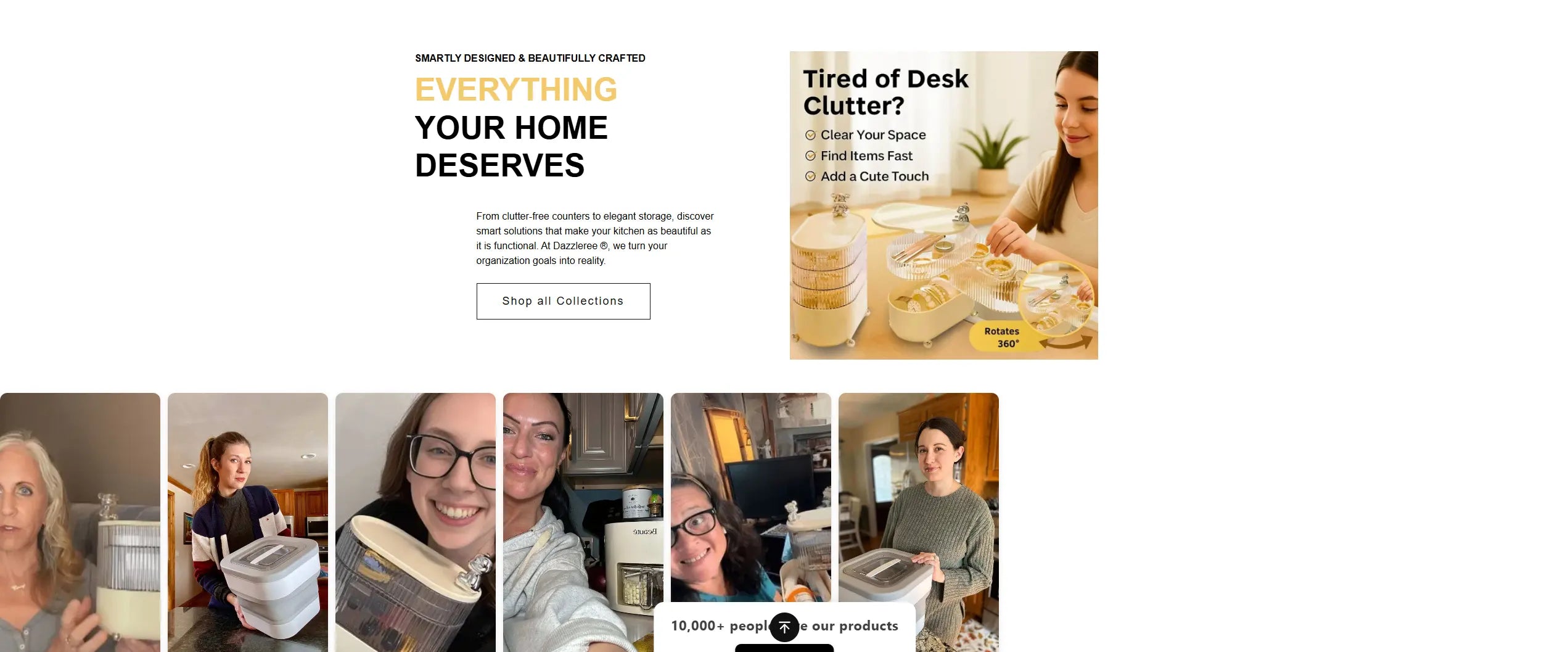
Your living room can affect your mood and body more than you think. The colors you pick, how you place furniture, and the light and air in the room all matter. Making a living room that supports well-being means creating a calm, comfortable space that helps you relax and feel less stressed.

You do not need to redo the whole room to improve well-being. Small changes like adding plants, letting in more natural light, or moving furniture can help a lot. Research shows that wellness design focuses on improving health and comfort through better air, soothing colors, and layouts that make it easier to connect with others.
This short guide will explain the main ideas of wellness design and give easy tips to change your living room. You will learn how to pick calm colors and materials, arrange furniture for relaxing and social time, and form simple habits that make your living room a peaceful place to rest.

To improve well-being in the living room, focus on comfort, calm design, and arranging furniture so people can talk and relax. These ideas help make the room better for both your body and mind.
Comfort in the living room affects your overall health. Designing with wellness in mind means choosing items that support your body and make you feel calm.
Pick furniture that feels good. A sofa should support your back and be soft enough to sit on for a long time. Add cushions and blankets that are nice to touch.
Keep the room at a comfortable temperature. Good airflow keeps the air fresh and stops the room from feeling stuffy.
Natural light improves mood and helps your sleep. Place seats near windows when you can. Use curtains or blinds so you can control how much light comes in.
Key comfort elements include:
Your living room should help you relax after a busy day. A calm space comes from simple design choices that affect what you see, hear, and feel.
Colors change how a room feels. Soft neutrals, light blues, and warm earth tones usually feel more relaxing than bright colors.
Reduce clutter to make the room peaceful. Too many things can make you feel tense. Keep surfaces mostly clear and store items out of sight.
Sound affects calm too. Rugs, curtains, and upholstered furniture absorb noise and make the room quieter. You can add a small water fountain or play soft background music.
Use layered lighting to change the mood. Bright overhead lights can feel harsh. Lamps at different heights give a softer, more relaxing light.
How you place your furniture affects how well you connect with family and friends. A clear layout makes it easier to talk and build relationships.
Put seats so people face each other instead of all facing the TV. This makes talking and eye contact easier. L-shaped or U-shaped seating works well for groups.
Leave enough space between furniture so people can move around. About 18 inches of space helps people walk comfortably. This stops the room from feeling crowded during visits.
Offer different kinds of seating for different people. Some like sitting close on a sofa. Others prefer a single chair. Having both makes everyone feel welcome.
Place a coffee table or ottoman where everyone can reach it. This gives a place for drinks and becomes a natural center for the group.
Furniture arrangement tips:
| Element | Purpose | Recommended Distance |
|---|---|---|
| Conversation circle | Easy eye contact | 4–8 feet between seats |
| Walking paths | Free movement | 18–24 inches wide |
| Coffee table | Shared surface | 14–18 inches from seating |

The right design choices can make your living room better for your body and mind. Good lighting, comfy textures, and plants help lower stress and make everyday life easier. These ideas help improve well-being in the living room.
Natural light is one of the best ways to lift your mood and keep your sleep schedule steady. Sit near windows so daylight reaches you during the day. Morning light helps you wake up and feel alert. Warm light in the evening tells your body it is time to relax.
Use different kinds of lights for different needs. You can have bright ceiling lights for general use, a lamp for reading, and small lights to show off parts of the room. Dimmer switches let you change the light level for different times and activities.
Choose cooler, brighter light (around 4000–5000K) in the daytime when you need to focus. Use warmer light (about 2700–3000K) in the evening to help you relax. Smart bulbs can change light color and brightness automatically to match your day.
Mixing different textures makes the room feel cozy and interesting. Try smooth leather with linen, wool blankets with cotton pillows, and wood furniture with soft rugs. These textures are nice to touch and make the space feel welcoming.
Natural materials like wood, stone, cotton, and wool help bring a bit of nature inside. Pick furniture that shows wood grain, wool rugs instead of synthetic ones, and cotton or linen covers. Natural materials often have fewer chemicals that can harm indoor air quality.
Soft items also help with sound. Cushioned chairs, thick curtains, and fabric wall hangings absorb noise so the room is quieter and calmer.
Live plants help you feel closer to nature and can improve air quality in the living room. Snake plants, pothos, and ZZ plants do well in low light. Spider plants and peace lilies help remove some toxins from the air. Put at least one plant where you can see it from your main seat to boost well-being in the living room.
Choose plants you can care for. If you travel or often forget to water, pick drought-tolerant plants like succulents or snake plants. To get a big effect with little work, start with three to five plants of different heights.
Natural décor also helps bring nature indoors. Show driftwood, stones, or shells you found. Hang art with plants or landscapes. Use fabrics with natural patterns instead of sharp geometric prints.

The right furniture and layout change how calm and comfortable you feel. Good planning can lower stress, improve airflow, and make separate areas for different activities while cutting down noise.
A modular sofa lets you change the room layout when you need to. You can move pieces to make a place for talking, open space to walk, or more seats for guests.
Arrange furniture in small groups that make talking easy and keep seating at least 30 inches from the walls. Leave 24 to 30 inches between the coffee table and seats so the space does not feel tight.
Pick items that do more than one job. A storage ottoman hides clutter and gives extra seating. Nesting tables can be spread out or tucked away to free floor space. Choose furniture with smooth edges and soft fabrics that feel nice to touch.
Try making paper templates of your furniture shapes and placing them on the floor before you decide. This helps you see how much space you have and makes sure people can move through the room easily.
Too many items in your living room can cause visual stress and make it hard to relax. Too many knick-knacks and mess can hurt your mood.
Keep only the things that matter, like a few photos or a piece of art. Use built-in cabinets to hide electronics and media gear. Baskets can store everyday items and keep surfaces clear. Wall-mounted TVs free up floor space and can make the room seem larger.
Minimalism means choosing fewer, better items. Pick a handful of well-made pieces instead of filling every corner. Leave some empty space on shelves and walls so your eyes can rest. This makes the room calmer and helps the well-being in the living room.
Sound-absorbing materials cut down echoes and make the room quieter. Some materials, like fiberglass, work well across many sounds, while mineral wool works well for mid to high sounds.
Add thick curtains to block outside noise and put area rugs on hard floors to soften sound. Sofas, chairs, and cushions also absorb noise that would otherwise bounce around. Acoustic panels on walls can reduce echoes and improve the room's sound.
Seal gaps around windows and doors with acoustic caulk to keep outside noise out. Use layers of soft materials—each one helps reduce sound. These small changes make the living room quieter and more relaxing, which improves well-being in the living room.

Your living room can help with well-being in the living room when you set up simple spaces for self-care. Small changes in furniture and décor make it easier to keep healthy habits at home.
Make clear spots for different activities. A comfy chair with good light is great for reading or quiet time. Keep a yoga mat near a clear floor area so you can stretch easily.
Add a small side table for things you use for self-care, like a water bottle, a journal, or essential oils. Clear paths and open spaces also make it easier to move around your home.
Think about how you use the room. Do you need space to stretch? A place for puzzles or crafts? Start with how you use the space to choose better layouts and items.
Keep wellness tools easy to see and reach. A basket of resistance bands or a shelf with art supplies will remind you to use them. When items are handy, you are more likely to use them often.
Put out things that make you happy and calm. Family photos, favorite art, or souvenirs can lift your mood and lower stress. These items help your living room feel like a safe place for well-being in the living room.
Choose décor that looks nice and works well. A pretty bowl can hold keys. A useful lamp gives light for hobbies. Buy items that have a clear purpose instead of filling space with things you do not need.
Plants make the room feel alive and can help clean the air. Try easy plants like pothos or snake plant if you are new to plant care.
Let your home show who you are. Display books you read, supplies you use, or collections you love. These real touches turn your living room into a calm place for self-care and better well-being in the living room.

Creating a living room that supports your well-being involves specific design choices about layout, colors, lighting, air quality, furniture, and technology. These elements work together to shape how relaxed and comfortable you feel in your space.
The layout of your living room should prioritize conversation areas and reduce clutter through smart storage solutions. Clutter can create mental strain, making it harder to relax in your space.
Consider furniture with built-in storage like coffee tables with hidden compartments or ottomans that double as storage units. Open shelving lets you display books, artwork, or plants while keeping surfaces clear.
Position your main seating area to encourage interaction with family and friends. If space allows, add secondary areas like a reading nook or intimate corner for quiet activities.
Flexible layouts help your living room feel fresh and dynamic. You can rearrange seating near windows during winter months to maximize daylight or adjust the space to suit different moods and activities throughout the year.
Colors directly influence your emotional state and create the overall mood of your living room. Different hues affect how you feel, so choosing the right tones matters for your comfort.
Neutral colors like soft whites, beiges, and light grays provide a soothing backdrop that promotes relaxation and calmness. These shades work well for walls and larger surfaces.
You can add vibrancy through accent colors in smaller items like cushions, rugs, or artwork. Soft blues and greens have a calming effect on most people.
Warmer tones like muted yellows and oranges promote feelings of warmth and togetherness. Keep in mind that color preferences are individual, so choose shades that feel right for you and your household.
Natural light has numerous health benefits, including improving mood and energy levels. Position your seating areas near windows to take full advantage of sunlight throughout the day.
Use sheer curtains that allow sunlight to filter in while still providing privacy. This approach maximizes the amount of natural light entering your space without sacrificing comfort.
Consider how your room layout changes with the seasons. During winter months, you might want to rearrange furniture to capture more daylight when the sun is lower in the sky.
Mirrors placed opposite or adjacent to windows can help bounce natural light deeper into your living room. This technique makes the space feel brighter and more open without any structural changes.
Good indoor air quality is essential because poor air can lead to allergies, respiratory issues, and mental health challenges. Open your windows regularly to allow fresh air to circulate and reduce the buildup of indoor pollutants.
Air purifiers with HEPA filters remove dust, pollen, and other airborne allergens. These devices work especially well in rooms where natural ventilation is limited.
Certain plants filter pollutants and increase oxygen levels naturally. Snake plants, peace lilies, and spider plants are known for their air-cleaning abilities.
Avoid synthetic air fresheners or candles that release harmful chemicals into the air. Instead, use beeswax candles or essential oil diffusers to freshen your space without introducing toxins.
Ergonomic furniture supports your body properly and reduces strain during everyday activities. Your sofa and chairs should provide adequate back support and allow your feet to rest flat on the floor when seated.
Look for sofas with firm cushions that maintain their shape rather than soft cushions that cause you to sink too deeply. The seat depth should let you sit back comfortably without the edge pressing behind your knees.
Coffee tables and side tables should be at the right height for your seating. You shouldn't have to reach up or bend down awkwardly to use these surfaces.
Ottomans or footrests help you elevate your legs, which improves circulation during long periods of sitting. This feature is particularly helpful if you spend significant time watching television or reading in your living room.
Technology can enhance your comfort when used thoughtfully in your living room. Smart lighting systems let you adjust brightness and color temperature throughout the day to match your natural circadian rhythms.
Warm LED bulbs around 3000 K help you relax in the evenings. You can program these lights to dim gradually as bedtime approaches, signaling your body to wind down.
Sound systems with high-quality speakers allow you to play calming music or nature sounds. White noise machines can mask distracting outdoor sounds if you live in a noisy area.
Light therapy lamps can be valuable tools if your living room lacks natural light. These devices help regulate your sleep-wake cycle and boost mood during darker months.
Temperature control through smart thermostats ensures your living room stays comfortable year-round. You can set schedules that adjust the temperature based on when you typically use the space.
Watch parties turn regular screen time into fun group events where you can enjoy shows, movies, or sports with friends and family. Instead of watching alone, you can share reactions, laugh together, and make the night more exciting.

Good watch party ideas use simple themes, tasty snacks, easy games, and a cozy setup to keep guests happy the whole time. You don’t need a big budget or fancy gear. Small touches like themed decorations, quick games, and food that fits the show can make the party better.
This guide will help you learn how to host a memorable watch party. You will learn how to pick a theme, plan activities that keep people interested, choose food and drinks, and set up your space so everyone has fun.

Picking a strong theme gives your watch party direction and makes planning decorations, food, and activities much easier. The right theme creates excitement before guests even arrive and helps everyone feel more connected to what they're watching.
You can transform your living room into a mini theater by choosing a specific movie genre or series. A Marvel marathon works well with red and gold decorations, superhero masks, and comic book-style snacks. For a Star Wars theme, you might serve blue milk, use lightsaber decorations, and encourage guests to dress as their favorite characters.
Classic movie nights call for vintage posters, old-fashioned candy boxes, and dimmed lighting. You can set up a concession stand area with popcorn in striped containers, candy in glass jars, and bottled sodas. Consider giving each guest movie-themed keychains or small themed gifts as party favors.
Horror movie themes need darker lighting, fake cobwebs, and spooky sound effects playing before the movie starts. Rom-com nights benefit from softer colors, heart decorations, and sweet treats like chocolate-covered strawberries.

Sports watch parties thrive on team spirit and competitive energy. You need team colors throughout your space, from tablecloths to napkins to balloons. Sports centerpieces and football-themed throw pillows add comfort while reinforcing your theme.
Set up a tailgate-style food spread with hot dogs, nachos, wings, and dips served in team-colored bowls. You can create friendly competition by having guests predict game outcomes or participate in squares pools. Face paint, team jerseys, and foam fingers encourage guests to show their support.
Consider these essential elements:

Binge-watching your favorite series becomes more fun with themed elements tied to the show. A reality competition show party like Dancing with the Stars needs sparkly decor and themed snacks that match the glamorous atmosphere. Fantasy series work well with medieval decorations, themed food, and costume elements.
Create viewing cards where guests mark off common phrases or events that happen during episodes. Serve food and drinks that characters eat or mention in the show. For cooking shows, prepare dishes featured in recent episodes.
Popular TV themes include:

Holiday specials and seasonal content give you built-in decoration ideas and food themes. Christmas movie marathons need hot cocoa bars, holiday cookies, and twinkling lights throughout your space. Summer blockbuster parties work well with outdoor setups, cold drinks, and grilled food.
Halloween watch parties combine costume contests with scary movie selections and autumn-themed treats. You can put together sweet sacks that tie into your theme using unique containers that save money while adding creativity.
New Year's Eve viewing parties need countdown clocks, champagne or sparkling cider, and festive decorations in gold and silver. Spring premieres call for fresh flowers, pastel colors, and lighter menu options like salads and fruit platters.


Games and activities keep guests busy during commercial breaks or halftime. They make people active, not just watching, so everyone stays interested.
Make trivia questions that match what you are watching. For a sports game, ask about players, team history, and big moments from past seasons. For a movie marathon, ask about the cast, plot points, or behind-the-scenes facts.
Play trivia during breaks. Write questions on cards or use a trivia app on your phone. Trivia card game sets can be a fun choice.
Give small prizes like snacks, gift cards, or themed items. If you have a big group, split into teams. Teams help people talk and make it friendlier for people who don't know each other.

Have guests guess what will happen next. Before a game starts, ask for the final score, who will score first, or which player will play best. For reality shows, guess who will be eliminated or who will win.
Write predictions on paper or a whiteboard so everyone can see them. Give points for right guesses and a prize to the person with the most points at the end.
This makes people watch closely and adds friendly competition. You can make the questions easy or harder depending on the group's knowledge.

Make bingo cards with events that might happen during the show. For sports, use squares like "three-point shot," "penalty flag," or "coach argues with referee." For TV shows, include catchphrases, certain actions, or running jokes.
Print a card for each guest or use digital cards on phones. Use different card layouts so many people don't win at once. The first person to finish a row, column, or whole card wins.
Common Bingo Square Ideas:
Scorecards help guests keep track of stats during the event. Make simple sheets to tally points, goals, or other results. This works well for outdoor games during breaks or for sports with clear scoring. More ideas for lively outdoor games are available.

Great food and drinks turn a simple viewing event into a memorable gathering. The right menu keeps your guests satisfied while creating conversation and adding to the theme of your watch party.
Pick finger foods that guests can eat without taking their eyes off the screen. Classic options like chips and dip, popcorn bars with different seasonings, and veggie platters work well for any occasion.
Create variety by offering both hot and cold options. Sliders, mini tacos, chicken wings, and mozzarella sticks satisfy hungry guests. Cheese boards with crackers, nuts, and fruit give people lighter choices.
For easy setup and a polished look, use a 9-compartment divided serving tray to present multiple snacks at once — it’s perfect for fun watch party ideas because guests can sample a bit of everything without crowding a single dish. See the tray here: 9-Compartment Divided Serving Tray.
Match your snacks to what you're watching. Olympics watch parties can feature foods from competing countries. Award show gatherings call for upscale appetizers like shrimp cocktail or bruschetta.
Set up food stations in different spots so guests don't crowd one area. Label dishes clearly, especially if they contain common allergens.

A self-serve drink station lets guests make their own beverages while you enjoy the show. Stock a table with ice, glasses, mixers, and garnishes so people can customize their drinks.
For a simple setup, offer two signature cocktails with recipe cards displayed. Include non-alcoholic versions of the same drinks so everyone can participate. Coffee and tea stations work great for daytime events or late-night viewing marathons.
Add themed touches like colored sugar for glass rims or fruit garnishes that match your party colors. Pitchers of infused water with cucumber, lemon, or berries keep guests hydrated between other beverages.

Theme your food and drinks around what you're watching to make the experience more fun. Sports events pair well with stadium favorites like nachos, hot dogs, and pretzels.
Plan your watch party menu based on the show's setting or time period. A period drama calls for elegant tea sandwiches and champagne. Reality competition shows inspire creative dishes that reference inside jokes from the series.
Name your dishes after characters, catchphrases, or memorable moments from the show. This adds humor and gets people talking about their favorite scenes while they eat.

The right atmosphere makes your watch party feel special, while proper tech setup keeps everyone focused on the show instead of troubleshooting problems. Smart planning with your guest list and invitations sets expectations and builds excitement before anyone arrives.
Your decorations should match what you're watching without overwhelming the space. If you're hosting a sports watch party, use decorative sports centerpieces and team colors in your throw pillows and table settings.
Keep your main viewing area free from clutter. Arrange seating so everyone can see the screen without straining their necks. Use dim lighting or string lights to reduce glare on the TV while keeping the room bright enough for people to move around safely.
Add themed touches that don't block views or create distractions. Simple banners, balloons in matching colors, or themed plates and napkins work well. Setting up a photo booth with props in a separate corner gives guests something to do during commercials or intermissions.
Control the temperature before guests arrive. A room full of people gets warm quickly, so set your thermostat a few degrees cooler than usual.

Test your streaming service, cable connection, or DVD player at least an hour before guests arrive. Check your internet speed if you're streaming, as you'll need at least 25 Mbps for reliable 4K quality.
Connect your device to your TV and play a few minutes of content to verify the picture and sound quality. Adjust your TV's brightness and contrast settings while it's still light outside to match the viewing conditions you'll have during the party.
Set up external speakers if your TV audio isn't loud enough for a full room. Position speakers at ear level and away from walls to avoid echo. Have your remote controls nearby with fresh batteries installed.
Close unnecessary apps and browser tabs on your streaming device to prevent buffering issues. Turn off automatic updates on your TV, gaming console, or streaming device so nothing interrupts your show.

Send invitations 7-10 days ahead for casual watch parties or 2-3 weeks for big events like championship games or season finales. Digital invitations through text, email, or social media work well for most gatherings.
Include these details in your invitation:
Keep your guest list manageable based on your space. A good rule is one seat per person plus a few floor cushions or folding chairs for overflow. Invite people who actually want to watch the content rather than just socialize, as talking during key moments frustrates engaged viewers.
Ask about dietary restrictions when guests RSVP. This helps you plan snacks that everyone can enjoy.


Picking the right theme, keeping guests engaged, and choosing good snacks can make or break your watch party experience. These common questions cover everything from interactive activities to virtual setups.
Decade themes work well for classic movie marathons. You can ask guests to dress in 80s or 90s attire and decorate your space with era-specific posters and props.
Genre-specific themes like horror movie nights or rom-com weekends let you match decorations and snacks to the content. For a mystery show marathon, you might create a detective theme with clue cards and magnifying glass props as decorations.
Character costume themes encourage guests to dress as their favorite characters from the show or movie you're watching. This works especially well for superhero films or fantasy series where costumes are recognizable and fun to recreate.
Create prediction cards where guests write down what they think will happen next in the show or game. You can reveal and discuss predictions during commercial breaks or between episodes.
Set up a reaction wall or social media hashtag where guests can post their live reactions and thoughts. This keeps everyone engaged even during slower moments.
During breaks, host quick trivia rounds about previous episodes or related content. You can offer small prizes for winners to keep the competitive spirit alive.
A good viewing setup is the foundation of any watch party. You need a screen large enough for everyone to see clearly and a sound system that fills the room without being too loud.
Comfortable seating arranged so everyone has a clear view matters more than fancy furniture. Add extra cushions, blankets, and floor pillows for overflow guests.
Good lighting control helps create the right atmosphere. You want the ability to dim lights during viewing while keeping enough light for guests to move around safely during breaks.
Reliable internet or streaming service access prevents frustrating interruptions. Test your setup before guests arrive to avoid technical problems.
Bingo cards with common phrases, actions, or tropes from the show keep guests actively watching. Create custom cards based on what you're viewing and hand them out at the start.
Wireless game controllers work great for quick gaming sessions during long commercial breaks or between episodes. Keep games short so they don't take over the main event.
Character drinking games (using non-alcoholic beverages for all-ages parties) where guests take a sip when specific events happen add fun without requiring much setup. Just establish clear rules before starting.
Finger foods and snacks that don't require utensils work best. Popcorn, chips with dip, veggie trays, and cheese plates let guests eat without missing important scenes.
Mini sliders, pizza bites, and chicken wings are filling options that guests can grab easily. Keep hot foods in slow cookers to maintain temperature throughout the event.
Themed foods matching your content make the experience more memorable. For a space movie, you might serve "galaxy" cupcakes or "rocket fuel" drinks with creative names.
Set up a self-serve snack station so guests can help themselves without interrupting the viewing. Include napkins, small plates, and wet wipes for easy cleanup.
Choose a streaming platform with built-in watch party features that sync playback for all viewers. This prevents annoying delays where some guests see scenes before others.
Create a group chat or video call running alongside the stream for live reactions. Seeing faces and hearing immediate responses brings back the social experience of in-person viewing.
Send guests themed snack boxes or recipes ahead of time so everyone eats similar foods. This small touch creates a shared experience even when you're apart.
Schedule specific break times for bathroom runs and discussions. Virtual parties need more structure than in-person events to keep everyone engaged and synchronized.
Setting your table with natural elements creates a warm and inviting space that makes any meal feel special. You can transform your dining area using simple materials like fresh greenery, wooden accents, linen napkins, and seasonal items you already have around your home. These fun natural table settings work for casual weeknight dinners, holiday gatherings, or elegant dinner parties.

Natural table decor connects your indoor space with the outdoors in an effortless way. You don't need expensive decorations or complicated designs to make your table look beautiful. A few branches, some candles, or a handful of pinecones can completely change how your dining room feels.
This guide walks you through everything you need to know about creating nature-inspired table settings that suit your style and occasion. You'll learn which essential items to keep on hand, how to build eye-catching centerpieces, and ways to adapt your table for different seasons throughout the year.

Natural table settings work because they combine simple materials with thoughtful arrangement. The right elements create warmth without fuss, while eco-friendly choices and balanced design make your table both beautiful and sustainable.
A natural table setting starts with a wooden table as your foundation. The grain and texture provide instant character.
Build your place settings with ceramic plates in neutral tones like cream, terracotta, or soft gray. These colors complement natural materials without competing for attention.
Add linen napkins in white, beige, or earth tones. Linen brings a relaxed texture that feels casual yet refined. Fold them simply or tie them with twine for a rustic touch.
Choose woven placemats to define each seat. Jute, seagrass, or rattan options add depth and protect your table surface. They work particularly well when you want to show off the wood underneath.
Fresh greenery acts as your centerpiece. Eucalyptus branches, ferns, or herbs from your garden cost little and smell wonderful. Keep arrangements low so guests can see each other across the table.

Eco-friendly table settings reduce waste while looking polished. Start by choosing reusable items over disposable ones.
Pick woven jute placemats instead of paper versions. They last for years and add texture to your setup. Wash them by hand and let them air dry between uses.
Use a linen tablecloth made from organic fibers. Linen comes from flax plants and requires less water than cotton. It softens with each wash and develops a comfortable, lived-in look.
Skip plastic decorations and opt for items you gather outdoors. Pine cones, stones, and branches cost nothing and return to the earth after use. Glass containers and metal candleholders can be washed and reused for every meal.
Choose beeswax candles over paraffin versions. They burn cleaner and produce a subtle honey scent that enhances your dining experience.

Successful natural table settings mix different surfaces without looking messy. Start with a color palette of three to four shades pulled from nature.
Combine smooth ceramic plates with rough woven jute placemats. The contrast makes each element stand out. Add soft linen napkins to bridge the two textures.
Layer your table with a linen tablecloth as the base, then add a burlap or jute runner down the center. This creates visual interest while keeping the look cohesive.
Mix wood tones freely. A darker walnut cutting board pairs well with lighter bamboo serving pieces. Different shades add depth rather than confusion.
Keep metal accents minimal. Brass candlesticks or copper flatware introduce a warm metallic note without overwhelming natural materials. Stick to one metal finish per table for a unified appearance.


Natural centerpieces bring warmth and personality to your table using simple materials like wildflowers, fresh produce, and candlelight. These decorations work for both casual meals and special occasions while staying budget-friendly and easy to assemble.
Wildflowers create relaxed, colorful centerpieces that feel fresh and inviting. You can pick them from your garden or local fields, arranging them loosely in glass vases or mason jars for an effortless look.
Mix different heights and colors to add visual interest. Daisies, Queen Anne's lace, and black-eyed Susans work well together. You don't need perfect symmetry—the beauty comes from the natural, unstructured appearance.
Fresh herbs double as both decoration and function. Place small pots of rosemary, basil, or thyme along your table for a fragrant touch. Guests can snip herbs to season their food during the meal.
You can also tie herb sprigs to napkins with twine. Lavender and sage add pleasant scents without overwhelming your food's aroma.

Seasonal produce creates stunning natural centerpieces that are simple to arrange. Stack apples in wooden bowls or line oranges and lemons down the center of your table for bright color.
In fall, pumpkins and gourds become perfect table decorations. Mix different sizes and colors for variety. Small pumpkins can serve as individual place settings with names written on them.
Artichokes, carrots with greens still attached, and heirloom tomatoes add unexpected visual appeal. Arrange them on cutting boards or in shallow baskets for a farm-fresh feel.
Edible centerpieces offer these benefits:

White candles in various heights create warm, elegant ambiance for evening meals. Place them in wooden holders, glass votives, or directly on the table for soft lighting.
Beeswax and soy candles are natural options that burn cleanly. Avoid scented candles during meals since they can interfere with food flavors.
Mason jars serve multiple decorating purposes. Fill them with wildflowers, wrap them with twine, or place tea lights inside for a rustic glow.
Fairy lights woven through greenery or draped along your table add a magical touch. Battery-operated versions work well since you won't need outlets nearby. They're especially effective for outdoor gatherings or dim lighting situations.

Each season offers unique natural materials for table decoration. Spring calls for cherry blossoms and tulips in soft pastels, while summer brings bright sunflowers and fresh citrus.
Autumn leaves scattered across your table or used as place cards add fall color. Combine them with acorns, pinecones, and dried corn for a harvest theme. Bronze and copper accents enhance the earthy autumn palette.
Winter decorations can include pine branches, holly berries, and cedar sprigs. Add frosted pinecones or a light dusting of artificial snow for a wintry feel.
Seasonal decoration ideas:

You can gather most seasonal materials from your yard or local parks. This keeps costs down while making your table feel connected to the current time of year.

Natural materials transform ordinary place settings into memorable dining experiences. Using items like wood, botanicals, and foraged elements creates warmth while keeping costs low.
Wooden plates serve as the foundation for rustic farmhouse table settings that feel both casual and elegant. These earthy bases pair well with ceramic dishes stacked on top for visual depth.
Driftwood pieces work as unique napkin holders or place card displays. You can position small pieces horizontally across each setting or stand them upright next to plates. Their weathered texture adds coastal charm without overwhelming the table.
Pinecones and acorns bring woodland character to fall and winter gatherings. Scatter them around plates or tie a single pinecone to folded napkins with twine. These items cost nothing if you collect them yourself from your yard or local park.
Shells create beachy vibes for summer meals. Place one shell at each setting as a name card holder or use larger ones as small dishes for salt and condiments. Mix different shell types and sizes for interesting texture.

Fresh greenery adds life to every place setting. Eucalyptus sprigs tucked into napkin rings release a subtle scent that enhances the dining experience. You can also lay single stems across plates for a minimalist look.
Leafy greens like olive branches or ferns work as natural placemats under dinner plates. Their organic shapes create soft edges that contrast nicely with round dishes.
Small flowers bring color without being fussy. A single daisy or rose laid across each napkin creates simple elegance. You can also gather a few stems and tie them with ribbon for guests to take home.
Terracotta pots filled with potted herbs like rosemary or basil serve double duty as decor and favors. Position one pot between every two place settings so guests can easily reach and pinch fresh herbs for their food.

Handwritten place cards attached to natural elements make guests feel special. Write names on small paper tags and tie them to pinecones, small branches, or bundles of dried lavender.
Create napkin rings from items you find outdoors. Bend flexible twigs into circles and secure with thin wire, or wrap strips of birch bark around rolled napkins. These cost-free touches show thoughtfulness.
Use seasonal finds to mark individual settings. In autumn, tuck colorful leaves under plates or attach them to napkin folds. During winter, add sprigs of holly or cedar with red berries for festive appeal.


Natural table settings shift with the seasons, bringing fresh colors and textures to your dining space. Bright citrus and wildflowers define warmer months, while pumpkins and autumn leaves create cozy scenes as temperatures drop.
Light colors and fresh materials work best for spring and summer table settings. Start with a simple white or cream tablecloth as your base. This lets bright accents stand out without competing for attention.
Wildflower arrangements bring instant charm to spring tables. Gather stems from your yard or a local market and place them in mason jars or simple glass vases. Mix in greenery like ferns or herbs to fill out the arrangement.
A moss runner adds texture down the center of your table. You can buy preserved moss from craft stores or gather it yourself. Layer it along the middle and tuck in small flowers or candles for visual interest.
Summer calls for citrus accents. Place whole lemons and oranges in bowls or scatter them along the table. The bright yellow and orange tones catch the light and add a fresh scent. You can also slice citrus and float pieces in water glasses or use them as plate garnishes.
Keep summer settings light and airy. Use linen napkins in soft colors and choose plates that don't feel heavy. The goal is to make your table feel as relaxed as the season itself.

Autumn harvest table settings use warm tones and natural finds from the season. Start with a burlap or woven runner to create texture. This gives you a neutral base that makes other elements pop.
Pumpkins and gourds work as instant centerpieces. Mix different sizes and colors along your table. Small white pumpkins pair well with traditional orange ones. Add a few gourds in green or striped patterns for variety.
Autumn leaves scattered between place settings add color without much effort. Press fresh leaves between heavy books for a day before using them so they lay flat. Choose leaves in deep reds, oranges, and browns.
Key autumn elements:
Apples bring color and a harvest feel to your table. Stack them in wooden bowls or arrange them along a runner. They work as decor and as an easy dessert option for guests.
Winter settings benefit from evergreen sprigs, pine cones, and candles in neutral holders. The focus shifts from bright colors to warm textures and soft lighting.


Beautiful tables work best when every element serves a purpose beyond looks. Smart choices in fabrics, decorative pieces, and lighting create spaces that feel both polished and practical for any gathering.
Start with a linen tablecloth as your foundation for texture and durability. Linen naturally resists stains and softens with each wash, making it ideal for repeated use.
Layer linen napkins on top of your place settings or fold them into napkin rings. Their breathable fabric feels premium without being fussy. For a more casual approach, try a gingham tablecloth that adds pattern while hiding minor spills better than solid colors.
Woven placemats protect your table surface while adding visual interest. They work especially well when you want to show off a beautiful wood table underneath. Mix different textile weights to create depth. Pair thick cotton or burlap runners with lighter napkin fabrics.
Choose neutral base colors like cream, beige, or soft gray so you can swap out seasonal accents easily. Keep extra napkins within reach in organizing holders for your table setup so guests can grab them when needed.

Mason jars serve multiple roles on natural tables. Fill them with wildflowers, use them as drinking glasses, or place utensils inside for buffet-style meals. Their clear glass shows off whatever you put inside while maintaining a casual feel.
Choose decor items that guests can interact with. Small potted herbs double as centerpieces and conversation starters. Wooden cutting boards become serving platters that add warmth to your table.
For fun natural table settings that stay organized, add a compact rotating organizer to hold napkins, utensils, condiments, or small serving tools — it keeps frequently used items within reach without cluttering the centerpiece. See the rotating kitchen organizer here: Rotating Kitchen Organizer.
Stack plates at different heights using cake stands or overturned bowls. This creates visual interest and makes food more accessible. Natural elements like pinecones or small branches can hold place cards or mark each guest's spot.
Keep the center of your table clear enough for passing dishes. Push taller decorations toward the ends so people can see each other across the table.

White candles in various heights create soft ambient light without overwhelming your table. Place them in glass holders or directly on small wooden discs for stability. Unscented options work best during meals so they don't compete with food aromas.
Fairy lights wrapped around greenery or threaded through centerpieces add a gentle glow for evening gatherings. Battery-operated versions eliminate cord clutter and fire risk. Drape them loosely rather than winding them tight for a more natural look.
Position lighting at different levels across your table. Tall taper candles at the ends, votives scattered throughout, and string lights woven between create depth. Dim overhead lights so your table lighting becomes the focal point.
Consider the color temperature of any electric lights you use. Warm yellow tones feel more inviting than cool white bulbs and complement natural materials better.


Natural table settings work best when you use materials like linen, wood, and fresh greenery to create spaces that feel both comfortable and stylish. The right combination of textures, colors, and seasonal elements can turn any meal into a memorable gathering.
Start with cloth napkins instead of paper ones to reduce waste at your table. Linen and cotton napkins can be washed and reused for years.
Choose dishes and glassware you already own rather than buying disposable items. Thrifted or vintage pieces add character while keeping materials out of landfills.
Use beeswax or soy candles in reusable holders for lighting. These burn cleaner than regular candles and create a warm atmosphere.
Fill glass jars or bottles you have at home with fresh flowers or greenery from your yard. This approach to natural table settings with everyday materials keeps costs down and reduces packaging waste.
Skip plastic decorations and focus on items that can return to nature or be reused. Leaves, branches, pinecones, and stones all work well.
Layer different heights by placing tall branches or dried grasses in vases alongside lower arrangements of flowers or herbs. This creates visual interest without cluttering your table.
Arrange fresh herbs like rosemary, thyme, or basil in small terracotta pots down the center of your table. Guests can pinch a sprig if they want to smell the fragrance.
Create a runner using eucalyptus branches, olive leaves, or ivy that stretches along the middle of your table. Tuck in votives or small candles between the greenery.
Fill a wooden tray or cutting board with seasonal items like citrus fruits, small pumpkins, or pinecones mixed with candles. The tray keeps everything contained and easy to move.
Use a single large branch in a heavy vase as a statement piece. Hang small ornaments, dried flowers, or paper tags from the branches for special occasions.
Place moss in shallow bowls or on wood slices as a base for candles or small plants. The texture adds an earthy feel to your centerpiece.
Linen stands out as one of the most durable and eco-friendly fabric choices. It gets softer with each wash and can last for decades with proper care.
Organic cotton works well if you want something slightly more affordable than linen. Look for fabrics certified by organizations that verify sustainable growing practices.
Hemp fabric offers strength and longevity similar to linen. It requires less water to grow than cotton and resists mold naturally.
Avoid synthetic fabrics like polyester, which shed microplastics when washed. These materials also don't absorb spills as well as natural fibers.
Choose neutral colors like beige, cream, or soft gray that won't show stains as easily. Natural dyes add color without harsh chemicals if you prefer something brighter.
Buy secondhand tablecloths and napkins from thrift stores or estate sales when possible. Vintage linens often feature better quality than many new options.
Spring calls for tulips, daffodils, and cherry blossoms in soft pastel arrangements. Add flowering branches from fruit trees if you have access to them.
Summer brings sunflowers, zinnias, and wildflowers that create vibrant natural table settings with bold colors. Herbs like lavender and mint add fragrance and texture.
Fall means using dried grasses, wheat stalks, and branches with changing leaves. Mix in mums, dahlias, or marigolds for pops of orange and burgundy.
Winter works well with evergreen branches, holly berries, and bare branches. Pine and cedar add a fresh scent that fills your dining space.
Visit your local farmers market to find seasonal flowers grown nearby. These typically last longer than shipped flowers and support local growers.
Forage responsibly from your own yard or with permission from property owners. Never take endangered plants or strip areas of their natural beauty.
Ceramic and stoneware plates hold up well to daily use and come in countless styles. They can go in the dishwasher and won't absorb food odors.
Glass dishes let the food's colors shine through and work for both serving and storing leftovers. Tempered glass resists breaking better than regular glass.
Bamboo plates and bowls offer a lightweight alternative for outdoor dining. Make sure to buy versions sealed with food-safe finishes that won't crack quickly.
Stainless steel works perfectly for both flatware and serving pieces. It lasts practically forever and doesn't rust or stain.
Wood chargers or serving boards add warmth as bases for your regular dishes. Choose pieces made from sustainably harvested or reclaimed wood.
Avoid melamine and other plastic-based dishes that can leach chemicals and eventually crack. They also contribute to microplastic pollution when they break down.
Start with a neutral base color like cream, beige, or soft gray for your tablecloth or placemats. This lets you layer other elements without things looking too busy.
Mix smooth surfaces with rough ones by pairing polished ceramic plates with woven placemats or linen napkins. The contrast makes each texture stand out more.
Stick to two or three main colors from nature to keep your table looking cohesive. Earth tones like brown, green, and terracotta work together naturally.
Layer different materials like wood chargers under ceramic plates, then add a cloth napkin tied with twine. Each layer adds depth without overwhelming the eye.
Add one metallic accent in copper, brass, or bronze to catch light and add warmth. Keep it subtle with just the flatware or a few small candleholders.
Balance matte and glossy finishes throughout your setting. Pair matte stoneware with shiny glassware or smooth wooden elements with textured fabric.
In recent years, more people want homes that help their health and happiness. A home isn’t just a place to live—it’s a place to feel good, rest, and grow. We’re seeing a shift in home design toward a wellness home approach. From quiet reading corners to full saunas, homeowners and designers are creating wellness spaces that support physical and mental well‑being. In this article, we’ll look at what this trend means, how it shows up in homes, and why it’s important in wellness real estate and home wellness.

A wellness‑focused home is one built so that every part supports your health. That means thinking about how you sleep, how you move, how you relax, and how clean your home is. In simple words: a home designed for well‑being, not just style. The elements of wellness design include safe materials, good air, lots of natural light, comfortable spaces for rest, spots for exercise or quiet, and a calm layout.

We spend a large part of our lives at home. If our homes are stressful, dark, or poorly ventilated, that can hurt our health. Designers now realise that homes can either support health or work against it. More people want homes that feel like a safe retreat—where they can work, relax, play and rest—all under one roof. The idea of wellness real estate has grown: homes that promise more than size and finishes—they promise a healthier life.

Here are some of the key wellness elements that show up in homes designed with health in mind:

One of the most striking wellness features in homes is the addition of an indoor sauna or heat‑therapy room. Why is it becoming popular? Because it blends relaxation, heat therapy and private wellness in one space. A well‑designed sauna gives homeowners a retreat inside their home—a place to unwind, support circulation, ease muscle tension, or simply step away from daily stress. Integrating it means choosing suitable materials (e.g., wood that withstands heat), ensuring safe ventilation, and placing it where noise or heat won’t interfere with the rest of the home.

On the other end of the scale is the reading nook—a small, quiet corner designed for calm. It could be a window seat, a cosy chair with a view, or a tucked‑away space with soft lighting and gentle materials. The point is to create a dedicated “pause” zone in the home—somewhere you can disconnect, reflect, read a book or just rest. These kinds of wellness spaces are important because they support mental and emotional health: reducing stress, improving focus, and giving the brain time to recharge.

One major trend in wellness and home design is biophilic design—that means designing spaces that reflect nature and our connection to it. Using house‑plants, natural textures, stone surfaces, wood, and views of green spaces are all part of it. Why does it matter? Because research shows being closer to nature helps reduce stress, improves mood, and makes people feel more comfortable. When a home includes nature‑inspired features, it becomes a place that supports calm and health—not just shelter.

In wellness‑focused homes, technology plays a supportive role. Smart lighting systems might shift colour and brightness through the day to match your natural rhythm. Air monitoring and filtration systems help keep indoor air clean. Water systems might ensure you have high‑quality drinking water. The idea is: technology used thoughtfully so that your home quietly supports physical and mental health. It’s not about flashy gadgets—it’s about integrated features that aid well‑being.

When we design homes for wellness, we also often think of sustainability. Using eco‑friendly materials, energy‑efficient systems, and designs that reduce waste all support both the planet and our health. For example, materials that don’t emit harmful compounds (low VOCs) are better for air quality. Energy‑efficient design reduces costs and environmental impact. In short, a health‑conscious home considers not just how we live now, but how we live in the future, too.

Homes that include wellness features are becoming more sought after in real estate. Buyers now look for wellness real estate—homes that offer more than just a location and size. They seek homes that support their health, comfort and lifestyle. A well‑designed wellness home can increase perceived value, improve market differentiation, and attract buyers who care about long‑term health and comfort. For homeowners, adding wellness‑features can be a smart investment in both life quality and property value.

If you’re a homeowner or planning a renovation, here are steps to bring wellness into your home:

The rise of wellness features in the home marks a major shift in how we think about living spaces. No longer is a home just a place to sleep and eat. It’s a place where we restore, recharge, move, think and be. From the immersive calm of a sauna to the quiet comfort of a reading nook, home design is becoming more about health and happiness. Whether you are buying a new home or redesigning your current one, thinking about home wellness, wellness spaces, and the full‑spectrum of physical and mental health can help you create a home that truly supports you. In the world of wellness real estate and well‑being at home, this is a trend that’s here to stay.

A wellness-focused home is a house made to help you feel healthy and calm. It has fresh air, natural light, safe materials, and peaceful spaces like saunas or reading spots.
You can add plants, use soft lights, open windows for fresh air, and make a quiet corner to relax or read. Keeping your space clean and simple also helps your mind feel better.
No, you don’t. You can start with small changes like using natural things, clearing clutter, and adding soft lighting. Wellness design works for all kinds of homes.
Being around nature makes people feel calmer and happier. Adding plants, wood, and sunlight in your home brings in those good feelings.
Yes. More people want homes that support health. Features like clean air, natural light, and relaxing spaces can make your home more valuable and easier to sell.
Picking a kitchen backsplash might seem like a small decision, but it can make a big difference in how your kitchen looks. It also helps keep your walls clean from splashes and grease while you cook. Since kitchen updates don’t happen every year, it’s smart to choose a backsplash that still looks great five years from now. This guide will help you pick the right tile, color, and style that will stay stylish and strong.

A backsplash protects the wall behind your counters and stove. It also adds color and style to your kitchen. The right one will make your cabinets, countertops, and paint come together nicely. A smart backsplash choice can keep your kitchen looking fresh for many years.

Subway tile is a classic. It’s simple and neat. You can lay it in different ways, like up and down or side to side. It works with almost any kitchen style and stays popular over time.
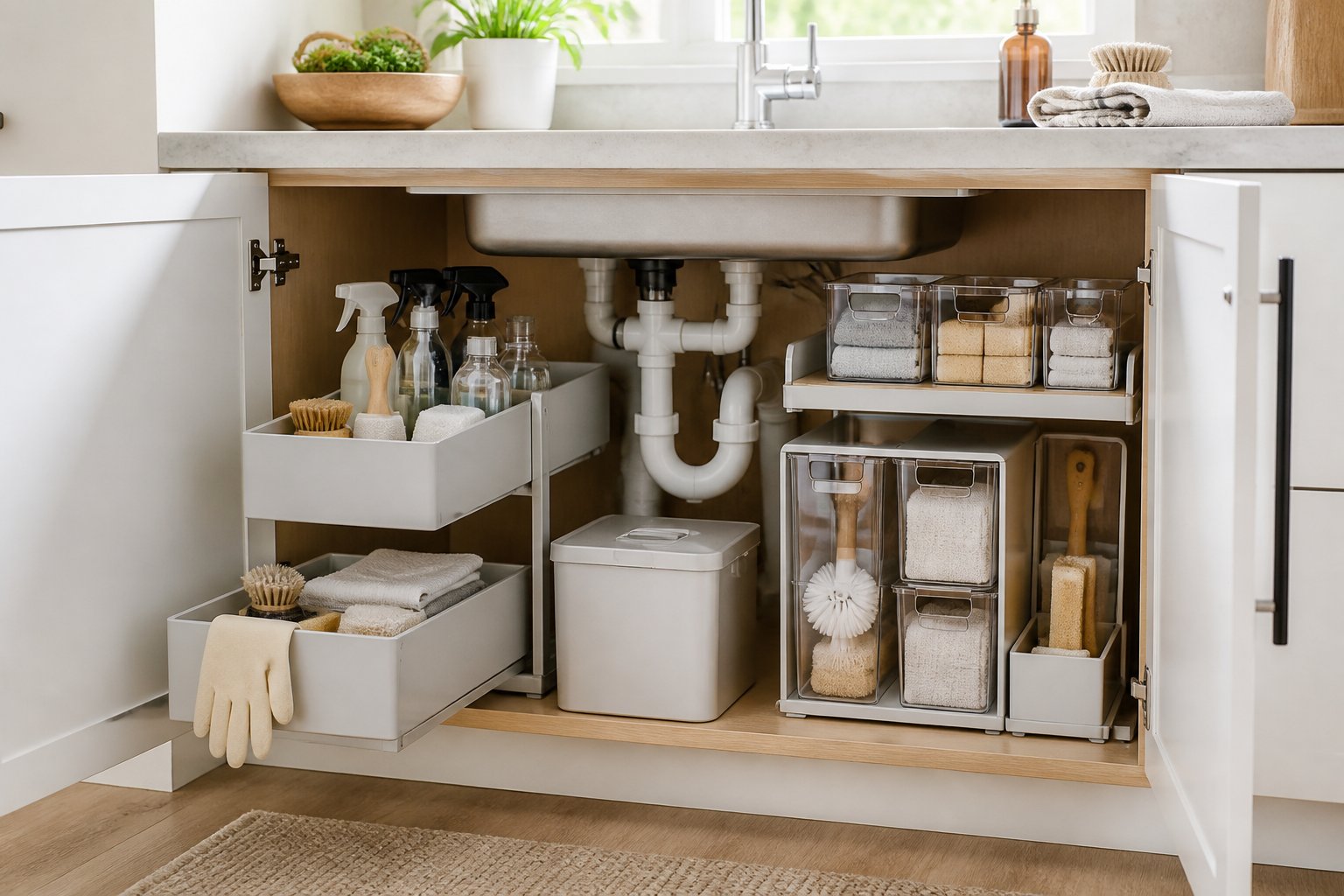
Marble looks fancy and natural. It has soft lines called veining that give it a rich look. It may need more care, like sealing, but it always looks high-end.
Brick backsplashes give your kitchen warmth and texture. Faux brick (brick lookalike tiles) are easier to clean. Stick with soft colors so it doesn’t look old later.
These are handmade tiles from Morocco. They have small bumps and shine that make them interesting. Pick neutral shades for a look that lasts.
These are small round tiles that can add fun and texture. Use them in small areas so the kitchen doesn’t look too busy.

Colors like warm white, beige, and soft gray match with lots of styles. They’re a safe choice because they don’t go out of fashion.
Soft green or blue shades can add color without being too bold. These look good with wood and natural materials.
Pick colors that go well with your cabinets, counters, and walls. This helps the kitchen look put together, now and later.

This pattern looks like a slanted V. It’s classy and works in both modern and traditional kitchens.
Tile stacked in straight lines (vertical or horizontal) looks clean and modern without being too trendy.
Instead of small tiles, some people use one big piece of stone or quartz. It’s smooth, easy to clean, and looks sleek.


Choose a backsplash that doesn’t fight with your counters or cabinets. If your counters have bold patterns, go simple with the backsplash.
The color of your tile can look different depending on your lighting and wall color. Always test the tile in your kitchen first.
Pick a backsplash material that can handle heat and splashes. Many people use their best tile behind the stove for a standout look.


Your kitchen backsplash is something you’ll see every day. Make sure it’s something you’ll still love in five years. Stick with simple shapes, soft colors, and good-quality materials. Avoid bold fads that might look old soon. A timeless backsplash will help your kitchen feel fresh and put-together for years to come.

Simple tiles like subway tiles in neutral colors are always a good pick.
Yes, marble is still loved. It’s natural, beautiful, and elegant.
Not exactly. It should look nice next to your counter, but not be the same.
Yes, just keep the colors and patterns simple so it looks good together.
Warm whites, soft grays, and muted greens or blues stay in style the longest.
After a long day, few things compare to the comfort of stepping into a warm, soothing bath. What if that experience didn’t require booking a trip to a luxury resort? With thoughtful design and a few smart upgrades, you can turn your own bathroom into a tranquil spa-like retreat. From steam showers to scented candles, here’s how to create the ultimate relaxing spa bath at home.

In today’s fast-paced world, finding moments to unwind is more important than ever. A spa-inspired bathroom offers more than just aesthetic pleasure—it becomes your daily escape.
A well-designed spa bath reduces stress, boosts mental clarity, supports physical recovery, and elevates your self-care routine. Transforming your bathroom into a serene oasis can help you start and end your day with intention and peace.

Before adding luxury bath products, start with the bones of your bathroom design.
Maximize natural light wherever possible. Use sheer window coverings or frosted glass for privacy without sacrificing brightness.
Choose calming tones—think whites, greys, beiges, or muted greens. These spa-like colors instantly bring a sense of serenity.
Install non-slip tiles in soothing hues. Stone, marble, or wood-look tiles create a grounding effect.
Upgrade fixtures to sleek, modern styles in brushed gold, matte black, or polished chrome. Small changes like a new faucet or showerhead can instantly elevate your space.

Your tub is the heart of your home spa. Choose one that offers both visual appeal and optimal comfort.
These elegant tubs make a strong design statement while allowing for deep, immersive baths.
Water jets provide gentle massage, helping to ease muscle tension and enhance relaxation.
Even in smaller bathrooms, deep soaker tubs with space-saving designs can deliver that full-body comfort you crave.

Mood-setting is key to a successful bath spa experience.
Support your neck and back for longer, more comfortable soaks.
Invest in thick, absorbent towels and a plush robe for a truly indulgent finish.
Use dimmable lights or add candles for a soft, ambient glow that soothes the senses.
Use essential oils, bath bombs, incense, or eucalyptus bundles to create a calming scent profile.
Stream nature sounds or calming playlists through a waterproof speaker to set the mood.

The right products can turn an ordinary bath into a full-body spa experience.
Infused with essential oils and minerals, these soothe sore muscles and hydrate the skin.
A rich, foamy bubble bath invites you to unwind and recharge.
Keep everything—from a book to a glass of water—within arm’s reach while you soak.
Add a plush bath mat for comfort and warmth underfoot.
Use minimalist baskets or floating shelves to keep essentials organized and clutter-free.

Not a bath person? Your shower can still deliver a premium spa-like experience.
Steam helps open pores, improve circulation, and relieve sinus congestion—perfect for unwinding.
Enjoy a gentle, full-body rinse that mimics a refreshing rainfall.
They make your bathroom feel larger and more luxurious, especially when paired with tile upgrades.

The right accessories and décor details complete your spa atmosphere.
Bring life into your bathroom with plants like aloe, peace lilies, or bamboo for a zen vibe.
Wooden trays, stone accessories, or bamboo shelves add warmth and nature-inspired charm.
Add prints of nature scenes or calming quotes to inspire mindfulness.
Eye masks, face steamers, and exfoliating brushes make you feel pampered and polished.

A consistent spa routine can become your secret to long-term wellness.

Not every bathroom is large—but even small spaces can feel luxurious.

You don’t need a full renovation to build a beautiful spa bathroom.

Creating a spa-like atmosphere in your own bathroom isn’t just about looks—it’s about self-care. With a few thoughtful upgrades, the right bath essentials, and a consistent routine, you can transform your daily bath into a serene retreat that rivals any luxury spa.
Indulge in the comfort, calm, and rejuvenation of your new home spa. You deserve it.

Incorporate calming colors, soft lighting, soothing scents, and luxury bath accessories to mimic a spa environment.
Soaking tub, bath bombs, candles, essential oils, bath pillow, soft towels, and ambient music.
Yes! Focus on vertical storage, compact tubs, mirrors, and neutral color schemes.
Lavender, eucalyptus, chamomile, sandalwood, and ylang-ylang promote relaxation.
Once or twice a week is ideal for most, depending on your schedule and skin type.
In modern homes, the kitchen is no longer just a functional cooking zone—it’s part of the living space, a place where design meets daily life. With that shift, a fascinating new approach has emerged: the hidden kitchen or invisible kitchen. Rather than standing out as a “kitchen”, it blends seamlessly into the surrounding interior, creating a minimalist, clutter‑free, and elegant look. This article explores this kitchen trend, offers ideas and practical tips, and shows how you can design a kitchen that doesn’t look like one, yet remains fully functional.

The kitchen remains the heart of many homes, but more homeowners now seek to make it visually calm and integrated. One of the most current kitchen trends is the hidden kitchen—a design strategy that conceals the cooking space behind cabinetry, paneling, or sliding doors so it blends with living and dining areas. This shift is driven by open‑plan layouts, minimalist aesthetics, and the desire for living areas to feel less utilitarian and more cohesive.

A hidden kitchen design is one in which the kitchen area is visually discreet, often using cabinetry, wall panels or sliding doors to hide appliances and typical kitchen hardware. It might be described as an “invisible kitchen” because it doesn’t scream kitchen—instead, it looks like part of the living space, furniture‑like storage, or even a wall feature.


Smart Kitchen Design Planning

Choosing Finishes and Appliances That Blend

Storage & Decluttering Tips

Use of Doors, Panels & Discreet Lighting

Full-Wall Cabinet Systems
Design one wall to be a complete hidden kitchen, appearing as storage until opened.
Eliminate Wall Cabinets
Minimize or eliminate upper cabinets to maintain a calm aesthetic. Use hidden shelves or tall cabinets instead.
Lift-Up Appliance Garages
Create compartments within cabinetry to store and hide appliances.
Visual Consistency with Living Area
Use matching materials from your living room furniture to keep the kitchen cohesive.
Minimalist Islands
Design islands to look like furniture using natural materials or tones matching adjacent rooms.

Why the Minimalist, Sleek Kitchen Look Works

Practical Considerations Before You Commit

Steps to Integrate This Trend Into Your Home

Why Consider This Kitchen Trend?

The hidden kitchen trend is redefining how kitchens look and function. By designing a space that blends into your interior and hides traditional kitchen elements, you achieve a sleek, functional, and elegant living space that meets the demands of contemporary life. If you're aiming for a kitchen that doesn't look like one, the hidden kitchen is a brilliant and forward-thinking solution.

A hidden kitchen is a kitchen design that conceals typical kitchen elements—like appliances and cabinetry—behind panels, doors, or walls, helping the space blend seamlessly with the rest of the interior.
Yes. Hidden kitchens are designed to be fully operational while keeping the aesthetic clean and minimal. Appliances, storage, and prep areas are integrated behind stylish panels and cabinetry.
Absolutely. Hidden kitchens are especially popular in small or open-plan spaces where maintaining a clutter-free, cohesive look is important.
Materials that match or complement your wall and furniture finishes work best—think matte laminates, wood veneers, or lacquer finishes that blend into the overall decor.
Living rooms in 2026 are doing a lot more than they used to. Once a place for relaxing or watching TV, these spaces now have new roles. They are places to work, study, relax, and sometimes even exercise — all in one room.
This change has come from how people live and work today. Many people now work from home or do schoolwork at home. So, the living room needs to be flexible. It has to feel cozy, but also help you focus when needed.
Designers say that homes should feel personal, calming, and useful. That’s why the living room is becoming the most flexible space in the house.

One of the biggest design trends of 2026 is curved and sculptural furniture. These pieces have soft, round shapes instead of straight lines. Curved sofas, round tables, and smooth desks help rooms feel more natural and comfortable.
Curved furniture is also great for dividing up your space. For example, placing a curved desk near a window can create a work zone that feels like part of the room, not separate from it. These shapes help the room flow without making it feel crowded.
If you want to update your space, adding one curved piece of furniture is a great place to start.

Your living room should help you feel both relaxed and focused. That may sound tricky, but it’s easier than it seems. The key is to balance comfort and function.
Start by adding soft touches: a cozy rug, warm blankets, and soft lighting can make your room feel inviting. Then add a desk lamp, a comfy chair for working, and a place to store your work items when you're done.
For example, a 3-tier desk organizer keeps your notebooks, pens, and devices tidy. When you’re done working, you can quickly clear off your space, so it feels like a relaxing living room again.

Designers say layout is everything in 2026. You don't need to buy all new furniture — just think about how to use the space differently.
Here are a few simple ideas:

A little planning goes a long way in making one room feel like two or three different spaces.
In 2026, design is all about nature. Materials like wood, linen, stone, and clay are very popular. They help a room feel warm, calm, and timeless.
These materials also make your workspace feel less like an office. A wooden desk, linen curtains, or a simple clay pot can make your space feel more natural and connected to the rest of your home.
Natural materials look good for years and make a space feel more comfortable. If your living room is now a multi-use space, these choices make it feel grounded and easy to enjoy every day.

This year, living rooms are about more than looks — they’re about personality. Designers are moving away from perfect, matching furniture sets. Instead, people are choosing pieces that reflect who they are.
Here are some easy ways to do that:

When your room shows your style, it becomes a space you enjoy spending time in — whether you’re working or relaxing.
Matching everything used to be the goal. Now, mixing different styles is the trend. In 2026, people are more comfortable blending pieces from different places, styles, or times.
This trend is perfect for living rooms that double as home offices. You can use a vintage chair for your desk, or turn a pretty basket into your paper organizer. Everything still looks good — just more interesting and less boring.
To make sure everything still feels connected:

Design in 2026 is not just about looks — it’s also about how you feel. That’s why wellness is such a big trend. Wellness means feeling good, staying healthy, and enjoying your space.
Here’s how to make your living room support wellness:

When your living room feels calm and clear, it becomes a place where you can get things done and enjoy your time off.
Living rooms in 2026 are changing in exciting ways. They're no longer just for sitting and watching TV. Today, they need to support your work, your hobbies, and your rest — all in one room.
To create a space that does it all:
With these design ideas, your living room can work hard when you need it and help you relax when it’s time to unwind.

Top trends include curved furniture, natural materials, multi‑purpose layouts, and personal decor that shows your style.
Create a small work zone with a desk and chair. Use smart storage like a 3‑tier organizer to keep things tidy. Choose lighting that works for both tasks and rest.
Wood, linen, stone, and clay are very popular. They make the space feel warm, natural, and timeless.
Modular couches, movable tables, storage shelves, and a compact desk organizer work great for rooms that do more than one job.
Use cozy fabrics and soft lighting, then add smart tools like a desk and organizer. Keep the space clean and flexible so it works for both work and relaxation.

In 2026, kitchens are changing. Straight lines and sharp corners are out. Curved kitchens are in style. They make the kitchen look softer, more welcoming, and easier to move around in.
These curves are not just pretty — they also help the kitchen feel more relaxing and fun to be in. Whether you're cooking or spending time with family, a curved kitchen makes the space feel cozy and modern.


Curved kitchens are popular this year for a few reasons:


Wood, stone, and soft colors are big in 2026. Curves look great with natural materials like white oak or smooth stone.
People don’t just cook in kitchens — they hang out there. Curved islands and round edges make it easier to sit and talk with others.
Many homes today have open spaces. Curves help the kitchen feel like part of the living room by blending in better.


Make sure the curved island or counter doesn’t block walkways. Leave enough space to move around easily.
Wood with visible grain and stone with soft patterns look best. Choose warm, neutral colors.
Use chairs, lights, and shelves that also have rounded shapes. This makes the kitchen feel complete and balanced.


Use light wood and soft colors like beige and white. Add curved shelves or a rounded island for style.
Try a curved cabinet wall in deep green or navy blue. The shape softens the bold color.
Even small kitchens can have curves. Try a rounded counter edge or half-circle peninsula.


Yes, because they need custom cabinets or countertops. But they also look more stylish and last longer. The investment in a curved kitchen can often lead to increased home value, as they are aesthetically pleasing and offer unique functionality. Many homeowners find that the cost is justified by the enhanced visual appeal and the comfort they provide in the space.
Yes! Start with a curved island or arched shelf. Even small changes help. Incorporating curves can be as simple as adding curved edges to existing cabinetry or incorporating rounded decorative elements. These subtle modifications can significantly soften the overall look of the kitchen and create a more inviting atmosphere without the need for a complete remodel.
No. Curved designs look good for many years when done right. They offer a timeless elegance that complements both modern and traditional aesthetics. As design trends evolve, the enduring appeal of curves is reinforced by their ability to create a more organic and fluid space. Many designers believe that curved elements will continue to be integrated into kitchen designs well beyond 2026.
Neutrals like white and beige, or bold colors like dark green or navy. The choice of color can enhance the curves' visual impact, making the space feel more cohesive. Light colors can make a room feel more spacious, while darker colors can add depth and sophistication. Pairing curves with the right color palette can help create a harmonious kitchen environment that feels both stylish and functional.
Yes. Use smaller curves and open shelves to keep it light and functional. Curved elements can help maximize space by creating more usable surface areas and avoiding sharp corners. This approach can make smaller kitchens feel larger and more open, allowing for better flow and accessibility. Incorporating curves in compact spaces can lead to innovative layouts that enhance both aesthetics and practicality.
In 2026, curved kitchens are a top trend because they make spaces more beautiful, soft, and welcoming. Whether you go big or start small, curves can help your kitchen feel cozy, stylish, and future-ready.
Kitchens are changing fast. By 2026, the modern kitchen will be simpler, cleaner, and smarter. The kitchen cabinet is no longer just a place to store things. It’s becoming a smart storage space that keeps your home organized while looking modern and stylish.
Designs now focus on:
Dazzleree is one brand that offers practical, space-saving products to help you create the kitchen of tomorrow—today.

In a modern kitchen, less is more. Hidden storage is all about keeping your tools, food, and items out of sight without losing access or function. It creates a clean, open look while helping you stay organized.
Examples of hidden storage include:
These storage ideas help reduce clutter and make the kitchen more relaxing and easier to use.

Smart storage is more than just hiding things—it’s about making your space work better. The right products let you store more while using less space.
Key features of smart storage solutions include:

Dazzleree offers a variety of space-saving kitchen organizers that make life easier, especially for busy families or smaller kitchens.
Traditional knobs and handles can interrupt the clean design of your kitchen cabinets. They also collect dirt and can catch on clothes or bags. In modern kitchens, hidden handles are a smart upgrade.
Hidden handle styles include:
These designs make your cabinets look smooth and feel modern, while still being easy to use.
The Dazzleree Divided Serving Tray is a smart snack and food organizer with multiple compartments. It stores fruit, snacks, candy, or party foods all in one place. What makes it even better? The hidden center handle built into the lid.
This handle lets you lift and carry the tray easily, but it stays flush with the surface so the design remains clean. The tray also fits neatly into fridge shelves, drawers, or cabinets, supporting both hidden storage and smart organization.

The Dazzleree Egg Holder is a large-capacity storage tray that holds up to 42 eggs in three clear layers. It’s perfect for big families, bakers, or anyone who cooks with eggs often.
Its hidden side handles are built into the edges of the container, making it easy to pull out from a drawer or cabinet. The smooth handles don’t stick out, so the tray stays compact and blends into your kitchen design.
The transparent design helps you see how many eggs you have, while the hidden handles make it easy to move without lifting the whole stack.

The Dazzleree Collapsible Container is another great smart storage solution. It expands when in use and folds flat when not needed, saving you tons of space.
This container features a recessed hidden handle built into the lid, making it easy to carry without breaking the smooth design. Whether you’re using it to store dry goods, cleaning items, or bulk foods, this container fits perfectly into modern kitchen drawers and cabinets.
It’s especially useful for homes with limited space or for people who want a cleaner, more organized kitchen layout.

In addition to trays, holders, and collapsible containers, other great examples of smart storage products include:
These products work best when combined with hidden drawers and smooth cabinet hardware — making your kitchen cleaner, faster, and more efficient to use every day.
To build your dream 2026 kitchen, keep these things in mind:
Check your drawers and cabinets. Choose products that fit your space without forcing or stacking too high.
Think about how you use your kitchen. Do you prep meals, store snacks, or cook for a large family? Choose trays and containers that suit your routine.
Look for containers, trays, and bins with built-in hidden handles. These make moving items easier without adding bulk or ruining the smooth design.
Make sure the product is made from durable, food-safe materials. Strong plastic, silicone, or clear acrylic are good choices for everyday use.

It’s not just about looks—hidden storage helps you in real ways:
And because these products are built with hidden handles and space-saving features, they make every inch of your kitchen work harder for you.

Dazzleree is focused on creating simple, useful, and stylish storage products that help you organize your kitchen the smart way. From the egg holder to the divided tray, every product is made with care — and designed to support the future of kitchen living.
Their products:
Dazzleree makes storage that works well and looks great — so your kitchen feels modern without extra effort.

Hidden handles are grips built into the edge, center, or sides of a product. They let you carry or move the item easily without sticking out.
Hidden storage helps you keep your kitchen clean and modern. It hides clutter while still keeping things within reach.
These are tools like collapsible containers, stackable trays, and rotating bins that help you use space better and stay organized.
Yes. Dazzleree’s collapsible container is made from strong materials that hold shape when open and fold down flat when not needed.
Look for options that fit your space, match your needs, and include hidden handles for easy carrying without bulky design.
As we look ahead to 2026, kitchen cabinets, drawers, and organizers are becoming smarter, sleeker, and more helpful. With the right storage tools and smart design choices — like hidden handles, collapsible bins, and stackable trays — your kitchen can stay clean, stylish, and stress-free.
Dazzleree’s modern kitchen products help you enjoy a better kitchen every day. Their designs match the trends that are shaping tomorrow’s homes — and make your life simpler in the process.
So if you're ready to upgrade your kitchen, start with hidden storage and smart design. The future is here, and it's beautifully organized.
For years, interior design has been dominated by bright white walls, cool‑gray palettes and airy minimalism. But as we look ahead to 2026, a clear shift is occurring. The word “neutral” is being re‑defined. More than ever, it’s about warmth, depth and emotion—not just background white. In this article, we’ll explore the upcoming 2026 color trends, especially how neutral hues are evolving, why they’re changing, and how you can bring that trend into your own space. Whether you’re planning a full paint job or just refreshing one room, these ideas will help you stay ahead of the curve.

In 2026, what counts as a “neutral” is evolving. Traditional whites and cool grays are giving way to tones that feel more grounded and comforting. Designers report homeowners are increasingly drawn to interiors that feel like a sanctuary—warm, layered, and rooted in nature.
This change reflects a broader cultural shift: after years of minimalism, there’s a desire for comfort, authenticity, and emotional resonance in our homes.

What’s driving the move toward warm neutrals in 2026? Several factors:

Warmth matters because it invites us in, triggers comfort, and makes a house feel like a home.
So what does a “new neutral” look like in 2026? Here are some examples and qualities to watch for:


Each year, color forecast teams choose a “color of the year” and accompanying palettes that influence the broader market. For 2026:

Gray and beige have dominated neutral interiors for a while—now they’re getting an update.
Grays

Beiges

The goal is to avoid the feeling of a “flat” palette. Instead each tone becomes a subtle part of a story.
Interior designers are shifting their brief: they’re specifying warmer neutrals, inviting textures, layered colour and depth.
What this means for you: you can go beyond a flat white wall and build rich, welcoming space from the foundation up.

Here are how warm and rich neutrals actually work in different rooms.
Living Room

Bedroom

Kitchen & Bathroom

Small Spaces/Nooks

Why are warm neutrals such a smart move? Because they combine longevity and contemporary style.

In other words: you get the best of both worlds—timeless flexibility + modern relevance.
The shift toward warm neutrals is strongly rooted in nature and the outdoors. Earth‑tones, grounded palettes and orgnanic materials dominate.

Here are practical tips to apply warm neutrals with style:

As we head into 2026, the era of bright white walls and cool, flat grays is giving way to something deeper, warmer and more meaningful. Neutrals aren’t disappearing—they’re evolving. Their job isn’t just to stay in the background anymore; they’re becoming foundational to the mood, comfort and storytelling of a home.
By embracing warm, rich neutrals and thoughtfully layering textures, accent colours, and natural materials, you’ll be on‑trend and poised for long‑term style. Your spaces will feel inviting, grounded and timeless.
Why wait? Start with one room—even just a single wall—and let the new neutral era begin.

Expect to see warm khaki, sandstone beige, rich brown with charcoal undertones, dusty olive green and terracotta‑toned neutrals.
Instead of cool greys and pure white, 2026 favours warmer, more layered hues that carry depth and connection to nature.
Warmer beiges, browns, olive‑greens and moodier greys with brown/green undertones.
Start small—add warm neutral accent décor, change upholstery or pillows, use a new rug or artwork to bring in the tone. Or repaint a single wall.
They feel more comfortable and welcoming, offer more depth and flexibility, and align with current desires for calm, grounded, natural‑inspired spaces.
Kitchen designs are changing fast, and 2026 is bringing a whole new way of thinking about space, function, and storage. With more people cooking at home, entertaining in open layouts, and turning kitchens into multi-use zones, it’s time to rethink what goes where—and how.
At Dazzleree, we’ve created a line of smart, space-saving kitchen organizers that match these new trends perfectly. Whether you’re planning a full kitchen remodel or just want to refresh your storage, these tools will help you stay ahead of the curve and fully upgrade your kitchen for 2026.

Kitchen layouts are moving away from bulky cabinets and basic storage. In 2026, the trend is all about:
These trends create the perfect space for Dazzleree’s kitchen and home organizers, which are designed to support better flow, less clutter, and more convenience.
In modern kitchens, bulk items like rice or grains need to be stored efficiently and cleanly. Dazzleree’s Collapsible Rice Container Storage gives you:

This container works perfectly with 2026 kitchen layouts where clean countertops and functional pantry zones are key. It also fits easily in drawers, pull-outs, or open shelves.
Say goodbye to digging through cabinets! The Rotating Kitchen Organizer from Dazzleree is perfect for:

Its 360° rotation design helps you grab spices, sauces, or tools with zero effort. In a kitchen where layout and flow matter, having quick access to what you need—without moving things around—is a game changer.
Voice search tip:
"What’s the best rotating organizer for kitchens in 2026?"
Answer: Dazzleree’s rotating kitchen organizer saves time, space, and keeps everything within easy reach.
The sink zone is a major layout focus in 2026 kitchens. A clean, open countertop is key. That’s why Dazzleree’s Dish Drying Rack is a top pick:

This drying rack fits the new minimal trend—no more bulky dish towers. Just sleek, efficient drying with a space-saving layout.
In 2026, the fridge is a layout zone of its own. Fridge interiors need to be organized, easy to access, and tidy.
The Dazzleree 5-Pack Fridge Storage Containers are designed to:

They’re also perfect for meal preppers and families who want quick grab-and-go options during busy days.
Bonus tip: Label your containers for even easier access and layout clarity.
Want to serve snacks or sides with zero clutter? Dazzleree’s 9-Compartment Divided Serving Tray combines design and utility:

This tray supports the 2026 kitchen trend of blending serving and storage. It’s a perfect match for kitchen islands, open-shelf displays, or pantry drawers.
Big, bulky rice bags don’t work in sleek kitchens. That’s where Dazzleree’s Rotating Rice Container comes in.

This storage container fits beautifully into lower cabinet drawers or pantry zones and reflects the trend of built-in, hidden storage in 2026 kitchen layouts.
Eggs are fragile and need smart storage. Dazzleree’s 3-Tier Egg Holder offers:

Perfect for fridge zones or stylish open shelving, this accessory is the ideal upgrade for anyone who wants order without extra effort.
Great for home offices, the 3-Tier Desk Organizer from Dazzleree is also a clever desk solution:

With home and kitchen spaces blending in 2026, this multi-use organizer helps support flexible living and modern layouts.
Yes! Most Dazzleree items are compact, collapsible, or multi-level, making them perfect for small or galley kitchens.
Not at all. You can use Dazzleree storage tools in your current layout to prepare for 2026 trends — no full renovation needed.
Absolutely. Our rotating organizers and tiered trays work in bathrooms, offices, bedrooms, and more.
Visit Dazzleree.com to explore all our kitchen and storage solutions.
The kitchen of 2026 is efficient, organized, and flexible — and with Dazzleree’s product line, you don’t need to wait to enjoy it.
Whether you're refreshing your layout or planning a remodel, our smart storage tools make it easy to follow the latest kitchen trends while creating a space that works better every day.
Start your 2026-ready kitchen upgrade today at Dazzleree.com
Winter mornings can feel like a battle. The air is crisp, the window of snow is tempting you to stay under cozy blankets, and your alarm clock feels like an enemy rather than a start‑bell. But what if you could turn those chilly moments into an opportunity for calm, clarity, and productivity? A well‑crafted morning routine for winter mornings can set the tone for a peaceful day, help you start your day with intention, and give you a routine to be more productive. Let’s walk through how you can make your winter morning routine not just bearable—but actually something you look forward to.

When the alarm goes off on a frosty winter morning, the first instinct is to hit snooze and bury under the warm covers. But starting your day with natural light—or a sunrise alarm that mimics it—makes a big difference. Opening your blinds early or using a light therapy lamp can help regulate your body clock and signal to your brain: “It’s time to start the day.” usesunriseapp.com+2calendar.com+2
On winter mornings the natural light is often weak or delayed, which means leaning into whatever light you have (even if it’s just through a window) becomes part of your productive morning routine.
When your day begins with gentle daylight, you give your system a cue that the day has started—rather than coming out of sleep into shock. That makes the rest of your routine much smoother.

It’s tempting: the alarm goes off, the room is cold, and five more minutes feels like the right move. But hitting snooze actually tends to leave you feeling groggier, not more rested. calendar.com+1
Set your alarm—preferably not on your phone—to a time you’re ready to get up. Place the alarm clock across the room or out of easy reach. That first moment of getting out of bed is part of your morning routine for a productive winter morning.
Also: stepping out of bed counts. When you physically rise, you’re telling your body “we’re beginning the day.” So resist snooze, get out of bed—even if you stay under cozy blankets for a minute afterward.

Winter mornings tend to stiffen muscles and slow your circulation. That’s why adding even gentle movement—while still wrapped in your warm blanket—can change the game. According to health articles, stretching or doing a light yoga flow can help you get your blood flowing and shake off the sluggishness. moneycontrol.com+1
So as part of your winter morning routine: when you wake up, wrap a warm blanket around you (or grab your cozy robe), do 5‑10 minutes of stretches or light movement, maybe a short yoga flow. This not only warms you up but signals “okay, body—we’re starting.”
It’s a simple step, but one that builds your momentum for the rest of the day.

A big glass of water as soon as you wake up is a powerful habit—especially during winter mornings. Cold air often leaves you feeling less thirsty, but your body still needs hydration. moneycontrol.com+1
Keep a glass of water by your bedside. First thing in the morning, drink it. You could add a lemon slice or a dash of honey if you like. This helps kickstart your metabolism, gives your body what it needs, and forms part of your perfect morning routine.
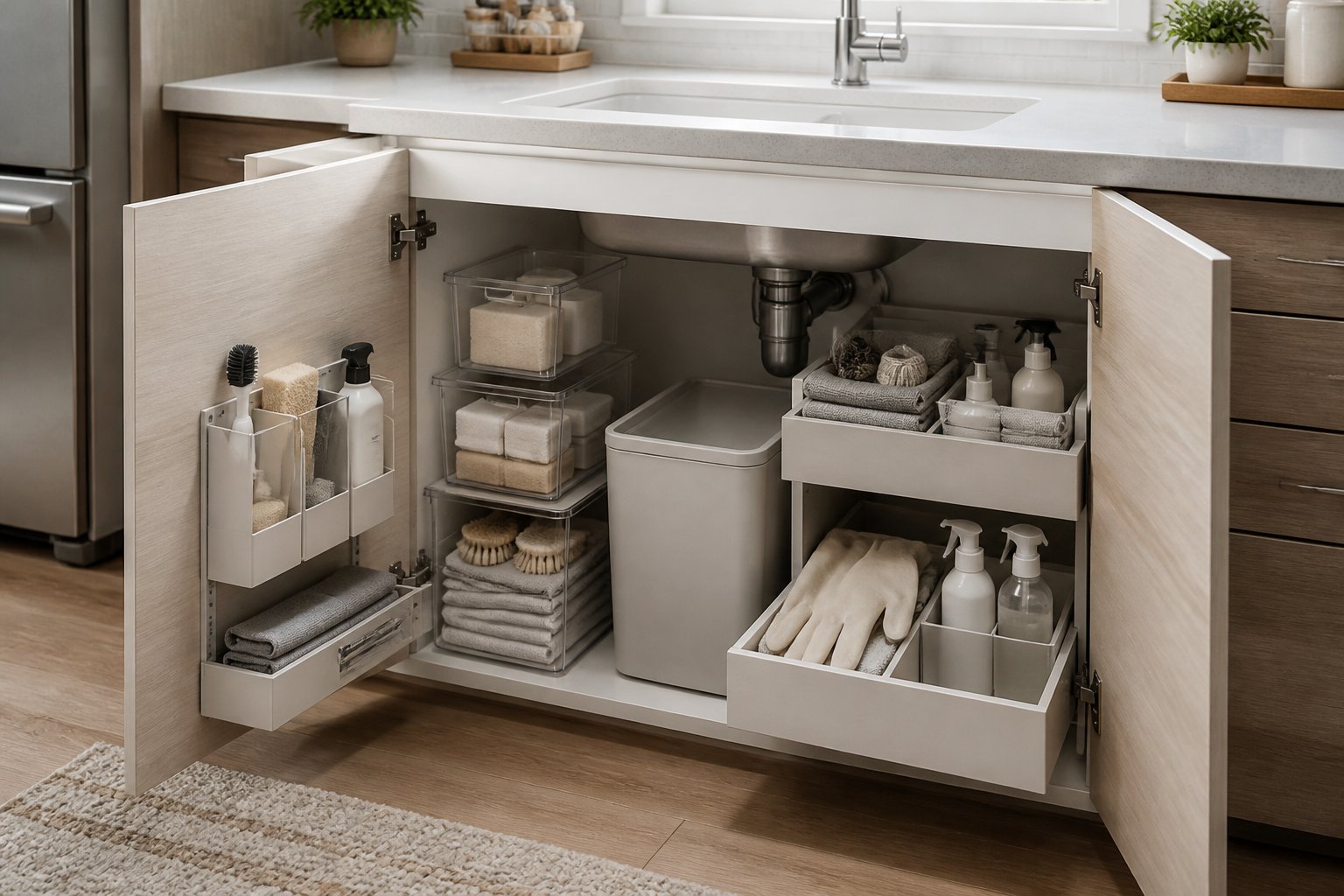
When you start the day hydrated, you start it with an intention: “I care for my body; I’m ready to begin.”

Now that you’re up, hydrated, and moving—take a moment to set your tone. Winter mornings are the ideal time for some calm, quiet time. Journaling, reflecting, or simply planning your day can give you a sense of accomplishment before most people even hit their first email.
This is your routine to be more productive: pick one thing you want to get done, or one feeling you want to carry. Maybe you write a short note: “Today I will focus on …” or “I am grateful for …” These few minutes help you start the day with intention rather than reacting to the day.
When you begin your day with purpose, the rest of the day often follows. You’re not just responding—you’re leading.

Winter mornings: cold air, dry indoor heat, maybe even the window of snow outside. Your skin, mood, and energy all respond to these conditions. Incorporating skincare and self‑care into your winter morning routine can feel indulgent—and productive.
A moisturizer after your cleansing, maybe a short moment of mindfulness, or even using a light therapy lamp if you’re feeling the winter blues. Exposure to proper bright light and taking care of your skin helps boost your mood and regulate your body clock. MindThatEgo+1
This step sends a message to yourself: “I am worth this time.” And that mindset supports your sense of well‑being the rest of the day.

In winter mornings the body often craves warmth and sluggishness. Rather than reach for sugary comfort foods that spike then crash your energy, aim for a breakfast that warms you and fuels you steadily.
Think oatmeal with nuts, a warm smoothie, eggs with whole‑grain toast, or a hearty soup. These kinds of breakfasts help you feel full, warm, and ready. As one health article noted: during cooler months, a warm and slow routine (including breakfast) helps you stay pampered and motivated. moneycontrol.com
When you start your day with good fuel, your body has the energy it needs to carry you into the rest of the morning.

Your winter morning routine isn’t just about what you do. It’s also about what you avoid. Checking your phone first thing, watching the news, or diving into social media can steal the peaceful tone you’re trying to set.
Some experts say avoid your phone, especially the first 15‑30 minutes of your morning—let yourself begin without external distractions. MindThatEgo+1
So as part of your morning routine for a productive winter morning: try delaying screen time. Use a traditional alarm instead of your phone. Let those first moments be yours—quiet, calm, intentional.

Now that you’ve woken, moved, hydrated, eaten, and set your tone—take two minutes to plan. Write down your top 2‑3 priorities for the day. Map out when you’ll start work, when you’ll take breaks, what your major task is.
This planning step helps you move from “start the day” to “run the day.” Rather than being pulled by external forces, you steer your morning. When you begin your day with clarity and purpose, it becomes much easier to stay productive.
This is part of your routine to be more productive—making morning decisions so your afternoon doesn’t feel chaotic.

We’ve talked a lot about what happens in the morning—but the real key to a productive morning routine is the night before. Winter mornings make it easy to stay up late, hibernate, or change your schedule. But the more consistent your sleep and wake time, the easier your morning gets.
Establish a regular wake time—even on weekends. A consistent sleep schedule improves your sleep quality, mood, and energy levels. haleyscomment.org+1
When your body knows when it wakes and when it rests, your morning routine becomes automatic. That means less effort, more flow.

Here’s a quick‑reference list of your perfect winter morning routine:

When you follow these steps, you’re setting a tone for a peaceful day. Your morning becomes not just about surviving the cold—but about thriving despite it.
Try placing your alarm away from your bed, using a gentle wake‐light alarm, and committing to moving your body as soon as you’re up (like 1 minute of stretches). The combination of movement + light helps break the cycle.
Warm oatmeal with nuts and fruit, a smoothie with protein and leafy greens, eggs with whole‑grain toast. The idea is steady energy—not sugar spike. A warm drink adds comfort too.
Yes—especially when natural light is limited. Bright morning light (even artificial) helps regulate your body clock and boost mood on winter mornings. usesunriseapp.com+1
Start small. Pick one or two habits and sustain them until they become automatic. Then layer additional steps. Maintain a consistent wake time and keep your routine simple enough to stick with.
Morning movement (even gentle stretches) helps shake off stiffness and sets momentum. If you’re doing heavier workouts, timing depends on your schedule—but for the morning routine we’ve described, light movement early is powerful.
Winter mornings don’t have to be a slog. With a thoughtful morning routine, you can turn the chill into an opportunity: to wake gently, hydrate your body, move, plan, and begin your day with intention. When you craft your own perfect winter morning routine, you’re not just surviving the season—you’re starting your day with strength, clarity, and productivity. The next time you look out a window of snow, remember: it can be your backdrop for a peaceful, productive day—not a reason to pull the covers tighter. You’ve got this.
The New Year is the perfect time to hit reset and create a fresh path ahead. Instead of just individual goals, consider making resolutions as a family. These are about shared memories, stronger connections, and building a happier family life. This year—let’s aim for meaningful resolutions for 2026 that involve all family members, including kids, so the whole family feels included.

Creating family resolutions helps bring everyone together around shared values and dreams. It shows kids their ideas matter, improves communication, and supports each family member in their journey. When the family works together, the journey becomes more memorable than just the goal itself.

Before setting new goals for 2026, take time to reflect with your family:

Pick one or two simple habits to incorporate:

Place a jar in a visible spot. Once a week each person writes a small note: something they’re thankful for or a fun family win. Read them together at the end of the year to relive the good memories.

Set aside one evening each week (or once a month) for game night. Rotate who picks the game and encourage laughter, creativity and togetherness.

Try crafting, baking a new recipe together, or letting kids suggest a fun DIY project. These activities foster creativity and build memories.

Take a hike, go on a nature scavenger hunt, or plan a backyard camping evening. These kinds of adventures help build bonds and create lasting family moments.

Make mealtime fun and interactive. Choose a new fruit or veggie each week, involve the children in prepping and cooking, and turn it into a learning and bonding moment.

Choose an active routine you all can enjoy — a dance break, walk after dinner, or weekend bike ride. The key is consistency and enjoying movement together.
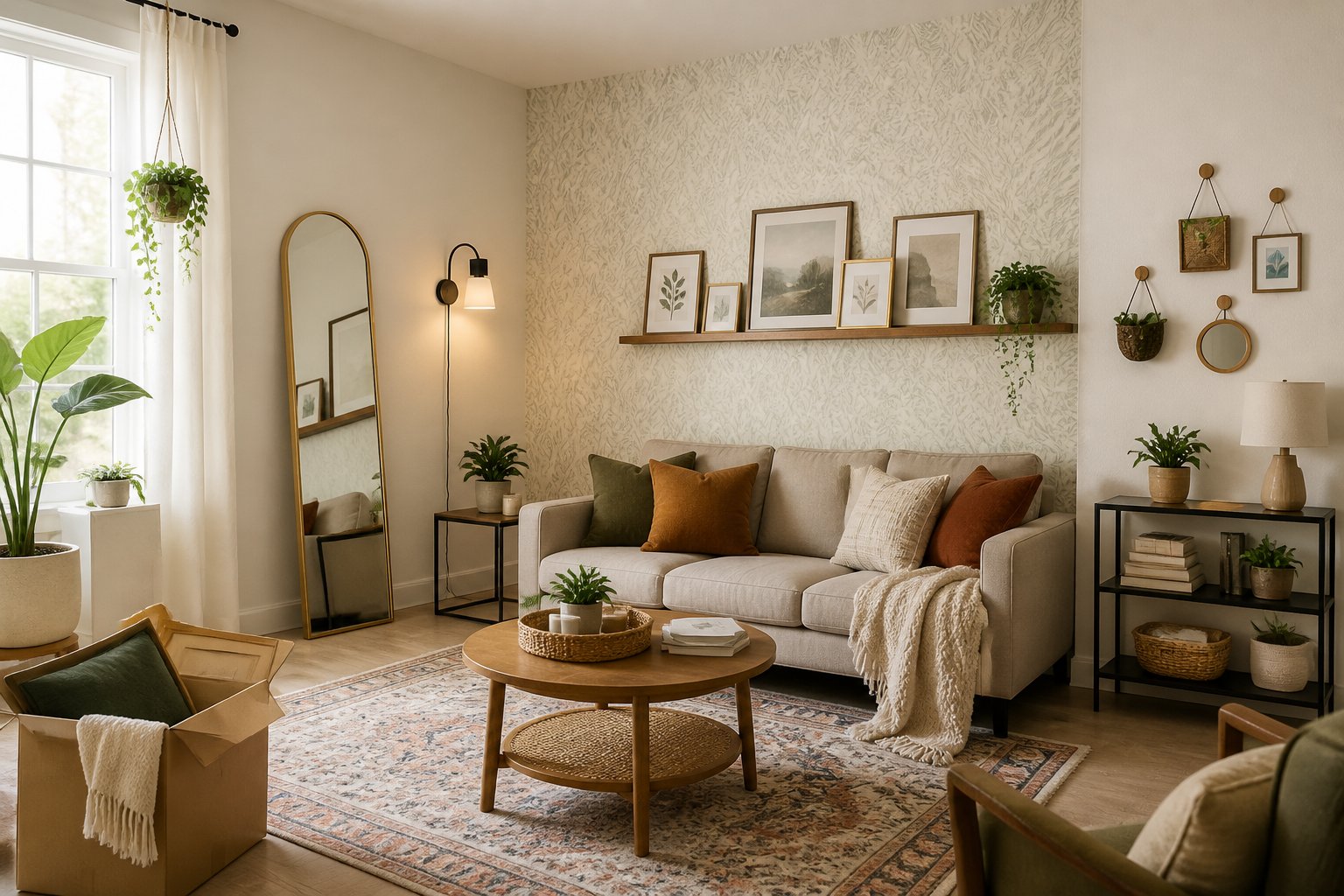
Build a habit of open communication at home. At dinner or bedtime ask “How are you really feeling today?” Encourage honest answers and active listening.
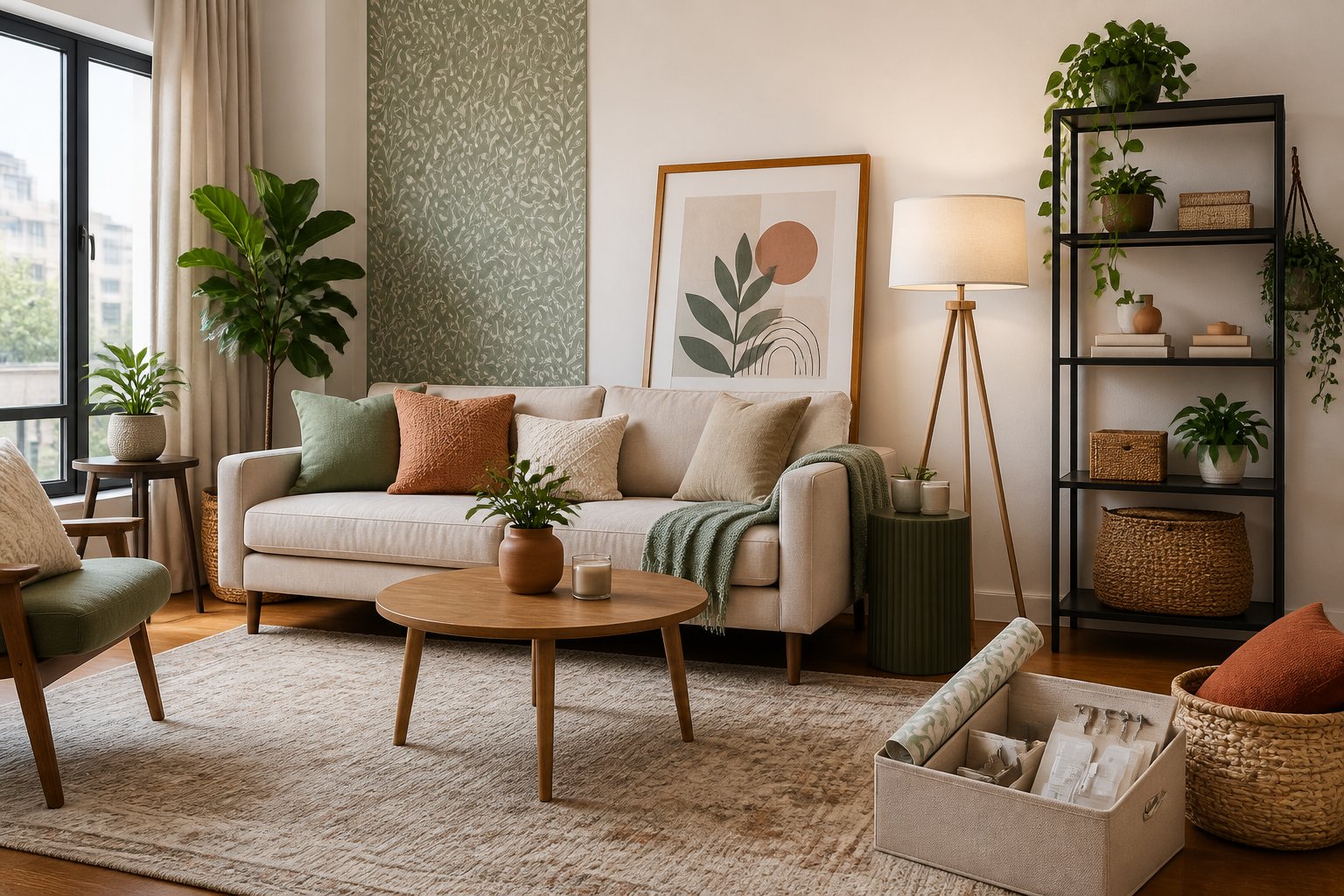
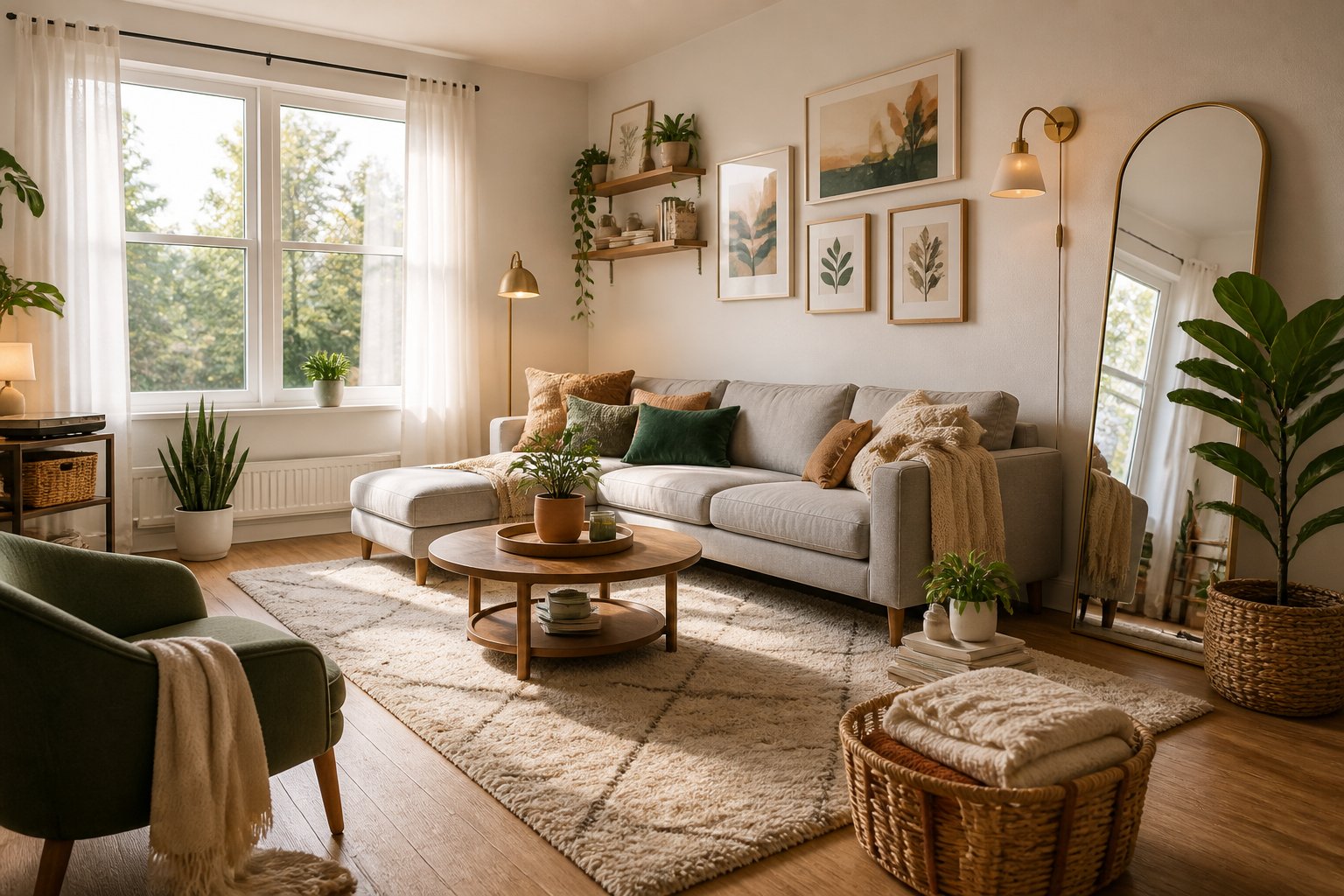
Even simple moments of calm count. Try guided breathing, quiet drawing time or designate a “chill corner” with pillows and books where everyone can reset.

Find one family‑friendly act of kindness — it could be cleaning up a local park, making care‑packages, or helping a neighbour. Doing it together helps children learn empathy and community values.

Track progress and celebrate together. Whether someone finished a book, hit a movement goal, or tried a new hobby — recognise it. Family cheers matter.

Gather magazines, drawings or prints and have each family member add images of what they hope to achieve, try or feel in 2026. Place the board in a shared space to keep it visible and inspiring.

Life changes. The goal isn’t perfection—it’s connection. Revisit your goals every few months, adjust if necessary, and continue prioritizing togetherness over strict lists.

By setting resolutions for families, you’re investing in more than routines—you’re investing in love, laughter and quality time together. You’ll look back and recall not just the completed tasks, but the moments you spent together.
Here’s a tip: to make your healthy‑eating resolution and family bonding even easier, consider incorporating the DAZZLEREE Snack & Compartment Bundle into your routine. This handy product can help you prepare healthy, portioned snacks and treat‑moments as a team. Involve kids in filling the compartments, choosing new fruits or snacks for the week, and making snack time a family‑friendly ritual.
So this year, skip the pressure and start with one fun, meaningful idea. Bring the family together, pick a few resolutions you can all share, and make 2026 your best year yet.

Ideas include game nights, gratitude jars, new outdoor adventures, trying new foods, and using the Dazzleree Snack & Compartment Bundle for fun, shared snack prep.
Use visuals and let them participate in simple tasks—choosing snacks, helping snap the compartments, picking a game for game night. Make routines playful and tangible.
Share meals, declare screen‑free time, plan short hikes or creative craft time, rotate who leads a fun activity.
Keep resolutions achievable, visible, and fun. Celebrate small wins. Use tools like the snack bundle to build habits in enjoyable ways.
Absolutely! Goals that include discussion, shared projects and check‑ins help families strengthen listening, empathy and support for each other.
Not all homes come with a fireplace. And in today’s world, that’s okay. Fireplaces used to be the center of every cozy room, but now, we have new ways to make a space feel warm and welcoming. Whether you live in an apartment, a modern home, or just don’t want a fireplace, you can still create that cozy vibe.

A cozy room is more than just heat—it’s about how it looks, feels, and even smells. With the right textures, lighting, and design, your living room without a fireplace can become your favorite spot in the house.
A fireplace often acts as the focal point, or the main feature, in a living room. But you can still create a strong visual focus in other ways.
Try hanging a large piece of artwork, creating a gallery wall, or adding a feature wall with paint or wallpaper. These ideas help the eye focus and add personality. You can also make a bookcase, stylish cabinet, or even a bold coffee table the center of attention. Arrange your seating around this point to give the room flow and purpose.
Even placing furniture in a way that encourages conversation—like a circle or U-shape—can help make the room feel more connected.

If you like the look of a fireplace but don’t have one, a faux (fake) fireplace is a fun option. You can place one along a wall and decorate it with candles, string lights, or piled logs. It adds charm without the cost or work of a real fireplace.
Electric fireplaces are another great choice. They look like the real thing and give off heat too. You can place one under a TV or against any blank wall. Many models let you change the light color and flame style. They are easy to use, safe, and don’t need special tools to set up. They give off a soft glow that adds coziness instantly.

One of the best ways to make a room feel cozy is by using lots of soft and warm textures. This means adding items like pillows, blankets, rugs, and curtains. These don’t just look good—they feel good too.
Put a soft rug on the floor to warm up wood or tile. Toss throw blankets on your couch and chairs. Use pillows in different fabrics like velvet, wool, or cotton. Hang heavy curtains to keep out drafts and make the room feel softer. These small changes make a big difference.

A real fireplace gives off soft, warm light. But you can create the same feeling with good lighting choices. Use lamps with warm light bulbs, string lights, and candles to create a gentle glow.
Place table lamps on side tables or shelves. Use floor lamps in corners to light up darker spaces. Scented candles and LED candles add both light and a cozy smell. If you want more control, use smart bulbs so you can change the color and brightness with your phone.
Layering your lighting—using more than one type of light—helps you create a mood that feels relaxed and peaceful.

How you set up your furniture matters just as much as what you put in the room. A good layout can turn a plain space into a snug and stylish hangout.
Start by placing your sofa and chairs around a coffee table. This helps make the room feel friendly and helps people talk more easily. Use side tables to hold drinks or books. Add a small shelf or console table to the wall for extra storage or décor.
One helpful product that adds both style and function is the DAZZLEREE Stationary Organizer. Place it on a table or shelf to store remote controls, pens, notepads, or small decorations. It keeps things tidy while adding a nice design touch.

Colors can change how a room feels. To make your living room cozy, use warm, soft colors. Neutral shades like beige, cream, soft browns, and light greys work great as a base. Then add pops of color like rust, forest green, navy blue, or mustard yellow to make the space feel more alive.
For extra depth, paint one wall a darker color like charcoal or olive green. This helps make the room feel smaller in a good way—like a cozy cabin or reading nook. Use soft lighting to balance bold walls so they don’t feel too dark.

Small details make a big impact. Decorate with things that tell your story and add comfort. You can use:
Don’t forget storage! The DAZZLEREE Stationary Organizer fits perfectly on a table, shelf, or desk, keeping your space clutter-free while fitting into your style.

In colder seasons, a cozy space becomes even more important. Start by switching out lightweight fabrics for heavier ones like velvet, flannel, or wool. Add extra throw blankets, change out pillow covers for warmer textures, and roll out a thicker area rug.
Create a winter reading corner with a soft chair, a side table, and a floor lamp. Add a tray with hot chocolate mugs, place soft slippers by the couch, and bring in seasonal scents like cinnamon or vanilla with candles or diffusers. Even without a fireplace, your space will feel like the perfect place to relax after a cold day.

Cozy living doesn’t have to stop in the living room. Use these ideas in your bedroom, office, hallway, or dining area. A soft rug, warm lighting, and layered fabrics work anywhere in the home.
In your office, use a lamp with warm light and keep your supplies organized with the DAZZLEREE Stationary Organizer. In the bedroom, add a throw blanket at the foot of the bed and place a small lamp on your nightstand. Use calming colors and add plants or artwork to make every space feel personal and warm.

You don’t need a fireplace to enjoy a warm and cozy living room. With a little creativity, you can use texture, light, color, and layout to build a room that feels relaxing and looks beautiful.
Add helpful and stylish items like the DAZZLEREE Stationary Organizer to keep things neat while adding to the cozy vibe. Whether it’s winter or not, your living room can become your favorite place in the house—no fireplace required.

Use soft blankets, warm lights, layered rugs, and cozy furniture. Add personal items and calm colors for a homey feel.
Try a big piece of art, a painted feature wall, or a stylish coffee table or bookshelf.
Yes! They look like real fireplaces, give off heat, and are easy to install without needing vents or gas.
Use rugs to define spaces, place furniture closer together, and add warm lights and soft textures.
Warm shades like beige, taupe, rust, olive green, navy, and soft greys help a room feel snug and welcoming.
A new year is a fresh start. But it’s not just about what you add to your life — it’s also about what you let go of.
Sometimes, the habits we keep, the things we own, or the way we think can slow us down. They might feel comfortable, but they no longer help us grow.
As 2026 begins, it’s time to let go of what doesn’t serve you and make space for what does.

Letting go means choosing peace over pressure. It means giving up what keeps you stuck so you can move forward.
We all build habits — things we do every day without thinking. But some of those habits hold us back. The same goes for the thoughts in our heads and the stuff in our homes.
In 2026, it’s time to reset your routine, rewire your brain, and build a life that matches who you really want to be.

Let’s look at 10 common habits that no longer help you — and what to do instead.
Endless social media can steal your time and energy. It gives short bursts of fun but can also leave you tired, distracted, or comparing yourself to others.

Try this: Set a time limit and take short breaks to walk, read, or talk to someone.
Always saying yes can make you feel stressed and burned out. You don’t have to do it all.

Try this: Practice saying “no” when you need rest. Protect your time.
Not sleeping enough, eating poorly, or ignoring stress adds up over time. It hurts your health and your mood.

Try this: Create simple habits like going to bed earlier, drinking water, and deep breathing.
Doing too many things at once makes it hard to focus. You may feel busy but not productive.

Try this: Do one thing at a time. You’ll do it better and feel calmer.
Putting things off only adds pressure later. There’s never a perfect time — just a time to start.

Try this: Start small today. One tiny step is better than none.
Trying to be perfect can stop you from trying at all. Mistakes help us learn.

Try this: Focus on progress, not perfection.
Letting others control your time or energy leaves you drained.

Try this: Set simple limits. Say “I need a break” or “I’m not available right now.”
Old clothes, papers, or unused stuff take up space — in your home and your mind.

Try this: Clean one drawer or shelf at a time. Keep only what makes you feel good.
Saying things like “I can’t” or “I’m not good enough” hurts your confidence.

Try this: Replace bad thoughts with kind ones. Say, “I’m learning,” or “I can do this.”
Everyone has a different path. Looking at others can make you feel behind, even if you’re doing fine.

Try this: Focus on your own goals. Celebrate your small wins.
Letting go isn’t just about habits. It’s also about what surrounds you.
Try this:

These small steps help clear your mind and improve your routine.
What you believe shapes how you live. Here are some mindsets to leave behind:
“This is just how I am.”
You can change and grow at any age.
“I’ll never have enough.”
Thinking this way can block your joy.
“I need approval from others.”
You don’t need permission to love yourself.
“Quick wins are better.”
Fast results don’t last. Long-term effort builds real change.
“I’m stuck in my past.”
You’ve learned from the past — now use it to grow.

Start small. One new habit at a time is enough.
Steps to help you start:

This is how you rewire your life — little by little.
Trying to change everything at once can leave you tired. That’s not the goal.
Remember:

You’re not in a race. You’re building a better rhythm.
2026 is your chance to reset.
Let go of the habits, things, and thoughts that no longer help you. Make room for clarity, peace, and growth.
You don’t need to be perfect. You just need to be ready to take one step. Let go, and step into the new year with strength.
Your next step:
Pick one thing to let go of today. Then, choose one small good habit to build. You’ve got this.

It can take a few weeks to a few months. What matters is staying consistent.
It’s okay. Start again. One mistake doesn’t undo your progress.
Ask: Does this make me feel better or worse? If worse, let it go.
Start with one. Once it feels easy, add another.
Keep your goals where you can see them. Celebrate small wins. Talk kindly to yourself.
The world is moving fast, and 2026 is proof of that. Technology is growing smarter, homes are becoming more connected, and people are using new tools to live better lives. You may have already noticed changes in your phone, car, or even the way your home works. But in 2026, those changes are happening at a much bigger scale.
Whether you're a student, worker, business owner, or simply curious about the future, it’s important to understand the trends that are shaping our world. This year, technology isn’t just something we use — it's becoming part of how we think, live, and solve problems. Let’s explore the top trends in tech, lifestyle, and home that you should know about in 2026.

Artificial intelligence, also known as AI, is one of the most important technologies in the world today. You’ve probably used AI before — like when your phone suggests a reply to a text, or when a chatbot helps you online. But in 2026, AI can do much more than that.
This year, AI has become smarter and more helpful. New kinds of AI, called agentic AI, are now able to make decisions, solve problems, and complete tasks on their own. These AI systems don't need step-by-step instructions. Instead, they understand goals and figure out how to reach them. For example, instead of just answering questions, AI can now manage work schedules, help run companies, and even suggest ways to improve health.
Agentic AI is also becoming part of schools, hospitals, and homes. It helps teachers plan lessons, supports doctors during surgeries, and even reminds people when to take their medicine. This type of AI doesn't replace people — it works with them, making life easier and more organized.

Another exciting trend in 2026 is quantum computing. These are powerful new computers that work in a different way than the ones we use today. They are still new and not in every home, but they are helping scientists and researchers solve problems that used to take years in just hours.
Quantum computers can study how diseases grow, find new ways to create medicine, and help cities use energy more efficiently. They also play a big role in keeping digital information safe. With cyber threats growing, quantum technology helps protect sensitive data and personal details online.
While quantum computers may sound like science fiction, they are real — and in 2026, they’re starting to make a difference in the real world.

Robots are no longer just for factories. In 2026, they are showing up in homes, stores, schools, and even on the streets. These robots don’t just follow simple commands. They are powered by AI and can make smart decisions on their own.
For example, some robots now help clean public spaces or deliver groceries. Others help build homes or repair machines. These physical AI systems can move around, avoid obstacles, and talk with humans.
This kind of tech is helping people in big ways. It makes jobs safer, helps save time, and allows people to focus on more creative and meaningful tasks.

The way we live at home is also changing. Smart homes in 2026 can think, learn, and adjust based on your habits. They know when to turn off the lights, adjust the temperature, and even alert you if something seems wrong.
These homes are powered by something called edge AI. This means your home’s smart systems can make decisions right on the spot, without sending data over the internet. This makes things faster and also protects your privacy.
Smart homes now come with voice assistants, smart fridges, and even AI-powered showers that save water. You can control many things with your voice or phone — from door locks to your favorite music playlist. These smart systems help make life easier, safer, and more energy-efficient.

Health care is another area where AI is making a big impact in 2026. Today’s AI systems can help doctors find health problems early, plan treatments, and even help with surgeries.
One big change is the use of AI in drug discovery. In the past, it took years to test and create new medicine. Now, AI can quickly find which drugs might work and how they should be used. This saves lives and money.
Virtual health assistants are also growing in popularity. These tools can remind people to take their medicine, help them understand symptoms, and even give basic health advice — all from a smartphone or wearable device.
Thanks to AI, health care is becoming faster, more accurate, and available to more people.

The systems that move food, clothes, and other items across the world are called supply chains. In 2026, AI helps supply chains run smoother than ever.
AI watches for problems like bad weather or traffic, and then finds better paths to deliver goods. This keeps shelves stocked and prices lower. Businesses are also using AI to track products, reduce waste, and avoid delays.
Smart supply chains help people get what they need — when they need it — and help companies use their time and resources better.

People are paying more attention to the environment in 2026, and technology is helping lead the way. Devices and machines are now built to use less energy, last longer, and be recycled more easily.
Data centers — which store all the information we use online — are becoming greener too. They now run on clean energy and are cooled using smart systems that save electricity.
Even in homes, people are using green technology like solar panels, smart thermostats, and water-saving appliances. These tools help reduce waste and protect the planet.
This focus on sustainability isn’t just a trend — it’s becoming part of how new products are designed from the start.

Technology is also helping people live better, healthier, and more connected lives. In 2026, wearable devices do more than just count steps. They track sleep, stress, and even hydration. Some can give real-time health tips or alert you to problems before they happen.
Mental health apps powered by AI are also growing. These apps offer support for anxiety, stress, and focus. People can now use them to relax, build good habits, or talk with a virtual coach.
Some are even exploring biohacking — using small tech devices in or on the body to improve how we think or feel. While still new, it shows how far personal technology is going.

With all of these changes, you might wonder: how can I keep up?
The good news is that you don’t need to be a tech expert. The most important thing is to stay curious, ask questions, and be open to learning. Knowing how to use tools like AI safely, keeping your personal data secure, and choosing products that are good for the planet are great first steps.
Students can start exploring these technologies now, through school programs, online learning, or even by testing out smart devices at home. For adults, learning new tech skills can open doors to better jobs and smarter living.
2026 is a year where the future is no longer far away — it's already here. And by understanding the trends shaping it, you’ll be ready for what’s next.

In 2026, the most important technology trends include artificial intelligence (AI), smart homes, quantum computing, green or sustainable technology, and lifestyle tech. AI is helping with everything from healthcare to education. Smart homes are making life easier and safer. Quantum computing is solving hard problems faster than ever before. Sustainable tech is helping protect the planet, and lifestyle tech is making health, fitness, and daily routines more personalized and efficient.
AI is now part of many things we use every day. It helps students learn through tutoring apps, assists with homework, and even suggests writing improvements. At work, AI manages calendars, creates summaries, and answers questions. In stores, it helps suggest products and offers personalized shopping experiences. At home, AI powers voice assistants, helps with smart appliances, and improves home security. It’s also used in healthcare apps to track symptoms and offer advice.
Smart homes are designed to make life easier, safer, and more energy-efficient. With smart systems, you can control lights, doors, thermostats, and even your fridge using your phone or voice. These homes can learn your routines, adjust temperature automatically, send safety alerts, and help save money by using less electricity. They also offer extra help for people with disabilities or older adults who want to live independently.
Technology plays a big role in protecting the environment. New devices are built to use less energy and last longer. Smart systems in buildings and homes can reduce electricity and water waste. Green data centers now run on renewable energy, and smart transportation tools help reduce traffic and pollution. Even farmers are using AI and sensors to grow food using fewer resources. All of these tech solutions are helping to lower carbon emissions and keep the planet healthier.
Most modern technology is designed to be safe, but it depends on how we use it. Devices connected to the internet should have strong passwords and privacy settings. It’s important to learn how to protect your personal information and only download apps from trusted sources. Parents and schools should help students understand how to use technology wisely. Also, AI systems should follow ethical rules and be watched closely to avoid mistakes or bias. As long as people stay informed and make smart choices, technology can be both helpful and safe.
When used responsibly, modern tech is safe. It’s important to protect your data and choose trusted tools.
When it comes to Halloween, nothing says spooky season quite like a glowing carved pumpkin sitting on your front porch. The tradition of carving a jack‑o‑lantern goes way back and has become a beloved part of the holiday. But it doesn’t have to be complicated. Whether you’re working with kids, want a low‑mess project, or plan to create a bold statement piece, there are easy pumpkin carving ideas and creative pumpkin carving designs for everyone. In this article, we’ll walk through everything—from choosing the perfect pumpkin to displaying your masterpiece—and show you how to carve that pumpkin with confidence and fun.

Before carving, you need the right pumpkin. Look for one with a flat base so it sits steady, a sturdy stem to hold the lid, and no soft spots or cracks. A hollow-sounding pumpkin is likely decaying—avoid it. Taller pumpkins are great for silhouettes like witches or cats, while round ones work well for faces. Small pumpkins and gourds can be grouped on steps for added porch appeal.

You’ll need a serrated carving knife or pumpkin kit, a scooper for the pulp, and a marker for sketching. A Dremel tool or cookie cutters can add precision and texture. Safety-wise, stabilize your pumpkin on a flat surface, supervise children, and cut the lid at a slight angle so it doesn’t fall inside. To ease carving, thin the wall of the pumpkin on the design side.

Start by cutting off the lid or base and scooping out all the innards. Next, sketch your design with a marker or apply a stencil. Follow the lines slowly with your carving tool. To preserve your jack-o’-lantern, rub petroleum jelly along the cut edges, and keep it out of direct sunlight. LED lights are safer and help your pumpkin last longer than candles.

Classic jack-o’-lanterns with triangle eyes and a goofy smile are always a hit. Silhouettes of bats, cats, and ghosts are easy and impactful. Stack small pumpkins or use stencils to speed things up. Goofy faces and simple shapes work great for families and quick porch setups.

If you’re looking for more challenge, try carving a skeleton, a cyclops, or a skull. Combine pumpkins to form themed sets—like a witch beside a black cat. Gourds or squash with unusual shapes can add character. You can also etch patterns into the surface to let light glow through thin skin rather than cutting completely through.

No knives needed here. Paint pumpkins with faces or Halloween patterns. Add stickers, googly eyes, or push-in decorations. Use colored lights or metallic paint for dramatic effect. These work well for younger kids, indoor settings, or quick setups without the mess.

Position your pumpkins on porch steps, bales of hay, or beside fall leaves for layered decor. Use battery-operated lights for a flickering glow without heat. Try color lighting for eerie effects. Protect them from the weather by placing them under cover and avoiding direct sun.

Carved pumpkins usually last three to five days. Store them in a cool, shaded area. Rinse the inside clean of all pulp. To preserve them, soak in a light bleach solution and dry thoroughly. If critters are an issue, natural repellents like essential oils can help. After Halloween, compost your pumpkin or donate it to a farm instead of tossing it out.

Pumpkin carving is more than just a Halloween tradition—it’s a creative and fun activity that brings personality to your front porch. Whether you go for a simple face or an elaborate masterpiece, the most important thing is to enjoy the process and let your Halloween spirit shine. Pick your pumpkin, grab your tools, and get carving. Your jack-o’-lantern is waiting to glow.

Use a simple stencil, thin the wall where you’ll carve, and take your time cutting. Use LED lights instead of candles for less mess and longer life.
You can, but a serrated pumpkin knife is safer and more effective. If using a regular knife, be cautious and go slow.
Remove all pulp, apply petroleum jelly to the cuts, keep it cool, and avoid candles inside.
What pumpkin carving ideas are best for kids?
Goofy faces, animal silhouettes, or decorating with paint and stickers are great for younger children.
Nothing says “you matter” like a gift that wraps someone in comfort. For the homebody who loves quiet nights, warm drinks, and staying in, cozy gifts offer more than just usefulness—they offer emotional warmth. Whether you’re gifting for a birthday, holiday, maternity moment, or simply saying "I care," cozy gift ideas can transform someone’s downtime into meaningful self-care.

This guide delivers a curated list of cozy essentials—gifts designed to enhance comfort, promote relaxation, and support those who find joy in the art of staying home.
Soft, warm, and endlessly comforting, a blanket is a timeless cozy gift. Look for options made of plush fabrics like sherpa, fleece, or micro-mink. Weighted blankets provide therapeutic benefits, helping reduce anxiety and improve sleep. For those who love extra functionality, wearable blankets or hooded throws keep them warm while offering freedom of movement.

Electric heated blankets with adjustable temperature settings take comfort to the next level, especially in colder seasons. Choose calming tones—soft grays, ivory, or blush—to blend beautifully with home décor.
Slipping into a pair of fuzzy slippers or plush slipper socks after a long day instantly signals it’s time to relax. Whether you choose memory foam soles, slip-on bootie styles, or microwaveable heat slippers, you’re giving warmth from the ground up.
Some socks offer non-slip soles, perfect for those with hardwood floors. For added flair, select fun patterns or soft pastels, or go with neutral tones for a more elevated cozy aesthetic.

Long-sleeve lounge sets and soft pajama ensembles are essentials for anyone who enjoys cozy evenings in. Focus on materials like brushed cotton, bamboo viscose, or modal for that ultra-soft, breathable feel. Oversized pullovers, hooded lounge sets, and wrap-style robes also bring style and comfort together.
Pairing these with a cozy mug and a throw pillow makes for a beautiful gift set. Neutral colors work well across all styles and look effortlessly elegant.

Nothing enhances a homebody vibe like relaxing scents and mood-boosting ambiance. Gift a lavender aromatherapy wrap, essential oil diffuser, or a set of shower steamers for a spa-inspired experience.
Soft candles, especially those in natural or calming fragrances like eucalyptus, vanilla, or cedarwood, create a soothing environment. Add dimmable lighting or a gentle night lamp to complete the ultimate atmosphere for relaxing, reading, or sleeping.

Functional yet stylish home decor gifts offer cozy comfort that lasts. Think ultra-soft throw pillows, fuzzy blankets, or bath pillows for long soaks. Add a textured mug with calming herbal tea, or a cozy tea tray setup that invites rest.
Decor with neutral tones, soft textures, and a touch of personalization transforms any corner into a haven. These small touches help a homebody feel more connected to their space.

Technology can blend beautifully with comfort when it’s thoughtfully chosen. Heated items like electric foot warmers, rechargeable heating pads, or microwaveable wraps can ease muscle tension and promote relaxation.
Look for remote control features, adjustable heat settings, and automatic timers for safety and convenience. These make great gifts for anyone who values physical relief and personal wellness at home.

True comfort includes mental ease and self-nourishment. Puzzles, coloring books, and a good novel help someone unwind while staying mentally engaged. Add in self-care products like skincare masks, body scrubs, or a spa day kit with bath salts and body oils.
Luxe robes, spa slippers, and face steamers further transform a home into a sanctuary. These kinds of gifts say, "You deserve rest and relaxation."

Celebrating a birthday, holiday, or other special moment? Bundle together a cozy care package:

For a thoughtful touch, include a handwritten note or a small handmade item. You don’t need to spend a fortune to create a rich, meaningful experience.
You don’t have to spend a lot to offer the gift of comfort. Consider:

Even a simple coloring book paired with a soft blanket and tea can feel deeply luxurious when thoughtfully presented.
Want to create something custom? Follow this simple formula:

This is a beautiful way to personalize your gift and ensure every element supports comfort and ease.
In a world that moves quickly, giving the gift of comfort is a meaningful gesture. Cozy gifts show that you recognize someone’s need for rest, softness, and stillness. From warm textures to calming scents, and soft lights to plush loungewear, these gifts become tools for comfort—reminders to slow down, breathe deeply, and enjoy the moment.
Whether you're shopping for a loved one or planning a little self-gifting, the best cozy gift ideas aren’t just items—they’re invitations to relax and reconnect. That’s what makes them truly essential.

A cozy gift encourages relaxation, warmth, and comfort. This includes items like plush blankets, fuzzy slippers, candles, loungewear, or anything that supports rest and ease at home.
Absolutely. While some cozy gifts are popular in colder months, many—like lounge sets, spa kits, and calming candles—are great for birthdays, baby showers, or just because.
Think soft socks, a warm mug filled with gourmet tea, or a small candle paired with a soothing bath bomb. These small but thoughtful items are easy to find and instantly comforting.
Yes! Cozy gifts often support rest, mindfulness, and mental wellness—key parts of self-care. They help create rituals that soothe the body and mind.
Look for items that promote physical comfort: oversized robes, foot warmers, aromatherapy sprays, heated wraps, plush socks, and easy-to-wear loungewear.
Creating a home you love starts with knowing your decorating style. Whether you're designing your first apartment or refreshing a well-lived-in home, finding the right interior design style helps everything—from furniture shopping to color selection—fall into place. In this guide, you'll discover popular home decor styles, learn how to define your aesthetic, and even explore how versatile pieces from Dazzleree can bring your vision to life.

Your decor style is the visual language of your home. It reflects your personality, lifestyle, and the atmosphere you want to create. Choosing a home decor style helps avoid decision fatigue, ensures your rooms flow cohesively, and ultimately results in a space that feels comfortable, curated, and uniquely you.
Think of your decorating style as your home’s personal signature—just like fashion or music preferences, your interior should reflect who you are.

Every design style offers unique features that appeal to different personalities and preferences. Let’s explore the most loved styles:
A blend of rustic charm and contemporary comfort. Think neutral palettes, wood beams, cozy textiles, and functional, unfussy furniture. It’s inviting and family-friendly.

Clean lines, clutter-free spaces, and a “less is more” mentality. Furniture and decor are functional, and everything serves a purpose. White, black, and grey dominate.

Popularized in the 1950s and ’60s, this style features organic shapes, tapered legs, and bold accent colors. Ideal for those who appreciate retro with a modern twist.

Light, airy, and deeply connected to nature. It emphasizes functionality, simplicity, and cozy minimalism using light woods, soft textures, and natural materials.

Elegant yet lived-in. This style includes distressed wood, soft colors, and vintage-inspired decor that feels warm and inviting.

Carefree and eclectic. Think layered rugs, plants, global patterns, and vibrant colors. Ideal for creatives and world-travelers at heart.

Raw and edgy with exposed brick, metal fixtures, and utilitarian pieces. It's often used in lofts and modern urban spaces.

Not sure which one is for you? An interior design style quiz is a fun, effective way to discover what fits. Questions often focus on:

👉 Take the quiz to uncover your personal decor profile and get actionable suggestions for furniture, decor, and styling tips. Your results will help match you to a style that suits both your taste and lifestyle.
Do you host guests often? Are you drawn to nature? Do you prefer tidy spaces or cozy clutter? These lifestyle questions shape your ideal home style.
Gather inspiration from Pinterest, Instagram, magazines, or real homes. Collect photos, colors, textures, and furniture styles that resonate with you.
Look at hotels, cafes, or friends’ homes that you love. Identify common design elements—maybe it’s wood finishes, color tones, or furniture silhouettes.
Pick a few core items you can’t live without—a velvet armchair, a farmhouse dining table, or a minimalist media unit. These guide your theme.
After compiling all your ideas, name your dominant theme. It could be “Rustic Boho,” “Modern Coastal,” or “Scandinavian Chic.”

💡TIP: Complement your style with versatile decor like Dazzleree's rotating kitchen organizer or 3-tier desk tray—neutral enough for many styles but with clean lines that echo minimalist and modern aesthetics.
Not every home fits in one style box—and that’s okay. Combining styles can create richer, more personal interiors.
Stick to a unifying palette or material (like wood or linen) and let one style dominate while the other accents.
Use transitional items like Dazzleree’s natural-material organizers to balance utility and style.

Avoid these common pitfalls:

Select a sofa that matches your aesthetic—slouchy and soft for boho, structured for minimalist. Add layers with rugs, pillows, and accent lighting.
Think of your bed as the centerpiece. Add personality with linens, bedside lighting, and art. Storage trays like those from Dazzleree keep clutter out of sight.
Use beautiful, functional decor like Dazzleree’s rotating kitchen organizer to store spices or condiments. Add open shelving for display-worthy pieces that match your decor style.
A stylish console, a mirror, and a simple organizer (like Dazzleree’s desk tray) can make your entry both welcoming and practical.

The most beautiful homes are the most authentic. As your style grows and evolves, your space should reflect that journey.

Whether your style leans farmhouse, minimalist, or somewhere in between, Dazzleree has functional home items that complement your vision.
✨ Let one stylish item guide your room’s transformation. Use a Dazzleree piece as your mood board centerpiece and build around it with textures, colors, and accents.

Explore their collection to start styling with purpose: Dazzleree Home
Blend them! Choose a dominant style and mix in complementary elements from others.
Not necessarily. You can repurpose, DIY, or start small with key accessories like trays, textiles, or lighting.
Minimalist or Scandinavian. They focus on functionality, clean lines, and light colors—ideal for small spaces.
Yes. Focus on essential pieces and style-enhancing accessories. Start with one room and build slowly.
Update seasonally or whenever your lifestyle changes—but your core style will likely stay consistent over time.
Finding your decorating style is a journey of self-discovery and creative expression. With the right blend of inspiration, functional pieces, and personality-driven decisions, your home can be a true reflection of who you are.
Take the quiz, build your mood board, and bring your vision to life—one stylish piece at a time. Start with Dazzleree. Start with you.
This holiday season, decorating is going beyond style—it’s about how your home feels. People across the world are choosing between two major looks: minimalist and maximalist Christmas decor. These trends are taking over TikTok, Pinterest, and Instagram, as more people want their spaces to reflect who they are and what they love.

One side is calm, clean, and cozy. The other is bold, colorful, and fun. No matter which one you choose—or if you mix them—this year’s theme is about nostalgia, warmth, and personal meaning.
Minimalist Christmas decor uses less to make a big impact. It focuses on a peaceful vibe using soft colors and natural textures. It’s all about simplicity, balance, and clean design.
Popular colors for 2025 include beige, cream, soft green, grey, and matte white. The minimalist Christmas tree might have just a few ornaments, one type of ribbon, and soft white lights. Think Scandinavian style, Japandi touches, or neutral farmhouse vibes.

This style is ideal for those who love quiet nights, peaceful mornings, and cozy corners with soft blankets and hot cocoa.

This style makes your space feel warm and quiet—perfect for winding down with family and enjoying the slow, simple magic of Christmas.
Maximalist Christmas decor is full of energy, color, and fun. It's about bringing out everything you love about the holidays and putting it on display.
It includes mismatched ornaments, multi-colored lights, tinsel, and oversized bows. The decorations often feel like they come from many decades—because they do. People are digging into old family boxes, finding treasures from the 1980s, ‘90s, and early 2000s, and putting them front and center.

Maximalist style is loud, bright, and proud. It doesn’t have to match—it just has to feel joyful and meaningful.

This style makes your space feel full of life, laughter, and stories from holidays past. It’s great for families, parties, or anyone who wants their home to feel bold and nostalgic.
Whether you go minimal or maximal, one thing is certain: nostalgia is driving holiday decor this year. People want their homes to remind them of childhood Christmases, family traditions, and warm, happy times.
On social media, hashtags like #NostalgicChristmas, #DecorIsBack, and #HolidayMismatch are growing fast. Many creators, especially Gen Z and Millennials, are sharing how they’re blending memories with modern decor. Some are even bringing back looks from the early 2000s, like metallic tinsel, glass ornaments, and rainbow lights.
Stores are catching on too. You’ll find vintage-style decorations, retro wrapping paper, and even re-releases of classic ornaments everywhere this year.

Not sure which style is right for you? Use this guide to help decide—or mix both!
| Feature | Minimalist Christmas | Maximalist Christmas |
|---|---|---|
| Color Palette | Beige, soft green, white, brown | Red, green, gold, blue, rainbow |
| Decor Style | Simple, peaceful, clean | Bold, layered, joyful |
| Lights | Warm white string lights | Rainbow, oversized, flashing lights |
| Ornaments | Matching sets, natural textures | Mixed styles, vintage, handmade |
| Wrapping Paper | Kraft paper, neutral tones | Bright patterns, shiny foil, cartoon prints |
| Scents | Sandalwood, eucalyptus, vanilla | Cinnamon, gingerbread, pine |
| Feel | Calm and quiet | Energetic and sentimental |
Can’t choose? You don’t have to! Combine both with these ideas:

Whether you prefer peaceful or playful, make sure every decoration feels right for your home and heart.

Scents are a powerful way to make your space feel festive. Whether you light a candle or hang dried orange slices in the kitchen, the right smell can create strong memories.

You can use oils, wax melts, stovetop potpourri, or even scented ornaments.
Whether you go for soft beige tones or bold rainbow lights, the heart of Christmas decorating in 2025 is the same—it’s about making your home feel like a holiday memory.
Decor is no longer about looking like a magazine. It’s about creating a space where you can laugh, relax, make cookies, watch movies, and spend time with people you love.
Let your decorations tell your story. Show off your childhood crafts. Hang up the nutcracker your grandma gave you. Wrap your gifts in shiny paper—or brown paper with twine. Do what makes your home feel merry and bright.

Minimalist beige decor and nostalgic maximalist setups are the biggest trends. People are mixing both styles to create spaces that reflect their personal stories and memories, making the decor not just visually appealing but also emotionally resonant.
Yes! Beige, cream, and soft green tones continue to dominate holiday aesthetics in 2025, offering a calm and modern look that contrasts beautifully with traditional vibrant colors.
To blend these two styles, start with a simple, neutral base that allows for flexibility. Then, add bold, eye-catching accents like colorful ornaments or cherished vintage pieces. The key is to maintain a harmonious balance between simplicity and exuberance, ensuring that neither style overwhelms the other.
You can discover nostalgic holiday decorations at thrift stores, your family’s attic, vintage markets, or craft fairs. Additionally, DIY ornaments are experiencing a resurgence, allowing you to create personalized pieces that evoke cherished memories.
To create a warm and inviting atmosphere, consider using scents like cinnamon, vanilla, gingerbread, pine, or cedarwood. Each scent can evoke different moods, whether you want a cozy, nostalgic feel or a fresh, clean ambiance.
Giving decor as a gift strikes a lovely balance: it’s personal, memorable, and adds warmth to any space. But good-looking decor often comes with a high price tag—right? Not always. You can delight a friend, family member, or yourself with stylish, thoughtful decor finds under $50.
This guide highlights 20 aesthetic decor gift ideas that are beautiful, practical, and budget‑friendly. And among them, you’ll find the standout 3‑Tier Desk Organizer from Dazzleree—a smart pick that blends style with function.

Whether it’s a birthday, housewarming, or just because, these gifts bring life to spaces without draining your wallet.
Below are 20 decor gifts—with descriptions, styling notes, and tips to pick the right one for your recipient.
A three‑level organizer that’s sleek, lightweight, and perfect for desktop clutter: pens, notepads, small gadgets, chargers, or accessories. Its minimalist design means it fits modern or Scandinavian spaces. This is one of those gifts that looks expensive, but it’s practical and hits under $50.

Why it works: Everyone has little bits and clutter. A desk organizer makes a space feel more intentional and polished.
Pick soy- or coconut-based candles in a clean white or frosted glass jar with a simple label. Scents like linen, eucalyptus, or light vanilla work broadly with most interiors.
Styling tip: Set it on a tray or beside a small vase for a pulled-together table display.

Trays are multipurpose: they can corral perfumes, jewelry, remote controls, or serve as a cheese platter base. A thin marble or bamboo tray is elegant but still affordable.
Gift suggestion: Pair with a candle or a small vase to make it feel more substantial.

Choose a single accent pillow made of velvet or plush fabric in muted tones—sage green, dusty pink, slate gray. It elevates a sofa or bed visually and tactilely.

Art prints are wonderful because they don’t take up floor space but make a strong visual impact. Go for black & white line art or muted abstracts.
Tip: Use an inexpensive frame from a local shop to complete the look.

These small vases are perfect for one stem—be it a dried pampas grass, a single rose, or just foliage. They make sweet accent gifts that don’t demand much space.

Compact lamps with touch controls or soft glow modes are perfect for bedside tables. The functional lighting pairs beautifully with aesthetic design.

A hanging planter adds vertical interest. Choose a simple macramé hanger, a modern geometric metal pot, or a ceramic half-moon design for a trendy look.

Coasters are small but useful. Go for marble, terrazzo, resin, or cork with subtle patterns or color accents that coordinate with modern interiors.

These jars serve dual purposes: they’re beautiful on display and functional for storing kitchen staples, cotton pads, or small keepsakes.

Soft ombré or gradient prints bring color without chaos. They’re especially appealing in youthful or modern interiors.

Pick three faux succulents in small pots (ceramic, concrete, or terracotta style). No watering required, but you get the greenery feel.

Switching pillowcases is a quick aesthetic refresh. Choose breezy linen tones or gentle botanical prints for a delicate upgrade.

Great for entertaining or simply styling a countertop. It works for cheese, charcuterie, or even as a base for candles and cups.

An elegant metal candle holder makes any basic candle look elevated. Look for slender, modern silhouettes in brass or matte gold.

For desk spaces or cozy corners, a small, stylish USB fan can be functional and decorative. Seek clean lines, soft colors, and compact sizes.

Think decorative hooks in the shapes of abstract forms, leaves, or geometric designs. They brighten the wall and serve as utility.

Clear acrylic frames give a modern, minimal look. Fill them with favorite photographs, art, or memory cards.

A slim, controllable LED strip (color-changing or warm white) that fits behind desks, shelves, or headboards enhances ambiance.

Go for ceramic or stoneware mugs with soft glazes, matte finishes, or minimalist lettering. Useful, pretty, and often under $50.


To find many of these aesthetic picks, particularly the 3‑Tier Desk Organizer, browse Dazzleree. Dazzleree curates stylish, affordable home decor that aligns perfectly with this guide’s recommendations. Their product categories—Home & Decor, Office Accessories, Gift Ideas—let you filter by price, style, and use, helping you find the ideal under‑$50 gift quickly.
Because Dazzleree emphasizes both form and affordability, you can choose from elegant trays, minimalist vases, modern lighting, and more without exceeding your budget.

Giving decor as a gift doesn’t have to be risky or expensive. These 20 curated ideas prove that you can choose something thoughtful, stylish, and functional—all under $50. Incorporate the 3‑Tier Desk Organizer from Dazzleree for that perfect blend of utility and design.
When shopping, focus on the recipient’s space, color palette, and lifestyle. A small vase, a soft throw, or a minimalist print can feel luxurious when chosen with intent. Wrap it nicely, add a note, and your thoughtful decor gift becomes more sentimental than expensive.
Great picks include scented candles, decorative trays, velvet pillows, faux plants, wall art, and Dazzleree’s 3‑Tier Desk Organizer.
Yes! Decor gifts are thoughtful, versatile, and suit any occasion—housewarmings, birthdays, holidays, or even “just because.”
You can shop affordable, curated decor pieces like organizers, and more at Dazzleree (https://dazzleree.com).
Add a handwritten card, wrap it in aesthetic paper, or bundle it with a matching piece like a tray and candle or a mug and coaster.
Try wall prints, mini vases, hanging planters, compact lighting, or the space-saving 3‑Tier Desk Organizer from Dazzleree.
There’s something timeless about reconnecting with the Christmases of the past — the shimmer of delicate ornaments, the gentle glow of soft lights, and the cozy feeling of a home dressed in old-world charm. Vintage and retro Christmas decor offers more than just visual appeal — it creates atmosphere, evokes memories, and tells stories. This guide walks you through how to find, style, and care for vintage Christmas decorations, offering ideas for every room and every budget.

Vintage Christmas decor continues to grow in popularity because it resonates on a deeper emotional level. Decorating with timeworn pieces and retro styles connects us to traditions, memories, and a simpler time. Whether it's a ceramic tree that sat in your grandmother’s window or a box of mercury glass ornaments rediscovered in storage, these items bring warmth, sentimentality, and meaning to the holiday season.

Vintage Christmas decorations typically include items made from materials such as mercury glass, ceramic, and aged metals. Look for hallmark designs like round ball ornaments, bubble lights, clip-on reflectors, and bottle brush trees. Authentic vintage pieces often show signs of age — a soft patina, slightly faded paint, or a delicate, handmade feel. Many decorators choose to mix authentic finds with vintage-style reproductions to balance visual impact with durability.

Begin with a color palette inspired by traditional holiday styles. Classic red and green with gold accents provide a timeless foundation. Cream and silver offer a snowy, vintage elegance. Pastels such as mint and blush can bring in a midcentury vibe, while jewel tones like emerald and cranberry feel rich and cozy. Patterns like tartan, gingham, and stripes help set the tone without overwhelming your decor.

Start with your Christmas tree. A flocked, aluminum, or natural green tree sets the stage for layering vintage touches. Add garlands made with old bells, dried citrus, or antique-style ribbon. Mantels and shelves become natural focal points when styled with vintage stockings, aged greenery, or nostalgic figurines. Allow key vintage pieces to stand out by placing them at eye level with ample space around them.

Mix ornament shapes and sizes — round, teardrop, reflector — for depth and texture. Incorporate mercury glass or aged-finish ornaments to enhance vintage appeal. Tie pieces with ribbon or twine rather than hooks for a softer, more personal look. Consider placing one or two standout vintage ornaments in high-visibility spots to anchor your theme.

Explore flea markets, thrift stores, and antique shops for holiday treasures. Seek ornaments, tins, candle holders, and other decor with vintage detailing. Items with minor wear or faded finishes often carry more charm. Clean gently with mild soap and soft cloths. Old crates, boxes, or sleds can be repurposed into rustic display platforms or festive centerpieces.

Enhance your holiday look with easy handmade touches. Create faux patina on new ornaments using paint and sponge techniques. Arrange bottle brush trees in teacups or candle holders. Wrap tree branches in ribbon or fabric strips for a homespun look. Build a retro-inspired Christmas village using small boxes, paint, and holiday trinkets. Even tiny ceramic night lights or figurines can transform a quiet corner into a magical nook.

When decorating with vintage pieces, less can often feel like more. Choose a few meaningful items and let them stand out, rather than crowding every surface. Thoughtful placement creates a cleaner, more elegant holiday display that highlights the beauty of each piece.

To create harmony, balance vintage elements with subtle modern details. Warm LED lighting, neutral backgrounds, and simple glass ornaments can support your vintage focal points without overpowering them. A neutral base — such as cream or evergreen — allows your vintage decor to take center stage.

Spread nostalgic charm across different areas. Mini trees in the kitchen, hallway, or bedroom can reflect the main theme. Use vintage mugs, holiday tins, or classic figurines as accent pieces. Create small vignettes on shelves or tables using candles, books, and retro accessories to carry the mood room to room.

Shopping secondhand is both economical and rewarding. Look for ornaments with intact finishes, figurines with nostalgic style, or unusual pieces with history. Visit off-season for the best prices, and be ready to negotiate or bundle items. Even slightly worn pieces can be cleaned or repurposed into stunning displays.

Vintage-style reproductions are widely available and provide a safe, affordable way to capture the retro feel. They blend easily with authentic pieces and allow you to enjoy the look without the worry of damaging fragile originals.

Transform everyday items into festive decor. Use cookie tins as centerpieces, convert fabric scraps into garlands, or turn old boxes into mini holiday displays. Spray paint can give a distressed or patina effect to plain ornaments, and simple touches like tying ribbon to candles or napkins can instantly evoke a vintage vibe.

Your main tree area is perfect for vintage storytelling. Feature classic ornaments, an aged tree topper, and a mix of garlands. Style the mantel with heirloom stockings, tin bells, or old postcards. Display small vintage collections in cabinets or on floating shelves for added charm.

Use vintage dishes, chargers, and glassware to set a festive table. A centerpiece made from an old sled, stacked books, or seasonal greenery becomes an instant conversation piece. Scatter small ornaments across the table, or tie retro accents onto napkin rings or place cards.

Create a warm welcome with a vintage-inspired wreath, a rustic lantern filled with lights, or a vignette of figurines on a console table. Garlands draped across stairs or framed art dressed with ribbon can bring subtle festive cheer.

Even utility areas can shine. Display vintage mugs on hooks, line shelves with tins or cookie cutters, or tuck a mini tree into a pitcher or ceramic bowl. Small touches like retro towels or themed potholders extend the nostalgic theme without clutter.

Keep vintage decor away from direct heat or sunlight, and use stable bases and hooks to prevent accidents. Group similar items together for visual harmony and easier handling.

Wrap each piece in acid-free tissue or cloth. Store in sectioned or padded boxes to avoid scratches or breaks. Label containers by room or theme, and keep an inventory if your collection grows. This makes decorating — and protecting — your treasures much easier each year.

Vintage Christmas decor isn’t just about ornaments and greenery — it’s about capturing memories, building traditions, and infusing your space with heart. Whether you’re curating a full retro holiday theme or simply layering in a few nostalgic elements, vintage decorations bring timeless magic to your celebrations. Explore, collect, and decorate at your own pace — your holiday story is just beginning.

Look for signs of age, hand-painted designs, older materials like mercury glass, and construction that reflects a specific era. Maker marks or dated stamps also help identify authentic pieces.
Display older ornaments with care. If you’re concerned about paint, fragility, or materials, use them in non-handled areas or inside protective cases. Keep them away from small children and pets.
Yes. Start with thrifted finds, incorporate reproduction items, and explore DIY projects using affordable supplies. The vintage look is more about mood and detail than expensive pieces.
Use gentle soap and lukewarm water. Avoid abrasive cloths. For delicate areas, use soft brushes or cotton swabs. Always test a small area first to ensure the surface doesn’t flake or fade.
What are some easy ways to add vintage charm to a modern home?
Start small. Add a few vintage-style ornaments to your tree, hang antique bells on your door, or decorate with old tins and ribbon. Blending vintage accents with neutral backgrounds helps them shine without clashing.
Nothing sets the seasonal tone like a beautifully decorated fall mantel. Whether you’re into rustic charm, farmhouse simplicity, or chic neutrals, your mantle becomes the seasonal centerpiece of your home. This guide brings together the coziest fall decor ideas to help you transform your space with warmth and style.


Choose Your Autumn Color Palette


Whether you want rustic coziness, modern minimalism, or classic autumnal beauty, your fall mantel can reflect your personality and the mood of the season. Use layered textures, natural elements, and thoughtful color to create a welcoming focal point that evolves through fall. From pumpkin arrangements to wreaths and candlelight, these fall mantel decorating ideas make it simple to bring seasonal joy into your home.

Use natural elements like pinecones, twigs, dried leaves, and acorns. DIY garlands from paper, felt, or real leaves are budget-friendly. Repurpose household items like jars, books, and fabric for rustic or farmhouse charm.
Focus on layering with balance. Use varying heights, group similar items, and leave breathing space. Stick to a cohesive color palette and limit the number of focal pieces to avoid visual overload.
Traditional fall colors include orange, rust, mustard, burgundy, and brown. For a modern touch, try neutral fall tones like beige, olive, cream, or dusty rose with accents of brass or gold.
Absolutely! Use neutral fall pieces as the base and layer in Halloween accents like black candles, mini jack-o-lanterns, or bat silhouettes. After Halloween, remove those accents and keep the core fall decor through Thanksgiving.
Textured layers, natural elements, warm metals, and neutral palettes are trending. Decorators are also embracing minimalist vignettes, vintage accents, and faux foliage for a balanced, elevated autumn look.
Choose smaller-scale items like mini pumpkins, short candles, and slim vases. Use vertical space with a wreath or framed art above the mantel, and avoid bulky garlands or oversized decor.
As the crisp air settles in and daylight fades earlier, there’s nothing more comforting than transforming your space into a warm, soothing sanctuary. The Danish art of hygge—that feeling of cozy contentment—is the perfect inspiration for your seasonal refresh. Here’s how to turn your space into a hygge-inspired haven with simple, cozy winter touches, Scandinavian charm, and home decor ideas that are as comforting as a cup of cocoa.

“Hygge” (pronounced “hoo-gah”) is more than home styling—it’s a way of life rooted in comfort, contentment, and slowing down. Especially during the colder months, it’s about embracing the small joys: the glow of candlelight, the softness of a favorite blanket, and moments of quiet warmth.
It’s not about perfection or minimalism—it’s about authenticity, coziness, and creating an atmosphere where you feel calm, safe, and present.

Soft, warm lighting is key. Think candles, string lights, table lamps, and lanterns. A cluster of unscented candles on a wooden tray adds a gentle glow, while soft fairy lights strung across a mantle bring instant calm. The flicker of light helps beat winter blues and invites slow, peaceful moments.

From chunky knit throws to faux fur pillows and wool rugs, layering textures adds depth and tactile comfort. The goal is to create a space that feels warm to the eyes and to the touch. Combine rough woods, soft linens, plush cushions, and woven details for a rich, layered effect.

Warm neutrals and earth tones dominate cozy winter decor. Stick with creams, beiges, rust, sage, and soft greys. Natural elements—pine cones, cedar branches, twigs in a vase—bring a serene outdoor vibe inside.

Set up a quiet reading corner with a plush chair, blanket, and warm light. Whether it’s by a window or beside a heater, this space becomes your personal winter escape. Add a tray for books, tea, or a candle.
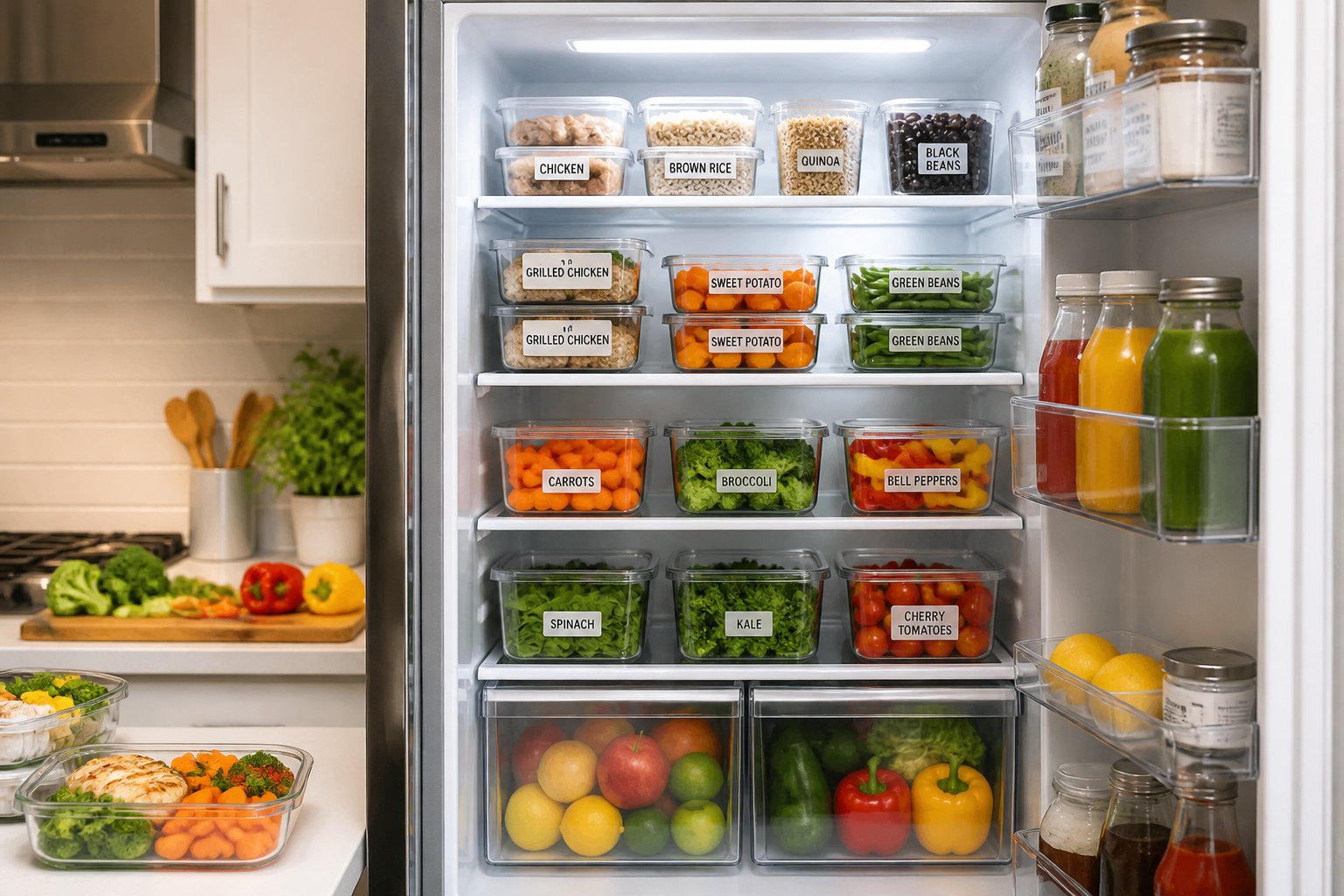

Change out light summer fabrics for richer, thicker ones. Linen curtains give way to velvet. Lightweight bedding becomes layered with flannel, fleece, and wool. Even a textured table runner or seasonal pillowcases add a warm seasonal update.

Winter isn’t just about what you see—it’s about what you feel and smell. Add natural scents with soy candles, wax melts, or simmer pots with cinnamon, orange peel, and cloves. Keep your favorite mug nearby, along with a soft blanket or wool socks for instant comfort.

This is where coziness can shine. Use soft lighting, wood accents, layered throws, and natural textures. Add a wool rug or soft pouf, and display candles on the coffee table.

Turn your bed into a cocoon of warmth. Use thick blankets, soft sheets, and neutral tones. Consider hanging soft lights above or using a dimmable lamp to set a relaxing tone.

Greet the season and your guests with a warm welcome. A soft mat, wooden bench, and knit throw by the door can make even a small entryway feel thoughtful and snug.

Use ceramic mugs, wood boards, and textured linen. Add greenery or pine branches as centerpieces and use candles or string lights to elevate mealtime into something ritualistic and comforting.


Think warm lighting, layered textiles, natural tones, cozy nooks, and sensory touches like soft scents or warm drinks. It’s about comfort, not perfection.
Not at all. Small changes—like switching out pillowcases, lighting candles, or adding a cozy throw—can completely shift the mood of a room.
Try cedarwood, cinnamon, pine, clove, vanilla, and orange. These evoke feelings of comfort and warmth.
Start with texture: throw blankets, soft pillows, and rugs. Add warm lighting and remove clutter. Display candles and books for a more relaxed vibe.
No—hygge is a year-round mindset. However, it’s especially meaningful in winter when warmth, comfort, and coziness are most needed.
As winter wraps the world in cold and quiet, your living room should become a haven of warmth and calm. The right winter decor transforms your space into a cozy retreat, filled with comfort and welcoming charm. These decor ideas are designed to inspire you to decorate your home for winter with inviting textures, gentle lighting, and peaceful ambiance.

When it’s chilly outside, your home decor should offer a gentle escape indoors. A thoughtfully decorated winter living room can improve your mood, promote relaxation, and offer a stylish, snug atmosphere that makes you actually enjoy being at home.
Winter is all about creating softness, calm, and connection—with seasonal textures, comforting colors, and accents that support a cozy state of mind.

Layering is the secret to instant coziness.

This tactile richness adds coziness and depth to any living room decor.
Seasonal color changes have a huge impact.

These tones instantly make your home decor feel rooted in the winter season.
Harsh lighting ruins cozy vibes.

This kind of soft lighting creates the perfect winter mood, day or night.
The right area rug can transform your space.

Rugs help define the space and keep the cold at bay—essential for a cozy winter living room.
Create a small sanctuary within your living space.

This spot becomes your winter escape—a place to slow down and unwind.
Winter decor doesn’t need to be over-the-top.

These details give your home a grounded, seasonal feel without cluttering your space.
Don’t overlook the impact of your windows.

Well-dressed windows visually warm the space and help retain actual heat.
Every cozy room needs a visual heart.

Your focal point should draw the eye and offer a feeling of comfort and style.
Refreshing small details goes a long way.

These decorating ideas allow your space to feel fresh without requiring a full redesign.
Being cozy shouldn’t mean being cluttered.

Cozy is a feeling—not just an aesthetic. Balance warmth with ease and livability.
Whether you're curling up with a book or entertaining guests, these cozy winter living room decor ideas are here to help you design a space that welcomes, soothes, and inspires.
From textured layers to warm lighting and seasonal touches, each tip is crafted to make your home for winter feel as magical as the season itself. Start with one change, and slowly build your perfect winter retreat—because your living room deserves to feel just as cozy as your favorite sweater.

Layer warm textiles like throw blankets and pillows, use soft lighting, and add seasonal natural elements like pinecones and greenery.
Warm earth tones, jewel shades, and deep neutrals like olive, burgundy, or camel work beautifully for cozy seasonal palettes.
Use warm white bulbs in table and floor lamps, and mix in candles or string lights to create soft, ambient lighting.
Use greenery, candles, and neutral tones with textures like wood or stone for a timeless, elegant winter look.
Absolutely! Focus on textures, soft lighting, compact furniture, and smart use of vertical space for a snug and stylish setup.
Thank you for reading! Ready to create a living room that feels cozy all winter long? Visit www.dazzleree.com for thoughtfully designed home essentials that bring warmth, comfort, and timeless style to your space. Design cozy, live beautifully—with Dazzleree® by your side.