


The Space-to-Storage Ratio Most Homes Get Wrong
February 11, 2026
Many homes either cram too many things into too little space or pay for extra storage they hardly use. The best space-to-storage ratio matches how much you own with the space you have. Most people get this balance wrong.
When your belongings are packed into a small area, the home feels cluttered and stressful. When you buy extra space just for storage, you pay for room that does not help your daily life.
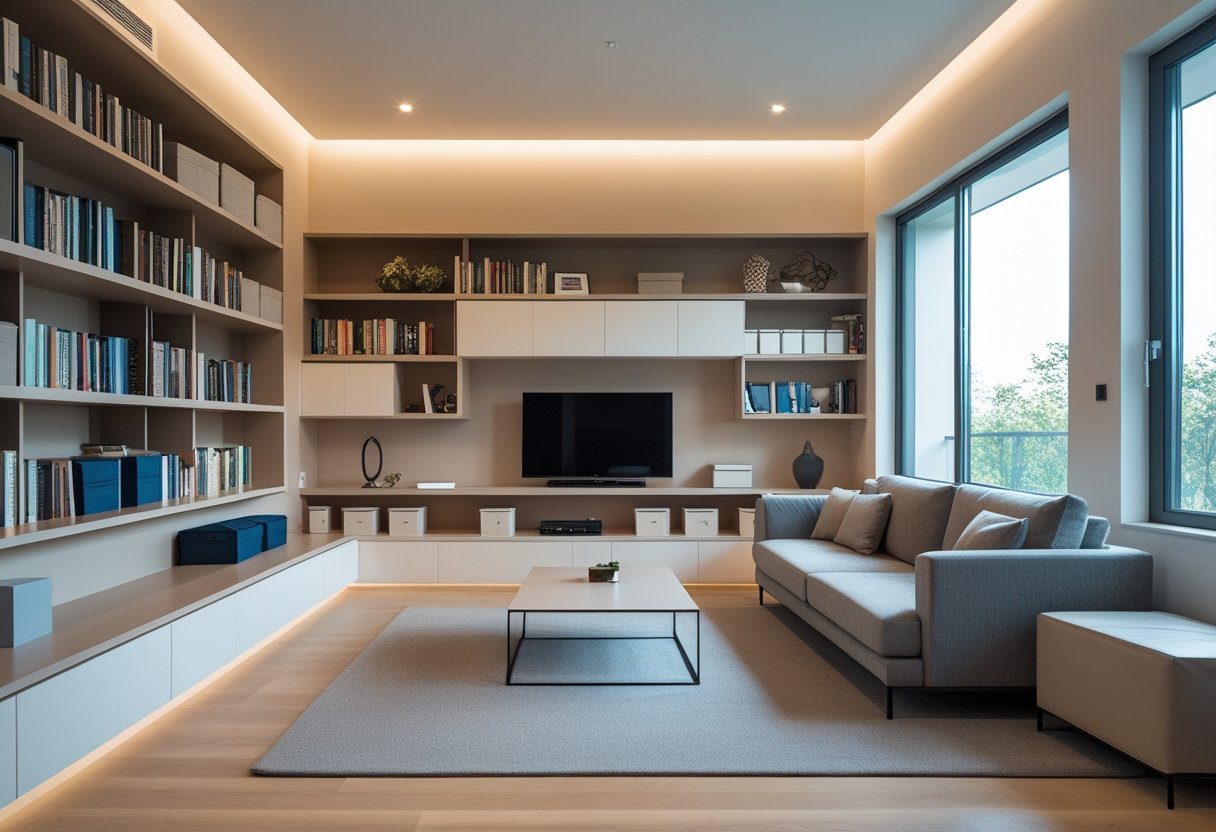
Adding more closets or cabinets might seem like the fix. But it helps more to know how much storage you truly need compared to your living space than to keep buying containers or building shelves.
This short guide will show you how to check your current space, avoid common mistakes that waste room, and make your home feel organized without paying for storage you do not use.
The space-to-storage ratio most homes get wrong
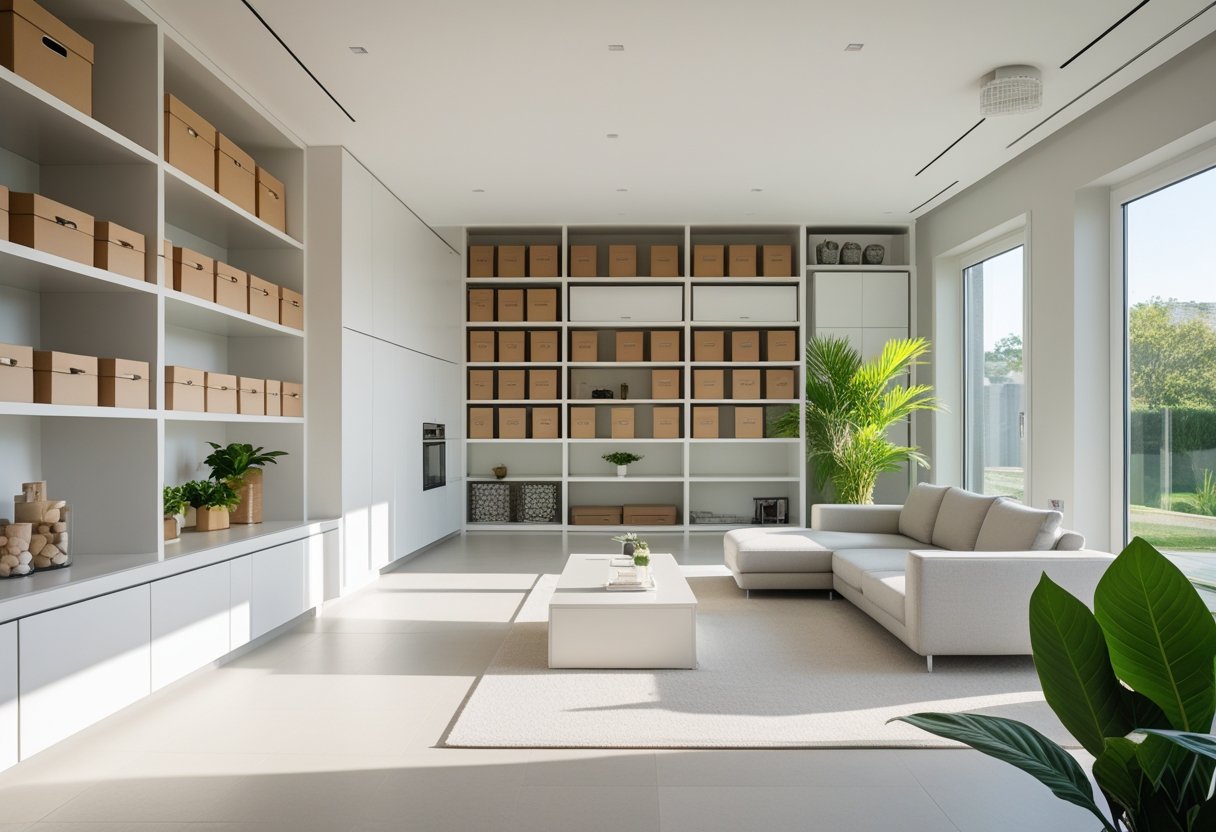
Many homes use only 10–15% of their total area for storage. That sounds okay, but it is often not enough. The amount of storage a house has changes how easy it is to live there.
What is the space-to-storage ratio?
The space-to-storage ratio is the percent of your home's square footage used for storage. To find it, divide storage space by total floor area and multiply by 100.
Storage includes closets, cabinets, pantries, linen closets, garage shelving, and built-in shelves. Living space is the rest of the rooms you use every day.
Common ratios by home type:
- Apartments: 8–12% storage
- Single-family homes: 12–18% storage
- Older homes (before 1970): 15–20% storage
- New homes: 10–14% storage
The right ratio depends on your life. Families with kids usually need 15–18% storage. Singles or couples without kids can manage with 12–15%.
Why many floorplans get it wrong
New homes often favor big open rooms over storage. Builders give only 10–12% of space to storage, but most families need closer to 15%.
Big living rooms and master suites can squeeze out closets and utility spaces. For example, a coat closet might be only 18 inches deep instead of 24 inches. Pantries get replaced by small pull-out cabinets instead of walk-in pantries.
Some new designs remove mudrooms, basements, or utility closets. The house looks nice, but there is nowhere to keep seasonal items, cleaning tools, or hobby gear. Plans may count the garage as storage, but garages are often used for cars and overflow, not neat storage.
The space-to-storage ratio most homes get wrong: How Layout Affects Storage
Your home's layout decides how well storage works. A closet in the wrong place wastes space even if you have enough storage on paper.
Deep, narrow closets are harder to use than shallower, wider ones. In a 36-inch deep closet, you can only reach the front without pulling things out. A 24-inch deep closet that is wider gives you better access.
Storage near busy areas is more useful than many small, spread-out spaces. A single 40-square-foot closet near the kitchen and living room is better than four separate 10-square-foot closets. People use storage that is easy to reach.
Empty spots under stairs, in corners, or between rooms are often wasted. Those spots can hold cabinets or built-in closets and add real storage.
Simple Ways to Get More Usable Storage
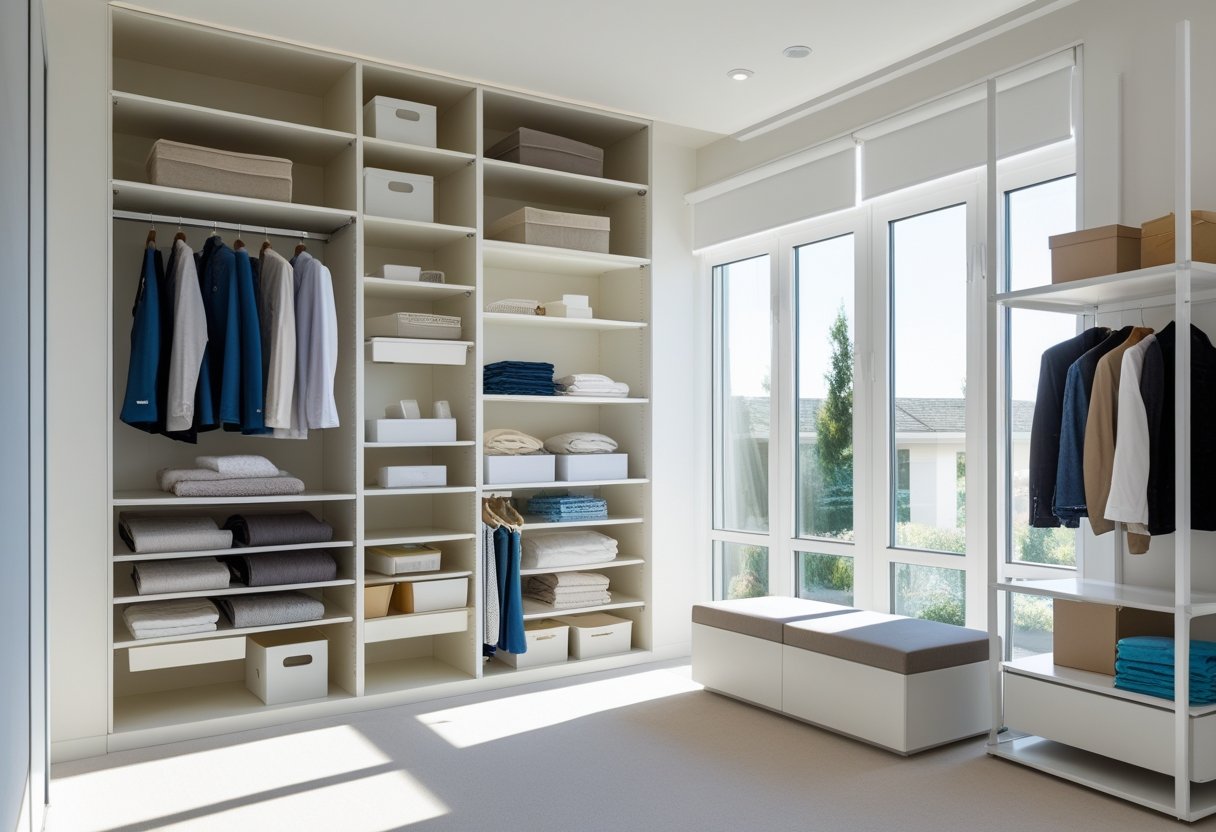
Better home storage comes from putting storage in the right place, picking smart designs, and avoiding common mistakes. These steps make spaces work without making the home feel crowded.
Easy Strategies to Use Space Better
Find your home's dead zones. These are places like under stairs, above doors, and in corners that sit empty. Put pull-out drawers under stairs or add shelves that go up to the ceiling in closets and pantries.
Use vertical storage. Wall shelves in kitchens hold dishes and pots. Hooks on walls and doors hold bags, coats, and hats.
Choose furniture that does two jobs:
- Storage ottomans hold blankets and give you a seat
- Beds with drawers remove the need for extra dressers
- Coffee tables with shelves store books and remotes
Use the space under desks. Hanging baskets or small file cabinets keep supplies without taking floor space. This works anywhere furniture leaves empty space underneath.
Group similar items together. Keep all cleaning supplies in one place. Put seasonal items in one closet. This makes things easier to find and stops you from buying duplicates.
Design Solutions for Challenging Spaces
Narrow hallways benefit from slim console tables with drawers. These pieces sit flush against walls and provide storage without blocking walkways. Add mirrors above them to make the space feel larger.
Awkward corners need custom solutions. Corner shelving units fit into spaces where standard furniture won't work. Lazy Susans in corner cabinets make items in the back easy to reach.
Small bedrooms require creative approaches. Install floating nightstands instead of bulky tables. Use the space under your bed with rolling storage containers. Mount reading lights on walls to free up surface space.
Kitchens with limited cabinet space can use the inside of cabinet doors. Add hooks for measuring cups and spoons. Attach small racks for pot lids and cutting boards. Magnetic strips on walls hold knives and metal utensils.
Bathrooms gain storage through over-toilet shelving units and medicine cabinets that recess into walls. Use drawer dividers to organize small items like makeup and toiletries.
Mistakes to Avoid When Planning Storage
Don't buy storage bins before you measure the space. A box that is two inches too wide won't fit, even if it looks great. Measure the height, width, and depth of each area first.
Don't block things you use every day. Deep shelves where items get pushed to the back cause trouble. Things in the back are easy to forget. Keep daily items where you can reach them.
Not all storage should be the same. Put heavy items on lower shelves so they are safe and easy to lift. Put light or seasonal items on high shelves. Store things based on weight and how often you use them.
Common storage planning mistakes:
- Putting in fixed shelves when adjustable shelves would work better
- Picking looks over usefulness in spaces you use a lot
- Forgetting to check how much weight shelves can hold
- Not leaving enough room for doors and drawers to open
Don't trade living space for storage you don't need. A room full of empty bins or shelves wastes space. Add more storage only when you need it, not before.
Frequently Asked Questions
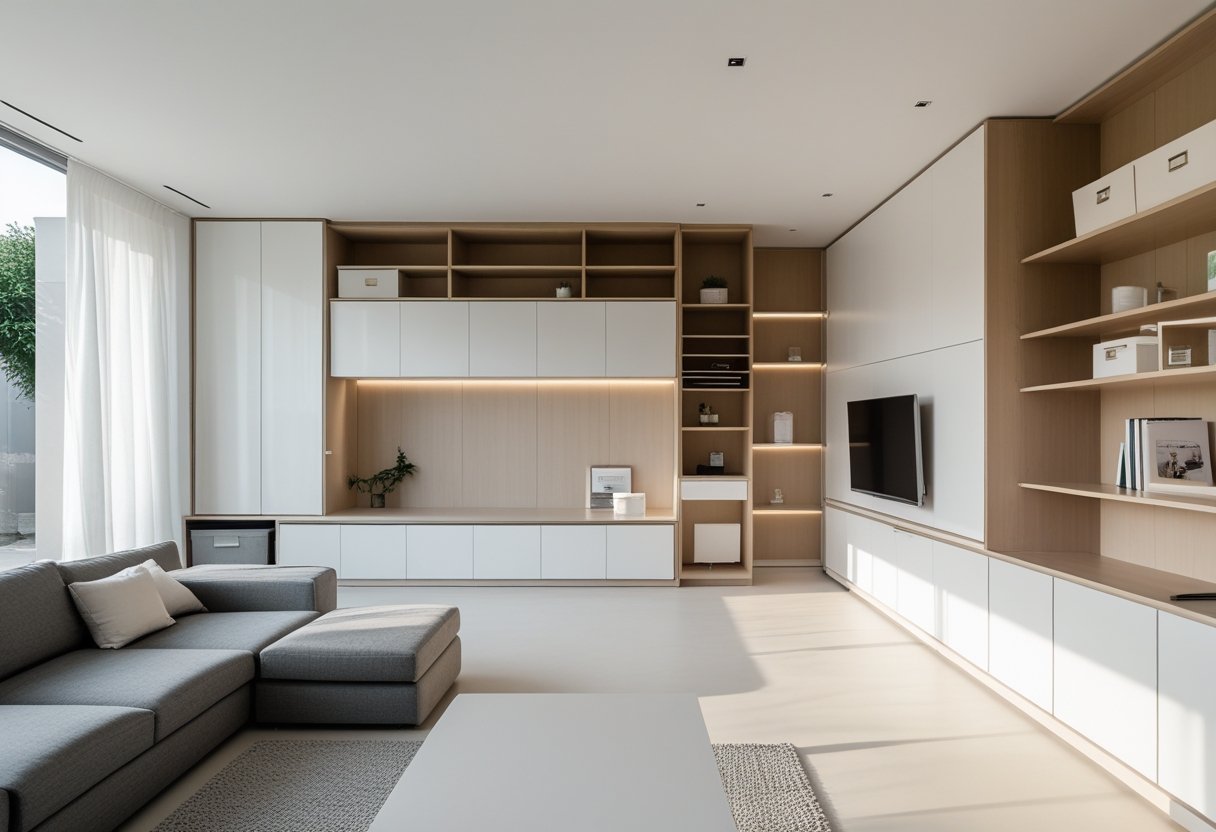
Many homeowners get storage wrong because they don't know the right amount to plan for. The questions below give simple, practical answers about how much storage you need and how to use it well.
What is an ideal space-to-storage ratio for a typical family home?
A good rule is to use about 10–15% of your home's total square footage for storage. That means a 2,000 square foot house should have about 200–300 square feet of storage. This includes closets, cabinets, pantries, and storage rooms.
Bigger families may need closer to 15%. Smaller households can do fine with about 10%. Your exact needs depend on how much stuff you have and how you live.
How can homeowners optimize storage space without compromising on living areas?
You can add vertical storage solutions like wall-mounted shelves and tall cabinets to use space that would otherwise go unused. Built-in furniture with hidden compartments gives you extra storage without taking up additional floor space.
Under-stair storage, window seats with lift-up tops, and床头柜 ottomans with internal space all provide storage while serving other functions. Installing shelving above doorways and in hallway corners captures dead space.
Multi-functional furniture like murphy beds and fold-down desks let you convert rooms based on your needs throughout the day.
What are common mistakes when allocating space for storage in new home designs?
Many builders and homeowners give too much space to living rooms and not enough to storage. They forget places for seasonal items, sports gear, and bulk supplies.
Another mistake is making storage too deep or too high to use. Things get stuck in the back of closets or on high shelves and are never used.
Not adding a pantry or utility room can make other rooms messy. Also, not planning for future needs as the family grows can lead to crowded spaces later.
Can you suggest innovative storage solutions for small living spaces?
Wall-mounted folding tables and drop-leaf surfaces give you work space when you need it and fold away when you don't. Magnetic strips on walls can hold knives, tools, or small metal containers.
Over-door organizers work in bedrooms, bathrooms, and closets without a lot of work. Clear, stackable bins let you see what's inside and use vertical space in closets.
Raising beds creates room underneath for flat storage boxes. Pull-out drawers under kitchen cabinets (in the toe-kick area) add hidden storage in a spot people often miss.
How does clutter impact the space-to-storage balance in a home?
Clutter makes storage seem smaller even when you have enough space. When things have no home, they spread across counters, tables, and floors and take up living space.
Disorganized storage makes it hard to find things, so people buy duplicates. That makes more stuff to store and worsens the problem.
A cluttered home feels smaller because the mess makes spaces look tight. Clearing clutter often shows you have more storage than you thought.
What role does furniture play in maintaining a good space-to-storage ratio?
Furniture affects how much storage you have and how much floor space is left. A bed with built-in drawers gives you more storage without taking extra room.
Coffee tables with shelves, sofas with under-seat storage, and benches with inside space add storage without taking more floor area. Choosing furniture that does more than one job helps keep rooms open.
Too-large furniture cuts into both living space and storage options. Picking the right size pieces leaves room for extra storage like bookcases or cabinets.