



Why Most Pantry Storage Solutions Fail Over Time
March 1, 2026
You bought the bins, labeled everything, and arranged your pantry perfectly. But a few months later, it's a mess again. This cycle happens in most homes, and it's not because you're doing something wrong.
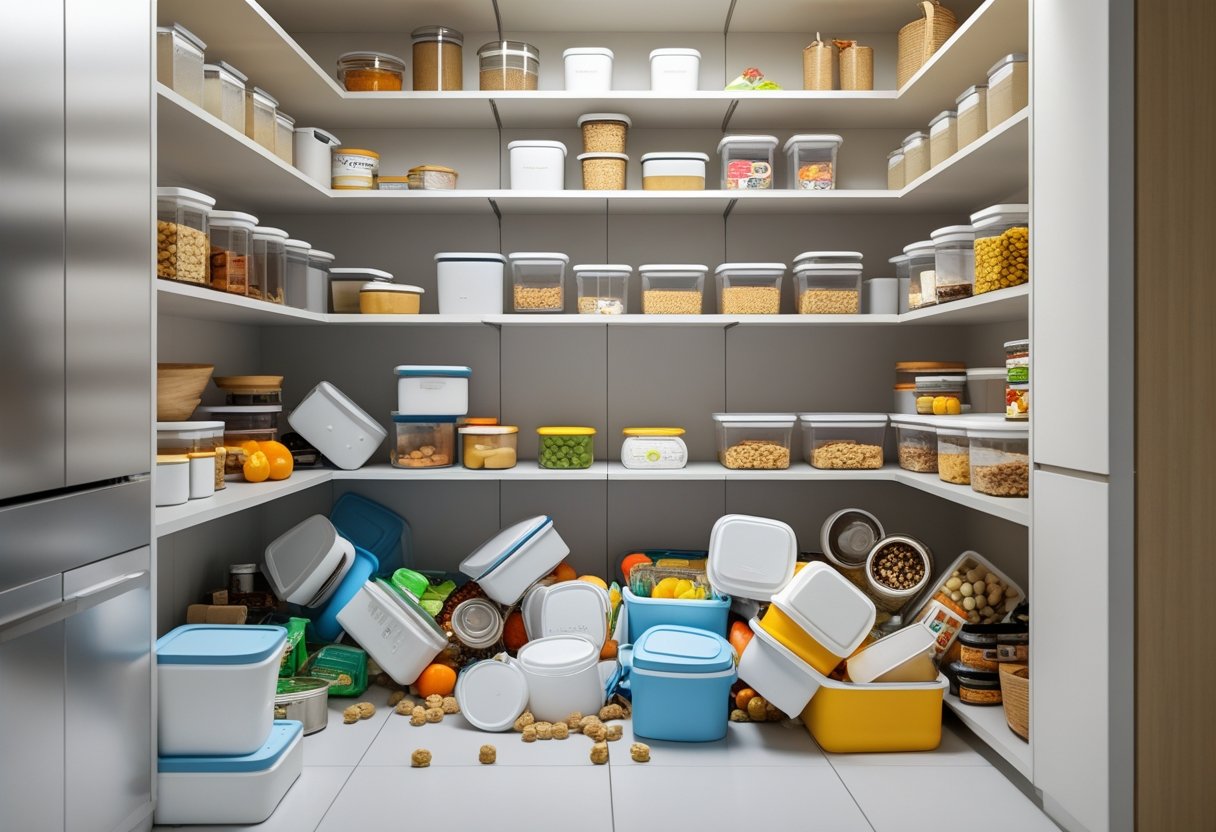
Most pantry storage systems fail because they don't match how you actually use your kitchen, making them too hard to maintain in daily life. The problem isn't lack of effort. It's that many storage solutions look great but don't work with your real habits and needs.
Your pantry can stay organized long-term once you understand why systems break down and how to build one that fits your life. The right approach focuses on making organization easy to maintain, not just pretty to look at.
Core Reasons Pantry Storage Solutions Fail Over Time
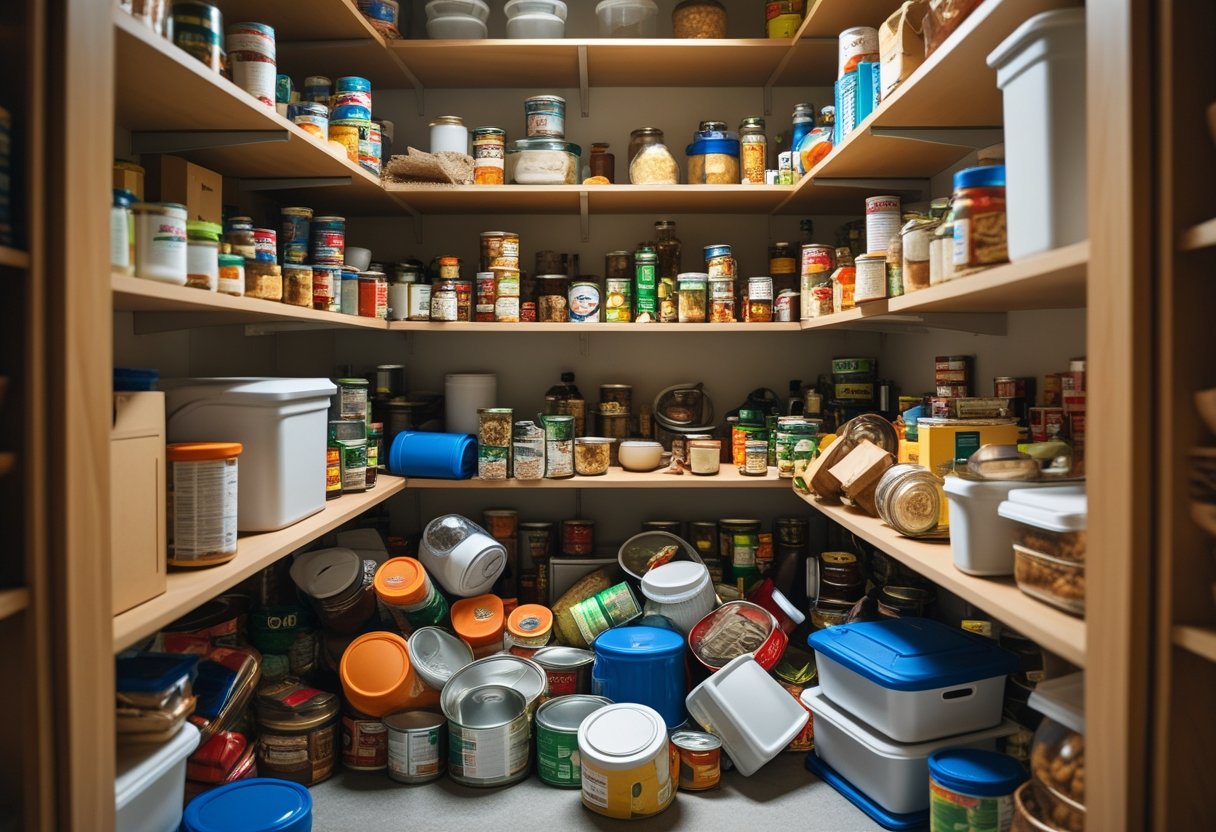
Most pantry systems break down because they don't adapt to changing household needs, ignore how food actually gets used, or rely on containers that can't handle daily wear and tear. These failures cost you money through wasted food and repeated purchases of storage products that don't work.
Ignoring Evolving Storage Needs
Your family's food storage needs change over time. A system that worked when you lived alone won't make sense when you have kids or start buying in bulk.
Many people set up their pantry once and never adjust it. You might start buying different brands, switch to meal prepping, or change your diet completely. Your storage system needs to change with these habits.
Common life changes that affect pantry needs include:
- Adding family members
- Switching to bulk shopping
- Starting special diets
- Working from home more often
- Kids growing up and eating more
If you don't reassess your storage at least once a year, you'll end up with containers that don't fit your current food items. You'll waste space storing things you no longer buy while struggling to fit new staples.
Overlooking Product Rotation and Expiry Management
You lose money when food expires before you use it. Without a system to rotate items, newer products hide older ones until they go bad.
The FIFO method (First In, First Out) solves this problem. You place new items behind old ones so you always grab the oldest products first. This simple step cuts food waste significantly.
Your pantry layout affects rotation too. If you can't see what you have, you'll buy duplicates. Clear containers help, but only if you label them with purchase or expiry dates. Deep shelves make rotation harder because items in back get forgotten.
Set a monthly check for expiration dates. Pull everything out and toss expired items. Move products expiring soon to the front where you'll see and use them.
Underestimating Weight Limits and Durability
Cheap storage containers crack under the weight of bulk items. Flimsy shelf brackets sag or collapse when loaded with canned goods.
You need to check weight ratings before buying storage solutions. A shelf rated for 20 pounds won't hold multiple jars of pasta sauce and flour bags. Glass containers last longer than plastic but weigh more when full.
Temperature and moisture affect durability too. Plastic containers warp in hot pantries. Metal wire shelving rusts in humid conditions. Materials matter based on your specific pantry environment.
Weight considerations:
- Five-pound flour bag: needs sturdy base
- Canned goods: require reinforced shelving
- Glass jars: add significant weight when grouped
- Bulk rice/beans: need thick plastic or glass
Replace worn containers before they break and spill contents everywhere.
Choosing Non-Scalable Organization Systems
Fixed systems trap you into one layout forever. You can't add shelves or adjust spacing when your needs change.
Modular systems let you reconfigure your pantry without starting over. Adjustable shelving, stackable bins, and expandable drawer dividers adapt as your storage needs shift. You can add pieces over time instead of replacing everything.
Custom-fit solutions look perfect initially but become problems later. If you move or renovate, those exact-size containers won't fit your new space. Standard sizes work in more situations.
Avoid organization systems that require buying one specific brand forever. You want the flexibility to mix products and replace individual pieces without hunting for discontinued items.
Key Strategies to Prevent Long-Term Pantry Organization Failure
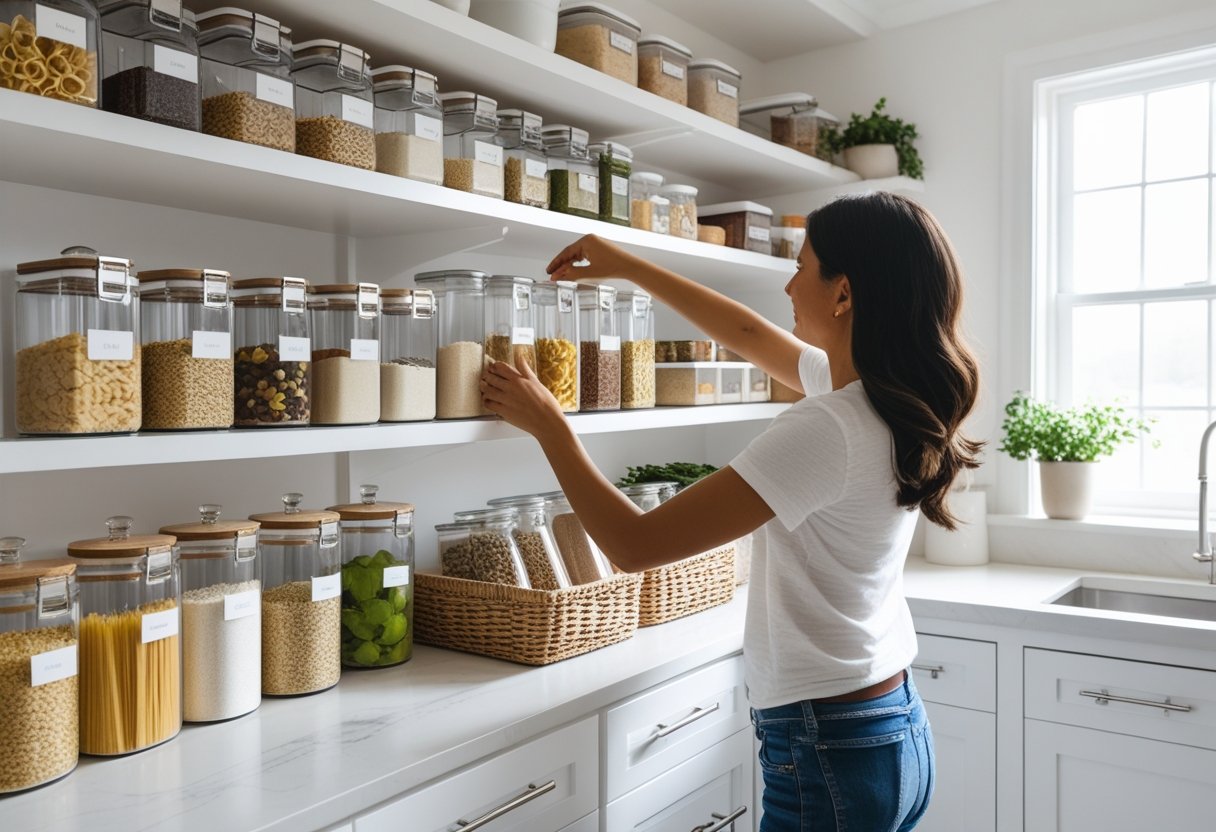
Most pantry systems fail because they're too rigid or too complicated to maintain. You need solutions that adapt to your changing needs while remaining simple enough to use every single day.
Implementing Adaptable Organization Methods
Your pantry needs will change over time as your family grows, your diet shifts, or your shopping habits evolve. Fixed storage solutions that work today might become obstacles tomorrow.
Choose adjustable shelving that you can move up or down as needed. This lets you accommodate tall items one month and small jars the next. Modular containers and bins also give you flexibility since you can rearrange them without buying new storage.
Don't commit to one storage method for everything. Some items work better in clear containers while others stay fresher in their original packaging. Leave yourself room to experiment and change things around.
Build zones based on how you actually use items rather than rigid categories. Your baking zone might need to expand during holiday season and shrink afterward. Let your system breathe and shift with your real-life patterns.
Incorporating User-Friendly Labeling Systems
Labels keep your system working when you're tired, rushed, or when other people use your pantry. Without them, even the best organization falls apart within weeks.
Use large, easy-to-read fonts that you can see from a distance. Write expiration dates directly on containers with dry-erase markers so you don't have to move items to check freshness.
Your labels should tell you what's inside and when it expires. Keep the wording simple and consistent. Write "Pasta" instead of "Dry Pasta Products" or other wordy descriptions.
Consider color-coding for quick identification. You might use blue labels for breakfast items and green for snacks. This visual system works faster than reading every label when you're in a hurry.
Prioritizing Easy Access and Visibility
You'll only maintain a system if you can actually see and reach what you need. Hidden items get forgotten and wasted.
Place everyday items at eye level and within easy reach. Store heavy items on lower shelves where they're safer and easier to grab. Keep rarely used items on top shelves or in back corners.
Use clear containers whenever possible so you can see exactly how much you have left. This prevents overbuying and helps you spot when items are running low. Pull-out drawers and lazy susans bring back-row items forward without forcing you to move everything else.
Leave some empty space in your pantry. Cramming every shelf full makes it impossible to find things or put items back properly. You need room to move things around as you use them.
Regularly Reviewing and Adjusting Solutions
Your organization system needs regular check-ins to stay effective. Set up a monthly review to catch problems before they snowball.
Check for expired items and donate food you won't use. Look for zones that have become overcrowded or storage methods that aren't working anymore. If you keep shoving items in certain spots, your system needs adjustment there.
Notice which containers stay messy or which shelves become cluttered fastest. These are signs that your current method doesn't match how you actually use those items. Change the system instead of fighting your natural habits.
Track what you buy repeatedly and make sure those items have dedicated, easy-to-access spots. Your system should make restocking simple, not complicated.
Frequently Asked Questions
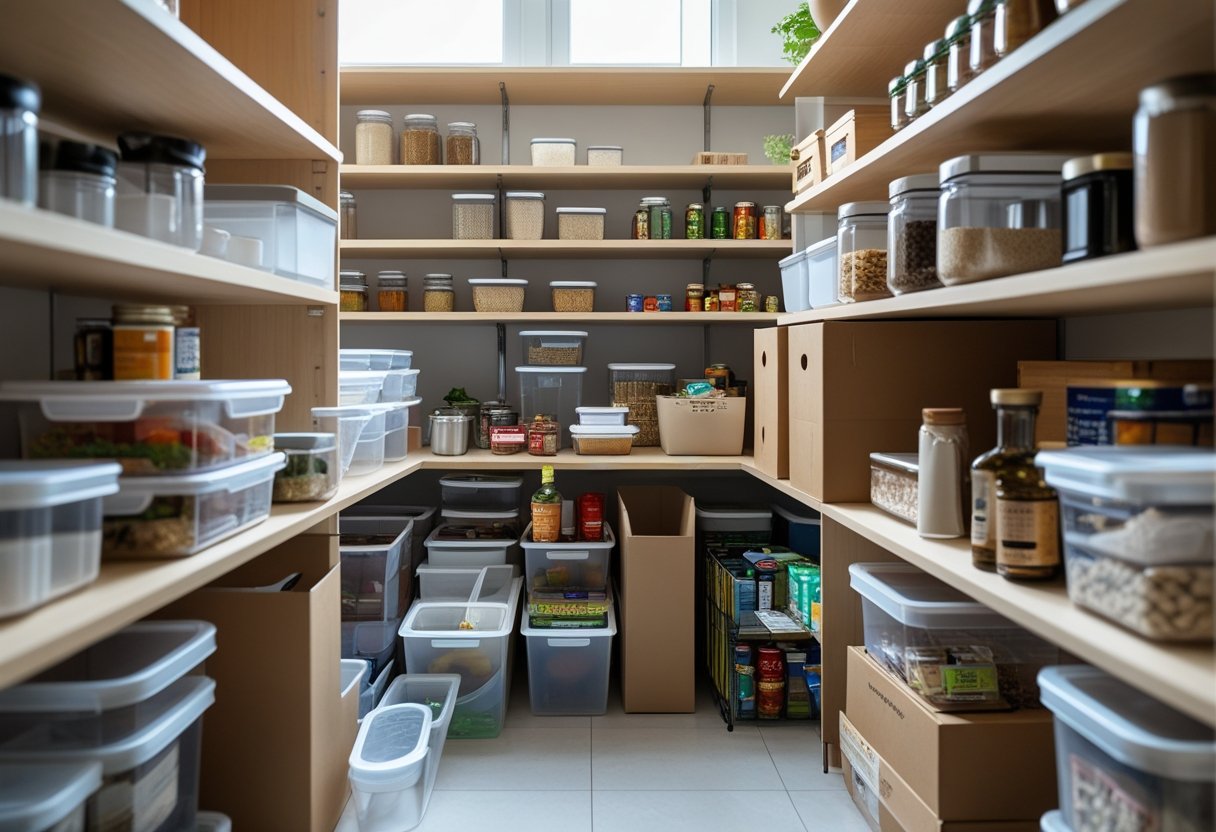
Pantry systems break down when they don't match how you actually use your kitchen. Understanding which solutions work long-term and which create more problems helps you build storage that lasts.
What are common reasons for pantry organization systems deteriorating over time?
Storage systems fail when they're too complicated to maintain. If you need more than 30 seconds to put something away, you won't keep up with the system.
Poor shelf spacing creates the biggest problem. When shelves are too far apart, you waste vertical space. When they're too close, you can't fit taller items.
Using storage that doesn't fit your food causes system breakdown. Tall containers in short spaces or square bins in narrow areas make you work against your pantry instead of with it.
Systems also fail when you buy storage before removing expired items. The clutter gets hidden in new containers, which fills your space with things you don't need.
How can I maximize storage space in a small kitchen without cabinets?
Wall-mounted shelves give you storage without taking floor space. Install them at different heights to hold items you use most often.
Door surfaces offer usable area that most people ignore. Mount shallow racks on the backs of doors for spices, oils, or small packets.
Under-shelf baskets hang from existing shelves to create extra levels. These work well for flat items like napkins or packaged snacks.
Rolling carts provide flexible storage you can move when needed. Pick ones with multiple tiers to hold more items in the same footprint.
In what ways do inadequate pantry storage solutions impact the shelf life of food items?
Poor storage lets air reach your food, which speeds up spoiling. Pasta, flour, and grains go stale faster when stored in opened bags or loose containers.
Wrong container choices trap moisture and create bad smells. This happens most often in pantries that use non-airtight storage.
Cluttered shelves hide expiration dates. You can't see what needs to be used first, so items sit too long and go bad.
Items shoved in the back of deep shelves get forgotten. By the time you find them, they've passed their best quality.
What budget-friendly options exist for enhancing storage in small kitchen spaces?
Tension rods installed vertically create dividers for baking sheets and cutting boards. They cost a few dollars and keep flat items organized.
Plastic bins from discount stores work just as well as expensive versions for dry goods. Focus on getting the right size rather than fancy features.
Stackable wire shelves double your usable space without permanent installation. You can find these for less than $15 and move them as your needs change.
Mason jars provide clear, airtight storage at low cost. Buy them in bulk or reuse jars from store-bought items.
What should be considered when choosing containers for long-term pantry storage?
Airtight seals matter most for keeping food fresh. Check that lids fit tightly and have gaskets or locking mechanisms.
Clear containers let you see contents and quantity at a glance. This stops you from buying duplicates or letting items run out.
Size should match what you actually store. Measure your most-used items before buying containers to avoid wasted space.
Stackable designs prevent toppling and use vertical space better. Straight sides work better than rounded edges for this purpose.
Material affects durability and safety. Glass lasts longer but costs more and can break. Food-grade plastic works well and weighs less.
How do over-the-door organizers compare to other pantry storage solutions for longevity and efficiency?
Door organizers work well for lightweight, frequently-used items. They put spices and small packets within easy reach without taking shelf space.
They wear out faster than fixed shelving because of constant movement. Hinges get stressed and hooks can slip or break over time.
Weight limits restrict what you can store. Most door racks hold 10-20 pounds total, which rules out canned goods or heavy bottles.
Installation matters for longevity. Over-the-door hooks cause less wear than models that mount with screws, but they also hold less weight and shift more easily.
These organizers don't replace core pantry storage. They supplement shelf space but can't handle the bulk of your food storage needs.