


What Calm, Put-Together Kitchens Have in Common
February 6, 2026
A calm kitchen does not need the best appliances or a big budget. It is a space that works well and feels peaceful when you enter. Calm kitchens make cooking and spending time together easier.
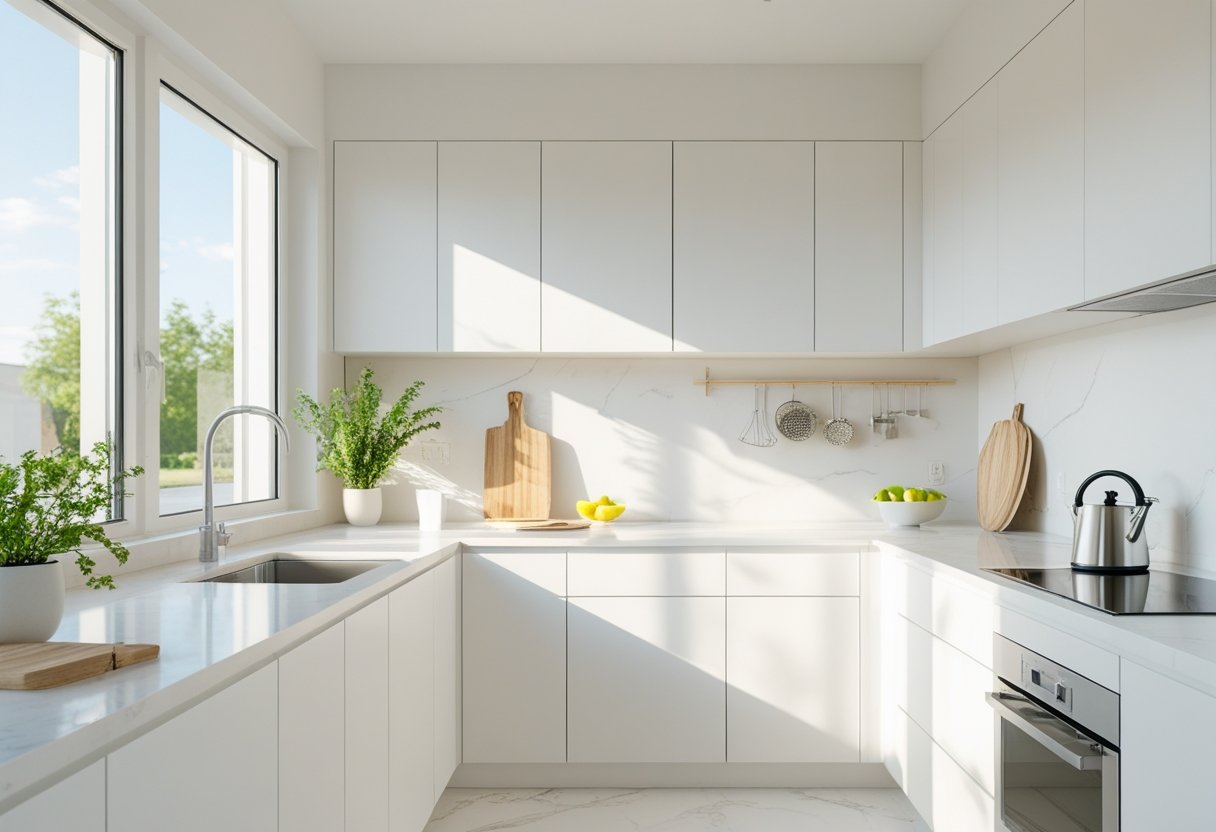
Calm, put-together kitchens share a few simple things:
- Colors that are soft and not too bright.
- Little or no clutter; things are stored or put away.
- A mix of styles that fits together, so the room does not look messy.
You do not need to remodel to get this look. Small changes help a lot: pick calm colors, tidy up regularly, and arrange items so the kitchen feels neat and welcoming every day.
Defining Features of Calm, Put-Together Kitchens
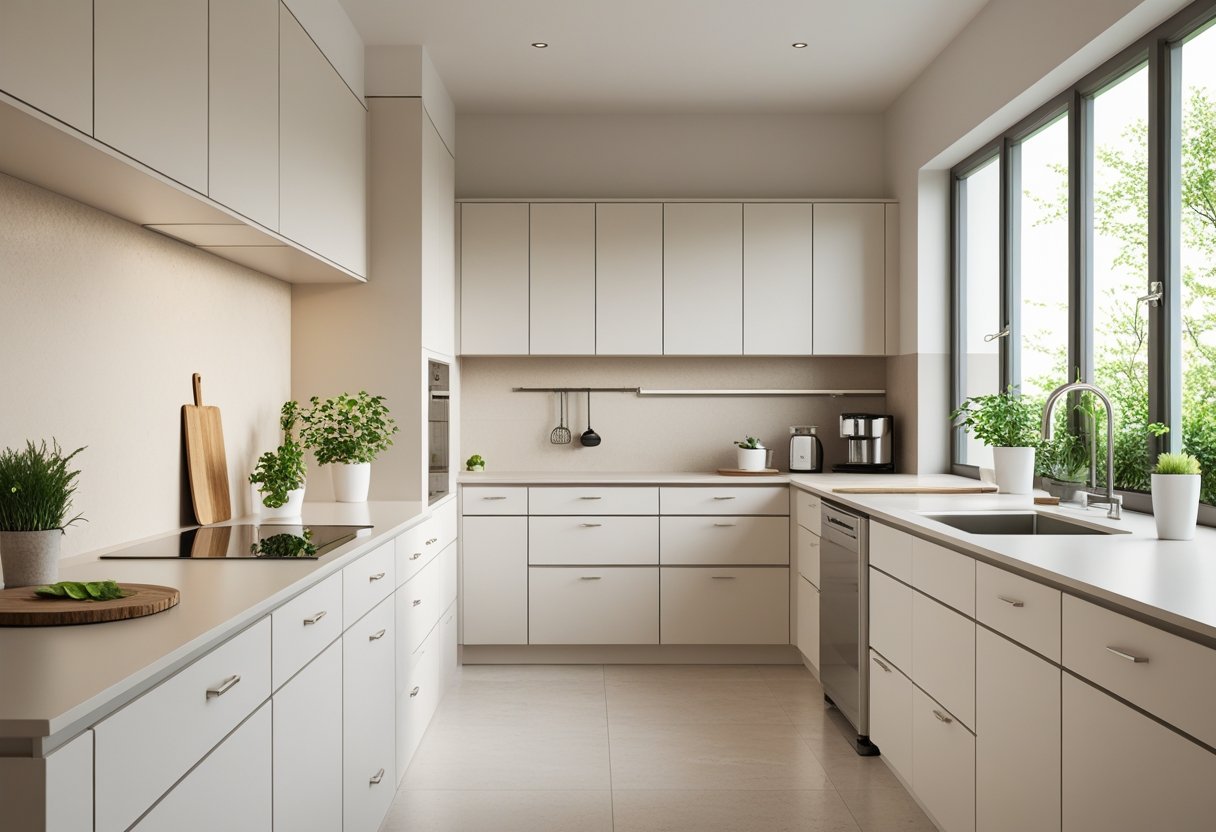
A calm kitchen comes from clear design choices that work together. Calm kitchens often share the same features: colors and materials that match, layouts that make it easy to move, clear surfaces, and lighting that helps both tasks and mood.
Cohesive Color Palettes and Materials
The colors you pick set how the kitchen feels. Neutral colors like soft gray, white, warm beige, and natural wood make the room feel peaceful. These colors do not fight for attention or feel too strong.
Using just two or three main colors keeps the room looking simple. For example, white cabinets, light gray countertops, and warm wood accents make the space feel balanced instead of busy.
Materials matter as much as color. When cabinet handles, the faucet, and light fixtures have the same finish, the room feels put together. Using too many different metals or textures can make the kitchen feel messy.
Natural materials like wood, stone, and ceramic add warmth without making the space loud. These materials add gentle texture that makes the kitchen feel comfortable, not cold.
Thoughtful Layout and Flow
The placement of your sink, stove, and refrigerator affects how easily you cook. When these three spots are close to each other, you move faster and use less energy.
Clear paths between work areas stop people from getting in each other's way. Main walkways should be about 42 inches wide, and spaces between counters should be about 36 inches for easy movement.
Put storage where it makes sense to cut steps. Store pots near the stove, dishes near the dishwasher, and utensils near the prep area. This simple plan makes cooking easier.
Open floor plans that connect the kitchen to other rooms can make the space feel larger and friendly. Still, keep separate areas for different tasks so things stay organized.
Minimal Visual Clutter
Clear counters help a kitchen feel calm. Only leave out items you use every day. Put everything else in cabinets or the pantry.
Items to keep on the counter:
- Coffee maker or kettle (if used daily)
- Dish soap and hand soap
- One small cutting board
- Salt and pepper
Appliances built into cabinets can match the cabinets and look tidy. A fridge or microwave with matching panels blends into the kitchen.
Closed cabinets hide clutter better than open shelves. Open shelves can look nice but need constant tidying. Cabinets keep everyday mess out of sight.
Consistent Lighting Techniques
Use layers of light to set the mood and help you work. You want three kinds: ambient light for the whole room, task lights for work areas, and accent lights for mood.
Under-cabinet lights remove shadows on counters where you cut and prepare food. They make cooking safer and add a warm glow.
Dimmer switches let you change brightness for different times and activities. Bright light helps with cooking; softer light is better for dinner or relaxing.
Natural light from windows or skylights improves a kitchen more than electric lights. Daylight changes during the day and helps you feel connected to the outside.
Practical Strategies for Achieving a Harmonious Kitchen
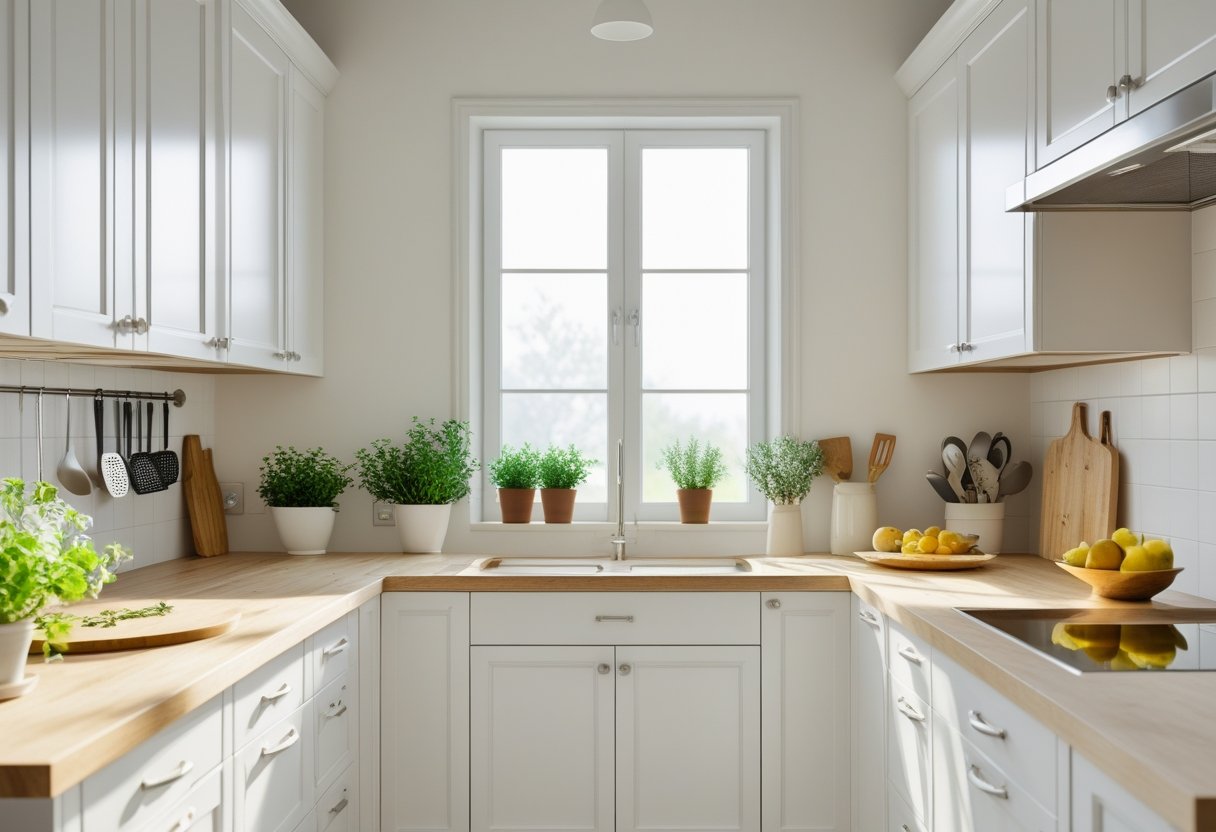
A calm, put-together kitchen needs clear plans for storage, decor, and layout. These tips help you build systems that match your daily habits and keep the space tidy and peaceful.
Organized Storage Solutions
Good storage makes a chaotic kitchen feel calm. Start by grouping similar items and giving each group a place — for example, baking supplies together, cooking tools in another spot, and dishes near where you serve food.
Use drawer dividers and cabinet organizers so each item has a home. This stops things from getting piled up. Label jars and containers for dry goods, spices, and pantry items so everyone in the house can find and return things easily.
Key storage zones:
- Cooking zone: oils, spices, and utensils near the stove
- Prep zone: cutting boards, knives, and mixing bowls
- Beverage zone: mugs, glasses, and coffee supplies
- Cleaning zone: dish soap, sponges, and towels near the sink
Keep countertops mostly clear by storing appliances you use only sometimes in cabinets. Only leave out the items you use every day.
Intentional Decor Choices
Every decorative item in your kitchen should serve a purpose or bring you genuine happiness. Avoid cluttering counters and walls with random objects that don't add value to your space.
Choose a simple color scheme and stick to it. Neutral tones create a calm background, while you can add personality through a few carefully selected accent pieces. Three coordinating colors is enough to create interest without visual chaos.
Select functional items that also look good - a beautiful wooden cutting board, an elegant soap dispenser, or a simple fruit bowl. When practical items double as decor, you reduce clutter while maintaining style. Fresh herbs in small pots or a single vase with fresh flowers adds life without creating visual noise.
Quality Over Quantity in Design Elements
Buy fewer, better items instead of many cheap ones. A good chef's knife works well and lasts a long time, while a drawer full of dull knives just takes up space.
Pick strong materials for surfaces you touch a lot. Solid wood, stainless steel, and stone stand up to daily use and still look good. They are also easy to clean, so your kitchen stays tidy with less work.
Keep only the small appliances you use every week. A bread maker that sits unused wastes storage space. Choose tools that do more than one job instead of single-use gadgets that clutter your cabinets.
Frequently Asked Questions
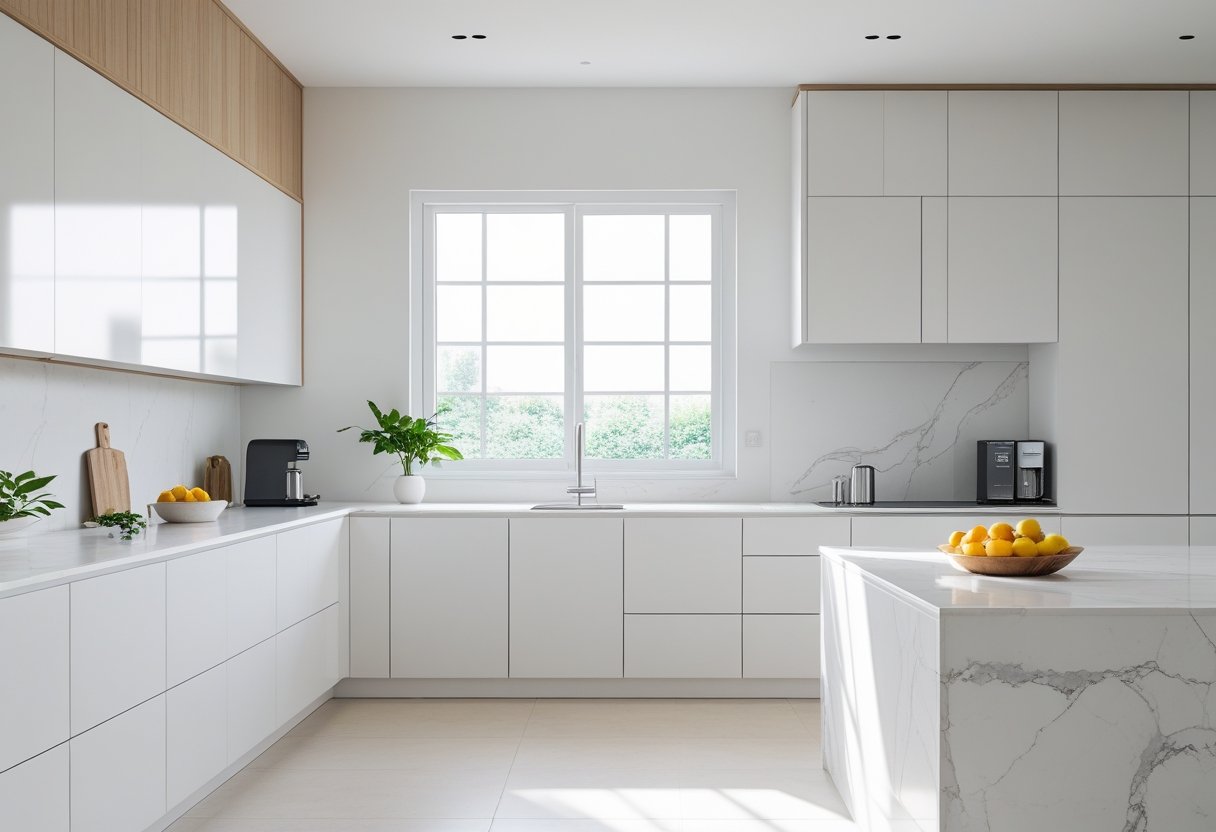
A calm kitchen comes from a smart layout, the right colors, good storage, strong materials, and proper lighting. These things work together to lower stress and make daily tasks easier.
What are the essential elements of a well-organized kitchen layout?
The work triangle is the base of a good kitchen layout. Put the sink, stove, and refrigerator in a triangle so you can move between them quickly while cooking.
Keep the items you use most within arm's reach of where you use them. Store pots near the stove and dishes near the dishwasher. This saves steps and makes cooking less stressful.
Clear counter space is important. Keep at least one open area for meal prep. If needed, store appliances in cabinets instead of leaving them on the counter.
How important is color selection in achieving a serene kitchen atmosphere?
Color choice affects how calm your kitchen feels. Soft, neutral colors like white, beige, gray, and warm earth tones make the space feel peaceful.
These colors are calming because they do not grab your attention. Bright or bold colors can be distracting, while gentle shades let you focus on cooking and being with family.
You can mix calming colors in simple ways. Paint the walls a soft shade and pick slightly darker cabinets, or use colors from the same family for a unified look.
What storage solutions are key to maintaining a clutter-free kitchen space?
Closed cabinet storage keeps your kitchen looking clean by hiding everyday items from view. Cabinets with drawers work better than deep shelves because you can see and reach everything without digging.
A pantry or butler's pantry gives you space to store appliances and hide dirty dishes when guests visit. This extra storage keeps your main counters clear and ready to use.
Pull-out organizers, drawer dividers, and vertical storage racks help you use every inch of cabinet space. These simple tools prevent items from getting lost in the back of cabinets and make everything easier to find.
Can you outline the characteristics of a kitchen design that promotes both functionality and calmness?
Kitchens that feel calm and work well use matching cabinet styles and finishes instead of mixing many different looks. This makes the room look peaceful instead of busy.
Using natural materials like wood, stone, and metal adds warmth without making the space feel loud. These materials also last a long time and keep the kitchen looking good as trends change.
Open layouts with clear paths stop people from bumping into each other. You need enough space to move around easily when more than one person is cooking.
What lighting considerations are crucial for creating a tranquil kitchen environment?
Natural light is the most calming. Big windows or skylights bring in sunlight and connect the kitchen to the outdoors.
Layered lighting helps control the mood. Use a mix of ceiling lights, under-cabinet lights, and dimmable fixtures so you can change the brightness for different tasks.
Warm, soft light feels more relaxing than cool, harsh light. Pick warm bulbs and avoid bright fluorescent lights that can make the kitchen feel cold or stressful.
How does the choice of materials impact the overall feel of a composed kitchen?
Natural materials make the kitchen feel grounded and welcoming. Wood cabinets, stone counters, and ceramic tiles add simple textures that are easy on the eyes.
Smooth, plain surfaces feel calmer than busy patterns. A simple tile backsplash or a solid countertop gives your eyes a place to rest.
Good-quality materials last longer than cheap ones. When surfaces stay in good shape, the kitchen keeps looking neat without constant fixes.