


Why Kitchen Clutter Reappears Even After You Clean (The System Failure)
January 30, 2026
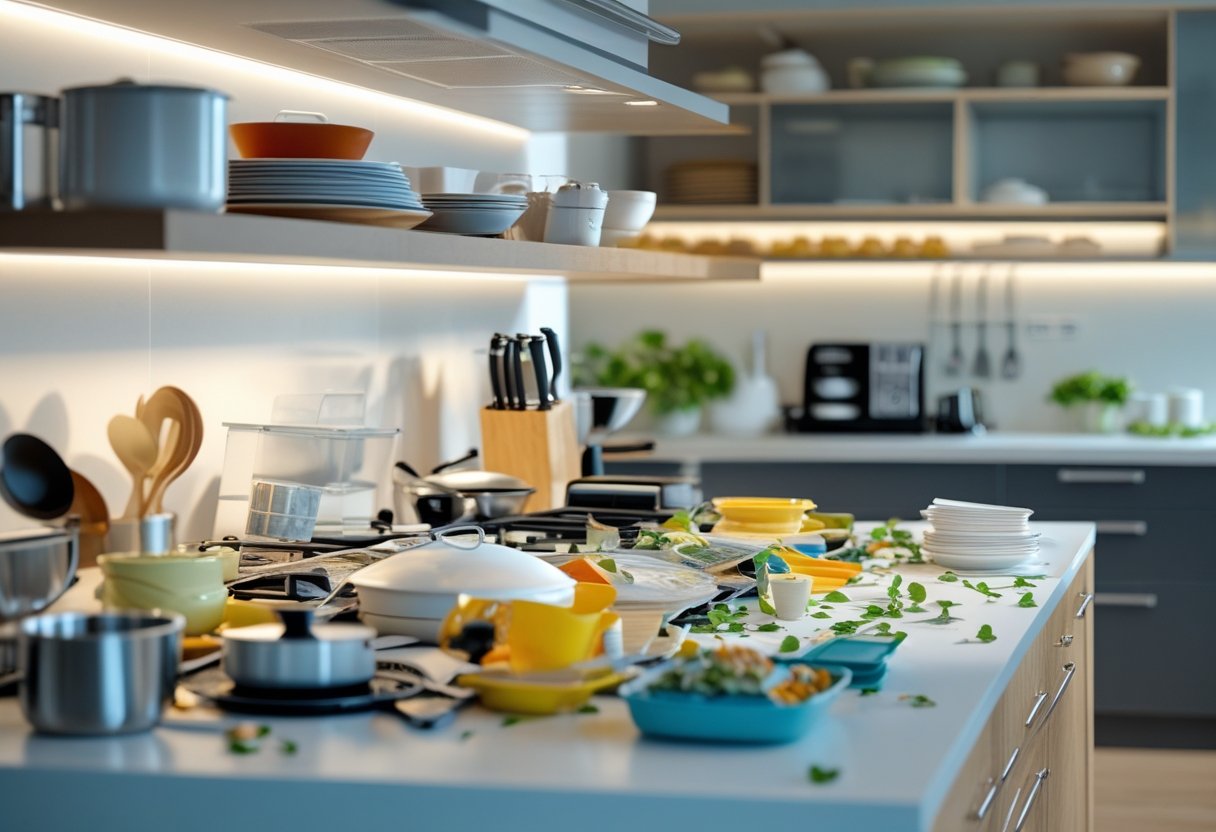
You clean your kitchen counters, put everything away, and feel satisfied with the results. A few days later, the clutter is back. This frustrating cycle happens because you're treating clutter as a cleaning problem when it's actually a system problem.
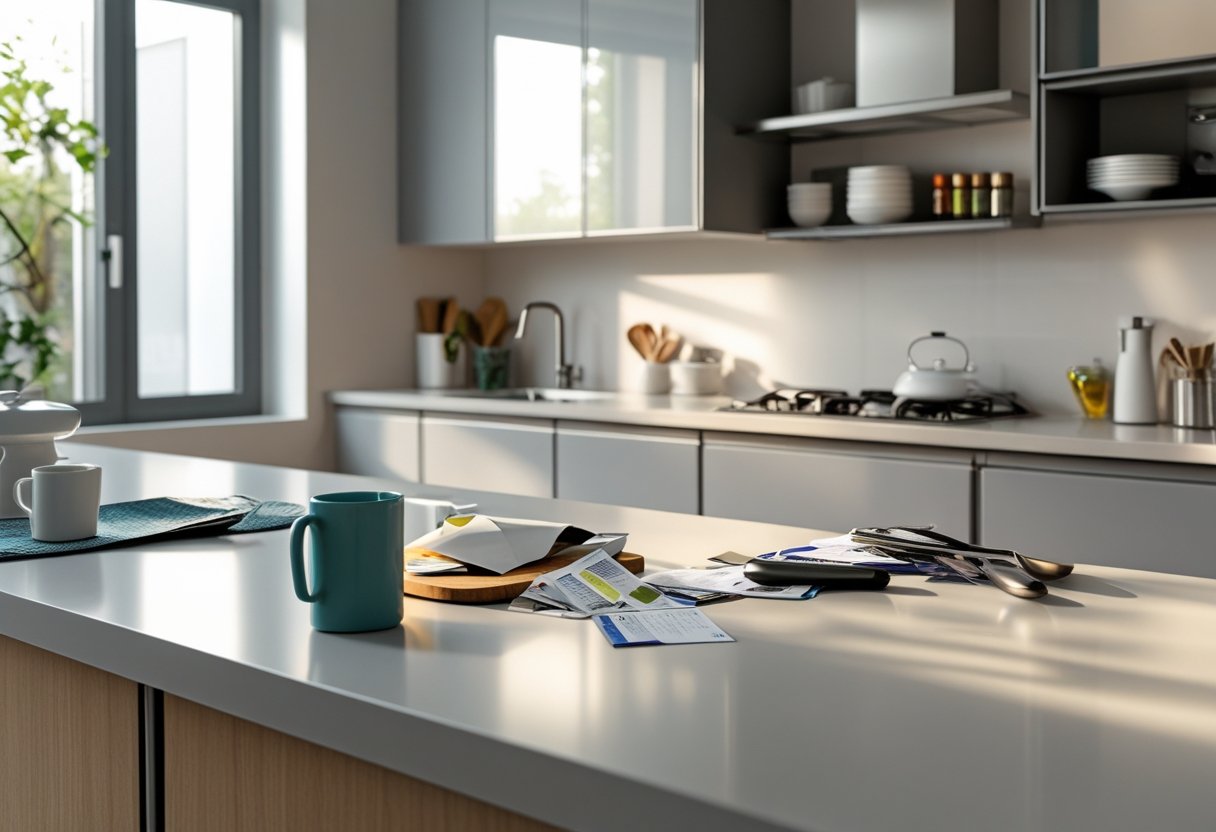
The real issue isn't that you have too much stuff or that you're not trying hard enough—it's that you don't have the right systems in place to keep clutter from returning. Without clear homes for your items and habits that support organization, your kitchen will keep returning to its cluttered state no matter how many times you clean.
Understanding why clutter reappears means looking beyond the surface mess. When you identify the root causes and fix the broken systems in your kitchen, you can finally break the cycle for good.
Root Causes of Persistent Kitchen Clutter
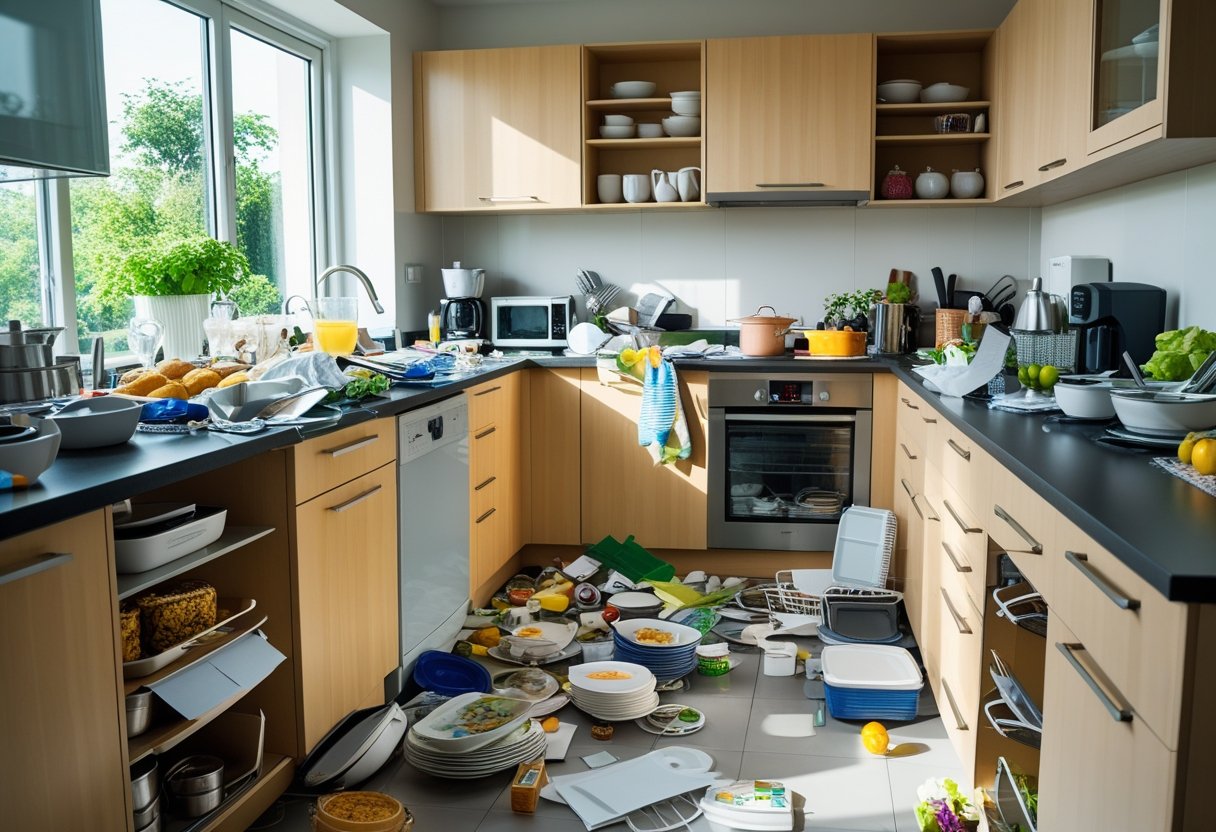
Kitchen clutter returns because the underlying systems fail, not because you lack motivation. The real problems are storage that doesn't match how you use items, unclear organizing methods, daily habits that create mess, and expectations that don't fit real life.
Ineffective Storage Solutions
Your cabinets might be full, but that doesn't mean they're working for you. When storage doesn't match your actual cooking habits, items end up on counters instead of in their designated spots.
Deep cabinets without pull-out shelves hide items in the back. You forget what you own and buy duplicates. Corner cabinets with fixed shelves waste valuable space. Drawers without dividers turn into jumbled messes where nothing has a clear home.
Common storage failures include:
- Keeping everyday dishes in hard-to-reach upper cabinets
- Storing pots and pans in stacks that require removing three items to reach one
- Using cabinets near the stove for items you rarely use
- Placing cutting boards and baking sheets vertically without proper dividers
Your kitchen layout might also work against you. If the coffee maker sits far from the mugs and coffee supplies, you create unnecessary movement and clutter during your morning routine.
Unclear Organizational Systems
You need to know where things go without thinking about it. When your organizational system is unclear or too complicated, items don't get put away properly.
Labels help, but only if the categories make sense. A cabinet labeled "baking supplies" might contain flour, sugar, mixing bowls, measuring cups, cookie cutters, and cake pans. That's too broad. You waste time searching and items get shoved wherever they fit.
Zones work better than random placement. Your cooking zone should contain oils, spices, and utensils you use at the stove. Your prep zone needs knives, cutting boards, and mixing bowls. When these zones don't exist or overlap poorly, you end up with cooking tools scattered across multiple areas.
Other family members also need to understand the system. If only you know where things belong, everyone else will leave items out or put them in wrong spots.
Clutter-Causing Habits
Your daily actions either maintain order or create chaos. Small habits compound over time into major clutter problems.
Leaving dishes in the sink "just for now" turns into a pile by evening. Not wiping counters immediately means crumbs and spills build up. Keeping mail and papers on the kitchen table creates a permanent clutter zone. Buying groceries without checking what you already have leads to duplicate items and overcrowded shelves.
Habits that generate clutter:
- Shopping without a list
- Keeping packaging and bags on counters instead of disposing of them immediately
- Using the kitchen table as a catch-all for non-kitchen items
- Not putting ingredients away while cooking
You might also hold onto kitchen tools you never use. That bread maker from three years ago takes up cabinet space. Multiple versions of the same tool create drawer clutter. One good spatula beats five mediocre ones.
Unrealistic Expectations for Maintenance
You expect your kitchen to stay perfect after one big cleaning session. That's not how kitchens work. They need daily maintenance, not weekly overhauls.
A clean kitchen requires 10-15 minutes of attention each day. You need to wash dishes after meals, wipe counters, and put items back in their spots. Skipping these small tasks means clutter accumulates until you face an overwhelming mess that takes hours to fix.
Social media shows spotless kitchens with empty counters and perfect organization. Those are styled photos, not real working kitchens. Comparing your space to these images sets you up for frustration and failure.
Your system also needs to match your actual lifestyle. If you cook three meals a day at home, you need different storage than someone who eats out frequently. A system designed for a professional chef won't work for a busy parent who relies on quick meals.
Breaking the Cycle: Addressing System Failure
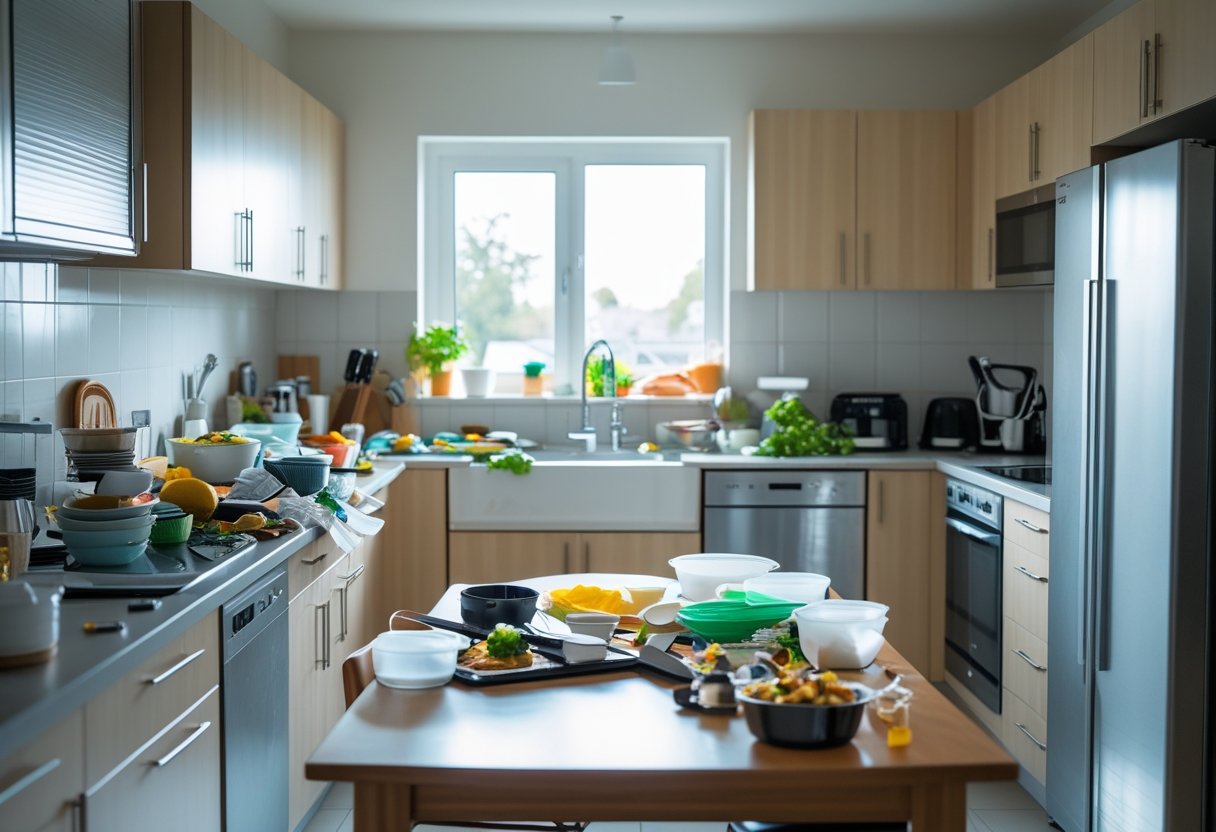
Fixing kitchen clutter requires three core changes: building daily habits that prevent buildup, arranging storage so items are easy to reach and put away, and creating clear rules about what enters your kitchen.
Establishing Sustainable Routines
Daily habits prevent clutter better than periodic deep cleans. Start with a five-minute reset at the end of each day where you return items to their designated spots.
Key daily routines:
- Clear counters after each meal
- Put away groceries immediately after shopping
- Wash dishes or load the dishwasher right after use
- Sort mail and papers as soon as you enter the kitchen
The goal is to make these tasks automatic. Pick one routine to master before adding another. Morning routines work differently than evening ones, so choose times that match your schedule.
Track your progress for two weeks. Most people need 18 to 66 days to form a habit, depending on the complexity. Start simple and build from there.
Optimizing Storage for Accessibility
Your storage setup determines whether items get put away or left on counters. Items you use daily should be within arm's reach of where you use them.
Place coffee mugs near the coffee maker. Store cooking oils next to the stove. Keep cutting boards beside the prep area. This reduces the effort needed to put things away.
Storage accessibility checklist:
- Prime zones: Eye to hip level for daily items
- Deep storage: Upper and lower cabinets for rarely used items
- Counter space: Only appliances used at least three times per week
- Drawer dividers: Separate utensils by type and frequency of use
Remove cabinet doors or use clear containers if you forget what you own. Visible storage works better than hidden storage for many people.
Label shelves in shared kitchens so everyone knows where items belong.
Setting Boundaries for New Items
Every new item needs a designated home before it enters your kitchen. Without this rule, clutter returns quickly.
Apply the one-in-one-out rule: when you buy a new pan, donate or discard an old one. This maintains a stable number of possessions. For consumables like food and cleaning supplies, set maximum quantities based on your storage space.
Create a waiting period for non-essential purchases. Wait 48 hours before buying new kitchen gadgets. Most impulse purchases lose their appeal during this time.
Refuse freebies that don't serve a clear purpose. Extra promotional items and duplicate tools add to clutter without adding value to your kitchen.
Frequently Asked Questions
Kitchen clutter returns because of shopping habits, poor storage systems, and the emotional patterns that drive how you interact with your space. These answers address the main reasons your kitchen stays messy and what you can do to fix it.
What are the common habits that lead to kitchen clutter accumulation?
Buying items without a specific place to store them creates immediate clutter. When you purchase kitchen gadgets, food containers, or pantry items without removing old ones first, you exceed your storage capacity.
Leaving items on counters instead of putting them away creates a cycle where surfaces become dumping grounds. Mail, keys, and school papers end up in the kitchen because it's a high-traffic area.
Shopping without a list leads to duplicate purchases and unnecessary items. You might already own three can openers but buy another because you couldn't find the others in your cluttered drawers.
How does ineffective organization contribute to persistent kitchen clutter?
Storage systems that don't match how you actually use your kitchen fail quickly. If your most-used items sit in hard-to-reach cabinets, you'll leave them on the counter instead of putting them away.
Cabinets without dividers or shelving turn into black holes where items get lost. You can't see what you have, so things pile up in front while the back stays full of forgotten items.
Zones that don't make sense for your cooking style waste space and create confusion. When your cooking utensils sit far from the stove, you won't return them to their proper spot after use.
Can regularly purchasing new kitchen items cause recurring clutter?
Each new item you bring home needs a designated space. When you keep buying without removing old items, your storage fills beyond capacity and overflow lands on your counters.
Sales and bulk buying often lead to more items than you can store or use. The "good deal" mentality results in duplicate tools and expired pantry items taking up space.
Kitchen gadgets marketed as time-savers often become clutter because they serve one narrow purpose. That avocado slicer or banana keeper adds to the mess when a regular knife works fine.
Why does kitchen clutter often return even after implementing a cleaning routine?
Cleaning addresses the symptoms but not the source of clutter. You can wipe counters and organize shelves, but if you keep the same shopping and storage habits, the mess returns.
Your storage system might not support your daily routines. When putting items away takes too much effort, you'll choose the easier option of leaving them out.
Family members need to know where items belong and why the system matters. Without everyone following the same organizational plan, one person's cleanup gets undone by another's habits.
Are there any psychological factors that contribute to the difficulty of maintaining a clutter-free kitchen?
Emotional attachment to kitchen items makes it hard to let go of things you don't use. That pasta maker from your wedding or the dishes from your grandmother stay in your cabinets even though they take up valuable space.
Fear of waste drives people to keep expired food, broken appliances, and duplicate items. You tell yourself you'll use it someday, but that day rarely comes.
Stress and fatigue reduce your ability to maintain organization systems. When you're tired after work, putting away groceries properly feels like too much effort.
The kitchen often represents nurturing and care, so a messy kitchen can trigger shame. This emotional response sometimes leads to avoidance rather than action.
What strategies can prevent kitchen clutter from reappearing after it has been cleared?
Create a one-in-one-out rule where each new item requires removing an old one. This keeps your total number of possessions within your storage capacity.
Design your storage around your actual cooking habits, not how you think a kitchen should look. Put frequently used items in the most accessible spots.
Set up a donation box in your pantry or garage for items you no longer need. When you realize something doesn't serve you, remove it from your kitchen immediately.
Schedule a quick daily reset where you clear counters and return items to their homes. Five minutes each evening prevents small messes from becoming major clutter.
Establish specific homes for non-kitchen items that tend to migrate there. Create a mail station, key hook, and charging station outside the kitchen to keep these items from landing on your counters.
Stop buying organizational products until you've decluttered first. You need to know what you're keeping before you can choose the right storage solutions.