



A Simple Pantry Reset That Makes Cooking Feel Easy Again
February 27, 2026
A messy pantry makes cooking harder than it needs to be. When you can't find what you need or ingredients are hiding behind expired items, even simple meals feel like too much work. Your pantry should help you cook, not slow you down.
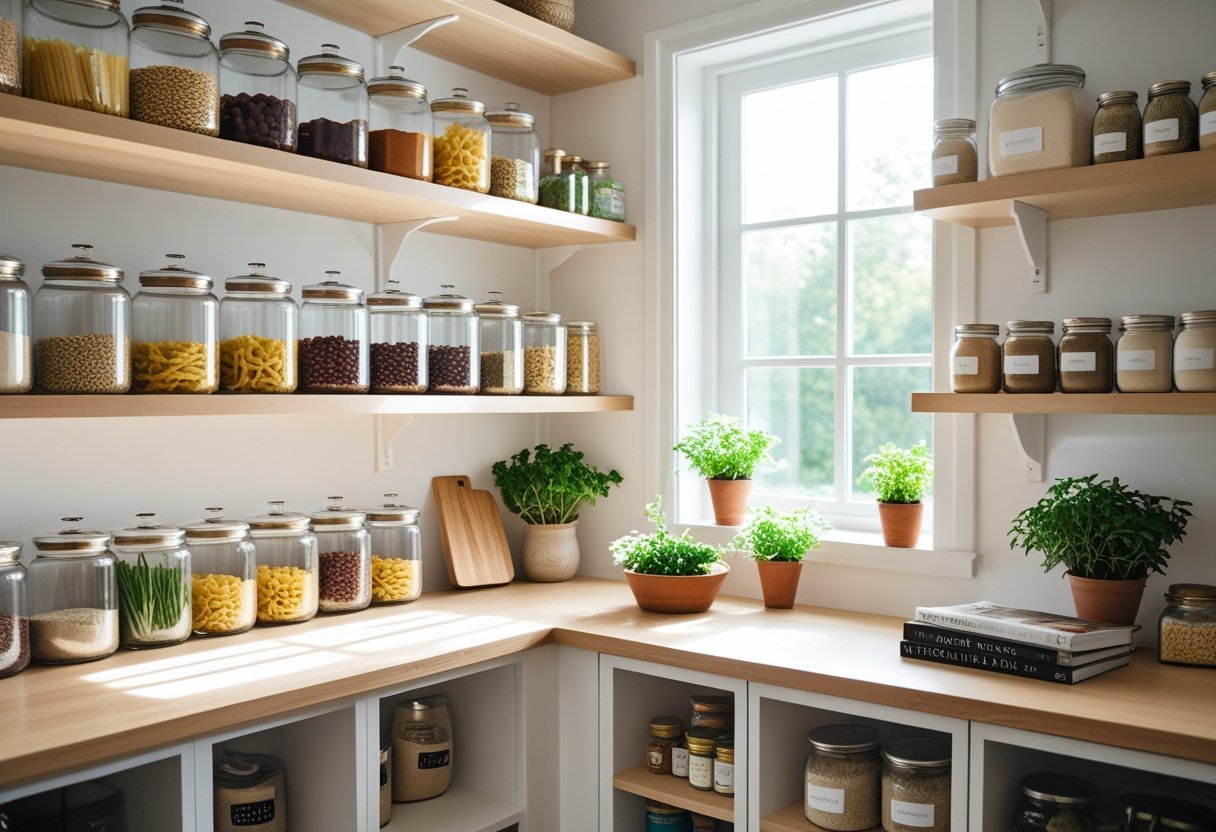
A simple pantry reset clears out what you don't need, organizes what you use most, and sets up your space so healthy cooking feels automatic. This isn't about buying fancy containers or spending all weekend on a project. It's about creating a system that works for your real life and makes meal prep faster.
You'll learn which items to keep and which to toss, how to arrange your shelves so you can see everything, and simple habits that keep your pantry working for you. The goal is a kitchen space that supports your cooking instead of getting in the way.
The Essentials of a Simple Pantry Reset
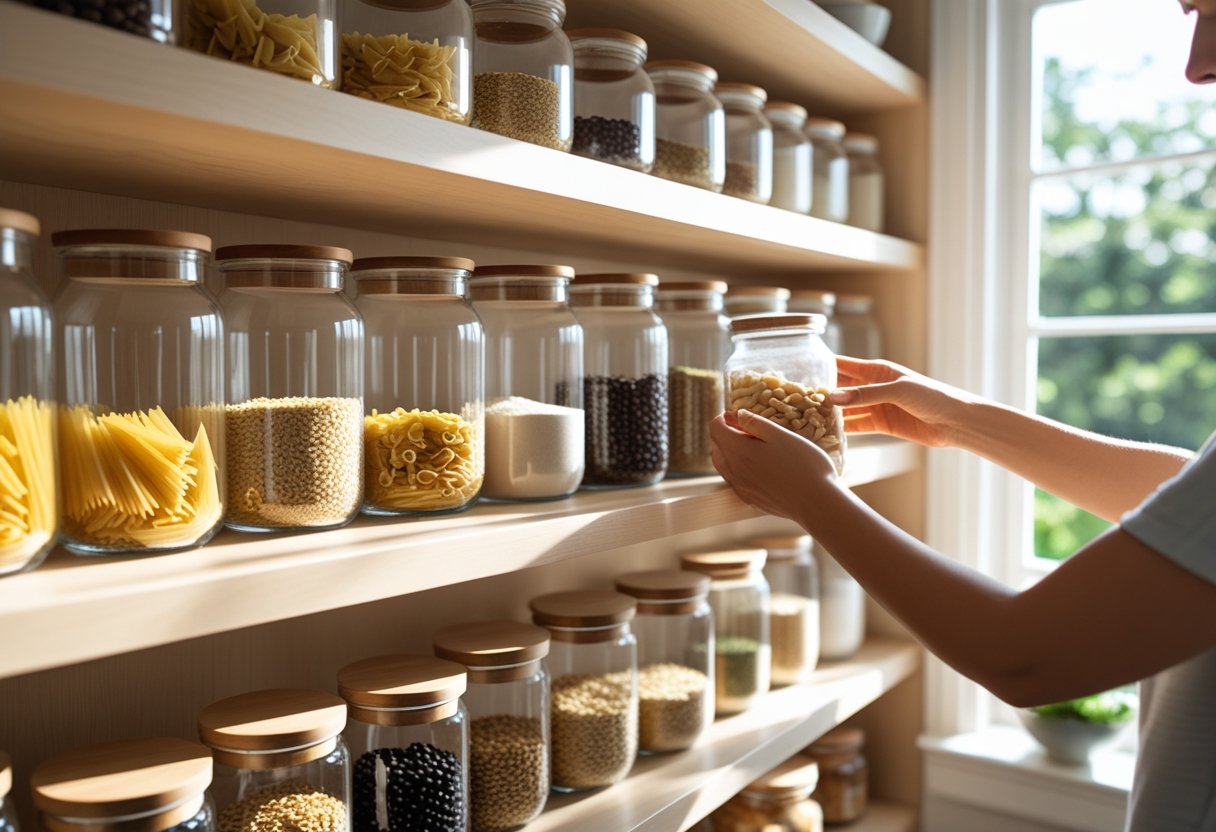
A pantry reset starts with understanding what you have, clearing out what doesn't belong, and keeping ingredients that actually get used. These four steps create a system that saves time and reduces food waste.
Assessing Pantry Inventory
Pull everything out of your pantry and group similar items together on your counter or table. You'll likely find duplicates you forgot about, like three half-empty bags of rice or multiple bottles of vanilla extract.
Make a quick list of what you have as you sort. Write down quantities of staples like flour, pasta, canned goods, and oils. This prevents you from buying items you already own.
Look at what you reach for most often during a typical week. These are your real staples, not the specialty ingredients you bought for one recipe six months ago. Your actual cooking habits should guide what stays and what goes.
Check the condition of dry goods like grains, nuts, and baking supplies. Rice and pasta can last years when stored properly, but nuts and whole grain flours go rancid within months.
Cleaning and Organizing Storage Spaces
Wipe down all shelves, walls, and the pantry floor before putting anything back. Use warm soapy water or a basic all-purpose cleaner to remove crumbs, sticky spots, and dust.
Check for signs of pests like small holes in packages or tiny droppings in corners. If you spot any problems, clean thoroughly and consider using airtight containers for all open packages.
Group items by category when you put them back: baking supplies together, canned goods together, snacks in one area. This system helps you find things quickly and see when you're running low on something.
Place frequently used items at eye level. Put heavy items like large bags of flour or cans on lower shelves. Store rarely used specialty ingredients on higher shelves where they're out of the way but still accessible.
Identifying Versatile Ingredients
Stock ingredients that work in multiple types of meals. Rice, pasta, canned beans, and canned tomatoes form the base of dozens of different dishes.
Focus on these versatile staples:
- Grains: rice, pasta, oats
- Proteins: canned beans, lentils, peanut butter
- Flavor bases: garlic, onions, cooking oil, salt, pepper
- Canned goods: tomatoes, broth, tuna or salmon
- Baking basics: flour, sugar, baking powder
These ingredients don't require special cooking skills or equipment. You can combine them in different ways to make quick weeknight meals without needing a recipe.
Decluttering Expired or Unused Items
Check expiration dates on everything, especially canned goods, baking powder, and spices. Spices don't go bad in a harmful way, but they lose flavor after about a year.
Remove items you haven't used in six months unless they're for seasonal cooking or baking. That specialty sauce or exotic grain you bought with good intentions probably won't get used.
Throw out anything with damaged packaging, even if it's not expired. Dented cans, ripped bags, or containers with broken seals can allow bacteria or pests inside.
Create a "use soon" box for items nearing expiration or things you want to finish before buying more. Keep this box visible so you remember to cook with these ingredients first.
Maintaining an Easy-to-Use Pantry for Effortless Cooking
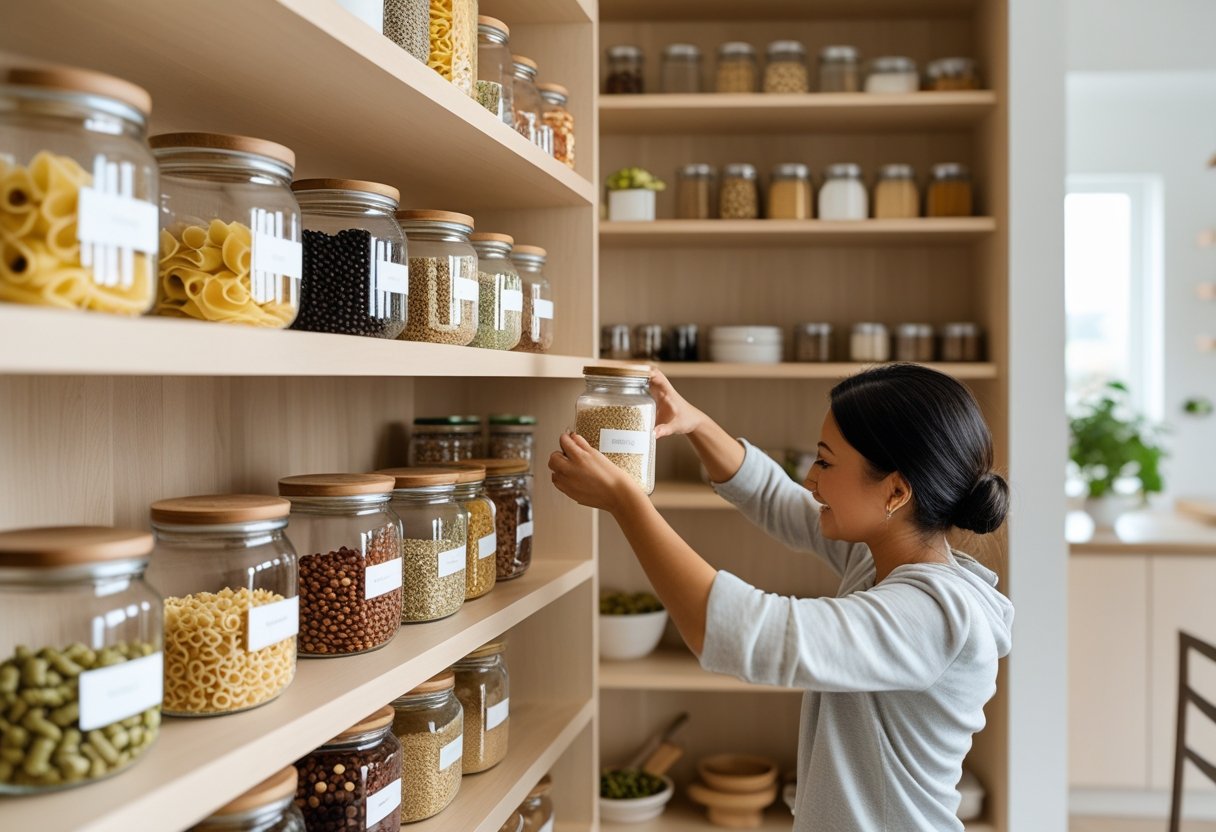
A well-kept pantry needs regular attention to stay functional. Setting up simple systems for restocking, organizing, and meal planning keeps your kitchen running smoothly.
Creating a Restocking Routine
Check your pantry once a week on the same day. Pick a time before you plan your meals or make your shopping list.
Keep a running list on your phone or on paper attached to your pantry door. Write down items when you open the last package or notice you're running low. This prevents last-minute trips to the store.
Stock these items consistently:
- Oils and vinegars
- Rice, pasta, and grains
- Canned tomatoes and beans
- Salt, pepper, and your most-used spices
- Flour and sugar (if you bake)
Rotate older items to the front when you add new purchases. This reduces waste and keeps ingredients fresh.
Labeling and Categorizing Ingredients
Group similar items together so you can find what you need quickly. Put all grains in one area, canned goods in another, and baking supplies in their own space.
Use clear containers for dry goods like flour, rice, and pasta. Label each container with the name and date you filled it. This helps you track freshness and spot when supplies are low.
Basic pantry categories:
| Category | Examples |
|---|---|
| Grains & Pasta | Rice, quinoa, noodles |
| Canned Goods | Beans, tomatoes, broth |
| Baking | Flour, sugar, baking soda |
| Oils & Vinegars | Olive oil, sesame oil, vinegar |
| Spices | Salt, pepper, garlic powder |
Place items you use most often at eye level. Store backup supplies or rarely used ingredients on higher or lower shelves.
Planning Simple Meal Foundations
Build your meals around basic combinations that use pantry staples. This makes dinner planning less stressful and reduces decision fatigue.
Start with a base like rice, pasta, or beans. Add a protein such as canned fish, eggs, or dried lentils. Finish with canned vegetables or tomatoes and seasonings.
Keep three to five go-to meals in mind that use only pantry ingredients. These become your backup plan when fresh food runs out or you don't have time to shop. Write these meals down and keep the list visible in your pantry or on your fridge.
Stock ingredients that work across multiple recipes. Canned tomatoes can become pasta sauce, soup base, or curry. Rice pairs with stir-fries, grain bowls, and side dishes.
Frequently Asked Questions
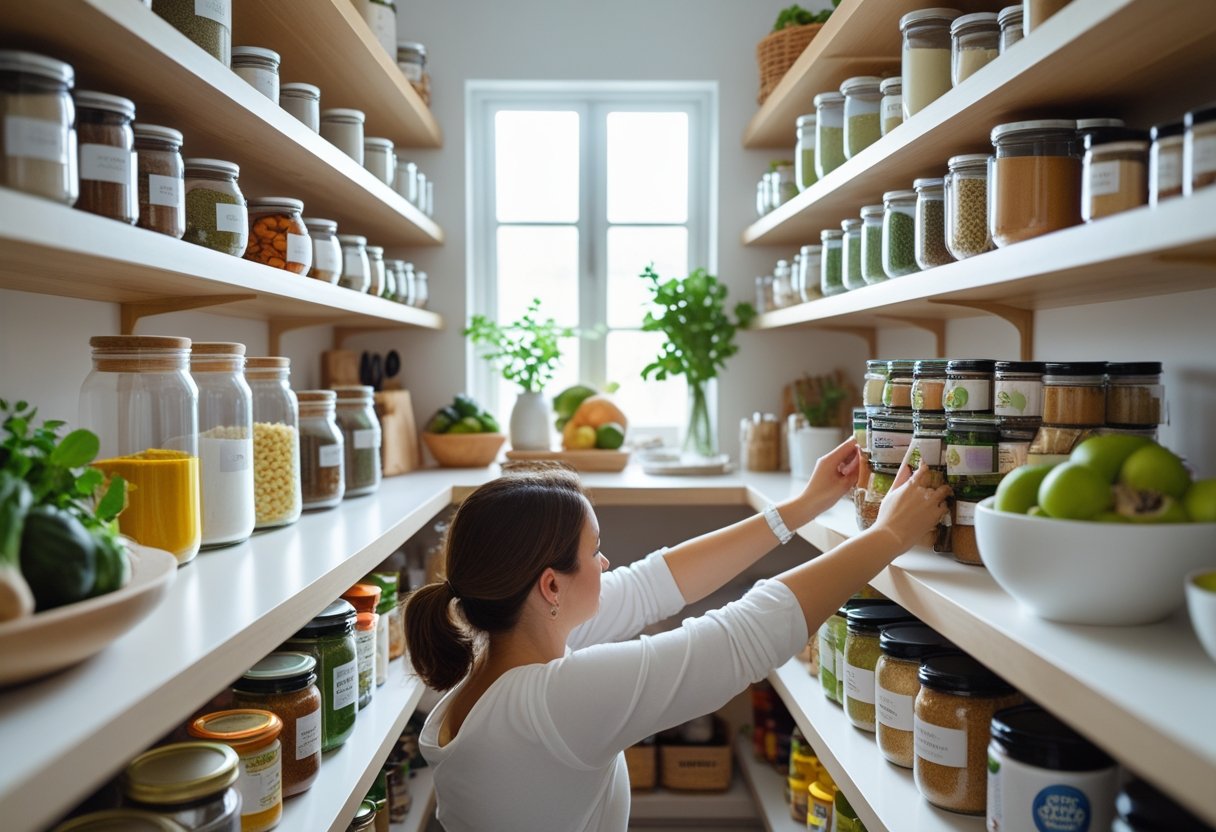
A pantry reset raises practical questions about what to keep, how to organize, and which items make cooking easier. The answers focus on building a functional space with the right staples, smart organization methods, and clear guidelines for what stays and what goes.
What are the essential pantry staples for easy meal preparation?
Your pantry needs a foundation of versatile ingredients that work across multiple recipes. Stock dried pasta, rice, quinoa, and oats for your grain base. Keep canned tomatoes, beans, and broth on hand for quick meals.
Add cooking oils like olive oil and a neutral oil for different cooking methods. Salt, pepper, garlic powder, onion powder, and Italian seasoning cover most flavor needs. Include flour, sugar, and baking powder if you bake occasionally.
Nut butters, canned tuna or chicken, and dried lentils provide protein options. These items form the backbone of hundreds of simple meals without requiring constant shopping trips.
How can I efficiently organize my pantry for quick access while cooking?
Group similar items together in designated zones. Put all baking supplies in one area, grains in another, and canned goods in their own section.
Place frequently used items at eye level where you can grab them quickly. Store heavy items like flour bags on lower shelves. Keep snacks in a separate zone so they don't get mixed with cooking ingredients.
Use clear containers when possible so you can see what you have at a glance. Label shelves or containers if multiple people use the pantry. This system eliminates the need to search through everything when you're trying to cook.
What should I consider when selecting versatile ingredients for my pantry?
Choose ingredients that work in multiple types of dishes. Canned tomatoes can become pasta sauce, soup base, or chili. Olive oil works for cooking, dressings, and roasting.
Think about shelf life when selecting items. Dried beans last longer than canned but require more prep time. Pick what matches your cooking style and schedule.
Buy standard sizes unless you use an ingredient constantly. A large container of specialty spice might expire before you finish it. Focus on items you actually use rather than ingredients for one specific recipe.
Could you suggest a system for maintaining a well-stocked pantry without waste?
Check your pantry before shopping to avoid buying duplicates. Keep a running list on your phone or a notepad of items as they run low.
Practice first-in-first-out rotation by moving older items to the front when you add new ones. This prevents food from getting pushed to the back and forgotten.
Plan your meals loosely around what you already have. If you notice three cans of chickpeas, make a recipe that uses them. Set a reminder every three months to check expiration dates and use items that need to be consumed soon.
What are the key steps to take when doing a pantry reset to streamline cooking?
Remove everything from your pantry shelves and place items on your counter or table. Wipe down all shelves while they're empty.
Sort items into categories as you take them out. This shows you what you have and reveals duplicates. Check expiration dates during this process.
Decide on your organization zones before putting items back. Place the most-used items in the easiest spots to reach. Add containers or organizers if they help, but don't feel pressured to buy special storage systems.
How do I determine which items to dispose of or keep during a pantry clean-out?
Throw away anything past its expiration date, especially baking powder, spices older than two years, and oils that smell off. Expired items lose effectiveness and can affect your recipes.
Discard food in damaged packaging, including dented cans with swelling or rust, torn bags, or containers with broken seals. These pose safety risks.
Get rid of ingredients you haven't used in a year and don't have plans to use soon. If you bought something for one recipe and never touched it again, it's taking up valuable space. Donate unopened, unexpired items to a food bank rather than forcing yourself to keep things you won't use.