


Grunge Apartment Aesthetic: Essential Design Elements and Decor Ideas for Your Space
January 9, 2026
The grunge apartment aesthetic brings the rough, edgy feel of 1990s alternative culture into your home. This style does not aim for perfect or shiny rooms. Instead, it uses worn textures, dark colors, and do-it-yourself touches to make a place feel real and personal. Grunge mixes industrial parts, old furniture, and small flaws to create a cool, urban vibe that shows your personality.
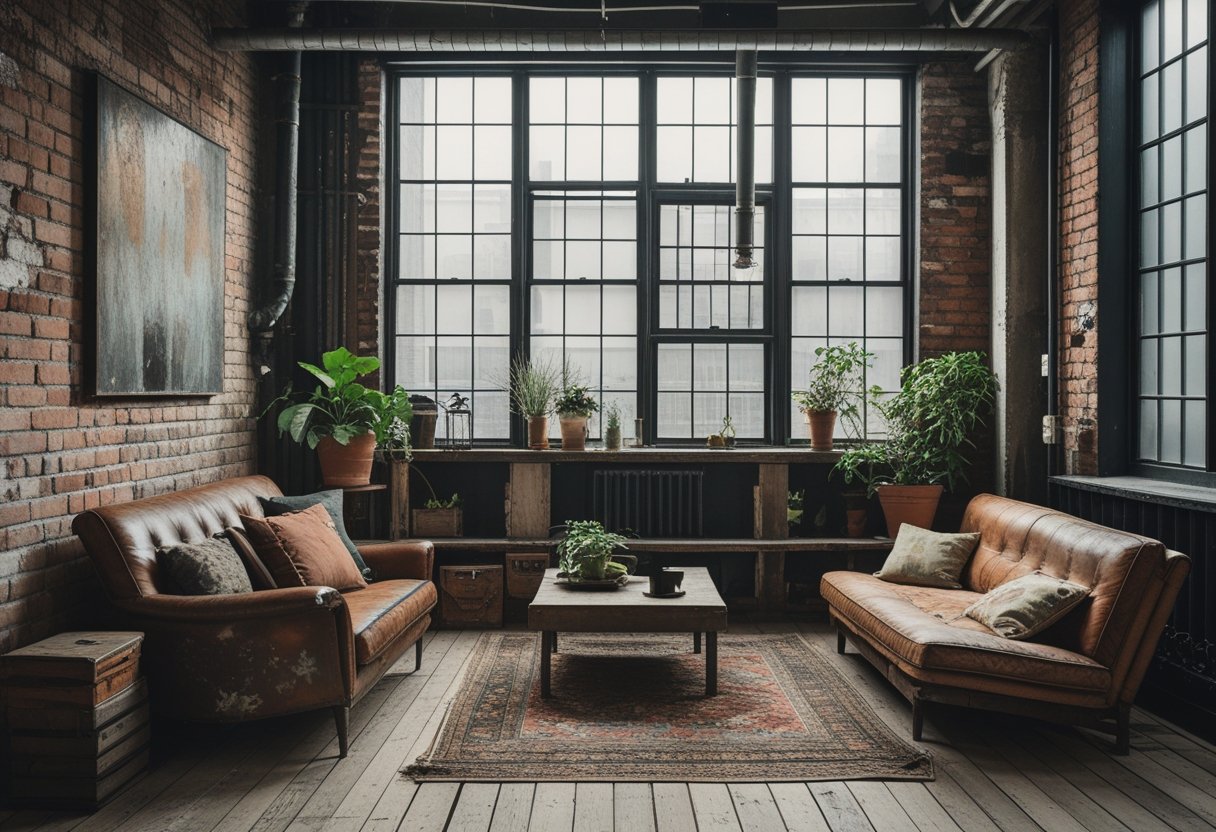
You do not need a lot of money or a designer to get this look. It works well in apartments because it uses exposed brick, concrete, and other worn surfaces that many rentals already have. Instead of covering these parts, you make them look intentional.
This short guide explains what makes the grunge apartment aesthetic and gives easy ideas to use it in your home. You will learn how to pick colors, textures, and furniture to make a space that feels comfortable and boldly different.
What the Grunge Apartment Aesthetic Means
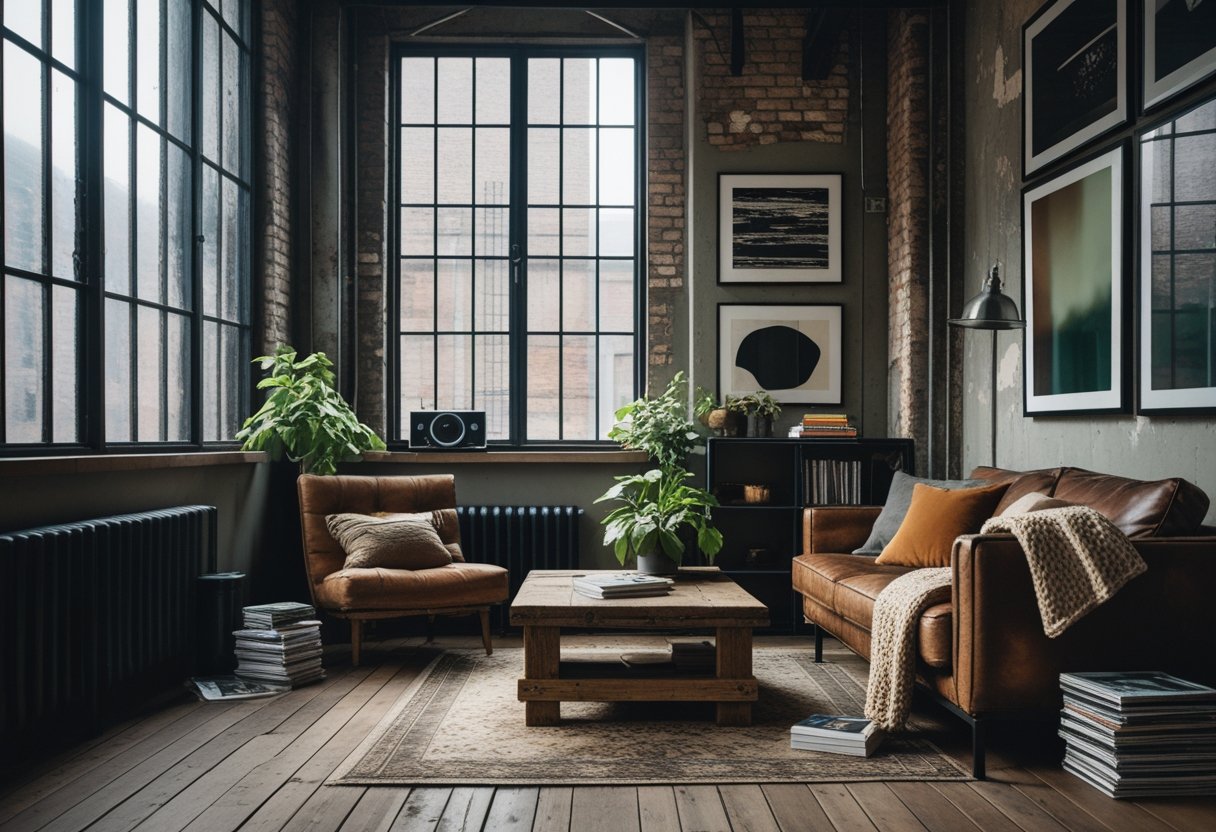
The grunge apartment look comes from 1990s alternative culture and a feeling of urban rebellion. It celebrates things that are imperfect and real. This style uses dark colors, worn materials, and do-it-yourself touches to make spaces feel full of character.
Where Grunge Style Started
Grunge started in the music scene in Seattle in the early 1990s. Bands and fans did not like the clean, polished look of mainstream culture. They liked thrift store clothes and things that looked used. That attitude spread from fashion to how people decorated their homes.
Grunge grew as a reaction to very perfect, minimal designs from the 1980s. People wanted homes that showed life, flaws, and history. Grunge rooms use secondhand furniture, exposed building parts, and items with visible wear.
A grunge apartment connects to this counter-culture idea. The style cares more about being real and showing personal style than following trends or having everything look perfect. It borrows ideas from basements, art studios, and old warehouses where creative groups met.
Key Elements of Grunge Interiors
Worn textures are at the heart of grunge design. Pick furniture with chipped paint, scratched wood, or faded fabric. Exposed brick, bare concrete floors, and unfinished surfaces give the space a raw feel.
Layered decorations make the room look interesting. Hang band posters, old photos, and art prints together. Stack books, records, and found objects on shelves without making everything perfect.
Vintage and secondhand pieces add real character. Look for worn leather chairs, metal light fixtures, and old electronics. These items feel lived-in and unique.
Color Palettes and Materials
The grunge color palette uses dark, muted tones. Use black, charcoal gray, deep burgundy, and forest green for a moody look. Add rust orange or faded denim blue as small accents.
Materials should feel heavy and rough. Choose metal with rust, distressed wood, worn leather, and thick cotton. Stay away from shiny or perfect surfaces.
Mix different textures to keep the space interesting. Pair rough concrete with soft flannel blankets. Use metal shelves with vintage fabric hangings. The mix of hard and soft materials helps define a grunge apartment aesthetic.
Designing a Grunge Apartment
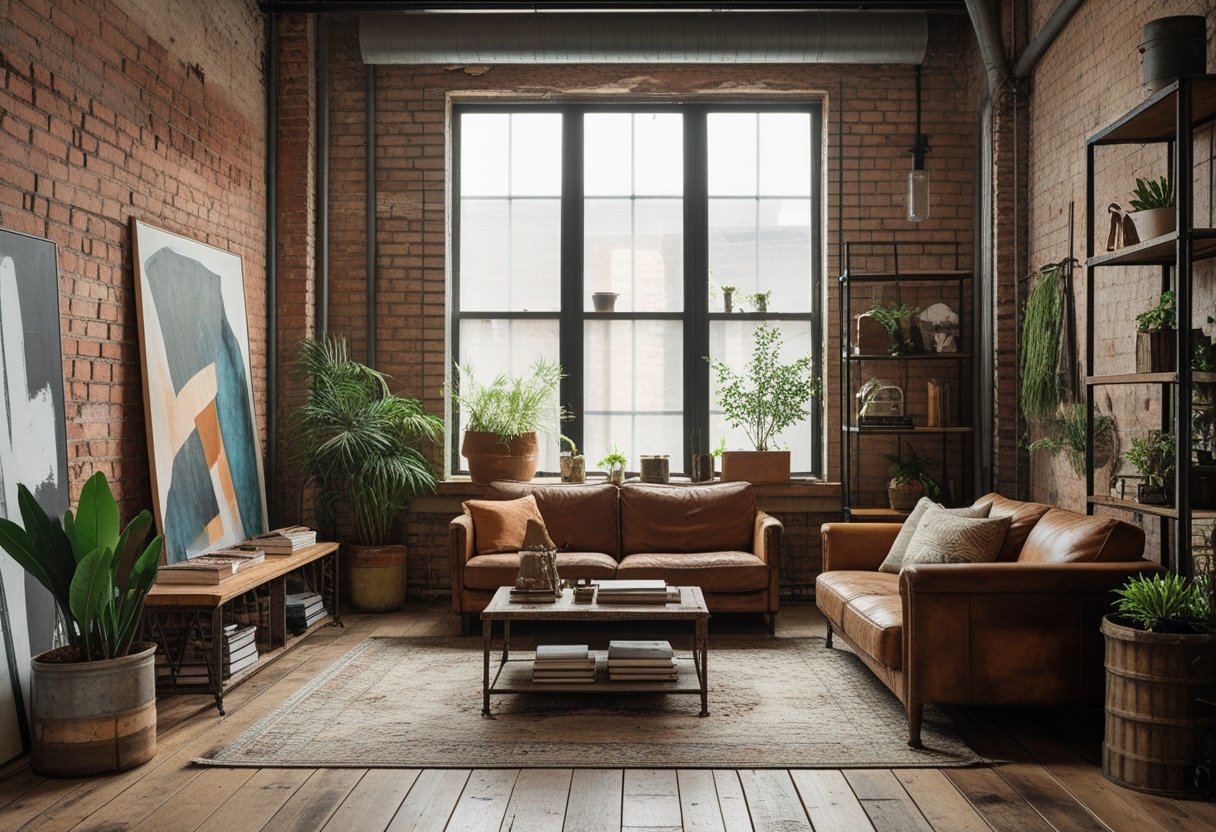
Grunge apartment design centers on raw materials, distressed finishes, and a rebellious urban spirit that celebrates imperfection. You'll need to focus on mixing textures, choosing the right worn-in furniture, and creating moody lighting to achieve this aesthetic.
Furniture and Décor Selection
Choose furniture that looks used and real. Pick pieces with scratched wood, visible metal pieces, or worn leather. Old items from thrift stores are better than new ones because they add real character.
Key furniture pieces include:
- Weathered wooden coffee tables with scratches
- Vintage metal bed frames with chipped paint
- Industrial shelves made from pipes and reclaimed wood
- Worn leather chairs or dark fabric sofas
Add décor that reminds you of 90s alternative culture. Put up band posters, old concert flyers, and album covers. Show these items on open shelves or pin them on the walls.
Don't use matching furniture sets. Mix styles and eras so the room looks collected over time, not bought all at once.
Textures and Layering Techniques
Grunge style uses many different textures. Start with rough materials like exposed brick, concrete, or unfinished wood.
Add fabric layers like mismatched blankets, framed band t-shirts, and worn rugs. Put smooth surfaces next to rough ones to create contrast.
Texture combinations that work:
- Distressed leather with soft flannel
- Cold metal with warm wood
- Smooth concrete with fuzzy textiles
- Shiny vinyl records with matte painted walls
Layer textures in each room. A bedroom could have rumpled bedding, a chunky knit throw, and a distressed wood headboard. It’s okay if things look messy or not perfect.
DIY and Repurposed Designs
Make grunge décor with simple DIY projects that accept flaws. Sand furniture unevenly to make it look worn. Paint old pieces with dark colors and let some old finish show.
Turn crates into shelves. Use milk crates, wooden pallets, or metal bins as storage and décor. These reused items add an industrial feel without needing to be perfect.
Make wall art by framing torn magazine pages, old posters, or book pages. Create gallery walls with thrifted frames in different sizes and finishes.
Hang fairy lights or Edison bulbs with visible cords and clips. The exposed wiring fits the unfinished look and gives useful light.
Lighting for a Grunge Vibe
Your lighting should feel moody and dim, not bright and even. Avoid harsh overhead lights. Use several small lights placed around the room.
Edison bulbs give warm, amber light that fits the grunge look. Put them in metal pendant lights, cage lamps, or simple sockets with visible cords. Add dimmer switches so you can change the mood.
Good grunge lighting choices:
- Floor lamps with metal tripod bases
- Clip-on work lights on shelves
- String lights with warm bulbs
- Old-style table lamps with fabric shades
- Neon signs in deep red or blue
Use lights at different heights. Mix floor lamps, table lamps, and wall lights to make the room feel deeper. Keep some corners darker to add mystery and interest.
Frequently Asked Questions
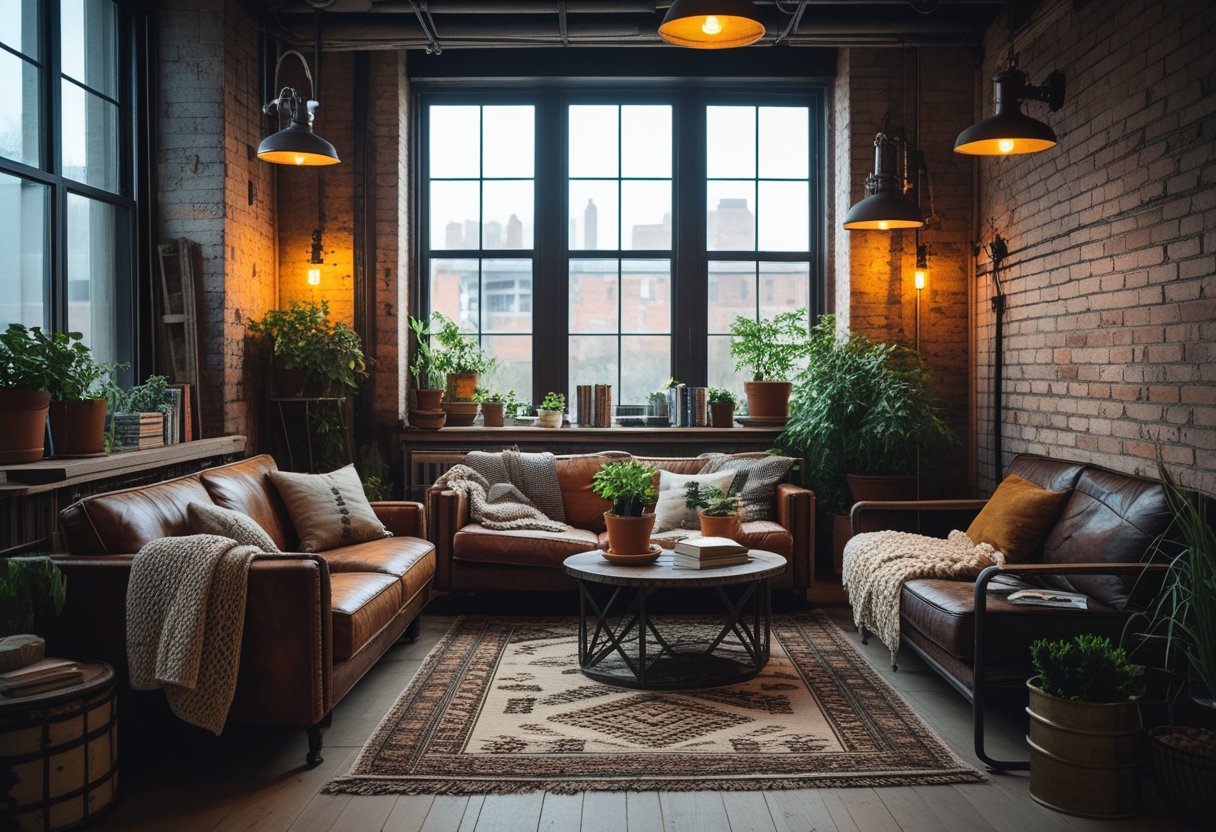
Grunge apartment design comes from 1990s alternative culture. It uses dark colors, rough textures, and a bit of rebellion against normal design rules. To make it work, layer different materials and textures, but keep the space useful and comfortable.
How can I incorporate the grunge aesthetic into my apartment's interior?
Start with exposed or raw materials as your foundation. Brick walls, concrete floors, or distressed wood create an authentic grunge base. If your apartment doesn't have these features, you can add removable brick wallpaper or leave existing imperfections visible instead of covering them.
Layer different textures throughout your space. Combine leather, metal, worn fabrics, and rough surfaces. Mix vintage furniture pieces with industrial elements like metal shelving or pipe fixtures.
Add band posters, vinyl records, or music-related artwork to your walls. These personal touches reflect the music culture that inspired the grunge movement.
What are some essential elements of grunge decor for a living room?
Dark or distressed furniture forms the core of a grunge living room. Look for worn leather sofas, vintage armchairs, or thrifted pieces with character. Metal coffee tables or reclaimed wood furniture work well as accent pieces.
Industrial lighting fixtures add the right mood. Edison bulbs, exposed wire pendants, or metal floor lamps provide functional light while supporting the aesthetic.
Layered textiles create depth and comfort. Throw blankets, textured pillows, and worn rugs soften the space without making it look polished. Stick to muted or dark colors that match your overall palette.
Can you suggest ways to design a grunge-themed bedroom?
Pick bedding in dark or neutral colors. Black, dark gray, or deep red sheets and comforters give the room a grunge base. Add throw blankets and pillows with different textures to make it cozy.
Make a focal wall behind the bed. Hang band posters, vinyl records, or a collage of photos and art. String lights or a small neon sign give soft light that warms the dark colors.
Use simple, useful furniture. A metal bed frame, worn nightstands, or wooden crates can be storage. Don’t match everything—grunge looks good with mixed, worn pieces.
What color palette is most suitable for achieving a grunge look in my home?
Dark and muted colors are key. Black, charcoal, and other grays form the main colors in grunge spaces. These create the moody feel of the style.
Use deep jewel tones for small accents. Burgundy, dark green, or navy add color without making the room bright. Put these in pillows, rugs, or small decor items.
Add some light colors in small amounts so the room does not feel too heavy. Off-white, cream, or light gray can give contrast but keep the dark mood overall.
Which accessories are key to enhancing a grunge apartment aesthetic?
Music-related items are essential accessories. Display vinyl records, cassette tapes, or vintage band posters. Musical instruments like guitars can serve as both functional items and wall decor.
Vintage or worn items add authenticity. Old books, antique mirrors, distressed picture frames, and thrifted finds give your space character. Look for pieces that show age and use rather than pristine condition.
Plants in simple containers bring life to dark spaces. Choose low-maintenance plants like pothos or snake plants in basic pots. Metal containers or ceramic planters in neutral colors work better than colorful or decorative options.
How do I balance a grunge apartment aesthetic with modern living?
Put usefulness first. Grunge looks lived-in, but your home must still work for daily life. Make sure you have enough storage and that furniture is placed so people can move around easily.
Mix grunge pieces with simpler modern furniture. Pair worn or vintage items with clean-lined chairs or tables. This stops the room from feeling messy while keeping the grunge apartment aesthetic.
Adjust dark colors based on how much light you have. If your apartment has few windows, use lighter grays or add different textures. This keeps the grunge mood without making the space feel like a cave.