



80s Luxury Room Decor: How to Recreate Glamorous Retro Interiors Today
December 21, 2025
The 1980s had a bold way of making rooms look fancy. Designers mixed shiny surfaces, rich fabrics, and strong shapes. These rooms used mirrored furniture, soft velvet, glossy finishes, and bright light fixtures to feel glamorous and fun.
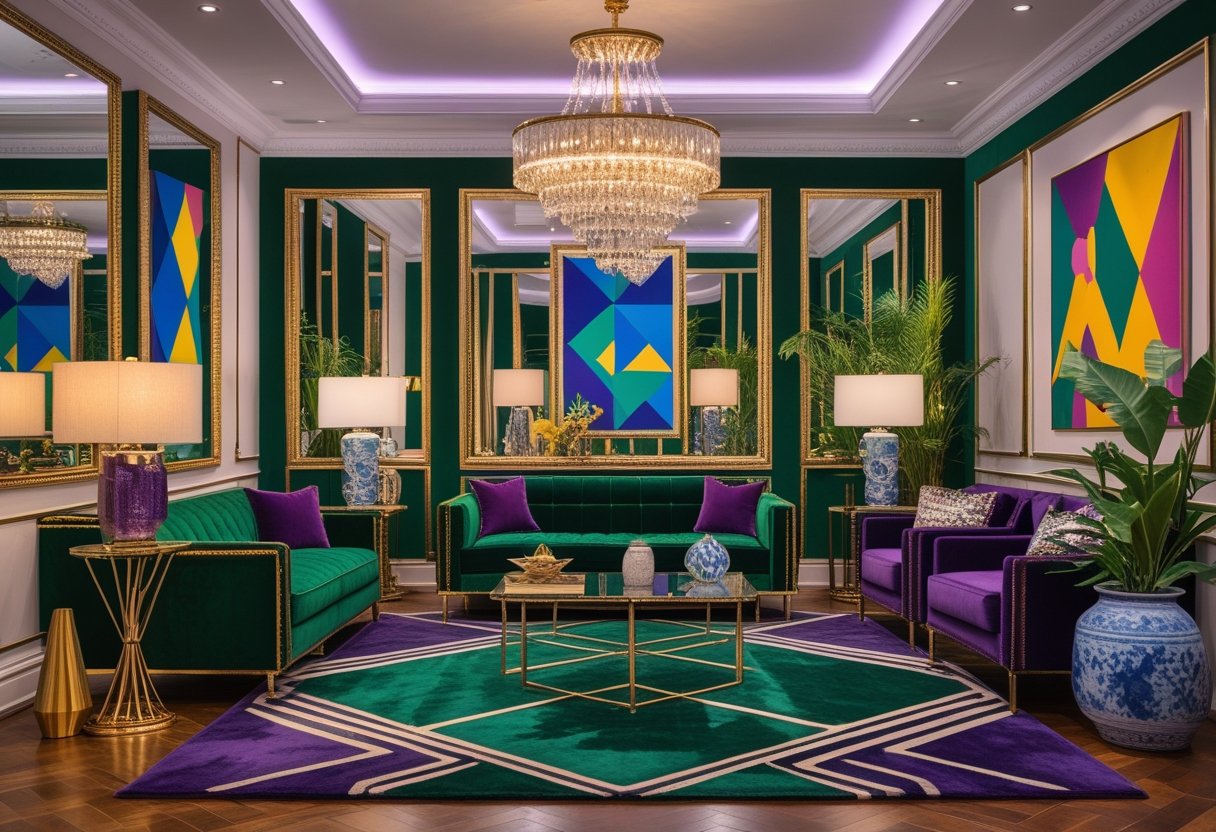
80s design might seem over-the-top, but it followed simple rules. People combined metal accents with soft textures and matched bold colors with clean furniture lines. The goal was to impress while still being comfortable.
Now these looks are coming back in new ways. You can add 80s luxury touches without making your home look old. Knowing the key pieces and colors helps you create a room with retro glam that still feels fresh.
Essential Elements of 80s Luxury Room Decor
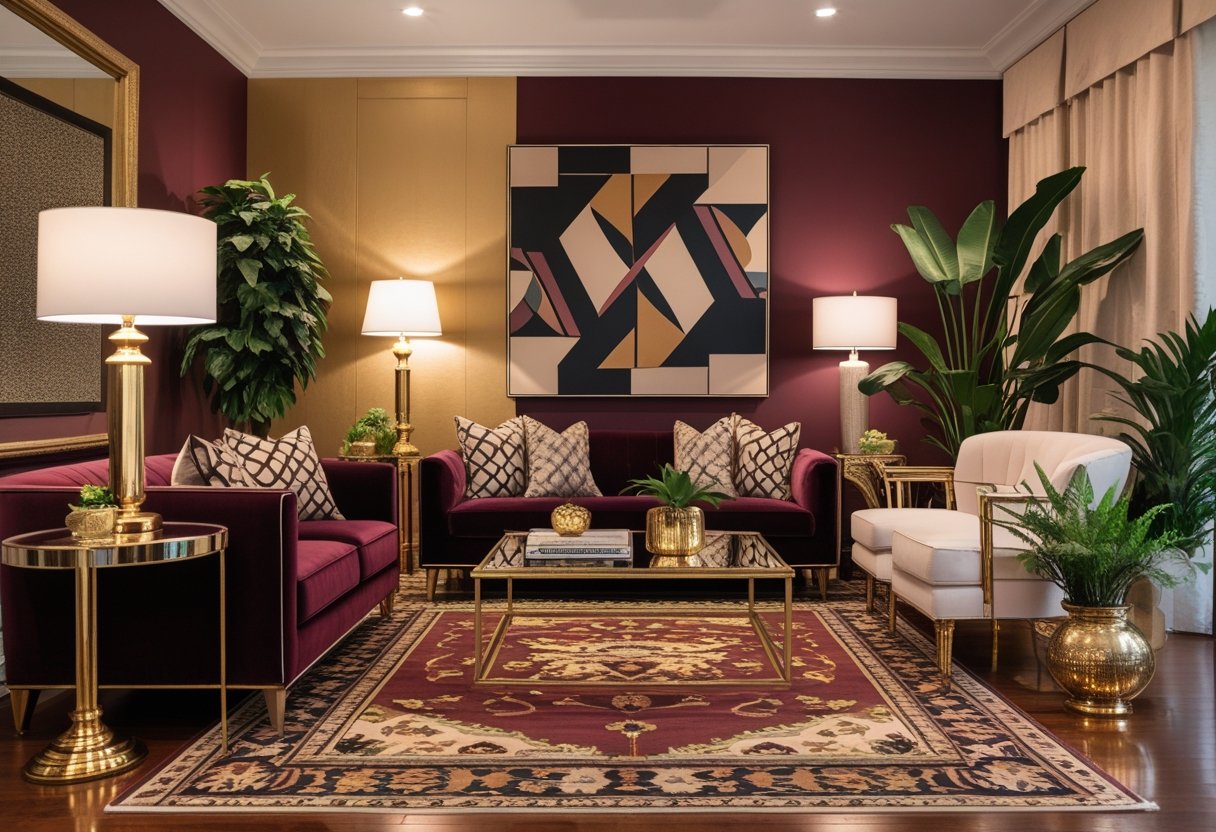
Luxury rooms in the 1980s used strong colors, bold furniture, and rich fabrics. These choices made rooms look glamorous and modern.
Signature Color Schemes
An 80s luxury room often starts with a bold color plan. High-contrast colors were common and made a big visual impact.
Popular luxury color palettes included:
- Mauve and gray
- Black with white or cream
- Deep jewel tones like emerald green and sapphire blue
- Dusty rose with navy or charcoal
Metallic finishes were important. Gold, brass, and chrome showed up on lights, frames, and decorations. These shiny surfaces added sparkle and made rooms feel larger.
Neon was used too, but more quietly in fancy rooms. You might find a small neon sculpture or a lit display case instead of bright neon walls.
Iconic Furniture Styles
Shiny lacquered furniture was common in fancy 80s rooms. These glossy finishes, often black or white, reflected light and looked elegant.
Furniture used curved and geometric shapes. You might see rounded sectional sofas, round glass coffee tables, and entertainment centers with sharp lines. Chrome and glass were popular on coffee tables, side tables, and shelves.
Leather furniture showed luxury. Plush leather sofas and chairs in black, burgundy, or cream were used in upscale living rooms. Mirrored dressers and nightstands added glamour and made rooms look bigger.
High-End Textiles and Materials
Velvet and silk fabrics made 80s rooms feel rich. People used them on furniture, curtains, and decorative pillows. Velvet gave rooms a warm, textured look.
Common materials in 80s luxury decor:
- Velvet upholstery on sofas and chairs
- Silk draperies that reach the floor
- Leather for seating and accents
- Marble for tabletops
Glass block walls were used as room dividers and design features. They let light through while adding interest. Thick, soft carpeting in neutral colors covered floors for comfort and quieter rooms.
Decorative Accents and Styling Tips
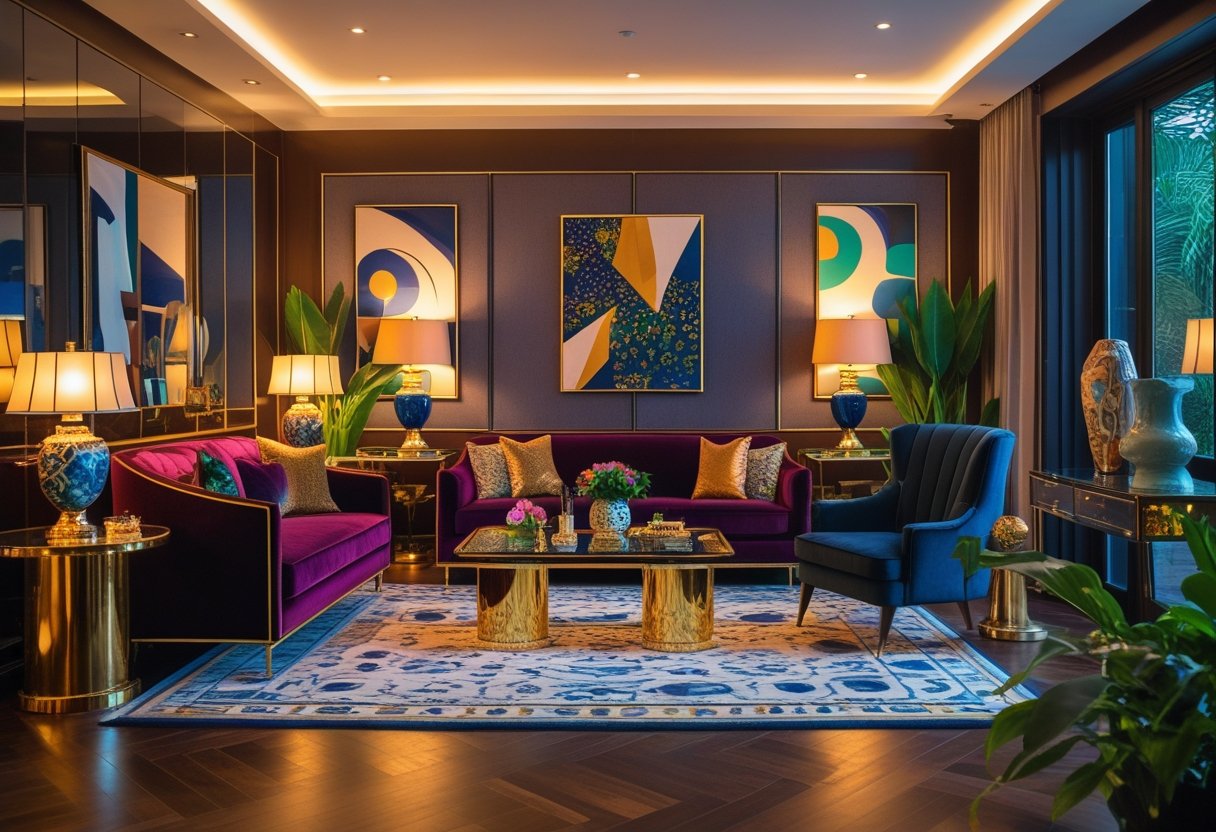
The right decorations can make an 80s luxury room feel rich and stylish. Pick big art pieces, bold lights, and a few strong accessories that show off the look of the decade.
Statement Art and Wall Decor
Big artwork was common in 80s luxury room decor. Choose abstract paintings with bright colors like hot pink, electric blue, or bright yellow. Patterns with geometric shapes and prints inspired by Memphis Design also fit well.
Mirrored wall panels add instant shine. You can cover a whole wall or use mirrors in geometric shapes. Mirrors bounce light and make a room look bigger.
Try wall sculptures made from metal or acrylic. Chrome and brass finishes were popular in the 80s. Wall shelves with glossy finishes can hold small decorations and add shape to the wall.
Art Deco-style pieces also match the 80s luxury vibe. Framed fashion prints or pop art bring character to walls. Use metallic frames or thick black or white lacquered frames for a bold look.
Lighting Choices for a Luxurious 80s Look
Chandeliers with simple geometric shapes are a key feature in 80s luxury rooms. Choose fixtures with chrome, brass, or gold finishes. Crystal parts add extra sparkle.
Track lighting was used a lot in upscale 80s homes. These adjustable lights let you shine on artwork or special features. Black or metallic finishes match the style.
Torchiere floor lamps give soft light and make a statement. Glass or marble bases look good with metal stems. In the 80s, people often used halogen bulbs.
Table lamps with sculpted bases add interest to side tables. Ceramic bases in bright colors or metallic finishes work well. Use drum or rectangular shades with them.
Classic Accessories and Finishing Touches
Glass and clear acrylic (sometimes called lucite) accessories are common in 80s luxury decor. Use bowls, trays, and decorative objects on coffee tables and shelves. They catch the light and look elegant.
Key accessories include:
- Crystal decanters and barware sets
- Brass or gold picture frames
- Ceramic vases with geometric shapes
- Coffee table books with shiny covers
- Decorative boxes in lacquer or marble
Silk or velvet throw pillows in jewel tones add comfort and color. Mix plain pillows with geometric patterns. Aim for three to five pillows in each seating area.
Fresh flowers in tall glass vases finish the look. Orchids and calla lilies were popular. Put them on entry tables, mantels, or dining tables for an elegant touch.
Frequently Asked Questions
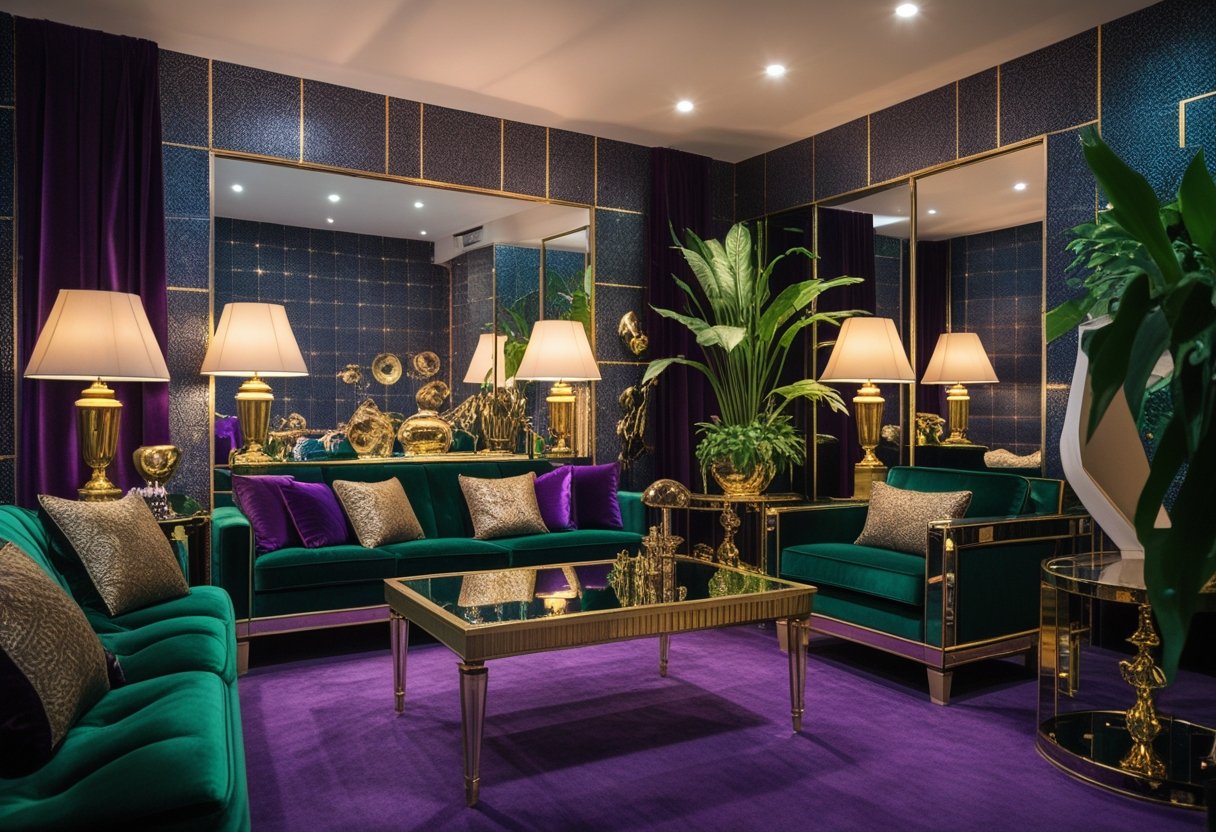
80s luxury room decor used strong design choices and rich materials. People used marble, brass, and shiny painted finishes. Colors were often jewel tones and metallics. The Memphis movement and fancy furniture helped shape the look.
What are the defining characteristics of 80s luxury room decor?
1980s luxury rooms aimed for glamour. You can spot them by bold geometric patterns, very large furniture, and lots of shiny surfaces.
High-end materials gave rooms a rich feel. Marble tables, brass lights, and glass details were common. Lacquered furniture added extra shine.
The style favored drama instead of simple design. Rooms often had layered textures, big light fixtures like chandeliers, and mirrors. Some had sunken living areas or built-in entertainment centers.
How can I incorporate Memphis design into my modern luxury decor?
Memphis design uses bright colors, simple geometric shapes, and playful patterns. Add it with small accent pieces so your room still feels modern.
Start with side tables, lamps, or small decorations in Memphis style. Look for zigzags, squiggly lines, and color blocks in pink, turquoise, or yellow. These items pop against neutral walls or furniture.
Mix Memphis pieces with modern furniture to keep things balanced. Try one Memphis-style chair in a modern living room or a geometric mirror in your entryway. This gives an 80s luxury room decor vibe without making the whole space feel dated.
What color palettes were popular in high-end 80s interior design?
Luxury 80s rooms often used rich jewel tones. Deep emerald green, sapphire blue, and ruby red showed up on walls, sofas, and curtains.
Shiny metals were also common. Gold, brass, and chrome finishes were used on lights, handles, and decorations. These reflective surfaces made rooms feel more glamorous.
Some upscale rooms used softer colors like mauve and dusty rose. These were paired with gray, cream, or black for a calmer look. White and black marble was often added to make strong, elegant contrasts.
Can you identify key furniture designers from the 80s whose pieces symbolize luxury?
Several designers made famous luxury pieces in the 1980s. Ettore Sottsass started the Memphis Group in 1981. Their bold, colorful furniture became a sign of style and wealth.
Philippe Starck made furniture that mixed use and art. His chairs and tables had unusual shapes and high-quality materials. These designs were seen in luxury homes and hotels.
Karl Springer used rare materials to make upscale furniture. He worked with python skin, shagreen, and lacquer for tables and cabinets. His pieces were expensive and showed the owner's wealth.
What materials were predominantly used in luxury decor during the 1980s?
Marble was a top choice for luxury 80s rooms. People used it on floors, countertops, coffee tables, and walls. Black marble with white veins was very popular in high-end homes.
Brass and chrome were used on many surfaces. You could see them on door handles, cabinet pulls, lights, and furniture legs. Lacquered wood in black, white, or bright colors covered furniture and wall panels.
Glass and mirrors made rooms feel bigger and fancier. Smoked glass tables, mirrored walls, and glass shelves were common. Very rich homes sometimes used exotic materials like shagreen, python skin, or ostrich leather on furniture.
How can I meld contemporary technology with an 80s luxury aesthetic in home decor?
Hide modern devices inside cabinets or consoles that look vintage. You can buy entertainment centers with 80s-style geometric shapes that hold your TV and sound system. This keeps tech handy but preserves the retro look.
Use smart lighting to get an 80s feel with modern efficiency. Put dimmable LED bulbs in brass or chrome fixtures like those from the decade. You can control the lights from your phone while keeping the warm look of 80s lamps.
Pick modern electronics with metallic finishes to match 80s materials. Devices in gold, rose gold, or chrome blend with brass fixtures and mirrors. Mount a flat-screen TV on a wall with a geometric brass frame to give it an 80s luxury style.