



Fun Natural Table Settings: Creative Ideas for Every Occasion
December 3, 2025
Setting your table with natural elements creates a warm and inviting space that makes any meal feel special. You can transform your dining area using simple materials like fresh greenery, wooden accents, linen napkins, and seasonal items you already have around your home. These fun natural table settings work for casual weeknight dinners, holiday gatherings, or elegant dinner parties.
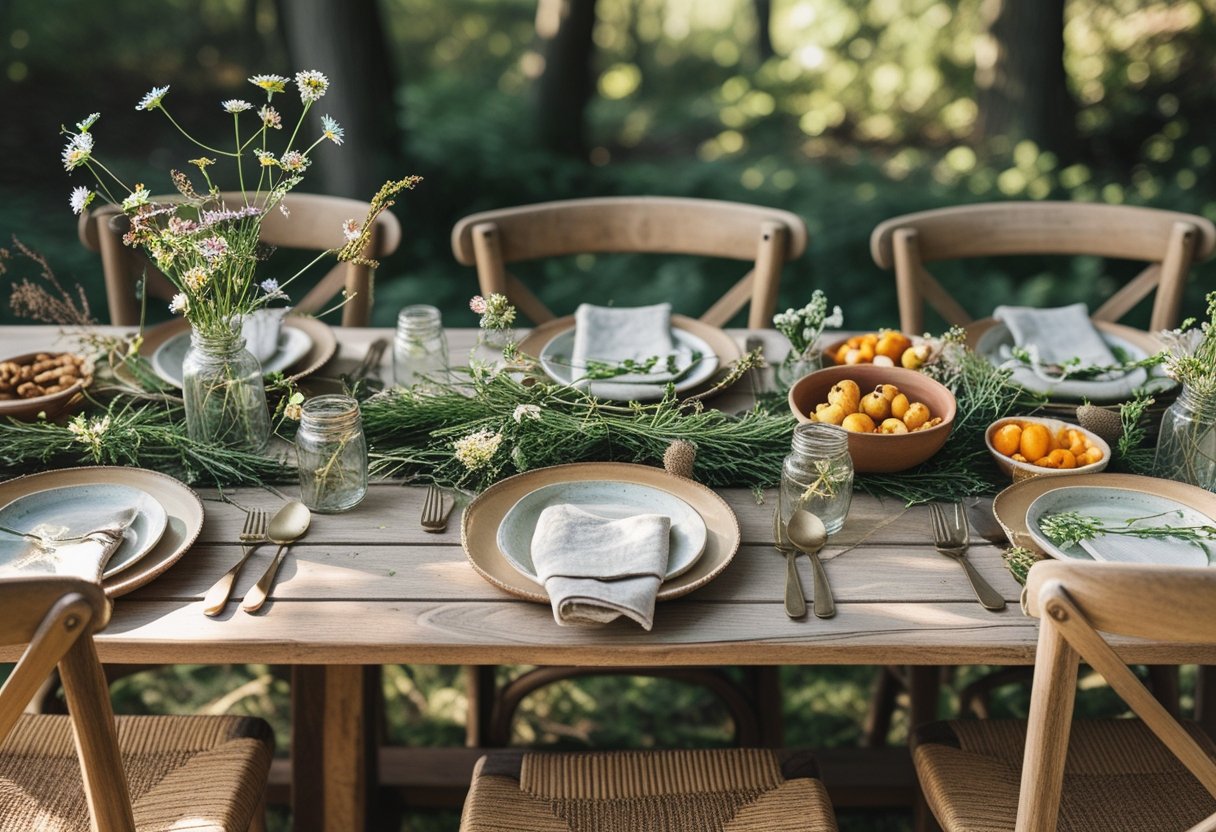
Natural table decor connects your indoor space with the outdoors in an effortless way. You don't need expensive decorations or complicated designs to make your table look beautiful. A few branches, some candles, or a handful of pinecones can completely change how your dining room feels.
This guide walks you through everything you need to know about creating nature-inspired table settings that suit your style and occasion. You'll learn which essential items to keep on hand, how to build eye-catching centerpieces, and ways to adapt your table for different seasons throughout the year.
Essentials of Fun Natural Table Settings
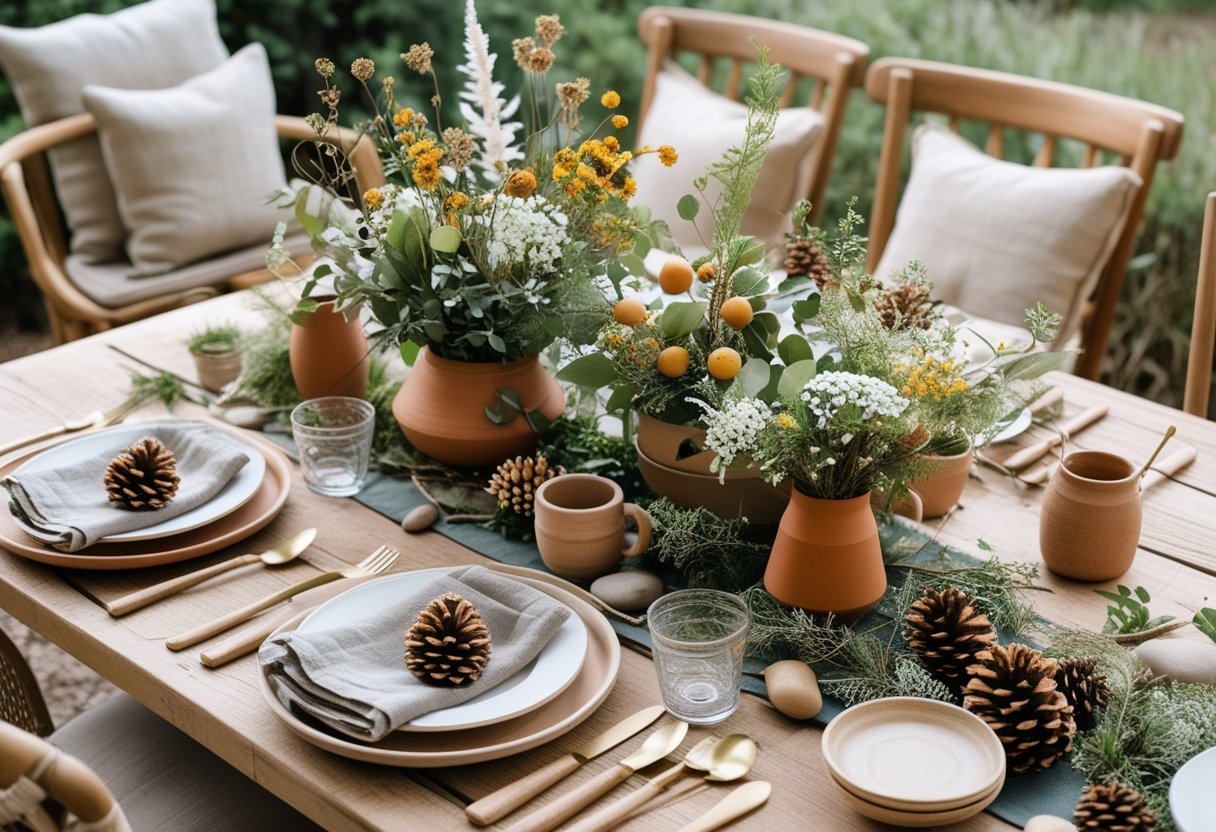
Natural table settings work because they combine simple materials with thoughtful arrangement. The right elements create warmth without fuss, while eco-friendly choices and balanced design make your table both beautiful and sustainable.
Key Elements for a Natural Look
A natural table setting starts with a wooden table as your foundation. The grain and texture provide instant character.
Build your place settings with ceramic plates in neutral tones like cream, terracotta, or soft gray. These colors complement natural materials without competing for attention.
Add linen napkins in white, beige, or earth tones. Linen brings a relaxed texture that feels casual yet refined. Fold them simply or tie them with twine for a rustic touch.
Choose woven placemats to define each seat. Jute, seagrass, or rattan options add depth and protect your table surface. They work particularly well when you want to show off the wood underneath.
Fresh greenery acts as your centerpiece. Eucalyptus branches, ferns, or herbs from your garden cost little and smell wonderful. Keep arrangements low so guests can see each other across the table.

Selecting Eco-Friendly Materials
Eco-friendly table settings reduce waste while looking polished. Start by choosing reusable items over disposable ones.
Pick woven jute placemats instead of paper versions. They last for years and add texture to your setup. Wash them by hand and let them air dry between uses.
Use a linen tablecloth made from organic fibers. Linen comes from flax plants and requires less water than cotton. It softens with each wash and develops a comfortable, lived-in look.
Skip plastic decorations and opt for items you gather outdoors. Pine cones, stones, and branches cost nothing and return to the earth after use. Glass containers and metal candleholders can be washed and reused for every meal.
Choose beeswax candles over paraffin versions. They burn cleaner and produce a subtle honey scent that enhances your dining experience.

Balancing Colors and Textures
Successful natural table settings mix different surfaces without looking messy. Start with a color palette of three to four shades pulled from nature.
Combine smooth ceramic plates with rough woven jute placemats. The contrast makes each element stand out. Add soft linen napkins to bridge the two textures.
Layer your table with a linen tablecloth as the base, then add a burlap or jute runner down the center. This creates visual interest while keeping the look cohesive.
Mix wood tones freely. A darker walnut cutting board pairs well with lighter bamboo serving pieces. Different shades add depth rather than confusion.
Keep metal accents minimal. Brass candlesticks or copper flatware introduce a warm metallic note without overwhelming natural materials. Stick to one metal finish per table for a unified appearance.

Creative Centerpieces and Decoration Ideas
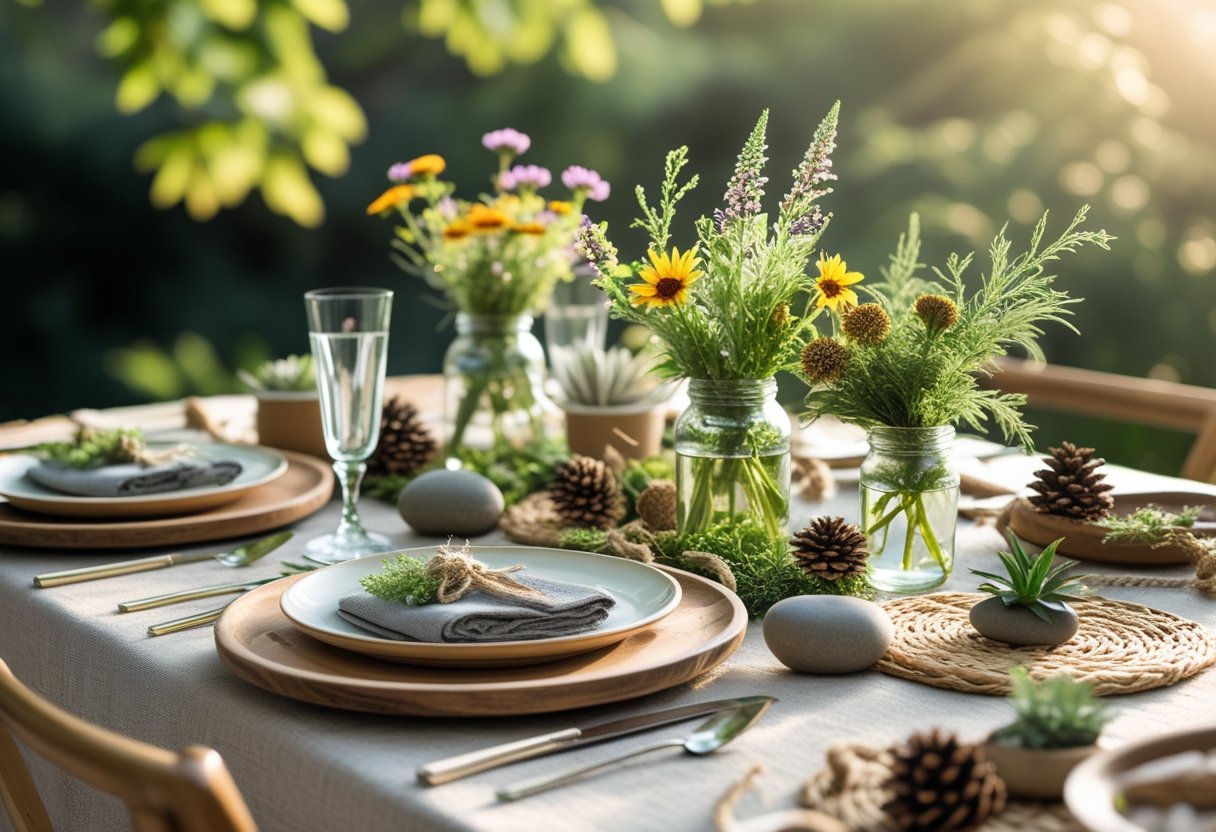
Natural centerpieces bring warmth and personality to your table using simple materials like wildflowers, fresh produce, and candlelight. These decorations work for both casual meals and special occasions while staying budget-friendly and easy to assemble.
Wildflower Arrangements and Herbs
Wildflowers create relaxed, colorful centerpieces that feel fresh and inviting. You can pick them from your garden or local fields, arranging them loosely in glass vases or mason jars for an effortless look.
Mix different heights and colors to add visual interest. Daisies, Queen Anne's lace, and black-eyed Susans work well together. You don't need perfect symmetry—the beauty comes from the natural, unstructured appearance.
Fresh herbs double as both decoration and function. Place small pots of rosemary, basil, or thyme along your table for a fragrant touch. Guests can snip herbs to season their food during the meal.
You can also tie herb sprigs to napkins with twine. Lavender and sage add pleasant scents without overwhelming your food's aroma.

Fruit and Vegetable Displays
Seasonal produce creates stunning natural centerpieces that are simple to arrange. Stack apples in wooden bowls or line oranges and lemons down the center of your table for bright color.
In fall, pumpkins and gourds become perfect table decorations. Mix different sizes and colors for variety. Small pumpkins can serve as individual place settings with names written on them.
Artichokes, carrots with greens still attached, and heirloom tomatoes add unexpected visual appeal. Arrange them on cutting boards or in shallow baskets for a farm-fresh feel.
Edible centerpieces offer these benefits:
- Guests can eat them after the meal
- No waste from disposable decorations
- Easy to find at grocery stores or farmers markets
- Cost less than floral arrangements

Candles, Fairy Lights, and Mason Jars
White candles in various heights create warm, elegant ambiance for evening meals. Place them in wooden holders, glass votives, or directly on the table for soft lighting.
Beeswax and soy candles are natural options that burn cleanly. Avoid scented candles during meals since they can interfere with food flavors.
Mason jars serve multiple decorating purposes. Fill them with wildflowers, wrap them with twine, or place tea lights inside for a rustic glow.
Fairy lights woven through greenery or draped along your table add a magical touch. Battery-operated versions work well since you won't need outlets nearby. They're especially effective for outdoor gatherings or dim lighting situations.

Seasonal Natural Touches
Each season offers unique natural materials for table decoration. Spring calls for cherry blossoms and tulips in soft pastels, while summer brings bright sunflowers and fresh citrus.
Autumn leaves scattered across your table or used as place cards add fall color. Combine them with acorns, pinecones, and dried corn for a harvest theme. Bronze and copper accents enhance the earthy autumn palette.
Winter decorations can include pine branches, holly berries, and cedar sprigs. Add frosted pinecones or a light dusting of artificial snow for a wintry feel.
Seasonal decoration ideas:
- Spring: daffodils, bird nests, pastel eggs
- Summer: seashells, tropical leaves, bright blooms
- Fall: wheat stalks, autumn leaves, mini pumpkins
- Winter: evergreen branches, white berries, pinecones

You can gather most seasonal materials from your yard or local parks. This keeps costs down while making your table feel connected to the current time of year.
Nature-Inspired Place Settings
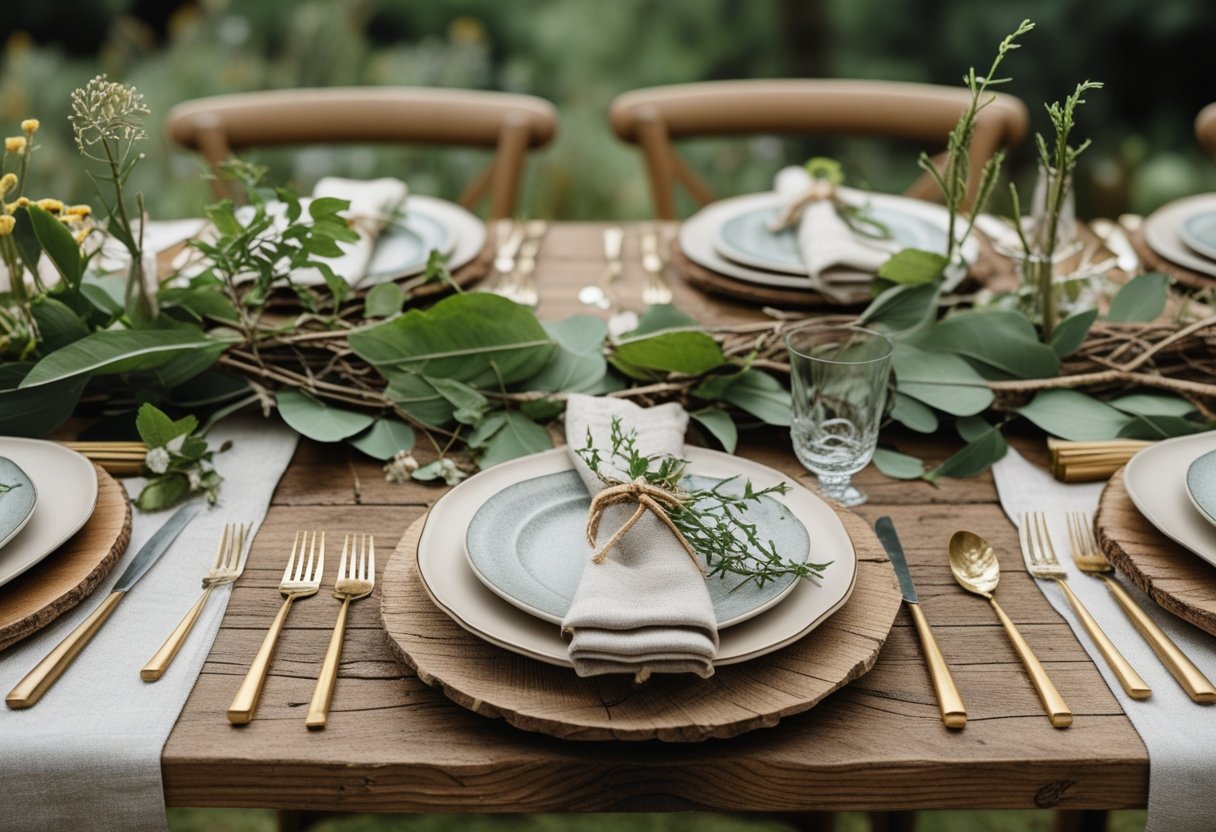
Natural materials transform ordinary place settings into memorable dining experiences. Using items like wood, botanicals, and foraged elements creates warmth while keeping costs low.
Incorporating Rustic Materials
Wooden plates serve as the foundation for rustic farmhouse table settings that feel both casual and elegant. These earthy bases pair well with ceramic dishes stacked on top for visual depth.
Driftwood pieces work as unique napkin holders or place card displays. You can position small pieces horizontally across each setting or stand them upright next to plates. Their weathered texture adds coastal charm without overwhelming the table.
Pinecones and acorns bring woodland character to fall and winter gatherings. Scatter them around plates or tie a single pinecone to folded napkins with twine. These items cost nothing if you collect them yourself from your yard or local park.
Shells create beachy vibes for summer meals. Place one shell at each setting as a name card holder or use larger ones as small dishes for salt and condiments. Mix different shell types and sizes for interesting texture.

Botanical Tableware Accents
Fresh greenery adds life to every place setting. Eucalyptus sprigs tucked into napkin rings release a subtle scent that enhances the dining experience. You can also lay single stems across plates for a minimalist look.
Leafy greens like olive branches or ferns work as natural placemats under dinner plates. Their organic shapes create soft edges that contrast nicely with round dishes.
Small flowers bring color without being fussy. A single daisy or rose laid across each napkin creates simple elegance. You can also gather a few stems and tie them with ribbon for guests to take home.
Terracotta pots filled with potted herbs like rosemary or basil serve double duty as decor and favors. Position one pot between every two place settings so guests can easily reach and pinch fresh herbs for their food.

Personal Touches Using Found Items
Handwritten place cards attached to natural elements make guests feel special. Write names on small paper tags and tie them to pinecones, small branches, or bundles of dried lavender.
Create napkin rings from items you find outdoors. Bend flexible twigs into circles and secure with thin wire, or wrap strips of birch bark around rolled napkins. These cost-free touches show thoughtfulness.
Use seasonal finds to mark individual settings. In autumn, tuck colorful leaves under plates or attach them to napkin folds. During winter, add sprigs of holly or cedar with red berries for festive appeal.

Seasonal Themes for Every Gathering
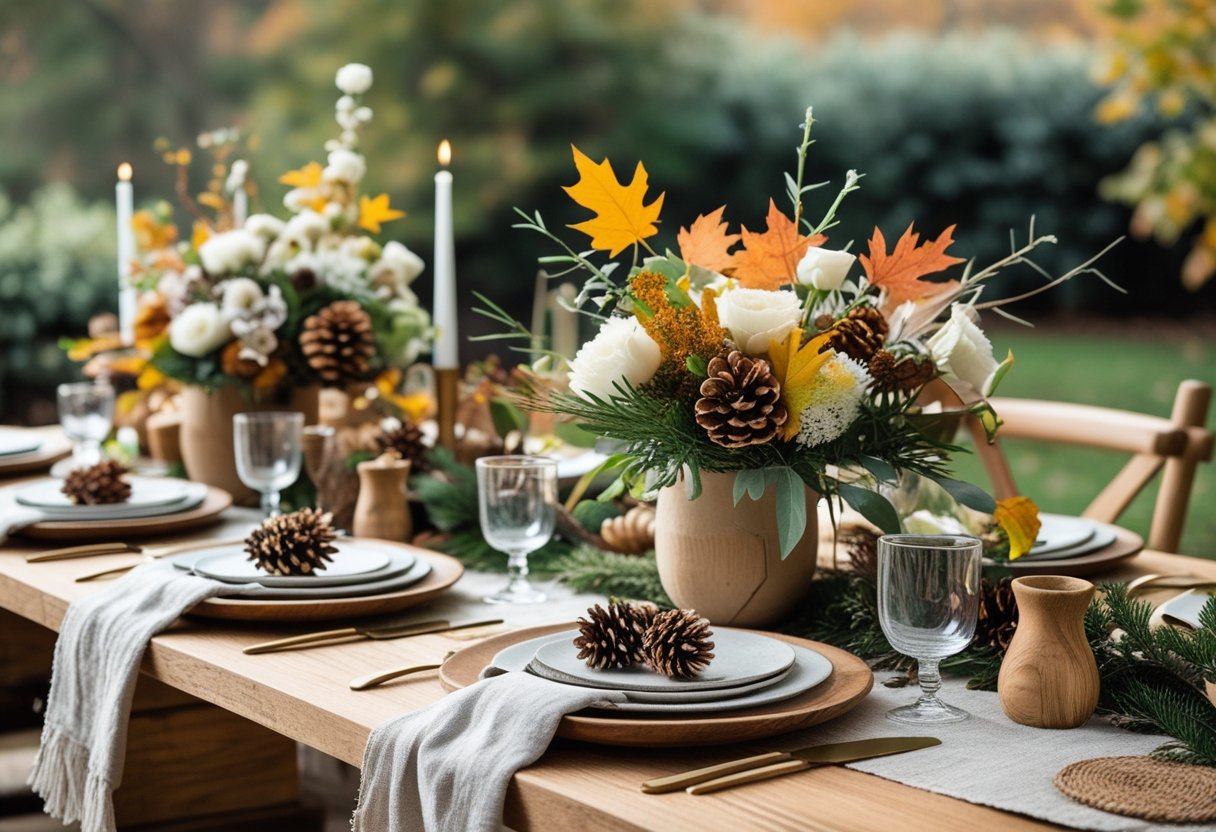
Natural table settings shift with the seasons, bringing fresh colors and textures to your dining space. Bright citrus and wildflowers define warmer months, while pumpkins and autumn leaves create cozy scenes as temperatures drop.
Spring and Summer Inspiration
Light colors and fresh materials work best for spring and summer table settings. Start with a simple white or cream tablecloth as your base. This lets bright accents stand out without competing for attention.
Wildflower arrangements bring instant charm to spring tables. Gather stems from your yard or a local market and place them in mason jars or simple glass vases. Mix in greenery like ferns or herbs to fill out the arrangement.
A moss runner adds texture down the center of your table. You can buy preserved moss from craft stores or gather it yourself. Layer it along the middle and tuck in small flowers or candles for visual interest.
Summer calls for citrus accents. Place whole lemons and oranges in bowls or scatter them along the table. The bright yellow and orange tones catch the light and add a fresh scent. You can also slice citrus and float pieces in water glasses or use them as plate garnishes.
Keep summer settings light and airy. Use linen napkins in soft colors and choose plates that don't feel heavy. The goal is to make your table feel as relaxed as the season itself.

Cozy Autumn and Winter Ideas
Autumn harvest table settings use warm tones and natural finds from the season. Start with a burlap or woven runner to create texture. This gives you a neutral base that makes other elements pop.
Pumpkins and gourds work as instant centerpieces. Mix different sizes and colors along your table. Small white pumpkins pair well with traditional orange ones. Add a few gourds in green or striped patterns for variety.
Autumn leaves scattered between place settings add color without much effort. Press fresh leaves between heavy books for a day before using them so they lay flat. Choose leaves in deep reds, oranges, and browns.
Key autumn elements:
- Pumpkins in mixed sizes
- Dried gourds as accents
- Pressed autumn leaves
- Apples in wooden bowls
Apples bring color and a harvest feel to your table. Stack them in wooden bowls or arrange them along a runner. They work as decor and as an easy dessert option for guests.
Winter settings benefit from evergreen sprigs, pine cones, and candles in neutral holders. The focus shifts from bright colors to warm textures and soft lighting.

Mixing Style with Function for Memorable Tables
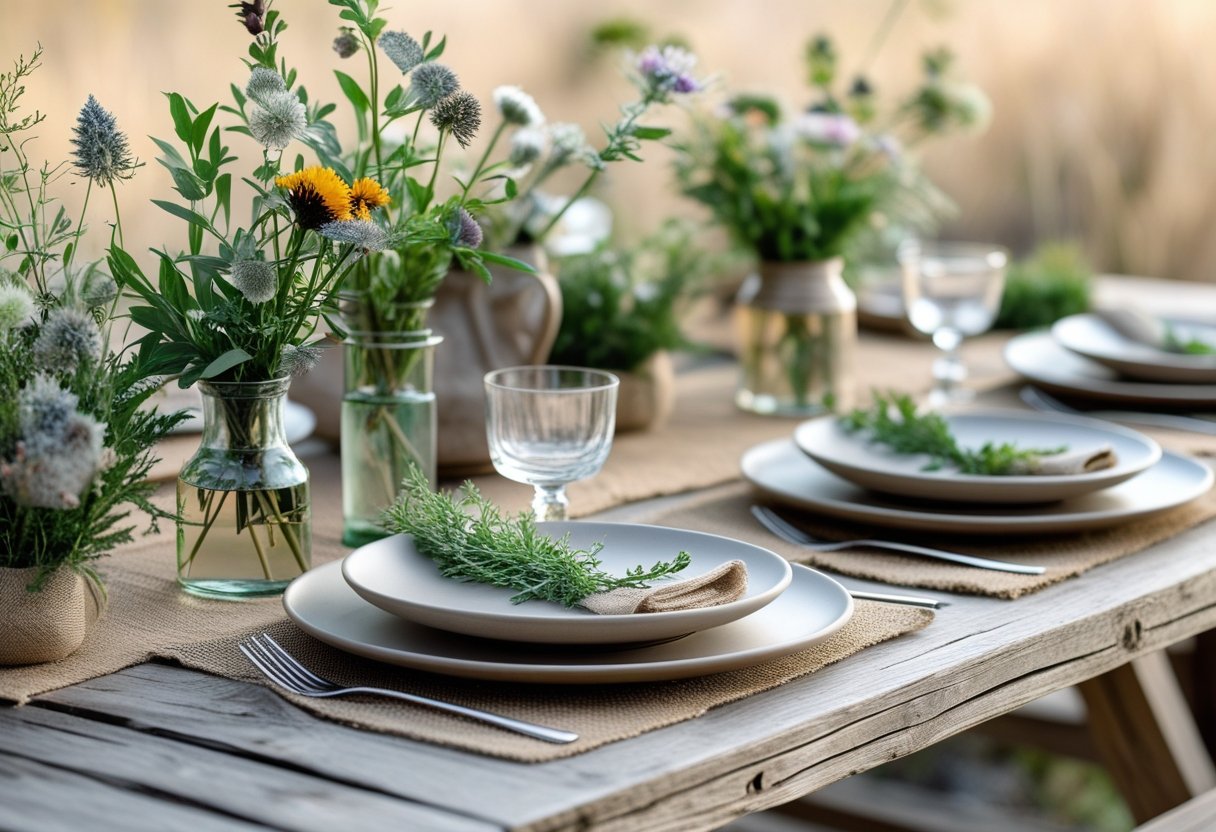
Beautiful tables work best when every element serves a purpose beyond looks. Smart choices in fabrics, decorative pieces, and lighting create spaces that feel both polished and practical for any gathering.
Layering Linens and Textiles
Start with a linen tablecloth as your foundation for texture and durability. Linen naturally resists stains and softens with each wash, making it ideal for repeated use.
Layer linen napkins on top of your place settings or fold them into napkin rings. Their breathable fabric feels premium without being fussy. For a more casual approach, try a gingham tablecloth that adds pattern while hiding minor spills better than solid colors.
Woven placemats protect your table surface while adding visual interest. They work especially well when you want to show off a beautiful wood table underneath. Mix different textile weights to create depth. Pair thick cotton or burlap runners with lighter napkin fabrics.
Choose neutral base colors like cream, beige, or soft gray so you can swap out seasonal accents easily. Keep extra napkins within reach in organizing holders for your table setup so guests can grab them when needed.

Using Functional Decor
Mason jars serve multiple roles on natural tables. Fill them with wildflowers, use them as drinking glasses, or place utensils inside for buffet-style meals. Their clear glass shows off whatever you put inside while maintaining a casual feel.
Choose decor items that guests can interact with. Small potted herbs double as centerpieces and conversation starters. Wooden cutting boards become serving platters that add warmth to your table.
For fun natural table settings that stay organized, add a compact rotating organizer to hold napkins, utensils, condiments, or small serving tools — it keeps frequently used items within reach without cluttering the centerpiece. See the rotating kitchen organizer here: Rotating Kitchen Organizer.
Stack plates at different heights using cake stands or overturned bowls. This creates visual interest and makes food more accessible. Natural elements like pinecones or small branches can hold place cards or mark each guest's spot.
Keep the center of your table clear enough for passing dishes. Push taller decorations toward the ends so people can see each other across the table.

Arranging Lighting for Warmth
White candles in various heights create soft ambient light without overwhelming your table. Place them in glass holders or directly on small wooden discs for stability. Unscented options work best during meals so they don't compete with food aromas.
Fairy lights wrapped around greenery or threaded through centerpieces add a gentle glow for evening gatherings. Battery-operated versions eliminate cord clutter and fire risk. Drape them loosely rather than winding them tight for a more natural look.
Position lighting at different levels across your table. Tall taper candles at the ends, votives scattered throughout, and string lights woven between create depth. Dim overhead lights so your table lighting becomes the focal point.
Consider the color temperature of any electric lights you use. Warm yellow tones feel more inviting than cool white bulbs and complement natural materials better.

Frequently Asked Questions
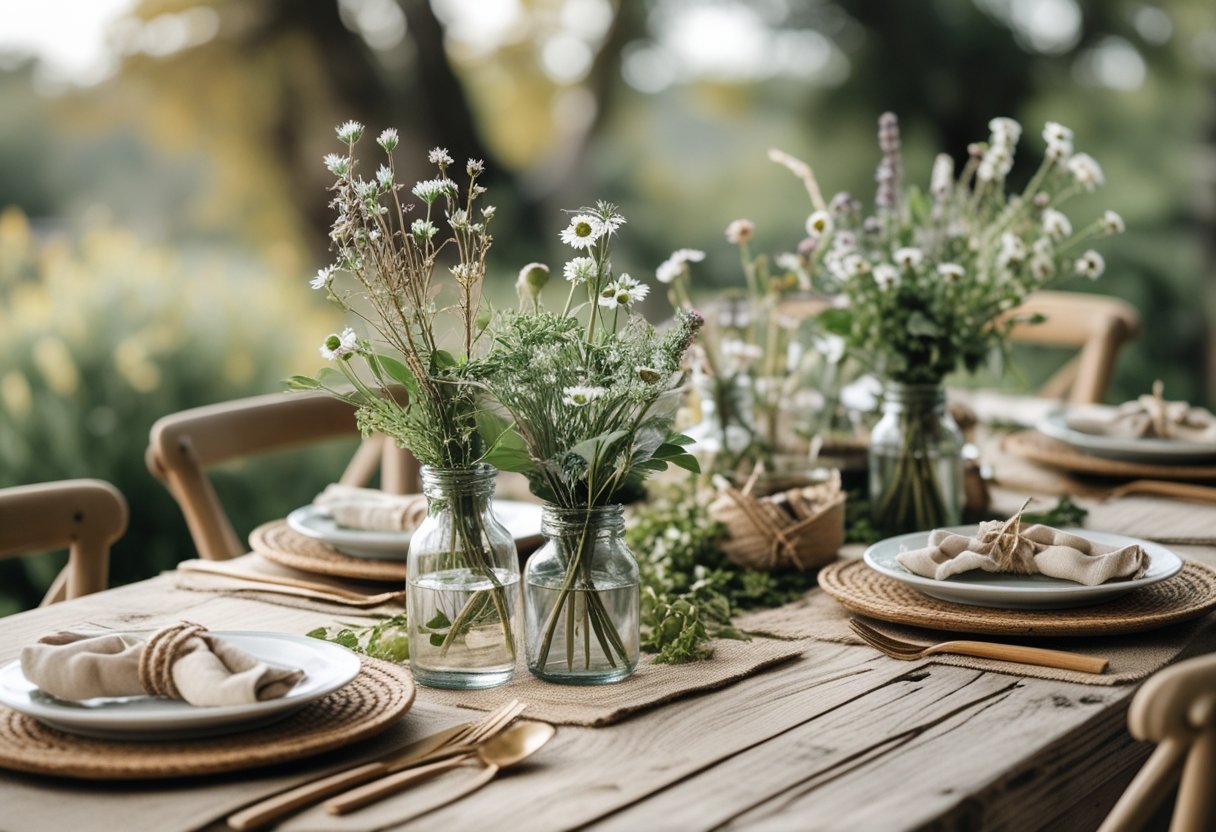
Natural table settings work best when you use materials like linen, wood, and fresh greenery to create spaces that feel both comfortable and stylish. The right combination of textures, colors, and seasonal elements can turn any meal into a memorable gathering.
How can I create an eco-friendly table setting for a dinner party?
Start with cloth napkins instead of paper ones to reduce waste at your table. Linen and cotton napkins can be washed and reused for years.
Choose dishes and glassware you already own rather than buying disposable items. Thrifted or vintage pieces add character while keeping materials out of landfills.
Use beeswax or soy candles in reusable holders for lighting. These burn cleaner than regular candles and create a warm atmosphere.
Fill glass jars or bottles you have at home with fresh flowers or greenery from your yard. This approach to natural table settings with everyday materials keeps costs down and reduces packaging waste.
Skip plastic decorations and focus on items that can return to nature or be reused. Leaves, branches, pinecones, and stones all work well.
What are some creative ideas for centerpiece arrangements using natural materials?
Layer different heights by placing tall branches or dried grasses in vases alongside lower arrangements of flowers or herbs. This creates visual interest without cluttering your table.
Arrange fresh herbs like rosemary, thyme, or basil in small terracotta pots down the center of your table. Guests can pinch a sprig if they want to smell the fragrance.
Create a runner using eucalyptus branches, olive leaves, or ivy that stretches along the middle of your table. Tuck in votives or small candles between the greenery.
Fill a wooden tray or cutting board with seasonal items like citrus fruits, small pumpkins, or pinecones mixed with candles. The tray keeps everything contained and easy to move.
Use a single large branch in a heavy vase as a statement piece. Hang small ornaments, dried flowers, or paper tags from the branches for special occasions.
Place moss in shallow bowls or on wood slices as a base for candles or small plants. The texture adds an earthy feel to your centerpiece.
What are the best sustainable materials to use for tablecloths and napkins?
Linen stands out as one of the most durable and eco-friendly fabric choices. It gets softer with each wash and can last for decades with proper care.
Organic cotton works well if you want something slightly more affordable than linen. Look for fabrics certified by organizations that verify sustainable growing practices.
Hemp fabric offers strength and longevity similar to linen. It requires less water to grow than cotton and resists mold naturally.
Avoid synthetic fabrics like polyester, which shed microplastics when washed. These materials also don't absorb spills as well as natural fibers.
Choose neutral colors like beige, cream, or soft gray that won't show stains as easily. Natural dyes add color without harsh chemicals if you prefer something brighter.
Buy secondhand tablecloths and napkins from thrift stores or estate sales when possible. Vintage linens often feature better quality than many new options.
Can you suggest ways to incorporate seasonal flora into my table decor?
Spring calls for tulips, daffodils, and cherry blossoms in soft pastel arrangements. Add flowering branches from fruit trees if you have access to them.
Summer brings sunflowers, zinnias, and wildflowers that create vibrant natural table settings with bold colors. Herbs like lavender and mint add fragrance and texture.
Fall means using dried grasses, wheat stalks, and branches with changing leaves. Mix in mums, dahlias, or marigolds for pops of orange and burgundy.
Winter works well with evergreen branches, holly berries, and bare branches. Pine and cedar add a fresh scent that fills your dining space.
Visit your local farmers market to find seasonal flowers grown nearby. These typically last longer than shipped flowers and support local growers.
Forage responsibly from your own yard or with permission from property owners. Never take endangered plants or strip areas of their natural beauty.
What types of reusable dinnerware options are both stylish and environmentally conscious?
Ceramic and stoneware plates hold up well to daily use and come in countless styles. They can go in the dishwasher and won't absorb food odors.
Glass dishes let the food's colors shine through and work for both serving and storing leftovers. Tempered glass resists breaking better than regular glass.
Bamboo plates and bowls offer a lightweight alternative for outdoor dining. Make sure to buy versions sealed with food-safe finishes that won't crack quickly.
Stainless steel works perfectly for both flatware and serving pieces. It lasts practically forever and doesn't rust or stain.
Wood chargers or serving boards add warmth as bases for your regular dishes. Choose pieces made from sustainably harvested or reclaimed wood.
Avoid melamine and other plastic-based dishes that can leach chemicals and eventually crack. They also contribute to microplastic pollution when they break down.
How can I effectively combine textures and colors for a natural table setting?
Start with a neutral base color like cream, beige, or soft gray for your tablecloth or placemats. This lets you layer other elements without things looking too busy.
Mix smooth surfaces with rough ones by pairing polished ceramic plates with woven placemats or linen napkins. The contrast makes each texture stand out more.
Stick to two or three main colors from nature to keep your table looking cohesive. Earth tones like brown, green, and terracotta work together naturally.
Layer different materials like wood chargers under ceramic plates, then add a cloth napkin tied with twine. Each layer adds depth without overwhelming the eye.
Add one metallic accent in copper, brass, or bronze to catch light and add warmth. Keep it subtle with just the flatware or a few small candleholders.
Balance matte and glossy finishes throughout your setting. Pair matte stoneware with shiny glassware or smooth wooden elements with textured fabric.