


Why Disorganized Pantries Kill the Desire to Cook
March 4, 2026
You open your pantry and feel your motivation to cook drain away. The jumbled shelves, expired ingredients you can't remember buying, and mystery containers all send the same message: cooking here will be a struggle. A disorganized pantry creates mental barriers that make your brain link cooking with stress instead of something enjoyable, leading to decision fatigue before you even start preparing a meal.

When you can't find what you need, you waste time searching through shelves and second-guessing what ingredients you actually have. This frustration adds up over days and weeks, making takeout seem like the only reasonable option. The chaos also costs you money when you buy duplicates of items buried in the back or throw away expired food you forgot about.
The good news is that fixing your pantry doesn't require a complete overhaul or expensive organizing systems. Small changes to how you arrange and maintain your pantry can bring back the pleasure of cooking and help you feel in control of your kitchen again.
How Disorganized Pantries Affect Cooking Motivation

A messy pantry drains your mental energy before you even start cooking, creates frustration when you can't locate what you need, and costs you money through forgotten and spoiled food.
Decision Fatigue and Overwhelm
When you open a disorganized pantry, your brain has to process too much visual information at once. You scan multiple shelves looking for ingredients while trying to decide what to make for dinner. This creates cognitive overload.
Your brain uses energy to make each decision. A cluttered pantry forces you to make dozens of small decisions just to find basic items. Should you move this can? Is the rice behind the cereal? Which shelf did you put the olive oil on?
This mental exhaustion happens before you've even started cooking. Your motivation drops because the task already feels hard. Many people choose takeout or processed foods instead because these options require zero decisions about ingredients or meal planning.
Difficulty Finding Ingredients
You waste time searching through a disorganized pantry every time you cook. Studies show that disorganization adds 20 to 30 minutes to cooking time just from hunting for misplaced items.
When you can't quickly locate ingredients, you face two problems:
- Recipe changes: You skip dishes that need specific items because finding them feels like too much work
- Duplicate purchases: You buy items you already own but couldn't see
This difficulty makes cooking feel like a chore instead of an enjoyable activity. You start to associate your kitchen with stress and frustration. The simple act of checking if you have an ingredient becomes a discouraging task that makes ordering food seem more appealing.
Increased Waste and Expired Foods
A disorganized pantry hides food at the back of shelves where you forget about it. Items expire before you remember they exist. You discover outdated cans, stale crackers, and rancid oils only when you finally clean.
This waste affects your motivation in two ways. First, you feel guilty about throwing away money and food. Second, you lose trust in your pantry inventory. You assume you need to shop before cooking because you don't know what you actually have.
The cycle continues when you buy new items and place them wherever they fit. Older products get pushed further back. You end up with three half-used bottles of soy sauce while other staples run out completely.
Restoring Inspiration Through Pantry Organization

An organized pantry brings back the joy of cooking by making ingredients easy to find and creating a space that feels calm and inviting. Smart storage systems, better visibility, and simple daily habits turn a stressful pantry into one that encourages you to cook more often.
Creating Efficient Storage Systems
Start by grouping similar items together in specific zones. Put all baking supplies in one area, canned goods in another, and snacks in their own section. This makes it easier to find what you need without searching through multiple shelves.
Use clear containers for dry goods like flour, rice, pasta, and cereal. These keep food fresh longer and let you see when supplies are running low. Square or rectangular containers work better than round ones because they use shelf space more efficiently.
Add shelf risers or tiered organizers to create layers in your pantry. This prevents items from getting lost in the back and makes everything visible at a glance. Pull-out drawers or baskets help you access deep shelves without having to move other items out of the way.
Label everything clearly with the contents and expiration dates. This saves time and reduces food waste because you know exactly what you have and when to use it.
Visual Appeal and Accessibility
Keep frequently used items at eye level where you can grab them quickly. Place heavy items like large bags or appliances on lower shelves. Store occasional-use items or bulk purchases on higher shelves.
Remove excess packaging when possible to reduce visual clutter. Transfer snacks from bulky boxes into clear bins or baskets. This creates a cleaner look and helps you see what you actually have.
Use uniform containers in matching colors or styles to create a cohesive appearance. A neat, organized pantry feels calmer and makes you want to spend time cooking instead of avoiding the kitchen.
Install proper lighting if your pantry feels dark. Good lighting helps you see everything clearly and makes the space feel more welcoming.
Establishing Simple Maintenance Habits
Do a quick pantry check once a week. Move older items to the front so you use them first. Wipe down shelves and put stray items back in their designated spots.
Return items to their proper zones immediately after use. This takes just a few seconds but prevents clutter from building up again.
Keep a running grocery list in or near your pantry. Write down items as they run low so you always have what you need to cook. This eliminates last-minute store trips and helps you plan meals better.
Frequently Asked Questions
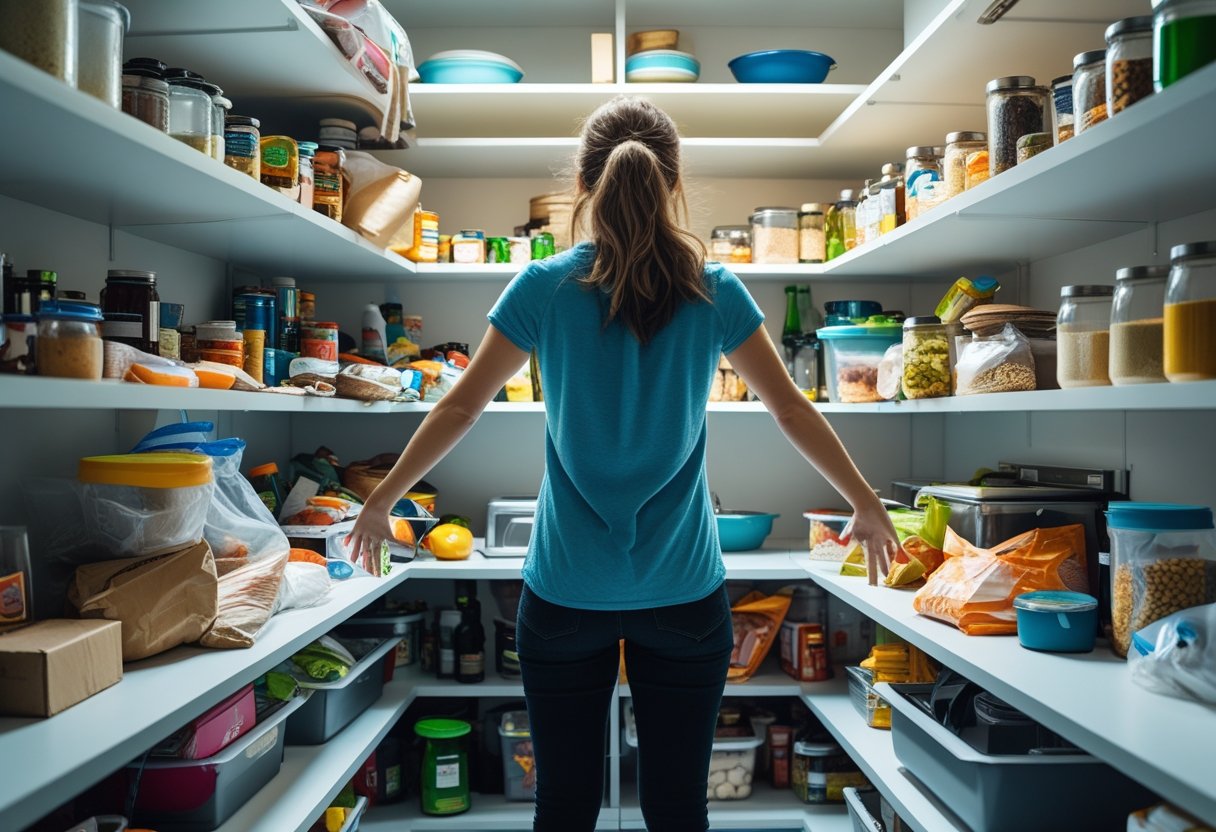
A messy pantry creates real barriers to cooking by hiding ingredients, wasting time, and draining mental energy. These practical answers address how organization directly affects your motivation and ability to prepare meals.
How can a cluttered pantry impact meal preparation motivation?
A cluttered pantry makes you spend extra time searching for ingredients. When you can't quickly find what you need, cooking feels harder before you even start.
This extra effort drains your mental energy. You might give up on your planned recipe and order takeout instead.
When items hide behind other products or get shoved to the back, you forget what you own. This leads to buying duplicates and letting food expire, which wastes money and creates more mess.
What is the psychological effect of a disorganized kitchen space on cooking habits?
A disorganized kitchen creates stress each time you look at it. Your brain processes the visual chaos as unfinished work, which adds to your mental load.
This stress makes cooking feel like a chore instead of an enjoyable activity. You start avoiding the kitchen because it triggers feelings of frustration.
When your pantry stays messy, you lose confidence in your ability to cook. The disorder becomes a mental obstacle that stops you from trying new recipes or preparing meals from scratch.
In what ways do pantry organization techniques facilitate a more enjoyable cooking experience?
Storing items you use often at eye level saves you time and effort. When you can grab ingredients without searching, cooking becomes smoother.
Grouping similar items together helps you see what you have at a glance. You can spot your baking supplies, canned goods, or pasta without moving things around.
Clear containers and labels remove guesswork from cooking. You know exactly how much of each ingredient you have left and when you need to restock.
What are the common obstacles to maintaining an organized pantry and how do they affect cooking enthusiasm?
Not having a set system for where items belong creates constant disorder. Without designated spots, family members put things wherever they fit, which builds up chaos over time.
Buying too much food at once overwhelms your storage space. Overstocked shelves make it impossible to see what you have and lead to items getting lost or forgotten.
Skipping regular cleanouts allows expired items to pile up. These outdated products take up valuable space and make your pantry feel unusable, which discourages you from cooking.
Can the layout and organization of pantry items influence the ease of cooking?
The way you arrange your pantry directly affects how quickly you can cook. When ingredients follow a logical system, you move through recipes faster.
Placing items by category or meal type reduces the steps needed to gather ingredients. You can pull everything for breakfast or baking from one area instead of searching multiple shelves.
Keeping tall items in back and shorter ones in front improves visibility. This simple layout change lets you see your full inventory without moving containers around.
How does the visibility of ingredients in a pantry contribute to the inspiration for meal creation?
Seeing your ingredients clearly sparks meal ideas naturally. When you spot items you forgot about, you think of new ways to use them.
Hidden ingredients never make it into your meals. If you can't see the quinoa or lentils pushed to the back, you won't include them in your cooking plans.
A well-organized pantry shows you the possibilities available. You can quickly assess what ingredients work together and feel inspired to try different combinations.