



Why Flat Surfaces Attract Clutter (And How to Stop It)
February 20, 2026
Your kitchen counter is clean for about five minutes before mail, keys, and random items start piling up again. The dining table becomes a catch-all for papers and bags. Every flat surface in your home seems to pull in clutter like a magnet, no matter how many times you clear it off.

Flat surfaces attract clutter because they offer open, convenient space where you can quickly drop items without thinking about where they actually belong. Your coffee table, counters, and desk become dumping grounds simply because they're easy to reach and always available. This habit turns temporary landing spots into permanent messy zones.
You can break this cycle by understanding what makes these surfaces so tempting and using simple rules to keep them clear. The right approach will help you maintain clean, usable spaces without constantly battling the same clutter over and over.
Why Flat Surfaces Attract Clutter
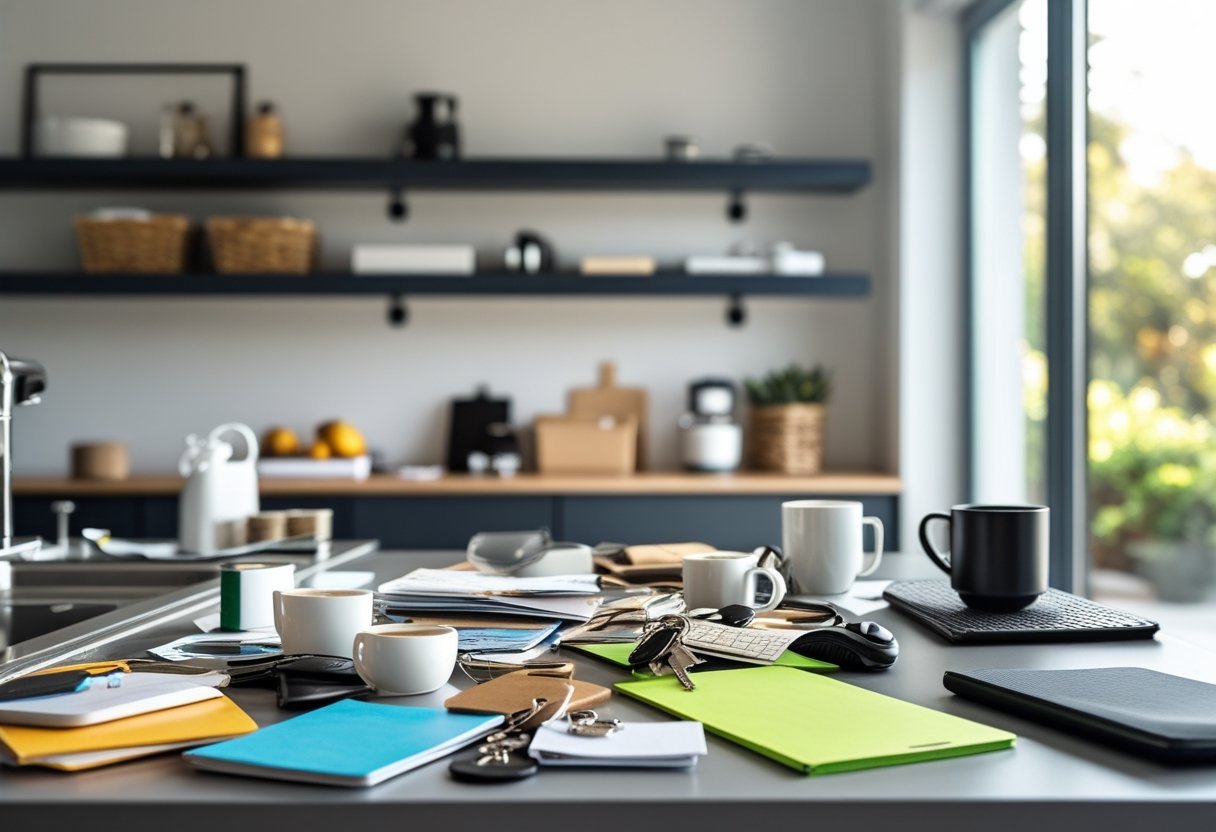
Flat surfaces become clutter magnets because they offer easy access and appear consequence-free, while our daily routines and mental shortcuts make them the default landing spot for items we don't want to deal with immediately.
The Psychology Behind Cluttered Spaces
Your brain treats flat surfaces as temporary storage without thinking about it. When you walk in the door holding mail, keys, and shopping bags, your mind looks for the quickest place to set things down. Flat surfaces meet this need instantly.
This behavior creates a pattern called decision fatigue. Instead of deciding where something truly belongs, you choose the easier option of placing it on the nearest counter or table. Each time you do this, your brain reinforces the habit.
The "broken window" effect plays a role too. Once one item sits on a surface, adding another feels acceptable. A single piece of mail turns into a pile because your brain registers the space as already messy. The visual signal tells you that adding more won't make a difference.
Your attachment to items also matters. You keep things visible on flat surfaces because you worry about forgetting them. Out of sight means out of mind, so you use counters and tables as external memory aids.
Common Flat Surfaces Prone to Clutter
Kitchen counters collect the most clutter because you use them multiple times daily. Mail lands there after you check it. Groceries sit there before getting put away. Keys and phones occupy prime counter space near the door.
Dining tables transform from eating spaces to catchall zones. School papers, laptops, craft supplies, and random household items pile up because the table offers a large, convenient surface.
Bedroom dressers and nightstands gather items you use before bed and first thing in the morning. Jewelry, coins, receipts, and personal care products create small cluttered zones in private spaces.
Bathroom counters accumulate daily-use items like toothbrushes, makeup, hair products, and medications. The limited space fills quickly because multiple people share the same surface.
Entryway tables and floors become dumping grounds for items you carry in from outside. Shoes, bags, coats, and packages stack up in this transition zone between outside and inside your home.
| Surface Type | Most Common Items |
|---|---|
| Kitchen counters | Mail, keys, phones, small appliances |
| Dining tables | Papers, electronics, craft supplies |
| Bedroom dressers | Jewelry, coins, receipts |
| Bathroom counters | Toiletries, medications |
| Entryways | Shoes, bags, coats |
Daily Habits That Contribute to Piling
You delay putting items in their proper places. This happens when you're tired, busy, or distracted. Setting something down "just for now" becomes permanent storage.
The habit of batch processing backfires on flat surfaces. You tell yourself you'll deal with all the mail at once or organize papers later. Meanwhile, the pile grows taller each day.
Shopping without unpacking adds to the problem. You buy items but don't immediately integrate them into your home. Shopping bags sit on surfaces for days or weeks.
You keep things out as reminders. That bill needs paying, so it stays on the counter. The book you want to read sits on the coffee table. These visual cues multiply across every flat surface.
Family members contribute without coordinating. Each person adds their items to shared surfaces without clearing what's already there. The clutter compounds because no one takes ownership of the space.
Environmental Triggers for Accumulation
Lack of defined homes for your belongings forces items onto surfaces. When objects don't have assigned storage spots, they default to the nearest flat area. You can't put something away if "away" doesn't exist.
Large, open surfaces invite more items. A big empty counter signals available space to your brain. The more surface area you have, the more you'll fill it.
Poor lighting makes clutter less visible. Dim corners and shadowy surfaces hide accumulation until it becomes overwhelming. You don't notice the problem building up.
Inconvenient storage locations encourage surface piling. If the proper storage spot requires walking to another room or digging through a crowded closet, you'll choose the easier option of setting it down nearby.
High-traffic pathways create natural drop zones. Surfaces near doors, hallways, and transitions between rooms catch items as you move through your home. You naturally shed belongings in these areas without thinking about it.
Strategies to Keep Flat Surfaces Clear

Keeping flat surfaces clear requires a combination of smart storage solutions, daily habits, and thoughtful home design choices. The key is making it just as easy to put items away as it is to set them down on the nearest table or counter.
Establishing Effective Organization Systems
Every item in your home needs a specific place to live. When you don't have designated spots for your belongings, flat surfaces become the default storage area.
Create a landing zone near your main entrance. This should include hooks for keys, a tray for wallets and phones, and a basket for mail. Put a trash bin and recycling container in this area so you can immediately sort and discard junk mail.
Set up vertical storage to free up horizontal space. Wall-mounted shelves, pegboards, and hanging organizers keep items accessible without taking up counter or table space. Install magazine racks on walls instead of letting reading materials pile up on coffee tables.
Use drawer dividers and containers to make drawers more functional. When drawers are organized, you'll actually use them instead of leaving items on surfaces. Label containers and bins so everyone in your household knows where things belong.
Keep storage solutions simple. If putting something away requires too many steps or complicated systems, you won't maintain the habit.
Implementing Consistent Decluttering Routines
Daily maintenance prevents small messes from becoming overwhelming clutter. Set aside 10 minutes each evening to clear all flat surfaces before bed. This creates a fresh start each morning and makes the task manageable.
Follow the one-touch rule. When you pick up an item, put it away immediately instead of setting it down temporarily. Mail goes straight to your sorting station, dishes go in the dishwasher, and clothes go in the hamper or closet.
Create a weekly reset schedule. Assign specific surfaces to different days. For example, clear kitchen counters on Mondays, your desk on Wednesdays, and bathroom counters on Fridays.
Limit what stays out. Choose 3-5 essential items per surface that can remain visible. Everything else must have a home in a drawer, cabinet, or closet.
Design Solutions for Clutter Prevention
Choose furniture with built-in storage. Coffee tables with drawers, ottomans with hidden compartments, and console tables with shelves provide places to store items that would otherwise sit on top.
Install closed storage in high-traffic areas. Cabinets and drawers hide visual clutter better than open shelving. In your kitchen, keep only 2-3 frequently used appliances on counters and store the rest in cabinets.
Use decorative trays and bowls strategically. A tray on your nightstand or entryway table creates a boundary for items and prevents sprawl. When the tray fills up, you know it's time to put things away.
Reduce the number of flat surfaces in your space. Fewer tables and counters mean fewer places for clutter to accumulate.
Frequently Asked Questions
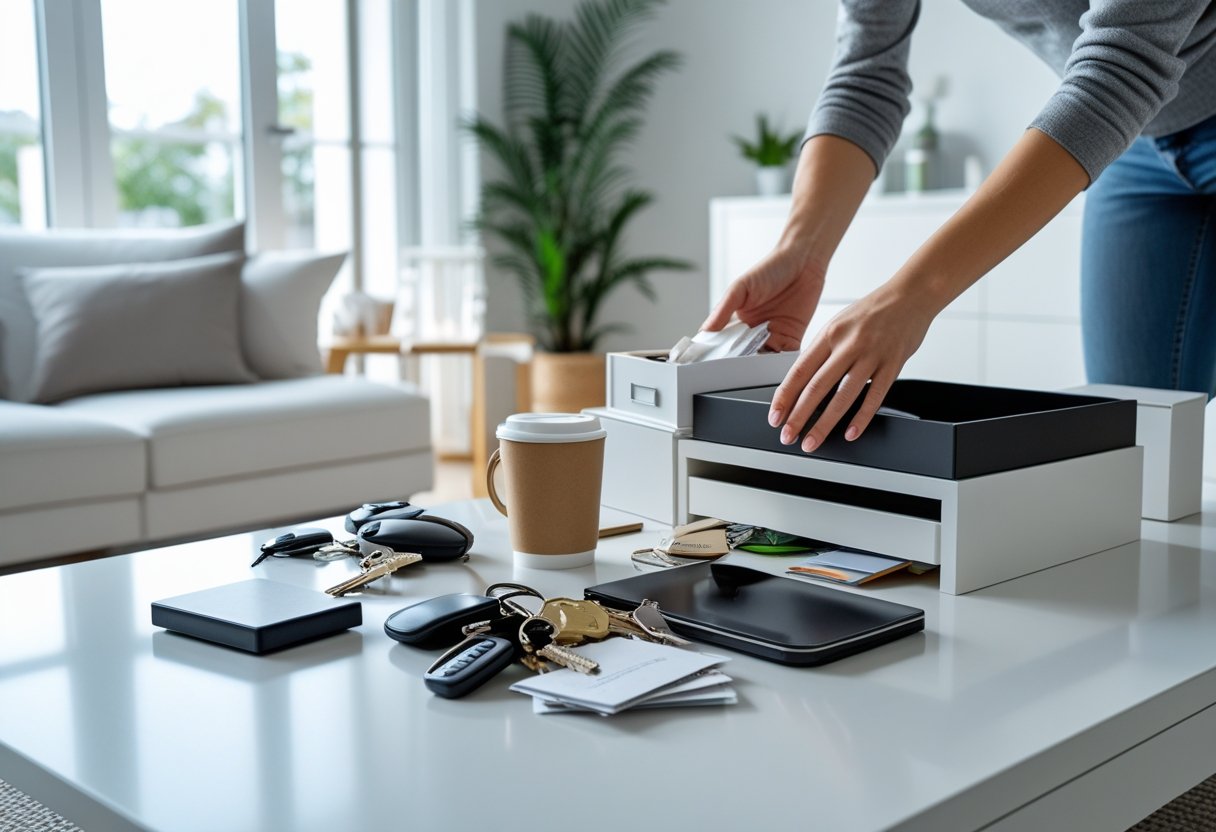
Flat surfaces collect clutter because they offer easy, visible places to set things down without immediate consequences. Understanding why this happens and learning practical solutions can help you keep your home cleaner and more organized.
What are the common reasons for clutter accumulation on flat surfaces?
Large, open surfaces feel like natural landing spots for items you're carrying. You set things down with the intention of dealing with them later, but later often never comes.
Flat surfaces lack built-in organization or limits. Without clear boundaries or designated purposes, these areas become catch-alls for random items.
People often don't have enough storage space in their homes. When drawers and cabinets are full, flat surfaces become the default storage option.
How can one maintain a clutter-free environment in high-traffic areas?
Place a basket or tray near entry points to collect items temporarily. This gives incoming items a specific home instead of letting them spread across surfaces.
Deal with items immediately when possible. Sort mail over the recycling bin, hang coats right away, and put away items as soon as you're done using them.
Limit what you allow on high-traffic surfaces to only daily-use items. Everything else should go in a drawer, cabinet, or designated storage area.
What organizational strategies effectively reduce surface clutter in homes?
Create specific homes for commonly used items. When everything has a place, you know exactly where to put it instead of setting it on the nearest flat surface.
Use vertical storage like wall hooks, shelves, and organizers. This keeps items accessible while freeing up horizontal surfaces.
Reduce the total number of items you own. Fewer possessions mean less to organize and less potential clutter.
Set up zones for different activities. Designate one area for mail, another for keys, and another for daily items you need to grab on your way out.
Can regular cleaning habits prevent the buildup of clutter on flat surfaces?
Daily surface clearing takes just a few minutes and prevents major accumulation. Spend five minutes each evening putting items back in their proper places.
Weekly deep cleans help you catch items that sneak onto surfaces. Use this time to reassess what's sitting out and whether it needs to be there.
The one-touch rule helps prevent clutter from forming. Instead of setting something down to deal with later, handle it once and put it away immediately.
What items are most likely to create clutter on countertops and tables?
Mail and paper documents pile up quickly if not sorted immediately. Bills, advertisements, and school papers become visual noise within days.
Keys, wallets, phones, and bags get dropped on the nearest surface when you walk in the door. These everyday carry items need designated spots.
Kitchen appliances that aren't used daily take up valuable counter space. Store these in cabinets and only keep out what you use regularly.
Clothing items like jackets, bags, and shoes accumulate in living areas. These need proper storage near entry points instead of being draped over furniture.
How does clutter impact daily living and mental well-being?
Cluttered surfaces make it harder to find what you need when you need it. You waste time searching through piles and moving items around.
Visual clutter creates mental stress and makes your space feel chaotic. Your brain processes everything in your field of vision, which can be exhausting.
Messy surfaces make basic tasks more difficult. You can't prepare meals easily on cluttered counters or work efficiently at a messy desk.
Clutter can make you feel out of control in your own home. A clean surface gives you a sense of calm and accomplishment.