


Why We Keep Buying Storage That Doesn’t Work
April 10, 2026
You walk into a store and see rows of beautiful bins, baskets, and containers. They promise to fix your clutter problem once and for all. You buy them, bring them home, and a few weeks later your space looks just as messy as before.

The problem isn't that you need more storage—it's that buying storage containers doesn't address why you have too much stuff in the first place. Most people think organization means finding the right place to put everything. But storage solutions only work if you actually need the items you're storing.
This pattern happens to almost everyone. You see a storage product that looks perfect, imagine how neat your home will look, and make the purchase. Understanding why this approach fails can help you stop wasting money on containers that end up adding to the clutter instead of solving it.
Understanding the Appeal of Storage Solutions
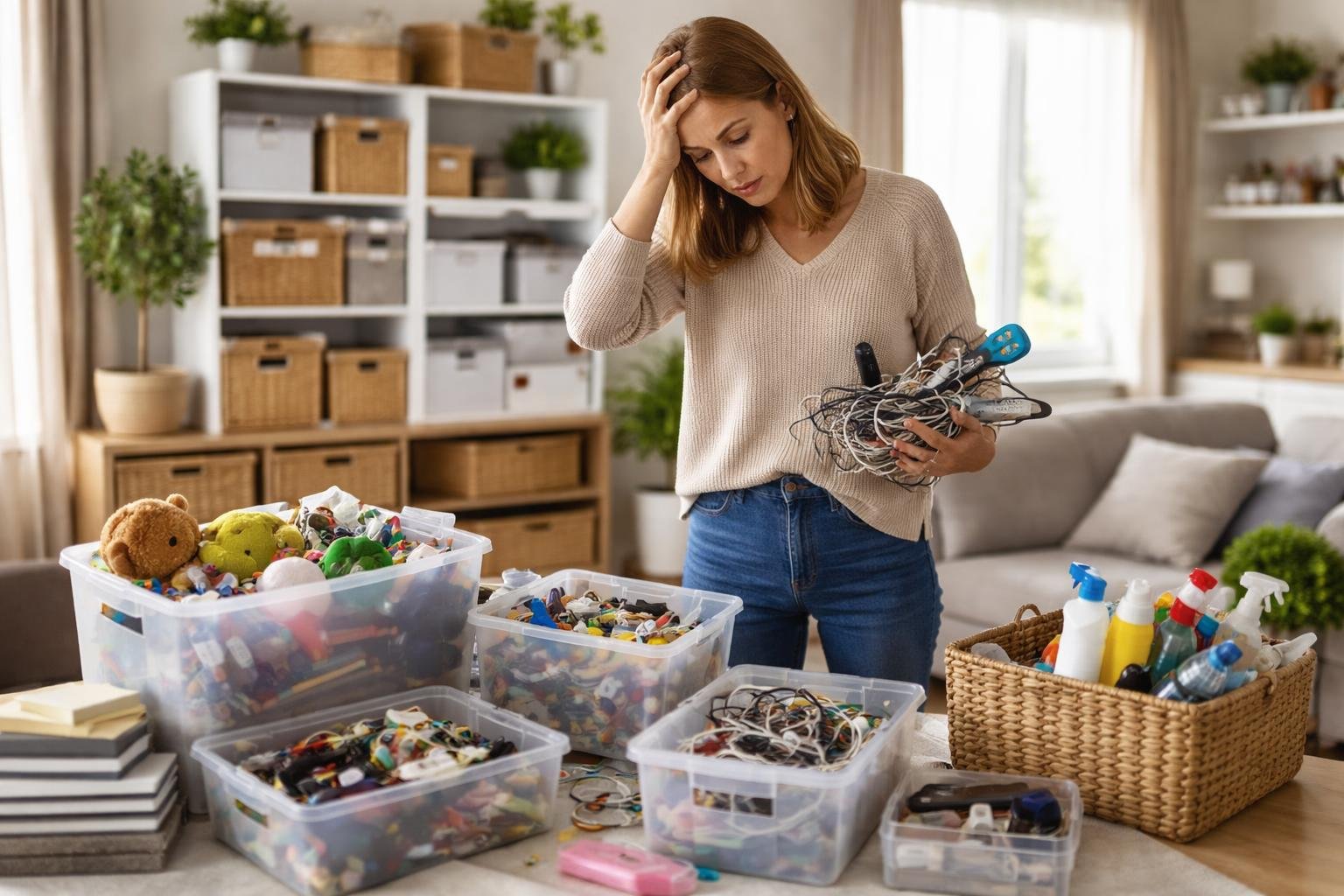
Storage products promise order and control in our lives, tapping into deep psychological needs while being marketed as quick fixes for cluttered spaces. However, the gap between these promises and reality often leaves us with bins and organizers that don't solve our actual problems.
Psychology Behind the Desire for Organization
Your brain craves order because clutter creates mental stress. When you see a messy space, your mind struggles to focus and relax. This explains why browsing storage aisles feels so satisfying—each container represents a potential solution to your chaos.
The desire for organization connects directly to your need for control. When life feels unpredictable, organizing your physical space gives you something tangible to manage. You feel productive just by purchasing storage items, even before using them.
This feeling is temporary. The rush you get from buying new bins or shelves comes from imagining an organized future, not from actual change. Your brain releases dopamine when you anticipate solving a problem, which makes shopping for storage solutions feel rewarding on its own.
Marketing Tactics That Drive Storage Purchases
Companies use specific strategies to make you believe their products will transform your home. They show perfectly styled spaces with matching containers and color-coded labels. These images rarely reflect real life with kids, busy schedules, or limited space.
Storage brands market their products as lifestyle upgrades rather than simple boxes. They use words like "system" and "solution" to make items seem more powerful than they are. The message suggests buying the right product will automatically make you more organized.
Seasonal marketing pushes create urgency around storage purchases. January brings "new year, new you" organization campaigns. Spring promotes decluttering sales. Back-to-school season emphasizes kids' storage needs. These repeated messages convince you that now is the time to buy.
Small, inexpensive items like baskets and drawer dividers seem like low-risk purchases. You grab them without measuring your space or planning how you'll use them. This leads to drawers full of unused organizers.
Common Misconceptions About Decluttering
Many people think storage equals organization. You buy containers to hide your stuff rather than reduce what you own. This approach just moves clutter around instead of addressing the root problem—having too many things.
Another misconception is that the right storage system will make you organized automatically. No product can change your habits or decision-making. You still need to sort items, create systems, and maintain them over time.
People also believe bigger or more storage is always better. Oversized bins encourage you to keep more items than you need. Too many small containers create visual clutter and make it harder to find things. The right size depends on what you actually use, not what might fit.
The idea that organization happens all at once is false. You see dramatic before-and-after photos and expect similar instant results. Real organization requires ongoing effort and adjustments as your life changes.
Why Storage Purchases Fail to Solve Clutter

Buying bins and containers creates organized-looking clutter rather than actual organization. The real issue isn't a lack of storage but too many items and poorly designed systems.
Mistaking Containers for Organizational Systems
A container is just a box. It holds things but doesn't create a system for managing them.
When you buy storage without a plan, you end up moving clutter from one place to another. The items inside still lack a specific purpose or location. You might know something is "in a bin" but not which bin or where that bin is stored.
Real organizational systems include rules about what goes where and why. They define how you access items and return them to their spots. A basket on your counter becomes part of a system only when you decide it holds "keys and sunglasses that go out the door" rather than "random stuff I don't want on the counter."
Storage products can support good systems. But they can't replace the thinking work of creating those systems. Without clear rules and designated purposes, your new containers just become neater-looking piles.
Buying Before Assessing Real Needs
Most people shop for storage before they know what they actually need to store. This leads to containers that don't fit the space or items.
You can't pick the right storage until you see what you're keeping. The size, shape, and quantity of your actual belongings determine what containers work. A drawer organizer designed for makeup won't help if your real need is craft supplies or charging cables.
Shopping first also means you buy based on what looks good in the store. That attractive basket might be too shallow for your blankets or too wide for your shelf. The label maker seems helpful until you realize your system doesn't need labels.
Start by sorting what you own. Group similar items together. Measure your space. Then you can choose storage that actually fits your situation instead of forcing your belongings into whatever you already bought.
Accumulating Without Editing Possessions
Adding storage without removing items just gives you more capacity to keep things you don't use. Your clutter becomes more organized but doesn't disappear.
Every container you add makes it easier to avoid decisions about what to keep. That bin in the garage lets you postpone dealing with old sports equipment. The under-bed boxes hide clothes you never wear. You feel productive because you "organized" but you still own the same amount of stuff.
The solution requires editing first and storing second. Go through your belongings and remove what you don't need, use, or want. Many people find they already own enough storage once they reduce what they're storing.
Less stuff means you need fewer containers. It also means the storage you do use actually serves a purpose rather than preserving clutter in a more attractive way.
Frequently Asked Questions

Many people struggle with buying storage that doesn't solve their real problems. Understanding why this happens and how to avoid it can save you money and create a more organized home.
What psychological triggers make people keep purchasing storage solutions instead of reducing clutter?
Shopping for storage feels like taking action to solve your clutter problem. When you buy a new bin or basket, you get an immediate sense of accomplishment without doing the hard work of deciding what to keep or throw away.
Retailers market storage products as quick fixes that promise an organized life. The before-and-after photos make it look easy, so you believe the right container will finally be the answer. This keeps you buying more storage instead of addressing the real issue.
You might also avoid decluttering because it brings up difficult emotions about waste, money you spent, or gifts you received. Buying storage feels easier than facing these feelings.
How can you tell whether the problem is too much stuff rather than not enough storage?
Your storage containers are packed so full that you can't easily find or access what you need. If you have to dig through bins or pull everything out to get one item, you own too much.
You own multiple storage solutions for the same category of items. Three bins of craft supplies or five baskets of toys usually means the problem is the amount of stuff, not the storage system.
Your closets, cabinets, and drawers are already full of items you rarely use. Adding more storage just means you're keeping things that don't serve your daily life.
What is the 50% rule in decluttering, and how does it affect organizing outcomes?
The 50% rule means your storage containers should only be 50% full. This gives you room to access items easily and put things back without struggling.
When containers are packed tight, you can't maintain your organizing system. You'll skip putting things away because it's too hard, and clutter builds up again. Space in your storage makes the system work long-term.
This rule forces you to be selective about what you keep. You have to choose your most useful or loved items instead of cramming everything into containers.
Which common organizing mistakes cause bins, baskets, and shelves to fail over time?
You buy storage before you declutter, so you end up with containers sized for everything you own instead of what you actually need. This locks you into keeping items that don't serve you.
Your storage doesn't match how you actually use your space. Pretty baskets on high shelves don't work if you need daily access, and clear bins don't help if you never label them.
You create systems that are too complicated to maintain. If putting something away takes more than one or two steps, you won't keep doing it when life gets busy.
How do you create an organizing system that stays functional without constantly buying new containers?
Start by decluttering completely before you buy any storage. Use what you already own for at least two weeks to test if your system works with your habits.
Choose storage based on how you naturally behave, not how you think you should behave. If you drop items on the counter when you walk in, put a basket there instead of fighting your habits.
Make sure every item has a specific home that's easy to access. The easier it is to put something away, the more likely you'll maintain your system. Keep adjusting until returning items to their spots feels effortless.
What steps should you take before buying storage products to ensure they will actually work in your space?
Measure your space twice, including height, width, and depth. Bring these measurements when you shop and check them against product dimensions before buying.
Declutter the category you want to organize first. You need to know exactly how much you're keeping before you can choose the right size and number of containers.
Consider how you'll use the items stored in that space. Daily-use items need open, accessible storage while seasonal items can go in lidded bins. Match your storage type to your access needs, not just to what looks good in photos.