



Why We Judge Our Homes More Harshly Than Others Do
April 12, 2026
You walk into your living room and notice scuff marks on the walls, an old light fixture, and a worn-out couch. When friends visit, they call the room cozy and welcoming. The difference between how you see your home and how others see it is real.
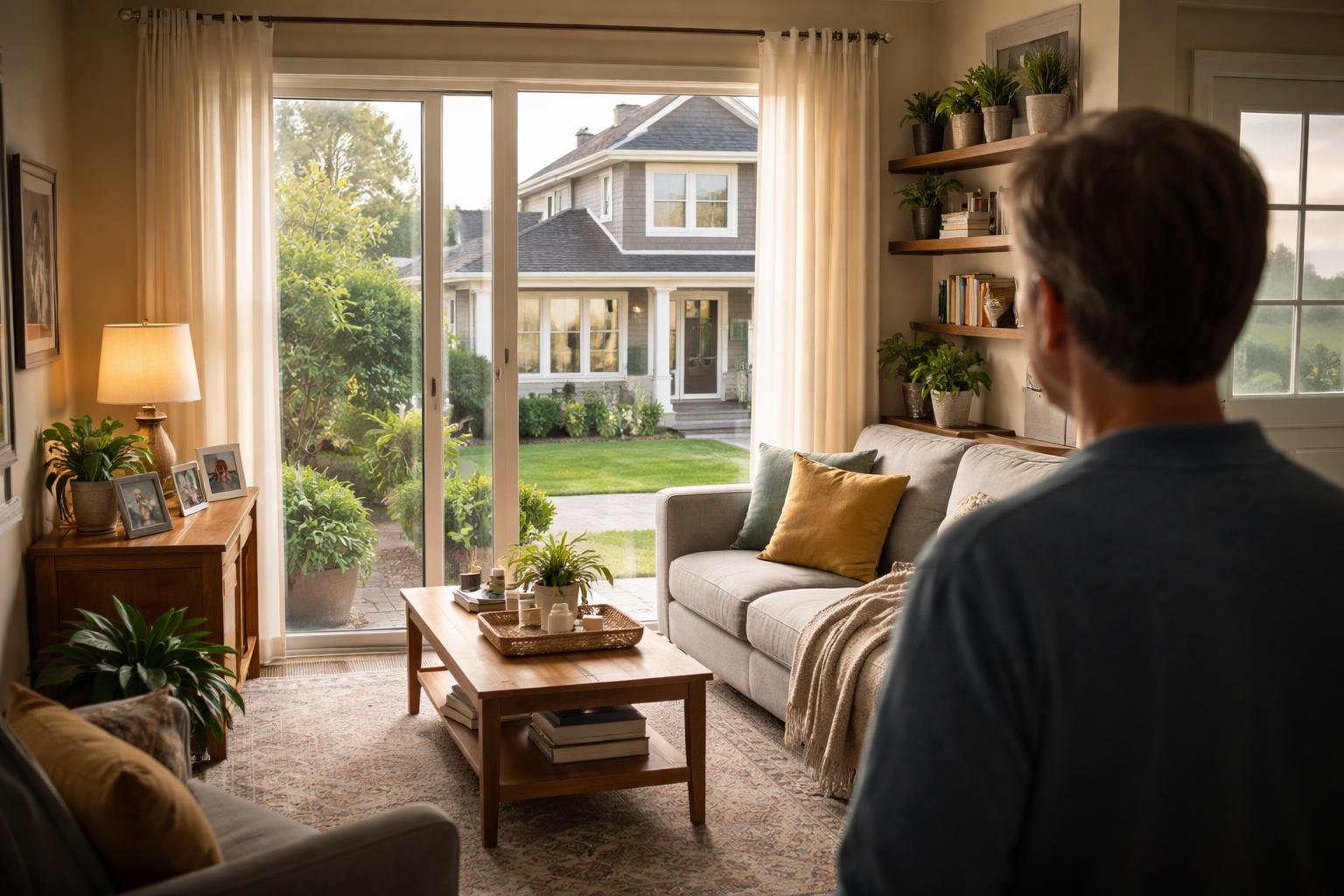
We judge our homes more harshly because we see every flaw, know everything that needs fixing, and expect more from ourselves than visitors do. Guests look around for a short time with fresh eyes. You live in the home every day and notice things others do not.
People often judge themselves more strictly than they judge others. Knowing this can help you view your home more fairly and feel better about the place you made.
Understanding Why We Judge Our Homes More Harshly Than Others Do

You see your home differently than visitors do. Your own standards, habits, and worries shape how you judge it. Guests only see the surface. You see the things you wanted to fix but didn’t.
Why We Are Hard on Ourselves
Your brain compares your home to the way you imagined it. If you meant to organize the kitchen last week, you'll focus on that empty goal. Guests just see a working kitchen and may not notice small problems.
Because you live in your home every day, you notice every small flaw. A chip in a tile or some clutter looks bigger to you than to someone who visits once. This is called familiarity bias — the more you see something, the more its faults stand out.
Your home can feel like part of who you are. Seeing mess or things you haven’t finished can make you feel lazy or like you failed. Visitors usually just see a lived-in place, not a reflection of your worth.
Key reasons we judge our homes more harshly:
- We compare what we planned to what we did
- We see every detail because we live there
- We link our home's look to our self-worth
- We compare our private space to other people's public spaces
The Impact of Social Comparison
We often compare our homes to pictures we see online, in magazines, or during brief, tidy visits to friends. Our brain makes these comparisons without us planning it and uses other homes as a rule for how ours "should" look.
Those homes are not real everyday life. A friend might have cleaned up before you arrived. An Instagram photo can take a long time to set up. You are comparing your normal mess to someone else's best moment.
Seeing perfect rooms can make you feel worse about your own home. Your brain notices the difference between your space and the ideal and treats it like a gap you should close, which can feel discouraging.
Expectations Versus Reality in Home Environments
Your ideas about how a home should look come from many years of images and messages about adult life. These standards often do not match your time, money, or daily routine. You might want magazine-level rooms while working a full job or caring for family.
You are often tougher on yourself than on others. If a friend has dishes in the sink, it seems normal. If your sink has dishes, you might feel embarrassed.
The difference between your ideal home and your real home can cause small, steady stress. You might picture fresh flowers and perfectly arranged books, while real life includes laundry on the couch and useful but mismatched furniture—and that is okay.
Overcoming Negative Judgments About Your Home

You can change how you feel about your home by changing your thoughts and doing small, practical things. These steps help you stop the inner voice that points out every flaw.
Change How You See Things
Your brain looks for problems more than good things. That is why you notice a worn carpet but might miss a cozy reading corner. This also makes you judge your home more than guests do.
Remember that your negative thoughts are just thoughts, not facts. If you think "this room looks awful," pause and ask if a friend would really think that. Most people notice far fewer flaws than you do.
Compare your home to places you used to live, not to magazine photos or social media. Your place may not look like a show home, but it might be better than your old dorm or first apartment. This is a fairer way to judge it.
Know that imperfections are normal. A scuffed wall or mismatched furniture does not lower your value. Other people's opinions of your home fade quickly, but how comfortable you are every day matters more.
Practical Ways to Value Your Home
Think about use, not perfection. Make a short list of what your home does well:
- Keeps you safe and dry
- Has furniture that meets your needs
- Has places for activities you like
- Stores things that make you feel good
Spend five minutes each day noticing one good thing in each room. This helps you train your mind to see positives instead of only faults.
Make small changes that lift your mood and do not cost much. Move a chair to make walking easier, add a plant to an empty corner, or tidy one drawer. Small steps show you can improve your space bit by bit.
Limit how much home design content you look at if it makes you compare and feel bad. You do not have to stop following those accounts, but watch how they make you feel and set limits on how long you view them.
Keep a "home wins" list. Write down compliments from guests or times your space worked well. Look at this list when you start to think negatively about your home.
Frequently Asked Questions

Many people ask why we judge our homes more harshly than others do. Homeowners often worry about small problems that guests never notice. Guests usually pay attention to different things than the person who lives there.
Why do people notice flaws in their own home more than in other people's homes?
You see your home every day, so you notice small things like a scuff on the wall or a crooked picture. These small flaws stick in your mind because you know your home so well.
Visitors see your home as a whole. They focus on the big picture — the room's feel, the light, or the furniture — not tiny details. They do not have the same memory of how things are supposed to look.
Your brain also forms a mental map of your space. When something is different from that map, it stands out to you. Guests do not have that map, so they do not notice small differences.
Do visitors judge a home as critically as the homeowner expects them to?
Most visitors are much less critical than you think. When people enter someone else's home, they focus on talking and spending time together, not checking small details like baseboards.
Studies show guests notice big things such as overall cleanliness and how warm the place feels. They do not usually count the dust on a fan or worry about mismatched pillows.
You may fear people are judging every corner, but most guests are thinking about the chat or feeling happy to be invited.
What psychological biases make us evaluate our own living space more harshly?
Familiarity bias matters a lot. Because you know your home so well, you notice flaws more than good things.
Negativity bias also affects you. Your brain pays more attention to bad things, so flaws stand out more than positives. This helped people notice danger long ago, but now it makes you fixate on a stain or a mess.
Confirmation bias can make it worse. If you believe your home is not good enough, you will look for proof. You might spot every messy corner and miss the cozy reading spot or the fresh flowers.
Why do we compare our home to perfect pictures? (why we judge our homes more harshly than others do)
Social media and TV often show rooms that look perfect. These pictures are usually staged and edited. They do not show normal daily life.
Your brain can use these perfect images as a standard when you look at your own home. You might compare your lived-in living room to a photo taken by professionals, even though that photo was set up for a shoot.
Many images are made by teams who clean, style, and edit the space. Your home is for living, not for taking perfect photos.
How do perfectionism and self-criticism change how we see our home's mess or style?
Perfectionists set very high standards that are hard to reach in real life. If you expect your home to look like a magazine, you will often feel like you failed.
This thinking can make you unhappy a lot. You might clean one room and then worry about another room right away. The good feeling of finishing a task gets turned into stress about what is still wrong.
Self-criticism also makes small things seem worse. A few dishes in the sink can turn into "my kitchen is a disaster" instead of "I used some dishes today."
What are common examples of unfair judgments we make about our own home that others usually don't notice?
You might apologize for dust that guests cannot see unless they look very closely. Most people do not run their fingers along shelves or check light fixtures for dirt.
Many homeowners worry about furniture or decorations that do not match. Guests usually see this as a personal style choice, not a problem. What you call a decorating mistake, others often call character or charm.
You probably feel upset about clutter that only you notice. A stack of mail on the counter or shoes by the door looks "lived-in" to most guests, not messy. The worn spot on your couch that bothers you every day is something visitors hardly ever spot or care about.