


Why We Equate an Organized Home With Being “Put-Together”
May 20, 2026
When you walk into a clean, organized home, something shifts. You feel calmer, more in control, and maybe even a little proud. We equate an organized home with being "put-together" because our living spaces act as physical reflections of our inner state, signaling to ourselves and others that we have things under control. This connection runs deeper than just surface-level appearances.

The link between a tidy home and personal competence isn't just in your head. Society has long viewed domestic order as a measure of responsibility and stability. When your space is organized, people assume you're organized in other areas of your life too.
Understanding why this connection exists can help you see your home differently. The way culture shapes our views on cleanliness and how your environment affects your mental state both play major roles. Your organized space does more than look good—it changes how you feel and how others see you.
Cultural Perceptions of Domestic Order
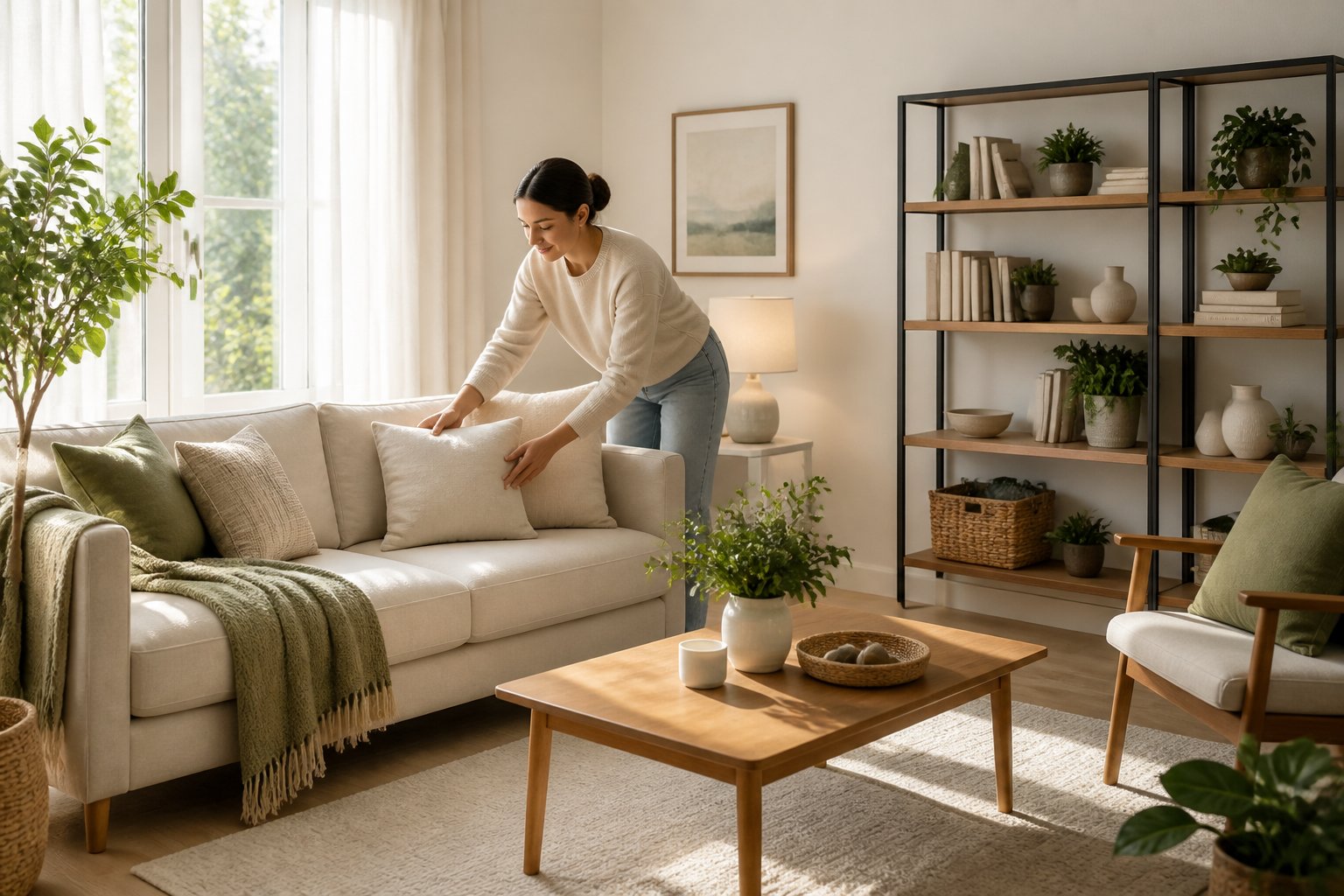
Society has long connected a clean home with personal worth and social standing. These beliefs come from both historical class systems and modern media that shapes what we think a "proper" home should look like.
Historical Influences on Cleanliness and Social Status
Throughout history, keeping an orderly home showed you had money and status. Wealthy families hired servants to maintain their spaces, which made cleanliness a visible marker of class. If your home looked neat and organized, it signaled you had resources and time to dedicate to domestic upkeep.
The Victorian era made this connection even stronger. During this time, a well-kept home became a moral issue, not just a practical one. People believed that a clean house reflected good character and proper values.
This thinking carried into the 20th century when middle-class families tried to show they were respectable through their homes. Women especially faced pressure to maintain perfect households as proof of being good homemakers. The state of your home became tied to your identity and how others judged you.
Media and Societal Expectations of Home Organization
Modern media reinforces the link between organized homes and successful lives. Social media platforms show endless images of perfectly styled spaces that look effortless. These images suggest that put-together people naturally have put-together homes.
Home improvement shows and lifestyle magazines set standards that feel impossible to meet. They present organizing as simple and quick, rarely showing the real time and effort involved. You see the finished result without understanding the work behind it.
Common media messages about organized homes:
- Clean spaces equal success
- Clutter reflects personal failure
- Organization comes naturally to capable people
- A tidy home means you have your life under control
These messages create pressure to maintain a certain image. You might feel judged when your home doesn't match these idealized versions, even though most real homes look nothing like what media presents.
Psychological Impacts of an Ordered Environment
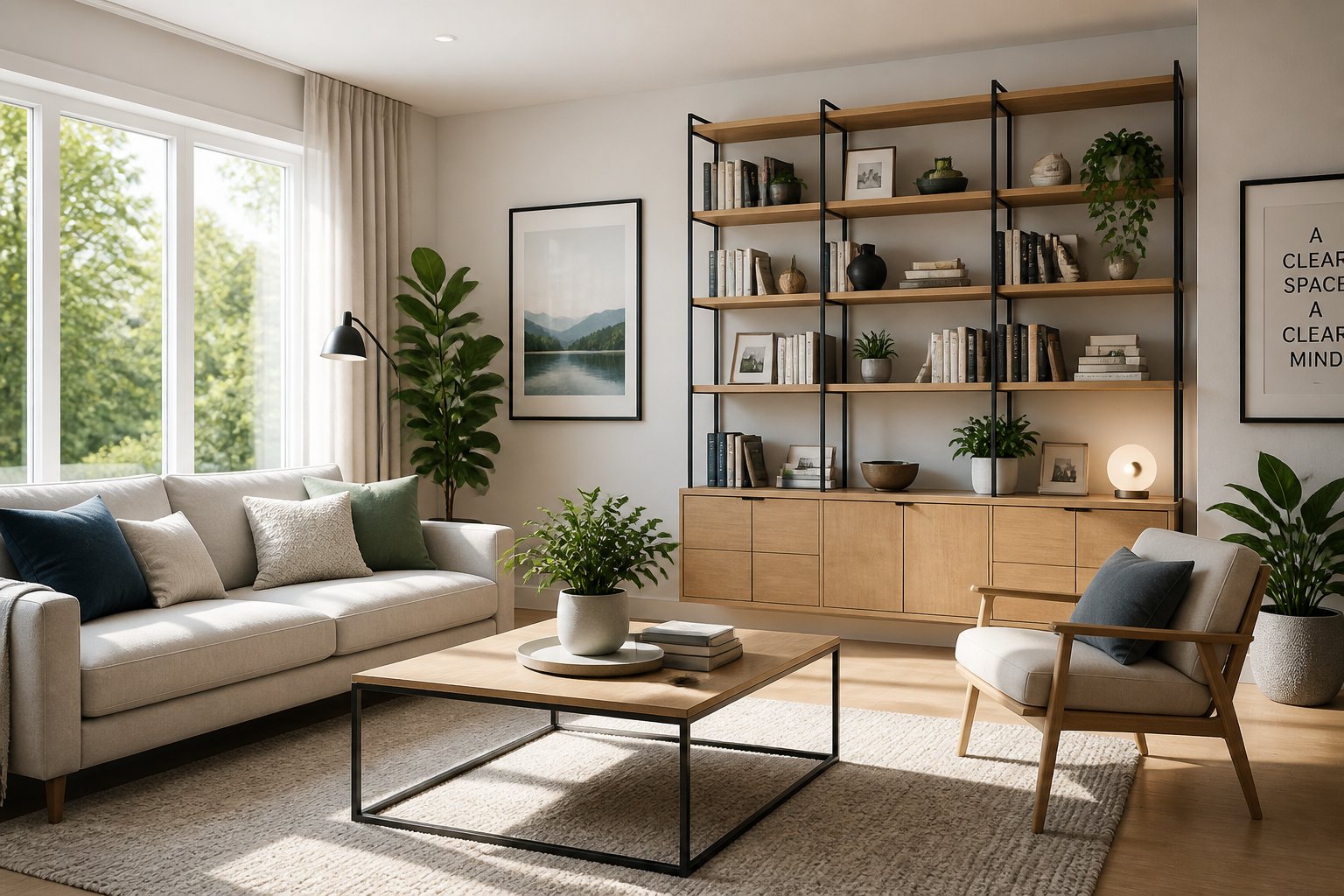
Your living space affects how you see yourself and how well you function each day. A clean home can change your mental state and the way you think about your own life.
Connection Between Living Spaces and Personal Identity
You often judge yourself based on the state of your home. When your space looks organized, you tend to feel like you have control over your life. This happens because your brain links your surroundings to your sense of self.
Your home acts as a reflection of who you think you are. A tidy room sends a message to yourself and others that you are capable and in control. This connection explains why you might feel embarrassed when someone sees your messy space.
The way you maintain your home becomes part of your identity. If you grew up in an organized household, you likely learned to connect cleanliness with being responsible. These early experiences shape how you view yourself today.
Influence of Tidy Surroundings on Mood and Productivity
Clean spaces help your brain focus better. When your desk is clear, you can concentrate on tasks without visual distractions pulling your attention away. Your mind processes information more easily in organized environments.
A tidy home can improve your mood throughout the day. You feel calmer when you walk into a clean room because your brain doesn't have to process clutter. This calmness helps you handle stress better.
Your productivity increases in organized spaces. You spend less time looking for things you need. You also feel more motivated to start tasks when your environment looks orderly. Studies show that people complete work faster in clean spaces compared to messy ones.
Frequently Asked Questions
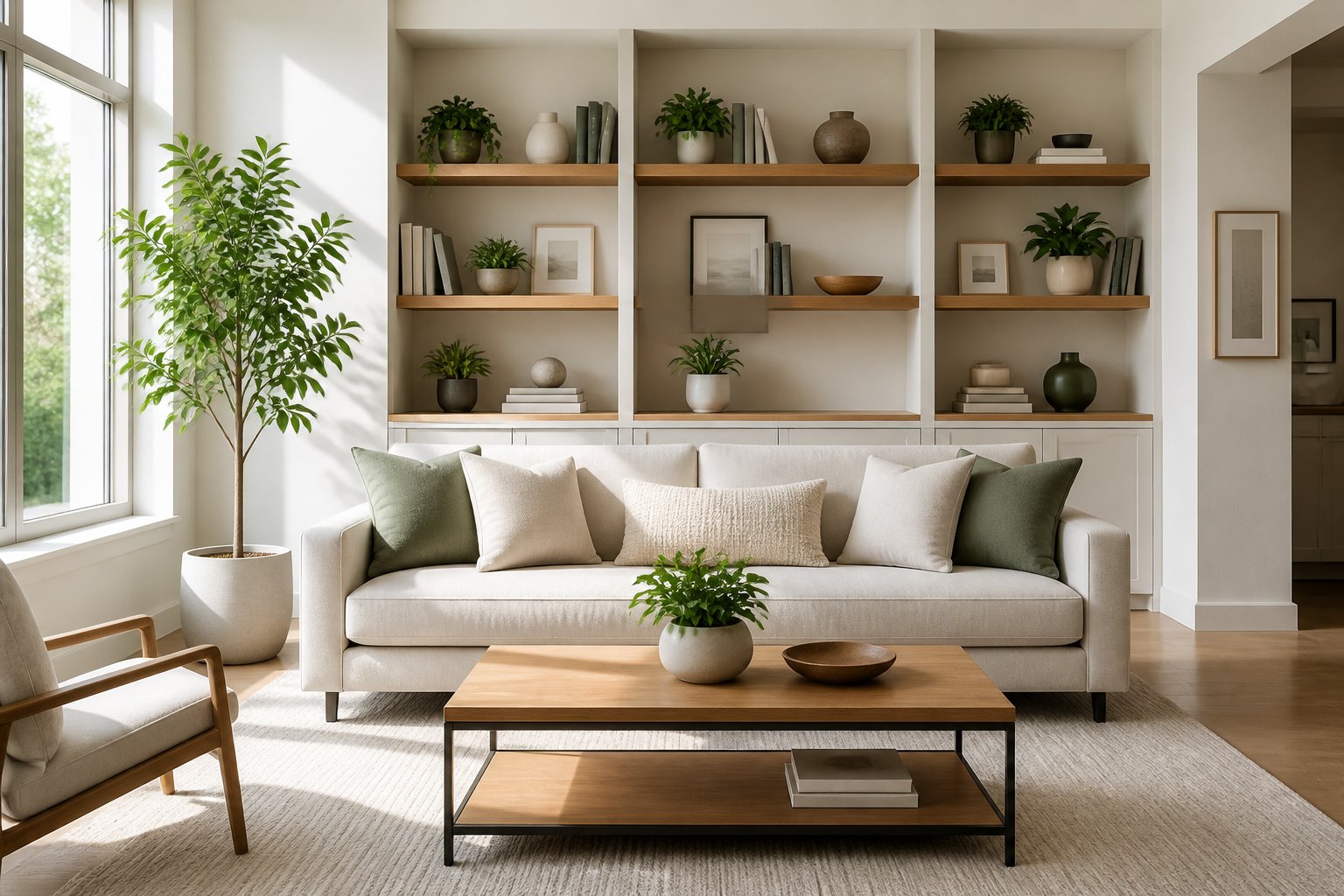
A clean home triggers assumptions about someone's character because society links visible order to invisible traits like responsibility and control. Media images of perfect spaces set unrealistic standards, while clutter creates real mental strain that affects daily life.
Why do people associate a tidy home with personal success and self-discipline?
A clean home serves as visible proof of effort and control. When you maintain organized spaces, others assume you have the time, energy, and skill to manage your responsibilities. This connection runs deep because keeping a home tidy requires consistent action and decision-making.
Society views self-discipline as a valuable trait. A neat living space suggests you can delay gratification, stick to routines, and follow through on tasks. These are the same qualities needed for career success and personal goals.
The link isn't always accurate, though. Someone might have an organized home because they work from home, have help, or simply prioritize cleaning over other activities. A messy space doesn't mean someone lacks discipline in other areas of life.
How do cultural norms and media influence what we consider a "put-together" home?
Media outlets constantly show idealized homes with matching furniture, empty counters, and perfect lighting. These images appear in magazines, social media feeds, and home improvement shows. You see these spaces so often that they start to feel normal or expected.
Cultural background shapes what "organized" means to you. Some cultures value minimalism and hidden storage. Others celebrate displayed collections and full surfaces as signs of abundance and family life.
Social media amplifies these standards. People share their best angles and cleanest moments, not the everyday reality. This creates pressure to match an impossible standard that doesn't reflect how most people actually live.
What psychological effects can clutter have on stress, focus, and decision-making?
Clutter raises your stress levels in measurable ways. When you look at a messy space, your brain processes multiple visual stimuli at once. This constant input drains mental energy and makes it harder to relax.
Focus suffers in cluttered environments. Your attention gets pulled toward unfinished tasks and out-of-place items. This makes it harder to concentrate on what you're trying to do.
Too many visible items slow down decisions. Each object represents a choice you haven't made yet. Where should it go? Do you need it? This mental load builds up and leads to decision fatigue throughout your day.
Why does home organization often get tied to moral judgment or personal worth?
Clean spaces became linked to virtue during specific historical periods. Religious and social movements promoted cleanliness as a sign of good character. These ideas stuck around and still influence how people judge themselves and others.
Your home is visible to others in ways your work or thoughts aren't. Guests can see your kitchen counter but not your work ethic or values. This makes your living space an easy target for quick judgments about who you are.
Women face harsher criticism for messy homes than men do. Traditional gender roles assigned housekeeping to women, so a disorganized home gets read as a personal failing. These unfair standards persist even as household responsibilities become more shared.
What is the golden rule of organizing, and how can it guide everyday habits?
The golden rule of organizing is to give every item a specific home. When each object has a designated place, you know where to find it and where to put it back. This simple principle prevents the endless shuffle of moving things around without actually organizing them.
This rule works because it removes guesswork. You don't waste time deciding where something goes each time you use it. The habit becomes automatic once the system is in place.
Start by grouping similar items together. Keep all your cooking utensils in one drawer or all your office supplies in one bin. This creates logical homes that make sense when you need to find something quickly.
How can someone maintain a functional, organized home without aiming for perfection?
Focus on systems that match your actual habits instead of ideal ones. If you always drop your keys by the door, put a hook or bowl there. Work with your natural patterns rather than fighting them.
Set a minimum standard that keeps your home functional. This might mean clearing the kitchen counter once a day or doing laundry before you run out of clean clothes. You don't need magazine-worthy spaces to live comfortably.
Build in flexibility for busy periods. Your home won't always look the same, and that's normal. The goal is to maintain basic function and find things when you need them, not to achieve constant perfection.