



Why We Associate Certain Homes With Success
May 8, 2026
When you picture a successful person's home, you probably imagine certain features: a grand entrance, high ceilings, or a house in an exclusive neighborhood. These aren't random thoughts. Society teaches us to link specific types of homes with success through media, cultural values, and the status symbols we see around us every day.
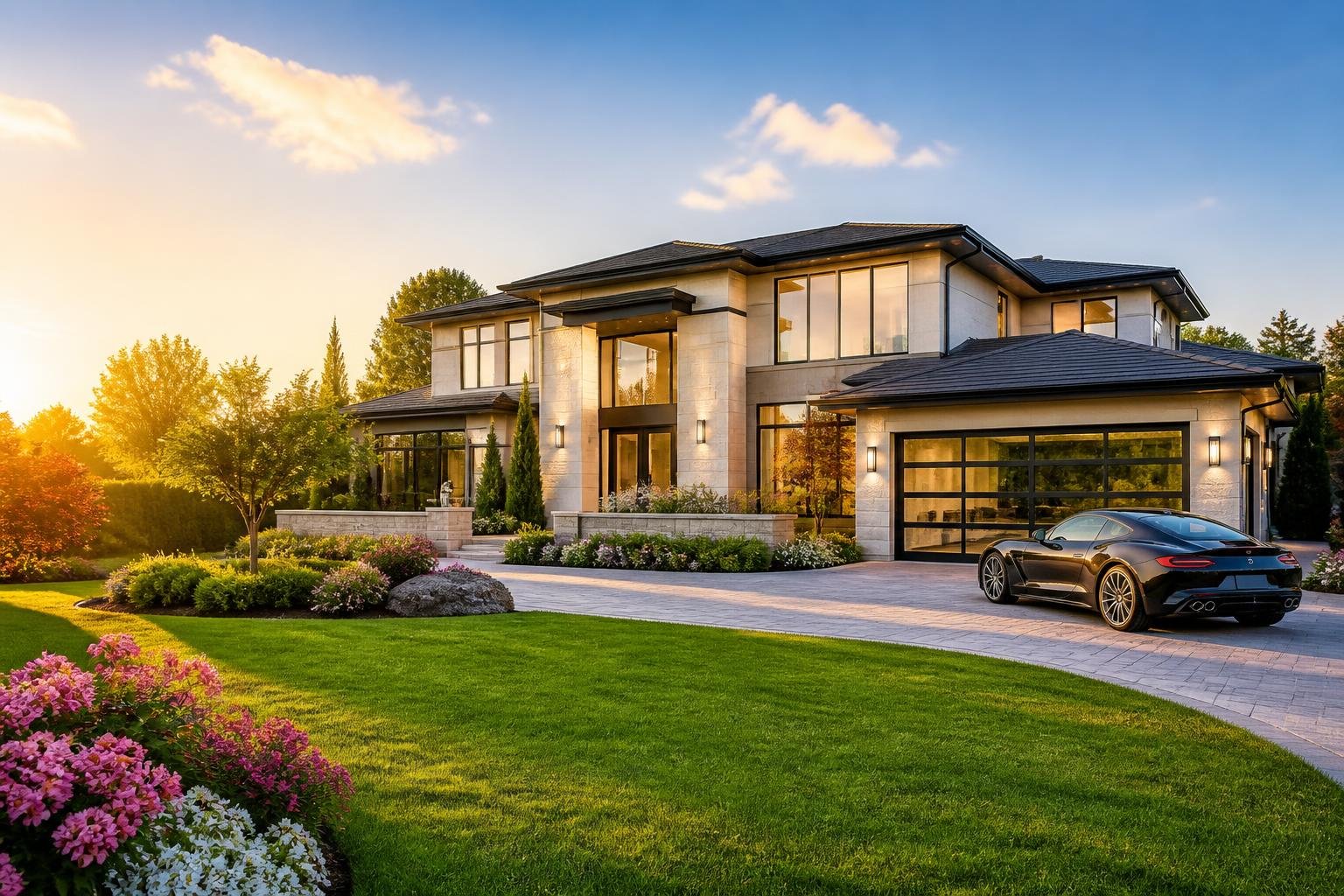
Your brain connects houses with achievement based on what you've learned over time. The size of a property, its design style, and where it sits on the map all send signals about the person who lives there. These signals shape how you view both your own home choices and how you judge success in others.
Understanding why you make these associations can help you think more clearly about what you actually want in a home. It can also show you how much outside influences affect your decisions about property and what success really means to you.
Cultural and Psychological Drivers

The homes you view as successful are shaped by centuries of economic shifts, constant media messaging, and your natural tendency to measure your life against others. These forces work together to create powerful associations between certain types of housing and personal achievement.
Historical Evolution of Home Status
Your perception of successful homes stems from major economic changes over the past 200 years. During the Industrial Revolution, wealthy factory owners built large Victorian mansions that signaled their economic power. These homes featured ornate details, multiple rooms, and expansive grounds that separated them from worker housing.
The post-World War II era introduced the suburban ideal in America. Single-family homes with yards became the primary symbol of middle-class achievement. This shift connected homeownership itself with financial stability and social advancement.
Different cultures developed distinct markers of housing success based on their economic histories. In many Asian countries, apartment ownership in prestigious urban towers indicates wealth and status. European societies often value historic properties or homes in specific neighborhoods that carry centuries of social meaning.
Your cultural background influences which home features you associate with success. Western individualistic cultures tend to emphasize privacy, personal space, and property ownership as achievement markers. Collectivist cultures may prioritize homes that accommodate extended families or maintain connections to ancestral regions.
Media Influence on Home Perception
Television shows, magazines, and social media platforms constantly shape what you consider a successful home. Real estate programs showcase luxury properties with high-end finishes, open floor plans, and modern amenities as aspirational standards.
Social media has intensified this influence. Instagram and Pinterest feeds display curated images of designer interiors, creating visual benchmarks for what successful living spaces should contain. You absorb these images daily, often unconsciously adopting their aesthetic values.
Common media-promoted success markers include:
- Granite or marble countertops
- Hardwood flooring
- Smart home technology
- Professional landscaping
- Walk-in closets
Marketing campaigns from real estate developers and home improvement companies reinforce specific features as necessary for successful homes. These messages link particular materials, sizes, and styles to personal achievement and social standing.
Social Comparison and Aspiration
You naturally compare your living situation to those around you. This psychological tendency, called social comparison, drives much of your perception about successful homes. When neighbors renovate or friends purchase larger properties, you evaluate your own housing against these reference points.
Motivation research shows that cultural values directly affect how you experience this comparison. If you live in a culture that emphasizes individual achievement, you may feel more pressure to display housing success visibly.
Your aspirations for future homes are built on these comparisons. You notice which colleagues live in which neighborhoods and which types of properties command respect in your social circles. These observations create mental templates for what your own successful home should look like.
The gap between your current home and your reference points can drive motivation or create stress. Individualistic cultures tend to frame this gap as a personal challenge to overcome. Cultures with different values may focus more on how housing choices affect family wellbeing or community connections.
Architectural and Location-Based Associations

Where a home is located and how it looks shapes how we judge success. Specific architectural styles signal wealth and achievement, while certain neighborhoods carry strong social and economic meanings.
Iconic Styles Linked With Prestige
You recognize certain architectural styles as markers of success because they require significant resources to build and maintain. Colonial Revival homes with their symmetrical facades and grand columns suggest established wealth. Modern minimalist designs with floor-to-ceiling windows and clean lines communicate contemporary affluence and refined taste.
Mediterranean villas with terracotta roofs and arched doorways evoke luxury living. Victorian mansions with ornate details and tower elements show historical prestige. These styles became success symbols because they were expensive to construct and demonstrated the owner's financial capacity.
Common prestige architectural features include:
- Grand entryways with double doors
- High ceilings and spacious room layouts
- Premium materials like marble, hardwood, or stone
- Large windows that maximize natural light
- Distinctive rooflines or architectural details
You associate these styles with success partly because they appear frequently in wealthy areas and media portrayals of affluent living.
Neighborhood Dynamics and Socioeconomic Signals
Your perception of a home's success value changes based on its location. Homes in established neighborhoods with top-rated schools, low crime rates, and proximity to business districts carry higher status associations. The surrounding community acts as a signal of the homeowner's social and economic position.
Gated communities and historic districts create exclusivity through restricted access or preservation requirements. Waterfront properties, homes with mountain views, or houses in urban centers near cultural amenities automatically suggest achievement. These locations cost more due to limited availability and high demand.
The neighborhood's infrastructure matters too. Tree-lined streets, well-maintained public spaces, and nearby amenities like golf courses or private clubs reinforce success associations. You form emotional bonds with these places that go beyond the physical structures themselves.
Frequently Asked Questions

Understanding why certain homes signal success involves examining design elements, location factors, and cultural influences that shape our perceptions. Financial security and long-term well-being also depend on practical features that support both immediate comfort and future stability.
What psychological cues make some houses feel like symbols of achievement?
Visual symmetry and balanced proportions trigger positive responses in your brain. Your mind associates these design elements with order, stability, and financial resources.
Large windows and high ceilings create feelings of openness and abundance. These features require more building materials and construction expertise, which your mind connects to greater wealth.
Quality materials like hardwood, stone, and metal finishes communicate permanence and value. You subconsciously recognize these materials cost more and last longer than cheaper alternatives.
How do neighborhood status and location shape perceptions of a "successful" home?
Your perception of home value increases based on the surrounding area's reputation. Proximity to good schools, low crime rates, and well-maintained properties signals a home belongs to a successful neighborhood.
Location near cultural amenities, parks, and shopping districts adds perceived value. You associate these conveniences with areas where successful people choose to live.
The overall appearance of neighboring homes affects your judgment of any single property. Well-kept lawns, updated exteriors, and quality vehicles in driveways reinforce impressions of neighborhood success.
Which home features most strongly influence first impressions of wealth and stability?
Exterior elements create your first impression before you step inside. A well-maintained facade, professional landscaping, and quality roofing materials immediately suggest financial stability.
The entryway sets expectations for the rest of the home. A spacious foyer with good lighting and quality flooring makes you perceive the entire property as more valuable.
Updated kitchens and bathrooms carry significant weight in your assessment. These rooms are expensive to renovate, so modern fixtures and finishes indicate recent investment and care.
How do cultural norms and media portrayals affect what people consider a prestigious home?
Television shows and movies repeatedly feature certain home styles as symbols of success. You absorb these visual messages and begin associating specific architectural features with achievement.
Different cultures value different home characteristics based on their traditions and climate needs. What you consider prestigious depends partly on where you grew up and what homes were admired in your community.
Social media influences your expectations by showcasing idealized home interiors. You compare real homes to these curated images when forming opinions about what makes a home successful.
What are the core principles of a healthy home environment, and how do they influence long-term success?
Good air quality and natural light directly affect your physical health and mental focus. Homes with proper ventilation and large windows support better sleep, productivity, and overall well-being.
Temperature control and moisture management prevent health issues and structural damage. You need consistent heating, cooling, and humidity levels to maintain both comfort and property value.
Safe materials and finishes protect your family from harmful chemicals. Low-VOC paints, sealed flooring, and proper insulation create an environment that supports long-term health.
Access to outdoor space provides mental health benefits and opportunities for physical activity. Even small yards or balconies give you places to relax and connect with nature.
What are the key factors to evaluate when buying a home to support financial security and quality of life?
Your budget should include more than just the purchase price. Property taxes, insurance, maintenance costs, and potential repairs affect your long-term financial stability.
Location determines both your daily experience and future resale value. Consider your commute time, school quality, local job market, and neighborhood growth patterns.
The home's condition and age influence upcoming expenses. Older homes may have charm but often need roof replacements, HVAC updates, or electrical work within a few years.
Energy efficiency affects your monthly costs and environmental impact. Modern insulation, efficient appliances, and updated windows reduce utility bills and increase comfort.
Future needs matter as much as current ones. Think about whether the home can accommodate family changes, remote work requirements, or aging-in-place considerations.