



Why the Most Productive People Have Organized Spaces
June 21, 2026
You might have noticed that highly productive people often keep their spaces neat and tidy. This isn't just a coincidence. An organized space helps your brain work better by reducing distractions, freeing up mental energy, and making it easier to focus on important tasks.
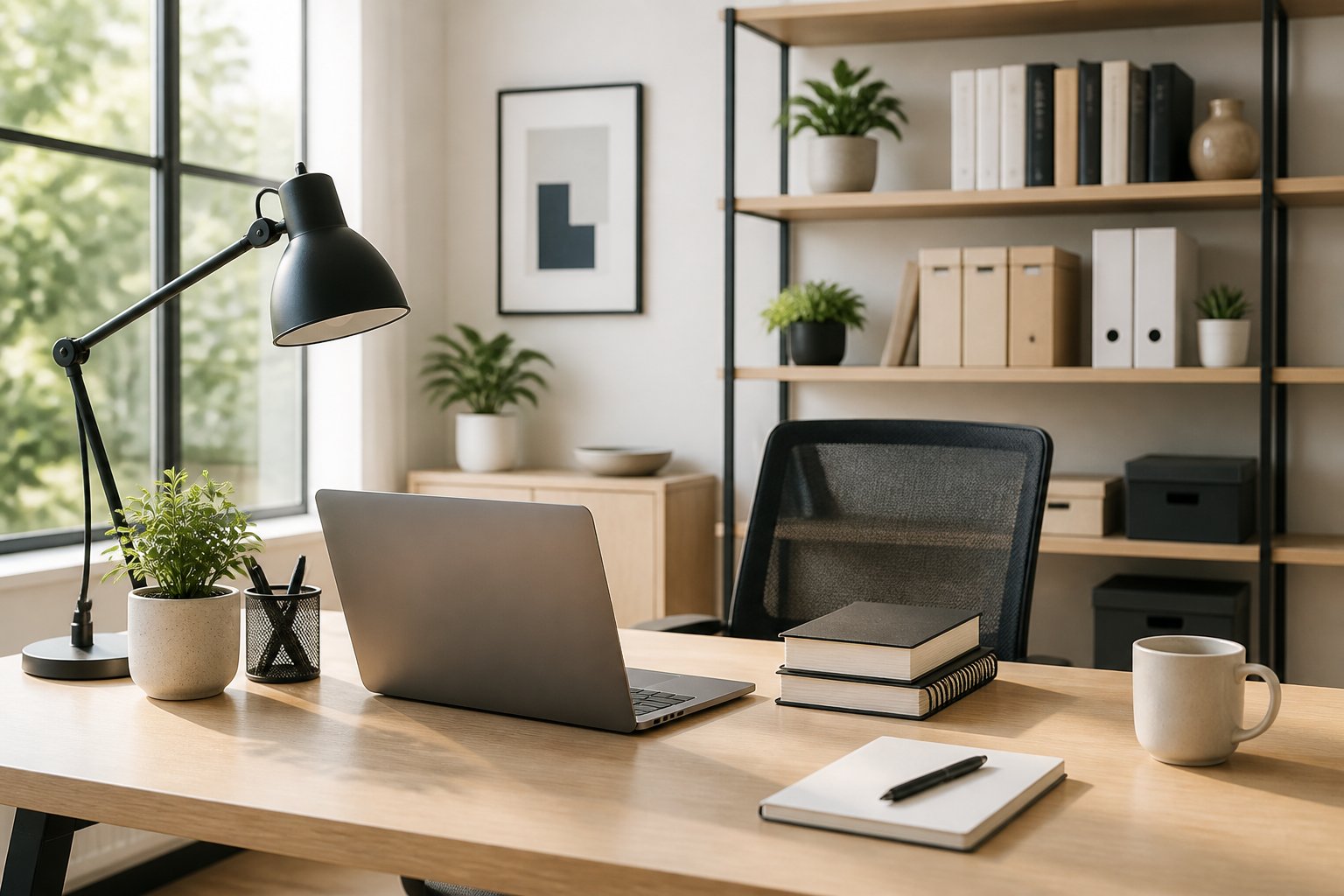
When your workspace is cluttered, your mind has to work harder to filter out what matters. Every item you see takes up a small amount of attention. Over time, this mental effort adds up and drains your energy.
In this article, you'll learn how your physical space affects your ability to get things done. You'll discover practical ways to organize your workspace and keep it that way. By the end, you'll understand why the connection between organized spaces and high productivity is so strong.
The Impact of Environment on Personal Productivity
Your physical workspace directly shapes how well you perform tasks and manage your time. A well-organized environment reduces mental strain, simplifies decision-making, and creates conditions that support sustained focus throughout your workday.
Psychological Benefits of Order
When you work in an organized space, your brain processes information more easily. Clean surfaces and sorted materials create a sense of control that lowers stress levels. Your mind doesn't have to work as hard to filter out visual distractions.
Research shows that physical environments influence your well-being and motivation. When you feel satisfied with your workspace, you naturally feel more driven to complete tasks. An organized area sends signals to your brain that you're ready to work.
Key psychological advantages include:
- Reduced anxiety from knowing where items are located
- Increased confidence in your ability to complete work
- Better mood throughout the day
- Greater job satisfaction
The mental clarity you gain from order helps you think more clearly. You can focus on solving problems instead of searching for supplies or dealing with chaos.
Reducing Decision Fatigue
Every choice you make during the day uses mental energy. When your space is disorganized, you face countless small decisions: Where did I put that file? Which pile has the document I need? Should I clear this clutter first?
These micro-decisions drain your mental resources before you start actual work. You have a limited amount of decision-making capacity each day. Wasting it on finding items or navigating mess leaves less energy for important choices.
An organized system eliminates unnecessary decisions. You know exactly where tools, files, and materials belong. This automatic knowledge frees your mind for creative thinking and problem-solving.
Boosting Focus and Efficiency
Your ability to concentrate depends heavily on your surroundings. Clutter competes for your attention, pulling your eyes and thoughts away from the task at hand. Each visible item can trigger unrelated thoughts or remind you of other tasks.
A clear workspace removes these competing signals. You can direct your full attention to one activity at a time. This focused state allows you to work faster and produce higher quality results.
Organization also speeds up your workflow. You spend less time searching and more time doing. When everything has a designated spot, you can move smoothly from one task to the next without interruptions.
Strategies for Maintaining a Tidy Workspace

Keeping your workspace organized requires specific techniques and daily habits. The key is to remove what you don't need, store items where you can find them easily, and stick to simple routines that prevent clutter from building up again.
Decluttering and Organization Techniques
Start by clearing everything off your desk and sorting items into three groups: keep, throw away, and relocate. This simple process helps you see what you actually use versus what just takes up space.
Keep only the items you use daily within arm's reach. Papers should be filed immediately or digitized to reduce desk clutter. Use drawer dividers and desktop organizers to give every item a specific home.
Essential items to keep on your desk:
- Current project materials
- Writing tools you use regularly
- One notebook or notepad
- Your computer and necessary devices
Everything else should go in drawers, shelves, or storage areas. Label containers and folders clearly so you can find things in seconds instead of searching through piles. Take 10 minutes at the end of each day to put items back where they belong.
Prioritizing Functional Storage Solutions
Storage should match how you actually work. Place frequently used supplies in easy-to-reach spots and rarely used items in less accessible areas. This approach saves time and keeps your main workspace clear.
Use vertical space with shelves and wall organizers instead of letting items spread across your desk. File cabinets, drawer organizers, and storage boxes turn messy piles into organized systems.
Choose storage that fits your specific needs. A graphic designer might need flat files for prints, while a writer might need magazine holders for research materials. The right storage makes it easier to maintain order because everything has a logical place.
Creating Routines for Sustained Order
Set aside five minutes at the end of each workday to clear your desk and put items away. This daily reset prevents clutter from accumulating and helps you start fresh each morning.
Schedule a deeper organization session once per week. During this time, file loose papers, wipe down surfaces, and reorganize anything that got messy. Monthly, review your entire workspace and remove items you no longer need.
Build these habits into your schedule like any other task. You might clean your desk right before lunch or do a quick tidy-up before your first meeting. The specific timing matters less than doing it consistently.
Frequently Asked Questions

Organized spaces directly impact your ability to concentrate, manage time, and maintain consistent routines. Understanding the specific techniques and traits that support organization helps you create systems that last.
How does an organized workspace affect focus and productivity?
An organized workspace removes visual distractions that compete for your attention. When your desk and surrounding area are free of clutter, your brain spends less energy processing unnecessary information. This allows you to direct your mental resources toward the tasks that matter.
You can locate tools and materials faster in an organized space. The average person wastes up to an hour each day searching for misplaced items. When everything has a designated spot, you eliminate this wasted time.
Physical organization also reduces stress levels. Clutter triggers your brain's stress response because it signals unfinished work and chaos. A clean workspace creates a sense of control and calm that supports sustained focus.
What are the most effective steps to declutter and organize a home for better daily routines?
Start by removing items you no longer use or need. Go through one room at a time and sort belongings into three categories: keep, donate, and discard. This prevents you from feeling overwhelmed by the entire house at once.
Assign a specific home for each item you decide to keep. Items without designated spots tend to migrate around your house and create new clutter. Use labels on containers and shelves to make it easy to remember where things belong.
Create zones in your home based on activities. Designate specific areas for work, relaxation, meal preparation, and storage. This helps you maintain routines because you naturally move through your day in an organized pattern.
Implement a daily reset routine where you spend 10-15 minutes returning items to their proper places. This small habit prevents clutter from building up again.
How can professionals build and maintain an organized system at work?
Set up a filing system that matches how you actually work. Whether you use digital folders or physical files, create categories that reflect your projects and responsibilities. Review and update this system monthly to keep it relevant.
Use a task management method that captures all your commitments in one place. Write down every task, deadline, and meeting so you don't rely on memory alone. Your system should let you see what needs attention today, this week, and this month.
Block time on your calendar for organization and planning. Schedule 30 minutes at the start of each week to review priorities and 15 minutes at the end of each day to prepare for tomorrow. These sessions keep your workspace and schedule from becoming chaotic.
Limit the number of items on your desk to only what you need for current projects. Store everything else in drawers or cabinets. A clear work surface makes it easier to transition between tasks.
What organization habits do successful managers use to keep teams and projects on track?
Successful managers establish clear systems for tracking project progress. They use project management tools or shared documents where team members can see deadlines, responsibilities, and status updates. This transparency reduces confusion and duplicate work.
They hold regular check-in meetings on a consistent schedule. These meetings don't need to be long, but they create predictable touchpoints where issues surface before they become problems. You know what to expect and when to prepare updates.
Effective managers document decisions and action items immediately. They send follow-up emails or update shared workspaces right after meetings. This creates a record everyone can reference and prevents miscommunication.
They also model organized behavior for their teams. When managers keep organized calendars, respond to messages promptly, and maintain tidy workspaces, team members tend to adopt similar habits.
Which personality traits are most commonly associated with highly organized people?
Highly organized people tend to be conscientious. They care about doing things correctly and following through on commitments. This trait drives them to create systems that prevent mistakes and missed deadlines.
They display strong self-discipline. Organization requires consistent effort even when you don't feel motivated. People who maintain organized spaces can delay gratification and stick to routines.
Detail orientation is another common trait. Organized individuals notice when things are out of place or when systems aren't working efficiently. They adjust their methods based on these observations.
Many organized people also value predictability and planning. They feel more comfortable when they can anticipate what's coming and prepare accordingly. This preference naturally leads them to create structured environments.
What practical methods help people stay organized consistently over time?
The two-minute rule helps prevent small tasks from piling up. If something takes less than two minutes to complete, do it immediately instead of adding it to a list. This applies to filing papers, responding to simple emails, or putting items away.
Create visual reminders for important habits. Place items you need in locations where you'll see them at the right time. For example, put your gym bag by the door the night before an early workout.
Review and adjust your organizational systems quarterly. What works in one season of life may not work in another. Set aside time every few months to evaluate which systems are helping and which need improvement.
Automate recurring tasks whenever possible. Set up automatic bill payments, use recurring calendar events for regular activities, and create templates for documents you use frequently. Automation reduces the mental load of remembering routine tasks.
Build organization into existing habits through habit stacking. After you finish your morning coffee, immediately review your daily schedule. When you return home from work, spend five minutes sorting mail and clearing surfaces. Linking new organizational habits to established routines makes them stick.