



Why Some Homes Feel Energizing While Others Feel Draining
May 6, 2026
You walk into a friend's house and instantly feel relaxed. Then you visit another home that looks nice but makes you feel tired or tense. This is not just in your head.
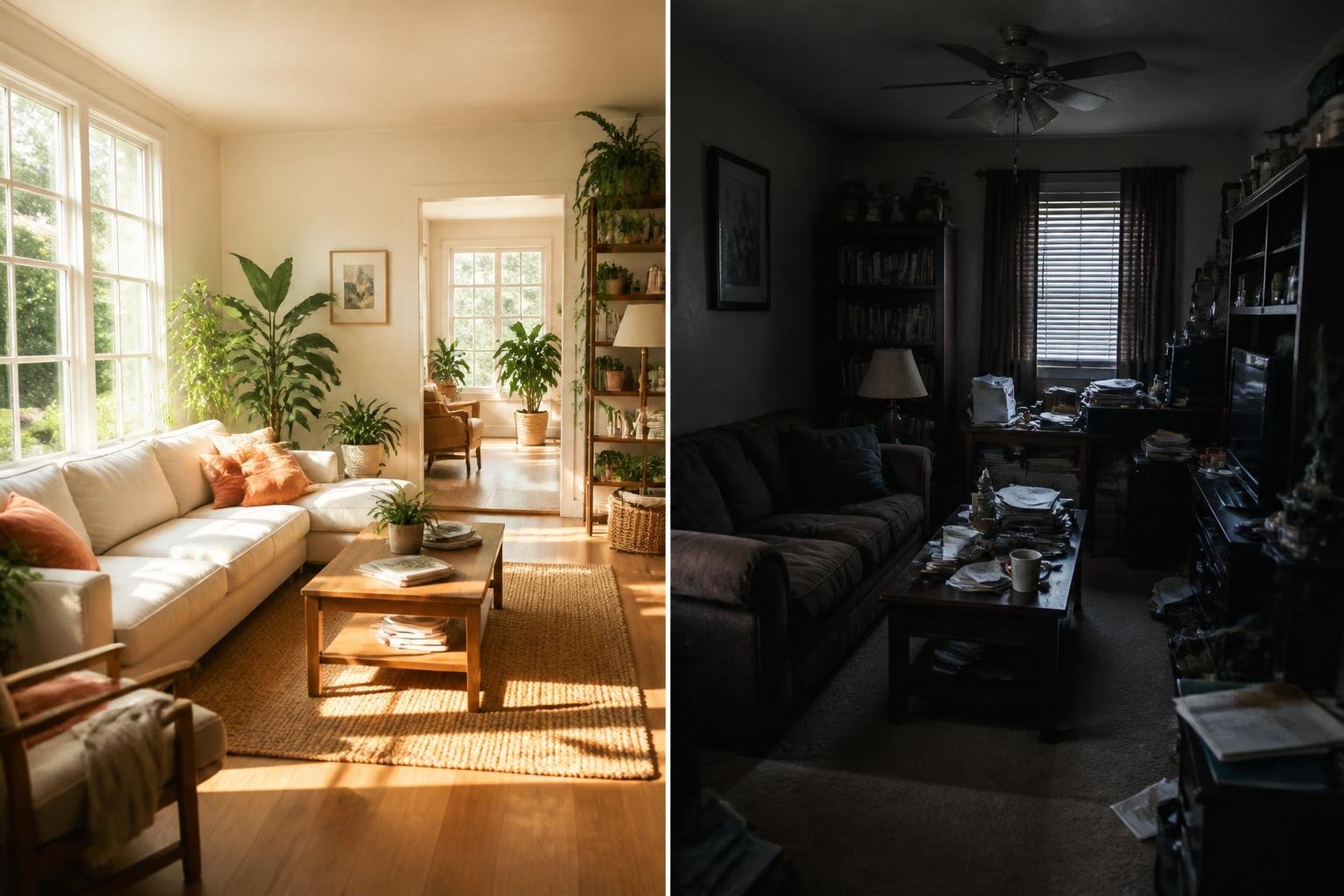
Your home affects your mood and body through design, what you see and hear, and how the rooms fit your day-to-day needs. Whether a house feels energizing or draining depends on things you can notice and change. These include natural light, clutter, colors, and how rooms are arranged.
Knowing what makes a space feel good helps you make your home support your energy instead of using it up. How your surroundings affect you is based on real ideas from psychology and the environment.
Key Things That Shape a Home's Feel
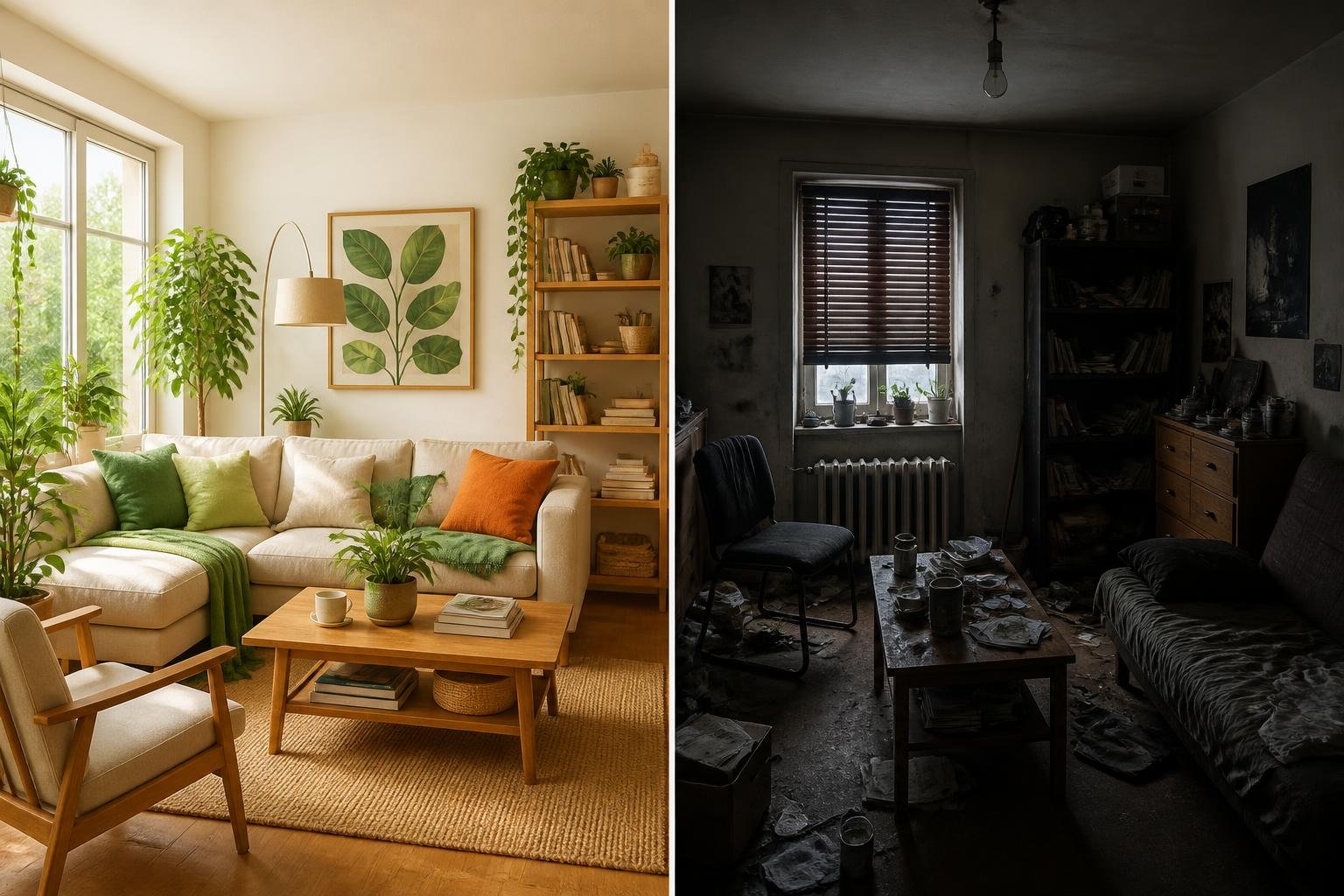
How your home makes you feel comes down to three main things: colors and design, how light moves through the rooms and how rooms connect, and whether your things are tidy or messy.
Design and Color
Colors change your mood and energy. Warm colors like red, orange, and yellow can make you feel more awake. Cool colors like blue, green, and soft gray tend to calm you and lower stress.
Pick colors for each room based on what you do there. Bedrooms usually work better with blues and soft greens because they help you relax. Home offices can use yellow accents to boost focus without being too bright.
How colors often make people feel:
- Red: Can raise heart rate and create excitement
- Blue: Calms people and helps focus
- Green: Restores balance and eases the eyes
- Yellow: Boosts thinking and feels cheerful
- Gray: Neutral, but too much can feel dull
Materials and textures also matter. Soft fabrics, wood, and smooth surfaces send different signals to the brain about comfort and safety.
Impact of Natural Light and Space Layout
Natural light helps control your sleep, energy, and mood. Rooms with little sunlight can make you feel tired or sad, especially in winter.
How much light a room gets depends on window size, which way they face, and things outside that block light. In the Northern Hemisphere, south-facing windows bring the most light. North-facing windows give softer, steady light.
How rooms connect matters too. Open layouts often feel lively because people can move and talk easily. Closed-off rooms can feel cozy or cramped depending on their size and use.
Ceiling height changes how a room feels. High ceilings make a room feel open and can help you think more freely. Low ceilings feel closer and more private but can seem tight in a small room.
Presence of Clutter and Organizational Flow
Clutter can wear you out because your brain notices many things at once. Every item you see asks your brain to sort or ignore it.
Being in a messy or cluttered place raises stress and makes it harder to focus.
Good organization means things have a set place. You can find items quickly and put them away easily.
Visual clutter is different from dirty mess. Even neat piles or many items in view can feel too busy. Hidden storage or fewer items on counters can make a room calmer while keeping things handy.
Influence of Individual Experiences and Lifestyle
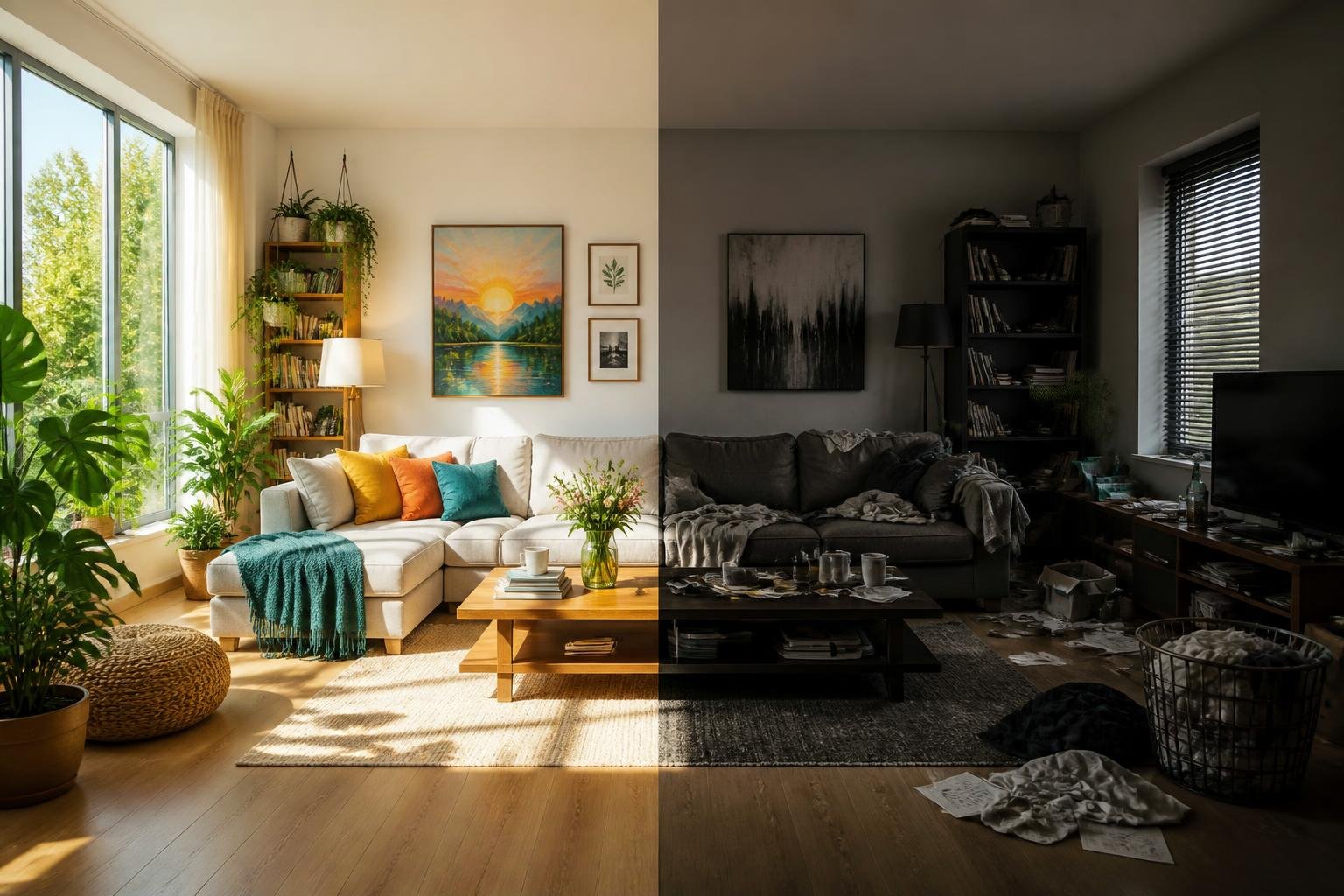
Your past, culture, and daily routines affect how a home makes you feel. The same room can feel energizing to one person and draining to another depending on their life and habits.
Personal Energy Sensitivity and Emotional States
How you feel right now changes how your home feels. When you are stressed or worried, you notice things like clutter, noise, and dim lights more. Those same things might not bother you when you are calm.
People also differ in how easily they are affected by their surroundings. Some notice small details, like the hum of a fridge or the color of a light. Others barely notice these things.
Your childhood home can shape what feels right to you. If you grew up in a quiet, neat house, a messy, busy place may drain you. If you grew up in a loud, busy home, very quiet spaces may feel strange.
Common sensitivity triggers include:
- How bright the lights are and how much natural light you have
- Noises from neighbors, traffic, or appliances
- Room temperature and how the air moves
- Visual clutter and how organized things are
Cultural Backgrounds and Social Dynamics
Your culture affects what kind of home feels energizing. Some cultures like open spaces where family spends time together. Others prefer private rooms and clear boundaries.
The number of people in your home matters based on whether you like being around others. Some people get energy from roommates or family. Others need alone time to recharge.
Ideas about cleanliness and shared spaces also differ across cultures. What feels warm and welcoming to you might seem messy or too strict to someone else.
Lifestyle Patterns and Daily Routines
Your daily routine shapes which parts of a home matter most. If you work nights, you need a dark, quiet bedroom. If you work from home, you need a good workspace and good light.
Your lifestyle affects home energy through:
- Your work schedule and whether you work from home
- How much you exercise or move each day
- How often you host people
- Your sleep habits and rest needs
Active people need different things than people who sit a lot. You might need easy access to outdoor space, storage for gear, and room to move. If your home does not fit your daily habits—like a cramped kitchen when you cook a lot—it can drain your energy over time.
Frequently Asked Questions
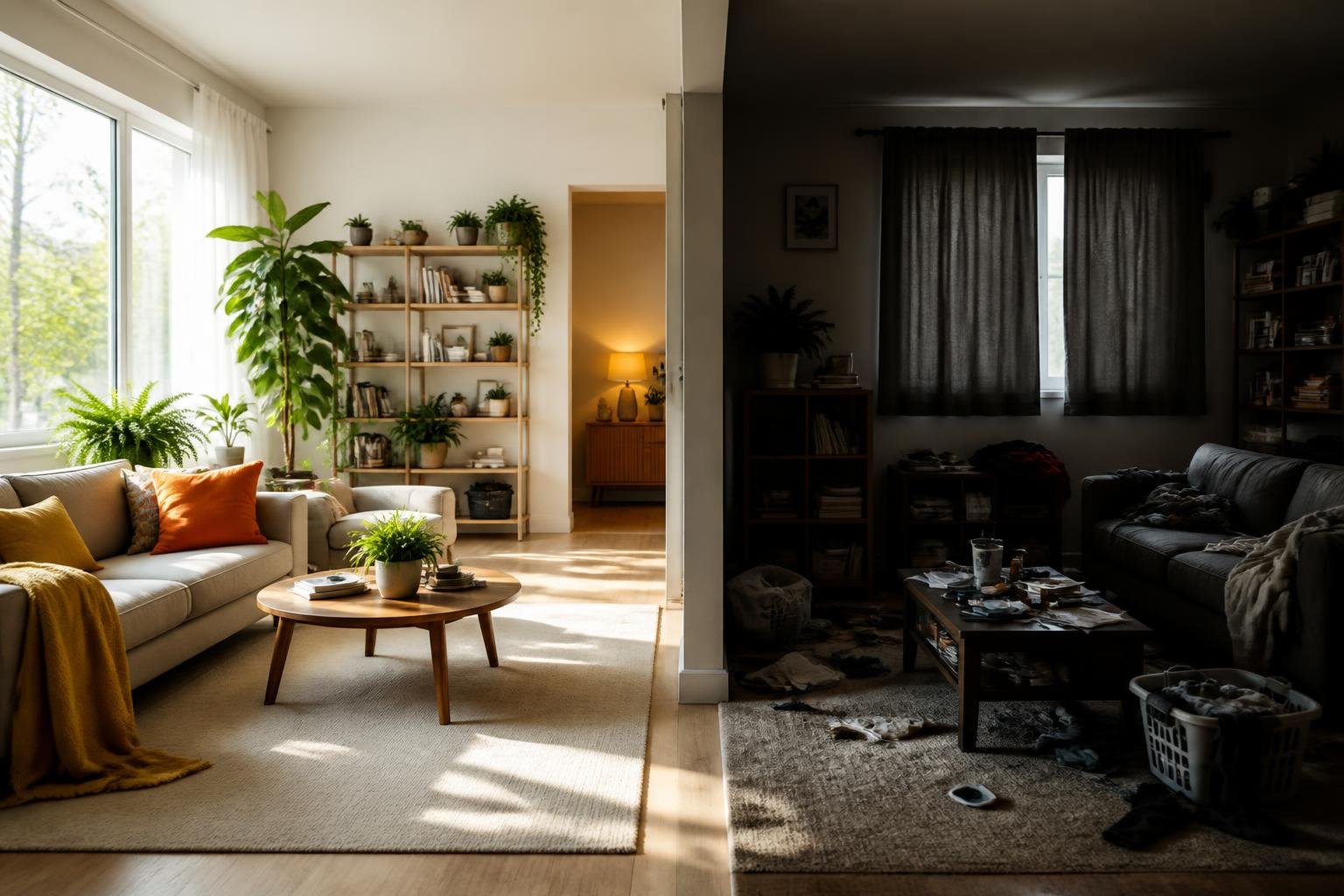
How your home looks and feels can change your mood and energy. Things like light, air, noise, and how rooms are arranged can make you feel awake and happy or tired and stressed.
What home factors make people feel drained or tired?
Poor natural light is a big reason. Rooms with little sunlight can mess with your sleep cycle and make you feel low.
Low ceilings and small, cramped rooms can feel heavy. Your body can react with stress when space feels tight.
Constant noise from traffic, machines, or neighbors adds stress. Even if you get used to it, your body stays on alert.
Very hot or very cold rooms make your body work harder to stay comfortable. That uses up energy and makes you tired faster.
How do lighting, color, and clutter affect mood and energy?
Harsh fluorescent lights can strain your eyes and cause headaches. They can also disturb your sleep rhythm, which lowers daytime energy.
Warm light (2700–3000K) helps you relax. Cool light (above 5000K) can make you more alert but may feel cold and tiring if used too much at home.
Dark colors soak up light and make rooms feel smaller and heavier. Light colors reflect light and make rooms feel bigger and lighter, which helps energy.
Visual clutter makes your brain work more. Seeing many items all the time raises stress and makes it hard to focus.
How can you find and remove things that drain energy in a room?
Pay attention to rooms you avoid or leave quickly. Your body often notices what is stressing you before your mind does.
Start by clearing visible clutter from surfaces and floors. Keep only what you use or what makes you happy.
Check lighting at different times of day. Add lamps where you need them and replace flickering or harsh bulbs.
Try out seating and work areas for comfort. Bad furniture makes your body tense and uses up energy over time.
How do ventilation, indoor air quality, and odors affect how energized a space feels?
Stale air lowers oxygen and raises carbon dioxide. That can make you feel tired and foggy even if you slept enough.
Poor ventilation traps chemicals from furniture, paint, and cleaners. These chemicals can cause headaches, sore throats, and tiredness.
Mold and mildew make musty smells that signal problems. These smells can cause low-level stress that adds up over time.
Opening windows for 15 minutes a day can freshen the air. It removes pollutants and brings in oxygen that helps you feel more alert.
Can the presence and behavior of other people in the home impact your energy, and how can you tell?
Other people’s emotions can affect you. You may copy their stress or calm without noticing.
Frequent interruptions break your focus and use up mental energy. Your brain works hard to get back on track after each break.
Tension or arguments make you stay on edge. Being hypervigilant burns energy even when things seem quiet.
If you feel more relaxed when someone leaves, that can show their presence was stressful for you.
What simple changes in layout, organization, and daily routines can make a home feel more energizing?
Place furniture to get the most natural light. Sit or work near windows so you get daylight during the day.
Make clear areas for different activities. It is easier for your brain when rooms are used for one purpose, like work or rest.
Do a 10-minute evening tidy each day. Put things away, wipe surfaces, and set out what you need for tomorrow so you wake up to an organized space.
Keep entryways clear and welcoming. A neat entrance lowers stress and makes moving through the home easier.