



Why Should We Keep Our Table Clutter Free: Essential Benefits for Productivity and Mental Clarity
July 26, 2026
Tables collect clutter faster than almost any other surface in your home. Mail, keys, school papers, and random items pile up because tables are easy to reach and sit right in the middle of your daily routine. Before you know it, your table becomes a catch-all spot instead of a useful space for meals and activities.

A clutter-free table makes your daily life easier by giving you a clean space to eat, work, and spend time with your family. When your table stays clear, you can actually use it for what it was made for. You don't have to waste time clearing things away every time you need the space.
Keeping your table tidy also affects your mood and home safety in ways you might not expect. A messy table can make you feel stressed and overwhelmed. It can also create hazards, especially if items pile too high or block walkways. This article will show you why a clear table matters and how it impacts different parts of your home life.
Impact of a Tidy Table on Daily Life

A clutter-free table directly affects how well you work, think, and feel throughout your day. It shapes how others see your space and influences your ability to handle tasks efficiently.
Enhanced Focus and Productivity
When your table is clear, your brain can focus on the task at hand instead of processing visual distractions. Studies show that organized work surfaces help you complete tasks faster and make fewer mistakes.
A tidy table lets you find what you need right away. You don't waste time searching through piles of papers or moving items around to create workspace. This saved time adds up quickly over days and weeks.
Your brain works better when it sees order. A clean surface tells your mind that it's time to work, which helps you get started on tasks more easily. You can spread out your materials and see everything clearly without competing for space.
Key productivity benefits:
- Faster task completion
- Easier access to needed items
- Better concentration
- More usable workspace
Reduced Stress and Mental Clutter
Visual clutter creates mental clutter. When you look at a messy table, your brain tries to process every item in view, which drains your energy and increases stress levels.
A clear table gives your mind a sense of calm and control. You feel more relaxed when you sit down because the space doesn't overwhelm you with unfinished tasks or disorder. This peaceful feeling helps you think more clearly.
Keeping your table tidy also reduces decision fatigue. You don't need to constantly decide what to do with items or where to put them. The empty space becomes a neutral zone where you can think and work without visual pressure.
Positive Impression on Visitors
Your table tells visitors about your habits and priorities. A clean surface suggests that you value organization and respect shared spaces. This matters whether visitors are family members, friends, or coworkers.
People feel more comfortable in tidy spaces. When guests see a clutter-free dining table or desk, they can relax without feeling like they're intruding on your chaos. The space feels welcoming and ready for interaction.
A clear table also shows respect for others. It demonstrates that you've prepared the space for shared use, whether that's a meal, a meeting, or a conversation. This small detail can strengthen your relationships and professional image.
Health and Safety Considerations
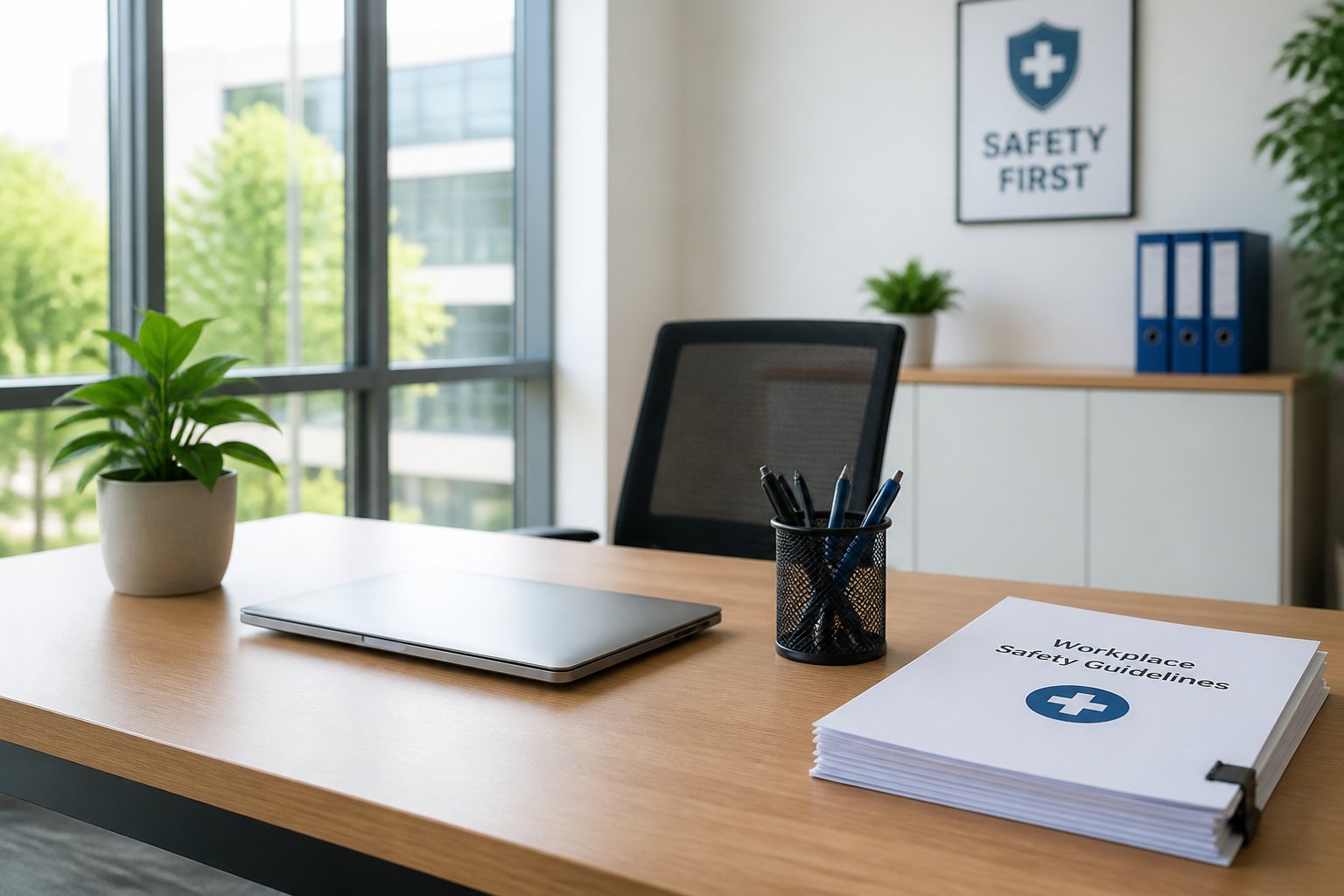
A clutter-free table directly protects your physical well-being and creates a healthier environment. These benefits extend beyond simple tidiness to prevent real injuries and reduce exposure to germs.
Minimizing Risk of Accidents
Cluttered tables create immediate tripping and falling hazards in your workspace. Items stacked on table edges can easily fall and cause injuries to you or others nearby. When you reach across a messy table, you risk knocking over liquids, sharp objects, or heavy equipment.
Common table clutter accidents include:
- Objects falling from table edges onto feet or hands
- Cuts from hidden scissors, paper edges, or tools
- Burns from hot beverages knocked over while reaching
- Eye injuries from pens or small items that roll off surfaces
A clear table lets you move safely without unexpected obstacles. You can quickly locate what you need without dangerous reaching or stretching motions. During emergencies, a clutter-free surface means you can evacuate faster without items blocking your path or causing you to trip.
Promoting Cleanliness and Hygiene
Clutter on your table traps dust, food particles, and bacteria that accumulate over time. Papers, books, and random items create spaces where dirt hides and becomes difficult to clean. This buildup affects your air quality and increases your exposure to allergens.
When your table stays clear, you can wipe surfaces thoroughly every day. Regular cleaning removes germs that cause illness and prevents mold growth from spilled drinks or food. A clean table also discourages pests like insects or rodents that seek food debris and hiding spots.
Shared workspaces with cluttered tables spread germs between multiple people who touch the same contaminated surfaces. You reduce disease transmission by maintaining a table that you can sanitize completely.
Frequently Asked Questions
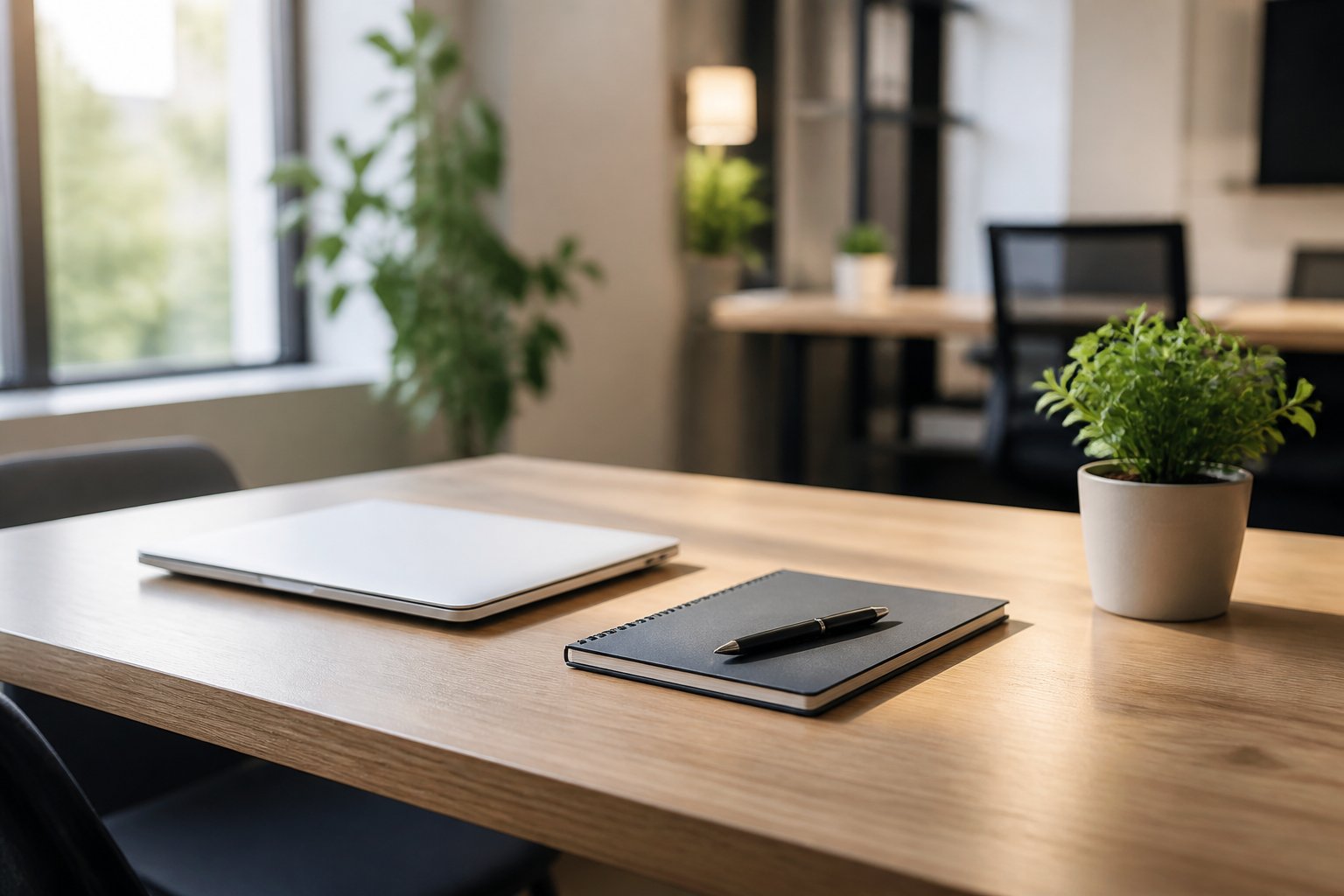
A clutter-free table directly impacts your ability to concentrate, affects household cleanliness, and shapes how your family functions together. Understanding these connections helps you see why maintaining clear surfaces matters beyond just appearances.
How does a clutter-free table affect focus and productivity in daily tasks?
When your table is clear, your brain doesn't have to process visual distractions while you work or eat. Studies show that cluttered environments force your mind to split attention between your current task and the mess around you.
A clean table gives you physical space to spread out what you actually need. You can open your laptop, lay out homework, or prep ingredients without moving piles of stuff first. This saves time and mental energy that you can direct toward finishing your actual work.
Your productivity increases because you spend less time searching for items buried under clutter. Everything has a clear place, and you can start tasks immediately instead of clearing space first.
What hygiene and food-safety issues can develop when tables are kept cluttered?
Clutter creates hiding spots for food crumbs and spills that attract insects and rodents. When mail, keys, and random objects cover your table, you can't see or clean the surface properly.
Bacteria grow on surfaces where food residue sits unnoticed. If you place clean dishes or prepare meals on a cluttered table, you risk contaminating food with germs from unwashed items that have been sitting there.
Cross-contamination becomes a real concern when non-food items mix with eating spaces. Your purse from the grocery store floor or your phone covered in germs shouldn't share space with where you eat meals.
How can keeping a table clear reduce stress and improve mental clarity at home?
Your brain perceives clutter as unfinished business that needs attention. Every time you see that pile on your table, your stress levels increase slightly because your mind registers it as a task you haven't completed.
A clear table signals order and control in your environment. This visual calm helps your nervous system relax, making your home feel more peaceful.
You make better decisions when you're not mentally overwhelmed by mess. Clear surfaces help you think more clearly because your brain isn't working overtime to filter out visual noise from your surroundings.
What practical steps help maintain a clutter-free kitchen or dining table every day?
Deal with items on your table at least once daily, preferably at the end of each day. This prevents small amounts of clutter from building into overwhelming piles.
Create specific homes for items that typically land on tables. Mail needs a sorting station, keys need a hook or bowl, and school papers need a filing system. When items have designated spots that are just as easy to reach as your table, you'll actually use those spots.
Set a timer for five minutes and clear everything off the surface. Sort items into three groups: trash, items that belong elsewhere, and items that truly need to stay on the table temporarily.
Keep a small basket or tray near the table for items in transition. This contains the clutter to one small area instead of spreading across the entire surface.
How does a clear table improve family routines, meal preparation, and shared activities?
Families are more likely to eat together when the table is ready to use. If clearing clutter feels like a chore before every meal, people will eat separately or skip the table entirely.
Meal prep becomes faster and safer when you have clean workspace. You can wash, chop, and assemble ingredients efficiently without working around obstacles or worrying about contamination.
Homework, crafts, and game nights happen more naturally when space is available. Kids can sit down and start activities immediately instead of waiting for adults to clear room first.
A welcoming table encourages everyone to spend time together. Clear surfaces invite people to gather, while cluttered ones push family members to separate rooms.
What quick decluttering methods can keep surfaces tidy when time is limited?
Use the one-minute rule: if something takes less than a minute to put away, do it immediately instead of setting it on the table. This prevents most clutter before it starts.
Keep a basket nearby for quick cleanups before guests arrive or meals. Sweep everything into the basket, then sort it later when you have more time.
Take items with you when you leave the room. If you're heading upstairs, grab anything from the table that belongs up there. This habit prevents clutter without requiring extra trips.
Wipe the table surface once daily with a cleaning cloth. This physical action forces you to remove items and makes it harder for clutter to accumulate unnoticed.