



Why Physical Space Strongly Impacts Self-Perception
May 17, 2026
The rooms you walk through, the buildings you work in, and the spaces you call home do more than just provide shelter. Your physical surroundings actively shape how you see yourself, influencing your mood, thoughts, and sense of identity in ways you might not consciously notice. Research in environmental psychology shows that elements like lighting, organization, textures, and even colors directly affect your emotional state and cognitive function.

Your brain constantly processes sensory information from your environment. When you enter a cluttered room, your mind responds differently than when you step into an organized space. These reactions happen automatically and build up over time to influence how you think about yourself and your capabilities.
Understanding how physical spaces impact your self-perception gives you power to make intentional choices about your surroundings. The connection between your environment and your mental state involves both psychological mechanisms and broader social factors. By learning how these elements work together, you can create spaces that support the version of yourself you want to become.
Psychological Mechanisms Influenced by Environment
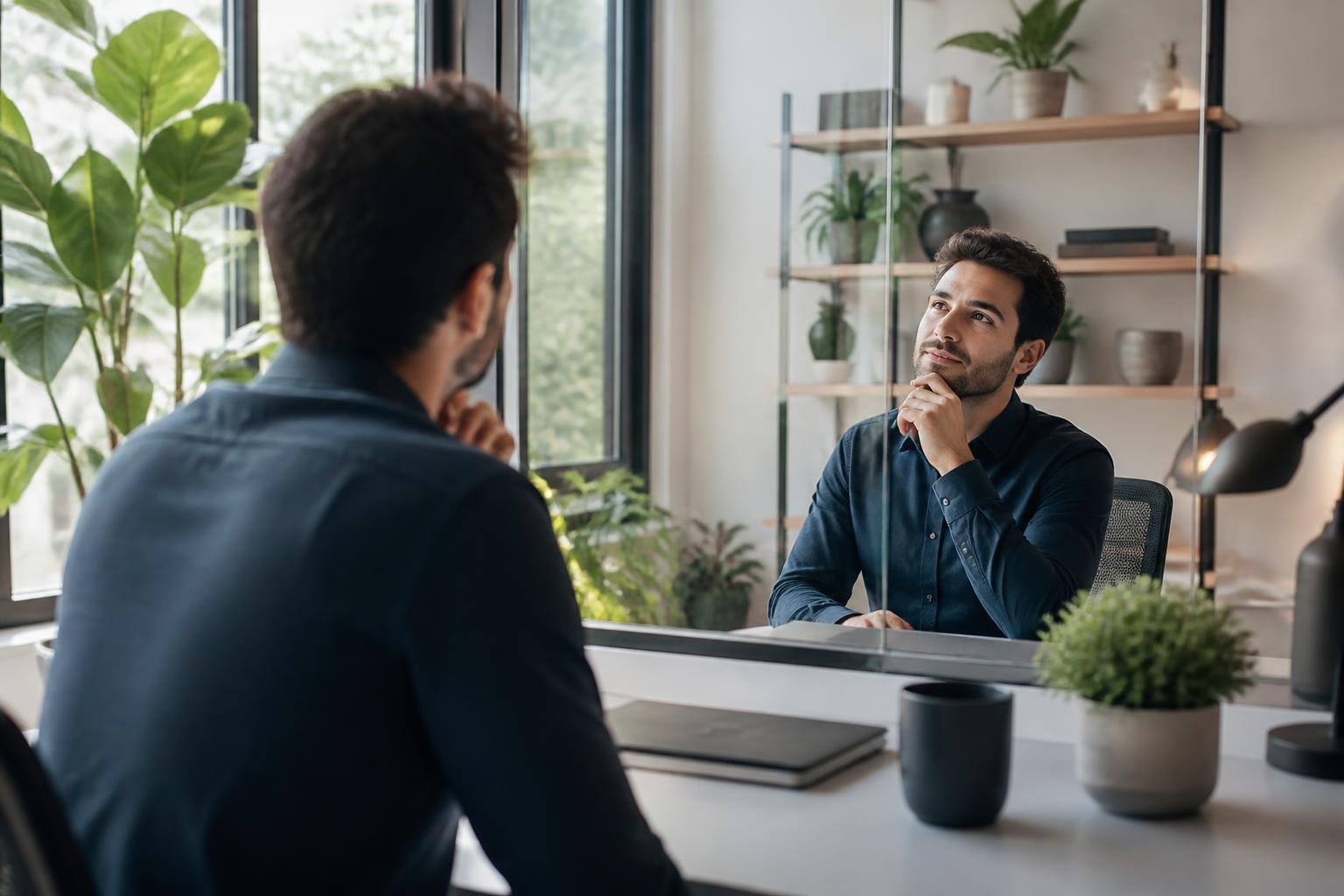
Your physical surroundings trigger specific mental processes that shape how you see yourself. These mechanisms operate through spatial arrangements, color exposure, and lighting conditions that directly affect your brain's interpretation of who you are.
Spatial Layout and Sense of Identity
The way space is arranged around you influences your self-concept. Open layouts with clear pathways make you feel more autonomous and capable of making independent choices. Cramped or cluttered spaces restrict your movement and create feelings of limitation that extend beyond the physical.
Room organization affects identity formation through:
- Personal control over your environment
- Freedom of movement and choice
- Visual clarity and decision-making capacity
When you occupy a well-organized space, your brain processes this orderliness as a reflection of competence. Conversely, chaotic environments send signals about lack of control. The physical boundaries of your space also matter. Smaller spaces can make you focus inward and feel more self-conscious, while larger areas allow your attention to extend outward.
Color Psychology and Emotional Response
Colors in your environment directly affect your mood and self-perception through physiological responses. Blue tones lower your heart rate and create feelings of calmness and reliability. Red increases arousal and can make you feel more energetic but also more anxious.
Warm colors like yellow and orange activate different brain regions than cool colors. These neural responses shape how you view your emotional state in that moment. If you regularly occupy spaces with certain color schemes, your brain associates those emotional responses with your baseline self-concept.
Color categories and their psychological effects:
| Color Type | Primary Effect | Impact on Self-View |
|---|---|---|
| Cool blues/greens | Calming, focused | Competent, stable |
| Warm reds/oranges | Energizing, stimulating | Active, passionate |
| Neutrals | Balanced, minimal | Professional, composed |
Lighting Effects on Self-Image
Light exposure controls your circadian rhythms and hormone production. Bright natural light increases serotonin levels, which improves your mood and creates positive self-assessments. Dim or artificial lighting can reduce these neurochemicals and lead to more negative self-perception.
The direction and quality of light also matters. Harsh overhead lighting creates unflattering shadows that make you more critical of your appearance. Soft, diffused light from multiple sources reduces these harsh contrasts. Your brain uses visual feedback from your environment to form judgments about yourself, and lighting determines what you see.
Consistent exposure to poor lighting affects your cognitive function. This decline in mental performance feeds into your beliefs about your capabilities and worth.
Social and Cultural Factors Shaped by Physical Settings
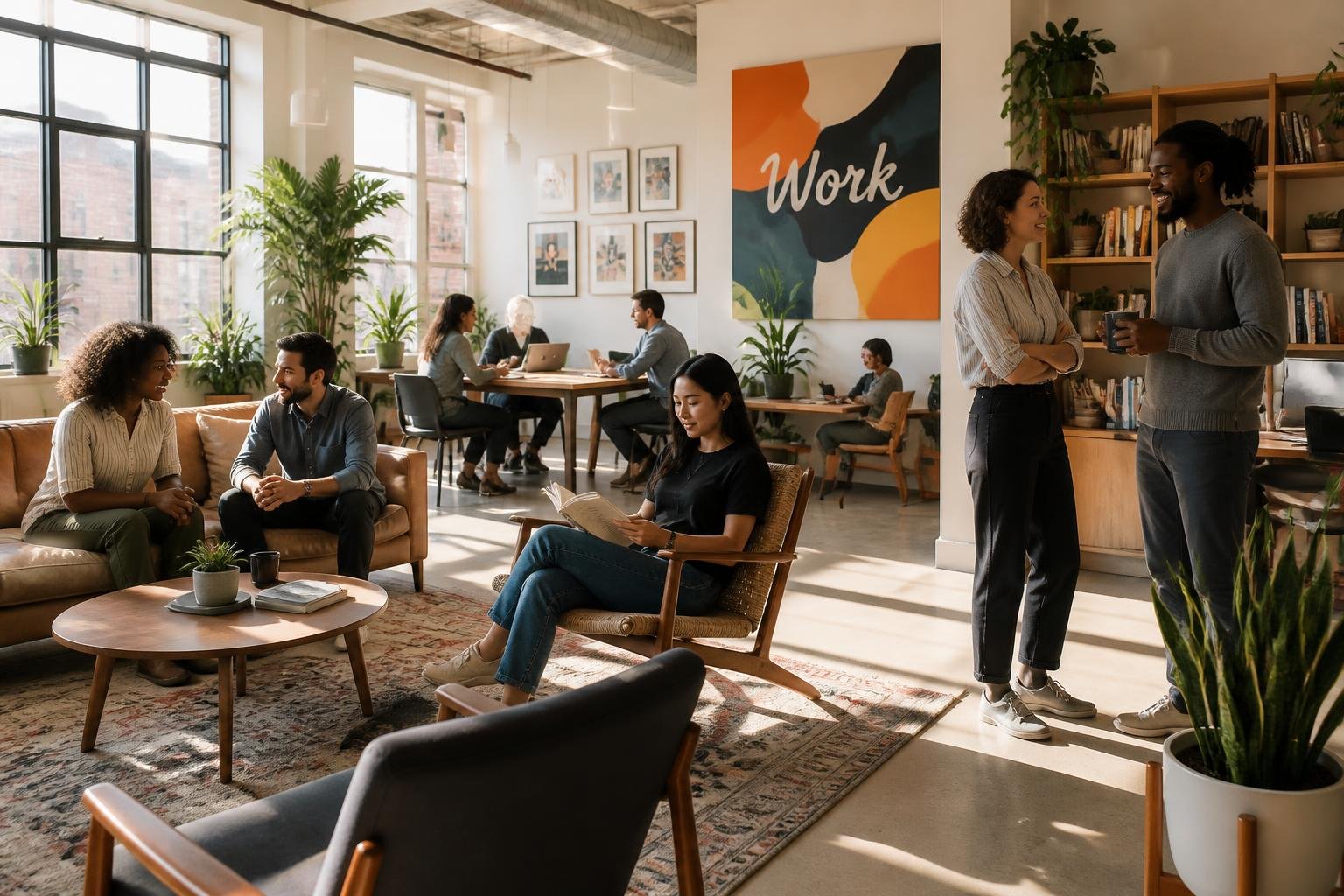
Where you live and spend your time affects how you interact with others and what cultural practices you adopt. Your physical surroundings create different opportunities for social connection and shape the beliefs you develop about yourself and your place in society.
Socioeconomic Context of Personal Spaces
Your home environment directly reflects your socioeconomic status and influences how you see yourself. If you grow up in a crowded apartment with limited privacy, you develop different beliefs about personal boundaries than someone raised in a spacious house with their own room.
The material conditions of your living space affect your daily routines and habits. Families with fewer resources often share rooms and have less control over their physical environment. This shapes parenting practices and how children learn to interact with others.
Your neighborhood's physical features send messages about your social standing. Well-maintained parks, clean streets, and quality buildings signal higher status. Run-down areas with limited resources can negatively impact how you view your own worth and possibilities.
Physical markers of socioeconomic status include:
- Quality of housing materials and maintenance
- Access to private versus shared spaces
- Availability of community resources and amenities
- Environmental conditions like noise and pollution levels
Impact of Public Versus Private Environments
Public spaces create opportunities for you to interact with diverse groups of people. Parks, plazas, and community centers bring together individuals from different backgrounds. These interactions shape your social skills and cultural understanding.
The design of public areas affects whether you engage with others or keep to yourself. Open layouts with seating areas encourage conversation. Isolated or poorly lit spaces make you avoid contact with strangers.
Private environments like your home let you express your identity differently. You control who enters and how the space looks. This ownership shapes your confidence and sense of autonomy.
Your behavior changes based on whether you're in public or private settings. You follow different social rules in each type of space. These patterns become part of how you understand your role in different social contexts.
Frequently Asked Questions
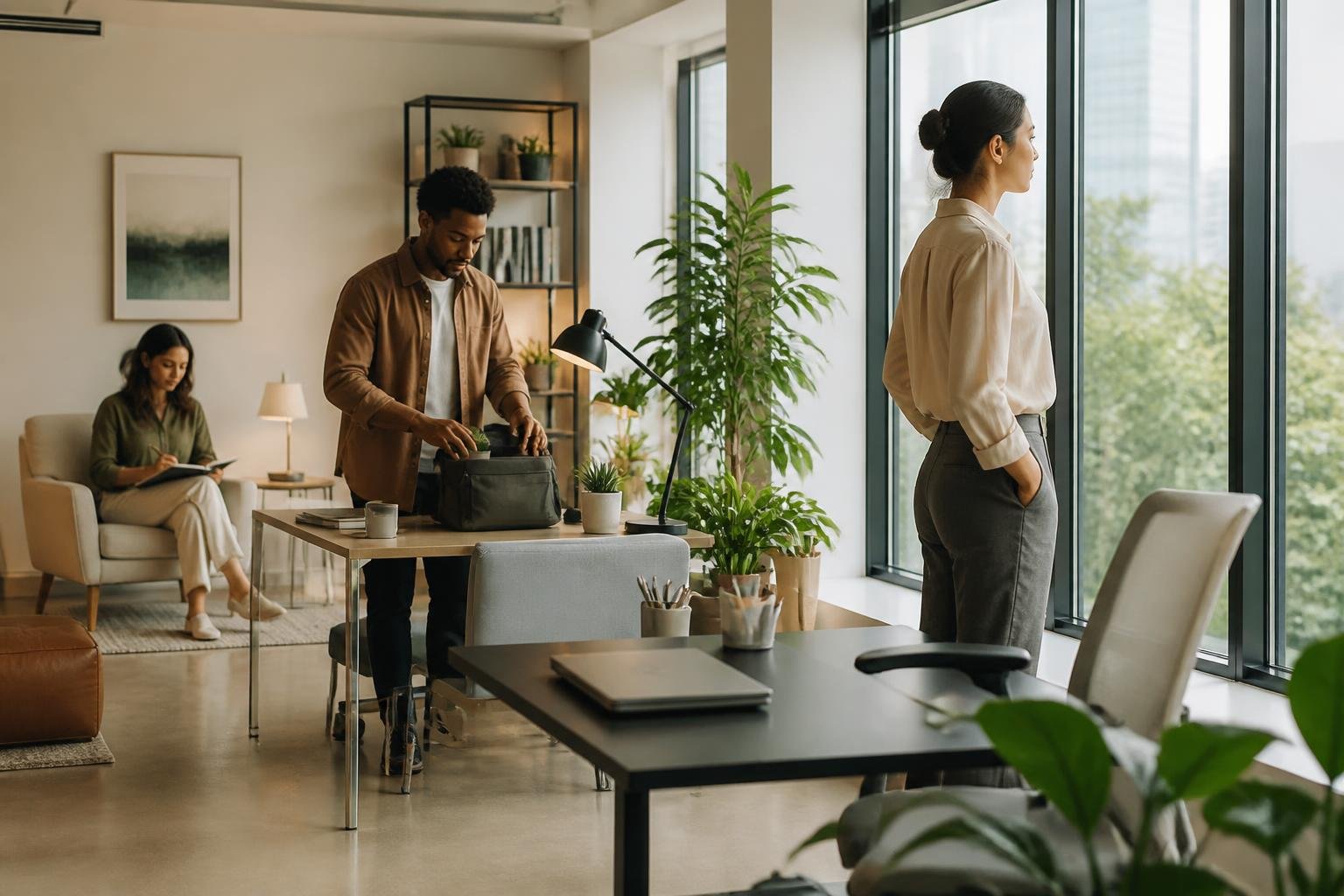
The spaces you occupy daily trigger specific brain responses that alter how you see yourself. Room design, environmental features, and social influences all work together to shape your confidence and self-worth through measurable psychological and physiological pathways.
How does the design of a room influence confidence and self-esteem?
The organization and layout of your room directly affect your emotional state and self-presentation. A clean, organized space creates feelings of calm and self-assurance, while cluttered, chaotic environments lead to stress and less confident behavior.
Color choices, lighting, and furniture arrangement send signals to your brain about safety and control. Rooms with natural light and open layouts typically boost your mood and make you feel more capable. Cramped spaces with poor lighting can make you feel restricted and lower your self-confidence.
The physical boundaries in your environment also matter for your sense of self. Spaces that give you clear personal territory help you feel more secure and in control. When your environment lacks defined boundaries, you may experience increased stress and difficulty concentrating.
What brain mechanisms explain why environments can change self-perception?
Your brain processes sensory information from your surroundings through multiple pathways that affect your emotions and thoughts. Environmental psychology research shows that physical spaces impact your emotional states, cognitive functioning, and physiological responses.
Sensory input from textures, sounds, and visual elements creates specific brain reactions. Your mind connects these sensory experiences with emotions and memories, which then influence how you think about yourself.
The concept of peripersonal space explains how your brain maps the area around your body. This mental map helps you understand where you end and the environment begins. When this space feels safe and comfortable, your brain sends positive signals that support confident self-perception.
How does physical space affect mental health and mood over time?
Living or working in cramped conditions creates ongoing psychological stress that builds up over time. Research spanning five decades shows that spatial restriction affects your emotions, behavior, thinking patterns, and physical health.
Your stress levels respond directly to your environment, which then impacts both your mental and physical wellbeing. Chronic exposure to poorly designed or overcrowded spaces can lead to persistent anxiety and negative self-perception.
The relationship between you and your surroundings is not one-sided. Your perception of a space matters as much as the physical features themselves. If you view your environment as threatening or uncomfortable, your mental health suffers even if the space seems adequate by external standards.
In what ways do beauty standards shape body image and self-worth?
Cultural beauty standards create mental benchmarks that you measure yourself against daily. These standards vary across societies and time periods, but they consistently influence how you evaluate your physical appearance.
When you internalize beauty ideals that you cannot realistically achieve, your self-worth becomes tied to an impossible goal. This creates a gap between your actual appearance and your ideal self-image. The wider this gap, the more negative your self-perception becomes.
Media exposure to beauty standards reinforces specific body types and features as desirable. Repeated exposure to these images trains your brain to prioritize certain physical attributes. This constant reinforcement makes it harder to develop self-worth based on qualities beyond appearance.
How does social media use contribute to negative body image and self-judgment?
Social media platforms show you carefully selected images that rarely represent reality. When you scroll through edited photos and filtered content, your brain starts using these unrealistic images as comparison points.
The frequency of social media use matters more than you might think. Regular exposure to idealized bodies and faces creates persistent pressure to match those standards. Each viewing session reinforces the message that your natural appearance needs improvement.
Social media feedback through likes and comments links your self-worth to external validation. When you post photos and wait for responses, you give others power over your self-perception. Lower engagement on your posts can trigger feelings of inadequacy and self-doubt.
Why is physical self-perception important for motivation, relationships, and daily behavior?
Your view of your physical self determines how confidently you move through the world. When you feel good about your body and appearance, you take more risks and pursue more opportunities. Negative self-perception holds you back from activities and interactions.
Relationships depend partly on how you present yourself to others. Your self-perception influences your body language, eye contact, and willingness to engage socially. People who view themselves positively typically form stronger connections because they interact with less self-consciousness.
Daily decisions about what to wear, where to go, and who to meet all flow from your physical self-perception. Your motivation to exercise, eat well, or try new activities connects directly to how you see yourself. When you believe you deserve care and respect, you make choices that support your wellbeing.