


Why Most Homes Don’t Match the Lifestyle We Imagine
April 17, 2026
You spend thousands of dollars on furniture, paint colors, and decorations, but your home still doesn't feel quite right. Something is off between the space you live in and how you actually want to live your daily life. This disconnect affects millions of homeowners who find their houses look complete on the surface but don't support their real routines and needs.
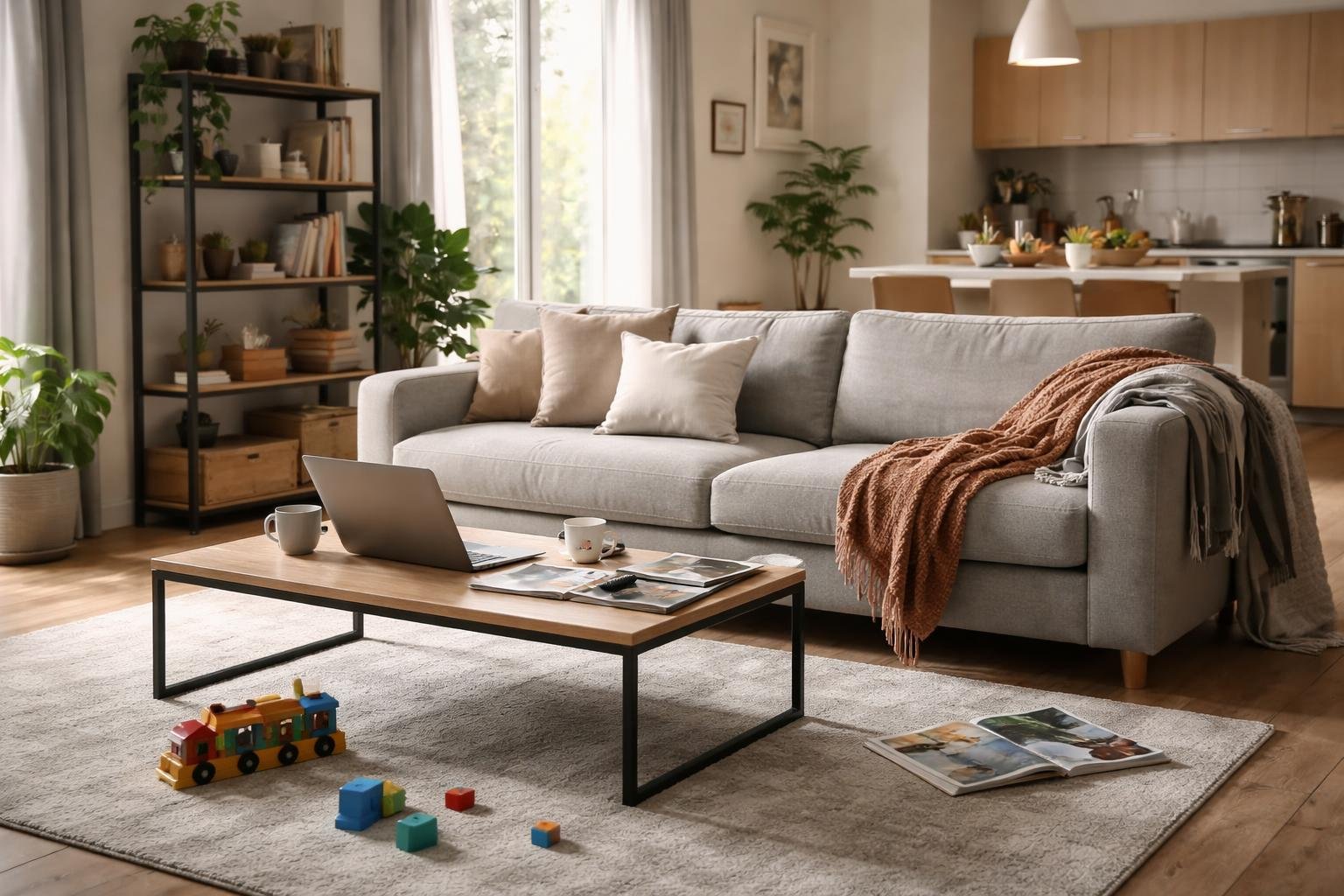
The problem isn't that you chose the wrong couch or paint color—it's that most homes are designed around outdated ideas of how people should live rather than how they actually do live. Your kitchen might follow all the standard rules, but if you rarely cook elaborate meals, all that counter space goes to waste. Your formal dining room sits empty while you eat at the coffee table every night.
Understanding why this gap exists can help you make better choices about your living space. You'll learn what creates this mismatch and how to align your home with your actual lifestyle instead of an imagined one.
Common Factors Creating a Gap Between Homes and Lifestyles

Most homes are built for an average household that doesn't exist, while buyers have little control over floor plans and features that shape their daily lives. Design choices made years before you move in can clash with how you actually live.
Misalignment of Design with Daily Routines
Home layouts often ignore how people actually move through their day. Kitchens get placed far from where families gather. Home offices end up in noisy areas near living rooms instead of quiet corners.
Builders design based on what sold in the past, not what works for current lifestyles. Open floor plans became popular for entertaining, but they create problems for people working from home who need quiet space. Storage gets added in standard spots like hall closets, even though you might need it near entryways for sports equipment or in garages for hobby supplies.
The timing of your daily activities matters too. If you work night shifts, a bedroom facing east with morning sun becomes a problem. Standard layouts assume everyone follows the same schedule, but your routine might need a mudroom near the garage or a separate entrance for business clients.
Influence of Generic Construction Practices
Construction companies build the same floor plans across entire neighborhoods to save money. They buy materials in bulk and train crews to repeat identical layouts. This approach cuts costs but limits variety.
Standard practice uses three or four basic models with minor changes to exterior colors or cabinet finishes. The core structure stays the same. Your home likely shares its layout with dozens of others in your area.
Common standardized features include:
- Kitchen islands in fixed sizes and locations
- Standard bedroom dimensions of 10x12 or 12x14 feet
- Bathrooms with tub-shower combos in master suites
- Two-car garages with identical door placements
- Cookie-cutter closet configurations
Builders focus on features that appeal to the widest market. They avoid custom requests that slow down construction or require different materials. Your specific needs become secondary to construction efficiency.
Limited Personalization During Homebuying
Most home purchases offer minimal chances to change the layout or features. You pick from existing homes or choose options from a builder's limited upgrade list. Real customization costs thousands more and delays closing dates.
When buying an existing home, you inherit all previous design decisions. The flipped house might have trendy finishes but an awkward layout you can't easily change. Walls, plumbing, and electrical systems stay where the original builder put them.
New construction offers slightly more flexibility, but only during specific phases. You might select countertops or flooring, but load-bearing walls and room sizes are fixed. Major changes require expensive custom builds that most buyers can't afford.
Changing Lifestyle Needs Over Time
Your life shifts in ways you can't predict when buying a home. The house that worked for a couple becomes cramped with kids. The big family home feels empty when children leave.
Remote work changed everything for millions of households. Dining rooms became offices overnight. Homes bought before 2020 rarely included dedicated workspace. You make do with converted bedrooms or kitchen tables.
Hobbies and interests evolve too. You might take up woodworking and need workshop space. Health changes could require accessible features like first-floor bedrooms or walk-in showers. Aging parents might need to move in, requiring separate living areas your current layout doesn't support.
Physical abilities change as you age. Stairs become harder to manage. Narrow doorways won't fit mobility devices. The two-story home you loved at 35 creates challenges at 65.
Strategies for Achieving a Better Lifestyle Fit
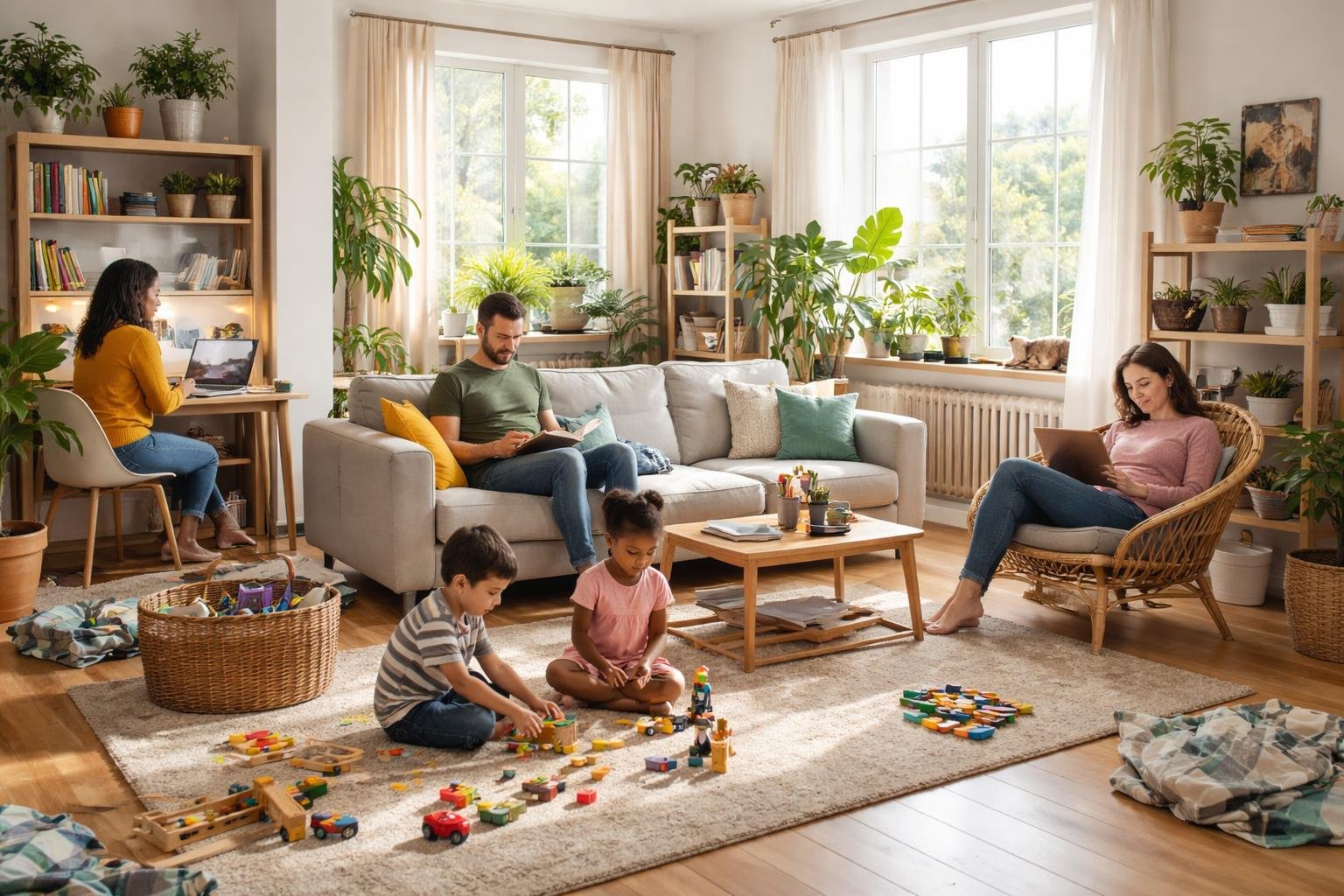
Making your home work for your life requires intentional planning during the selection process, building in adaptability, and sometimes calling in professional help to align spaces with how you actually live.
Prioritizing Needs During Home Selection
Start by listing your daily activities and habits before you look at any properties. Write down when you work from home, how often you cook, whether you exercise indoors, and how much storage your hobbies require.
Create a ranked list of must-haves versus nice-to-haves. Your must-haves should directly support your regular routines. If you cook every day, a functional kitchen matters more than a formal dining room. If you work remotely full-time, dedicated office space beats extra bedrooms.
Visit potential homes at different times of day to see how natural light, noise levels, and traffic patterns align with your schedule. A quiet street during a weekday showing might be loud on weekend mornings when you want to sleep in.
Key factors to evaluate:
- Proximity to work, schools, or activities you do weekly
- Storage capacity for your actual belongings
- Room sizes that fit your furniture and activities
- Layout flow that matches your daily movement patterns
Incorporating Flexible Living Spaces
Design rooms that can serve multiple purposes as your needs change over time. A guest bedroom can double as a home office with a murphy bed or sleeper sofa. An unfinished basement offers the chance to add exactly what you need later.
Use furniture and storage solutions that adapt rather than built-ins that lock you into one configuration. Rolling carts, modular shelving, and movable room dividers let you reconfigure spaces without renovation costs.
Plan for life transitions you can reasonably expect. Young families might convert a playroom into a homework station. Empty nesters could turn children's bedrooms into craft studios or fitness rooms. Leaving some areas open-ended gives you options without requiring major construction.
Working with Designers for Tailored Solutions
Interior designers and architects can translate your lifestyle into functional layouts you might not envision yourself. They spot opportunities to customize standard spaces for your specific activities and preferences.
Share your actual daily schedule and pain points with current living arrangements. A designer needs to know you batch-cook on Sundays or that three people get ready simultaneously each morning to create solutions that work.
Professional help costs money upfront but prevents expensive mistakes. A designer can identify which walls you can remove, how to maximize awkward corners, or where adding built-in storage makes sense for your belongings. They know building codes and spatial requirements that keep renovations from backfiring.
Frequently Asked Questions
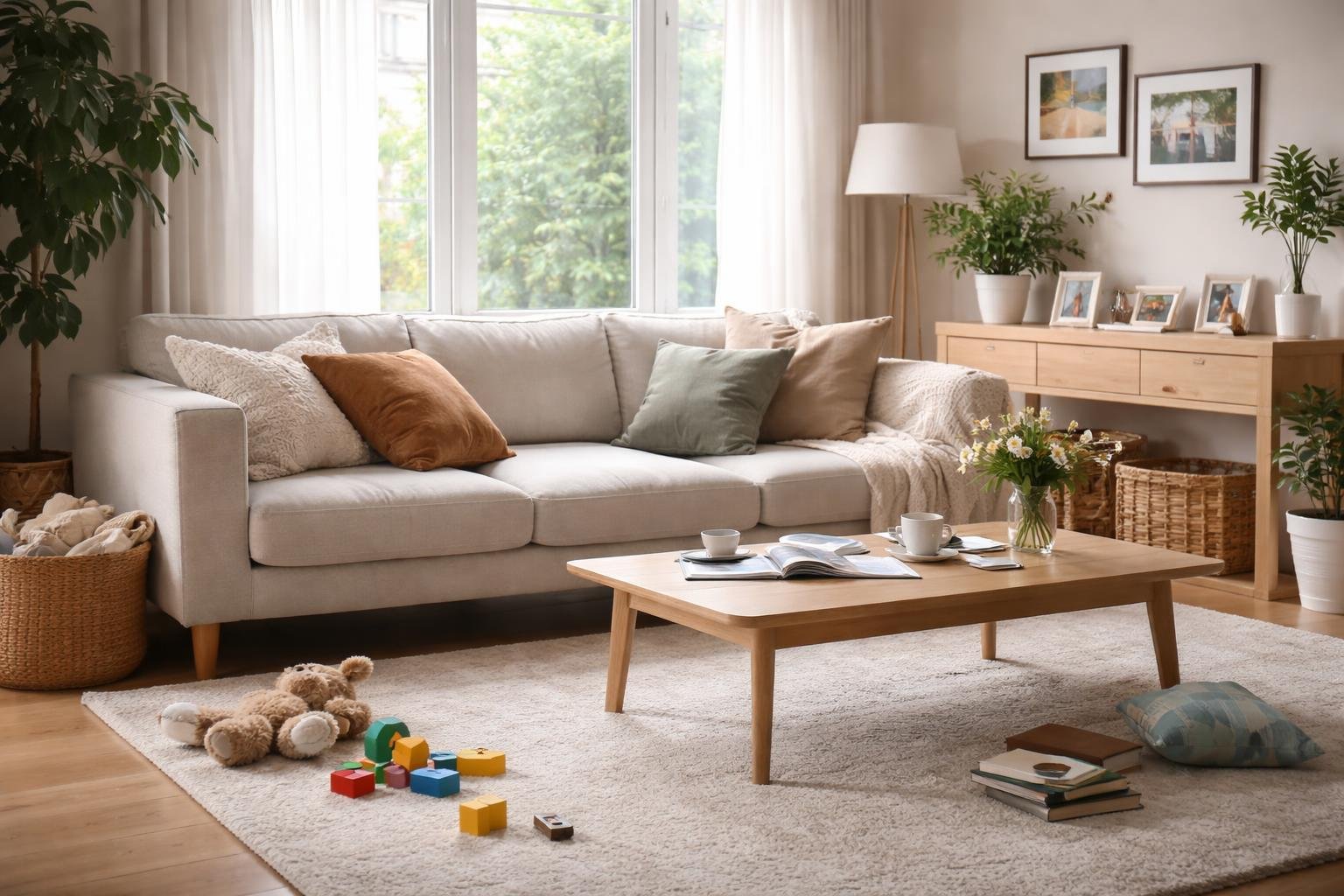
Homes often disappoint because their physical features conflict with daily habits, while cultural messages about what homes should look like create expectations that don't match real-world needs.
Why do so many people feel disappointed when their home does not fit their daily routines?
Your brain notices friction between what you do every day and the spaces where you do it. When you constantly work around your home's layout instead of with it, that mismatch drains your energy.
Small inconveniences add up over time. If you cook often but your kitchen lacks counter space, you feel that frustration multiple times each day.
The disappointment grows when you realize the house looked perfect during the tour but doesn't support how you actually live. Your mind expected one experience but your body performs different tasks in spaces that weren't designed for them.
What factors cause the gap between a home's layout and how a household actually lives?
Builders design homes for a general market, not for your specific habits. Standard floor plans follow popular trends rather than individual needs.
Previous owners shaped the space around their own routines. Their changes might clash with how you prefer to move through rooms or store your belongings.
Your lifestyle changes faster than housing stock. The home that worked when you lived alone might fail completely when you start working from home or raise children.
Many buyers choose homes based on appearance rather than function. A beautiful open-concept kitchen might look stunning but create problems if you prefer enclosed cooking spaces with less noise travel.
How do design trends and social media shape unrealistic expectations for how a home should feel?
Social media shows curated snapshots that hide the mess and maintenance of real life. You see the styled photo but not the storage problems or daily upkeep those designs require.
Trending aesthetics often prioritize looks over livability. Minimalist designs appear calm in photos but may not accommodate the belongings and activities your household needs.
You absorb these images and start comparing your functional space to someone else's photoshoot. Your expectations shift toward an ideal that exists only for the camera.
Design trends move faster than renovation budgets. By the time you update your home to match current styles, new trends have already replaced them.
What is home dysmorphia, and how can it affect satisfaction with a living space?
Home dysmorphia describes the feeling that your living space looks wrong or incomplete even when it functions well. You fixate on perceived flaws that others might not notice.
This happens when you consume too many idealized home images online. Your brain starts rejecting your actual space because it doesn't match the polished versions you see daily.
The effect makes you feel unsettled in a home that objectively meets your needs. You might renovate repeatedly without ever feeling satisfied because the problem exists in your expectations, not your walls.
Home dysmorphia can drain your finances as you chase an impossible standard. You replace items and finishes that work perfectly fine simply because they don't look like what you see in your feed.
How do regional climate, culture, and building traditions influence why houses look and function differently worldwide?
Climate determines basic housing features like roof pitch, window placement, and insulation needs. Homes in humid areas require different ventilation than homes in dry climates.
Building materials depend on what's locally available and affordable. Some regions use brick, others use wood, and many use concrete based on geography and tradition.
Cultural practices shape room sizes and layouts. Homes in cultures with multi-generational living include different spaces than homes designed for nuclear families.
Local building codes reflect regional challenges like earthquakes, hurricanes, or snow loads. These requirements create structural differences that affect both appearance and function.
What practical changes can make a home feel more aligned with a desired lifestyle without a full renovation?
Rearrange furniture to match how you actually move through rooms. Place seating where you naturally sit and work surfaces where you perform tasks.
Remove items that don't serve your current habits. If you don't use formal dining, convert that space to something you'll actually use like a home office or play area.
Add storage solutions that match your specific belongings. Hooks, shelves, and containers placed at the point of use reduce daily friction.
Adjust lighting to support your activities. Bright task lighting where you work and softer ambient lighting where you relax changes how spaces feel without construction.
Identify your biggest daily frustration and solve that single problem first. Fixing the most annoying mismatch between your home and your habits creates immediate relief.