



Why Losing Small Items Feels Emotionally Draining
March 18, 2026
Losing a small item, like a favorite pen, a childhood trinket, or a gift from a friend, can make you feel more upset than you expect. You might wonder why something small can hurt so much. Small objects often hold memories, meaning, and parts of who we are. Losing them can feel like losing a piece of yourself.
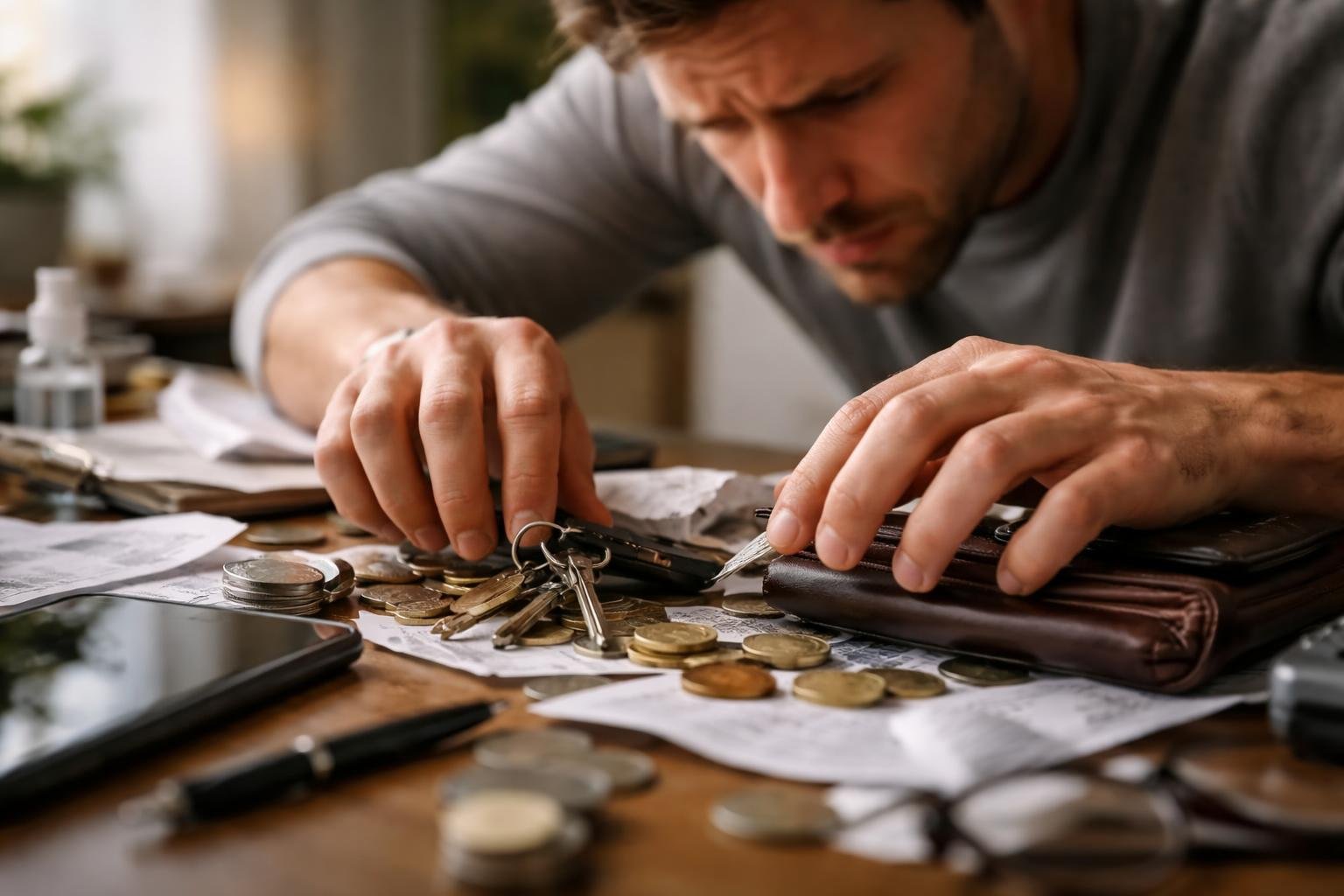
The sadness or anger you feel is not about the item's money value. Your brain links these things to people, moments, and parts of your life. When the object is gone, those connections can feel weaker or threatened.
This short guide explains why emotions get strong when small things disappear and gives simple ways to cope. Understanding these reasons can help you feel better and handle the loss in a healthy way.
The Emotional Impact of Losing Small Items
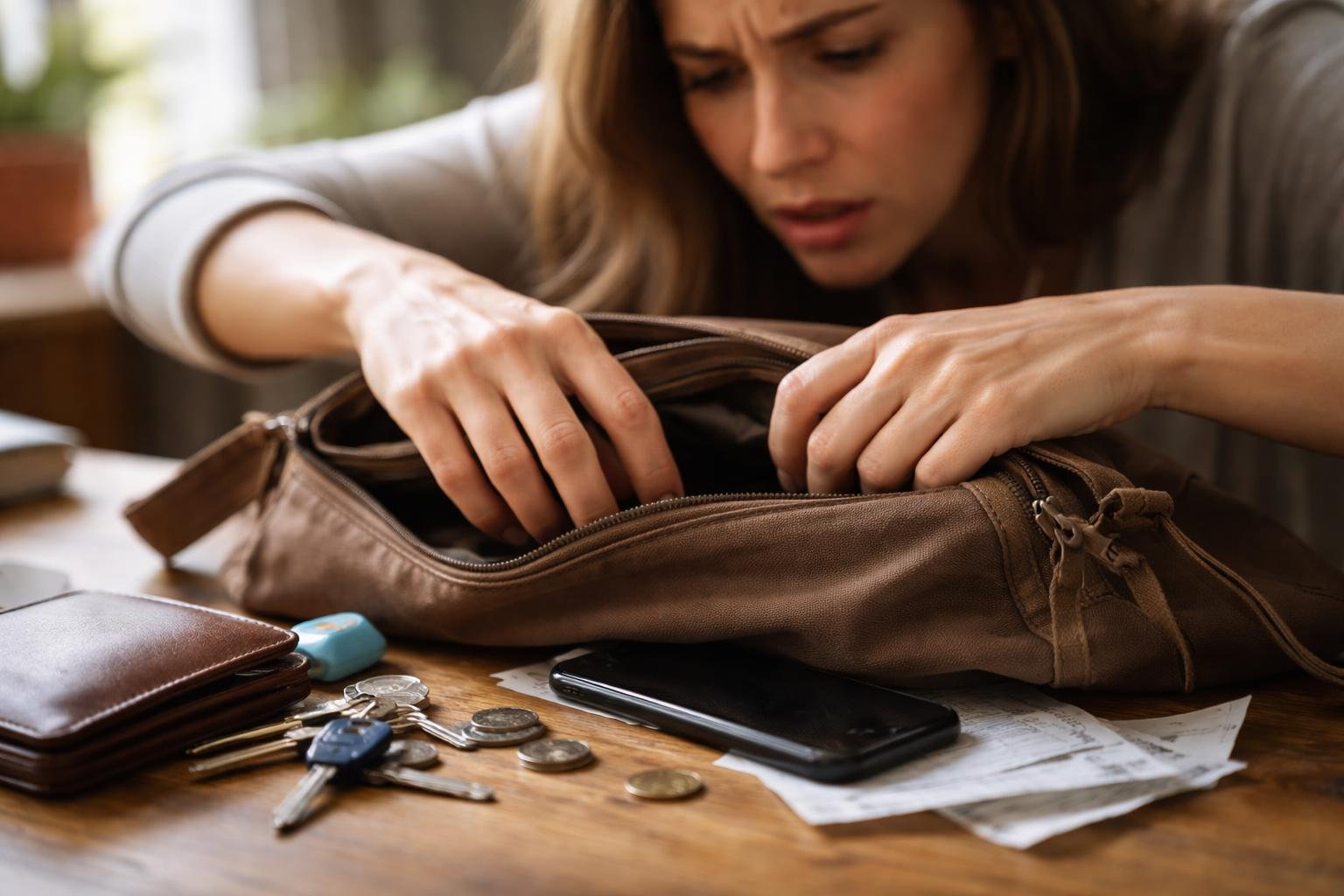
When you lose a small thing, the feeling you get is often stronger than the item's real worth. Your brain links the item to feelings, your sense of control, and the small stresses you have all day.
Attachment to Possessions
Things you own can mean a lot more than their price or size. A worn keychain or a favorite pen can remind you of people, places, or times in your life.
Objects act like anchors to memories. Losing them can feel like losing a piece of those memories.
Common emotional connections include:
- Comfort - Items that make you feel safe
- Identity - Things that show who you are
- Nostalgia - Objects that bring back memories
- Relationships - Gifts or items tied to people you care about
The sadness you feel is real, even if the item itself seems small. Your reaction shows how much the object mattered to you.
Loss of Control and Anxiety
Misplacing something can make you feel out of control and upset for the rest of the day. Not knowing where the item is makes your mind tense.
Your brain treats lost items like a small threat to your routine. That can start the same worry responses as bigger problems.
The anxiety usually comes from three things. First, you feel vulnerable because you didn't prevent the loss. Second, you worry about problems that might happen without the item. Third, you doubt your own reliability and attention.
Everyday Stress Builds Up
Small losses add up over time and can make you feel heavier emotionally than you expect. Each lost item increases your mental load, even if each one alone seems small.
This creates a cycle: stress makes you more likely to misplace things, and losing things raises your stress. Your mind stays partly focused on the missing item, so you have less focus for other tasks.
The drain comes from constant, low-level frustration instead of one big event. You may feel tired, cranky, or overwhelmed without realizing it’s connected to lost items. Even when you find something later, the time and energy spent searching still leave a mark.
Why Losing Things Feels Upsetting
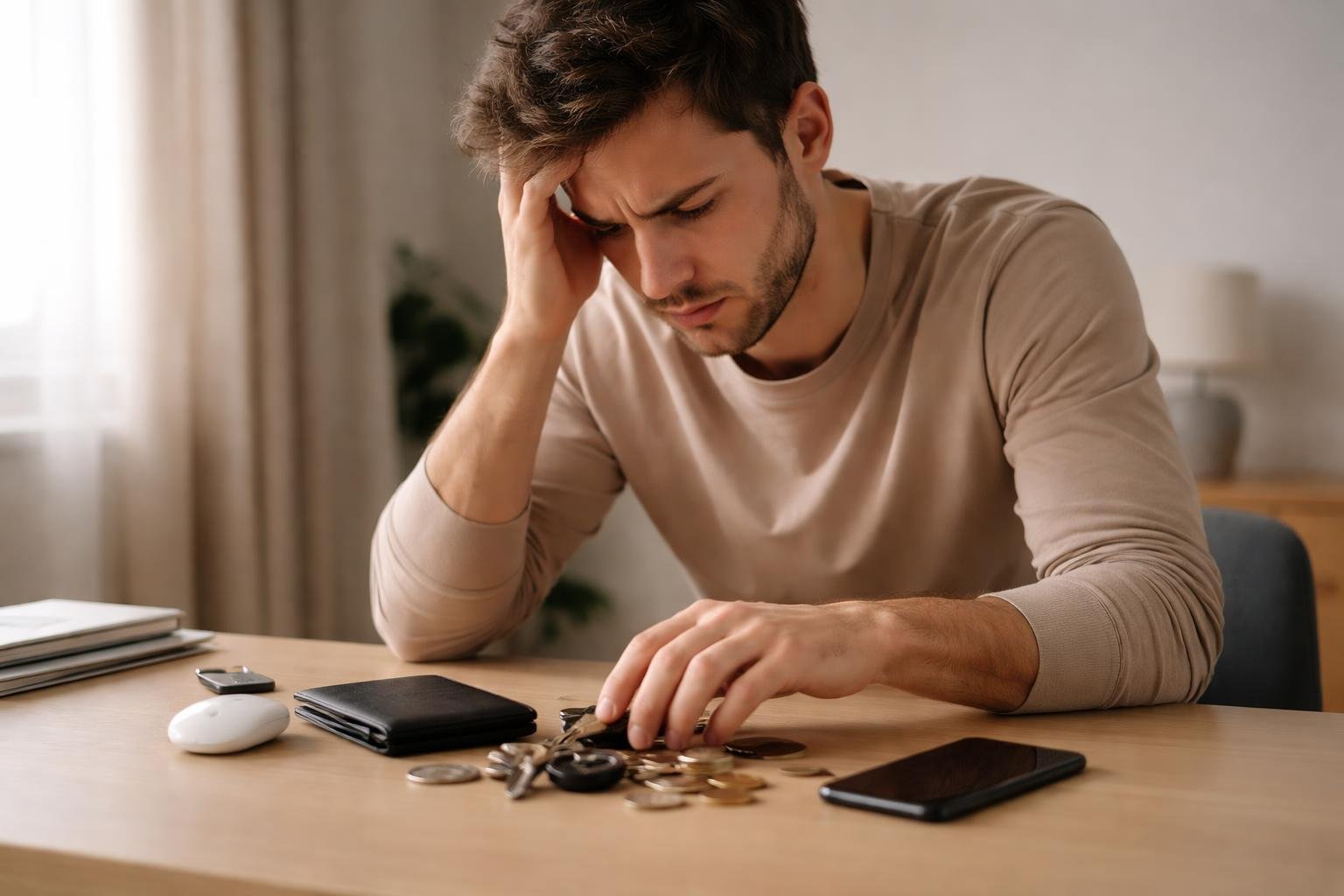
Your brain treats lost items as a threat to your daily routine and sense of control. The upset feelings come from how your mind handles attention, habits, and how much value you place on objects.
Memory and Attention Problems
Your brain can only pay attention to a few things at once. When you are distracted or stressed, your attention is split, so it’s harder to notice where you put small items.
Forming a memory needs some awareness. If you set down your keys while thinking about a deadline, your brain might not make a strong memory of that action. That happens because your attention was on something else when you put the item down.
Being tired or stressed also makes it harder for your brain to store and recall information. Working memory gets weaker when you are overwhelmed. This makes it tougher to remember where you left things, even items you use every day.
Common attention failures include:
- Putting items down automatically without thinking
- Doing many tasks in your head while doing routine actions
- Memory gaps caused by stress
- Fatigue lowering focus and awareness
Disruption of Daily Routines
When you lose small things, it can mess up simple daily routines. For example, finding your keys, wallet, or phone in the usual place is part of getting ready in the morning. If those items are missing, your whole plan for the day can fall apart.
This kind of change is more than annoying. Your brain moves from automatic actions to active searching and decision making. That shift takes extra mental energy and makes you feel more stressed and frustrated.
The feeling grows stronger if you are already in a hurry or under pressure. Your brain treats the lost item as a problem that stops you from finishing what you need to do.
Why Small Belongings Feel Important
Small things can mean a lot emotionally, even if they don't cost much. A phone holds photos and contacts. A ring can stand for a relationship. Old jewelry may remind you of family.
These items often feel like parts of who you are. Losing them can feel like losing a memory or a connection to someone.
Items feel valuable because of:
- Memories linked to them
- How hard or expensive they are to replace
- What they symbolize in your life
- How often you use them
Your brain also values things you have used for a long time. Even a cheap item can feel irreplaceable if many memories are tied to it.
Frequently Asked Questions

Losing small things can feel upsetting and tiring. Below are simple answers about why losing small items feels emotionally draining and what helps.
Why does losing small items make me so frustrated?
Your brain treats lost items like unfinished jobs. This keeps them on your mind and makes you feel uneasy. A known idea called the Zeigarnik effect says our mind remembers things we didn’t finish more easily than things we did finish.
Also, your brain expects things to be where you left them. When that expectation is broken, it causes a small stress reaction. Your brain tries to fix the gap between what you expect and what actually happened.
Distraction often causes misplacing. If you put something down while thinking about other tasks, your brain may not store the memory well. Later you can't recall where you left it, which adds to the frustration.
How does the loss of seemingly insignificant objects lead to emotional stress?
Small items often mean more than their use. Your phone or keys show access, safety, and control over daily life. Losing them can make you feel like things are out of order.
The stress comes from what the item lets you do, not the thing itself. You may feel vulnerable without your wallet or nervous without your phone because these items connect you to people and help you get things.
You may also value things more once you own them. This idea, called the endowment effect, makes small or cheap items feel important and hard to lose.
In what ways can repeatedly losing personal items affect one's overall mental health?
Often losing things creates ongoing frustration. Each time you lose something you might feel more scattered or disorganized. Over time this can lower your self-esteem.
You might worry about memory problems, especially as you get older. That worry can be worse than the actual loss. Stress about losing things can make you more distracted and cause more losses.
Looking for lost items uses up mental energy. This decision fatigue leaves you with less focus for other tasks. The constant drain can hurt your ability to make good choices during the day.
Are there common strategies to cope with the irritation of losing small possessions?
Set one spot for things you use often. If your keys always go in the same place, putting them away becomes a habit and uses less thought.
Use visible reminders. A bright keychain or a unique phone case makes items easier to find and harder to forget.
Try the "one-touch rule." When you pick something up, put it straight in its proper place instead of setting it down somewhere else.
Practice simple mindfulness. Take a few seconds to notice where you put an item. Saying the place out loud can help you remember it later.
What role does memory play in the emotional response to losing items like keys or phone?
Your feelings often come from worry about your memory, not just the lost item. If you can't remember where you put something, you might wonder if your brain is failing.
Prospective memory is the part of memory that helps you remember to do things later, like taking your keys when you leave. When this fails, plans get interrupted and you feel upset.
Objects tied to people or important moments cause stronger feelings. Your brain links the object to the memory, so losing it can feel like losing part of that memory.
Can the emotional impact of losing small items reinforce the behavior of misplacement?
Worrying about losing things can make you more likely to lose them. Stress splits your attention and makes you more distracted.
Your upset feelings can make a loop. You get stressed about losing items, which makes you more distracted, which leads to losing more items.
Negative self-talk also matters. If you tell yourself "I always lose things," you might pay less attention and actually lose more items.