


What Makes a Home Feel “High-End” Without Expensive Furniture
May 1, 2026
You don't need to spend thousands of dollars on designer furniture to make your home look expensive. A high-end feel comes from thoughtful details like symmetry, good lighting, and intentional styling rather than the price tags on your furniture. Small changes in how you arrange and present what you already own can transform an ordinary room into a space that feels polished and put together.
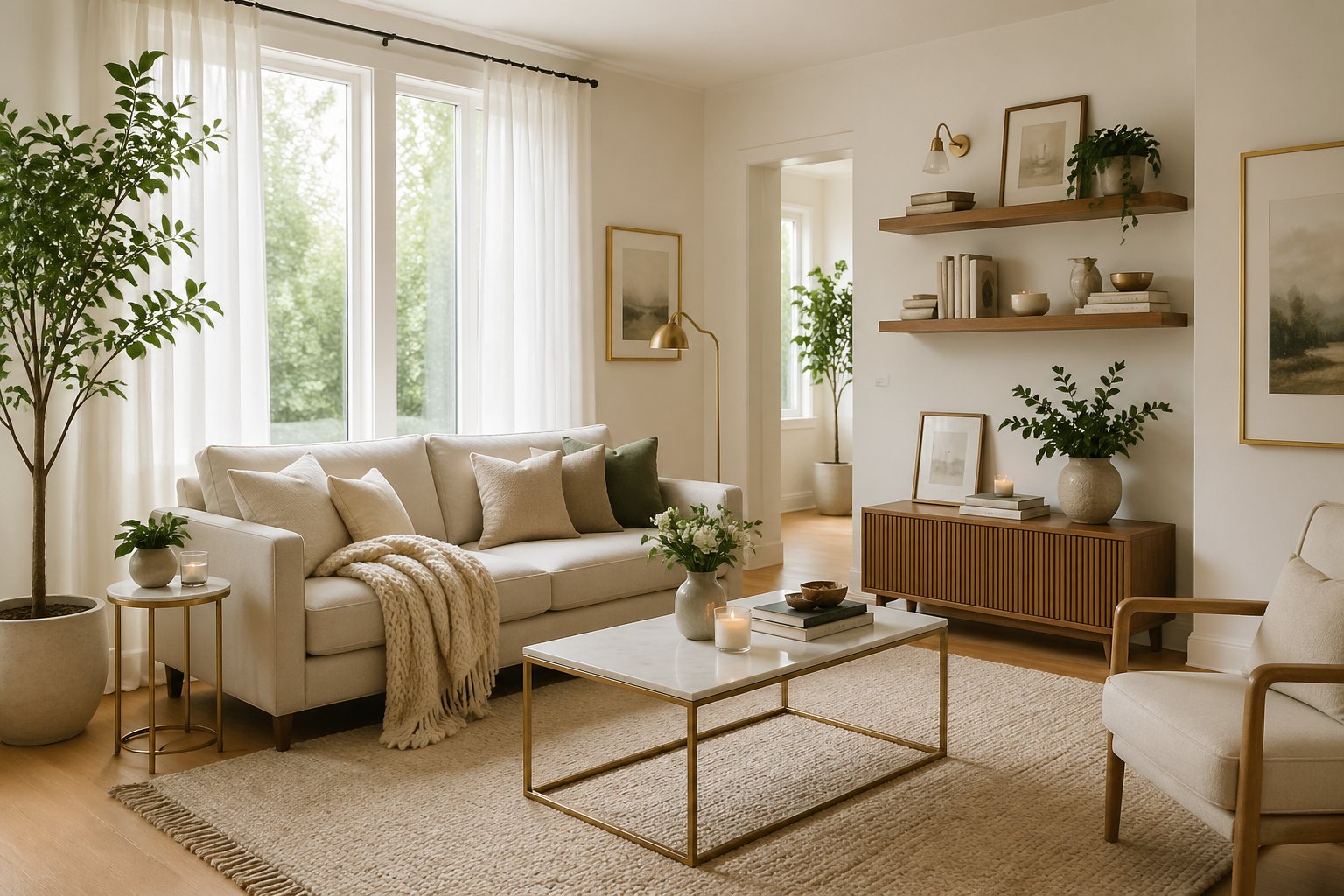
The difference between a budget-friendly home and one that looks high-end often comes down to a few key design principles. When you understand these basics, you can create a sophisticated look with items from discount stores or pieces you already have. Simple upgrades like proper window treatments, strategic furniture placement, and removing clutter make a bigger impact than buying new expensive pieces.
This guide will walk you through the core elements that create a polished interior and show you specific styling techniques that designers use to elevate any space. You'll learn practical ways to make your home feel more custom and luxurious without breaking your budget.
Core Elements of a Polished Interior
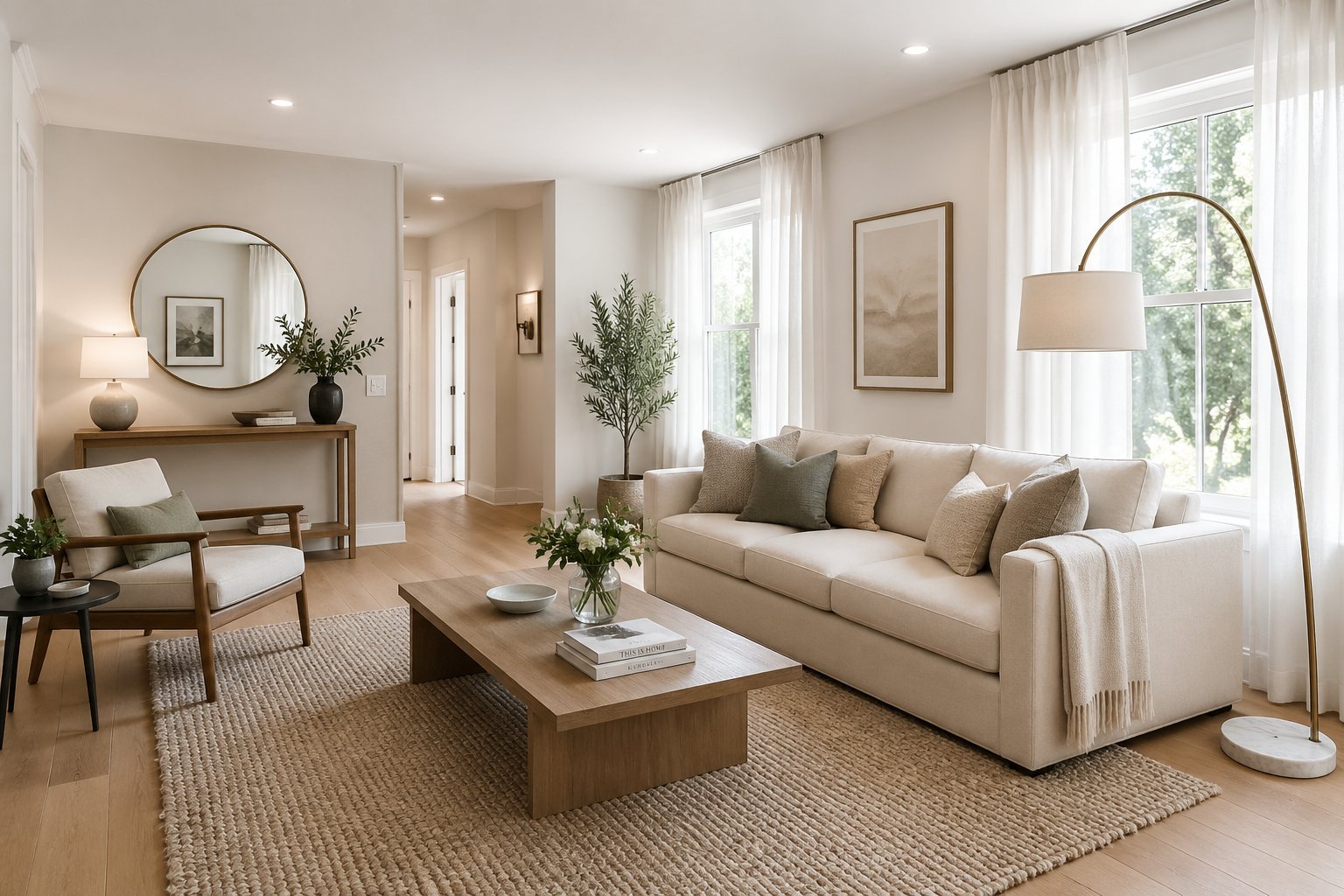
A refined interior doesn't depend on expensive furniture. It relies on thoughtful choices in fabrics, color coordination, and lighting that work together to create a cohesive space.
Impact of Quality Textiles and Fabrics
The fabrics you choose affect how expensive your home looks and feels. Natural materials like linen, cotton, and wool instantly upgrade a space compared to synthetic alternatives.
Focus on weight and drape when selecting textiles. Heavy curtains that pool slightly on the floor look more polished than ones that hang just above it. Your throw pillows should have full inserts that fill out the covers completely, not flat or half-empty ones.
Texture adds depth to your rooms. Mix smooth materials with rougher ones to create visual interest. A linen sofa paired with a chunky knit throw and smooth velvet pillows creates layers that feel intentional.
Pay attention to how fabrics are finished. Crisp, pressed linens on your bed signal care and attention to detail. Wrinkled or pilled textiles do the opposite, regardless of their original cost.
Importance of Harmonious Color Palettes
A limited color scheme creates a more sophisticated look than rooms filled with many competing colors. Choose three to five colors and stick to them throughout your space.
Neutrals form the foundation of high-end interiors. Whites, grays, beiges, and soft earth tones provide a calm backdrop. You can add accent colors through smaller items like art, pillows, or accessories.
The quality of paint matters more than the color itself. Use the same finish consistently in each room. Eggshell or satin finishes on walls look more refined than flat paint in main living areas.
Your colors should flow from room to room without jarring transitions. This doesn't mean every room needs the same palette, but adjacent spaces should share at least one common color.
Role of Thoughtful Lighting Choices
Lighting transforms how your entire space feels. You need multiple light sources at different heights in each room, not just one overhead fixture.
Essential lighting layers include:
- Ambient lighting - overhead fixtures or recessed lights for general illumination
- Task lighting - focused light for reading, cooking, or working
- Accent lighting - highlights art, architecture, or creates mood
Dimmer switches give you control over atmosphere and make any light fixture more versatile. They cost little to install but significantly impact how you experience your space.
The temperature of your bulbs affects the mood. Warm white bulbs (2700K-3000K) create a welcoming feeling in living spaces. Cool white works better in bathrooms or areas where you need clear visibility.
Hide your light sources when possible. The glow should be visible, not the bulb itself. This applies to floor lamps, sconces, and pendant lights.
Finishing Touches and Styling Techniques
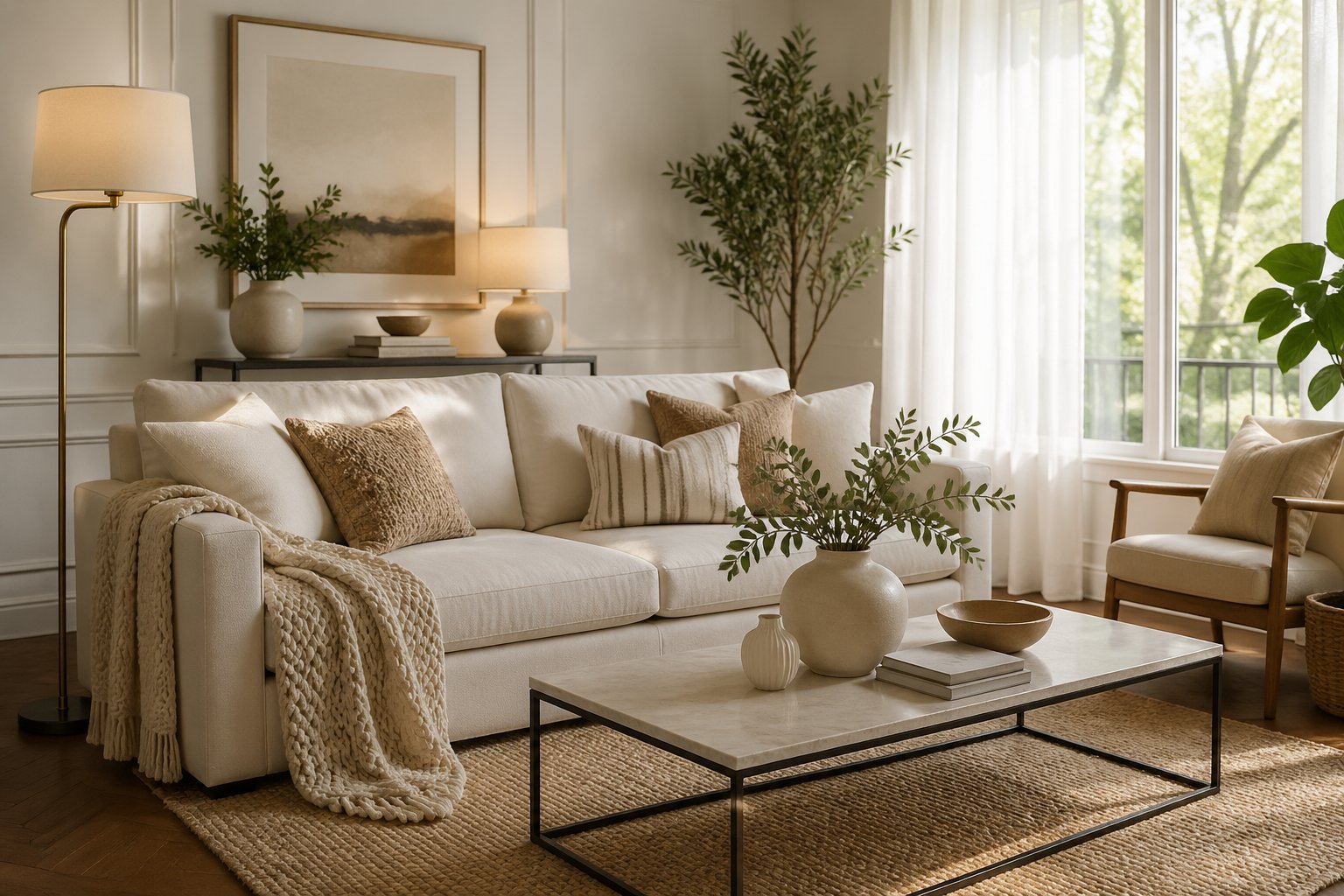
The final layer of design comes from intentional choices about what you display and how you arrange it. Small details like artwork placement, architectural upgrades, and thoughtful editing create polish that expensive furniture alone cannot achieve.
Strategic Use of Artwork and Decor
Artwork makes walls feel complete and intentional. Large-scale pieces create more impact than small scattered frames. A single oversized print or painting draws the eye and gives a room a gallery-like quality.
Frame quality matters more than the art itself. Upgrade budget prints with simple black, white, or wood frames that look clean and professional. Mat your artwork properly with neutral mats that create breathing room around the image.
Group smaller pieces in odd numbers for balance. Hang art at eye level, which is typically 57-60 inches from the floor to the center of the piece. This creates a cohesive look throughout your home.
Decorative objects should follow the rule of three. Group items in sets of three different heights for visual interest. Edit your collections ruthlessly and display only your best pieces rather than crowding surfaces.
Incorporating Architectural Details
Crown molding adds dimension to basic rooms. You can install lightweight polyurethane molding yourself for a fraction of professional costs. Paint it the same color as your ceiling for a seamless look.
Updated hardware transforms cabinets and doors instantly. Replace builder-grade knobs with matte black, brushed brass, or polished nickel options. This small change upgrades kitchens and bathrooms significantly.
Baseboards make walls look finished and intentional. Taller baseboards (5-7 inches) create a custom home feel. Paint them in a semi-gloss finish that contrasts slightly with wall paint.
Light switches and outlet covers deserve attention too. Replace yellowed plastic plates with fresh white or matching wall color covers for a cleaner appearance.
Embracing Minimalism and Order
Clear surfaces create an expensive look immediately. Remove half of what sits on your counters, tables, and shelves. Homes that appear organized feel more valuable.
Storage solutions keep clutter hidden. Use matching baskets, boxes, or bins to contain items that must stay visible. Stick to neutral colors that blend with your decor.
A limited color palette throughout your home creates flow. Choose 3-4 colors and repeat them across rooms. This restraint looks intentional and sophisticated.
Quality over quantity applies to everything you display. One beautiful vase makes more impact than five mediocre ones. Edit your belongings seasonally and rotate items to keep your space fresh without buying new things.
Frequently Asked Questions
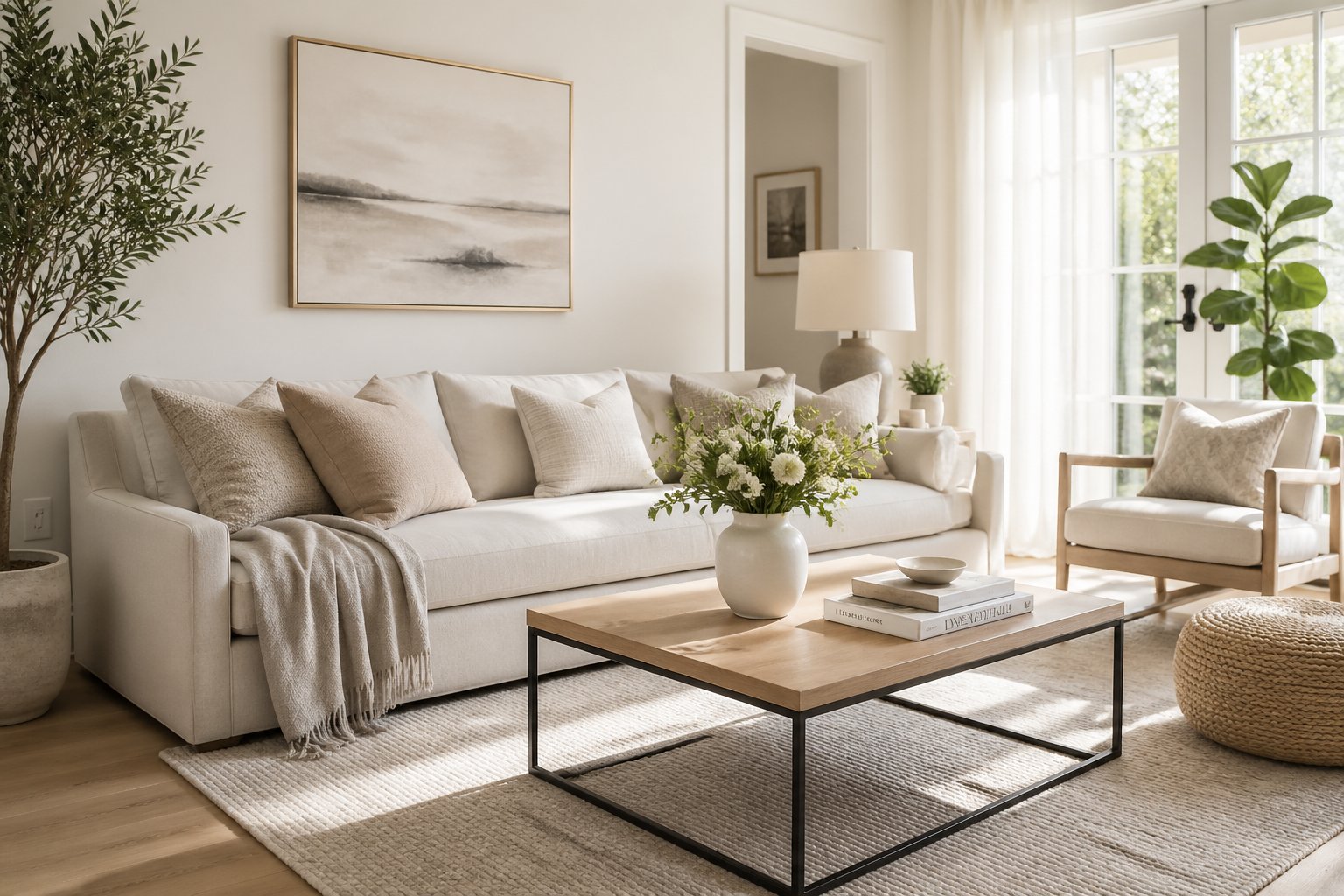
Small upgrades like fresh paint and better lighting can shift a room's appearance faster than new furniture. The right finishes and careful styling choices create luxury without major spending.
What are the quickest, low-cost changes that make a home look more expensive?
Fresh paint in neutral tones transforms a space immediately. Choose colors like soft white, warm gray, or greige to hide scuffs and create a clean backdrop.
Replace outdated hardware on cabinets, doors, and drawers with simple metal finishes. Brushed nickel, matte black, or brass pulls cost little but update the entire look.
Add matching accessories in pairs for instant symmetry. Two identical lamps, pillows, or vases create balance that feels intentional and refined.
Which design mistakes most commonly make a home look cheap?
Visible clutter makes even expensive spaces look messy and unfinished. Clear countertops and surfaces let your home's actual features stand out.
Mismatched metal finishes create visual confusion throughout a room. Stick to one or two metal tones for light fixtures, hardware, and accessories.
Poor lighting ruins any space, no matter how nice the furniture. Overhead-only lighting creates harsh shadows and feels institutional rather than warm.
Pushing all furniture against walls makes rooms feel empty and awkward. Pull pieces away from walls to create conversation areas and better flow.
How can you make a living room feel luxurious on a tight budget?
Layer your lighting with table lamps, floor lamps, and wall sconces at different heights. Multiple light sources at eye level create warmth and depth.
Use area rugs to define spaces and add texture underfoot. A rug anchors furniture groupings and makes the room feel complete.
Arrange furniture in symmetrical layouts when possible. Balanced arrangements around a focal point like a fireplace or window create harmony.
Display fewer items with more breathing room between them. Give each piece space to stand out rather than crowding surfaces with too many objects.
What lighting upgrades create a more upscale feel without major renovations?
Install dimmer switches on existing fixtures to control ambiance throughout the day. Dimmers let you adjust brightness for different moods and activities.
Replace basic light bulbs with warm white LEDs in the 2700-3000K range. Warm light feels more inviting than harsh cool white bulbs.
Add plug-in wall sconces if you cannot hardwire new fixtures. These mount easily and provide the layered lighting that high-end homes feature.
Use table and floor lamps with opaque shades that direct light up and down. This creates ambient glow rather than harsh direct light.
How do you make a small home look more high-end and spacious?
Keep color palettes simple with one or two main colors throughout connected spaces. Consistent colors make areas flow together and feel larger.
Use mirrors strategically across from windows to reflect natural light. Mirrors double the perceived space and brightness in any room.
Choose furniture with exposed legs rather than pieces that sit directly on the floor. Visible floor space underneath makes rooms feel more open.
Mount curtains at ceiling height rather than just above the window frame. Floor-to-ceiling curtains draw the eye upward and make ceilings feel taller.
Which finishes and styling details add the most "luxury" impact for the least money?
Solid-core doors feel substantial when opened and closed compared to hollow doors. They also reduce noise between rooms for a quieter, more refined home.
Flush baseboards and trim without gaps or visible nails show quality craftsmanship. Fill nail holes and caulk seams for a custom millwork appearance.
Matching outlet covers and switch plates in the same finish as your walls disappear from view. White plates on white walls look cleaner than mismatched ivory or almond.
Quality textiles in natural materials like linen, cotton, and wool elevate any space. Even simple designs in good fabrics feel more luxurious than synthetic options.