


What It Feels Like When Everything Has a Place
March 20, 2026
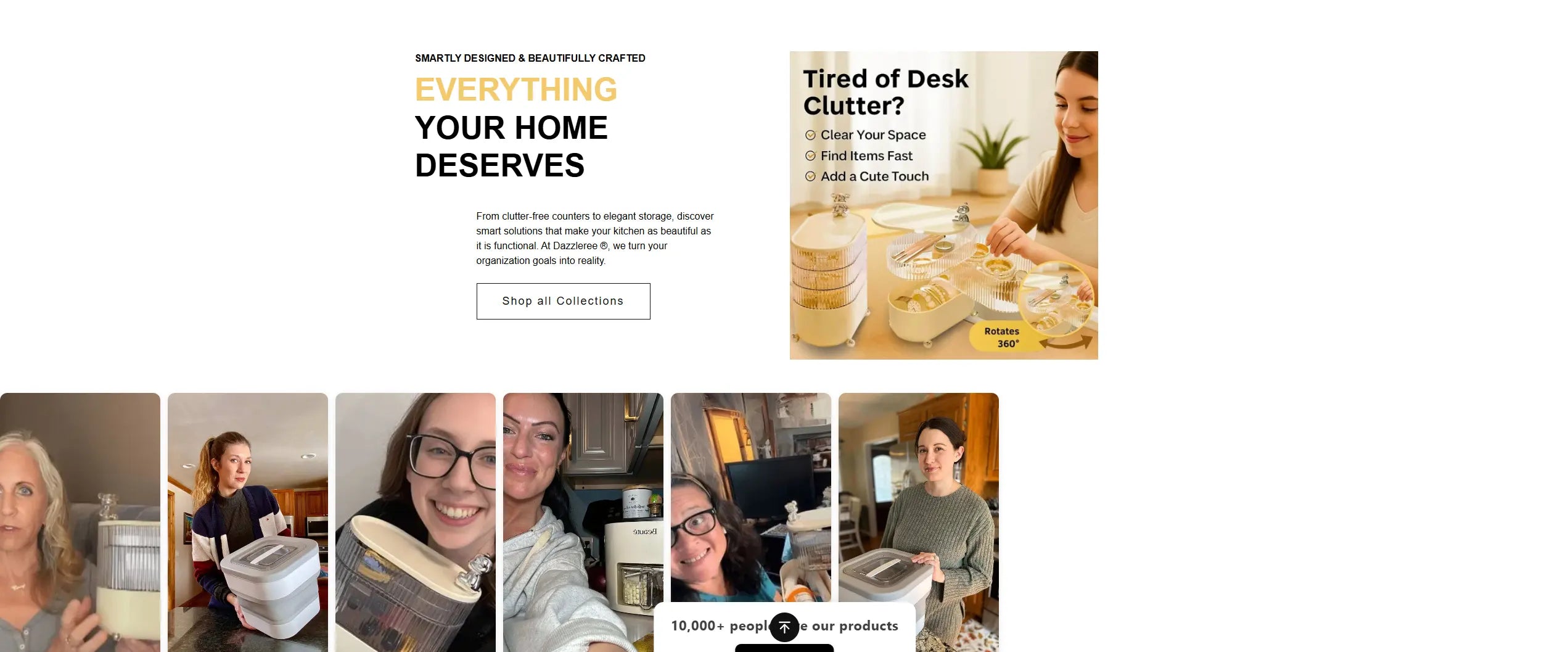
Have you ever walked into a room where everything is exactly where it should be? When everything has a place in your life, you experience a sense of calm and control that affects both your physical space and your mental state. This feeling goes beyond just having a tidy home. It touches how you think, how you feel, and how you move through your day.
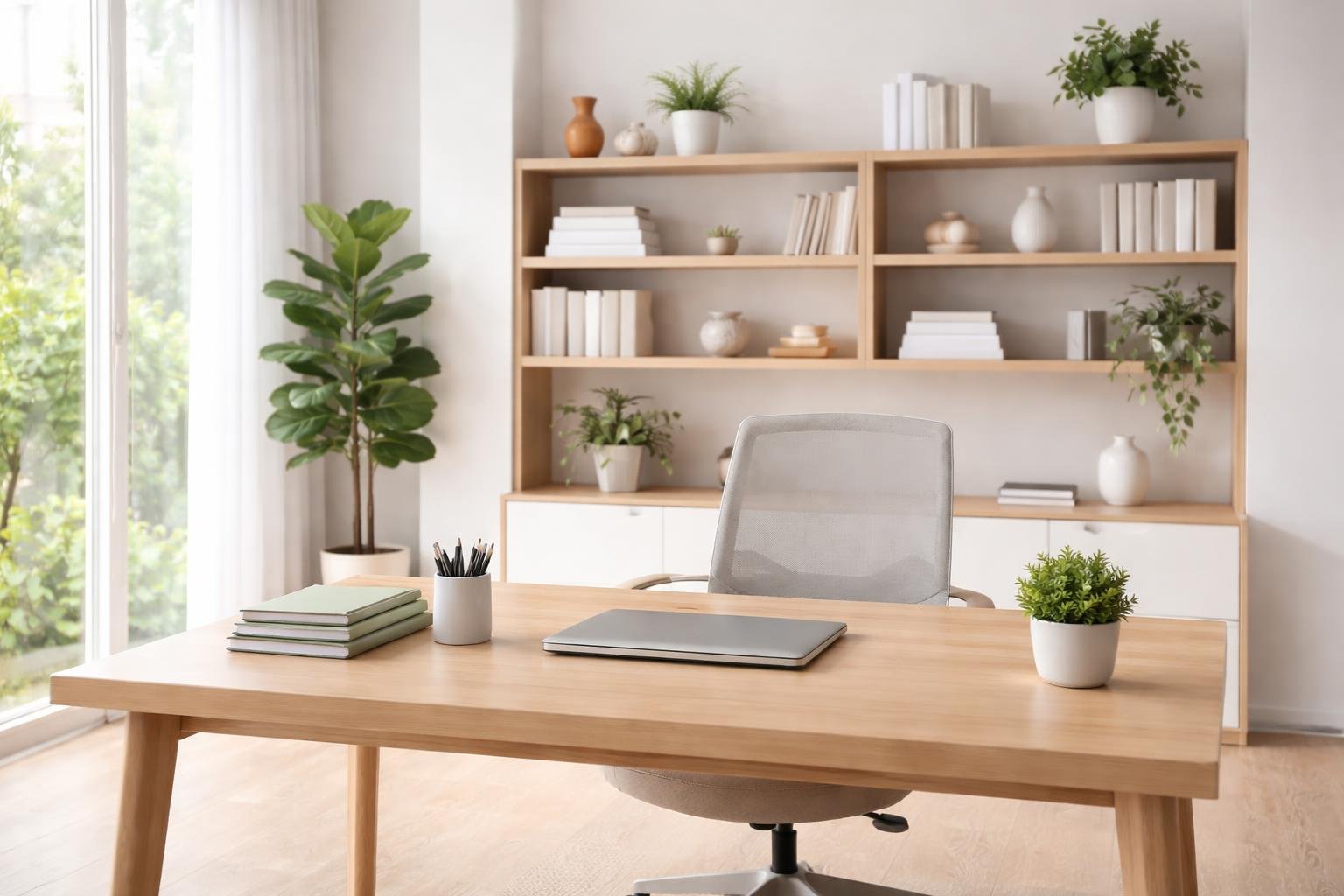
Most people spend time looking for lost items or feeling stressed by clutter. But when you create a system where each item has its own spot, something shifts. You save time and energy that you used to waste on searching and deciding.
This article will help you understand what changes when you bring order to your surroundings. You'll learn about the real effects of organization on your emotions and daily life. You'll also find answers to common questions about creating and keeping a well-organized space.
The Emotional Impact of Organization
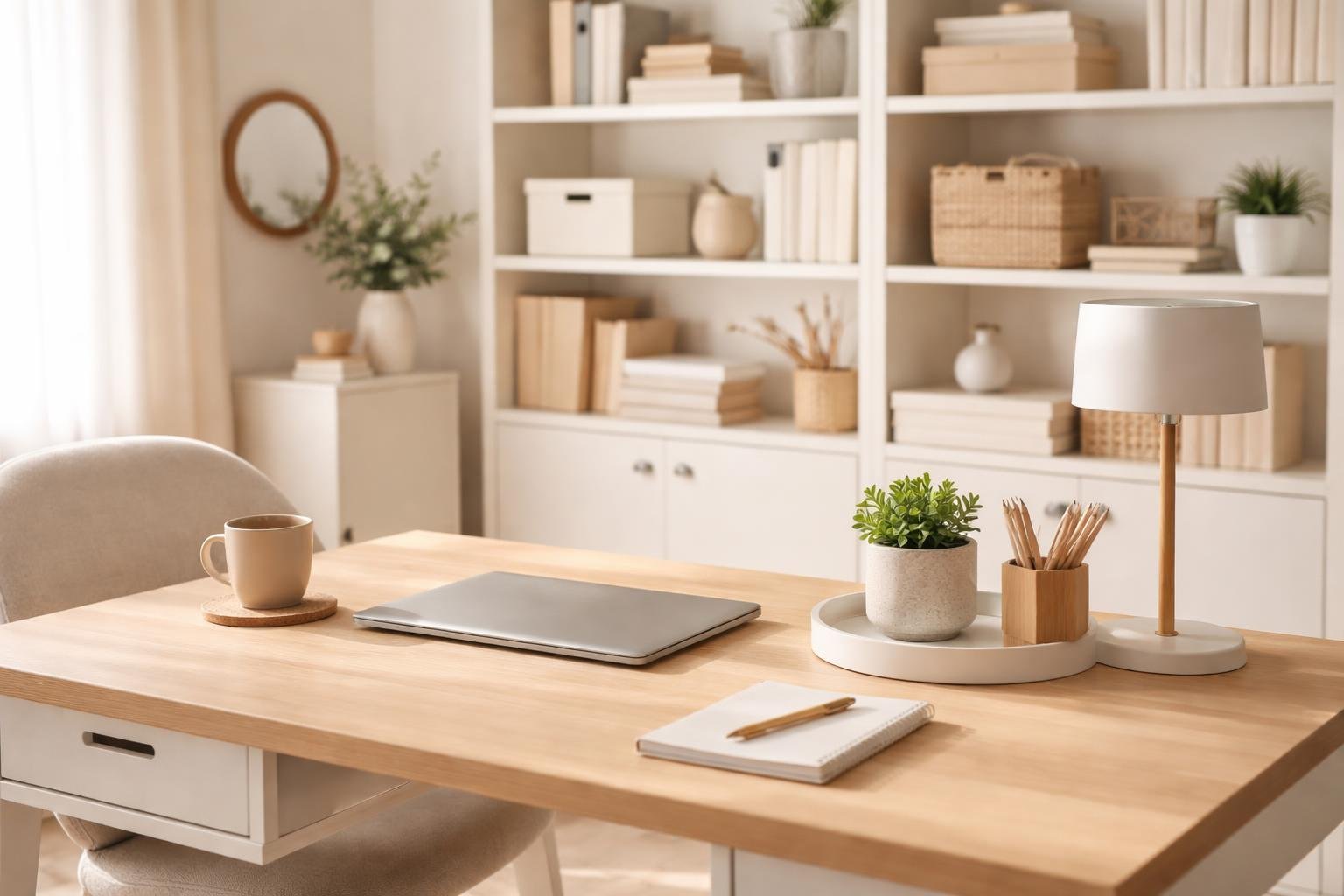
When everything has its place, your emotional state shifts in measurable ways. Your stress levels drop, your mind feels clearer, and you gain a greater sense of control over your environment and daily life.
A Sense of Calm and Control
An organized space creates a direct link to feeling calm. When you know where things are, you eliminate the mental scramble of searching and wondering. Your brain doesn't have to work as hard to process visual clutter or remember locations.
This calm translates into a feeling of control over your life. You make decisions more easily because your environment supports clear thinking. You can find what you need when you need it, which reduces feelings of helplessness or frustration.
The predictability of an organized system gives your brain a break from constant problem-solving. You build routines that become automatic. This frees up mental energy for things that matter more than finding your keys or looking for important papers.
Your emotional well-being improves because you spend less time feeling scattered. You feel more capable and competent in managing your daily tasks.
Reduced Stress and Anxiety
Disorganization triggers stress responses in your body. When you can't find things or face piles of unsorted items, your cortisol levels rise. An organized environment reduces these physical stress reactions.
You experience fewer moments of panic when everything has a designated spot. Morning routines become smoother. You leave the house on time more often. These small wins add up to lower overall anxiety levels.
Key stress reduction benefits:
- Less time wasted searching for items
- Fewer missed deadlines or forgotten tasks
- More predictable daily routines
- Reduced visual overwhelm
Your mind also rests better in organized spaces. You can relax more fully because your surroundings don't demand constant attention or create nagging feelings of tasks left undone.
Enhanced Focus and Productivity
Organization removes barriers between you and your work. When your workspace is clear and your tools are accessible, you start tasks faster and maintain concentration longer.
Your brain processes information more efficiently in organized settings. You make fewer errors because you're not distracted by clutter or searching for materials. Each task gets your full attention instead of competing with environmental chaos.
You complete more in less time when organization supports your workflow. The mental energy you save from not managing disorder goes directly into productive work. You can think more creatively because your cognitive resources aren't tied up in managing your physical space.
This productivity boost reinforces positive emotions. You feel accomplished and capable, which motivates you to maintain your organized systems.
How Life Changes When Everything Has a Place
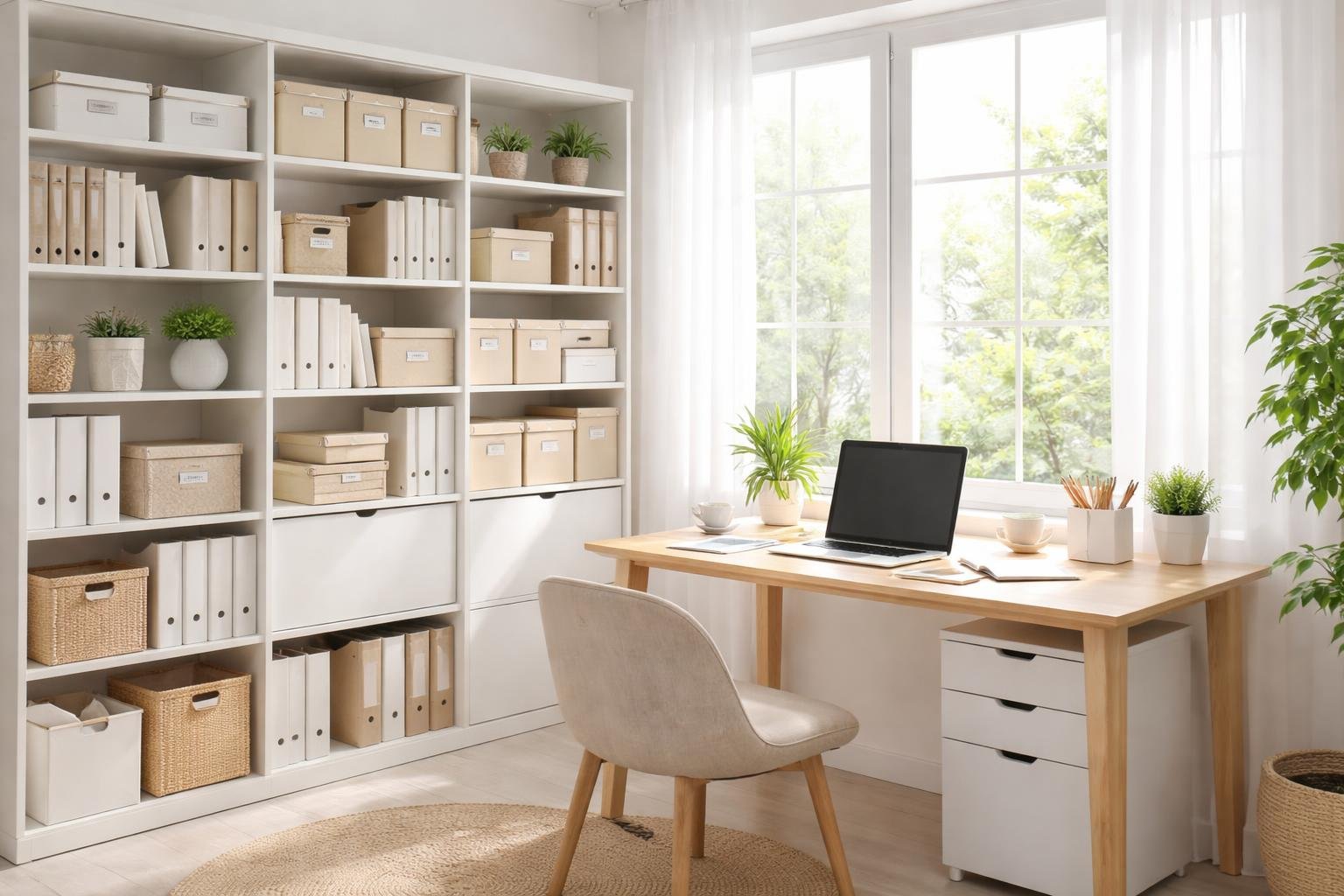
When you organize your belongings and give each item a designated spot, you'll notice shifts in how you move through your day and manage your space. Time spent searching decreases, stress levels drop, and maintaining order becomes simpler.
Daily Routines Become Effortless
Your morning routine transforms when everything has a specific location. You grab your keys from the hook by the door, find your shoes in their designated spot, and locate your bag without thinking. These small actions add up to save you 10 to 20 minutes each morning.
You stop asking yourself where things are. Your brain doesn't waste energy on mental searches or decision-making about where to look. This mental clarity carries over into other parts of your day.
Evening routines also smooth out. You put items back in their homes without hesitation. The mail goes in its bin, the remote returns to its drawer, and clothes land in the hamper. These actions become automatic.
Increased Efficiency in Tasks
Tasks take less time when you know exactly where your tools and materials are. Cooking becomes faster because measuring cups sit in one drawer and spices line up in alphabetical order. You don't dig through cluttered cabinets or make multiple trips across the kitchen.
Work and hobbies benefit too. Your craft supplies stay sorted by type, your office supplies have assigned spots, and your tools hang on labeled hooks. You start projects immediately instead of spending 15 minutes gathering what you need.
Common time savings:
- Bill paying: 10 minutes faster
- Meal prep: 15-20 minutes faster
- Getting ready: 15 minutes faster
- Cleaning: 30% less time needed
Sustaining a Clutter-Free Environment
Maintenance becomes easier because you've already done the hard work of creating systems. Each item has one home, so putting things away requires no thought. You don't create new piles or temporary spots.
Clutter struggles to build up when every object has a place. Items that don't fit your system stand out immediately. You notice them and either find them a spot or remove them from your space.
Your space stays organized with minimal effort. A five-minute daily reset keeps everything in order. You wipe surfaces, return stray items to their homes, and start the next day fresh. This consistency prevents the need for major cleanups.
Frequently Asked Questions
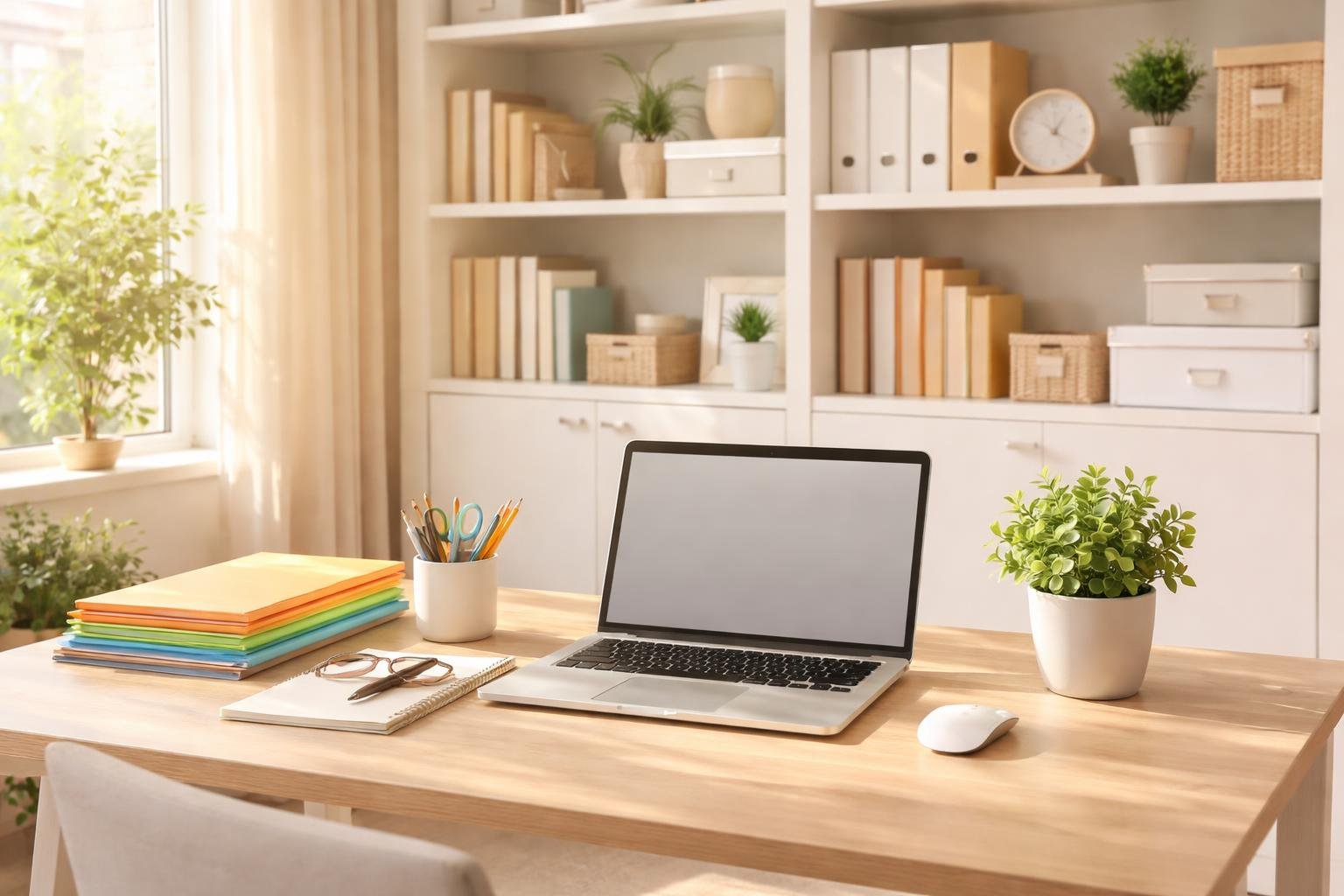
Setting up systems that work, understanding why organization matters to your mind, and knowing where to start can transform how you live in your space. These answers address common questions about creating and keeping order in both physical and digital areas of your life.
How do I create an efficient organizing system for my home?
Start by grouping similar items together and storing them near where you use them most. Keep your kitchen utensils by the stove, your cleaning supplies under the sink, and your daily medications in the bathroom cabinet.
Label containers and shelves so everyone in your home knows where things belong. Clear bins work well because you can see what's inside without opening them.
Make sure the items you use daily are easy to reach. Store seasonal or rarely used items on high shelves or in less accessible spots.
What are the psychological benefits of having an organized living space?
An organized home reduces stress because your brain doesn't have to process visual clutter. When everything has a place, you spend less mental energy trying to remember where things are or feeling overwhelmed by mess.
You'll make decisions faster when your space is organized. Your mind works better when it's not distracted by piles of papers or scattered belongings.
Having order in your physical space often helps you feel more in control of your life. This sense of control can lower anxiety and improve your mood throughout the day.
Can you suggest strategies for maintaining a clutter-free environment?
Follow the one-in-one-out rule. When you bring something new into your home, remove something old.
Spend five minutes each evening putting things back in their places. This small habit prevents clutter from building up over time.
Sort your mail immediately when it comes in. Recycle junk mail right away and file important documents in their designated spot.
Create a donation box in your closet or garage. When you notice something you don't use, put it in the box immediately instead of letting it sit around.
What are the best practices for organizing personal digital files?
Create a clear folder structure on your computer with main categories and subcategories. Use names that make sense to you, like "Finances/Taxes/2026" instead of vague labels like "Important Stuff."
Name your files with descriptive titles that include dates when relevant. "Johnson_Contract_2026-03-15" is better than "Contract_Final_V2."
Delete files you no longer need once per month. Empty your downloads folder and remove duplicate photos or outdated documents.
Back up your important files to an external hard drive or cloud storage service. Set a reminder to do this weekly or monthly depending on how often you create new files.
How does one begin to declutter a space that feels overwhelming?
Pick one small area to start, like a single drawer or shelf. Completing this small task gives you momentum to continue.
Set a timer for 15 minutes and work only until it goes off. You can always do another 15-minute session later, but short bursts feel less overwhelming than facing hours of work.
Sort items into three boxes: keep, donate, and trash. Make decisions quickly without overthinking each item.
Ask yourself if each item serves a purpose or brings you joy. If it does neither, it's taking up space that could be used for something more valuable.
What are the key principles of the KonMari Method in organization?
The KonMari Method asks you to organize by category instead of by room. You gather all your clothes from every room, then all your books, then all your papers, and so on.
You hold each item and ask if it sparks joy. Keep only the things that make you feel positive, and thank the rest before letting them go.
Store items vertically when possible so you can see everything at once. Fold clothes and stand them upright in drawers instead of stacking them flat.
The method follows a specific order: clothes, books, papers, miscellaneous items, and sentimental items last. This order helps you practice making decisions on easier categories before tackling items with emotional attachments.