


The Quiet Luxury Home That Speaks Without Trying
June 14, 2026
Quiet luxury homes focus on quality and simple design instead of showing off. They use natural materials, neutral colors, and clean lines to make rooms feel calm and high-end without being loud. The main idea is to choose pieces that last and remove what you don't need, so the home feels peaceful and elegant.
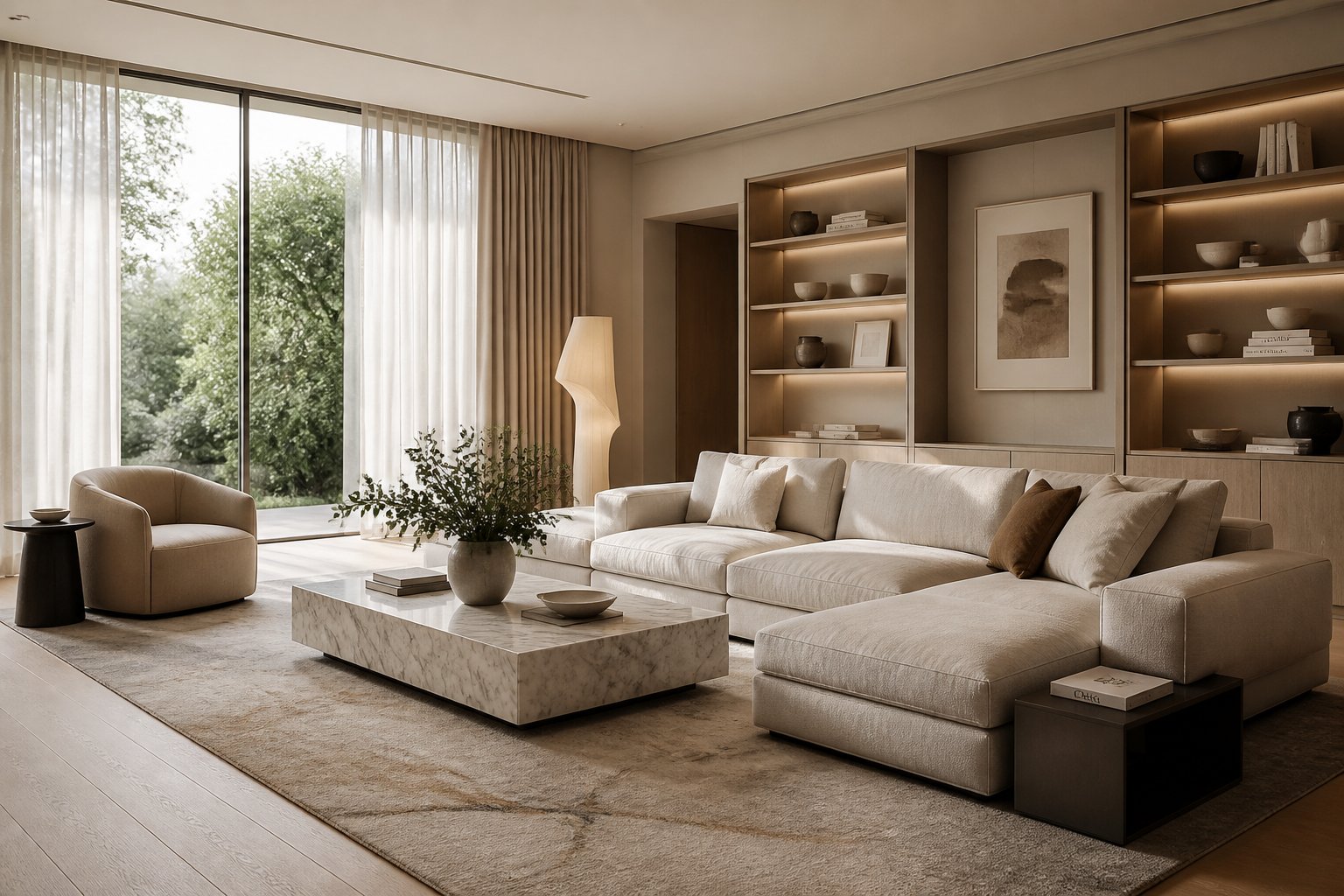
You don't need flashy furniture or bold patterns to make your home special. Quiet luxury comes from small, smart choices about texture, light, and space. Simple things like soft fabrics, warm light, and well-made furniture matter more than filling rooms with trendy items.
This design style helps you make a home that feels personal and calm. You will learn how to pick materials and colors that work together, make spaces that fit your life, and choose looks that still feel good years from now.
Principles of Understated Sophistication
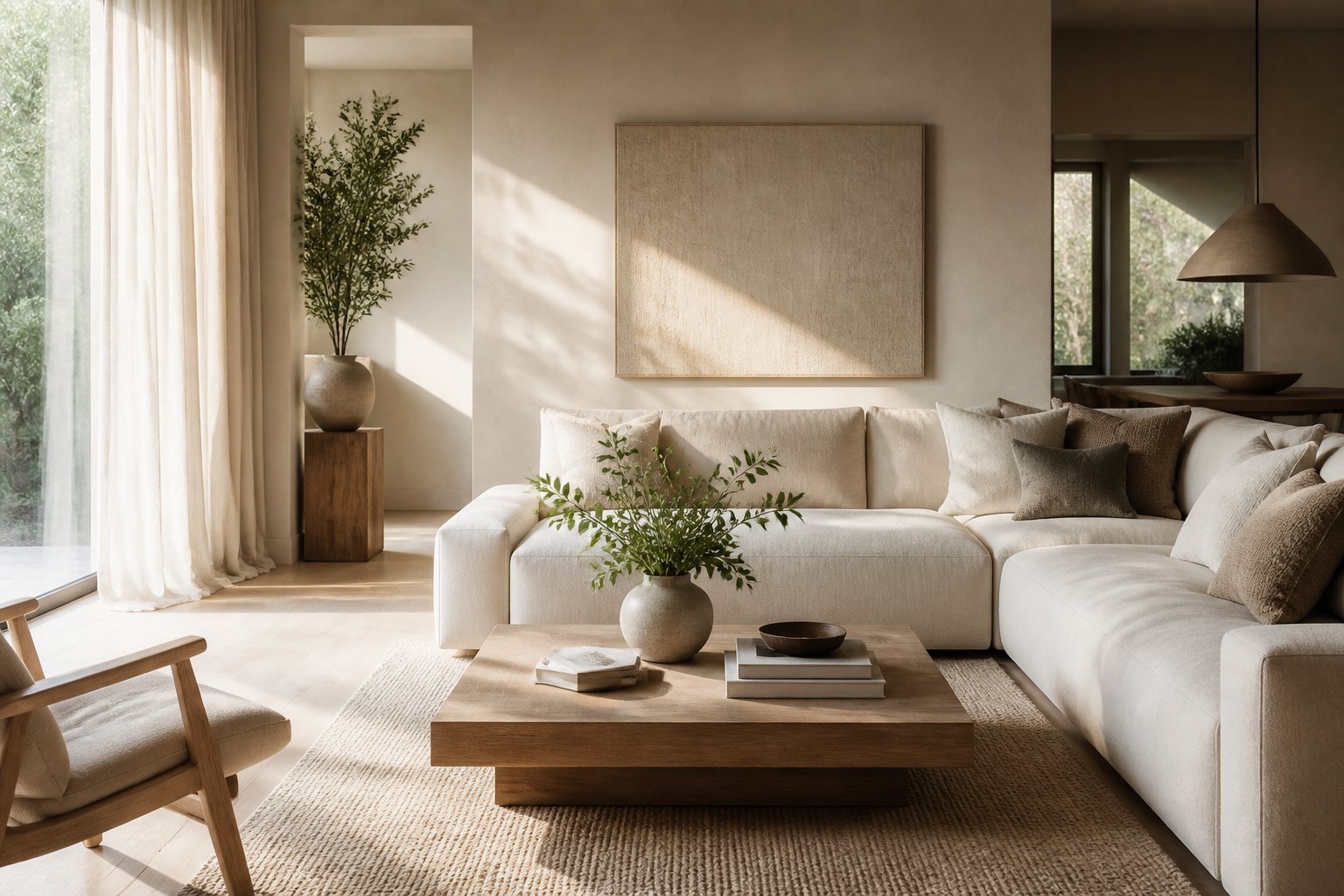
Quiet luxury means choosing quality over flash, natural materials over fake ones, and thoughtful choices over too much decoration. These ideas help create homes that feel calm and refined without trying too hard.
Defining Quiet Luxury in Interior Design
Quiet luxury means choosing calm, simple elegance instead of obvious signs of wealth. It focuses on well-made pieces rather than flashy brand names or price tags.
This style removes busy patterns and loud decorations. Rooms feel calm because each item has a clear purpose and place.
The goal is to make spaces feel peaceful and timeless. You avoid fast trends that get old quickly. Instead, you pick items that last in both build and style.
Quiet luxury uses restraint in decorating. Walls might have one special piece of art instead of many. Furniture is fewer but better, picked for how it looks and works.
Key Elements of Effortless Elegance
Good craftsmanship is the base of this style. You choose furniture made by skilled makers who know how to build things that last.
Neutral color palettes are common in quiet luxury homes. Use colors like:
- Soft whites and creams
- Warm beiges and taupes
- Cool grays and stone tones
- Natural wood shades
Clean lines and simple shapes replace fancy details. Furniture often has plain forms that let the material stand out.
Texture adds interest without being loud. Mix smooth linen with wool, matte surfaces with slight shines, and different weaves in similar colors.
Space matters. Leave room between pieces so each one can be noticed. Don’t try to fill every corner; open space feels intentional.
Material Choices That Speak Subtlety
Natural materials are at the heart of quiet luxury design. Pick solid wood instead of thin wood coverings. Woods like oak, walnut, and maple look nice and last a long time.
Stone surfaces add quiet style. Limestone, travertine, and honed marble look elegant without a shiny finish.
Natural fabrics feel good and look soft. Use linen for its relaxed look, wool for warmth, and high-quality cotton for a simple, neat feel.
Metals should have brushed or matte finishes, not bright chrome. Choose aged brass, soft-steel finishes, or bronze with a natural patina.
These materials get better with age. They show character instead of just looking worn out.
Design Strategies for Cultivating Serenity
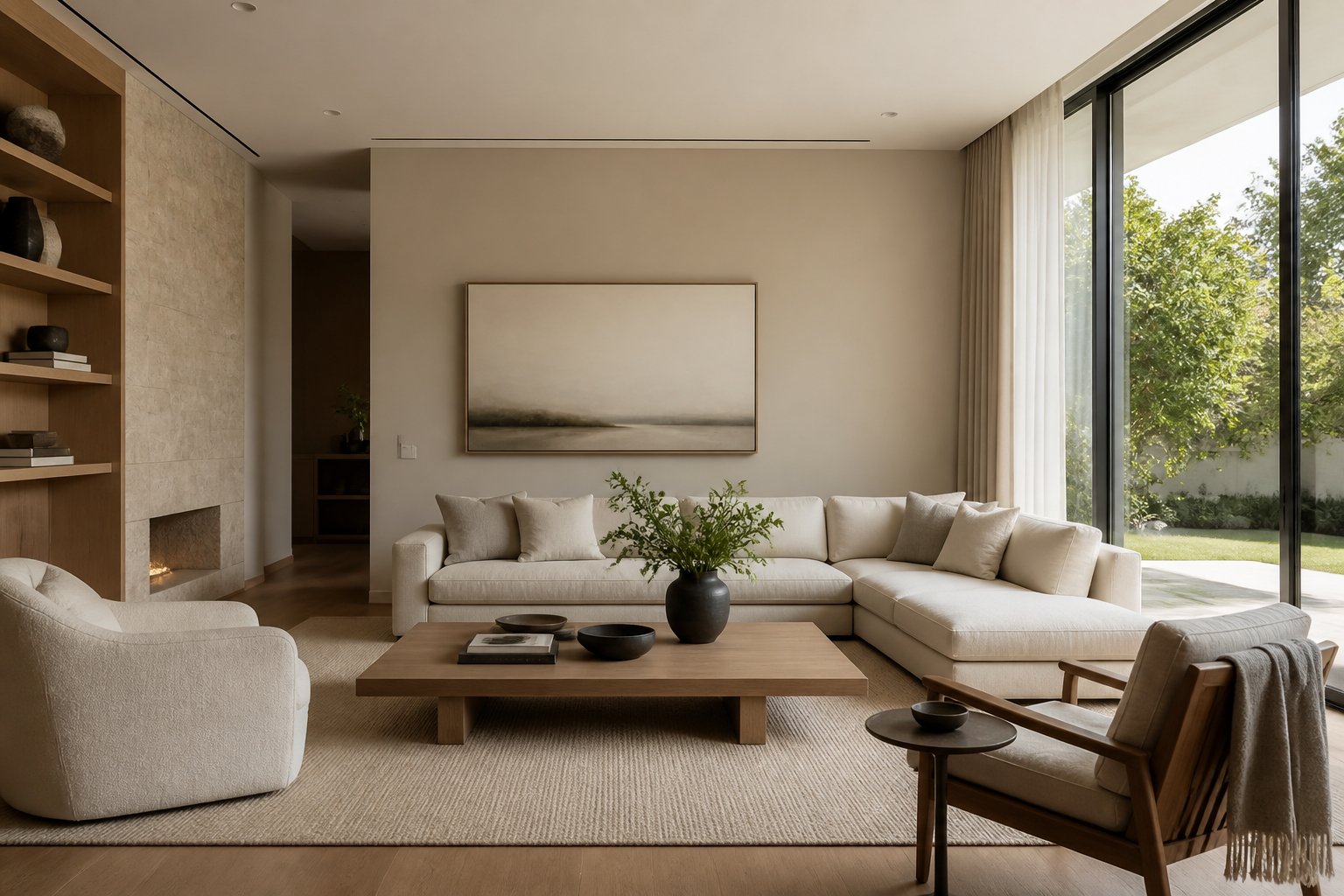
To make a calm home, think about what to include and what to leave out. Aim for spaces that feel peaceful and lived-in by using simple layouts, clear focal points, and thoughtful materials. This is what makes the quiet luxury home that speaks without trying.
Minimalism Versus Warmth
The quiet luxury home that speaks without trying should not feel cold or empty. Use warm natural materials like wood, linen, and wool to make rooms feel cozy.
Start by removing things you do not need. Keep only furniture and decor that has a purpose or makes you happy. Your home can be simple and still feel welcoming.
Add soft textiles and natural items. A wool throw on a sofa or a wooden bowl on a table adds warmth without clutter. Aim for a space that feels open and friendly.
Choose furniture with clean lines but comfortable sizes. A simple sofa looks warmer with linen cushions in cream or beige. Natural light also helps minimal spaces feel nicer.
Balancing Statement Pieces and Simplicity
Have a few strong pieces in each room instead of many competing items. Pick one or two focal pieces that stand out without crowding the space.
A sculptural chair, a large piece of art, or a special light can be the main focus. Keep other items simple in shape and color to support those pieces.
Good Statement Pieces:
- Architectural light fixtures
- Handmade furniture with a clear shape
- Large abstract art in neutral colors
- Natural stone or marble surfaces
Let the things around your focal pieces fade into the background. If your dining table is bold, choose plain chairs and simple wall decor. This creates interest without chaos.
Quality is more important than quantity. One well-made piece will look better than several average items fighting for attention.
Incorporating Texture and Neutral Palettes
Texture stops neutral color schemes from feeling flat or boring. You can make a room feel deeper by using different materials that have similar colors.
Use a palette of whites, beiges, grays, and earth tones. Within those colors, change up the textures. Put smooth plaster walls next to rough linen curtains. Place a soft wool rug near a sleek leather chair.
Natural materials add the most interest to neutral rooms. Stone, wood, raw silk, and matte metals reflect light in different ways. These small changes keep the room interesting without bright colors or busy patterns.
Layer textures in groups of three to five in each room. For example, you could mix bouclé, smooth marble, brushed oak, linen, and matte brass in one living room. The mix feels rich but still calm.
Don't mix too many undertones. Choose either warm neutrals (cream, beige, warm gray) or cool neutrals (pure white, cool gray, black) so the room feels balanced.
Frequently Asked Questions
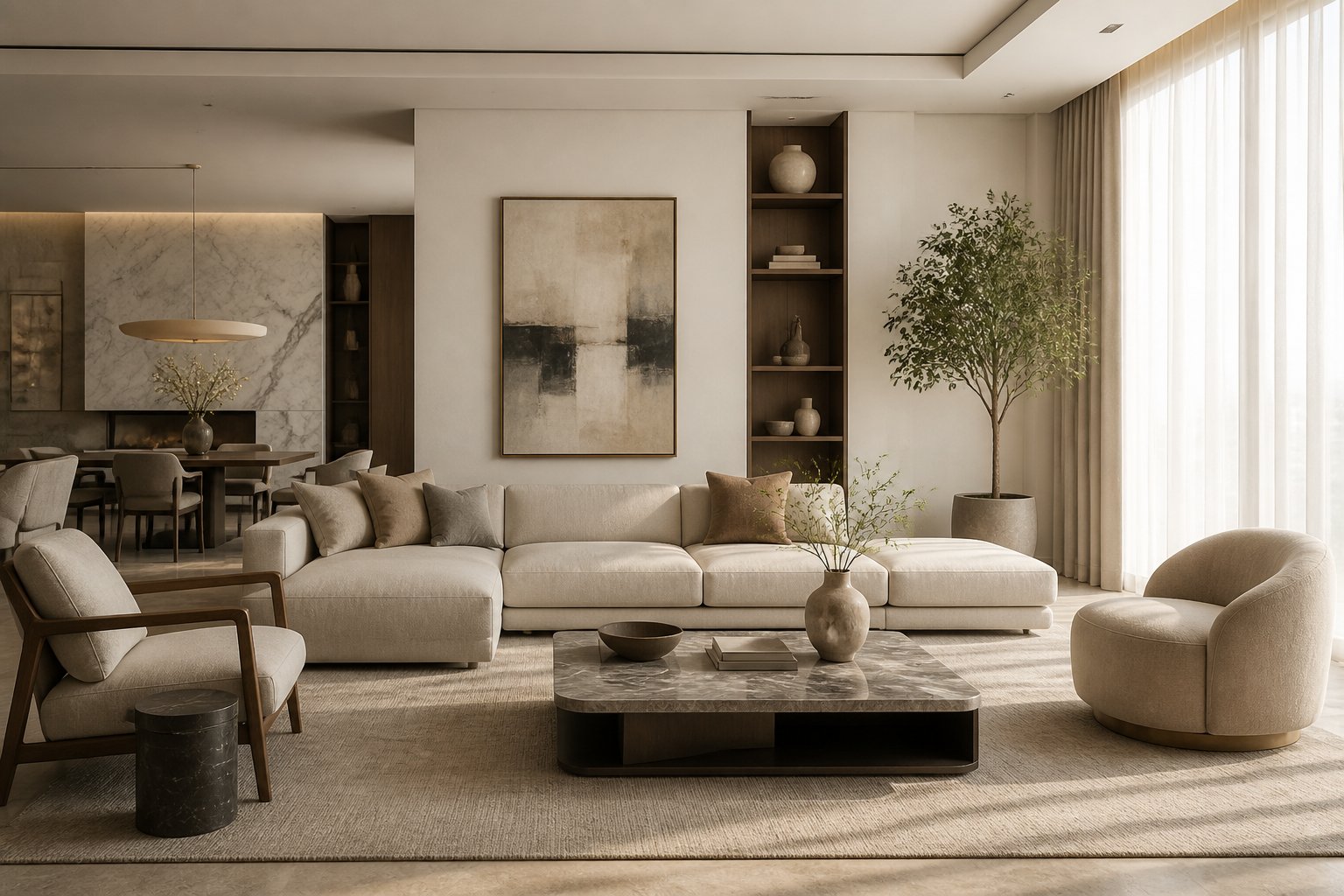
The quiet luxury home that speaks without trying focuses on good materials, careful work, and simple design instead of logos or trends. It makes a house feel high-end through small, thoughtful choices like natural textures, neutral colors, and well-made furniture.
What defines the quiet luxury aesthetic in modern home design?
Quiet luxury focuses on simple, calm style instead of flashy things. It uses natural materials and soft, neutral colors. People pick pieces for their quality and craftsmanship, not for brand names.
The room should feel peaceful and not crowded. Every item has a purpose and adds to a clean, refined look.
It avoids busy patterns and bright colors. Instead, it adds interest with texture and layers, like linen, wool, stone, and wood.
How is quiet luxury expressed in real estate without relying on visible branding?
In homes, quiet luxury shows up in good design and strong materials. You won’t see logos or obvious status symbols.
It is about how the house feels when you walk in. Features like high ceilings, natural light, and well-sized rooms show value quietly.
Quality is clear in things like solid wood doors, stone countertops, and custom woodwork. These parts last a long time and often look better as they age.
Which materials and finishes are most associated with a quiet luxury interior?
Quiet luxury uses natural materials. Stone, marble, wood, linen, wool, and leather give a real and lasting feel.
Choose finishes that are matte or satin, not very shiny. Honed marble, brushed brass, and oiled wood add soft texture without glare.
Use neutral colors like warm whites, soft grays, beiges, and earth tones. These colors create a calm, matching background.
What architectural features make a home feel understated yet high-end?
Taller ceilings make a room feel more expensive. Rooms with nine-foot or higher ceilings feel more open and grand.
Simple crown molding, baseboards, and trim add polish. Keep the lines clean so the details do not stand out too much.
Big windows and natural light lift a room. Floor-to-ceiling windows or French doors make the inside feel connected to the outside.
Built-in storage helps keep things tidy. Custom cabinets, window seats with hidden storage, and walk-in closets reduce clutter.
How can homeowners achieve the quiet luxury home that speaks without trying on a real budget?
Start by clearing clutter. A clean, tidy room looks more expensive even if you spend little.
Buy fewer, better pieces instead of many cheap items. One well-made sofa will last longer than several low-quality ones.
Paint walls in soft, neutral colors and swap out cabinet and door hardware. These are low-cost changes that make a big difference.
Spend money on things you use every day: a good mattress, a comfy sofa, and a sturdy dining table are worth it.
Add texture with affordable fabrics like linen curtains, wool throws, and cotton rugs. These layers make a space feel rich without costly furniture.
What are the key differences between quiet luxury and traditional luxury in home styling?
Traditional luxury shows wealth with obvious designer pieces and bold displays. The quiet luxury home that speaks without trying focuses on subtle quality that you notice over time.
Traditional homes may have crystal chandeliers, ornate furniture, and shiny finishes. Quiet luxury uses simple lights, clean-lined furniture, and matte surfaces.
Color works differently too. Traditional luxury often uses rich, dramatic colors. Quiet luxury sticks to neutral, earthy tones.
Traditional style displays collections and decor openly. Quiet luxury keeps surfaces clear and stores items out of sight.
Finally, traditional luxury follows showy trends. Quiet luxury invests in timeless pieces that stay stylish for years.