


The Modern Shift From ‘Living Space’ to ‘Lifestyle Space’
April 22, 2026
Your home is not just a place to sleep or keep things anymore. Homes now show who you are and how you live. They mix places to live, work, relax, and meet friends.
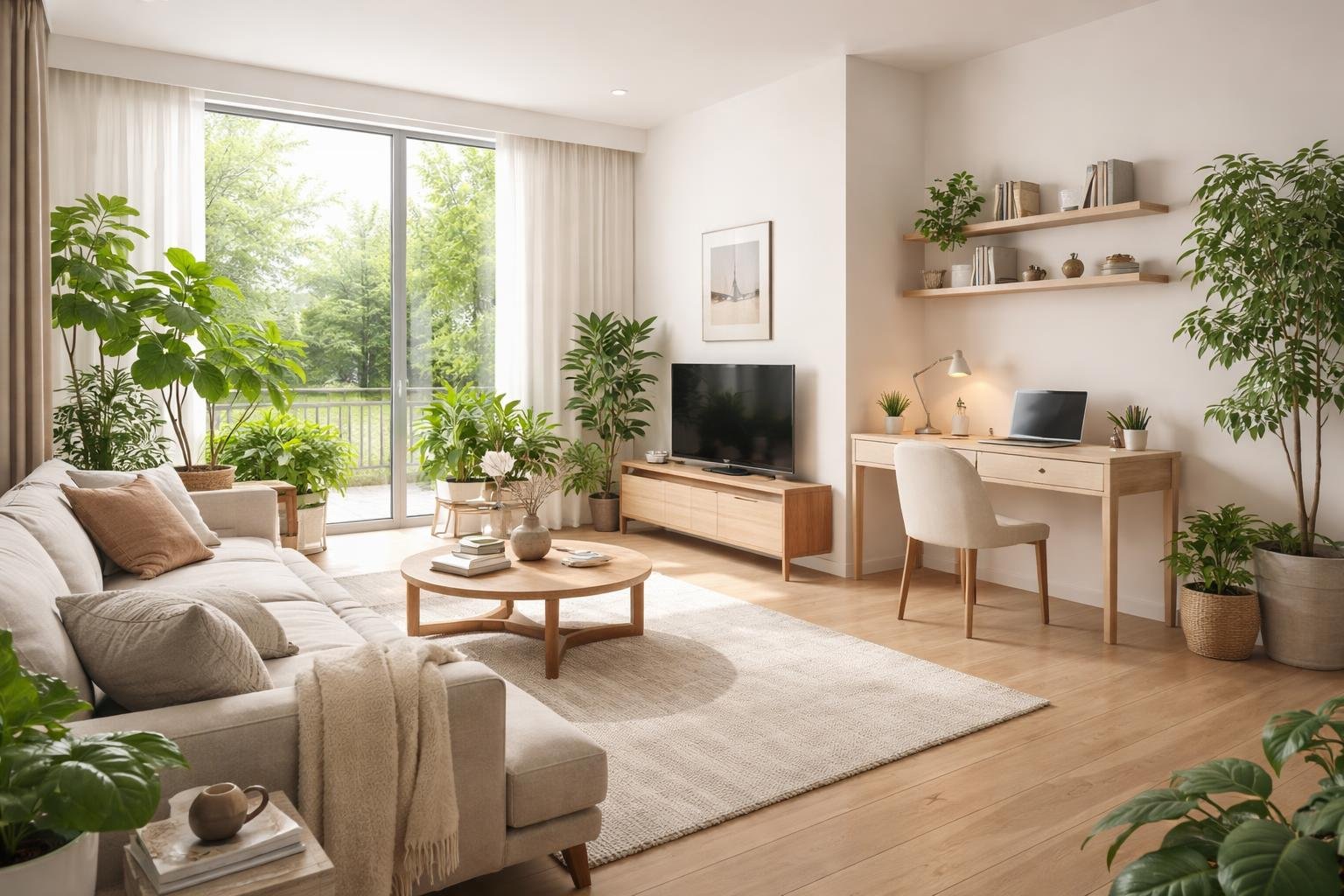
People are moving from simple "living space" to "lifestyle space." This means rooms and buildings are made to fit many activities. For example, kitchens open to living rooms, apartments have shared work areas, and rooms can change use during the day.
These changes come from new habits and real needs. Understanding the modern shift from ‘living space’ to ‘lifestyle space’ can help you choose or design a home that fits your life better.
Defining Evolving Residential Concepts
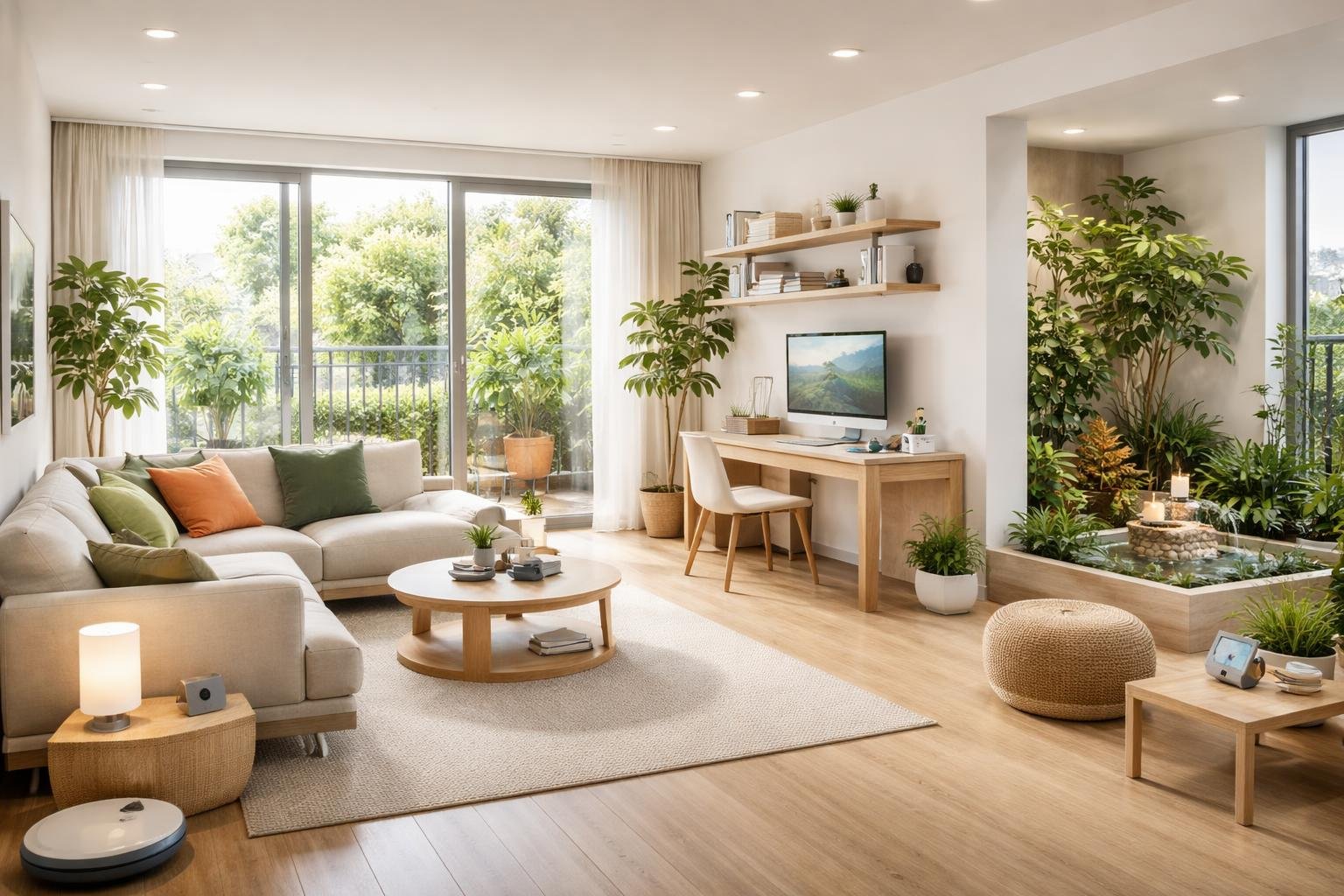
Homes today are changing. They are no longer just places to sleep and store things. Instead, they shape how you live, work, and meet others. This is part of the modern shift from ‘living space’ to ‘lifestyle space.’
Origins of Traditional Domestic Design
Older homes had separate rooms for one use. There was a dining room for meals, a living room for guests, and bedrooms for sleeping.
This setup grew from older social rules that valued privacy and formal visits. Kitchens were closed off, halls were long, and rooms had clear boundaries between public and private life.
Rooms were built for fixed jobs and did not change much. People bought furniture to stay in one place. Walls separated activities, and most rooms had only one purpose.
That style worked when daily routines were steady. Jobs, family life, and social habits changed slowly, so homes did not need to adapt often.
Emergence of Experience-Driven Environments
Today, home design focuses on how spaces make you feel and what you can do in them. Houses and apartments need to work for remote work, exercise, hobbies, and gatherings without big renovations.
The idea of "lifestyle living" values belonging and well-being more than just square footage. Builders make co-living and build-to-rent places that share amenities like co-working areas, gyms, and multipurpose rooms.
These places mix functions. One room can be an office in the morning, a yoga studio in the evening, and a guest room on the weekend.
Smart home technology helps this change. Systems can change lighting, temperature, and sound for different activities. You can set your space to fit your needs instead of using fixed room types.
Key Components of Contemporary Living
Adaptable design lets you change areas without building work. Movable walls, modular furniture, and built-in pieces make spaces that grow with your needs.
Wellness features include more natural light, better air quality, and zones for exercise and rest. These features aim to support your physical and mental health.
Community amenities expand your living area outside your unit. Shared gardens, lounges, and workshops give chances to meet others and cut the size and cost of private spaces.
Sustainable systems focus on the environment and saving money long-term. Energy-efficient systems, recycled or renewable materials, and water-saving features match eco values and lower running costs.
Cultural and Social Drivers of the Change
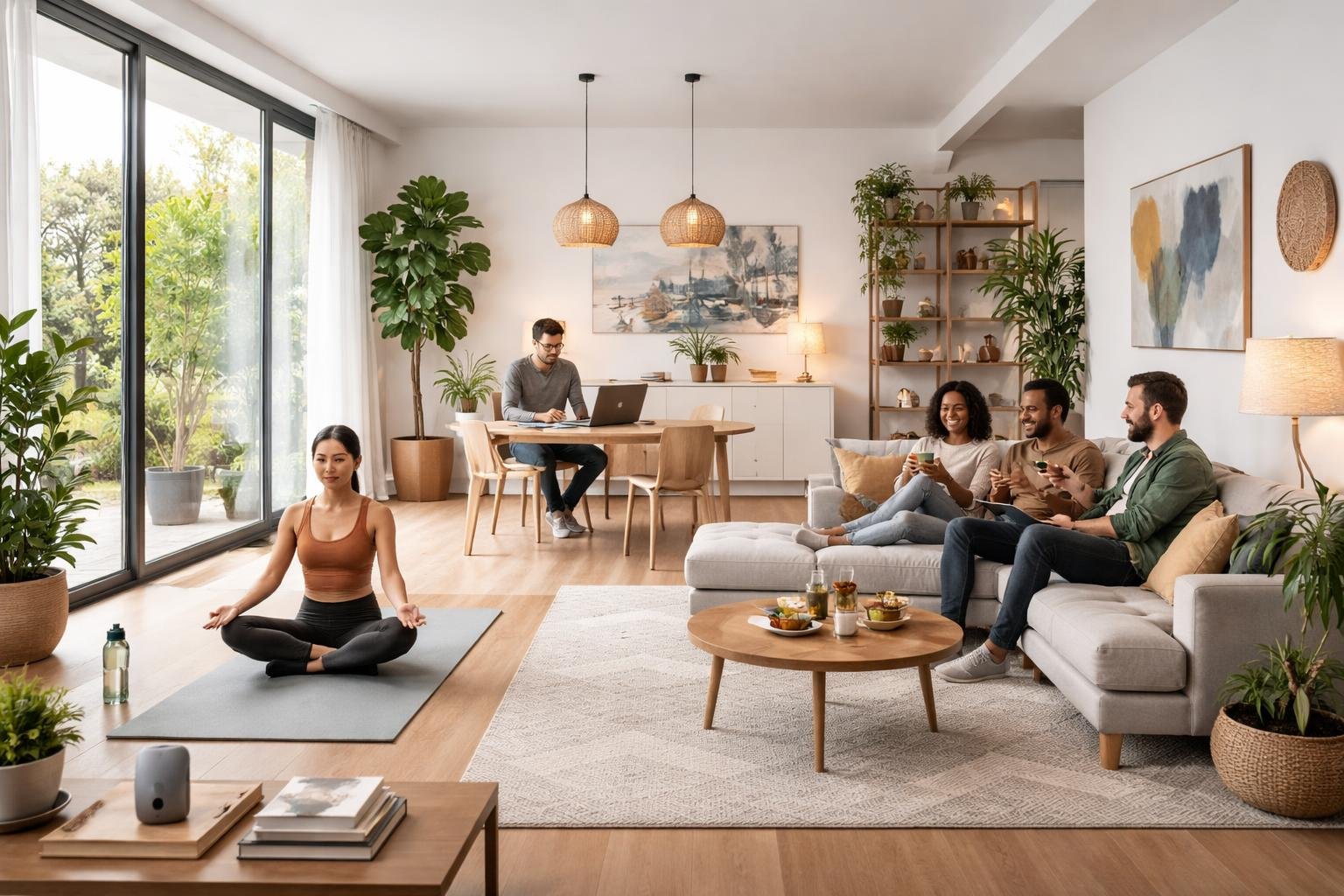
Technology has changed how you use your home. Changes in who lives in cities and how people live have also changed what we expect from space. More focus on personal identity and mental health has turned homes into places for self-expression and well-being.
Impact of Technology and Connectivity
Working from home has changed what a house is for. You now need a quiet work area, strong internet, and a neat background for video calls. The living room can be an office by day and a place to relax at night.
Smart home gadgets let you control lights, heat, and doors from your phone. This makes it easier to set the right mood for different tasks during the day.
Streaming and digital books mean you do not need big shelves or many disks. You watch movies online, read on tablets, and use music apps. This frees up space and changes how you plan storage.
Social media affects how people pick furniture and decor. You might choose items that look good in photos. Sites like Instagram and Pinterest show new design ideas from around the world and shape what people want in their homes.
Influence of Urbanization and Demographics
Living in cities often means smaller homes and higher costs. People use smart furniture and clever storage to make the most of every inch.
Household types are changing. More people live alone, marry later, or do not have kids. Because of this, many homes now focus on a work area or hobby space instead of extra bedrooms.
City homes may not have yards. To make up for this, people create indoor spots for plants, exercise, or relaxing. Many city services and amenities are nearby, so you may need less space inside your home.
Role of Personal Expression and Wellness Priorities
The modern shift from ‘living space’ to ‘lifestyle space’ means your home shows who you are. You pick furniture, colors, and layouts that match your tastes instead of following old room rules.
People care more about mental health now, so homes are used to support well‑being. You make rooms that lower stress by adding natural light, plants, soft colors, and spots for meditation or exercise.
Simple wellness design ideas:
- Quiet corners for focused work
- Small workout areas with safe floors and storage
- Natural materials and plants
- Lights that change for different moods
Many people choose experiences over things. Homes are made to support hobbies, meeting friends, and learning new skills instead of holding unused stuff.
Frequently Asked Questions
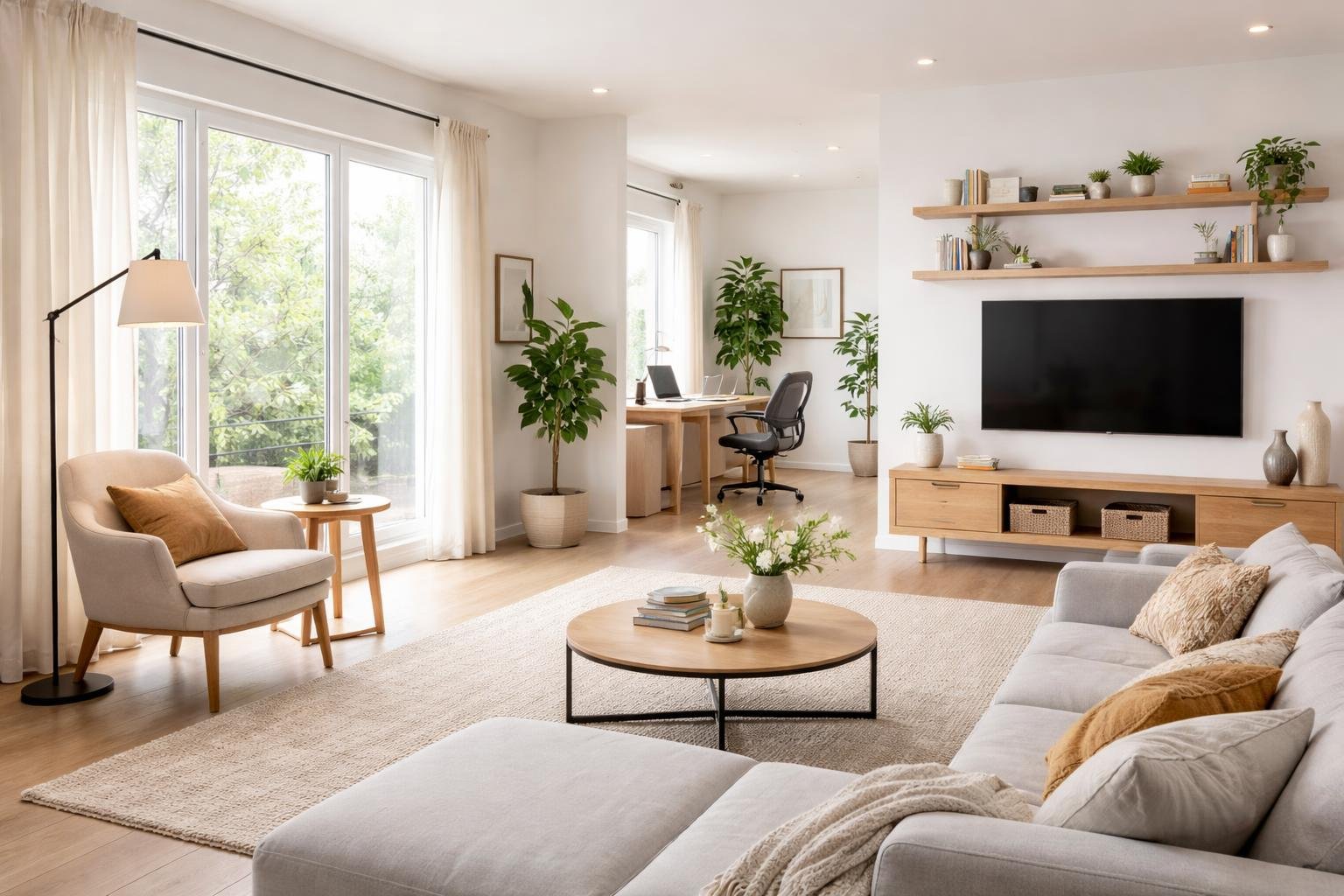
Today’s homes focus on being flexible and showing personal style. Rooms do more than one job and can change with your needs. The goal is to keep spaces tidy and pleasing while fitting your daily life.
What defines a modern living space in today's homes?
A modern living space mixes usefulness with your personal style. Simple shapes, lots of natural light, and open rooms are common in today’s design.
Smart devices fit into these rooms without standing out. You might have lights, heating, and entertainment systems that you can program and that work quietly.
Being eco-friendly is also important. People use energy-saving appliances, natural materials, and furniture made from recycled or responsibly sourced parts.
Are open-plan living rooms and kitchens going out of style, and what's replacing them?
Open-plan layouts are still popular, but they are changing. Now people want flexible rooms that can be opened or closed when needed.
Partial walls, sliding doors, and movable panels help make private spaces. These options cut down on noise and cooking smells spreading through the whole area.
Hybrid layouts give a mix of both ideas. You can keep a roomy, open feel but also make separate zones for different activities when you want to.
How can I design an open-concept living, dining, and kitchen area that still feels organized?
Use area rugs to mark different parts of the room. A rug makes a clear spot for the living area or dining area without adding walls.
Put furniture so it separates spaces. For example, place the sofa with its back to the dining table or use a bookshelf as a small divider.
Keep the same floor and use similar colors throughout. That helps the whole room feel connected while each area still has its own job.
Use different lights for each area. Bright task lights for the kitchen, a pendant over the table, and softer lights for the living area help each zone feel right for its use.
What are the most common dated living room features, and how can they be updated quickly?
Matching heavy furniture sets can make a room look old. Swap them for mixed pieces that share a color or simple style instead of identical items.
Bold, wall-to-wall carpet looks dated. Change to wood, laminate, or a neutral carpet and add area rugs you can change later.
Big entertainment centers with large TV units make a room feel old-fashioned. Mount the TV on the wall and choose a low media console or floating shelves.
Vertical blinds and heavy drapes block light and feel old. Replace them with simple roller shades, modern curtains, or natural woven blinds.
How do I choose the best living room layout for my room size, traffic flow, and daily routines?
Start by noticing where people walk through the room. Do not place furniture where it will block these paths between doors and other rooms.
Room size tells you how much furniture will fit. Try to leave about 30 inches (around 75 cm) of space between big pieces so people can move easily. Keep 14–18 inches (35–45 cm) between the sofa and the coffee table.
Think about how you use the room each day. If you watch TV most nights, put seats facing the screen and sit about 8–10 feet (2.5–3 meters) away for a good view.
Put the biggest piece of furniture, usually the sofa, in place first. Then arrange chairs and tables around it so the room works for your activities.
What are practical ways to fill awkward or unused space in a living room without adding clutter?
Empty corners are good for tall plants, floor lamps, or a small reading chair. These fill space without blocking views or paths.
Narrow wall spaces between windows or doors can hold slim console tables or floating shelves. Keep only one or two items on them to avoid clutter.
Spaces behind doors can fit vertical storage like coat racks or narrow bookcases. This uses dead space and keeps things handy.
In larger empty spots, make a small activity area. A compact desk, hobby table, or drink station adds use without crowding the main seating area.