



The Human Need for Order, Symmetry and Visual Harmony
May 24, 2026
You straighten a picture frame, line up books, or feel good when tiles match. These small actions show how your brain works. People are drawn to symmetry and order because the brain finds neat patterns easier to understand than messy ones.
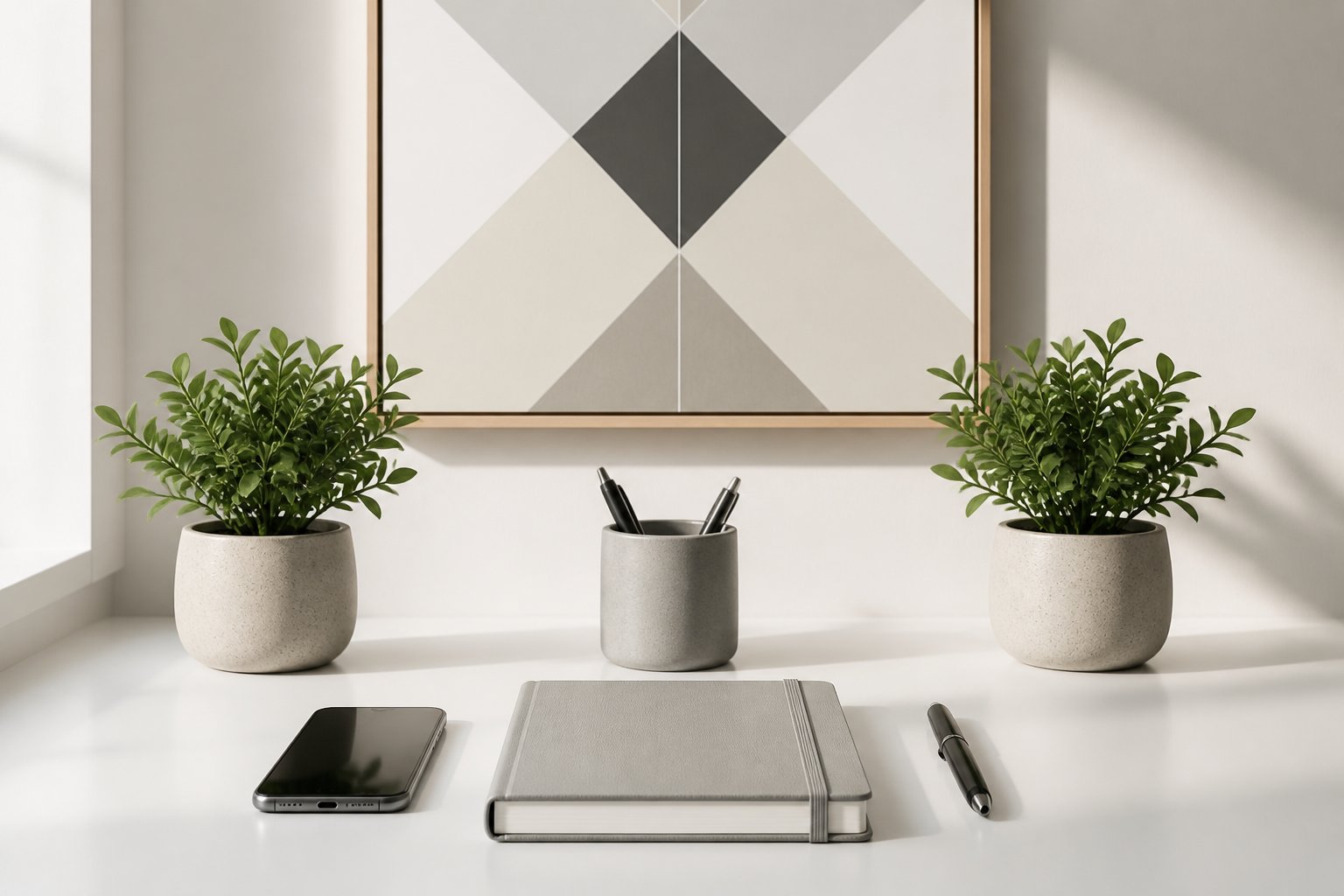
This liking for order is not only about taste. Your eyes and brain look for balance and clear patterns in what you see. When things are balanced, your brain works less hard to make sense of them. That feeling can make you calm and satisfied.
Knowing why you like visual harmony helps explain many choices. It affects art, design, and everyday things like buildings and websites. Order and symmetry shape how you see the world.
Why People Prefer Certain Visual Patterns
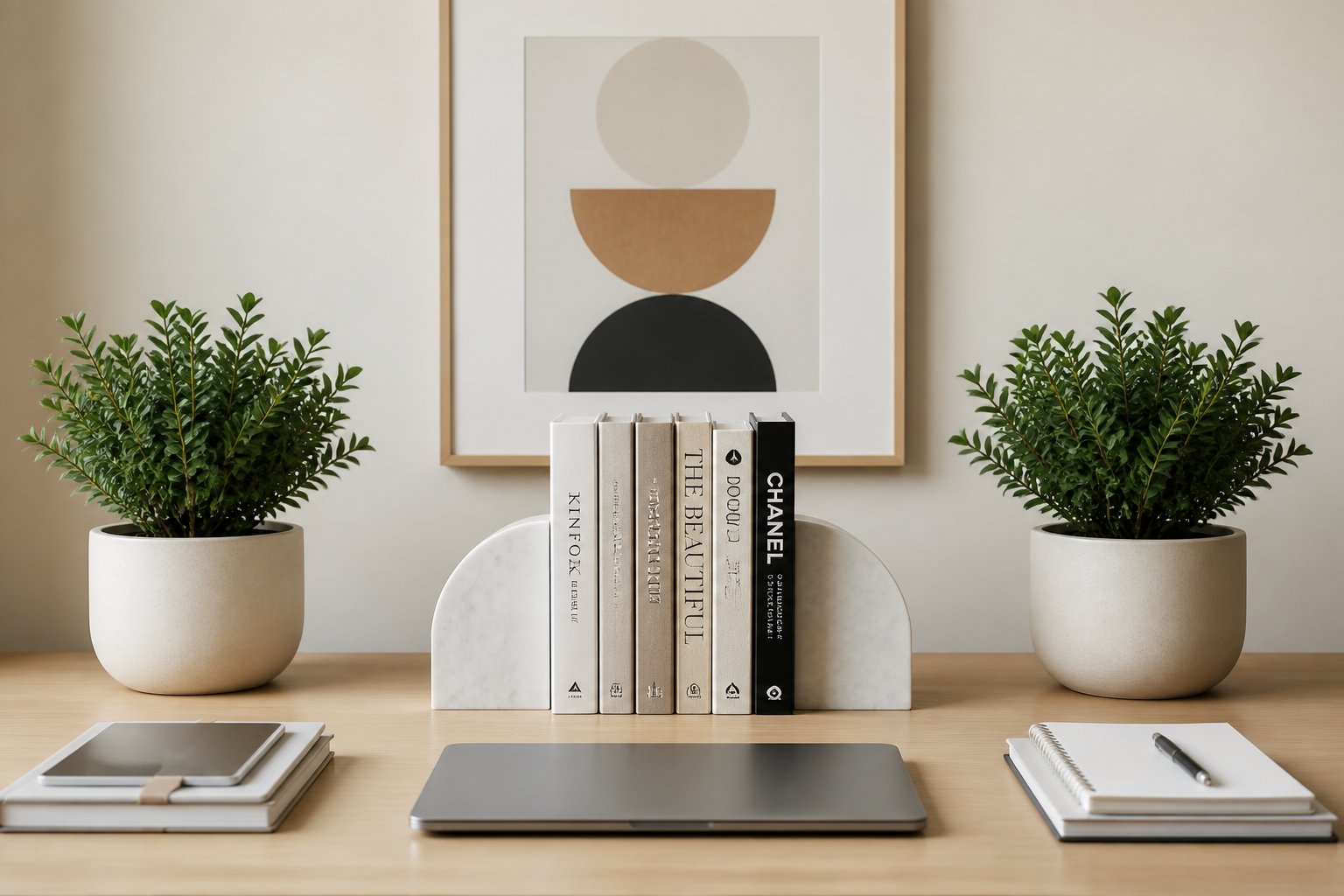
Your brain uses both fast automatic reactions and what you learn from culture to form visual tastes. These tastes come from how the mind finds and reacts to patterns, the feelings symmetry can create, and long-term advantages that helped humans survive.
The Human Need for Order, Symmetry, and Visual Harmony
Your brain looks for order, symmetry, and visual harmony to make sense of what you see. This need helps you find things easy to understand and pleasant to look at.
Cognitive Processing of Patterns
Your brain uses two main ways to read patterns. Bottom-up processing works automatically. When you see symmetry, your brain notices it quickly without thinking hard. Top-down processing is when you think more. You use what you learned before—like culture and experience—to judge complex patterns or art.
Key differences:
- Bottom-up: Fast and automatic; reacts to simple features like symmetry.
- Top-down: Slower and thoughtful; uses past knowledge and culture.
Your eyes and brain prefer patterns that are easy to process. Simple, balanced designs feel nicer because they are easier to understand. This ease of seeing leads to a positive feeling when you look at them.
Emotional Responses to Symmetry
Symmetry often gives people a feeling of comfort and satisfaction. Many cultures and ages respond to symmetry in similar ways. Your brain may see symmetry as a sign of quality and stability.
Children also notice balanced patterns early, even before they learn what is considered beautiful in their culture. This shows that the need for order and visual harmony starts young.
But feelings can change with context. For example, perfect symmetry may work well in buildings, while a little asymmetry can look better in faces or natural scenes.
Evolutionary Roots of Order Seeking
Your liking for symmetry comes from long ago and helped people survive. Symmetry in nature often showed health, good genes, and a stable place to live. People who noticed these patterns picked better food, mates, and safe places.
Seeing patterns also helped early humans spot danger and chances to find food. Noticing when things were out of place made it faster to react to threats. This skill became part of how our brains see the world.
Today your brain still uses those old tricks. When you look at things, you quickly notice patterns and order the same way people did for thousands of years.
Order and Harmony in Art, Design, and Everyday Life
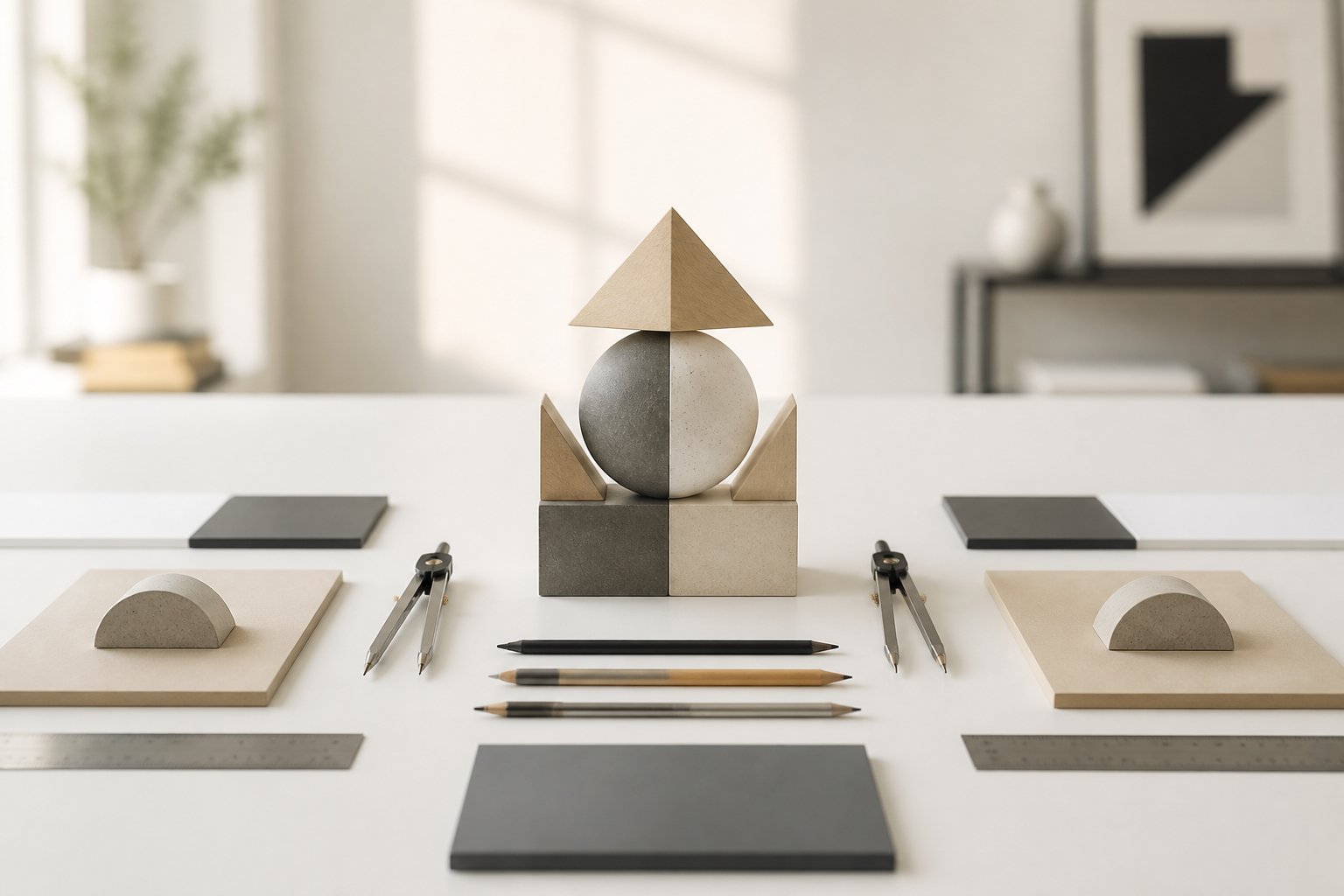
Balance, symmetry, and proper size affect how you feel about art, buildings, and objects. These ideas change how comfortable, focused, or calm you feel in a place.
Principles of Visual Balance
Symmetry gives a strong sense of stability by copying parts across a line. Your brain reads a symmetrical picture faster and sees it as neat.
Proportion is about the size of one part compared to another. Long ago, people like the Roman architect Vitruvius wrote down human measurements that designers still use. Good proportions make things feel natural.
Key principles include:
- Bilateral symmetry - left and right sides mirror each other
- Radial symmetry - parts placed around a center point
- Asymmetrical balance - different parts that still feel even
- Golden ratio - a math proportion found in nature and art
You feel harmony when designers place items on clear grids. This creates an order that guides your eye and reduces confusion.
Applications in Architecture and Product Design
Architects use symmetry on building fronts to show stability and importance. Classical buildings like courthouses have matching columns and centered doors that people notice right away.
Product designers use these ideas for everyday items. Many smartphones have centered camera groups and buttons that are balanced. Kitchen appliances often have controls placed evenly because they are easier to find and use.
Le Corbusier created measurement systems based on human body proportions to plan rooms. This helps spaces feel comfortable for people. Today architects still use grids and repeatable parts to make buildings that look right from every view.
Impacts on Wellbeing and Productivity
Neat visual spaces lower your mental load. When you enter an organized place with clear patterns, you can focus on tasks instead of figuring out a messy scene.
Studies show people like familiar patterns and balanced designs. Rooms with even proportions and symmetry reduce stress. That is why hospitals and offices often aim for visual order.
Your work can get better in places with consistent design. When things line up on simple grids and follow clear rules, you spend less energy understanding the space. That leaves more energy for concentration and creativity.
Frequently Asked Questions

People often ask how liking symmetry links to brain function, mental health, and daily habits. These questions look at the science behind why we prefer certain visuals and when strong preferences might mean something more.
What does a preference for order, symmetry, and visual harmony reveal about how people perceive their environment?
Preferring order and symmetry shows that your brain looks for patterns to understand the world. When you see balanced designs or organized spaces, your mind reads them as steady and predictable.
This habit means you use visual harmony as a quick way to judge places. Symmetrical settings feel safer and more reliable than chaotic ones. You naturally feel calm in spaces where things look balanced and planned.
Wanting order also shows a need to save mental effort. Reading symmetrical patterns takes less thinking than figuring out random layouts.
How does the brain process symmetry and patterns, and why are they often experienced as pleasing?
The brain notices symmetry quickly because it can read mirrored information faster than irregular shapes. The visual cortex checks one side against the other, which uses less effort than studying two different sides.
This ease of processing makes the brain feel good. Symmetrical patterns often trigger the brain’s reward system, so people feel pleasure when they see them.
Over time, our brains learned to link balance with health and safety. Seeing symmetry can cause small releases of dopamine, which gives a mild sense of satisfaction.
What are common ways to assess or measure an individual's sensitivity to order and symmetry?
Researchers use visual preference tests that show two images at once. You pick which image you like more, and that shows how much you respond to balance and symmetry.
Questionnaires ask about daily habits, like how bothered you feel when things are out of place. Answers help show where your need for order fits compared to others.
Some studies use eye-tracking to see how long people look at symmetrical versus asymmetrical parts of a picture. These gaze patterns reveal preferences people might not say in a survey.
Is a strong need for symmetry always a sign of OCD, and how is it clinically distinguished from normal preferences?
Wanting things to be symmetrical does not always mean you have OCD. Many people like balanced designs but do not feel upset or have trouble in daily life because of it.
The main difference is whether the need for symmetry causes big anxiety or gets in the way of your life. With OCD, you might spend hours arranging things to make them perfect or feel very upset when things are not even. You may also keep checking things over and over to make sure they are symmetrical.
Normal preferences let you enjoy order without needing to make everything perfect. You can handle small mistakes and keep going. With OCD, thoughts about symmetry are hard to control and come into your mind a lot, and you may have rituals you feel you must do.
How can symmetry-related behaviors overlap with sensory traits seen in autism, and what are the key differences?
People with autism may like symmetry because of how their senses work. Symmetry can feel calm and cut down on sensory overload. You might arrange things to make your space feel more predictable and comfortable.
The big difference from OCD is why it helps. For autistic people, symmetry soothes and helps with sensory regulation. It is usually not about stopping a feared event. They do not often have intrusive worries about what will happen if things are not symmetrical.
Autistic people may also like routines and sameness in many parts of life. Liking symmetry is often part of a wider pattern of seeking order rather than one single compulsion.
When does being highly organized shift from a helpful habit to a potential mental health concern?
Being organized becomes a problem when it harms your life or causes strong distress. If you spend so much time organizing that you miss school, work, or events, the habit is causing trouble.
The change happens when you cannot stop organizing even if you want to. You may know your need for perfect order is too much but feel unable to change it. Your relationships or schoolwork can suffer because of the time you spend keeping things perfect.
Another warning sign is intense emotional responses to disorder. If seeing something messy causes panic, anger, or severe anxiety instead of mild annoyance, the reaction is more than a normal preference. You may need help from a mental health professional to learn healthier ways to cope.