



The Home That Supports the Life You Actually Want to Live
May 31, 2026
Your home should do more than just look pretty. It should make your daily life easier and support the life you actually want to live. Many people decorate based on photos or trends, but that often makes homes that do not work for how they really live.
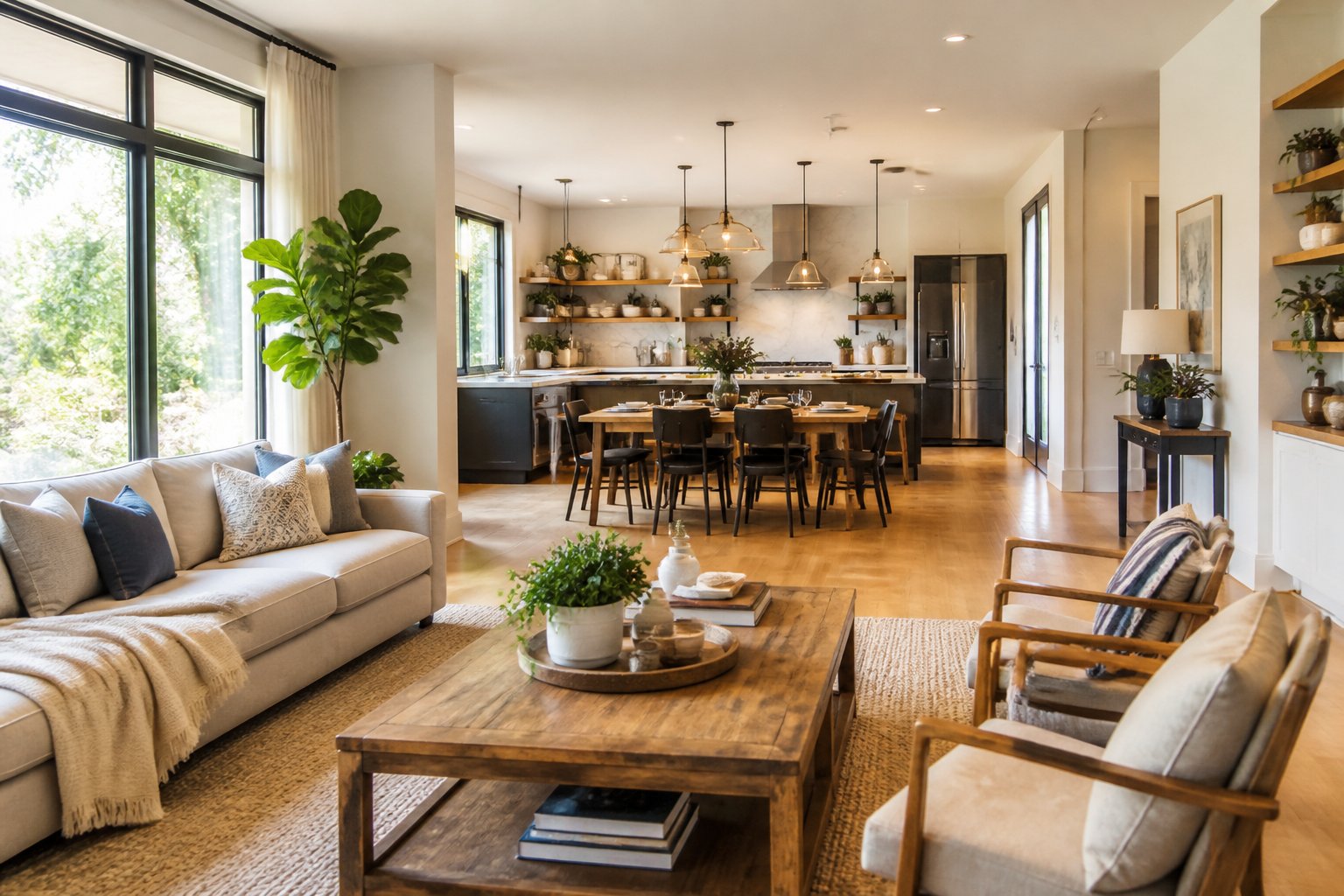
Building the home that supports the life you actually want to live starts with knowing your real priorities and routines. Think about simple things: your morning coffee, where you read, and how you move around on busy days. Be honest about what you need, not just what looks nice.
You do not need a big budget or a total makeover. Small changes to layout, storage, and furniture can help a lot. When your rooms match your habits and goals, your home helps you live the life you want instead of getting in the way.
Choose What Matters to You
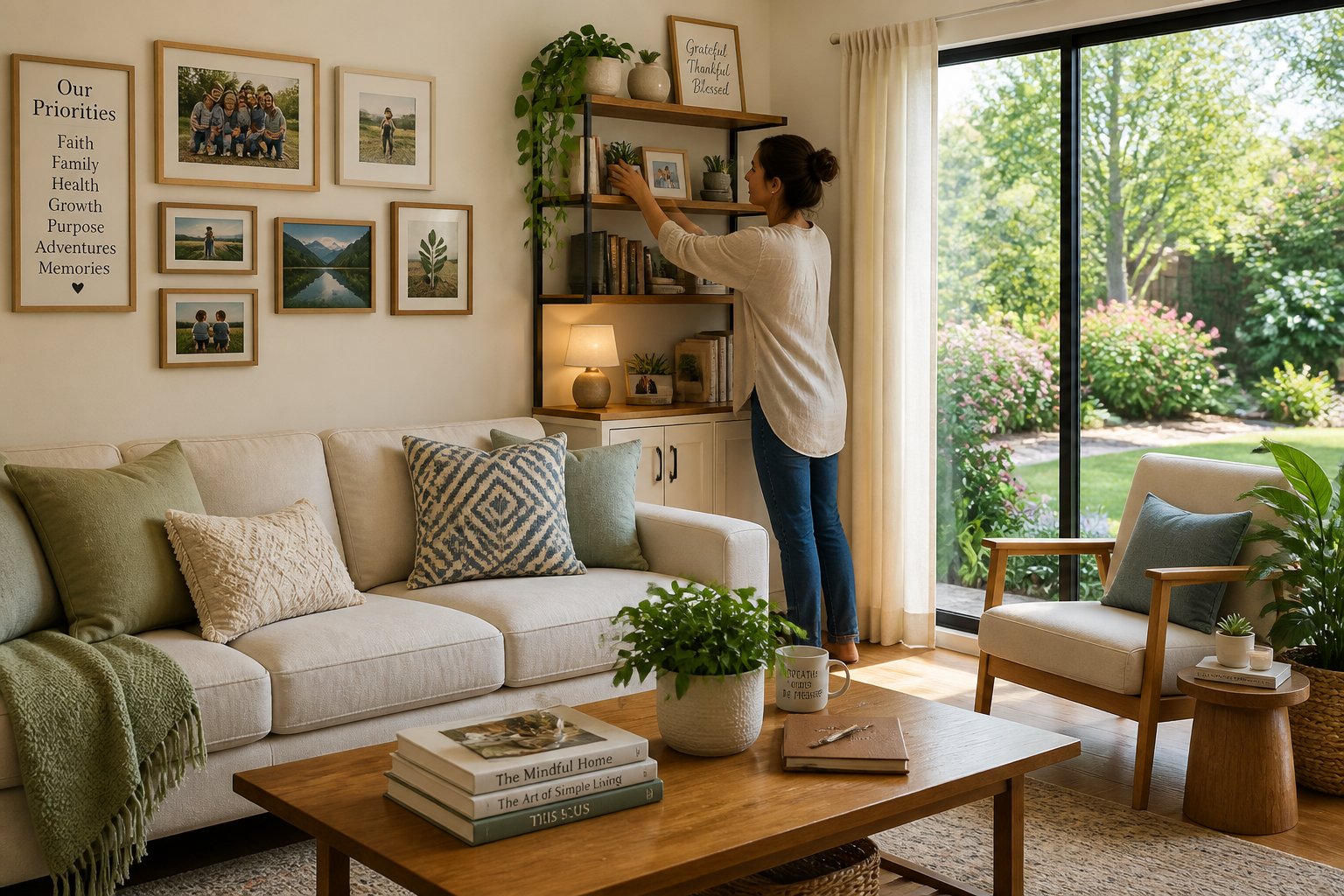
Your home should show what matters to you every day, not what looks good in magazines or worked for someone else. If your space fits your values and routines, it will support your well-being and make daily life easier.
The Home That Supports the Life You Actually Want to Live
Your values are the main things that matter to you and guide how you spend time. Examples include family time, creativity, health, learning, and rest. Write down three to five values that feel most important to you right now.
After you list them, look around your home. Does your space help you live by those values? For example, if family meals matter but your kitchen is small and cluttered, that makes living your value harder.
Think about the activities that make you happiest. If creativity matters, you need a spot for supplies and projects. If fitness matters, you need room to exercise. Your home should have real spaces for your values, not just ideas.
Daily Routines and What You Need
Write down a normal weekday and a normal weekend. Include things you do every day: morning habits, cooking, work, exercise, family time, and how you relax at night.
Your home should make these routines easier, not harder. If you work from home, you need good light and a place to work. If you cook most nights, your kitchen should be set up for easy meal prep.
Notice where you struggle. Where does clutter build up? What tasks take more time than they should? These problems usually mean the space doesn't fit your real needs. The aim is to cut daily stress, not to have a perfect-looking home you never use.
Balancing Functionality With Comfort
A practical home meets everyday needs. A comfortable home feels good to be in. You need both to live well.
Start with basics: enough storage, good lighting, comfy seating, and steady temperature control. These are not extras. They help you relax and focus on what matters.
Then add things that make you feel calm and happy. This could be soft fabrics, lots of natural light, plants, or items you love. Choose what makes you feel good, not just what looks trendy.
Essential Balance Points:
- Storage vs. display – Keep daily items easy to reach and hide clutter
- Durability vs. looks – Pick materials that match how you live
- Privacy vs. openness – Make shared spots and quiet areas
- Flexibility vs. permanence – Let your space change as your needs do
Your home works best when practical features and personal comfort support each other.
Design Strategies That Enhance Everyday Living
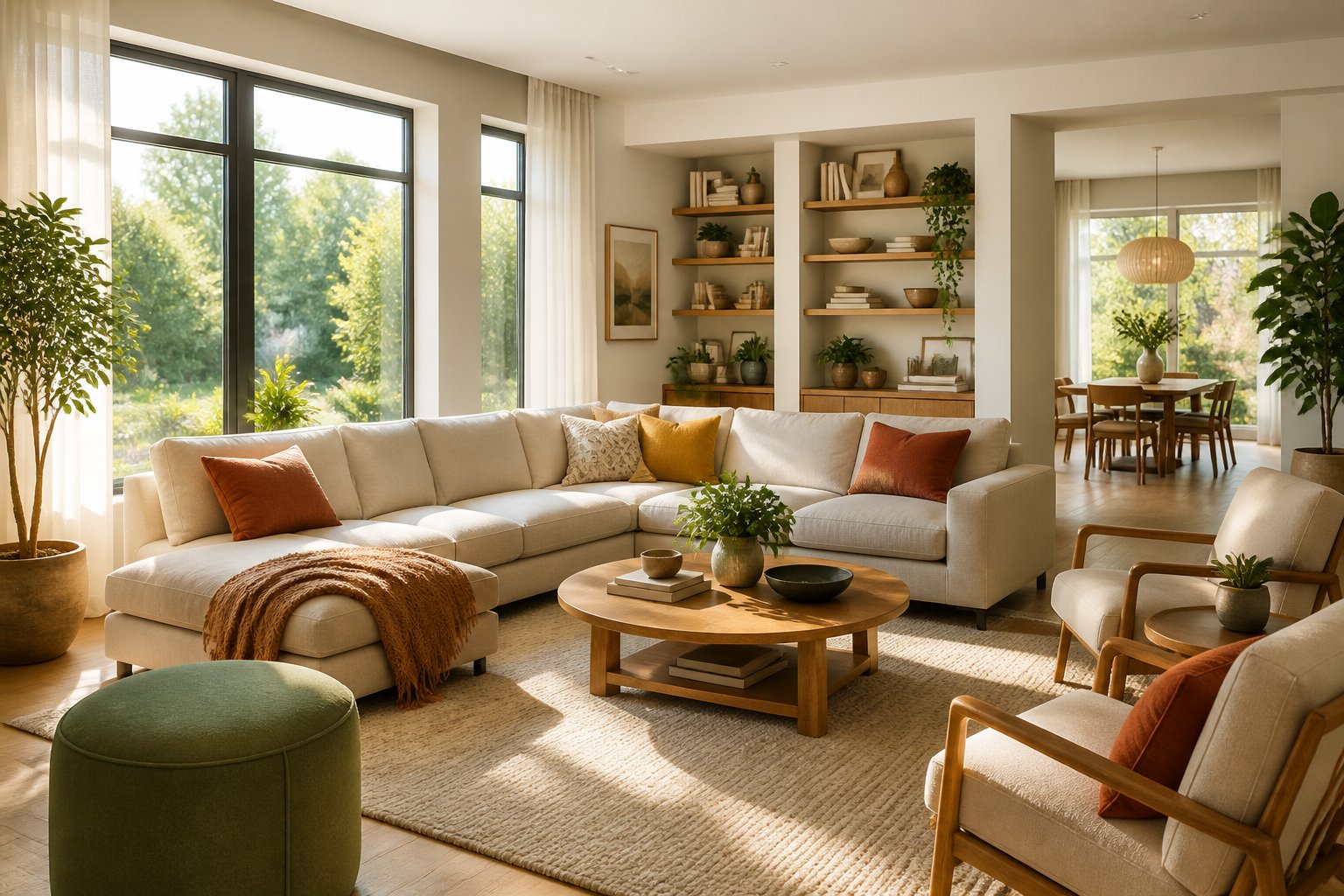
Good design makes daily tasks easier. The right layout, storage, and controls help your home fit different parts of your day. That means less work for you.
Flexible Spaces for Work and Leisure
Rooms do not need just one purpose. A dining table can be for breakfast, a work table at noon, and dinner at night.
Use furniture that moves or has more than one use. A desk on wheels can be for work or crafts. A Murphy bed clears floor space for exercise or play.
Key elements of flexible spaces:
- Modular furniture that changes with activities
- Folding or nesting tables that grow when needed
- Room dividers like curtains or screens for quick privacy
- Adjustable lights that go from bright task light to soft glow
Divide open rooms with rugs, furniture, or paint instead of walls. This makes separate areas but keeps the room flexible. Also, keep outlets easy to reach so you can plug in devices where you need them.
Integrating Storage Solutions
Clutter happens when things do not have a place to go. Smart storage puts items where you use them and keeps surfaces clear for daily tasks.
Built-in cabinets and shelves use vertical space better than freestanding furniture. Put storage near entry points—hooks by the door, a bench with shoe space, and a small spot for mail. These stops keep items from spreading into living areas.
Your kitchen benefits from drawer dividers, pull-out shelves, and labeled containers. Bathrooms need medicine cabinets, under-sink organizers, and hooks for towels. Bedrooms do well with closet systems that have sections for different types of clothes.
Hidden storage keeps rooms looking tidy. Ottomans with storage, bed frames with drawers, and coffee tables with lift tops add space without extra visual clutter.
Optimizing Natural Light and Air Quality
Natural light helps your sleep cycle and can lower energy bills. Put work areas and seats near windows so daylight reaches them during the day.
Window coverings can control light without blocking it all. Sheer curtains soften bright sun while keeping rooms bright. Top-down, bottom-up shades let you adjust privacy and light separately.
Ways to improve air quality:
- Open windows regularly for fresh air
- Add plants that help clean indoor air
- Install exhaust fans in bathrooms and kitchens
- Use air purifiers in bedrooms and main living spaces
Light-colored walls and mirrors send natural light deeper into rooms. Skylights bring daylight into inner spaces without outside windows. Keep window areas free of large furniture that blocks light.
Frequently Asked Questions

Knowing costs, what is covered, and the timing of changes in care helps you plan. These answers explain common questions about moving between care levels, money matters, and what different services offer. Our goal is to help you find the home that supports the life you actually want to live.
What is the difference between assisted living and a nursing home?
Assisted living helps with daily tasks like bathing, dressing, and taking medicine. You usually live in your own apartment or room and keep much of your independence. You need only small amounts of medical care.
Nursing homes give 24-hour medical care from registered nurses. They help people with serious health problems or big disabilities. Staff help with all daily tasks and provide medical treatments that assisted living cannot.
The main difference is medical need and independence. Assisted living is for people who need some help but want privacy and freedom. Nursing homes are for people who need constant medical care or cannot do daily tasks safely even with help.
What types of support and services are typically included in assisted living facilities?
Most assisted living places help with bathing, dressing, grooming, and using the bathroom. Staff remind you about medicine and help manage prescriptions so you take them correctly.
You usually get three meals a day in a dining room. Housekeeping and laundry are often included. Many places offer scheduled rides to doctor visits and shopping.
There are social activities, exercise classes, and common rooms to meet other people. Many rooms have emergency call systems so you can quickly reach staff if you need help.
Some services cost extra, such as memory care, physical therapy, or more hands-on personal care. Ask which services are included and which cost more when you compare places.
When is it appropriate to move from assisted living to a nursing home?
Think about moving to a nursing home when your medical needs are higher than assisted living can handle. This includes needing regular skilled nursing care, close monitoring of serious conditions, or help from several staff members for basic tasks.
Memory loss that risks your safety can mean you need a nursing home. If you wander, forget to eat, or cannot notice danger, a secure place with constant supervision may be needed.
If you need a lot of physical help to move, a nursing home may be safer. For example, if you cannot move from bed to a chair or need two people to help you walk, assisted living may not have enough staff.
Your doctor can help decide if you need a higher level of care. Assisted living staff will also suggest a move when they cannot safely support you anymore.
How long can someone typically live in supported living, and what factors affect that timeline?
Many people live in supported living for years or even decades if their health stays stable. How long you can stay mainly depends on your physical and mental health over time. A supported living option can be the home that supports the life you actually want to live when your needs stay steady.
If you have a stable disability or a chronic condition that is managed well, you may be able to stay indefinitely. The key is that your needs remain within what the program or facility can safely provide.
If you develop serious medical problems that need skilled nursing care, you may need to move. Things like falls, strokes, late-stage dementia, or conditions that need frequent medical treatment usually mean a higher level of care is needed.
Changes in behavior or safety needs can also shorten your time in supported living. If you become a risk to yourself or others, or if you need more supervision than staff can give, you may need to transition to another setting.
How much does it cost to live in a group home for adults with disabilities, and what does pricing usually include?
Costs for group homes vary by location, how much support you need, and state funding. Monthly costs often range from about $3,000 to $6,000 per person, though some specialized homes cost more. Choosing the home that supports the life you actually want to live may affect cost if you need extra services.
Many people do not pay the full cost themselves. Medicaid waiver programs often cover most or all group home expenses for those who qualify. Some states also pay through developmental disability services.
The basic fee usually covers your room, meals, help with daily tasks, medication management, and supervision. You will also have shared living spaces and chances to join household activities.
Extra costs can include personal spending money, clothing, entertainment, and therapies not covered by insurance. Some homes charge more for transportation or one-on-one support beyond usual staff levels.
Does Medicare pay for retirement homes, assisted living, or nursing home care?
Medicare does not pay for retirement homes or assisted living because those are mainly housing and personal care, not medical treatment. You pay these costs yourself or use long-term care insurance if you have it. For many people, finding the home that supports the life you actually want to live means planning how to pay for it.
Medicare may pay for skilled nursing care in a nursing home, but only under certain rules. You must first have at least a three-day hospital stay and then go to a Medicare-certified nursing home within 30 days for the same condition.
If you qualify, Medicare pays the full cost for the first 20 days of skilled nursing care. From day 21 to day 100, you pay a daily copayment. After 100 days, Medicare stops paying and you must cover the costs.
Most long-term nursing home stays are not covered by Medicare because they are considered custodial care rather than skilled medical care. In that case, Medicaid may pay if you meet its income and asset rules and need ongoing nursing home care.