


The Home That Reflects a Calm, Confident Life
June 5, 2026
Your home should make you feel at ease the moment you walk through the door. A calm, confident home doesn't happen by accident—it comes from intentional choices in design, materials, and how you organize your daily life. When your space works with you instead of against you, it reduces stress and helps you think more clearly.
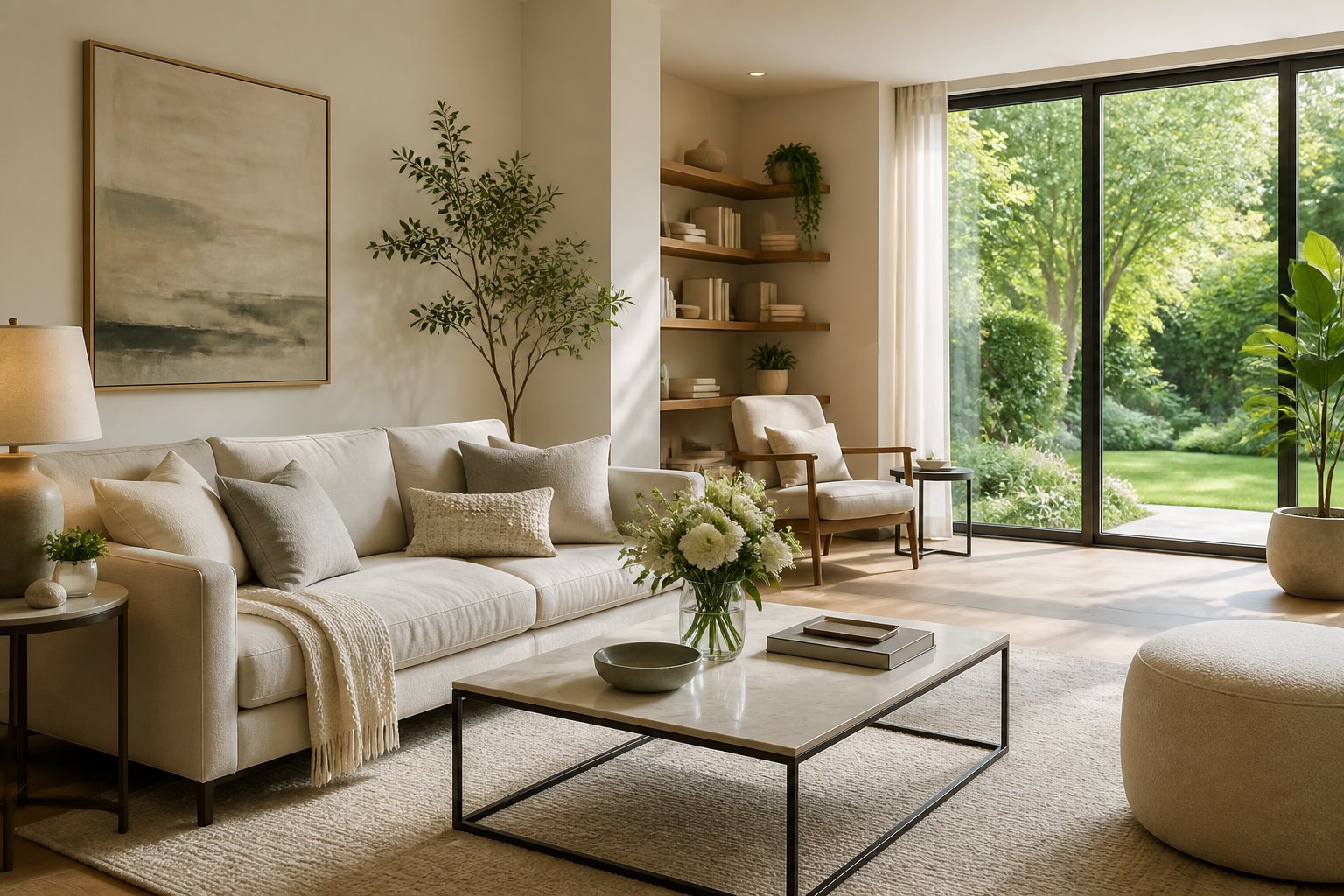
The good news is that creating this kind of environment doesn't require a complete renovation or an unlimited budget. Simple changes to lighting, color, and layout can shift how your home feels. You can build a space that supports both peace and productivity.
This guide will walk you through the design principles that create visual calm and the daily habits that maintain it. You'll learn practical ways to shape your home into a place that truly supports the life you want to live.
Design Principles for Creating Serenity
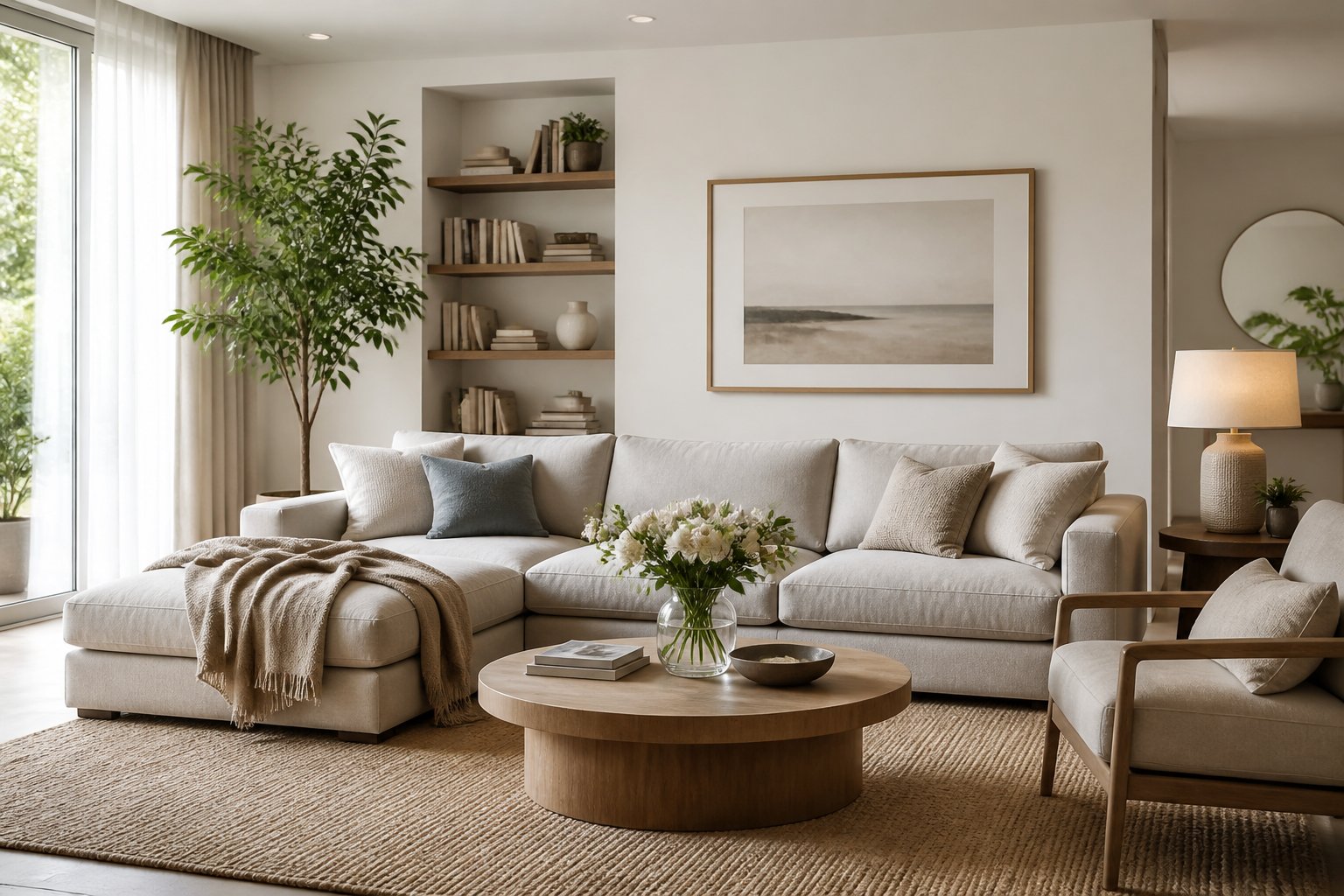
A serene home relies on specific design choices that work together to create peace and calm. These principles focus on reducing visual noise, maximizing natural elements, choosing soothing colors, and selecting furniture that serves both function and tranquility.
Minimalism and Decluttered Spaces
Your space needs breathing room to feel calm. Clutter creates visual stress and makes your mind work harder to process everything around you.
Start by keeping only items that serve a purpose or bring you genuine joy. Clear your countertops, tables, and floors of unnecessary objects. Store items behind closed doors or in designated spots where they belong.
Key decluttering practices:
- Use storage solutions that hide items from view
- Keep surfaces 80% clear
- Remove duplicate items
- Create a home for every object you own
Minimalism does not mean your space has to be empty or cold. It means being selective about what you display and own. Each item in your home should earn its place through usefulness or meaningful value.
Natural Light and Open Layouts
Natural light changes how your space feels throughout the day. It affects your mood, energy levels, and sense of calm.
Remove heavy curtains or blinds that block sunlight. Use sheer fabrics or light-filtering shades instead. Position mirrors across from windows to bounce light deeper into rooms.
Open layouts let light travel through multiple spaces. If you cannot change walls, you can create visual openness by keeping sightlines clear. Avoid placing tall furniture in the middle of rooms or blocking windows with large pieces.
Ways to maximize natural light:
- Keep window areas clear of obstacles
- Choose light-colored window treatments
- Place reflective surfaces strategically
- Trim outdoor vegetation that blocks windows
The goal is to let daylight reach as much of your home as possible. Artificial lighting works best when it mimics natural light patterns.
Calming Color Palettes
Colors directly affect how you feel in a space. Soft, neutral tones create a sense of peace that bright or dark colors cannot match.
Focus on whites, beiges, soft grays, and muted earth tones for walls and large furniture pieces. These colors reflect light and make rooms feel larger and more open. They also provide a neutral backdrop that does not compete for your attention.
Add warmth through natural wood tones. Introduce subtle color through plants, textiles, or a few carefully chosen accessories. Limit bold colors to small accents you can easily change.
Avoid mixing too many different colors in one room. Stick to three main colors plus one or two accent shades. This creates visual harmony instead of chaos.
Thoughtful Furniture Selection
Furniture should support calm living through both its design and placement. Choose pieces with clean lines and simple shapes rather than ornate or fussy details.
Select furniture that fits your room's scale. Oversized pieces make spaces feel cramped. Too-small furniture looks lost and creates an unbalanced feeling. Leave enough space to move freely around each piece.
Multi-functional furniture reduces the number of items you need. A storage ottoman serves as seating, a footrest, and hidden storage. A dining table can double as a workspace.
Furniture selection guidelines:
- Prioritize quality over quantity
- Choose low-profile pieces that do not block sightlines
- Select natural materials like wood, linen, and cotton
- Ensure each piece serves a clear purpose
Arrange furniture to encourage conversation and connection while maintaining open pathways. Avoid pushing all furniture against walls, which can make a room feel disconnected.
Lifestyle Enhancements for Daily Tranquility
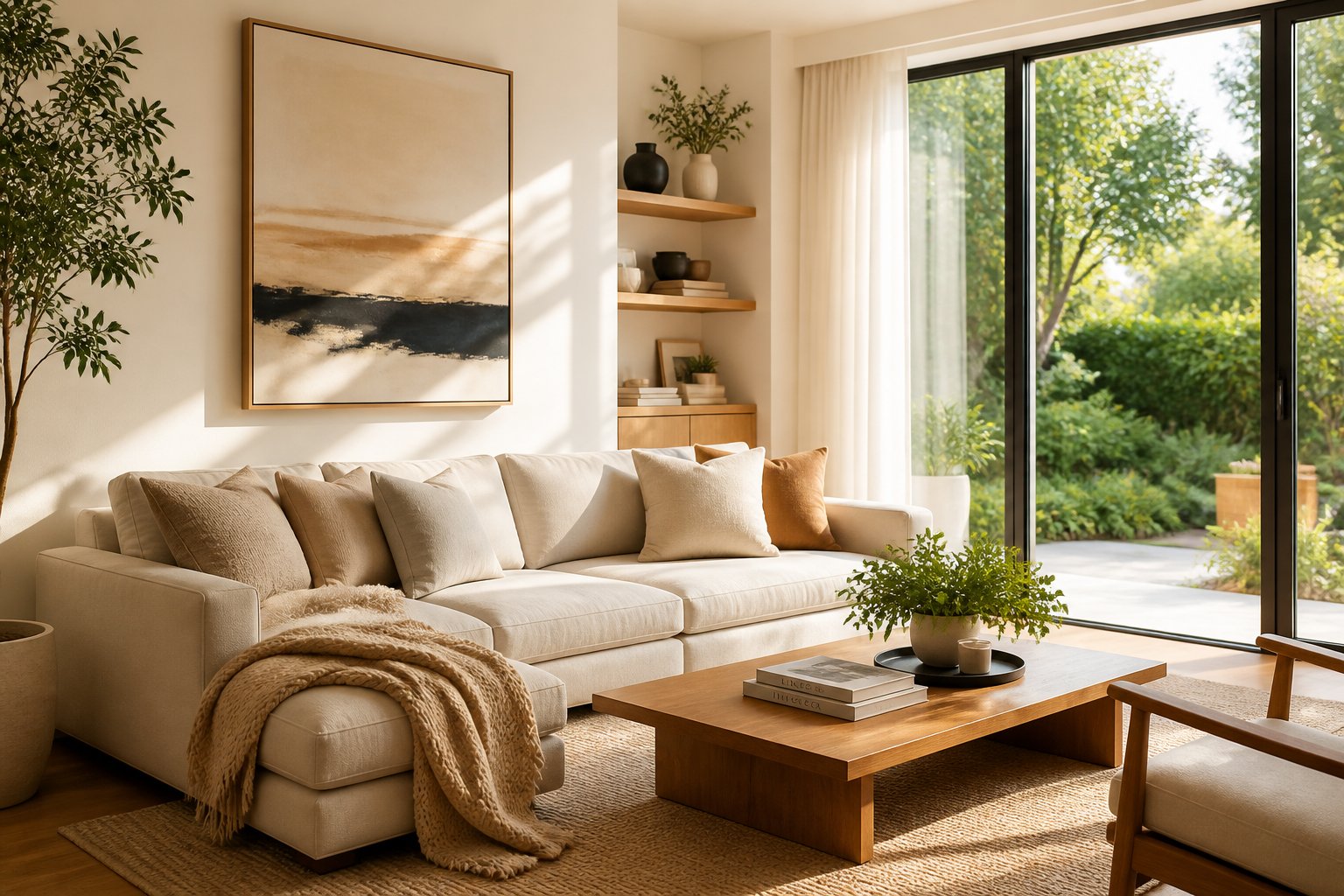
Small daily practices shape your environment more than one-time changes. The way you organize, care for your body, and connect with natural elements creates a foundation for lasting calm.
Mindful Organization Habits
Your daily routines either add to chaos or reduce it. Start by establishing a place for items you use every day. Keys, bags, and mail should have dedicated spots near your entrance.
Deal with incoming items right away instead of letting them pile up. Sort mail as soon as you bring it in. Put clothes away at the end of each day rather than draping them over chairs.
Daily reset habits:
- Make your bed each morning
- Clean dishes after meals
- Return items to their designated spots
- Spend 10 minutes tidying before bed
These small actions prevent clutter from building up. They also give you control over your space. When everything has a home, you spend less mental energy tracking down what you need.
Incorporating Wellness Features
Physical wellness elements in your home support both body and mind. Set up a specific area for stretching or yoga, even if it's just a corner with a mat. You're more likely to practice when the space is ready.
Consider air quality as a wellness feature. Open windows for fresh air circulation when weather permits. Change HVAC filters regularly to keep indoor air clean.
Create a hydration station with filtered water and reusable bottles. Place it where you naturally spend time. Good lighting matters for wellness too. Use warm bulbs in evening spaces and brighter light where you work or read.
Temperature control affects your comfort throughout the day. Keep bedrooms slightly cooler for better sleep. Add soft textiles like throws and pillows to adjust warmth without changing the thermostat.
Connection With Nature Indoors
Natural elements reduce stress and improve focus. Place plants in rooms where you spend the most time. Choose low-maintenance varieties like pothos, snake plants, or ZZ plants if you're new to plant care.
Natural materials create visual calm. Wood furniture, stone accents, and cotton or linen fabrics bring outdoor textures inside. These materials age well and feel more grounded than synthetic alternatives.
Maximize natural light by keeping windows clear of heavy coverings during the day. Position mirrors to reflect light into darker corners. If natural light is limited, use full-spectrum bulbs that mimic daylight.
Bring in natural sounds when possible. Open windows to hear birds or rain. You can also use recordings of nature sounds in spaces without outdoor access.
Frequently Asked Questions
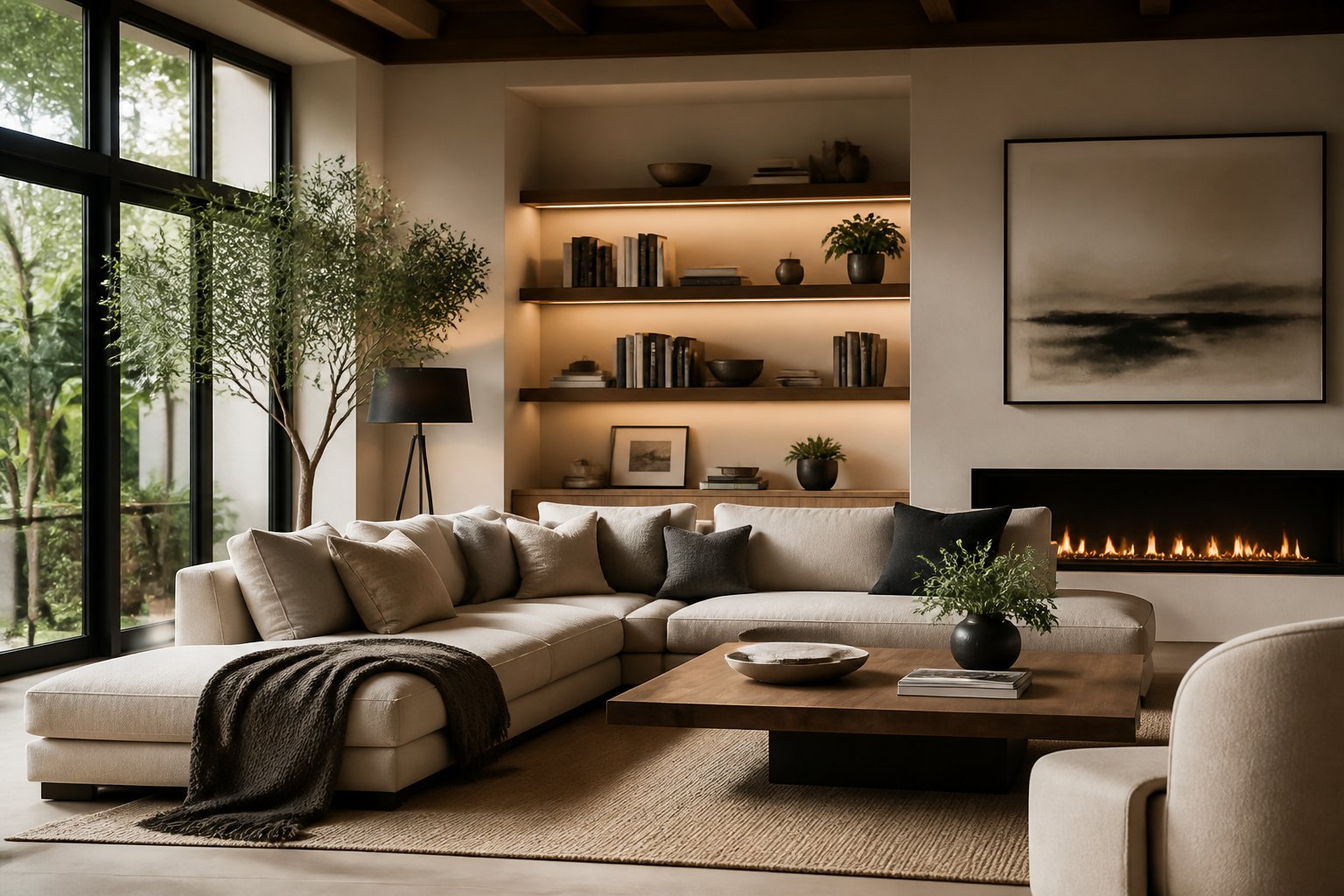
A calm, confident home starts with deliberate choices about color, light, and layout that create both beauty and peace. These practical answers address common concerns about building spaces that feel intentional without sacrificing comfort or function.
What design principles create a calm, confident atmosphere in a home?
Focus on three core principles: restraint, intention, and coherence. Restraint means limiting the number of colors, patterns, and decorative objects in each room. Intention involves choosing items that serve a clear purpose or hold genuine meaning for you.
Coherence ties everything together through repeated elements like similar wood tones or complementary metal finishes. When you walk through your home, these elements should feel connected rather than random. Each room should have a clear purpose and the furniture should support that purpose without excess.
How can I choose a cohesive color palette that feels restful without looking bland?
Start with a neutral base of whites, soft grays, or warm beiges for walls and large furniture pieces. Add depth through varied tones of your chosen neutral rather than multiple competing colors. A room with three shades of gray creates interest without chaos.
Introduce one or two accent colors in muted versions. Sage green, dusty blue, or terracotta in small doses add personality without overwhelming your eyes. These colors work best in textiles like pillows or throws that you can change if your preferences shift.
Texture prevents bland spaces more effectively than additional colors. A cream room with linen curtains, wool throws, and cotton cushions feels rich and layered without any bright hues.
Which lighting strategies make rooms feel serene, balanced, and functional throughout the day?
Layer three types of light in each room: ambient, task, and accent. Ambient light comes from ceiling fixtures or natural windows and provides overall illumination. Task lighting includes desk lamps or reading lights that serve specific activities. Accent lights highlight artwork or architectural features.
Use warm-toned bulbs between 2700K and 3000K for living spaces. Cool white light works in utility areas but creates harshness in rooms meant for relaxation. Dimmer switches let you adjust brightness based on time of day and mood.
Maximize natural light by keeping window treatments simple and placing mirrors across from windows. Natural light during daytime hours regulates your body's rhythms and reduces reliance on artificial sources.
How do I reduce visual clutter while keeping spaces practical for everyday living?
Assign a specific home to every item you use regularly. Mail goes in one designated basket, keys hang on a specific hook, and remotes stay in a single drawer. When objects have clear places, they don't pile up on surfaces.
Store items at their point of use. Keep cooking utensils near the stove and toiletries in bathroom cabinets rather than on counters. Closed storage like cabinets and drawers hides necessary items while keeping them accessible.
Follow a one-in-one-out rule for discretionary items. When you bring home a new book, donate an old one. This prevents gradual accumulation that turns into clutter over time. Display only items that serve a function or bring you genuine joy when you see them.
What furniture layout choices improve flow and make a home feel composed and intentional?
Create clear pathways through rooms with at least 30 inches of walking space. Arrange furniture to facilitate conversation rather than forcing people to shout across wide gaps. In living rooms, place seating pieces close enough that people can talk comfortably without raising their voices.
Anchor each seating area with a rug that fits under the front legs of all furniture pieces. This visually groups the space and defines its purpose. Leave breathing room between furniture and walls rather than pushing everything to the perimeter.
Scale furniture to room size. Oversized sofas overwhelm small rooms, while tiny chairs get lost in large spaces. Measure your rooms and furniture before purchasing to ensure proportions work together.
Which materials and textures add warmth and stability without overwhelming the space?
Natural materials like wood, stone, linen, and wool create warmth through their inherent variations and organic qualities. Wood furniture with visible grain patterns adds visual interest without busy patterns. Stone or concrete surfaces provide weight and permanence that grounds a room.
Mix smooth and textured surfaces within each space. Pair a sleek leather chair with a nubby wool throw or place a rough ceramic vase on a polished wood table. These contrasts create dimension while maintaining a cohesive feel when materials share similar color tones.
Limit yourself to three or four material types per room. A living room might combine wood floors, linen upholstery, cotton curtains, and ceramic accessories. Adding more material varieties creates visual confusion rather than richness.