


The Home That Feels Like the Life You’re Stepping Into
May 13, 2026
Your home should match who you are becoming, not only who you were. When you plan your space on purpose, it becomes more than a place to live. It can show your goals, values, and the life you want to have.
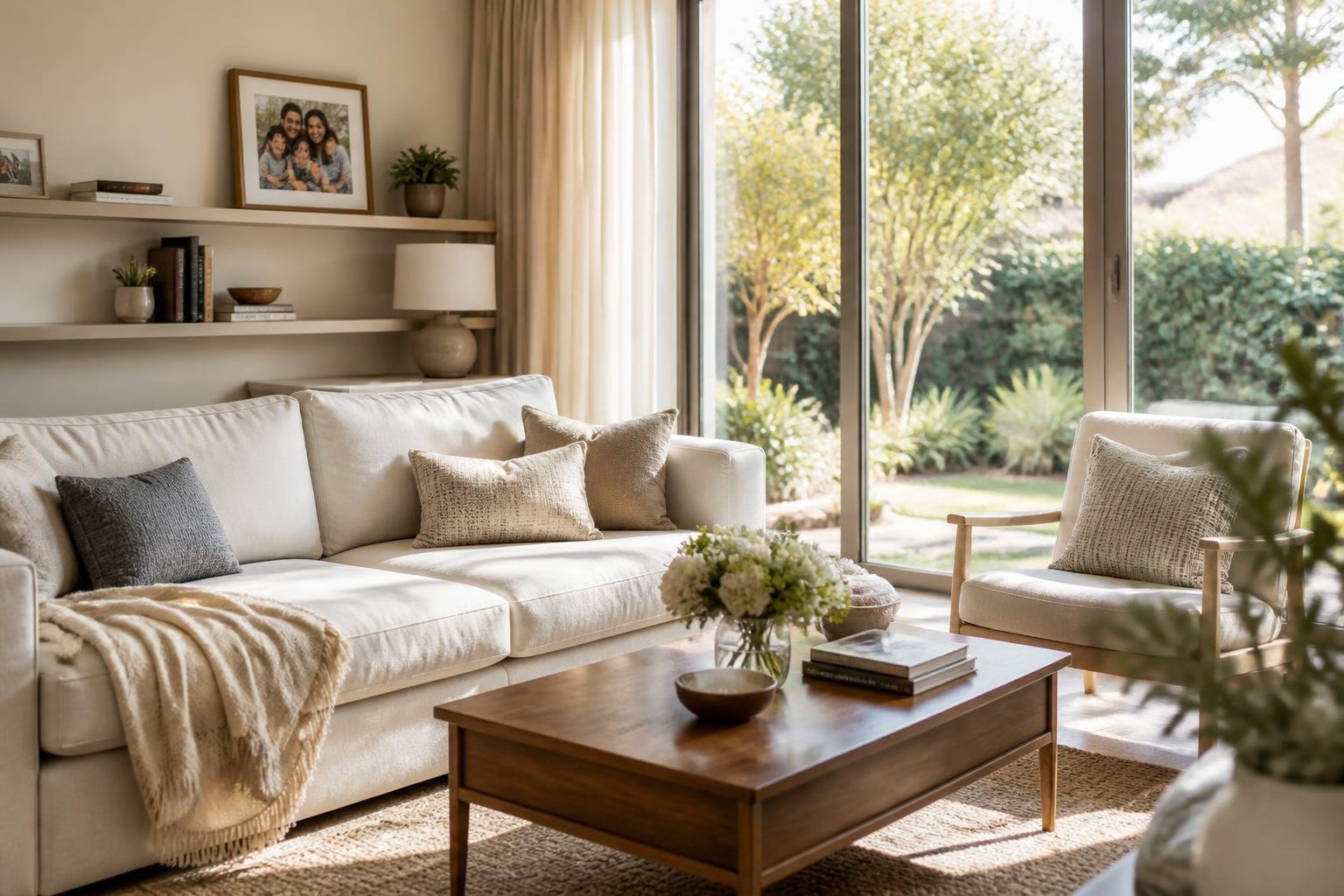
A home that feels right supports your daily routines, gives you comfort, and helps you feel steady when life is busy. This happens when you pick items and place them to match how you actually live. It is not about following trends or copying magazine pictures.
The main idea is to make a space that fits your real needs and works for your life. You can create rooms that feel connected to who you are and where you're going. Small changes in how you arrange and decorate can change how you feel every day.
The home that feels like the life you’re stepping into
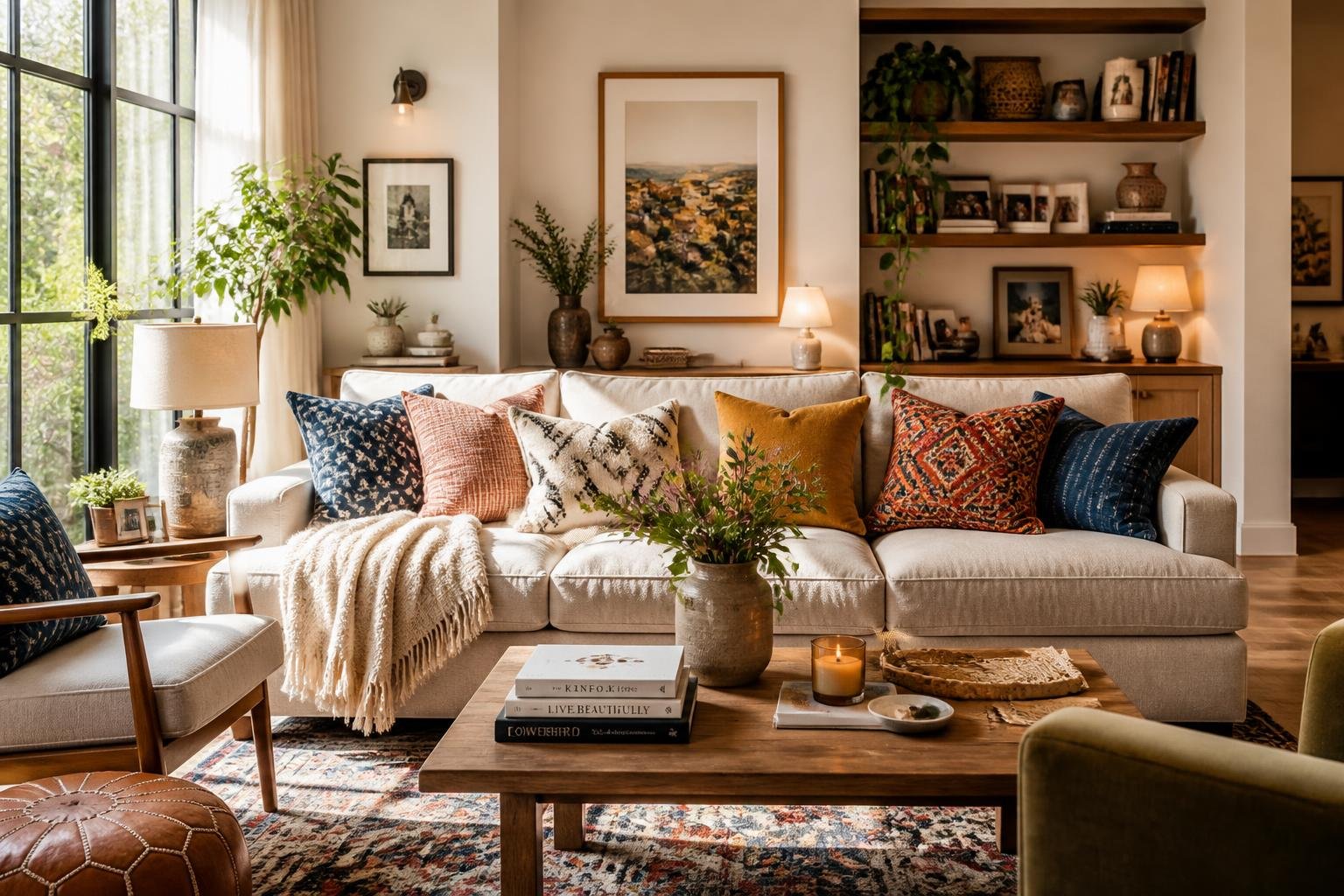
Your home should show who you are and how you live. Rooms, furniture, and items should match your daily habits and what you value.
Show what matters with your home's design
The way your house is built can say a lot about you. If you care about the planet, pick recycled wood, energy-saving windows, or solar panels. If family time matters, choose open rooms so people can see and talk to each other.
How you plan space tells what is important. A big kitchen that has many work areas shows you like cooking and hosting. A quiet home office shows you need focus. A bright art room shows you love making things.
Simple choices that reflect your values:
- Natural materials (stone, wood, clay) to help the environment
- Flexible rooms that can change as your needs change
- Accessible design so people of all ages can use the home
- Good storage to keep things tidy
- Lots of natural light from thoughtful window placement
These choices make a home that fits your life, not just a fashion trend.
Choose interiors that tell your story
Your furniture and decorations should reflect you. Use items you collect or make instead of filling space with random things. Group similar items together to make them stand out.
Pick colors and fabrics that match the mood you want. Soft colors and fabrics make bedrooms cozy. Hard surfaces and bright light help you work better. Give each room a clear purpose that fits your routine.
Choose furniture that fits your body and how you live. A reading chair should support your back and have good light nearby. A dining table should hold the number of people you usually have over. Custom or repaired pieces can feel more personal than mass-made items.
Add layers like rugs, pillows, and throws to make rooms feel warm and interesting without clutter.
Fostering Emotional Connections at Home

Your home can show who you are when it helps people feel close and comfortable. The rooms you make and how you care for them change how connected you feel to your family and yourself.
Creating Welcoming Communal Areas
Make shared spaces that invite people to gather and talk. Arrange seats so people face each other instead of all facing a TV or wall. A round or L-shaped seating area makes it easier to talk.
Keep these spaces tidy. Too much clutter makes a room feel stressful. Use soft lighting from lamps instead of only bright overhead lights. This makes the room calmer and more inviting.
Fill common areas with things that start conversations. Put board games on a shelf, books on a table, or art supplies in a basket. A kitchen island with stools can turn cooking into a chance to chat.
Design these rooms so different people can do different things at once. One person might read while another works on a puzzle. Being near each other this way helps people feel close even without constant talking.
Promoting Comfort and Well-being
Physical comfort at home affects your mood and how open you are to others. Keep rooms at a comfortable temperature and let in natural light. Open curtains during the day and use mirrors to brighten dark corners.
Choose furniture that feels good to sit on for a long time. Try chairs and sofas before you buy them. Add pillows and blankets in textures you like.
Cut down on loud noises from appliances and outside. Use weather stripping on doors, rugs on hard floors, and soft materials to absorb sound. A quieter home helps you relax and feel safe.
Place personal items that bring good memories around your home. Photos, souvenirs, and handmade things remind you of happy times and people. These items help you feel like the home fits the life you live and the life you’re stepping into.
Frequently Asked Questions
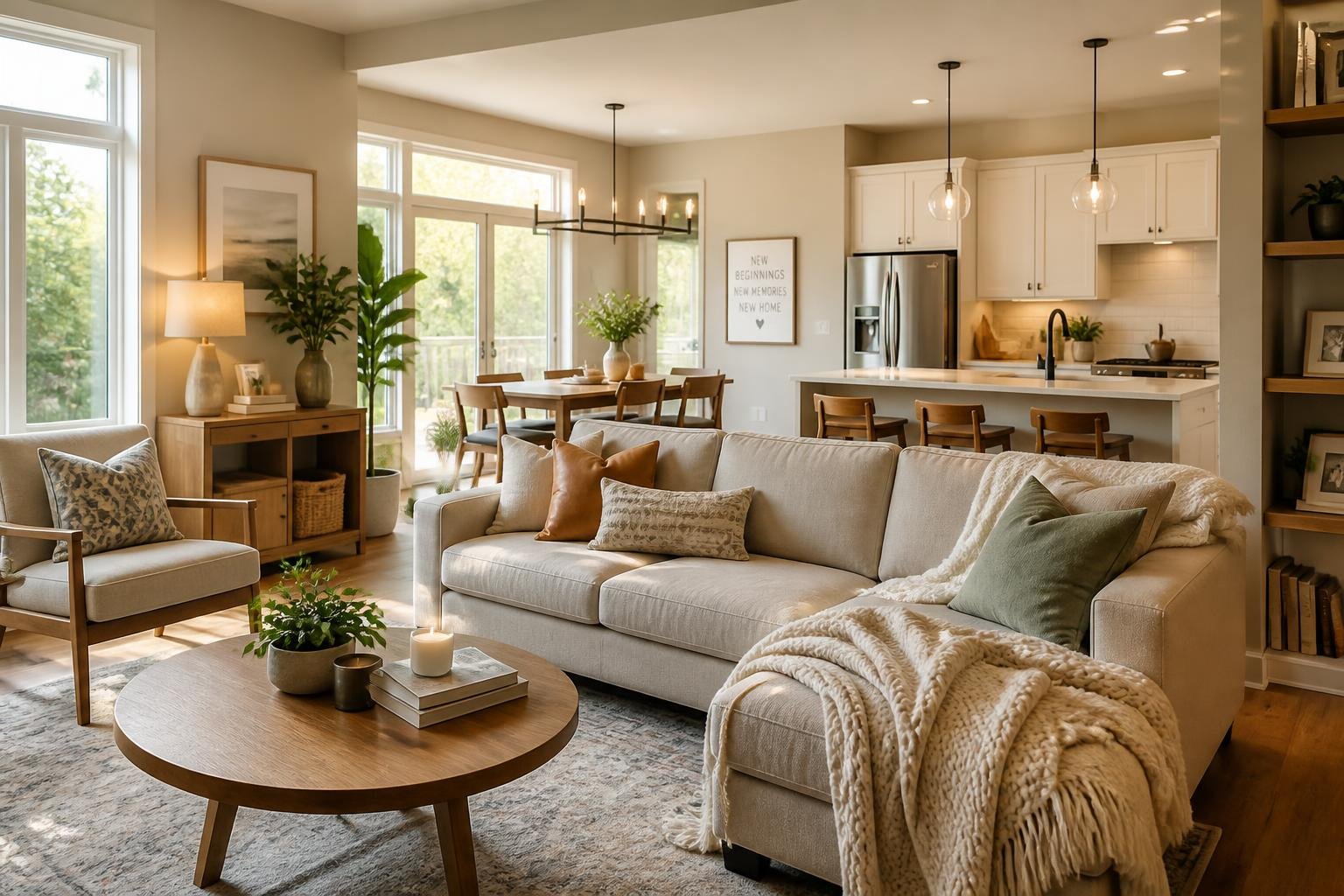
The home that feels like the life you’re stepping into blends useful features, good health conditions, and simple design. It should fit how you live every day.
What features make a home feel like the life you’re stepping into?
The layout should match your daily habits. If you cook a lot, you need a practical kitchen with counter space and storage. If you work from home, you need a quiet spot with natural light and room for your desk.
Storage helps keep your things tidy. A home that fits your life has places for the activities you do often, like exercising, making art, or hosting friends.
How rooms connect matters too. Open spaces help you stay together with family. Separate rooms give you privacy when you need to focus or rest.
How can you tell if a home supports your routines and future plans?
Watch how you move around during a normal day. Notice if you struggle to find places for your things or if some activities feel awkward in the rooms you have.
A home helps your routines when simple tasks feel easy. The kitchen should be easy to use for meals. The entry should hold coats and shoes. Bedrooms should be quiet for sleep.
Think about the future. Want a family? You may need extra bedrooms. Want to stay in the house as you get older? Look for wide doorways and a main-floor bedroom.
What signs show a home is unhealthy or hurting your wellbeing?
Poor air quality can feel like constant stuffiness, musty smells, or a lot of dust. These may come from bad ventilation, mold, or old heating and cooling systems.
Not enough natural light can lower your mood and energy. Dark rooms make it hard to feel awake during the day and can mess with sleep.
Too much noise from traffic, neighbors, or machines causes stress. You should be able to find quiet spots at home to rest and concentrate.
High humidity can cause mold and mildew. Very dry air can make breathing uncomfortable. Big temperature differences between rooms can mean bad insulation or heating problems.
Which home design elements most strongly influence comfort, calm, and belonging?
A home that feels like the life you’re stepping into is shaped by simple things that make you relaxed and welcome.
Natural light brings warmth and helps your body stay on a healthy day-night schedule. Rooms with windows that let in daylight feel more open than those lit only by lamps.
Soft textures like linen, wool, and cotton make bedding, rugs, and furniture feel nice to touch. These materials also help reduce noise.
The room layout affects how safe and comfortable you feel. Clear room purposes and an easy flow create order. Small cozy corners give you places to relax.
Colors set a room’s mood. Neutral colors feel calm, while one or two accent colors add personality without overpowering the space.
What steps can you take to make a new house feel like home quickly and authentically?
Unpack and set up items you use every day first. Make the bed with familiar sheets, arrange kitchen tools, and put toiletries in the bathroom. These small steps help you feel normal fast.
Use soft lamps instead of only bright ceiling lights. Warm lighting makes rooms feel cozier at night.
Show personal items that matter to you. Family photos, favorite art, and keepsakes make the space feel like yours.
Add living things like flowers or houseplants. They bring color, life, and fresher air.
Work on one room at a time instead of trying to finish everything at once. Start with the bedroom, kitchen, or living room—places you use most.
Which house styles tend to be less desirable to buyers, and why?
Very dated styles with obvious era features can turn buyers away. Homes stuck in 1970s or 1980s looks often need costly updates.
Split-level homes can be less popular because many short staircases make moving around harder. The broken-up layout can feel confusing compared to open floor plans.
Odd layouts or strange room shapes make it hard for buyers to picture their furniture fitting. Long hallways or awkward corners waste usable space.
Homes with extreme design choices limit who will like them. Very modern or very traditional styles appeal to fewer buyers.
Houses that need major repairs or updates to roofs, plumbing, or electrical systems lose value. Most buyers prefer move-in ready homes.