


The Gap Between Who We Are and How Our Homes Look
May 10, 2026
You walk into your home every day, but does it really feel like you? Many people experience a disconnect between their true personality and what their living space actually looks like. The gap between who you are and how your home looks often comes from outside pressure, budget limits, and not knowing how to turn your identity into design choices.
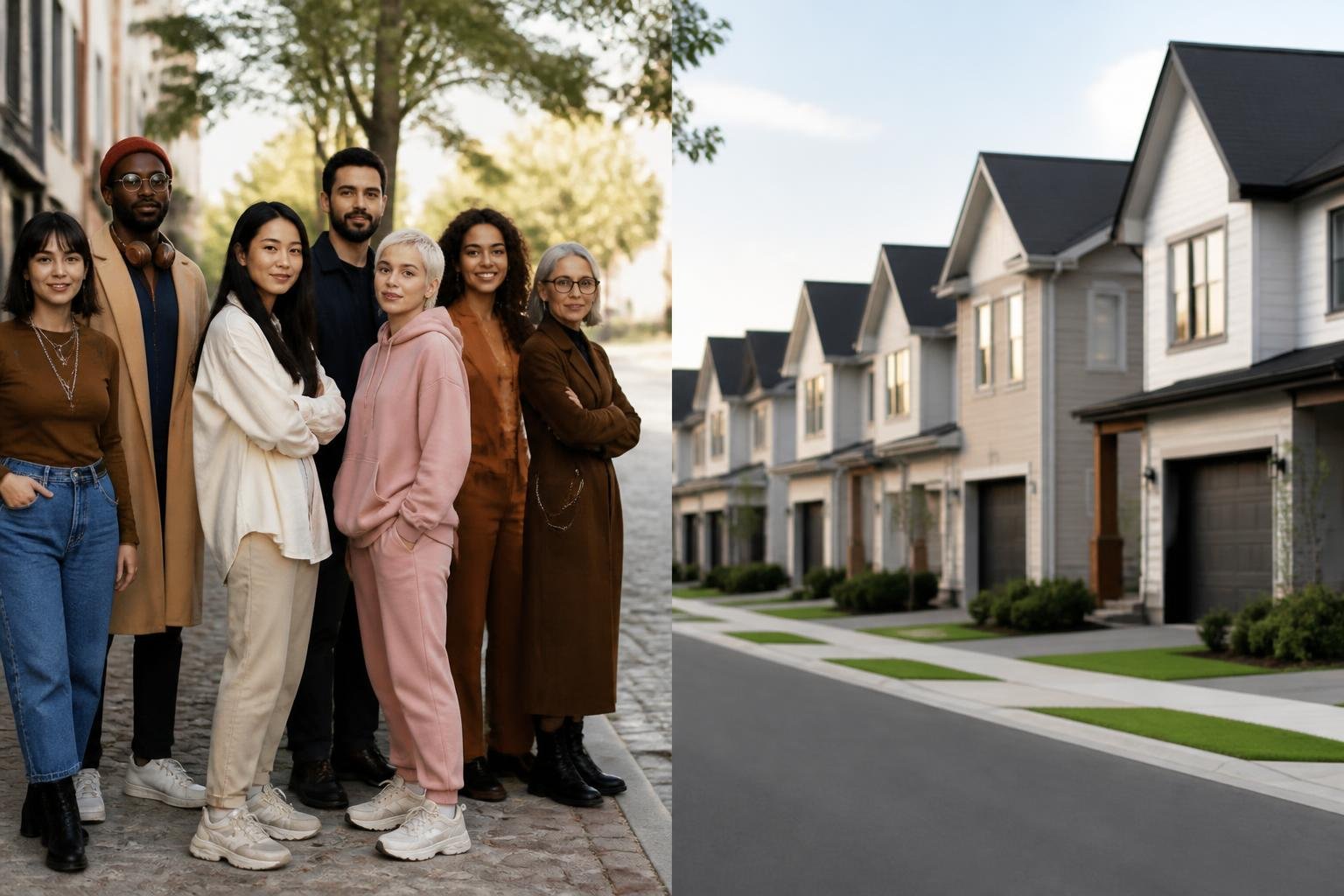
This mismatch can affect how comfortable you feel in your own space. Your home should support who you are, not work against it. When your surroundings don't match your values or interests, it can create a sense of not belonging in the place where you spend most of your time.
Understanding why this gap exists is the first step to closing it. You'll learn how your identity shapes what feels right in your home, what gets in the way of creating a space that fits you, and how to make practical changes that bring your personality into your living space.
Exploring the Influence of Identity on Interior Spaces
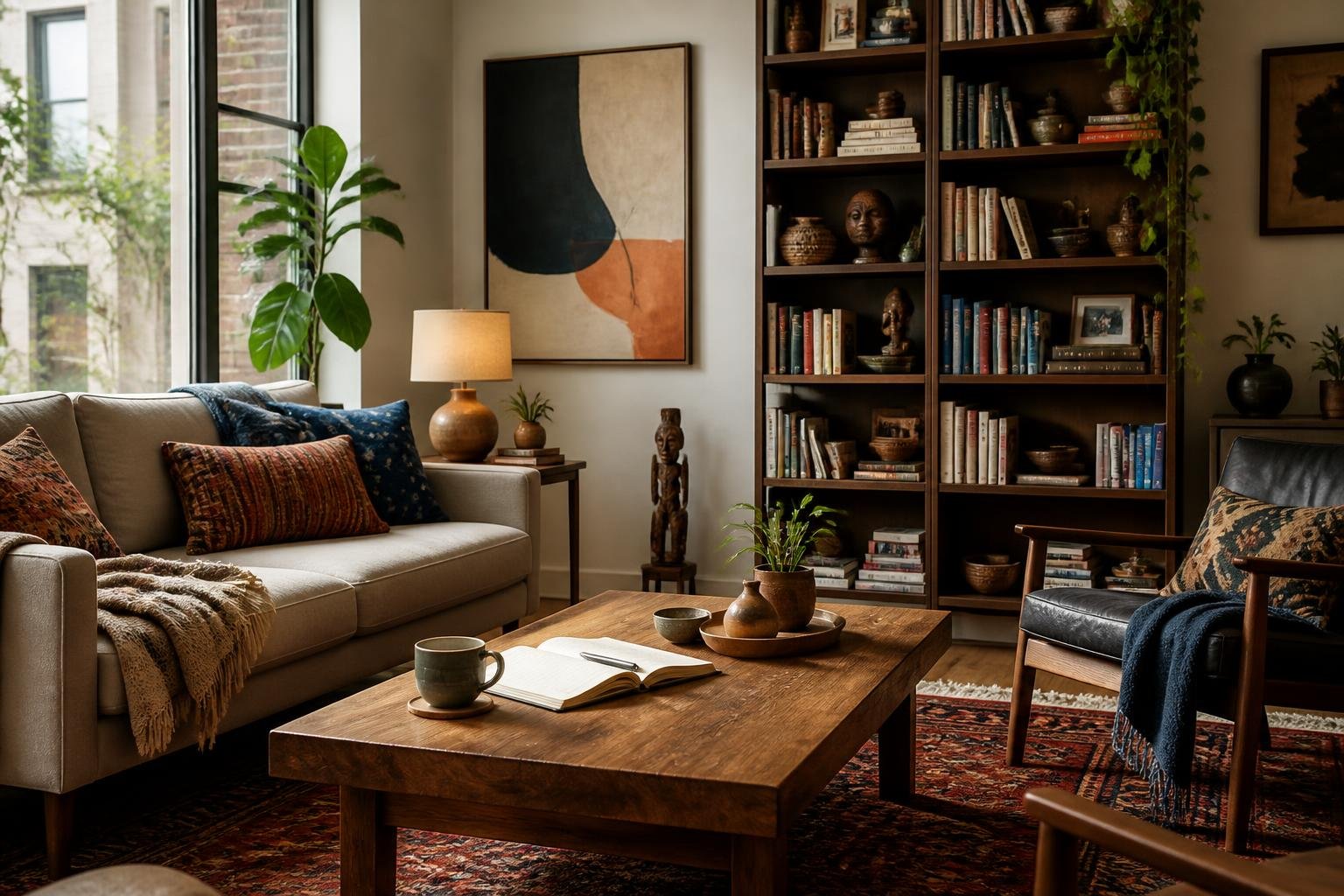
Your identity shapes every design decision you make in your home, from the colors on your walls to the furniture you choose. The way you decorate reflects your personal values, cultural background, and the version of yourself you want to project.
Personal Values and Decorative Choices
Your core beliefs directly influence what you bring into your home. If you value sustainability, you'll likely choose secondhand furniture or natural materials. If family connection matters most to you, you'll display photos and create gathering spaces.
Your decorative choices act as a physical representation of what you care about. Someone who prioritizes minimalism will keep surfaces clear and own fewer items. Someone who values creativity might fill their space with art supplies and colorful pieces.
Common value-driven design choices:
- Environmental consciousness: Recycled materials, energy-efficient lighting, indoor plants
- Family heritage: Heirlooms, traditional furniture styles, cultural artifacts
- Personal growth: Bookshelves, meditation corners, workspace areas
- Social connection: Large dining tables, extra seating, open layouts
These choices happen both consciously and unconsciously. You might not realize you're expressing your values until you step back and look at your space as a whole.
Cultural Backgrounds Shaping Aesthetic Preferences
Your cultural background influences your color preferences, spatial arrangements, and comfort levels. Different cultures have distinct approaches to how homes should look and function.
In many Asian cultures, removing shoes indoors is standard, which affects entryway design. Mediterranean cultures often favor warm tones and communal spaces. Scandinavian design emphasizes light colors and simple forms due to long, dark winters.
Your cultural identity affects practical decisions too. Kitchen layouts vary based on cooking styles. Storage needs differ depending on what items hold cultural significance. Even your preferred level of privacy influences room arrangements.
These preferences often persist across generations. You might choose design elements that remind you of childhood homes or spaces from your cultural heritage. Sometimes you blend multiple cultural influences if you come from a mixed background.
Aspirational Versus Authentic Design Elements
The gap between authentic and aspirational design creates tension in many homes. You might copy trendy looks from social media that don't match your actual lifestyle or personality.
Aspirational design reflects who you want to be rather than who you are. You buy a fancy espresso machine when you drink instant coffee. You create a reading nook but never sit there. You maintain a pristine white couch despite having kids and pets.
Authentic design matches your real habits and needs. It includes practical storage for your actual belongings. It accommodates how you truly spend your time. It reflects your genuine taste rather than what seems impressive.
The pressure to create Instagram-worthy spaces pushes many people toward aspirational choices. But homes designed around your authentic self feel more comfortable and functional. You don't need to maintain a false image in your own space.
Barriers to Self-Expression in Home Design
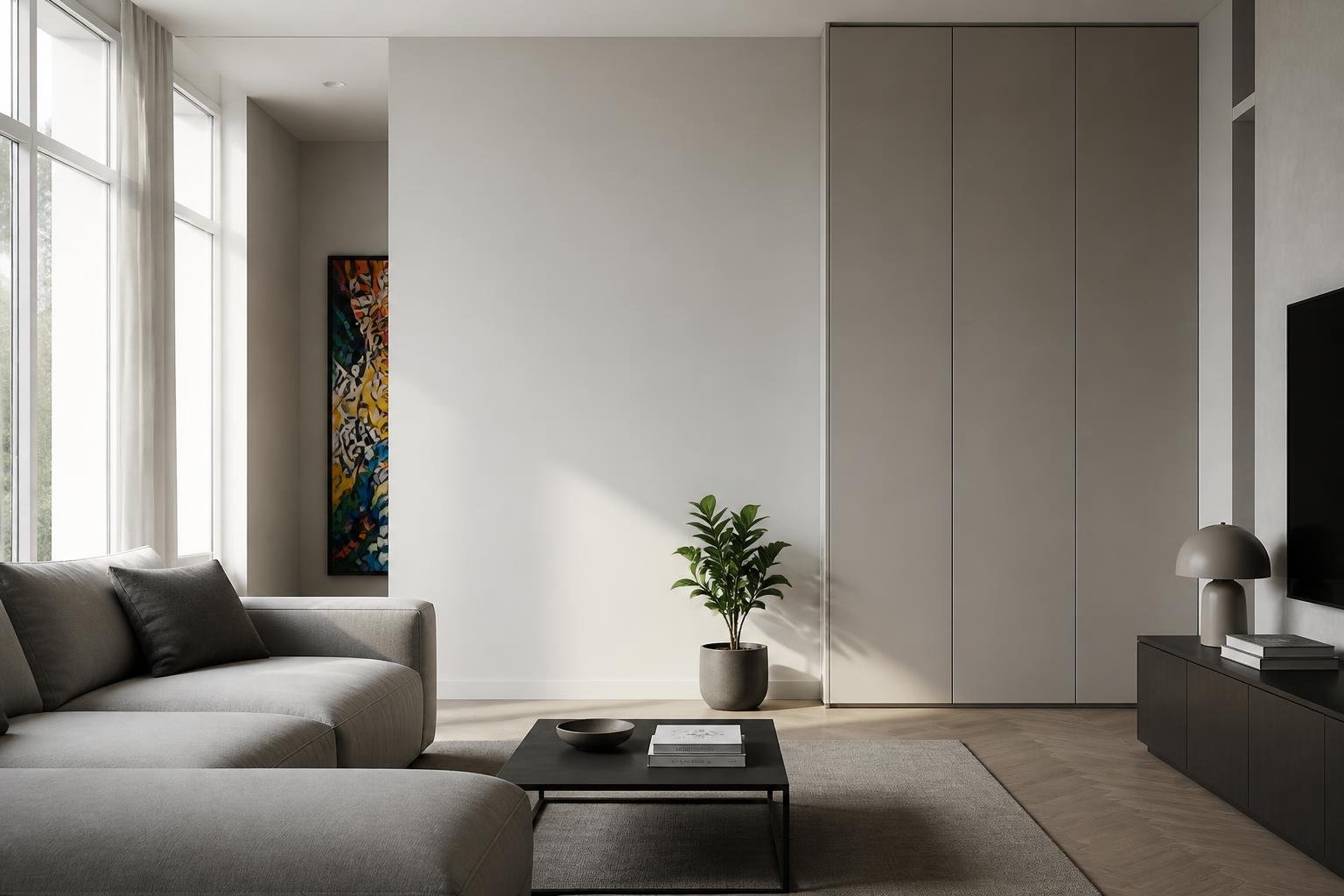
Many people struggle to make their homes reflect who they really are. Social pressure, money issues, and worry about what others think create real obstacles between your true self and your living space.
Impact of Social Norms and Trends
Social media and design trends shape how you think your home should look. You scroll through perfect photos on Instagram and Pinterest, and suddenly your personal style feels wrong or outdated.
Design trends push specific looks each year. Right now, you might feel pressure to have a minimalist space, farmhouse accents, or the latest color palette. These trends can override your actual preferences.
Your home becomes what you think it should be rather than what you want it to be. The pressure comes from friends, family, and even real estate concerns. You might avoid bold colors or unusual furniture because traditional styles feel safer.
Common social pressures include:
- Matching neighborhood aesthetics
- Following family expectations about "proper" home design
- Keeping up with friends' homes
- Maintaining resale value over personal expression
Budget Constraints and Accessibility
Money creates a major gap between your vision and reality. Custom furniture, quality materials, and professional design services cost more than most budgets allow.
You might know exactly how you want your space to feel but lack the funds to make it happen. Budget furniture often comes in limited styles that don't match your identity. Custom pieces that reflect your personality can cost three to five times more than mass-produced options.
Accessibility adds another layer of difficulty. Many design products and services target higher income brackets. Affordable options tend to follow safe, generic styles rather than unique or personal aesthetics.
Fear of Judgment or External Expectations
You hold back on decorating choices because you worry what visitors will think. This fear stops you from displaying collections, choosing bold colors, or arranging furniture in unconventional ways.
The anxiety feels especially strong in public areas of your home. Your living room might follow safe design rules while your private bedroom shows more personality. You edit your self-expression based on who might see each space.
This judgment can come from parents, in-laws, friends, or even imagined future home buyers. You make choices for these other people instead of yourself. The result is a home that feels acceptable to others but disconnected from your identity.
Frequently Asked Questions
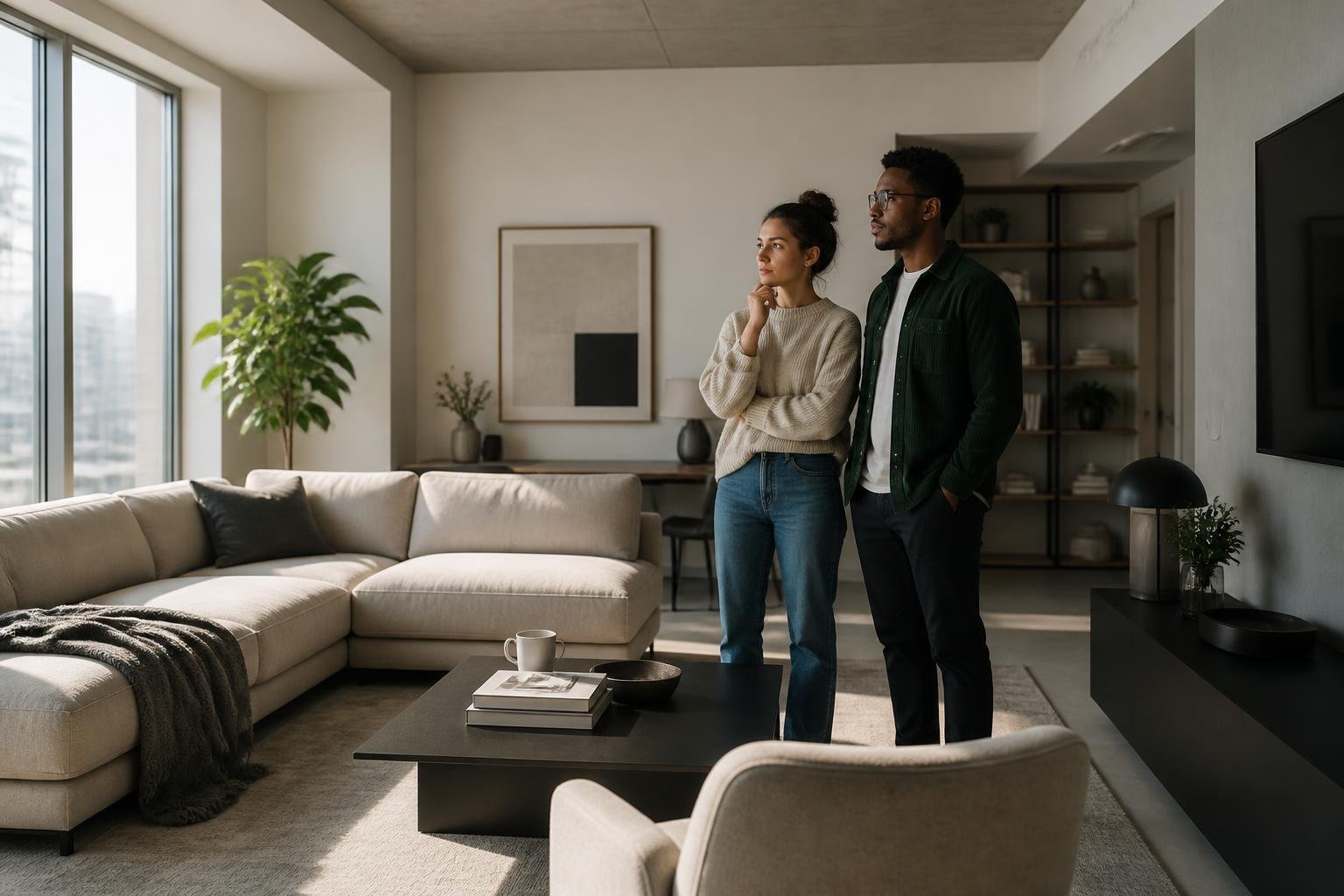
Living spaces influence self-perception, communicate identity to others, and often fall short of reflecting who we really are due to practical constraints, unclear personal preferences, or major life changes that shift our needs.
How does the way a home looks shape the way people see themselves?
Your home acts as a mirror for your identity. When you walk into a space that feels aligned with your values, you're more likely to feel confident and settled. The colors, furniture, and objects around you send constant signals about who you are.
Over time, your brain starts to internalize these visual cues. If your home looks organized and intentional, you may begin to see yourself as someone who has their life together. If it feels chaotic or disconnected from your interests, you might feel like you're not living authentically.
This relationship works both ways. Your home reflects your inner world, but it also reinforces certain habits and beliefs about yourself.
What does the design and decor of a home communicate about the people who live there?
Visitors form quick judgments based on what they see in your home. Clean, minimal spaces suggest discipline and focus. Colorful, eclectic rooms communicate creativity and openness to new experiences.
The art on your walls, the books on your shelves, and even how you arrange your furniture tell a story. These details reveal your priorities, interests, and how you want to be perceived. A home filled with family photos signals that relationships matter to you. A space with few personal items might suggest you value simplicity or privacy.
People notice the care you put into your environment. It's not about having expensive things. It's about whether your space feels intentional or accidental.
Why do many people feel their living space doesn't reflect who they are?
Life moves faster than most people can update their homes. You might have furniture from a previous relationship, hand-me-downs that don't match your style, or decorations you bought because they were cheap rather than meaningful.
Financial limits play a big role. You may know exactly how you want your home to look but lack the money to make it happen. Renting adds another layer of difficulty since you can't make permanent changes.
Sometimes the gap exists because you haven't figured out what actually feels right to you. You see images of beautiful homes online and try to copy them, but they don't reflect your real life or personality. The disconnect creates a constant sense that something is off.
How can someone identify what feels "authentic" to them before changing their home?
Start by noticing what makes you feel calm and energized in other spaces. Pay attention when you visit a friend's house or sit in a café. What specific elements draw you in? Is it the lighting, the textures, or the way furniture is arranged?
Look at the items you already own and use regularly. These objects reveal your true preferences better than Pinterest boards. Notice which possessions you reach for, display, or feel attached to.
Write down three to five words that describe how you want to feel at home. Maybe it's peaceful, creative, or connected. Use these words as a filter when making decisions about what stays and what goes. If something doesn't support those feelings, it's not authentic to you.
What are practical, budget-friendly ways to align a home's appearance with personal values and lifestyle?
Rearranging furniture costs nothing and can completely change how a room feels. Move pieces around until the flow matches how you actually use the space. Put your favorite chair in the best spot for reading instead of where it's "supposed" to go.
Paint is one of the cheapest ways to make a big impact. Even painting one wall or a piece of furniture can shift the entire mood of a room.
Edit what you already have before buying new things. Remove items that don't serve you or match your values. A clearer space often feels more aligned than a cluttered one filled with "perfect" purchases. Display the objects that actually mean something to you rather than generic decor.
Swap items with friends or shop secondhand. You can find unique pieces that reflect your personality without spending much money.
How do life transitions—like a new job, relationship changes, or parenting—affect what a home needs to look and feel like?
Major life changes shift your daily routines and priorities. A new job might mean you need a dedicated workspace. Ending a relationship creates the need to remove shared items and reclaim the space as your own.
Becoming a parent transforms nearly every room. You need different furniture, more storage, and spaces that work for multiple people with different needs. What felt perfect before suddenly doesn't function.
Even positive transitions create tension between your old home setup and your new reality. You're not the same person you were before the change. Your home needs to catch up to support who you're becoming and how you now spend your time. Adjusting your space helps you process the transition and move forward.