


The Effortlessly Curated Home Look
June 7, 2026
A curated home does not mean following strict rules or buying everything from one place. It means making a space that looks planned but not forced. The effortlessly curated home look mixes old and new items, uses different textures, and includes things that matter to you.
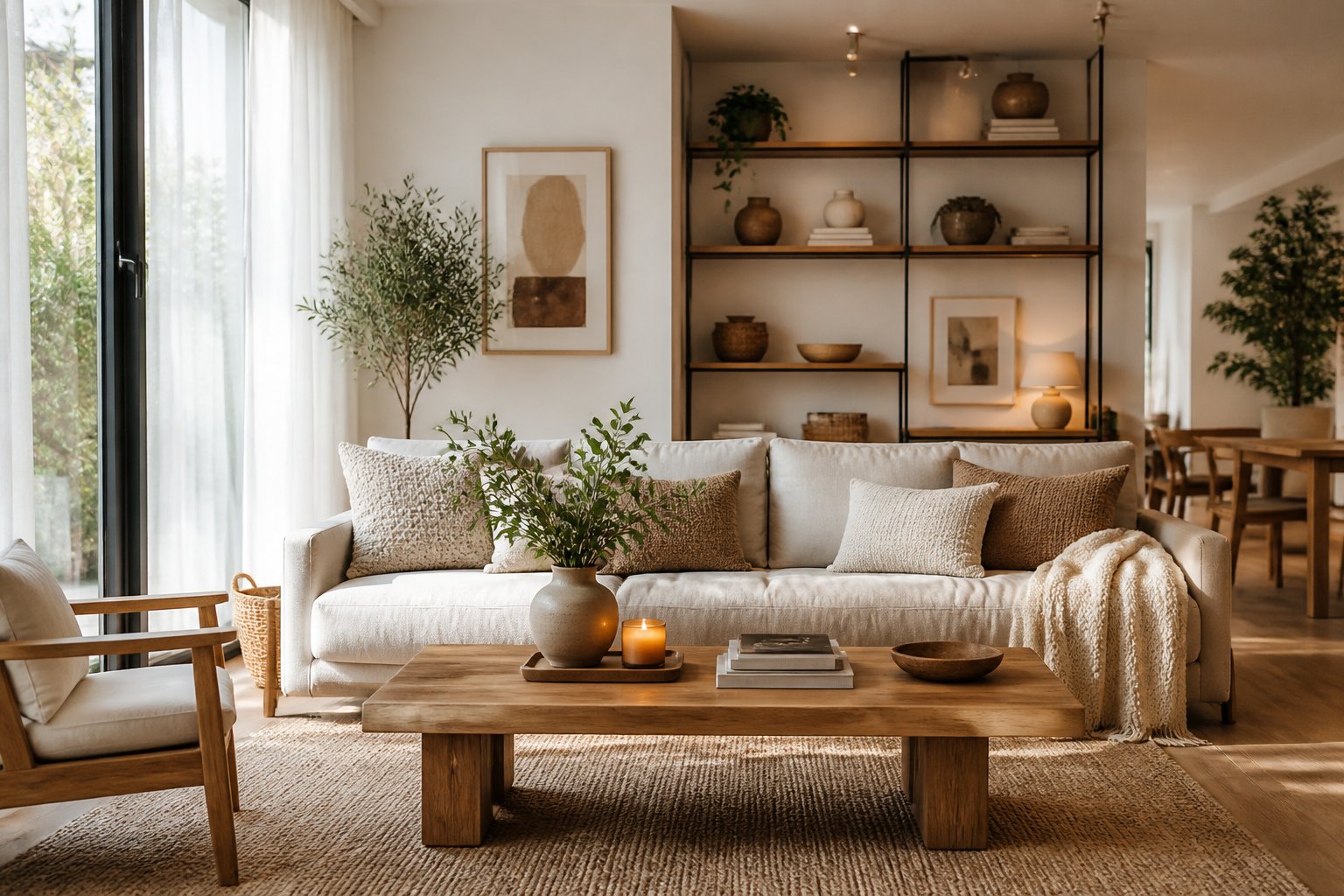
The main idea is balance and purpose, not perfection. You do not need expensive furniture or a full remodel. Pick items that work well together and show your style while keeping the room calm and simple.
This look takes time and patience, but the result is a home that feels cozy and thoughtful. Learn the basic ideas that make a space look collected over time and use easy ways to choose furniture and decor that match across your rooms.
Core Design Ideas for the Effortlessly Curated Home Look
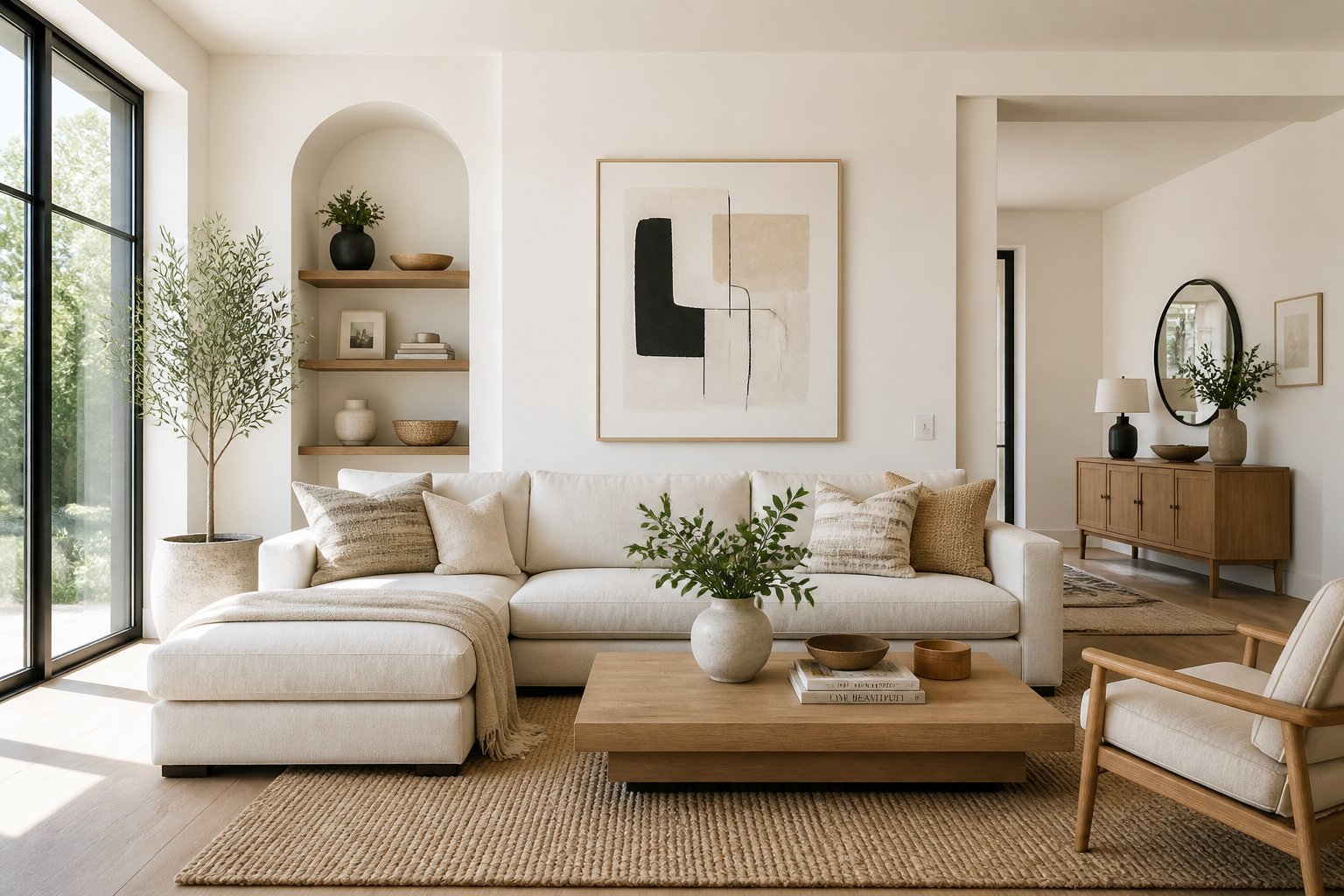
The effortlessly curated home look comes from three simple choices: pick a design that fits your life, choose colors that last, and mix materials so the room feels interesting but calm.
Minimalism vs. Maximalism
You do not have to pick only minimalism or only maximalism. Both can create an effortless look if you use them on purpose.
Minimalism means keeping things simple and useful. Keep only what you need or love. Choose furniture and decor carefully so each piece has a reason to be there. This style is good if you like open space and clean surfaces.
Maximalism uses lots of color, patterns, and collections. You layer items and mix styles. The secret is to curate—make sure each item has meaning or a job. That stops the room from feeling messy.
Many people do best with a mix. Use minimalist ideas in busy areas and add maximalist touches in cozy spots. Pick the style that fits how you actually live, not just what looks good in pictures.
Choosing a Timeless Color Palette
Your color palette sets the mood for your whole home. Neutral colors give the most flexibility and last the longest.
Start with these basic colors:
- Whites and creams for walls and big furniture
- Grays and beiges for secondary surfaces and fabrics
- Black or deep charcoal for strong accents and contrast
Add 2–3 accent colors you can change later with pillows, artwork, or small decor. Soft tones like sage green, dusty blue, or terracotta stay nice longer than bright trendy colors.
Natural wood tones act like neutrals and add warmth without clashing. You can mix wood finishes if they have similar undertones—either warm or cool.
Balancing Textures and Materials
Texture adds depth and interest in ways color alone cannot. You want variety but not so much that the room feels messy.
Try to use three to five different textures in each room. Mix smooth surfaces like glass or polished metal with rough ones like jute rugs or raw wood. Add soft items like linen curtains, wool throws, or velvet pillows.
Material combinations that work well:
| Smooth | Rough | Soft |
|---|---|---|
| Marble | Jute | Bouclé |
| Glass | Concrete | Cashmere |
| Brass | Rattan | Mohair |
Repeat textures in different rooms to make the home feel connected. If you have brass fixtures in the kitchen, add small brass pieces in the living room. This ties rooms together without matching every piece of furniture.
Natural materials like stone, wood, and linen often look better over time. Some fake materials show wear in ways that hurt the simple, effortless look you want.
Curating Furniture and Decor for Cohesion
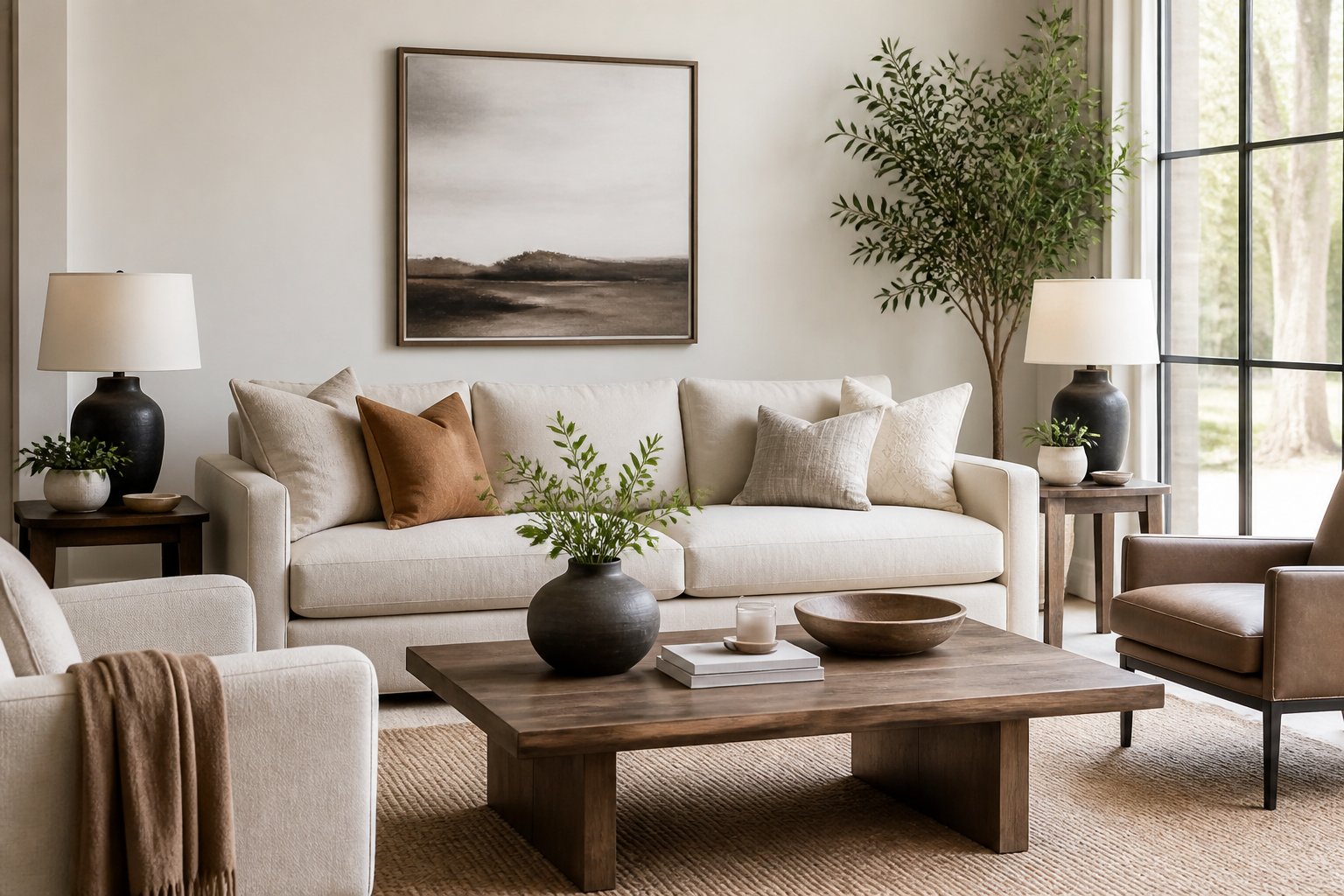
Creating the effortlessly curated home look means picking items that fit well together. Think about color, size, and style so each room feels calm and linked.
Selecting Statement Pieces
Statement pieces are the big items that set the room's tone. Choose one or two large pieces per room to define the space.
Pick a sofa, dining table, or bed that matches your home's style. Neutral colors give you more options with other decor. Bright or bold pieces work if you plan to keep them for a long time.
Quality is better than having many cheap items. One sturdy chair looks and feels better than several flimsy ones. Look for strong frames, good fabrics, and simple designs that will last.
Key points when picking statement pieces:
- Size that fits your room
- Colors that go with other items
- Good materials and long life
- Comfort for daily use
Make sure statement pieces share something, like wood tones, metal finishes, or a similar style. They do not have to match exactly, but they should feel related.
Integrating Functional Storage Solutions
Storage keeps the effortlessly curated home look tidy. Use shelves, cabinets, and storage benches to hide everyday items and keep rooms neat.
Choose storage that fits the room's style. Modern rooms use smooth cabinets and hidden handles. Traditional rooms can have wooden bookcases or trunks.
Open shelves work if you arrange items neatly. Group books by color or size. Use boxes to hide small things. Leave some empty space so the shelves do not look crowded.
Closed storage hides items you do not want to see. Media consoles hide cords and electronics. Dressers keep clothes organized. Kitchen cabinets store dishes and pantry items.
Mix open and closed storage in the same room. This helps you show favorite items while keeping clutter out of sight.
Layering with Art and Accessories
After you pick your furniture, art and accessories give your room personality. These final touches make a space look like "the effortlessly curated home look" and tell your story.
Hang art at eye level. A good rule is 57–60 inches from the floor to the center of the piece. Put small artworks together in a group instead of spreading single pieces around the room. Use frames with similar finishes to make different styles feel linked.
Arrange accessories in odd numbers on tables or shelves. Three candlesticks or five small vases usually look more natural than two or four. Change the heights of objects to add depth and movement.
Easy accessory tips:
- Stack some books flat and stand others up on shelves
- Use a tray to keep small items together
- Add plants for life and texture
- Show special collections in one spot
Mix metal finishes around the house instead of matching everything. Brass, chrome, and bronze can work together if you spread them across lights, hardware, and decor. This makes your home feel collected over time, not like a showroom.
Frequently Asked Questions
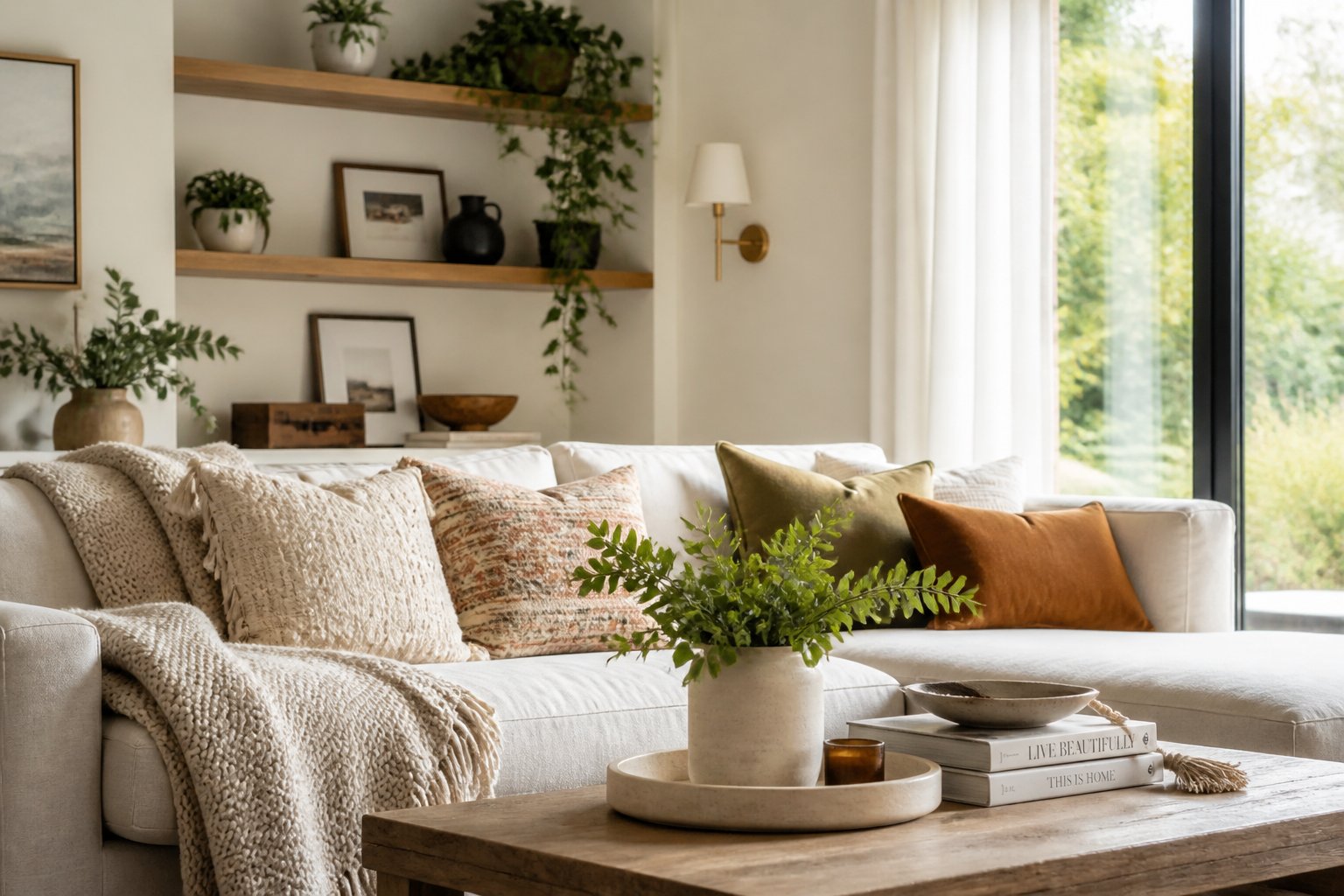
A well-curated home keeps a balance between personal items and simple design. These answers help you get that collected look without making the space feel cluttered.
What does it mean for a home to feel well curated rather than over-decorated?
A well-curated home feels planned and personal. Each item has a reason for being there and shows part of your story.
An over-decorated space has too many items fighting for attention. Surfaces are crowded, patterns clash, and objects often feel random or meaningless.
Curated spaces have space to breathe. The things you show work together and match your real taste instead of following every trend.
Which design principles help a space look intentional while still feeling relaxed and livable?
Mix old and new pieces to add interest. Vintage finds next to modern furniture give character without making the room feel stiff.
Balance keeps a room calm. Spread visual weight so no area feels too heavy or crowded.
Layer textures and finishes to make the room feel rich. Combine smooth and rough surfaces and mix soft and hard materials.
Leave some surfaces simple. Empty spots give the eye a rest and make the space feel lived-in, not staged.
How can you edit and style shelves and surfaces so they look cohesive without feeling staged?
Group items in odd numbers like three or five. Odd groups look natural and collected instead of too formal.
Vary the heights and shapes of objects. Mix tall candlesticks with stacked books and small decorative pieces.
Use a simple color palette across displays. A consistent color scheme helps different items look like they belong together.
Remove things that don't help the look. A few well-chosen pieces always look more curated than many random objects.
What are the most common decor mistakes that make a space look cluttered or visually noisy?
Wrong furniture scale can ruin a room. Big pieces overwhelm small rooms, and tiny ones disappear in large rooms.
Bad lighting creates dark spots and makes a room feel flat. Use layers of light, not only overhead lights.
Filling every surface with objects makes the room chaotic. Your eyes need places to rest.
Pushing all furniture against the walls can make the room feel disconnected. Pull furniture in to create better flow and areas for talking.
Using too many colors or patterns at once overwhelms the eye. Stick to a limited palette and let one or two patterns stand out.
Which outdated home trends are designers recommending homeowners remove or replace in 2026?
All-gray color schemes now feel cold and old. Warmer neutrals like beige, cream, and taupe make rooms feel cozier.
Matching furniture sets look plain and lack personality. Mix different pieces that share a style or a color to make a space more interesting.
Open kitchen shelves are not practical for most people. They need constant cleaning and collect dust, which outweighs how they look.
Farmhouse shiplap and rustic wood signs are no longer fresh. These strong trends can make a home look dated fast.
Shiny chrome fixtures and hardware can seem too bright and cold. Brushed metals like brass, bronze, and matte black feel warmer and more refined.
What 2026 kitchen design trends create a timeless look that still feels current?
Warmer wood tones are replacing all-white kitchens. Natural or stained wood cabinets add warmth and hide wear better.
Two-tone cabinets add visual interest without being overly trendy. Try darker lower cabinets with lighter uppers or a contrasting island color.
Integrated appliances keep lines clean and reduce visual clutter. Panel-ready fridges and dishwashers blend into the cabinets.
Natural stone countertops with veins and variation look better than plain surfaces. Marble, quartzite, and granite add depth and a luxe feel.
Good-quality hardware in classic finishes lifts the whole kitchen. Solid brass or bronze pulls and knobs age well and never look cheap.