


The Difference Between Cheap Storage and Beautiful Organization
March 29, 2026
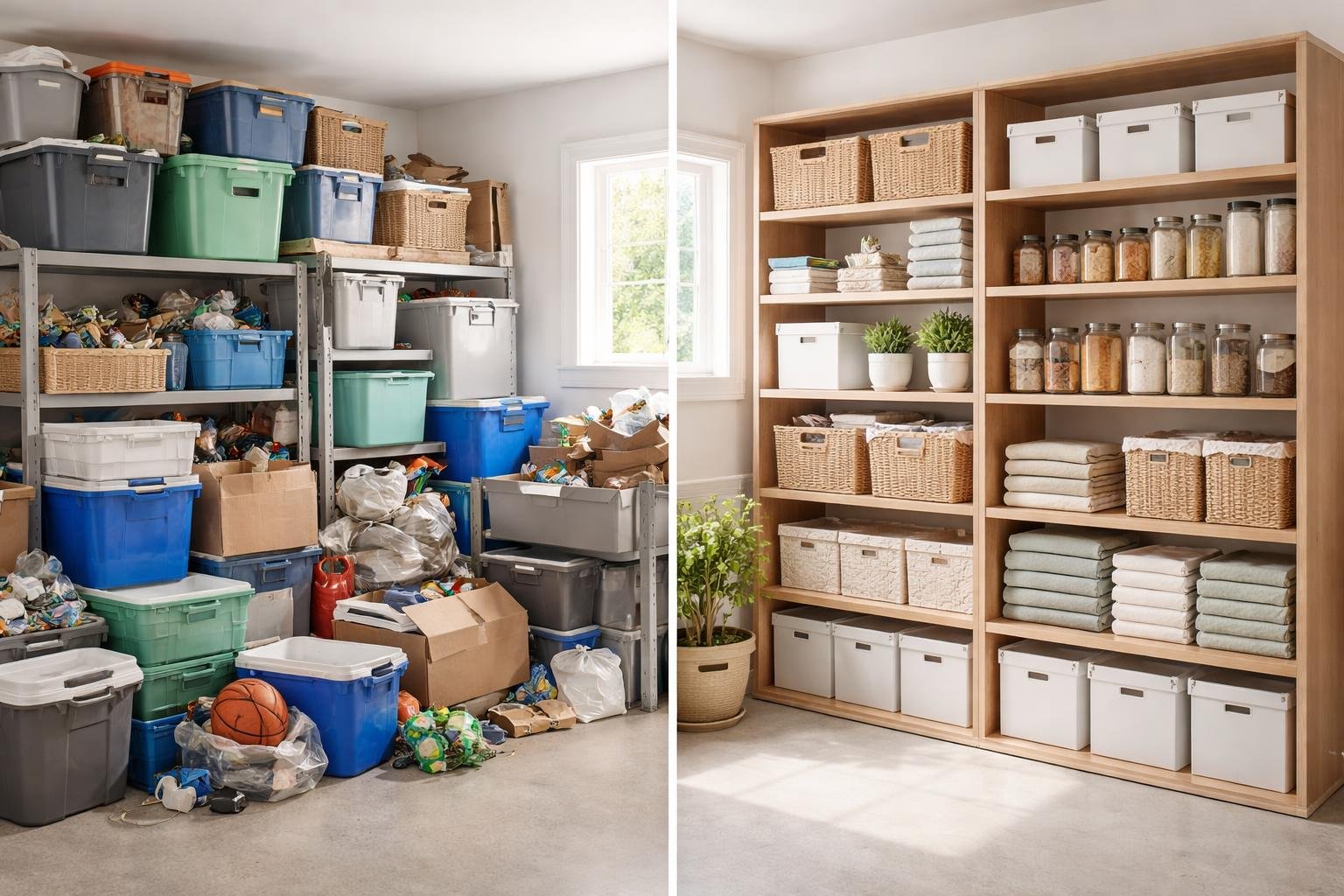
Many people think they must choose between cheap storage that works and pretty organization that looks good. The truth is cheap storage only hides things. Beautiful organization makes systems that are useful and look nice.
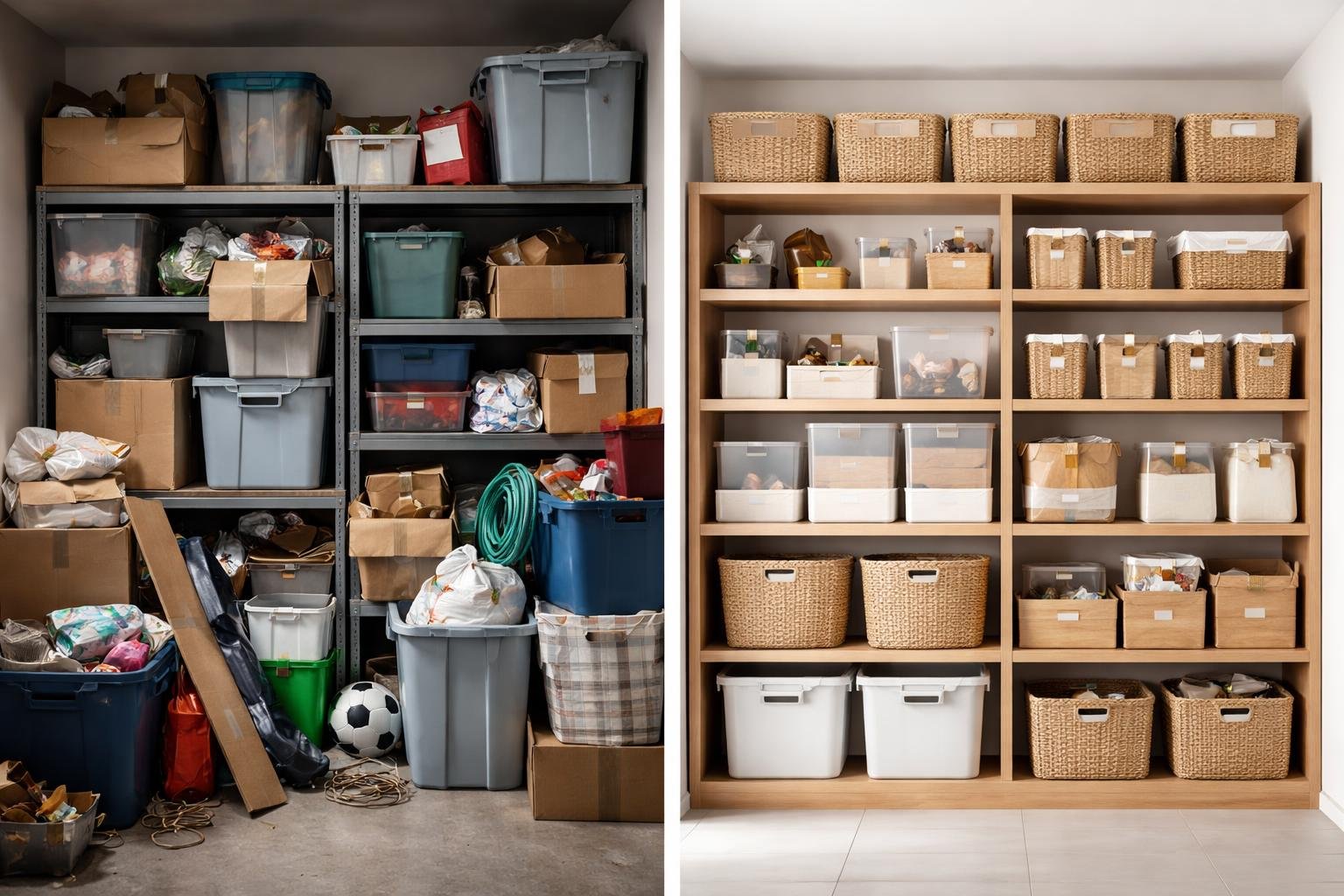
Cheap plastic bins are low cost and hold a lot. But if they make a room feel messy or do not match your style, you may stop using them. Beautiful organization fixes this by using smart storage that also fits your home's look.
How you organize your home affects more than looks. Storage choices change how easy it is to find things, how much stress you feel, and if you can keep the space tidy. Knowing the difference helps you make a home that works better every day.
Understanding Cheap Storage Vs. Beautiful Organization
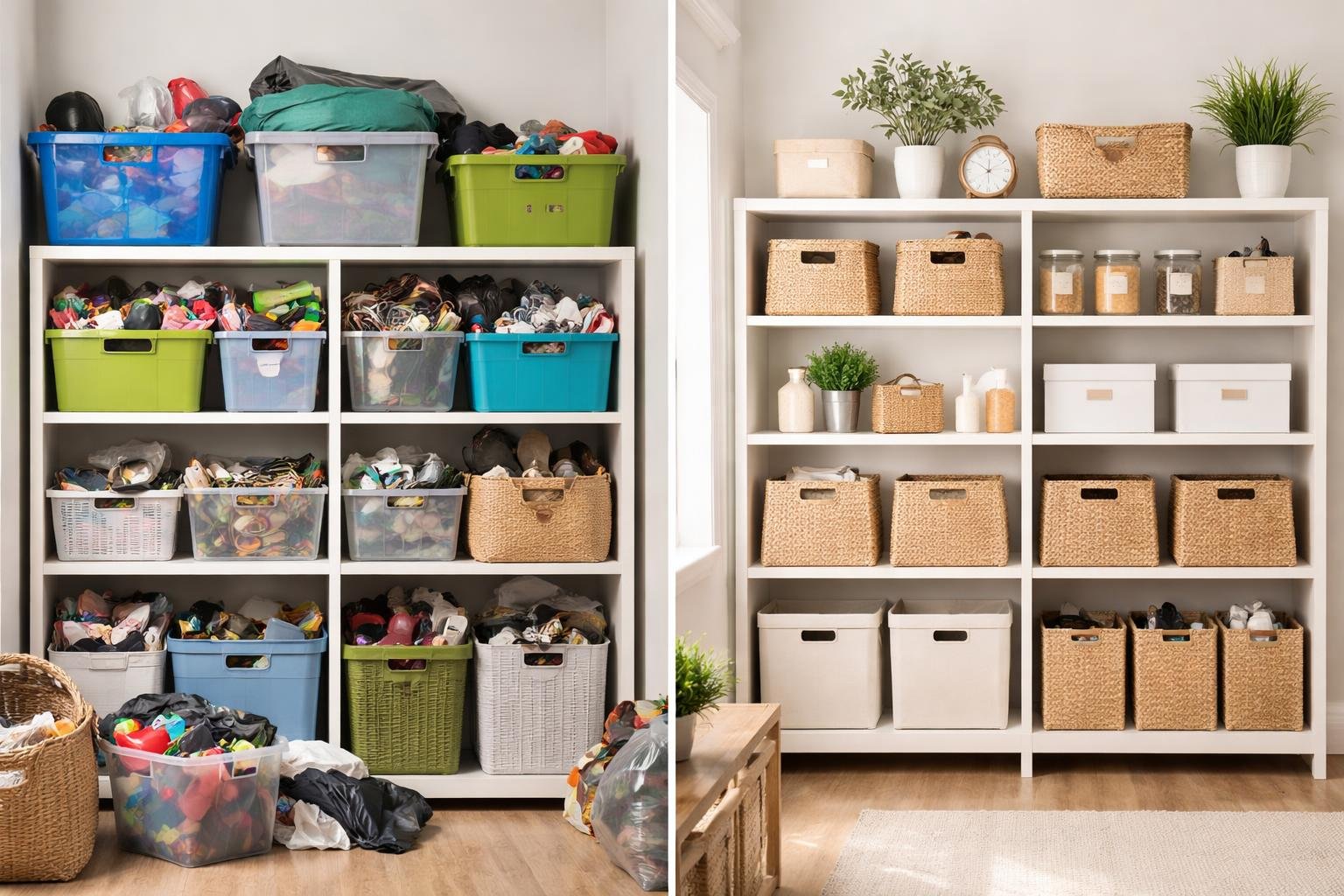
Cheap storage is about saving money and holding things. Beautiful organization is about both how things look and how they work. The big difference is cost, style, and how long the solution lasts.
Defining Cheap Storage Solutions
Cheap storage uses low-cost or free items to hold your stuff. You might use cardboard boxes, plastic grocery bags, or old containers. These options try to spend little or no money.
Budget storage does not need matching bins or pricey products. You can use shoe boxes as drawer dividers, mason jars for small items, or paper bags for short-term sorting. The goal is to give things a place, not to make everything look fancy.
Many people think organizing costs a lot, but cheap storage shows it can be inexpensive. You use what you already have or buy basic items from dollar stores. The focus is on keeping things contained and usable without spending much.
What Is Beautiful Organization?
Beautiful organization means things are both useful and nice to look at. When you open a closet or drawer, items are neat and match the room's style. Containers and boxes are chosen for how they work and how they look.
Examples include clear bins, woven baskets, and labels. Colors and labels match, and every item has a place. The result looks calm and tidy.
People often share these setups on social media. They can cost more because you buy specific items to get the look. But a good system should still be easy to use every day, not just pretty in photos.
The Difference Between Cheap Storage and Beautiful Organization
How well it works: Cheap storage can hold things and help you find them. Beautiful organization adds easy access, clear views, and systems that stay organized over time.
How it looks: Cheap storage may look mixed or messy even if it is organized. Beautiful organization looks coordinated and makes you want to keep it tidy.
Cost: Cheap storage is low cost and uses free or cheap items. Beautiful organization usually costs more up front for matching, better items.
How long it lasts: Cheap items may wear out or need replacing more often. Higher-quality products last longer but cost more at first. Both can work depending on your needs, budget, and what matters most to you.
Impact of Storage Choices on Space and Lifestyle
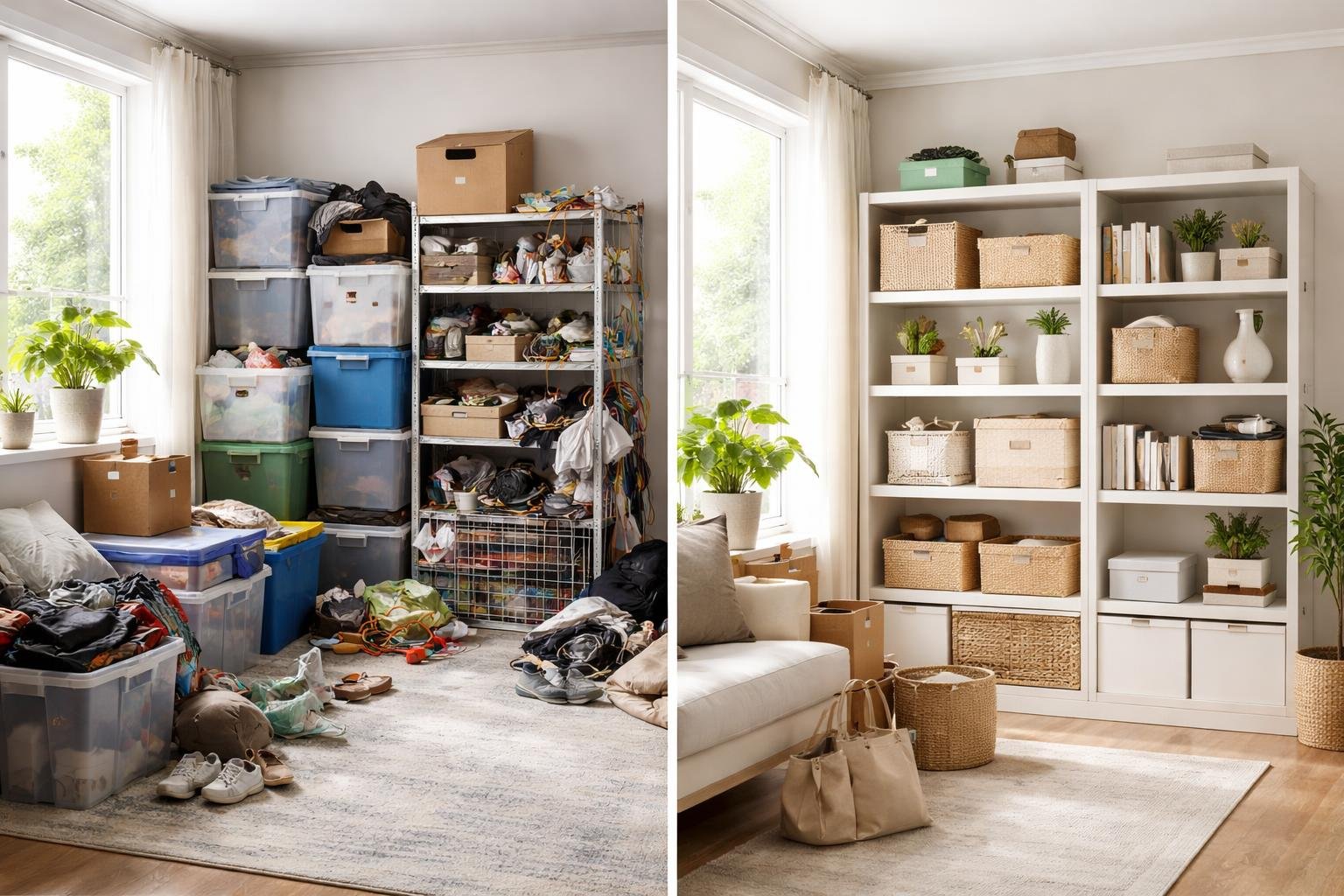
The storage choices you make change how much usable space you have at home and how you feel there every day. Good organization can lower stress and save money over time. This is the difference between cheap storage and beautiful organization.
Practical Benefits of Thoughtful Organization
Simple, smart storage keeps rooms useful and open. Using things like modular furniture and adjustable shelves lets your storage change as your life changes. That matters when you change jobs, have a baby, or take up new hobbies.
When you organize well, you don't buy the same thing twice because you can find what you already own. Clutter makes people feel stressed and makes decisions harder. If everything has a place, you spend less time looking for things and more time using your space.
Good storage also helps you use space better. Instead of using whole rooms for stuff, you can use tall shelves and furniture that has more than one job. That keeps your things easy to get to without taking up too much living space.
Long-Term Value: Cost, Durability, and Satisfaction
Good storage solutions cost more at first but can save you money over time. Cheap storage may seem like a bargain, but it often breaks and needs to be replaced. Sturdy materials last longer and keep working better.
Paying monthly for an outside storage unit adds up fast. A $50–$100 monthly fee becomes $600–$1,200 a year. In five years, that is $3,000–$6,000 just to keep things offsite.
Putting proper storage in your home can cut the need for outside units. It also makes your home more organized and less stressful. Built-in storage can even raise your home's value for future buyers.
Frequently Asked Questions
Higher-quality organization products usually last longer and look nicer than cheap ones. Which is best depends on what you need, how often you will use the items, and whether you want the storage to match your home’s style.
What are the primary benefits of investing in high-quality organization solutions?
Good storage resists damage and keeps its appearance even after daily use. That means you replace it less often.
Better materials work more smoothly. Drawers slide easily, lids fit well, and shelves stay steady instead of wobbling or breaking.
Quality organization makes daily tasks easier. You spend less time dealing with stuck drawers or flimsy boxes that won’t stack.
How does the lifespan of expensive storage options compare to cheaper ones?
Higher-quality storage usually lasts much longer than cheap versions. A well-made drawer organizer can work for many years, while a very cheap one might crack or warp in a few months.
Good materials resist daily wear. They do not fade in sunlight, break from temperature changes, or snap when filled.
Cheap storage often needs to be replaced every one to two years. Over time, replacing cheap items can cost more than buying one good piece.
Can attractive storage systems enhance home decor in addition to providing functionality?
Nice storage pieces can add to a room's look. They come in colors and finishes that match your furniture and style.
Open storage shows your things in an organized way. If you use attractive containers, the items on display can make the room look better instead of messy.
Hidden storage keeps things out of sight and creates clean lines in a room. Showing or hiding items changes the mood and flow of the space.
Why might someone choose to spend more on organization products?
Spend more on storage you use every day. If you open a drawer or bin many times a day, strong construction saves time and frustration.
Put better pieces in areas guests see. Storage that is visible should match your decor and reflect your style.
The right storage can turn a messy space into a useful one. When clutter makes life harder, it can be worth paying more for a good solution.
In what ways do quality materials impact the functionality and aesthetic of storage solutions?
Better materials make storage work more smoothly every day. Metal drawer slides are more reliable than plastic ones. Solid wood lasts longer than particle board.
Good finishes resist scratches and stains that make storage look old. This helps your space stay neat and nice for longer.
Strong construction can hold more weight without sagging or breaking. You can fill good storage without worrying it will fail.
Higher-quality materials also look and feel nicer. Their weight and texture make storage seem like real furniture, not a temporary fix.
What considerations should be made when deciding between budget and premium organization products?
Think about how often you will use each storage item. Items you use every day should be better made. For things you use only sometimes, cheaper options can work.
Consider where the storage will be in your home. If it is in a place people see, choose something attractive. For hidden places like basements, function can be more important than looks.
Check what you really need before you buy. Buying storage for things you do not use wastes money, no matter how good it is.
Match how much you spend to the item's purpose. A drawer you rarely open does not need the same quality as a box you reach for every morning.