



The Design Flaws That Make Most Storage Products Fail
March 25, 2026
Storage products promise to fix clutter, but many make the problem worse. You buy bins, baskets, and organizers to make your home tidy. Instead, you end up with items that do not fit your space, cannot hold what you need, or create more mess.
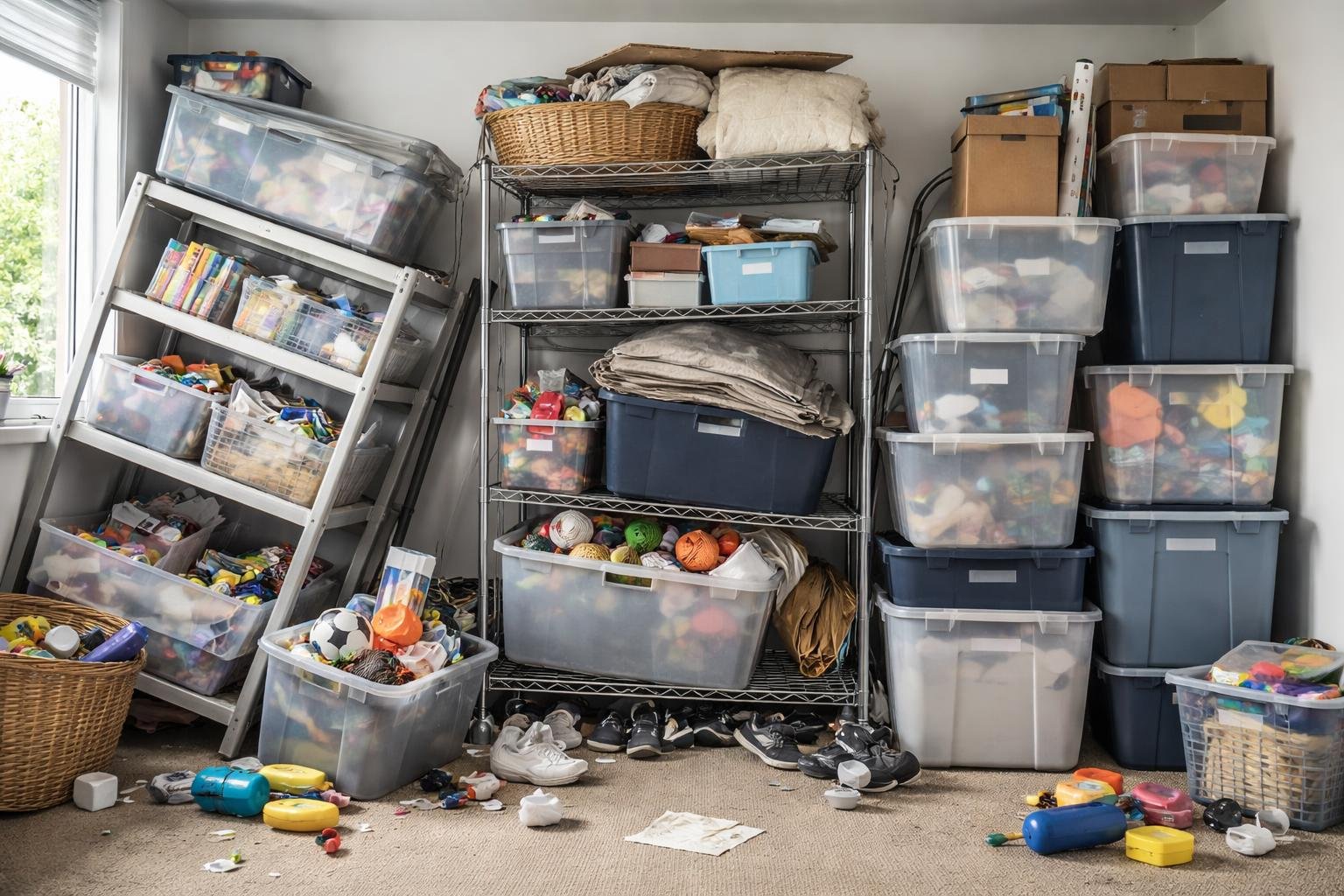
Most storage products fail because of simple design mistakes that ignore how people really use them. Designers often care more about how a product looks in a store than how it works in your closet, kitchen, or garage. They miss basic problems like odd sizes, weak materials, and features that sound good but are hard to use.
Knowing why storage products fail can save you time and money. The same mistakes appear in many brands and types. If you know what to watch for, you can spot these problems before you buy and pick storage that actually helps you.
The Design Flaws That Make Most Storage Products Fail
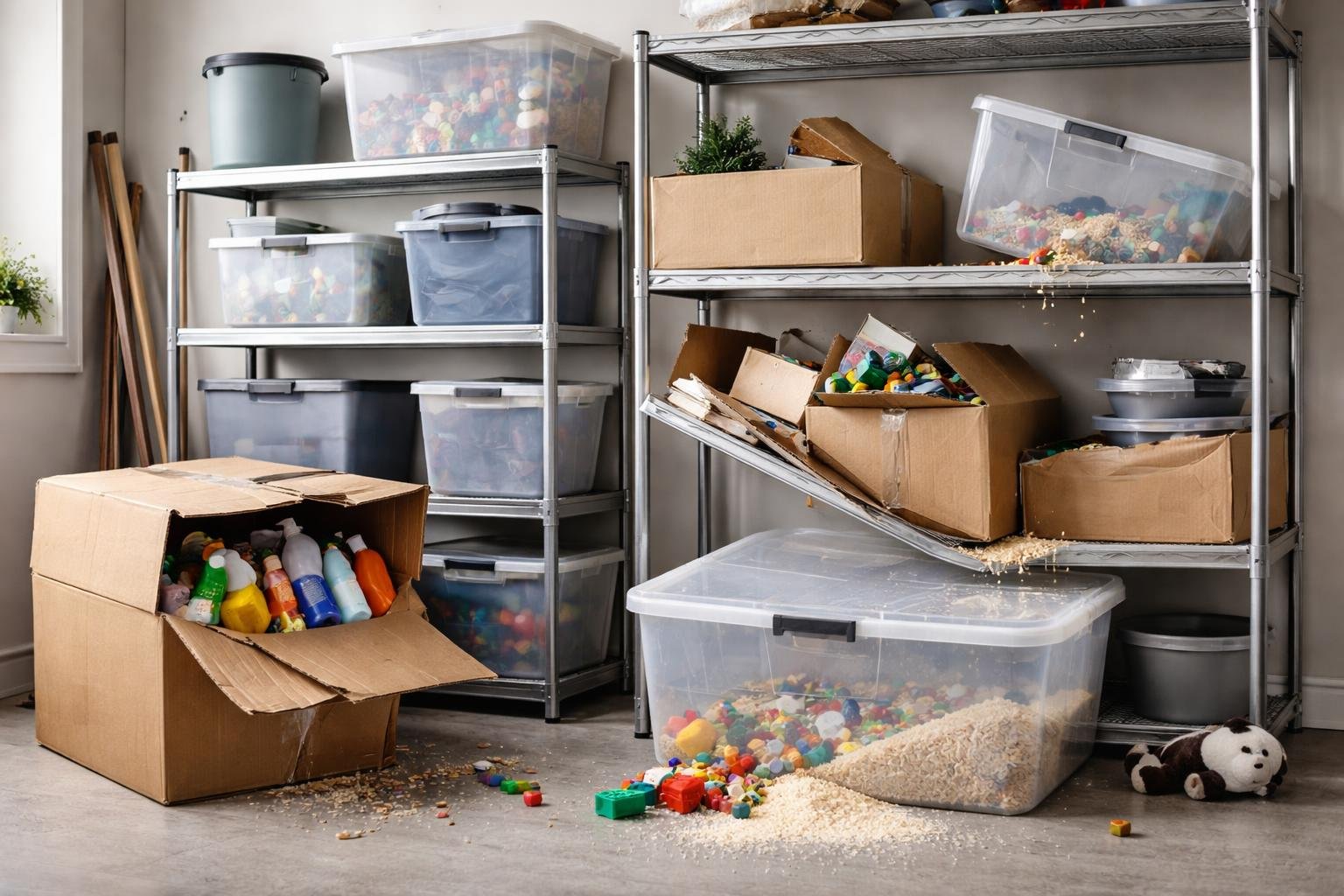
Many storage products fail because they are not made for how people actually use them. Makers cut costs with weak materials, waste space, and make items hard to reach or handle.
Not Thinking About Real People
Designers sometimes do not watch how people store and take out things. A product can look good in pictures but be hard to use in real life. For example, a small organizer box may not fit real utensils, so you end up stacking things and making a mess.
Some lids need two hands to open, which is bad when you are carrying something. Under-bed boxes without wheels are hard to pull out. Deep shelves hide things in the back so you must remove many items to find one.
Testing with real users would show these problems before the product is sold. Skipping testing creates storage that works on paper but fails at home.
Weak Materials and Short Life
Cheap materials make storage break fast. Thin plastic cracks when stacked or when temperatures change. Particle board shelves warp with moisture and sag under weight, so items can fall to the floor.
Thin metal wires bend and rust if not coated well. This makes shelves unsafe in damp places like basements.
Common material problems:
- Plastic drawer slides that strip or break
- Fabric boxes that tear at stress points
- Adhesive hooks that lose grip and fall
- Cardboard dividers that collapse when wet
Poor Use of Space
Some designs waste space instead of saving it. Thick walls, awkward shapes, or fixed compartments can reduce usable storage. If packaging makes items hard to stack, you lose space that should help you stay organized.
Hard to Reach or Move
Good storage lets you see and reach items easily. Products that block view or need full removal to reach one thing slow you down. Lack of handles or wheels makes heavy boxes hard to move, increasing the chance of dropping things.
How to Fix These Problems
Better storage design includes testing with real users, using stronger materials where needed, planning for moisture and temperature, and making products easy to open, move, and stack. Simple fixes like adding wheels, better lids, and clear labels can stop many failures.
Thinking about how people really live and choosing the right materials can prevent the design flaws that make most storage products fail.
Inefficient Space Use
Storage products should save space, but many do the opposite. Thick walls and big frames take up room. For example, a 12-inch cube with 1-inch walls only gives about 10 inches inside.
Fixed compartments often do not fit what you own. Drawer dividers with set slots leave empty gaps. Shoe racks made for one size can force you to waste spots or cram shoes together.
Designs also waste vertical space. Closet shelves that stop well below the ceiling leave usable space empty. Pantry items sit on the shelf instead of being stacked to make more room.
Shape matters too. Rectangular boxes do not fit well in corner cabinets. Round lazy susans leave dead corners that can’t hold things.
Ignoring Comfort and Access
Storage is not helpful if you cannot reach or use it easily. Overhead racks placed too high make you use ladders for items you need often. Deep shelves force you to bend and reach in ways that strain your back.
Heavy bins without good handles are hard to lift and easy to drop. Poor weight balance can make bins tip forward when you pull them out.
Many designs hide what is inside. Solid bins mean you must open each one to find items. Stacks that hide labels force you to unstack everything.
Main access problems:
- Drawer pulls too small for big hands or gloves
- Lids that need too much force to open
- Heights that do not work for wheelchair users
- Too-narrow spaces that make it hard to remove items
How Bad Design Affects You
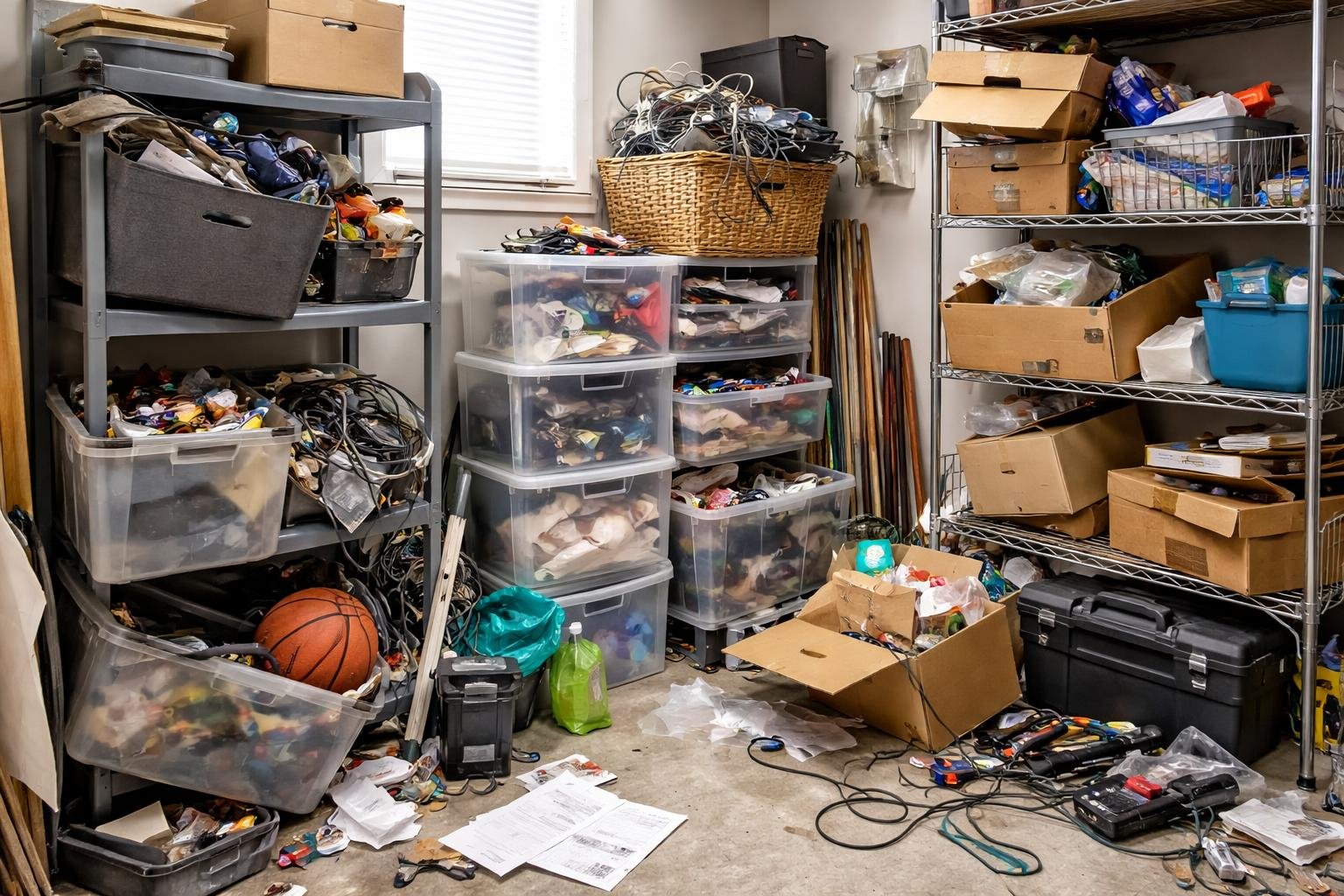
Poor storage design causes real problems. Items get messy, products break sooner, and you waste time and money trying to make things work. Good design should make storage easy, safe, and long-lasting.
Shorter Product Lifespan
Storage products with bad design break sooner than well-made ones. Weak joints, cheap materials, and uneven weight make them fail early.
Thin plastic bins crack with normal use. Cheap metal drawer slides bend and stop working after a few months. Shelves without proper support sag or fall when filled to their listed capacity.
When companies cut corners to save money, problems get worse. Containers without reinforced corners split when moved. Closet systems with weak anchors pull away from walls. These failures mean you replace items more often, which costs more in the long run than buying a better product up front.
Hard to Use and Maintain
Poor design makes storage items need constant fixing. Doors that are not aligned stick or do not close. Complex latches break more easily and need repairs.
You lose time dealing with problems like:
- Containers that won't stack and tip over
- Lids that do not seal and let in moisture
- Drawers that jam so you must empty and reload them
- Access points placed awkwardly so you have to move many things to reach the back
These flaws make simple tasks annoying. Instead of helping you stay organized, bad storage products make you spend extra time managing the storage itself.
Wasted Space and Clutter Problems
Bad designs make it hard to use space well. Storage items with strange shapes do not fit standard spots. Products that cannot be changed leave gaps where clutter builds up.
Vertical space is lost when shelves cannot be moved. Fixed sections force you to put small things into big spaces. Boxes with thick walls or heavy frames take up room but hold less stuff.
Poor layouts cause more trouble. Units without easy access make you stack things that block what you need. Storage made without thinking about the items it should hold often creates more mess instead of less.
Frequently Asked Questions
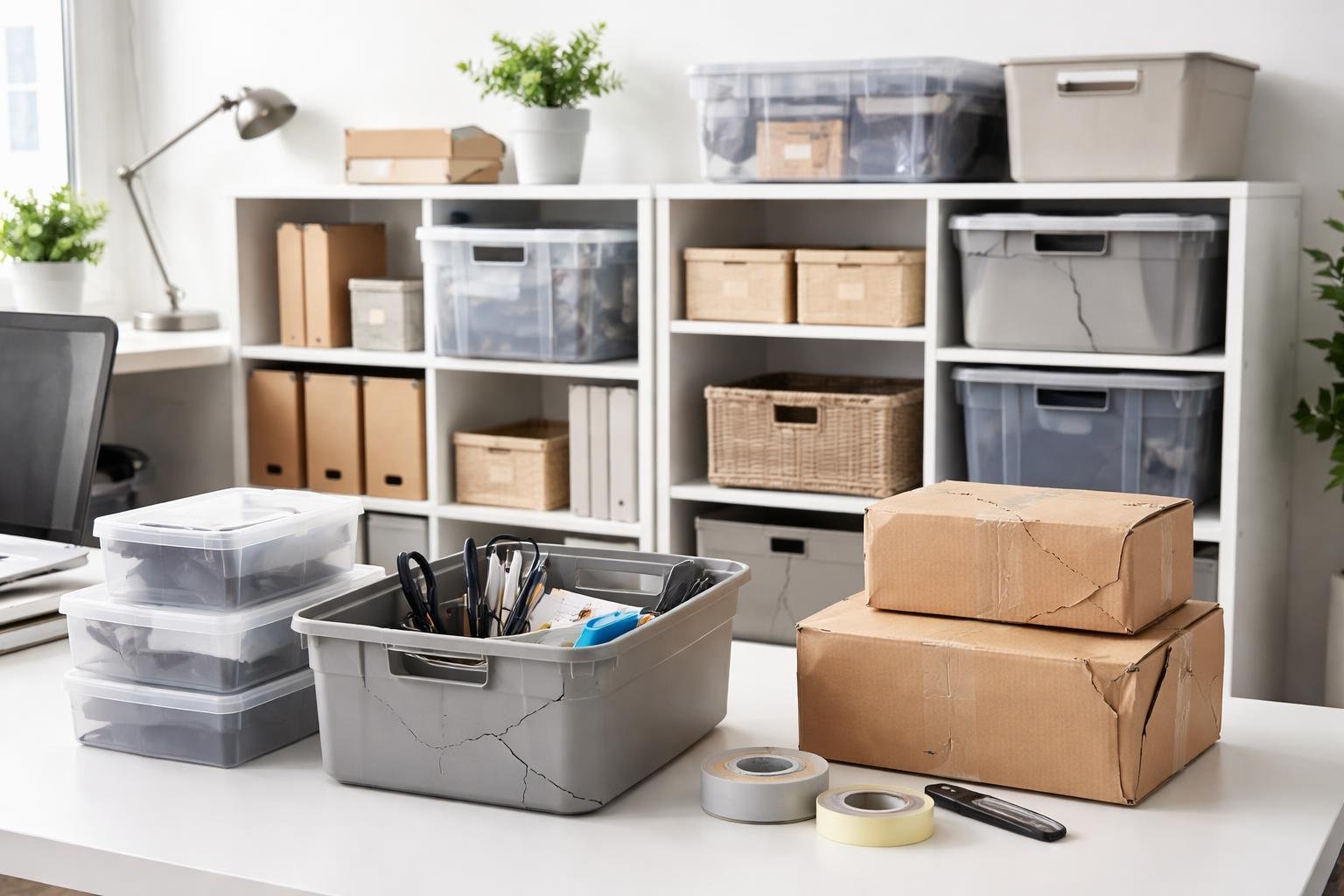
Storage products often fail because of weak materials, bad structural design, or problems with the environment they are used in. Knowing these common faults can help you pick better storage for your space.
What common materials used in storage products contribute to their failure?
Particle board and MDF are common materials that often cause storage items to fail. They soak up moisture, which makes them swell, bend, and get weak over time. Many makers use them because they cost less than solid wood or metal.
Thin steel is also a problem. If the metal is too thin to save money, shelves can bend under normal weight. The coating on the metal can wear off and the steel will rust fast.
Cheap plastics break down when they get sun or big temperature changes. Plastic bins can become brittle and crack after a year or two. Low-quality plastics can also release chemicals that harm the things stored inside.
How does poor load distribution affect the longevity of storage items?
Uneven weight puts too much stress on certain spots instead of spreading it out. Those spots fail first, even if the total weight is within the product’s limit. This can cause sagging shelves, bent brackets, or cracked supports.
Shelves without a center support fail faster. A long shelf with no middle support will bow in the center and get weaker over time. This is a big problem for shelves wider than about 36 inches.
Corner joints carry a lot of weight in many storage items. If the corners are not braced well or use weak fasteners, the unit becomes shaky. Over time the weight pulls the corners apart.
How do environmental factors damage storage products?
High humidity makes wood swell and shrink over and over. This weakens the joints and loosens screws and glue, so the item can fall apart. Metal parts can rust in damp places, which makes them weak.
Big temperature changes make different materials grow and shrink at different speeds. If plastic and metal are joined together, this pulls on the connection points. Over time those spots crack or come apart.
Direct sunlight and UV rays break down many materials. Plastics can become brittle and crack. Paints and finishes on wood or metal can fade or peel. This not only looks bad but also shortens how long the product lasts.
What ergonomic mistakes make storage products hard or unsafe to use?
Shelves that are too high or too low force people to reach, stretch, or use a step stool. That makes them hard to use every day. A good range for shelves you use often is about 30 to 60 inches from the floor.
Drawers that are hard to open or close cause strain. Cheap or sticky slides bind, which makes people handle the unit roughly. That wear and rough use makes the product fail sooner.
Sharp edges and corners can cut or hurt people when they reach in. They also make cleaning and care harder. Safer, rounded edges are easier and more comfortable to use.
How can inadequate scalability impact the effectiveness of storage products?
Fixed storage systems cannot grow when your needs change. You often must replace the whole unit instead of adding parts, which wastes money and materials. Modular systems cost more at first but can save money later because you can expand them.
Storage with shelves you cannot move limits what you can store. If shelf heights are fixed, you waste space above short items or cannot fit tall items. This makes you buy more storage sooner than you should.
Units that cannot be safely joined or stacked stop you from using space well. You need storage that can grow sideways and up as you need more room. Products made only as single units become useless faster.
What role does substandard hardware play in the premature breakdown of storage units?
Cheap screws strip easily when you put them in or tighten them. If threads or screw heads are damaged, parts do not stay tight. Loose connections get weaker over time and can break.
Thin brackets and weak mounting parts bend with normal use. The metal often cannot hold the advertised weight once people put things in and take them out. These parts can fail suddenly instead of wearing out slowly.
Low-quality locks and hinges on drawers and doors stop working after little use. Catches wear down, springs break, and hinges loosen. When these parts fail, drawers will not stay closed and doors may sag, making the unit hard to use.