


The Calm, Put-Together Home Every Busy Woman Wants
April 8, 2026
Life moves fast when you're juggling work, relationships, and everything in between. You deserve a home that feels like a true retreat instead of another task on your endless to-do list.
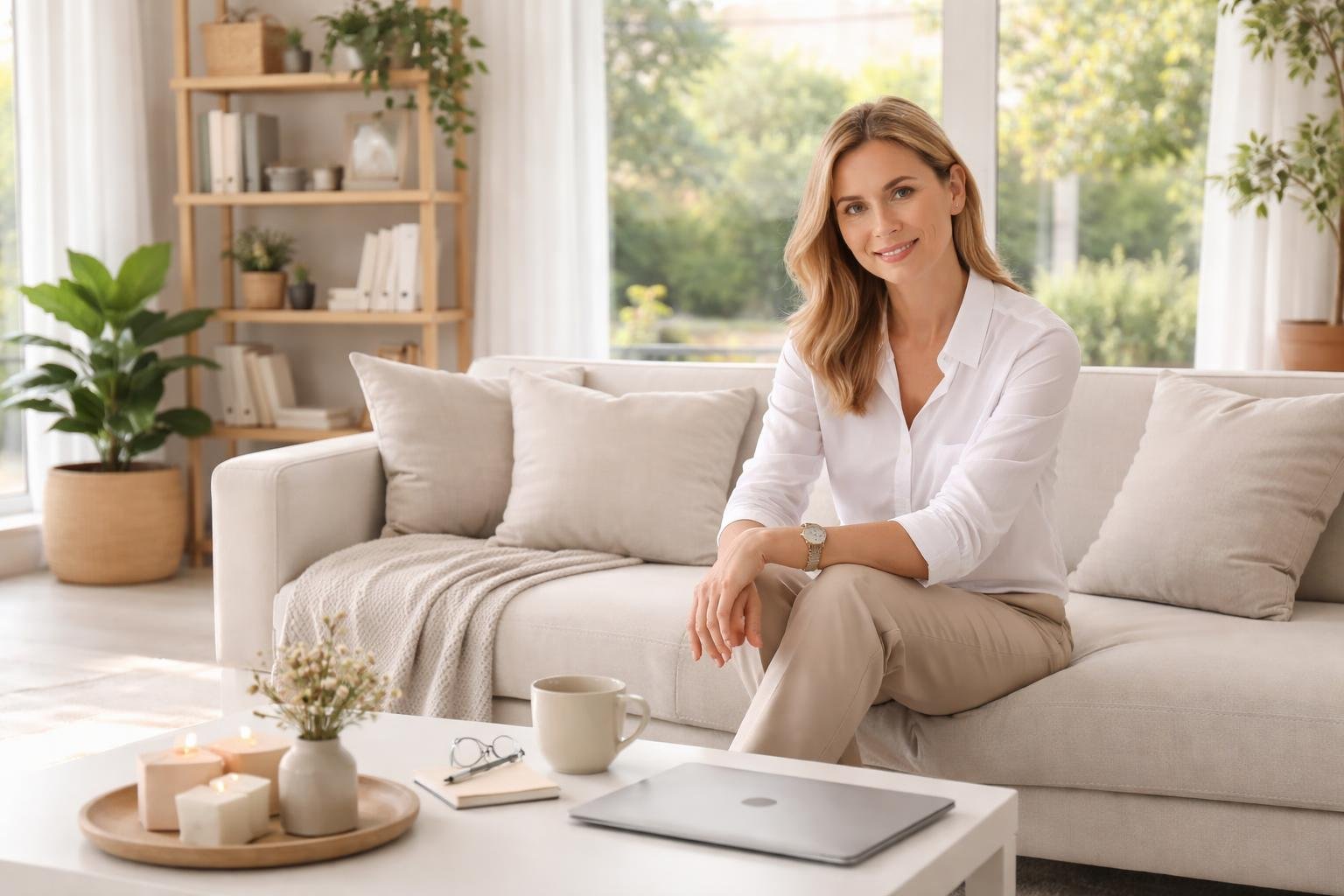
A calm, put-together home isn't about perfection or spending hours cleaning—it's about creating simple systems that work with your busy schedule, not against it. The right approach can transform your space from chaotic to peaceful without adding more stress to your day.
You don't need a complete home makeover or expensive organizers to make this happen. Small, practical changes based on core principles can help you build a home that feels organized, welcoming, and genuinely restful every single day.
Core Principles of a Calm, Put-Together Home
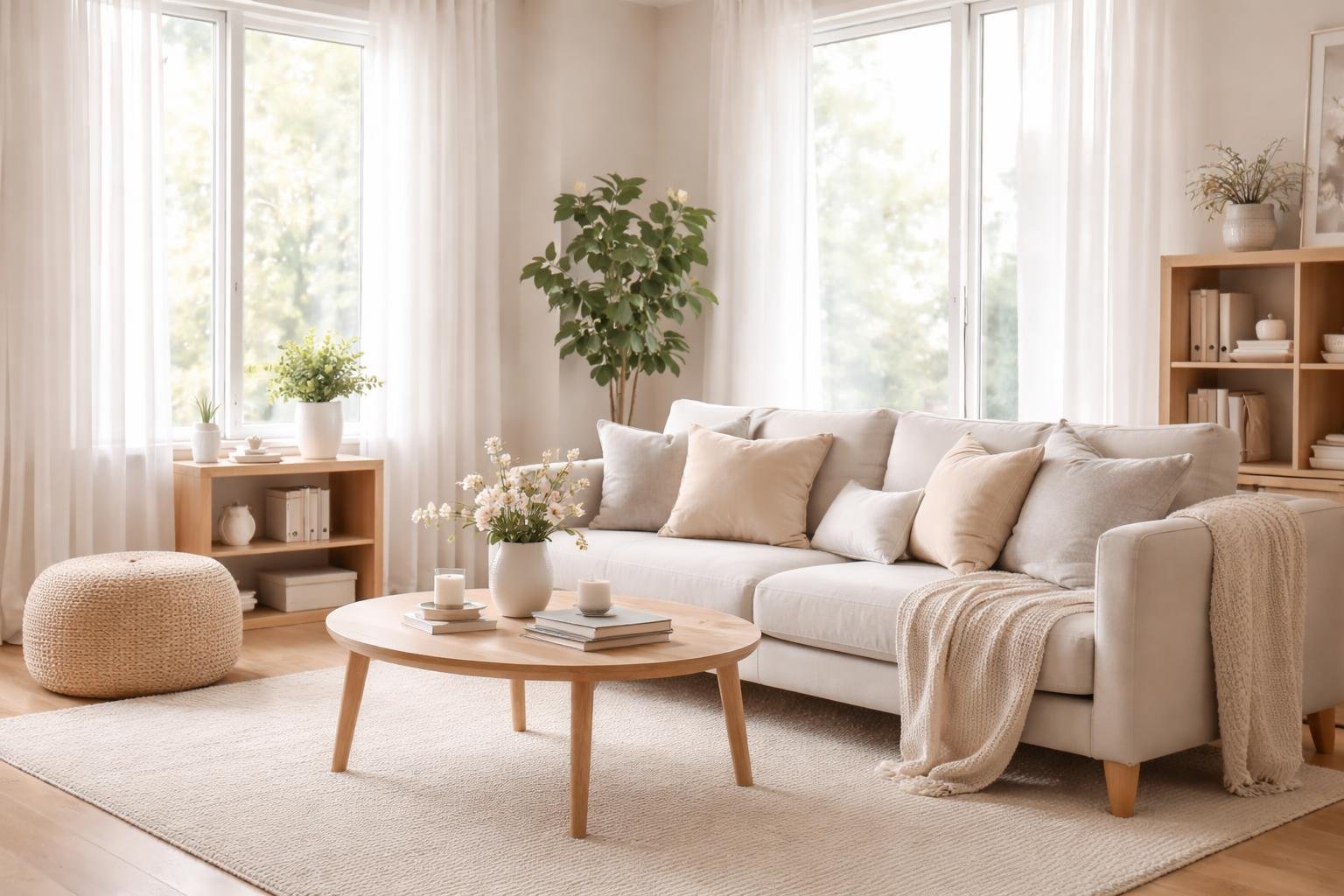
A calm home starts with clear spaces and simple systems that match how you actually live. The key is creating routines that keep things running smoothly without constant effort.
Defining Calm and Order at Home
Calm doesn't mean perfect or spotless. It means you can find what you need when you need it and your space doesn't add stress to your day.
Order at home looks different for everyone. For you, it might mean clean counters in the kitchen. For someone else, it could mean toys in bins instead of scattered on the floor.
The real measure is how you feel when you walk through your door. A calm home lets you breathe easier. It has spaces where things belong, even if those spaces aren't magazine-worthy.
Key elements of a calm home:
- Clear surfaces in high-use areas
- Items stored near where you use them
- Easy-to-maintain systems
- Spaces that serve their intended purpose
Your home should work for your life, not against it. This means accepting that some mess is normal while keeping the overall space functional.
Prioritizing Functionality for Busy Women
Functionality means every area of your home serves a purpose and serves it well. Your entryway should handle coats, bags, and keys without becoming a dumping ground.
Start with the spaces you use most. The kitchen needs clear prep areas. The bathroom needs accessible daily items. Your bedroom needs to support rest, not store random items you haven't dealt with.
Choose furniture and storage that matches your actual habits. If you drop your purse by the door, put a hook or basket there. If you sort mail at the kitchen counter, create a system right there.
Functional priorities:
- Storage at point of use
- Clear work surfaces
- Easy access to daily items
- Dedicated spaces for repetitive tasks
Function beats beauty when you're choosing between the two. A pretty basket that's too small doesn't help. A simple bin that holds what you need does.
Establishing Routines That Support Organization
Routines prevent messes from building up. A five-minute evening reset keeps your morning calm. A weekly sweep of flat surfaces stops clutter from taking over.
Daily routines to maintain order:
- Make your bed each morning
- Clear kitchen counters before bed
- Put mail in one designated spot
- Return items to their homes after use
Start small with one routine until it becomes automatic. Then add another. Trying to change everything at once usually fails.
Weekly routines handle deeper maintenance. You might do laundry on Sundays, clean bathrooms on Wednesdays, and tackle paperwork on Fridays.
The goal is building habits that require minimal thought. When routines become automatic, they stop feeling like work. Your home maintains itself through these small, consistent actions.
Implementing Practical Strategies for Lasting Calm
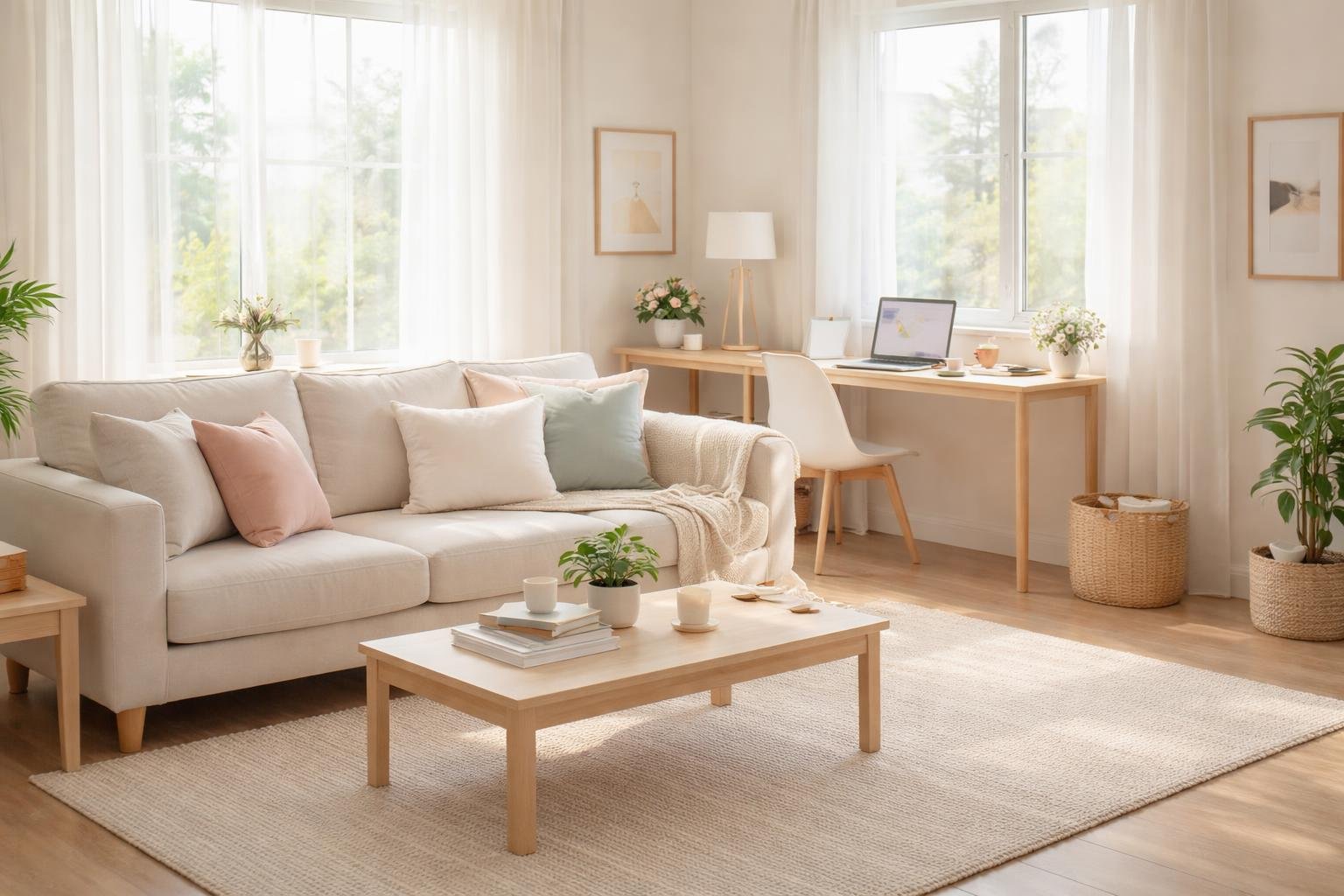
A calm home requires specific actions that address the physical spaces where stress builds up. The following strategies focus on removing excess items, organizing what remains, and creating rooms that support peace rather than chaos.
Decluttering and Simplifying Daily Spaces
Start with the areas you use most often. Kitchen counters, entryways, and bedroom surfaces collect items quickly and create visual noise that adds to your stress levels.
Remove everything from one surface at a time. Keep only what you use daily in these spaces. Coffee makers and dish soap belong on kitchen counters, but rarely-used appliances do not.
Daily decluttering habits include:
- Spending 10 minutes each evening clearing surfaces
- Returning items to their designated spots immediately after use
- Discarding junk mail and papers as soon as you review them
- Keeping a donation box in your closet for items you no longer need
Handle each item once instead of moving it from pile to pile. This simple change cuts down the time you spend managing your belongings. Your bedroom should contain only items related to sleep and getting dressed, not work papers or hobby supplies.
Creating Effective Storage Systems
Storage systems work when they match how you actually live. Open bins work better than complicated filing systems if you need quick access. Clear containers let you see contents without opening every box.
Group similar items together in designated zones. All cleaning supplies go in one location, all craft materials in another. Label each container or shelf so family members know where items belong.
Effective storage follows these principles:
- Store items where you use them first
- Keep frequently used items at eye level
- Use vertical space with shelves and hooks
- Limit the number of items in each category
Your storage should make putting things away easier than leaving them out. If you constantly find items in the wrong place, your system needs adjustment.
Designing Tranquil and Purposeful Living Areas
Each room needs a clear primary purpose. Your living room might be for relaxation and family time, not a home office or storage area. When rooms serve too many functions, they create mental clutter.
Choose a simple color scheme for each space. Neutral walls with one or two accent colors reduce visual stimulation. Natural light improves mood, so keep window treatments simple and open them during the day.
Furniture arrangement matters for calm. Create clear pathways through rooms so movement feels easy. Position seating to encourage conversation or relaxation rather than facing walls or blocking walkways.
Add only meaningful items to your spaces. One plant or piece of art you love creates more peace than multiple decorative objects fighting for attention. Empty space itself serves a purpose by giving your eyes and mind a place to rest.
Frequently Asked Questions
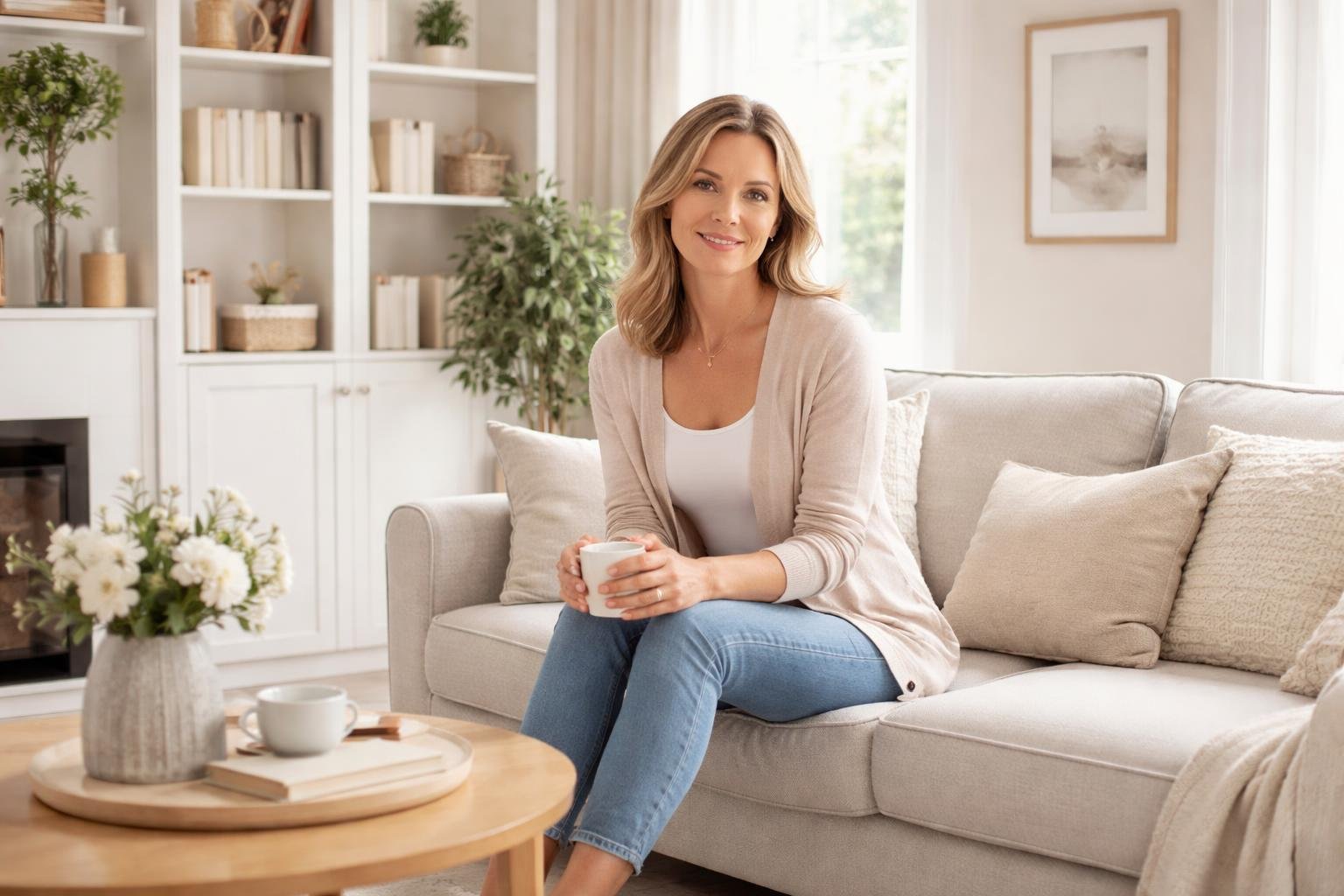
Managing a home while juggling multiple responsibilities requires practical systems and realistic routines. The following questions address common challenges busy women face when creating calm spaces, staying organized, and making time for fitness.
What daily routines help maintain a calm and peaceful home environment?
Start your day with a quick 10-minute reset of your main living areas. This means putting items back in their designated spots and wiping down kitchen counters before the day gets hectic.
Create a family command center where everyone knows to check for schedules and leave important items. This central hub cuts down on the daily chaos of searching for permission slips, keys, or reminders.
End each evening with a simple closing routine. Spend 15 minutes doing a quick pickup, preparing what you need for the next morning, and setting out breakfast items.
How can a busy woman keep the home running smoothly with minimal stress?
Build systems that work automatically rather than requiring constant decisions. Assign specific homes for frequently used items so you and your family know exactly where things belong.
Use a shared calendar or app where everyone can see appointments and responsibilities. This prevents scheduling conflicts and reduces the mental load of tracking everything yourself.
Set up simple maintenance routines that prevent bigger messes. A basket in each room for items that need to be returned elsewhere saves time and reduces clutter.
Involve your family in age-appropriate tasks. When everyone contributes, the work gets lighter and your home stays more organized.
What are the most effective decluttering strategies for staying organized long term?
Follow the one-in-one-out rule for new purchases. When you bring something new into your home, remove something similar that you no longer need or use.
Designate a donation box in your closet or garage. When you find items you don't use, immediately place them in the box rather than letting them pile up.
Schedule regular decluttering sessions every three months. Focus on one area at a time instead of trying to tackle your entire home at once.
Keep flat surfaces clear as your default state. Counters, tables, and dressers collect clutter quickly when you allow items to stay there.
Use the 10-minute rule for quick organization bursts. Set a timer and focus on one small area like a junk drawer or bathroom cabinet.
How can a busy mom fit in consistent workouts at home with limited time?
Break your exercise into shorter sessions throughout the day. Three 10-minute workouts provide the same benefits as one 30-minute session.
Exercise during times that naturally fit your schedule. Try working out while your kids play independently, during their nap time, or right after they leave for school.
Choose workouts that require minimal or no equipment. Bodyweight exercises like squats, push-ups, and planks can be done anywhere in your home.
Stack your workout with existing habits. Do stretches while watching your kids at the park or lunges while folding laundry.
What does a realistic weekly workout plan look like for moms with full schedules?
Aim for 20-30 minutes of movement four to five days per week. This amount provides health benefits without overwhelming your schedule.
Mix different types of exercise throughout the week. Include two days of strength training, two days of cardio, and one day of stretching or yoga.
Keep workouts flexible and adapt them to your energy levels. If you planned a 30-minute session but only have 15 minutes, do a shorter version instead of skipping it entirely.
Schedule your workouts like appointments. Put them in your calendar at times when you're most likely to follow through.
How can a stay-at-home mom structure her day to balance chores, childcare, and exercise?
Start with a flexible framework rather than a rigid schedule. Divide your day into blocks for morning routines, active childcare time, household tasks, and personal time.
Use your children's natural rhythms to plan your day. Schedule focused chores during independent play time or screen time, and save interactive activities for when they need more attention.
Batch similar tasks together to work more efficiently. Do all your cleaning tasks in one block, meal prep in another, and errands on specific days.
Protect time for exercise by treating it as non-negotiable. Early morning before kids wake up or during afternoon quiet time often works best.
Build in buffer time between activities. This prevents your day from falling apart when tasks take longer than expected or unexpected needs arise.