



Small Home Upgrades That Instantly Make You Feel More in Control
May 22, 2026
Your home should work for you, not against you. When small annoyances pile up or your space feels chaotic, it affects your mood and productivity every single day. The good news is that you don't need a big budget or major renovation to turn things around.
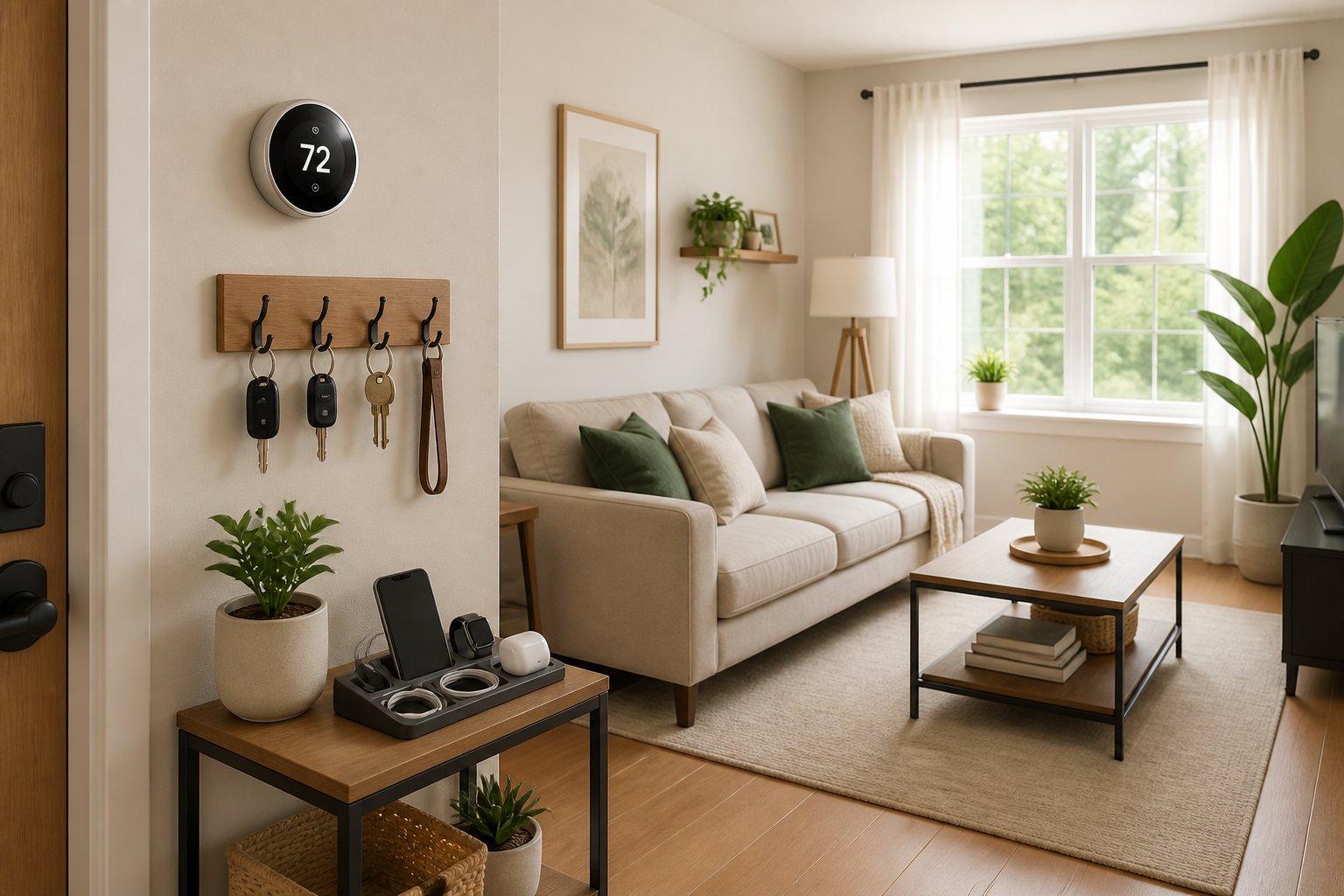
Simple, affordable upgrades can restore order to your home and give you back a sense of control over your environment. These changes take minimal time and money but deliver real results. From better lighting to smarter storage, each small fix removes friction from your daily routine.
The upgrades ahead focus on practical improvements that make your space more functional and pleasant to live in. You'll learn which small changes create the biggest impact and how to prioritize them based on your needs. Many of these solutions cost less than $100 and require no special skills to implement.
Transformative Interior Enhancements
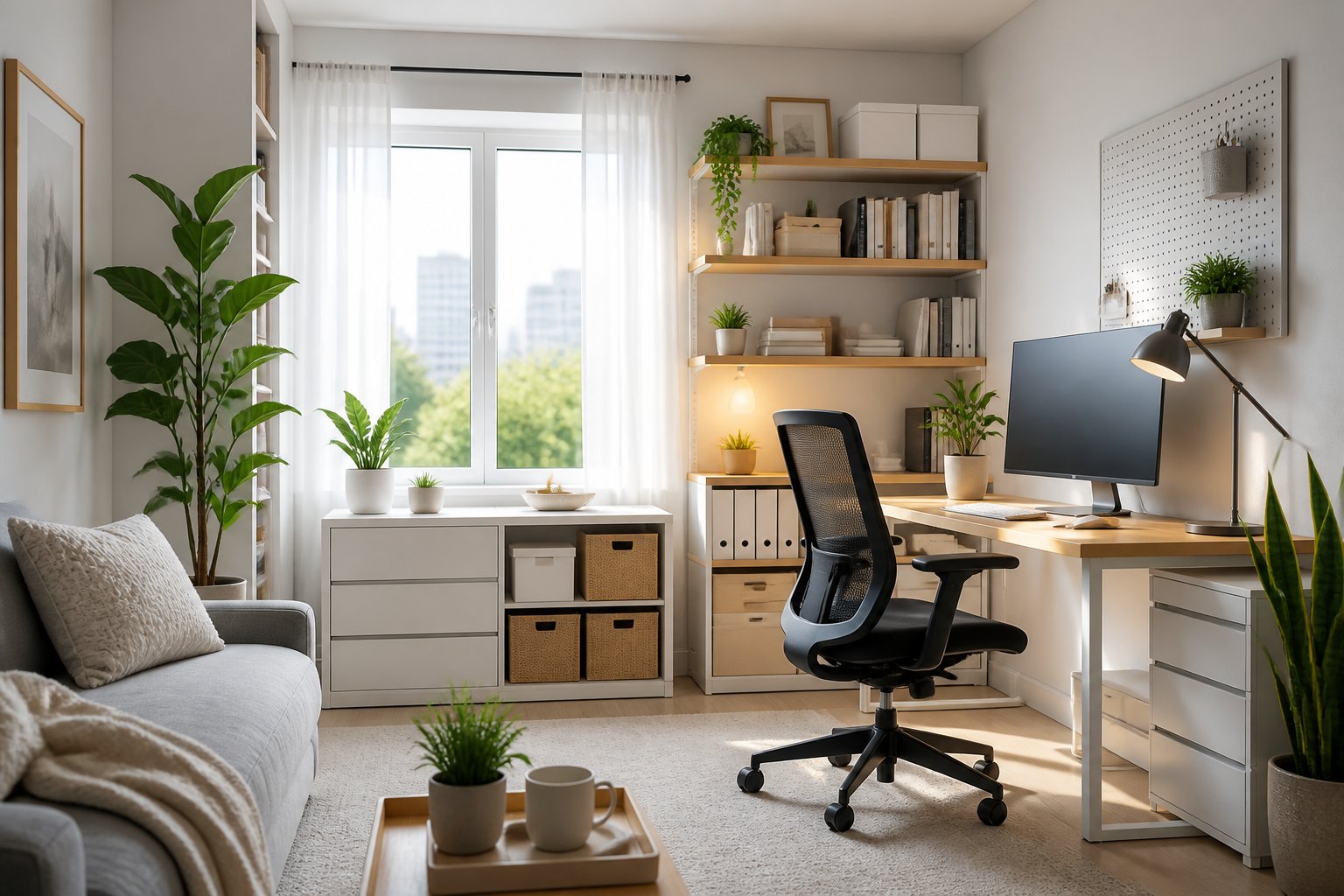
Your home's interior directly affects your sense of control and mental clarity. Physical changes to your living space create immediate shifts in how you navigate daily routines and manage stress.
Decluttering Strategies for a Calmer Space
Start with visible surfaces in your most-used rooms. Clear off countertops, tables, and dressers by keeping only items you use daily. Everything else should have a designated storage spot.
Use the four-box method to sort through problem areas. Label boxes as keep, donate, trash, and relocate. This system removes the emotional overwhelm of making instant decisions about your belongings.
High-impact decluttering zones:
- Kitchen counters (clear 80% of surface area)
- Bathroom vanities (store products in drawers or cabinets)
- Bedroom nightstands (limit to 2-3 essential items)
- Living room coffee tables (use trays to contain remotes and coasters)
Tackle one room per week instead of your entire home at once. A single organized space gives you a sense of accomplishment that motivates continued progress.
Organizational Solutions for Entryways and Kitchens
Your entryway sets the tone for your entire home. Install wall hooks at different heights for coats, bags, and keys. A small tray or bowl near the door catches loose items like sunglasses and mail.
Add a slim console table or floating shelf to create a landing zone. This prevents clutter from migrating deeper into your home.
Kitchen organization directly impacts your daily efficiency. Drawer dividers keep utensils separated and easy to grab. Cabinet risers double your storage space for dishes and canned goods.
Group items by use frequency. Place everyday dishes and glasses at eye level. Store specialty appliances you use monthly in upper cabinets or the pantry. Label containers in your pantry so you can find ingredients quickly.
Optimizing Lighting for Mood and Productivity
Layer three types of lighting in each room: ambient, task, and accent. Overhead fixtures provide ambient light. Desk lamps and under-cabinet strips offer task lighting. Table lamps and wall sconces create accent lighting.
Install dimmer switches on main lights to adjust brightness throughout the day. Bright light in the morning increases alertness. Dimmed light in the evening signals your body to wind down.
Choose bulbs between 2700K-3000K for living spaces. This warm white temperature feels comfortable and welcoming. Use 3500K-4100K cool white bulbs in your kitchen and home office for better focus and visibility.
Position task lighting to eliminate shadows on your work surface. Place desk lamps to the left if you're right-handed, or to the right if you're left-handed.
Empowering Personal Spaces
Your bedroom, bathroom, and workspace are the three areas where small changes create the biggest shift in how much control you feel over your day. These rooms shape your energy, focus, and rest more than any other space in your home.
Bedroom Upgrades for Restful Nights
Your bedroom sets the tone for both your sleep quality and how you start each morning. A few targeted upgrades can transform this space into a true recovery zone.
Blackout curtains or blinds block outside light and give you control over when your day begins. You'll sleep longer and deeper when you remove street lights and early sunrise from the equation.
Bedside organizers keep your phone, glasses, and books within reach without creating clutter. Simple trays or small shelves eliminate the frustration of searching for items in the dark.
Adjustable lighting lets you set the mood you need. Install dimmer switches or use bedside lamps with multiple brightness levels. Warm, low light in the evening helps your body prepare for sleep, while brighter options work for reading.
Quality bedding makes an immediate difference in comfort. Focus on breathable materials and the right weight for your temperature preferences. Clean, fresh sheets that feel good against your skin turn your bed into a space you look forward to.
Bathroom Modifications for Serenity
Your bathroom can either stress you out or help you reset. Small modifications turn rushed routines into calming rituals.
Shower upgrades create a spa-like experience without major renovation. A handheld showerhead gives you control over water direction and makes cleaning easier. Add a shower caddy or built-in shelves to keep products organized and accessible.
Better storage solutions reduce morning chaos. Install drawer dividers for makeup and toiletries. Use under-sink organizers to maximize space and keep cleaning supplies separated from personal items.
Updated hardware like towel bars, hooks, and drawer pulls makes the space feel more intentional. Choose finishes that match and install hooks at heights that work for everyone in your household.
Improved lighting helps with grooming tasks and sets a relaxing mood. Add lights around your mirror to eliminate shadows. Consider a dimmer switch for evening baths when you want softer light.
Work-From-Home Improvements for Focus
Your workspace directly impacts your productivity and mental clarity. Strategic upgrades help you maintain boundaries between work and personal life.
Dedicated desk space signals to your brain that it's time to focus. Even a small folding desk in a corner works better than spreading out on your kitchen table. Keep this area for work only.
Cable management removes visual clutter that distracts you throughout the day. Use clips, sleeves, or boxes to organize cords. A clean desk helps you think more clearly.
Proper lighting reduces eye strain and headaches. Position your desk near natural light when possible. Add a task lamp with adjustable brightness for evening work or cloudy days.
Noise control helps you concentrate. Use a white noise machine to mask distracting sounds. Noise-canceling headphones work well if you share your space with others. Set up your desk away from high-traffic areas when you can.
Frequently Asked Questions
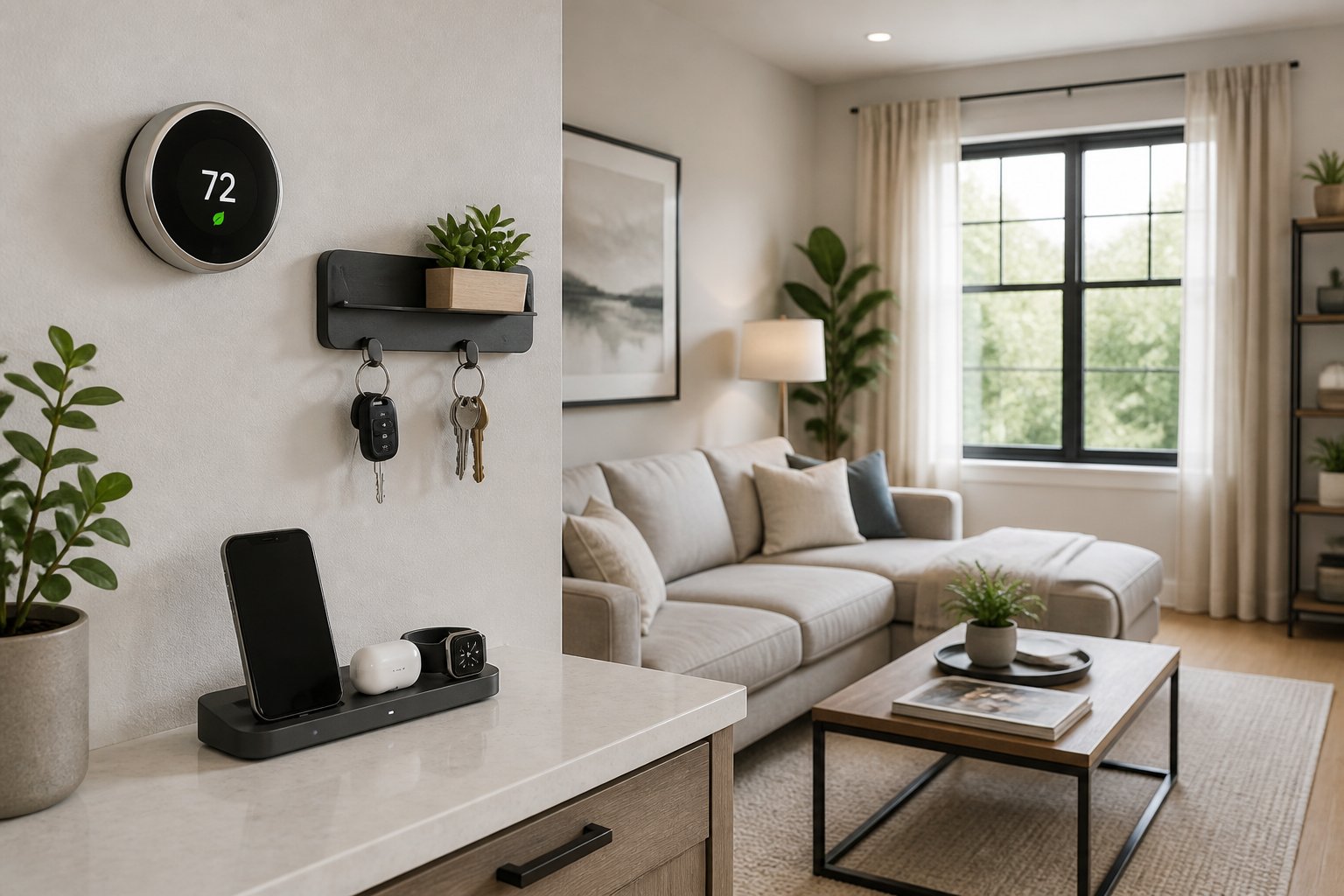
Small home upgrades can create noticeable improvements in how you experience your space daily. These answers address common questions about making practical changes that enhance organization, comfort, and control.
What are the most effective small home upgrades that improve daily convenience and reduce stress?
Cabinet organizers and drawer dividers help you find items quickly without searching. When everything has a designated spot, you spend less time looking for things and more time on what matters.
Motion-sensor lights in closets and hallways eliminate fumbling for switches. You can add under-cabinet lighting in the kitchen to make food prep easier on your eyes.
A mail station near your entryway keeps important documents from piling up. Sort incoming papers immediately instead of letting them create visual clutter.
Installing hooks by the door gives keys, bags, and coats a consistent home. This simple addition prevents the morning scramble when you're trying to leave.
Which low-cost upgrades can make a home feel more organized and easier to manage?
Tension rods create vertical dividers in cabinets and under sinks. You can separate cutting boards, baking sheets, and cleaning supplies for easier access.
Adhesive cord organizers attach to desks and nightstands to manage charging cables. They cost just a few dollars but eliminate tangled wires.
Over-the-door organizers add storage in bathrooms, bedrooms, and pantries without tools. You gain space without drilling holes or making permanent changes.
Drawer organizers for utensils and tools keep similar items grouped together. Clear containers in the pantry let you see what you have at a glance, which reduces overbuying and food waste.
How can lighting upgrades make a home feel warmer, calmer, and more welcoming?
Dimmer switches let you adjust brightness based on time of day and mood. Lower lighting in the evening helps your body prepare for sleep naturally.
Warm-toned LED bulbs create a softer atmosphere than harsh white lights. Look for bulbs rated between 2700K and 3000K for living spaces and bedrooms.
Table lamps and floor lamps add layers of light instead of relying on overhead fixtures alone. This creates depth and makes rooms feel more inviting.
Smart bulbs allow you to control lights from your phone and set schedules. You can program lights to turn on before you arrive home or gradually brighten in the morning.
What is the 30% rule for renovations, and how should it guide small upgrade decisions?
The 30% rule suggests you shouldn't spend more than 30% of your home's value on renovations. This guideline helps you avoid over-improving for your neighborhood.
For a $300,000 home, you would cap total renovations at $90,000. Small upgrades should be prioritized based on what improves your daily life first, then what adds resale value.
Focus on changes that serve you now rather than hypothetical future buyers. Upgrades like better storage, improved lighting, and functional fixes make your home work better immediately.
The rule reminds you to think proportionally about investments. A $200 cabinet organizer makes more sense than a $5,000 custom closet system if it solves your problem.
Which subtle renovations improve a house without requiring major construction?
Replacing outdated light fixtures updates a room's look without electrical rewiring. You can swap old ceiling lights or sconces in an afternoon.
New cabinet hardware in the kitchen and bathrooms changes the feel of these spaces. Modern pulls and knobs are inexpensive and install with just a screwdriver.
Painting walls in neutral, modern colors refreshes rooms without structural changes. You can complete a bedroom in a weekend.
Updating outlet and switch covers to match your décor creates a polished appearance. White or brushed metal covers look cleaner than old ivory plastic ones.
What small upgrades tend to add the most value when selling a home?
Fresh paint throughout the home appeals to buyers and suggests good maintenance. Neutral colors let potential buyers envision their own belongings in the space.
Updated fixtures in bathrooms and kitchens signal that the home has been cared for. New faucets, cabinet pulls, and light fixtures are relatively cheap but highly visible.
Improved curb appeal through landscaping and a new front door creates strong first impressions. Buyers form opinions before they step inside.
Organized storage solutions demonstrate functionality that buyers want. Closet systems and pantry organizers show that the home can handle their belongings efficiently.