



Micro-Renovations: 7 Small Swaps That Transform a Room
August 2, 2026
You want your home to feel fresh and pulled together, but a full remodel means real money, weeks of mess, and a timeline you don't have. That's why we keep coming back to the micro renovation: a small, focused update that changes how a room looks without demolition or a contractor. Pinterest named micro renovations one of the defining home trends for 2026, and it makes sense as renovation costs keep climbing.
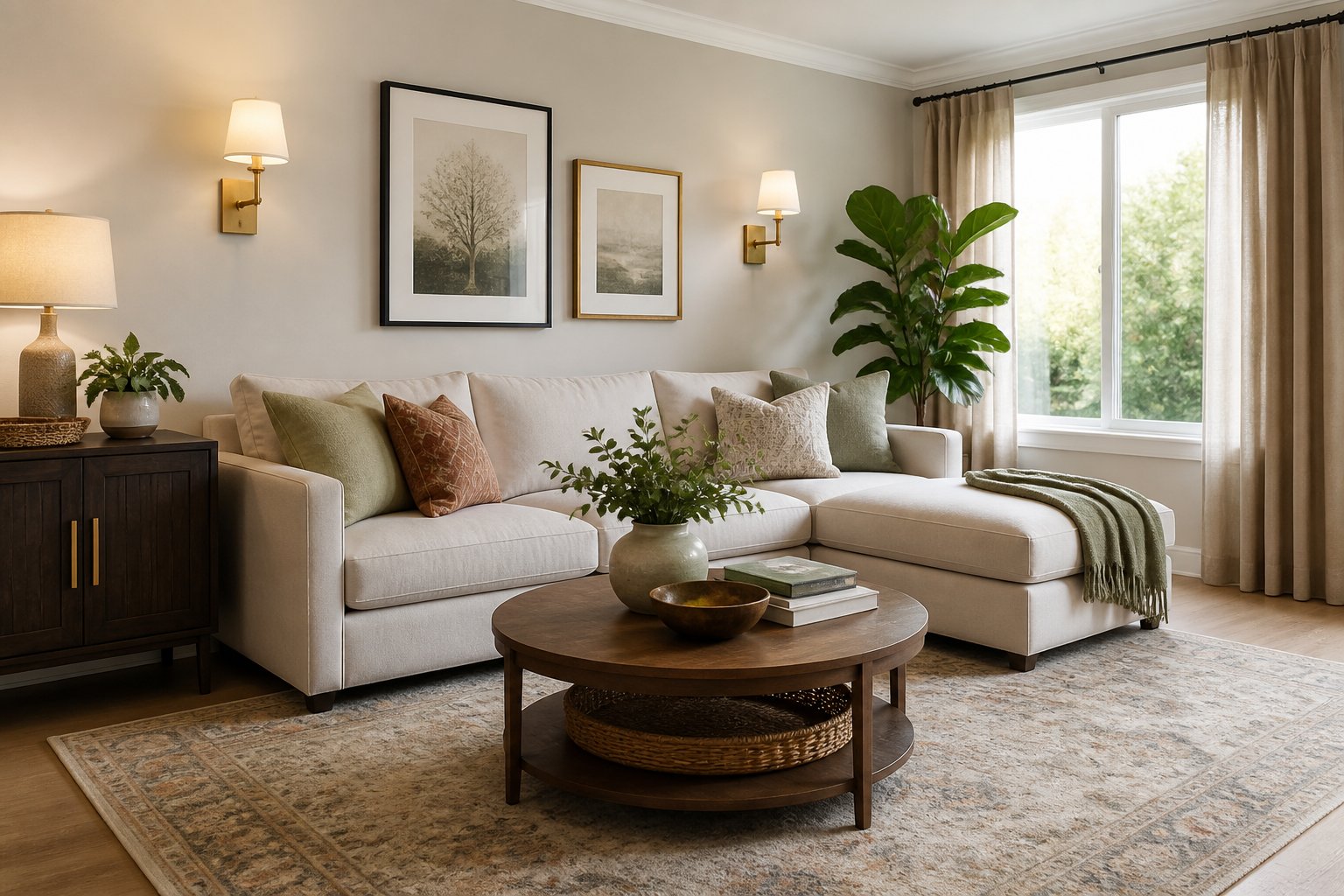
Seven small swaps — new cabinet hardware, fresh textiles, a statement mirror, warmer lighting, storage that looks like decor, greenery and natural materials, and a peel-and-stick accent — can transform a room over a single weekend, and most cost far less than a remodel. None of them require permits, and most are renter-friendly enough to undo when you move.
We've watched these budget home updates do more for a space than people expect. Below, you'll find how each swap works, where to start when your budget is tight, and how to make small home upgrades that still look intentional.
Key Takeaways
- Small, targeted updates can refresh a room in a weekend without a contractor or a large budget.
- Hardware, textiles, mirrors, lighting, storage, plants, and peel-and-stick accents deliver the most visible change for the cost.
- Most of these swaps are reversible, which makes them a good fit for renters.
What Is a Micro-Renovation (And Why It's Trending in 2026)
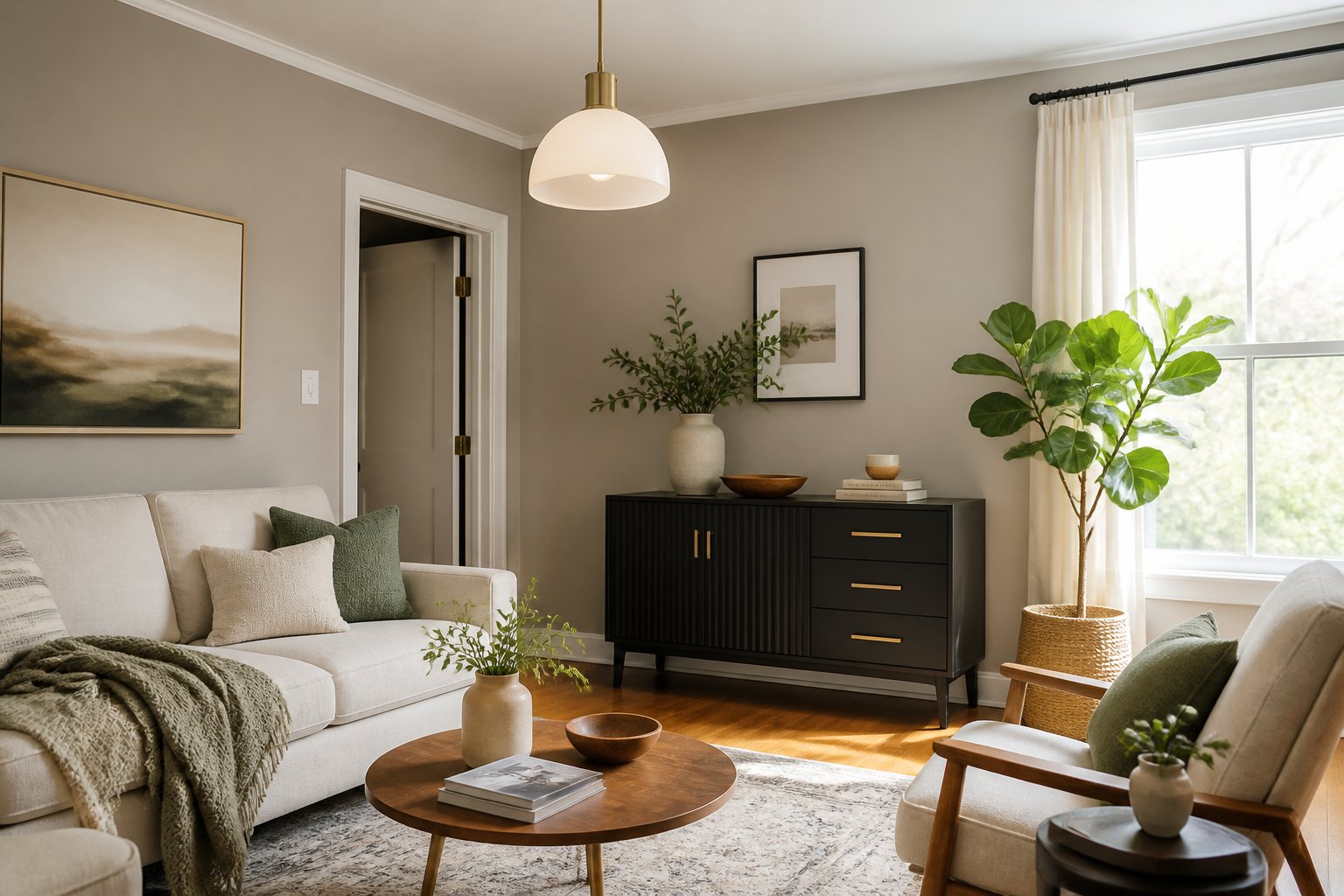
A micro renovation is a small, focused update that changes how one part of a room looks or works. No permits. No contractors. No knocking down walls.
Think of it as picking the one change that will shift how a space feels, then doing just that.
Pinterest named micro renovations a top home trend for 2026, and we're not surprised. Renovation costs have climbed noticeably over the past year, so more people are choosing to improve the home they already have.
Here's what separates a micro renovation from a full remodel:
| Micro Renovation | Full Remodel |
|---|---|
| One weekend | Weeks or months |
| Under a few hundred dollars, usually | Often five figures |
| Renter-friendly and reversible | Permanent changes |
| No contractor needed | Contractor and permits |
We love this approach because it fits real life. When you're running a household and a business, you don't have three months to live around a construction zone.
Small home upgrades also let you test your taste before committing. Swap cabinet hardware, and if you don't love the finish, you've spent very little.
Budget home updates like this work in almost any room. A small room makeover might mean new drawer pulls, a swapped light fixture, or storage that actually looks good on the counter.
The idea isn't to settle for less. It's to spend your money where it shows.
Swap 1: Update Cabinet and Drawer Hardware
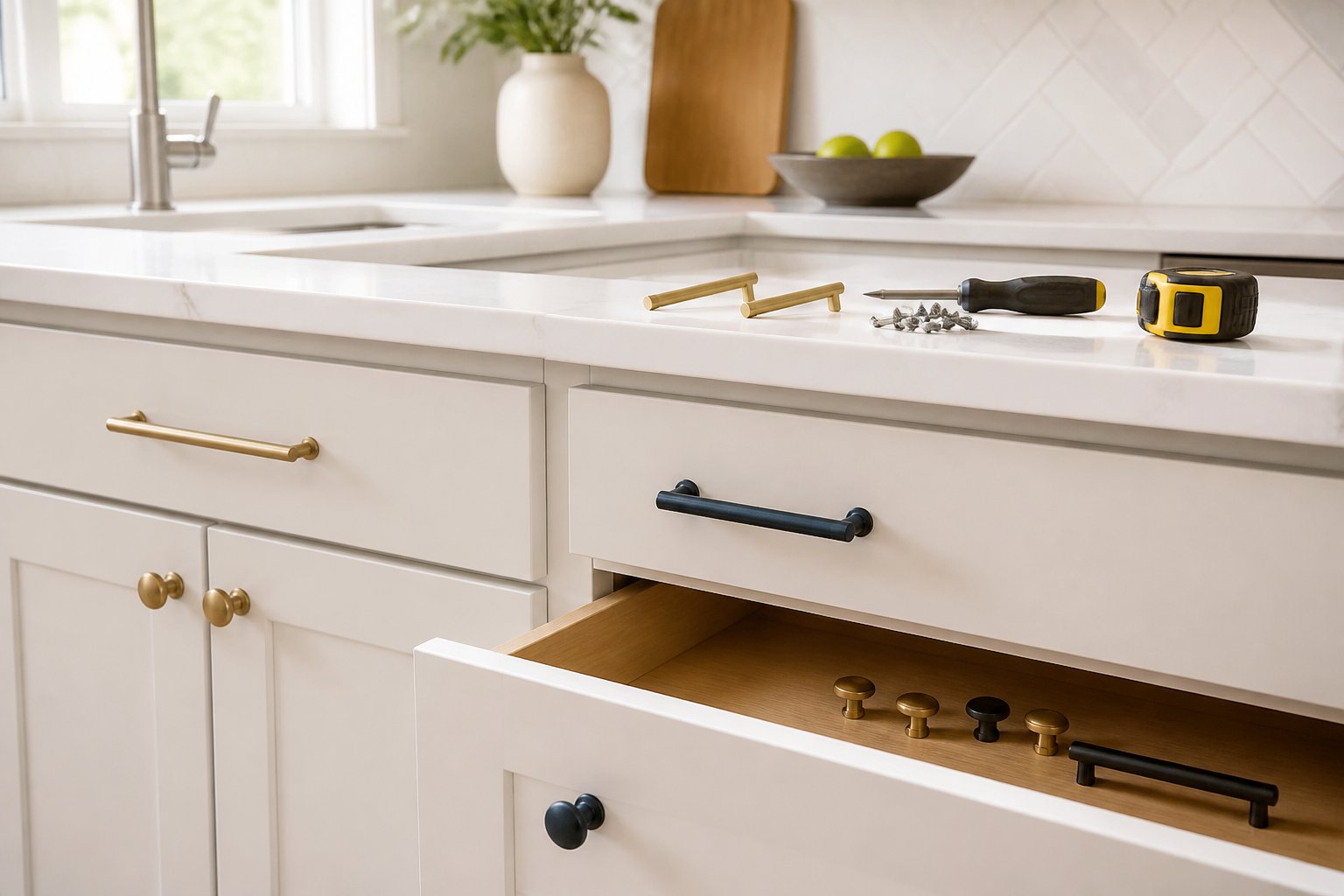
Knobs and pulls are the quickest win in any micro renovation. You can change every cabinet in a kitchen or bathroom in an afternoon, usually with one screwdriver.
We think of hardware as the jewelry of a room. Dated brass or plain builder-grade knobs can make solid cabinets look older than they are.
Before you shop, measure. Pull spacing is measured center to center between the two screw holes. Match that number and you can install new hardware in the existing holes — no drilling, no patching, no landlord conversation.
Common sizes to check for:
| Piece | Typical center-to-center |
|---|---|
| Small drawers | 3" or 3¾" |
| Standard drawers | 5" or 6⅓" |
| Wide drawers | 8" to 12" |
| Knobs | Single hole, no spacing |
A few things worth keeping in mind:
- Buy one first. Order a single pull, hold it against your cabinet, and live with it for a day.
- Mix knobs and pulls. Knobs on doors, pulls on drawers is a classic combination that reads intentional.
- Save the originals. Renters, drop the old hardware in a labeled bag so you can reinstall it later.
- Check your finish. Matte black, brushed nickel, and warm brass all work, but pick one and repeat it.
Most sets run a few dollars per piece, which makes this one of the more affordable budget home updates on our list.
Swap 2: Refresh Textiles—Pillows, Throws, and Linens
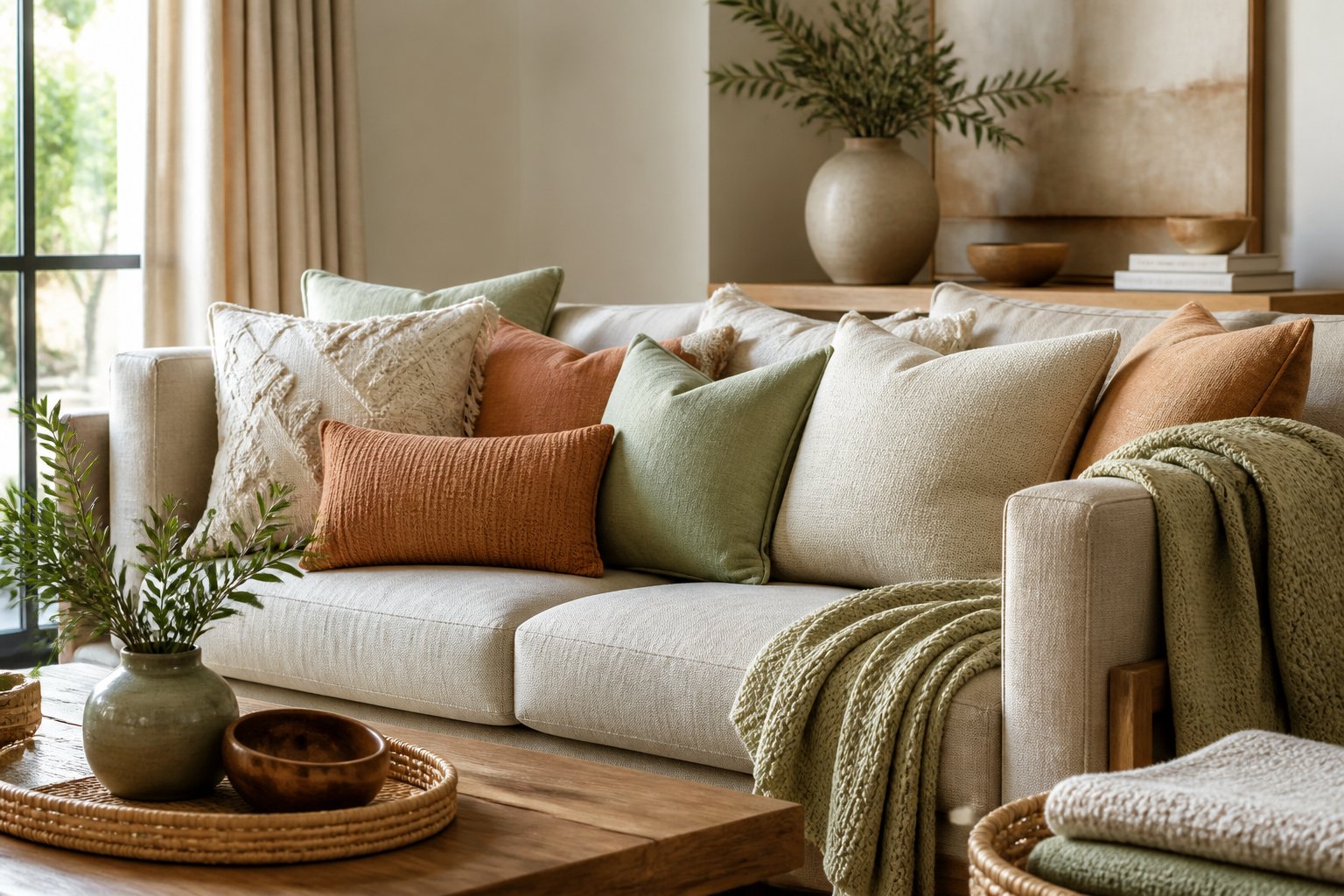
Fabric is the fastest way to change how a room feels. You don't need paint, tools, or a landlord's permission — just a few new pieces and about an hour.
We think of textiles as the easiest entry point into any micro renovation. Swap the pillow covers, fold a new throw over the chair, change the curtains, and the whole space reads differently.
Start with what touches the eye first:
- Pillow covers — buy covers instead of whole pillows and keep the same inserts
- Throws — drape one over a sofa arm or the foot of the bed
- Curtains — hang the rod higher and wider than the window to make walls feel taller
- Rugs — a small flat-weave layered over carpet defines a seating area
- Bedding — a lighter duvet cover shifts a bedroom in minutes
Season matters more than trend. Heavy velvet and chunky knits feel right in January and out of place in June, so rotate them the way you rotate a coat closet.
| Cool months | Warm months |
|---|---|
| Velvet, wool, flannel | Linen, cotton, percale |
| Deep rust, forest, charcoal | Clay, sage, sand, cream |
| Layered throws | One light throw |
Keep a bin under the bed for off-season pieces. Storing them properly means you're re-styling, not re-buying — one of the most practical budget home updates we know.
Stick to two or three colors and vary the texture instead. That's what makes a small room makeover look considered rather than crowded.
Swap 3: Add a Statement Mirror to Open Up the Room
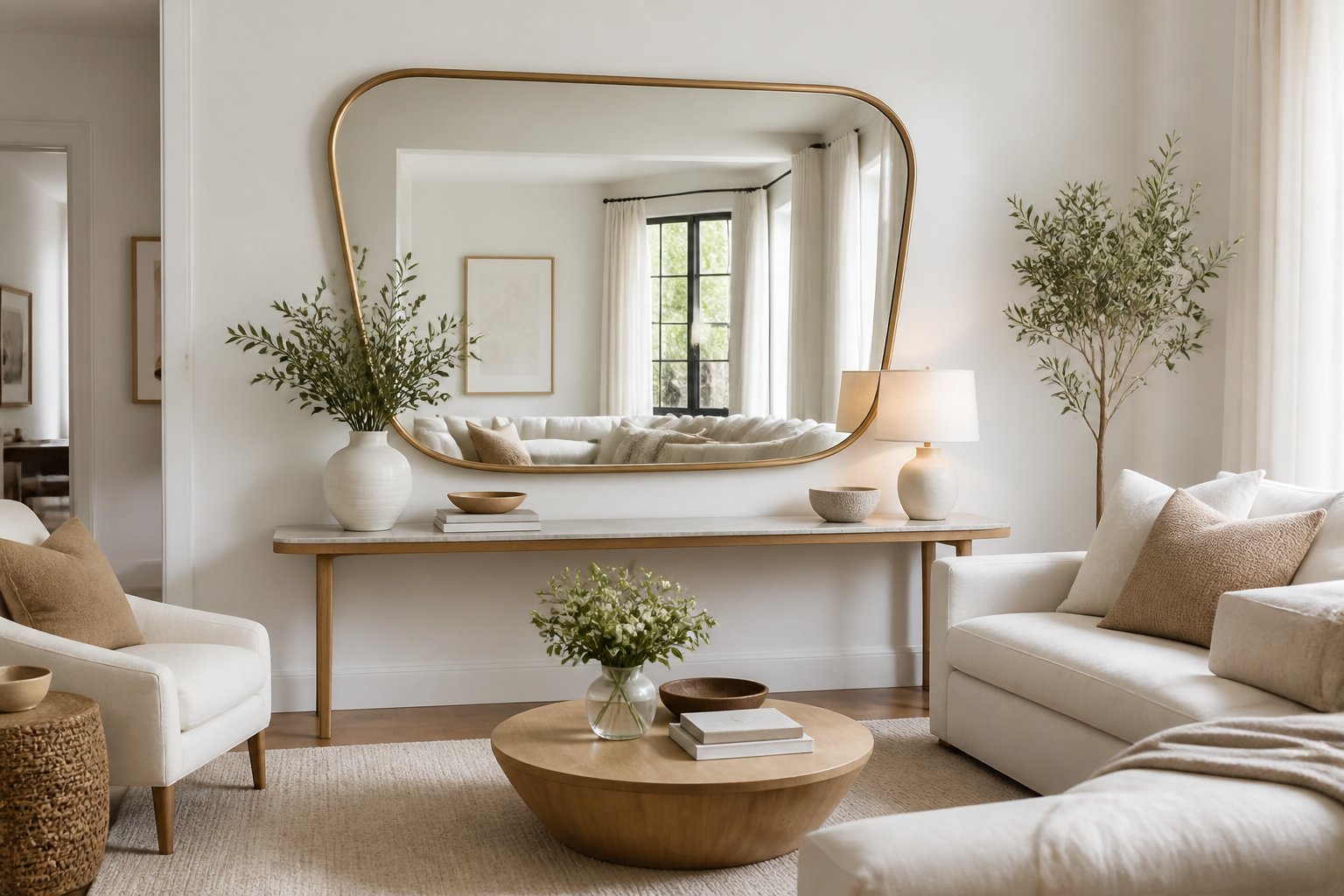
A large mirror is one of the fastest ways to change how a room feels. It reflects light, adds depth, and works as art at the same time.
We reach for this trick often in a small room makeover because it costs less than paint and takes about an hour to hang.
Where to place your mirror:
| Placement | What it does |
|---|---|
| Across from a window | Bounces daylight deeper into the room |
| Behind a lamp or candles | Doubles the glow at night |
| In a narrow hallway | Makes the space feel wider |
| Above a console or sofa | Creates a clear focal point |
Size matters more than style. A mirror that's too small can look lost on a big wall, so aim for one that covers roughly two-thirds the width of the furniture below it.
Renting? A tall leaning mirror needs no nails at all. Just rest it against the wall and use a safety strap or anchor kit to keep it steady.
Frames are where your personality shows up. Try warm brass for a soft, classic look, black metal for something more graphic, or arched shapes to add a little curve to a room full of straight lines.
Thrift stores and marketplace listings are worth checking here. Older mirrors often have better frames, and a coat of spray paint can update one in an afternoon.
Grouping three or four smaller mirrors works too, especially if you already own them. It's a simple way to transform a room without buying anything new.
Swap 4: Layer in Warm, Adjustable Lighting
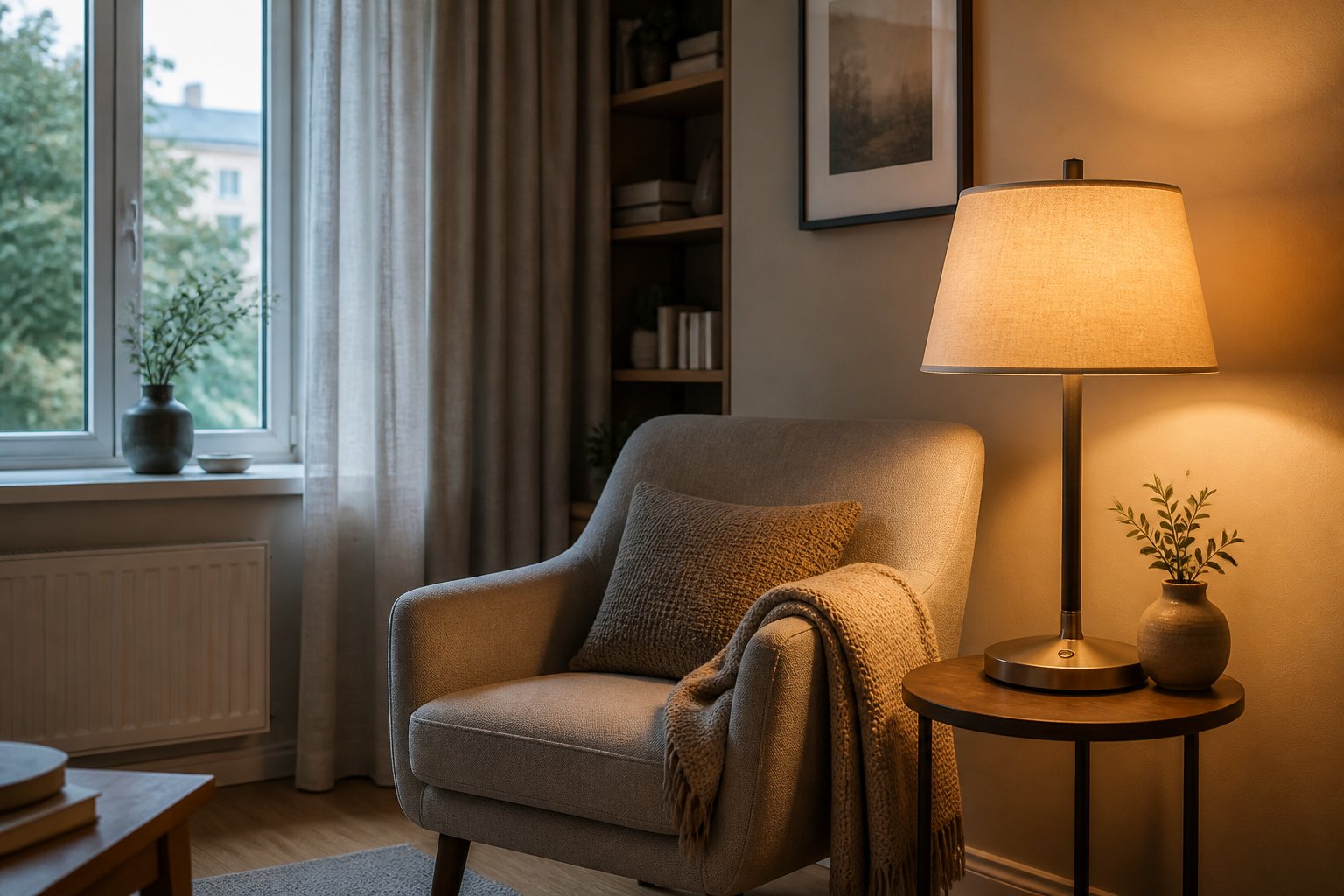
One ceiling light doing all the work is the fastest way to make a room feel flat. The fix is lighting in layers, and it's one of the easiest micro renovation moves you can finish in an afternoon.
We think of lighting in three jobs:
| Layer | What it does | Easy options |
|---|---|---|
| Ambient | Fills the room with general light | Ceiling fixture, plug-in floor lamp |
| Task | Helps you read, cook, or work | Desk lamp, under-cabinet strip light |
| Accent | Highlights art, plants, or shelves | Small table lamp, clip-on spotlight |
Aim for at least three light sources in a room. Place them at different heights so the light feels even instead of harsh.
Next, check your bulbs. Cool white bulbs at 5000K and up read as office lighting, while 2700K to 3000K warm white feels softer and more relaxed.
Swapping bulbs costs very little, and it's one of those budget home updates that changes the mood of a space right away.
Then add control. Dimmable bulbs, plug-in dimmers, and smart plugs let you turn the brightness down at night without any wiring work.
Renting? Stick with plug-in lamps, battery-powered puck lights, and adhesive strip lights. No drilling, no landlord conversation.
For a small room makeover, skip one large fixture and use two or three smaller lights instead. The layered glow adds depth and makes tight square footage feel more open.
Swap 5: Declutter and Add Smart Storage That Doubles as Decor
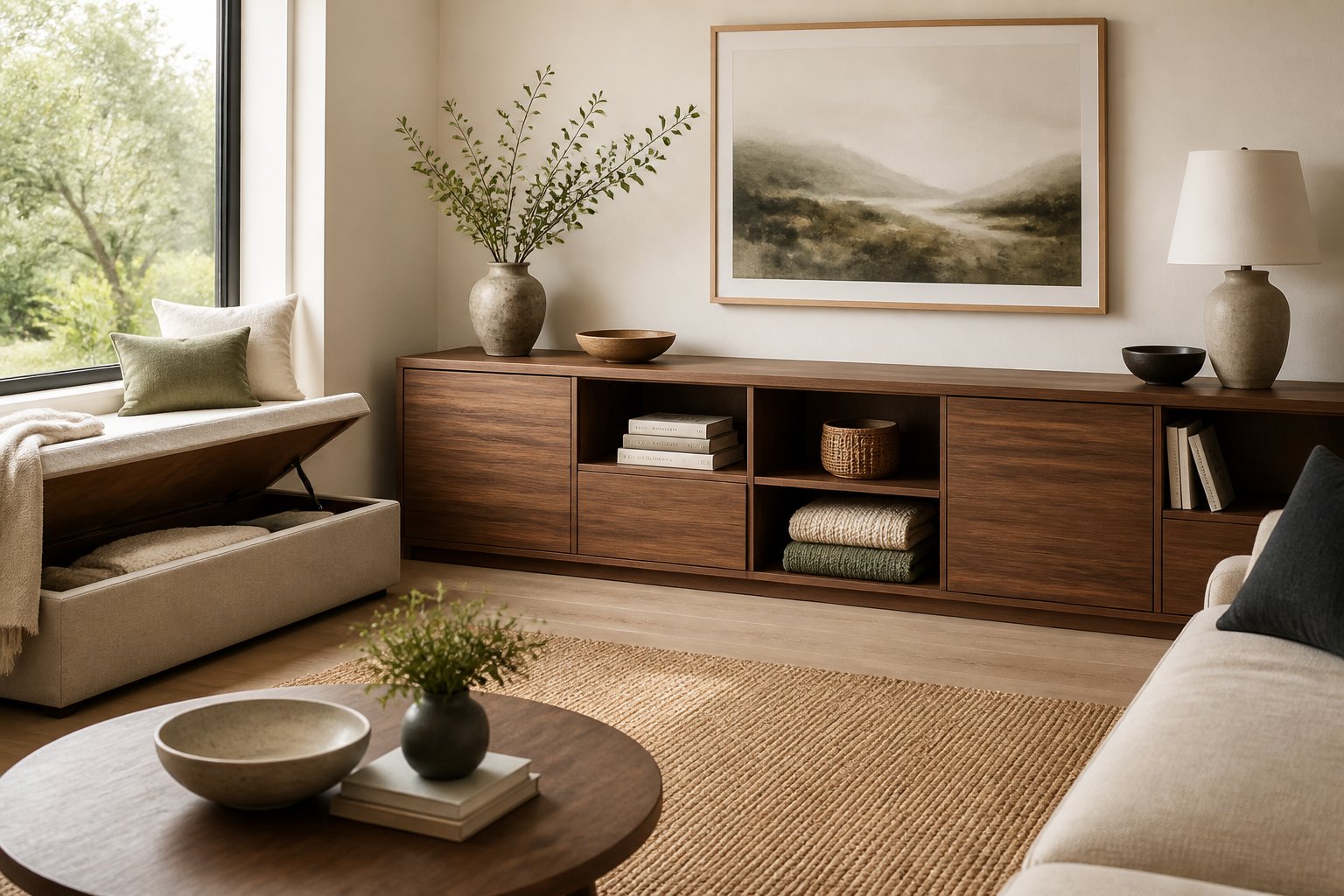
Clutter makes a room feel smaller than it is. Before you buy a single bin, clear one surface completely and see how much lighter the space feels.
That's the starting point for this micro renovation. Once you know what actually needs a home, you can choose storage that looks good sitting out in the open.
Start with a quick edit:
- Pull everything off one counter, shelf, or table
- Sort into keep, relocate, and donate
- Return only what you use weekly
- Give the leftovers a designated container
We think of storage as part of the decor, not a workaround for it. A rotating countertop organizer keeps oils, spices, or brushes within reach while taking up a small footprint.
Woven storage baskets soften hard corners and hide the things you'd rather not display. Decorative bins on open shelving create a repeating shape that makes a busy shelf look intentional.
| Where clutter builds | What helps |
|---|---|
| Kitchen counter | Rotating organizer, tiered tray |
| Entryway | Lidded basket, wall hooks |
| Living room | Storage ottoman, matching bins |
| Bathroom | Drawer dividers, small canisters |
One tip: stick to two or three materials across a room. Matching baskets and bins read as a design choice, while mismatched containers read as storage.
This is one of the most affordable small home upgrades on the list. You can transform a room in an afternoon, and nothing here requires a drill or a landlord's approval.
Swap 6: Bring in Greenery and Natural Materials
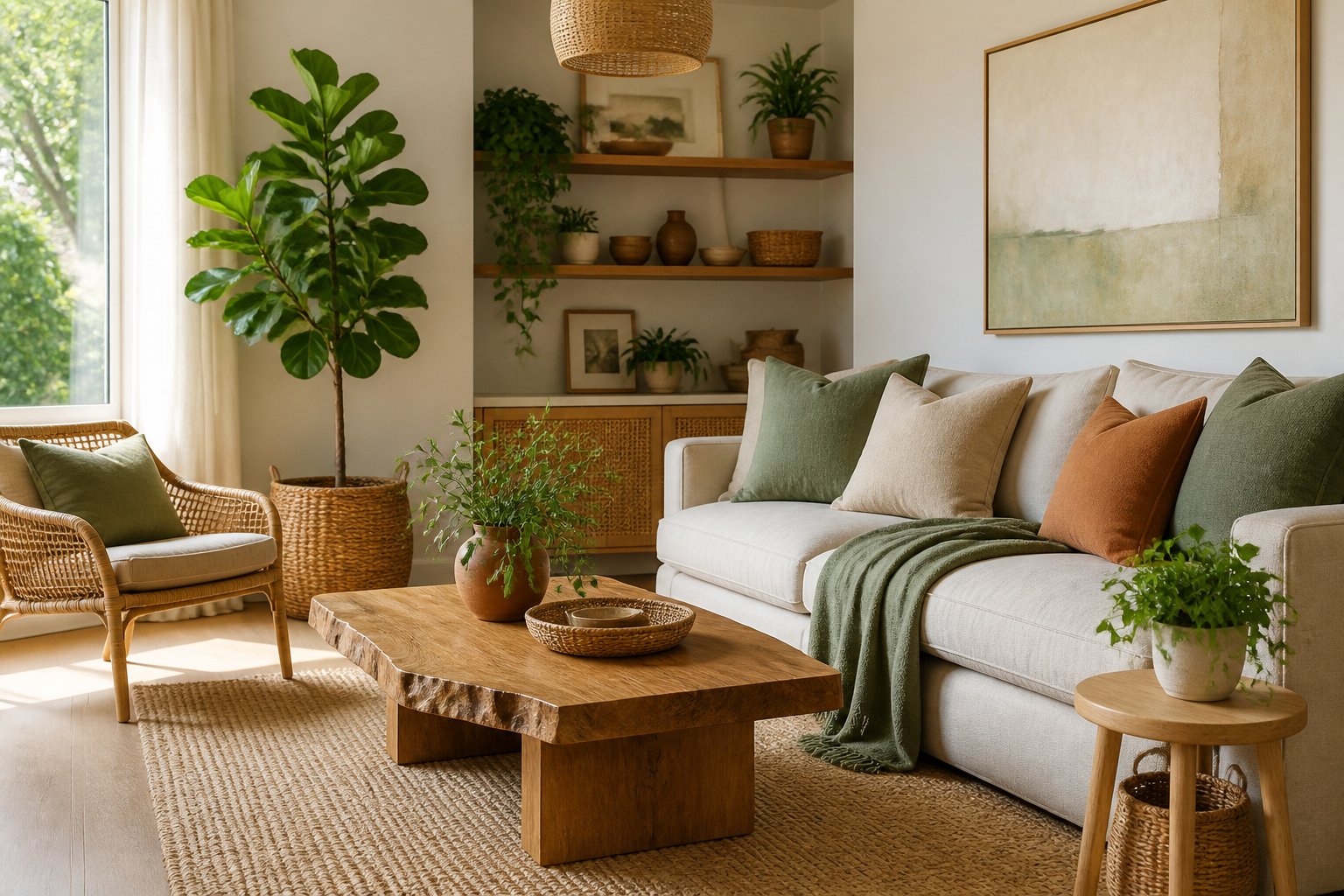
Plants and natural textures are one of the fastest ways to transform a room without touching a wall. They add color, softness, and a little life to spaces that feel flat.
We suggest starting with two or three plants instead of ten. A pothos on a shelf, a snake plant in a corner, and a small herb pot by the kitchen sink cover a lot of ground.
Low-effort plant picks:
| Plant | Light | Why it works |
|---|---|---|
| Snake plant | Low to bright | Hard to overwater |
| Pothos | Low to medium | Trails nicely off shelves |
| ZZ plant | Low | Handles missed watering |
| Basil or mint | Sunny window | Useful while you cook |
If you travel often or your space gets little light, good-quality faux stems in a ceramic vase still do the job.
Natural materials matter just as much. Think wood cutting boards left out on the counter, a jute rug under the coffee table, linen curtains, or woven storage baskets that hide clutter while looking intentional.
Mixing textures is the trick. Pair smooth stone or ceramic with something rough, like rattan or raw wood, so the room feels layered instead of matched.
These are budget home updates you can finish in an afternoon. Most cost under $30 each, and nothing needs to be installed — which makes them some of the easiest small home upgrades for renters.
Swap 7: Add a Peel-and-Stick Accent (Backsplash or Wallpaper)
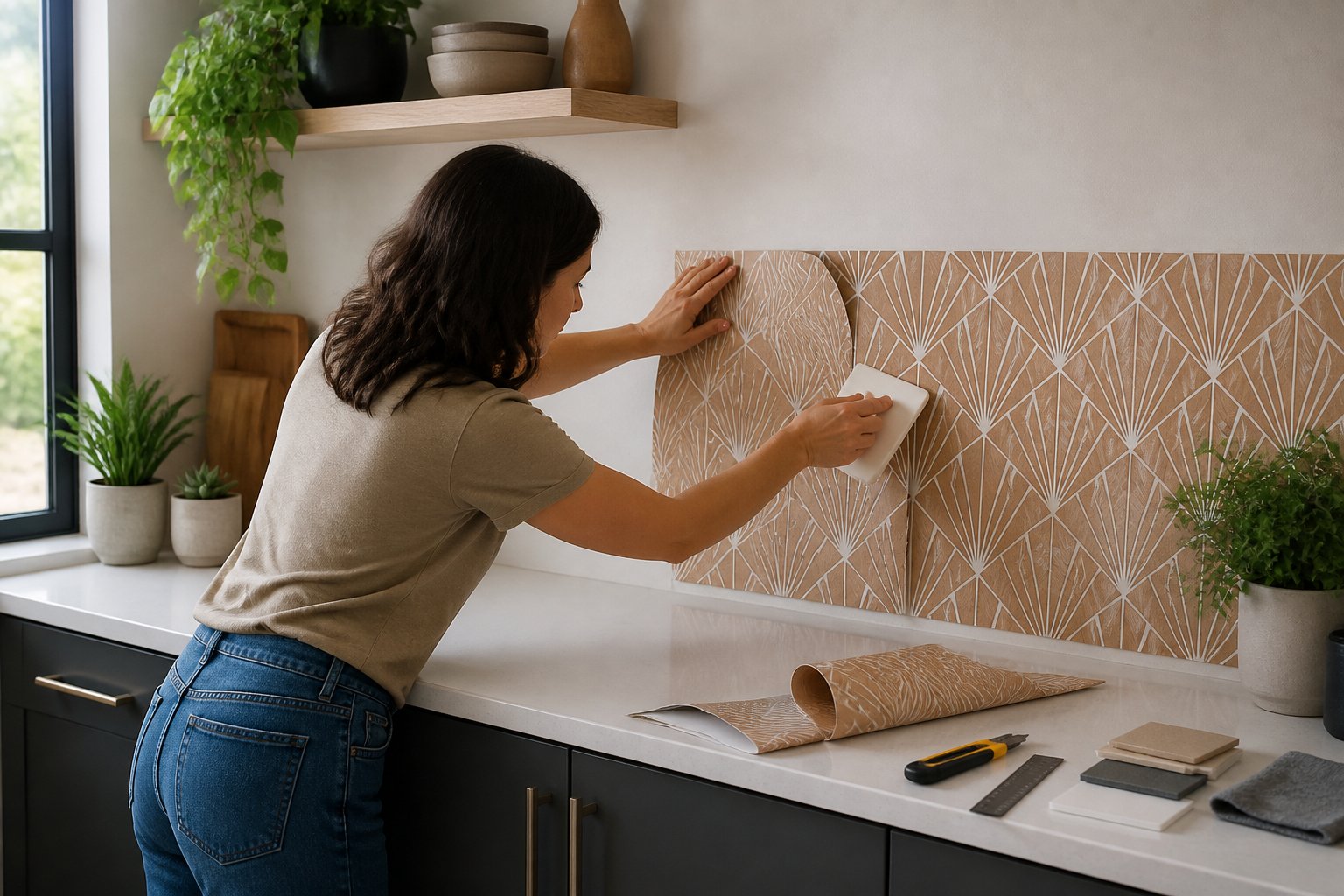
Peel-and-stick is the fastest way to transform a room without paint, grout, or a landlord conversation. You measure, cut, press, and smooth. That's it.
We like it best in two spots: behind the stove or sink as a backsplash, and on one wall as an accent.
Here's how the two options compare:
| Option | Best For | Time Needed |
|---|---|---|
| Peel-and-stick tile | Kitchen backsplash, bathroom vanity wall | 2–4 hours |
| Peel-and-stick wallpaper | Accent wall, office nook, dresser fronts | Half a day |
A few tips that make the difference between fine and finished:
- Clean the surface first. Wipe away grease and dust, then let it dry fully.
- Work in small sections. Peel back a few inches of backing at a time instead of the whole sheet.
- Use a squeegee or ruler. Smooth from the center out to push bubbles toward the edge.
- Check your pattern match before you commit to the second panel.
Don't overlook the small surfaces. Wallpaper works on the back of a bookshelf, inside cabinet doors, or on a plain dresser front — all easy small home upgrades that cost very little.
For renters, look for products labeled removable and test one piece in a low-visibility corner first. Most peel away cleanly, but wall paint and age both play a role.
This is the micro renovation that gives you the biggest visual return for the smallest budget.
How to Prioritize Your Swaps on a Budget
You don't need to tackle all seven swaps at once. The smartest micro renovation starts with the change you'll notice every single day.
Here's how we rank projects when the budget is tight:
1. Fix what bothers you daily. If you trip over shoes at the door or fight a crowded counter every morning, start there. Storage solves a real problem and looks good doing it — rotating countertop organizers, woven storage baskets, and decorative bins work as quiet decor while they cut clutter.
2. Then go for visual impact. Paint, lighting, and textiles change how a room reads for very little money.
3. Save the details for last. Hardware, art, and small accessories are the finishing touches, not the foundation.
| Swap | Typical Cost | Time Needed |
|---|---|---|
| Throw pillows & textiles | $30–$80 | 1 hour |
| Countertop & shelf organizers | $25–$100 | An afternoon |
| Paint (one wall or accent) | $40–$70 | A weekend |
| Cabinet or drawer hardware | $30–$120 | 2–3 hours |
| Light fixture or lamp swap | $50–$200 | 1–2 hours |
A quick tip: set a total number before you shop. Even $150 spread across two small home upgrades can transform a room when you spend it on purpose.
Renting? Stick with swaps you can undo — removable hooks, freestanding storage, and plug-in lighting keep your deposit safe.
Track what you spend. Budget home updates work best when you can see where the money went.
Renter-Friendly Micro-Renovation Tips
Renting doesn't mean settling for beige walls and builder-grade hardware. Almost every micro renovation we love is reversible, which means you can transform a room now and return it to its original state when your lease ends.
The rule we follow: keep the original parts in a labeled box. Cabinet knobs, shower heads, and switch plates all go back on in an afternoon.
Here's where to start with budget home updates that leave no trace:
| Swap | Renter-Friendly Option | Save the Original? |
|---|---|---|
| Walls | Peel-and-stick wallpaper or removable wall decals | No removal needed |
| Cabinet hardware | New knobs and pulls in the same screw spacing | Yes |
| Lighting | Plug-in sconces, battery puck lights, rechargeable lamps | Yes |
| Floors | Large area rugs or peel-and-stick vinyl tiles | Yes |
| Fixtures | A new shower head that screws on by hand | Yes |
Storage is our favorite small room makeover, because it works twice as hard. A rotating countertop organizer clears your prep space and looks intentional next to the stove.
Woven storage baskets on open shelving hide the mess you'd rather not display. Decorative bins under a console table do the same in an entryway.
Check your lease before you drill anything, and test adhesive strips on a small hidden spot first. Some paint finishes lift more easily than others.
Small home upgrades like these usually cost less than one weekend of takeout, and you take most of them with you when you move.
Conclusion
You don't need a demolition crew to change how a room feels. A micro renovation works because it targets the details you touch and see every day — the hardware, the light, the clutter on your counter.
Start with one swap this weekend. Pick the change that bothers you most, finish it, then move to the next.
Here's a simple order we like for a small room makeover:
| Order | Swap | Why it's first |
|---|---|---|
| 1 | Storage and organization | Clears the visual noise so everything else shows |
| 2 | Lighting or bulbs | Changes the mood of the whole room |
| 3 | Hardware and small fixtures | Low cost, quick payoff |
| 4 | Textiles and art | Adds color and personality last |
Storage deserves that top spot. A rotating countertop organizer, a set of storage baskets, or a few decorative bins can do real work while still looking like part of your decor.
Most of these budget home updates are renter-friendly. Keep the original hardware in a labeled bag, and you can put things back exactly as you found them.
A few reminders as you go:
- Measure before you buy anything.
- Stick to one or two finishes per room.
- Buy one item first and live with it for a few days.
Small home upgrades add up. Give yourself a weekend, a short list, and permission to stop when the room feels right — that's usually all it takes to transform a room you already have.
Frequently Asked Questions
A micro renovation works because it changes what you touch and see most: hardware, light, paint, textiles, and storage. Below are answers to the questions we hear most about budget home updates, from what to swap first to how much to spend.
What are the most effective small changes for transforming a room?
Start with the things your eye lands on first. New cabinet or drawer hardware, a warmer light bulb, and fresh textiles usually give you the biggest visual change for the least money.
After that, look at your walls and your clutter. Painting one wall or a single piece of furniture resets the whole color story, and moving daily clutter into storage baskets or decorative bins makes a room read as finished.
Here are the swaps we come back to again and again:
- Hardware: knobs, pulls, and switch plates
- Lighting: bulb temperature, shades, plug-in sconces
- Textiles: pillow covers, a rug, curtains hung higher
- Storage: rotating countertop organizers, lidded bins, woven baskets
- Paint: one accent wall, a vanity, or a bookshelf back panel
How can I update a living room without a full renovation?
Rearrange before you buy anything. Pull the sofa a few inches off the wall, angle a chair toward the window, and see what the room needs once the layout works.
Then layer in soft changes. Swap pillow covers instead of buying new pillows, add a rug that fits under the front legs of your seating, and hang curtain rods closer to the ceiling so the windows look taller.
Finish with light and storage. Two lamps at different heights feel calmer than one ceiling fixture, and a set of matching bins on the shelf hides remotes, cords, and kid clutter while still looking intentional.
Which affordable upgrades make a room look more polished?
Consistency does most of the work. When your metals match, your light bulbs are the same color, and your storage containers share a finish, a small room makeover starts to look designed instead of collected.
A few specifics that read as polished:
- Replace mismatched hardware with one finish throughout the room.
- Switch to bulbs in the 2700K to 3000K range for a warm, even glow.
- Add a tray on the coffee table or counter to group small items.
- Choose closed storage for anything visually busy, open baskets for the rest.
- Hang art at eye level, about 57 to 60 inches to the center.
What is the 30% rule for renovation budgeting?
The 30% rule is a planning habit, not a law. Many contractors and designers suggest adding about 30% to your renovation budget as a cushion for surprises, delays, and price changes.
For a micro renovation, that cushion still helps. If you plan to spend $200 on a bathroom refresh, set aside about $60 more for the paint you underestimated, the second set of knobs, or the bin size that fits better than the one you guessed.
Some people also use 30% differently, as a cap on how much of a room's value they'll put into cosmetic work. Either way, the point is the same: leave room in the number.
Can I redesign a room using a photo or a free app?
Yes, and it's a smart step before you spend. Take a photo of the room in daylight, then look at it on your phone. Problems like a too-small rug or crowded surfaces show up faster in a picture than in person.
Free tools help you test ideas. Some apps let you paint walls virtually, drop in furniture at real scale, or generate design options from your own photo. Paint brands offer color visualizers, and floor plan apps let you sketch a layout in a few minutes.
Just check measurements yourself. Apps estimate scale, so a tape measure is still the deciding vote on whether that console fits.
How do lighting, hardware, and paint affect a room's overall look?
Lighting sets the mood, and it changes how every other color in the room reads. Cool, bright bulbs make paint look flat and gray, while warmer bulbs bring out the depth in wood, tile, and fabric.
Hardware works like jewelry. Small home upgrades like brass pulls on a plain cabinet or a longer handle on a drawer front make builder-grade pieces look custom, and most swaps take a screwdriver and a few minutes.
Paint is the least expensive way to transform a room. One quart can cover a vanity, a bookcase, or an accent wall — enough to reset the entire color story of a space for well under $50. Together, these three work as a set: warm light, one consistent metal finish, and a fresh coat of paint will make almost any room feel considered, even before you touch the furniture or decor.