


How Your Kitchen Setup Affects Your Motivation to Cook
June 24, 2026
Your kitchen setup has a direct impact on whether you want to cook or avoid it entirely. When your cooking space is cluttered, poorly organized, or missing essential tools, it creates mental friction that makes cooking feel like a chore instead of an enjoyable activity. The layout of your counters, how you store your ingredients, and even the lighting in your space all play a role in whether you feel motivated to prepare a meal.
Think about the last time you wanted to cook but gave up before starting. You might have blamed it on being too tired or lacking inspiration. But the real problem could have been that your spatula was buried in a drawer, your cutting board had nowhere to go, or your pantry was so disorganized you couldn't find what you needed.
The good news is that small changes to your kitchen can make cooking feel easier and more appealing. By understanding which elements of your setup matter most, you can create a space that works with you instead of against you.
Core Elements of an Inspiring Kitchen
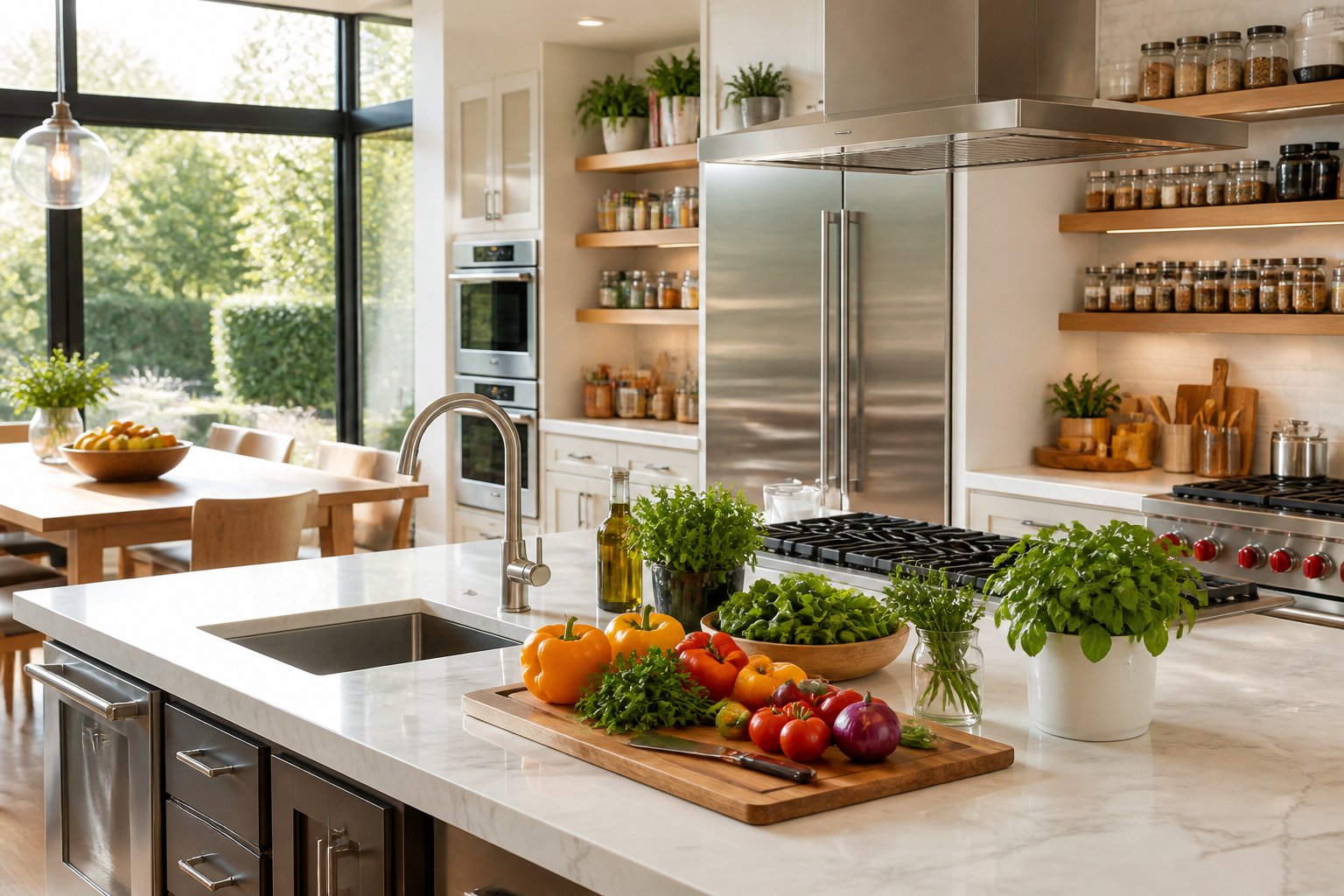
The physical setup of your kitchen directly influences how willing you are to start cooking. Three main factors create a space that either encourages or discourages meal preparation.
Layout and Work Flow Optimization
Your kitchen's layout determines how much energy you spend moving between tasks. The work triangle—the path between your stove, sink, and refrigerator—should measure between 12 and 26 feet total. When these distances are too long, you waste time and energy walking back and forth.
Place your most-used items within the zones where you actually use them. Store pots near the stove and knives near your main cutting surface. This reduces the mental effort needed to complete basic cooking tasks.
Counter space matters more than you might think. You need at least 36 inches of continuous counter space for prep work. Without enough room to work, you'll feel cramped and frustrated before you even start cooking.
Organization and Accessibility of Tools
An organized kitchen reduces the mental energy needed to find what you need. When you can't locate a specific tool or ingredient quickly, your motivation drops.
Store items based on how often you use them:
- Daily items: Front of cabinets at eye level
- Weekly items: Lower shelves or back of main cabinets
- Rarely used: Top shelves or harder-to-reach spaces
Clear containers for dry goods like rice, pasta, and flour help you see what you have at a glance. You won't buy duplicates or wonder what's available. Labels on containers and shelf edges make finding ingredients faster.
Group similar items together. Keep all baking supplies in one area and cooking oils in another. This creates predictable patterns that your brain can follow without extra thought.
Lighting and Ambience
Poor lighting makes cooking harder and less appealing. You need bright task lighting over work areas—at least 50 lumens per square foot for counters and the stove. Under-cabinet lights eliminate shadows on your workspace.
Natural light affects your mood and energy levels. If your kitchen has windows, keep them unblocked during the day. The connection to outside light makes the space feel more open and pleasant.
Ambient lighting sets the overall mood of your kitchen. Warm light (2700-3000K) creates a comfortable atmosphere that makes you want to spend time cooking. Cool light (4000K+) works better for detailed tasks but feels less inviting for casual cooking.
Impact of Personalization and Maintenance
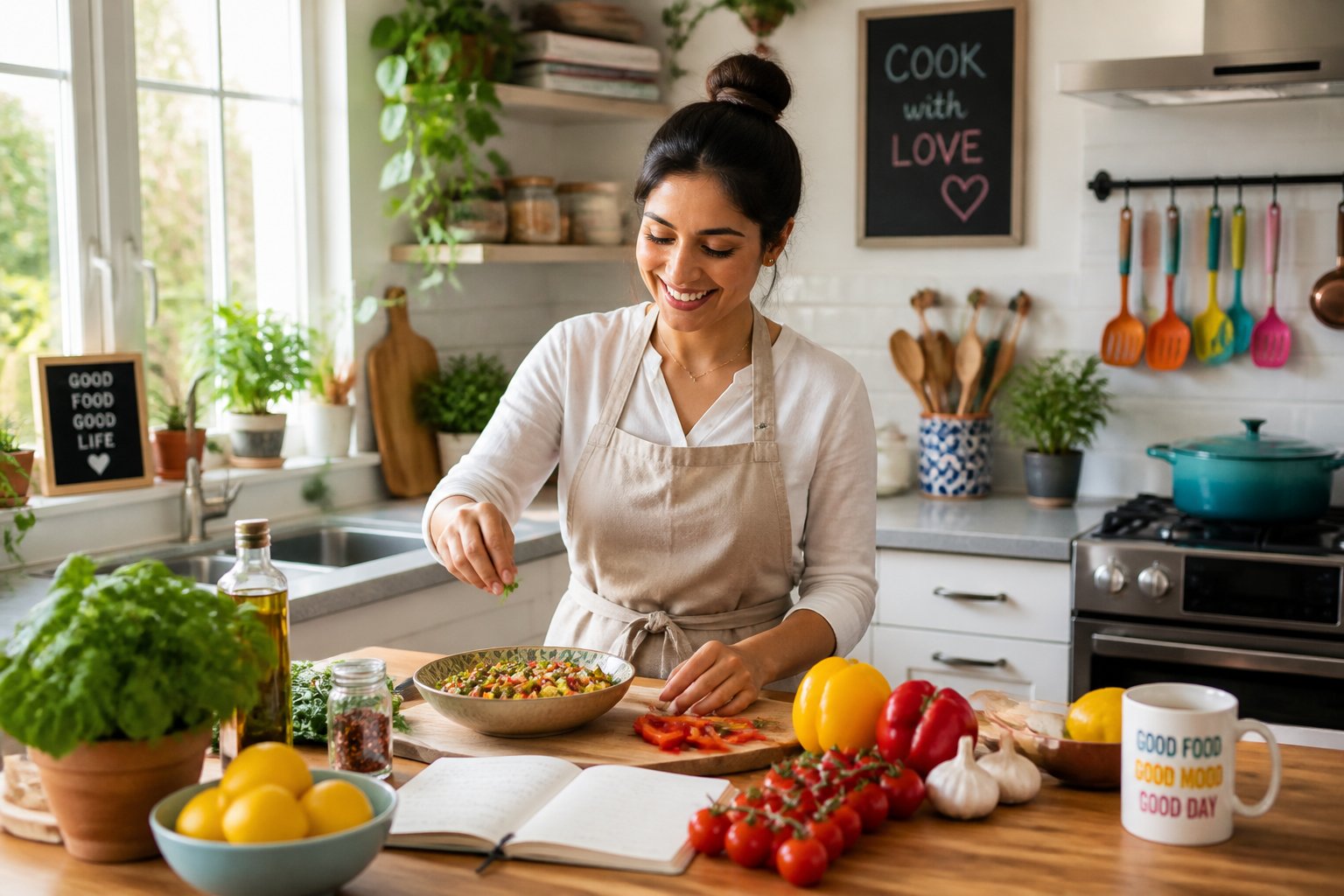
Your kitchen reflects your personal style and how well you maintain it directly affects your willingness to cook. When you customize your space and keep it clean, you remove mental barriers that make cooking feel like a chore.
Decor and Color Influence on Mood
The colors you choose for your kitchen walls and decor change how you feel when you walk into the space. Warm colors like yellow and orange can energize you and make meal prep feel more inviting. Cool colors like blue and green create a calm atmosphere that helps you focus on cooking tasks.
Your decorative choices send signals to your brain about whether cooking is worth the effort. When your kitchen feels dark or lacks personal touches, you're less likely to spend time preparing meals. Adding items that match your personality makes the space feel more welcoming.
Consider these mood-boosting elements:
- Plants or fresh herbs on the counter
- Artwork that makes you smile
- Open shelving displaying your favorite dishes
- Natural lighting or warm light bulbs
Cleanliness and Upkeep
A cluttered or dirty kitchen creates mental resistance before you even start cooking. Your brain sees the mess as an extra task to complete, which drains your motivation.
Dirty counters, full sinks, and overflowing trash bins add cognitive load to your cooking process. You have to clean before you can begin, which makes simple meals feel overwhelming. This explains why you might choose takeout even when you have ingredients at home.
Regular maintenance keeps your kitchen ready for action. Wiping surfaces daily, doing dishes right away, and organizing as you go reduces friction. When your space is clean, you can start cooking immediately without feeling stressed.
Incorporating Motivational Touches
Small personal additions to your kitchen make cooking feel less like a duty and more like a creative activity. Matching glass jars for storing pasta, rice, and flour create visual order that motivates you to use these ingredients. Clear containers let you see what you have, which sparks meal ideas.
Display your most-used tools where you can reach them easily. Hanging utensils on hooks or keeping wooden spoons in a crock near the stove removes extra steps from cooking. When everything has a logical home, you spend less energy searching and more energy creating meals.
Personal motivators work differently for everyone. You might enjoy a small speaker for music, a tablet holder for recipes, or a chalkboard for meal planning. These touches transform your kitchen from a generic space into your cooking zone.
Frequently Asked Questions
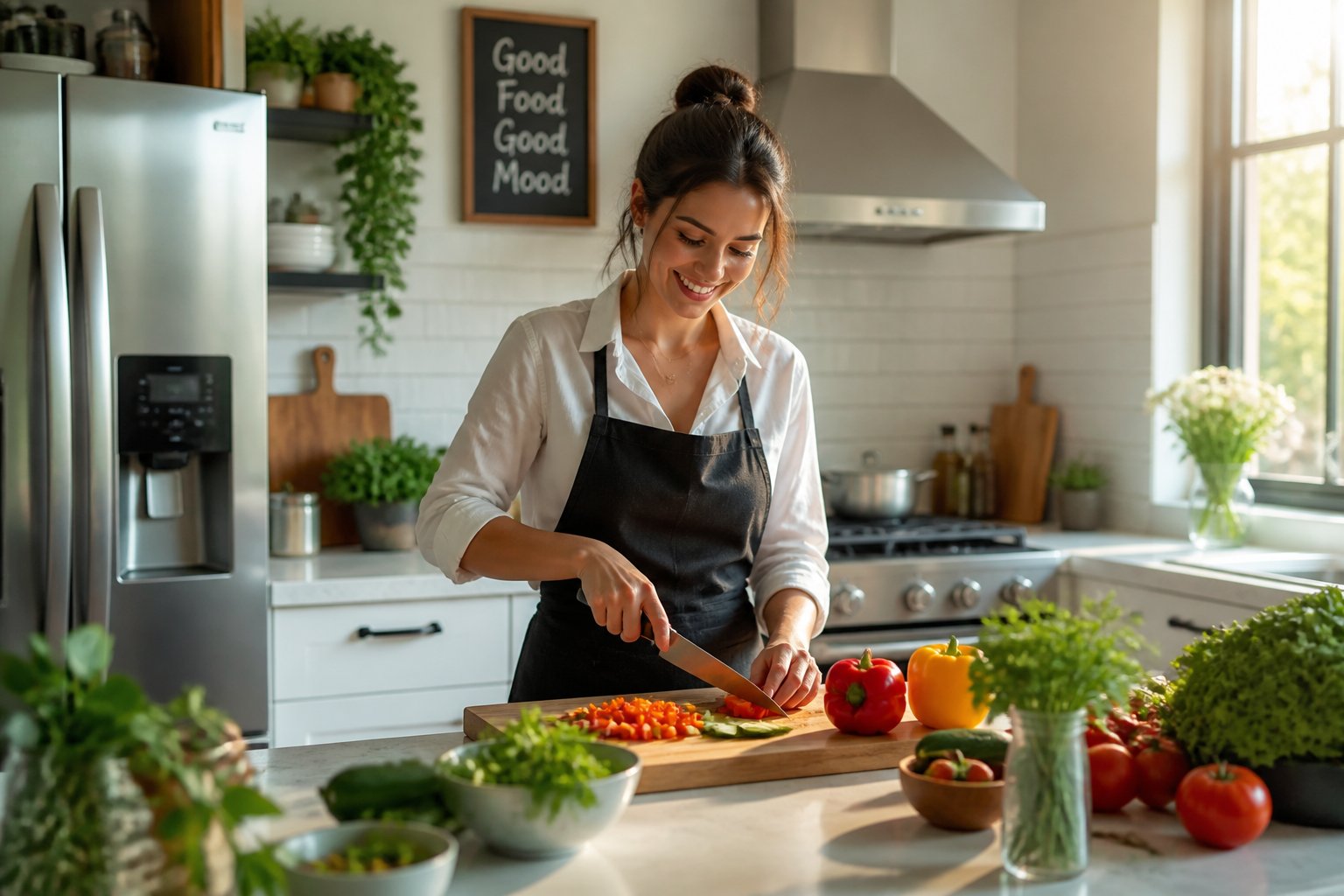
Simple changes to your kitchen can make a real difference in how often you want to cook. The right setup reduces stress, saves time, and makes meal prep feel less like work.
What kitchen layout changes make cooking feel easier and more inviting?
The work triangle is the foundation of good kitchen layout. This connects your sink, stove, and refrigerator in a triangle pattern. When these three areas sit within 4 to 9 feet of each other, you spend less time walking and more time cooking.
Keep your most-used items in easy reach. Store pots near the stove and cutting boards close to your prep area. This cuts down on unnecessary movement during cooking.
Clear pathways matter more than you might think. You need at least 42 inches of space for walkways and 36 inches between counters. This prevents you from feeling cramped while you cook.
How do countertop clutter and storage choices influence the desire to cook?
Empty counters give you space to work without feeling overwhelmed. When you see piles of mail, appliances you rarely use, or random items on your counter, your brain has to process all of that before you even start cooking.
Visual clutter creates mental obstacles. Your mind works harder when it has to look past mess to find what you need. This makes cooking feel like more effort than it actually is.
Smart storage keeps counters clear. Store small appliances in cabinets and only keep daily-use items within reach. Vertical storage like wall racks or magnetic knife strips frees up counter space.
Which tools and appliances are most important to keep cooking motivation high?
A good knife set makes prep work faster and safer. You need at least three knives: a chef's knife, a paring knife, and a serrated bread knife. Sharp knives require less force and give you better control.
Quality cutting boards protect your knives and give you stable work surfaces. Have at least two on hand so you can keep raw meat separate from vegetables.
Basic cookware includes a large skillet, a medium pot, and a baking sheet. These three items handle most home cooking tasks. When your tools work well, cooking feels less frustrating.
A food processor or blender speeds up chopping and mixing. These appliances cut your prep time significantly for tasks like mincing garlic or pureeing sauces.
How does lighting and ventilation affect comfort and willingness to cook at home?
Good lighting helps you see what you're doing. You need bright task lighting over your prep areas and stove. Dim kitchens make cooking harder and less safe.
Natural light boosts mood and energy. If your kitchen has windows, keep them clear to let in daylight. Natural light makes the space feel more welcoming.
Proper ventilation removes cooking smells and heat. A range hood that vents outside prevents your home from smelling like last night's dinner. Poor ventilation makes cooking feel unpleasant and can leave greasy residue on surfaces.
Fresh air keeps you comfortable. When your kitchen gets too hot or smoky, you'll want to leave instead of finishing your meal. Good airflow maintains a comfortable cooking environment.
What are the five key factors to consider when setting up a functional kitchen?
Storage placement determines how smoothly you work. Group items by use: baking supplies together, cooking utensils near the stove, and dishes close to where you eat.
Counter space gives you room to work. You need at least 15 inches of counter on each side of your stove and 18 inches next to your refrigerator for setting down items.
Tool accessibility saves time and frustration. Place your most-used items between shoulder and knee height. This zone is easiest to reach without bending or stretching.
Appliance organization prevents decision paralysis. Keep appliances you use daily on the counter and store occasional-use items in cabinets. This reduces visual noise.
Cleaning efficiency matters for maintenance. Position your trash and compost bins near your prep area. Easy cleanup during cooking keeps your space functional.
How can organizing pantry and fridge zones reduce decision fatigue and increase home-cooking frequency?
Zone-based organization groups similar items together. Create zones for breakfast items, snacks, baking supplies, and dinner ingredients. When everything has a specific place, you spend less mental energy finding what you need.
Clear containers let you see what you have. Transfer dry goods like rice, pasta, and flour into matching glass or clear plastic containers. This prevents you from buying duplicates and helps you track what needs restocking.
Eye-level placement works for frequently used items. Put your go-to ingredients where you can see them easily. Items you rarely use can go on higher or lower shelves.
First-in, first-out rotation prevents waste. Place newer items behind older ones so you use things before they expire. This system keeps your food fresh and reduces the guilt of throwing away spoiled ingredients.
Labeled zones speed up decision-making. When your fridge has clear sections for produce, proteins, and leftovers, you can quickly assess what meals you can make. This removes a major barrier to cooking at home.