


How to Upgrade the “Vibe” of Your Home Without Redecorating
April 15, 2026
You don't need to buy new furniture or repaint your walls to change how your home feels. Small adjustments like rearranging your lighting, decluttering surfaces, and adding different textures can completely shift your space's energy and mood. The best part is that most of these changes cost little to nothing and can be done in a single afternoon.
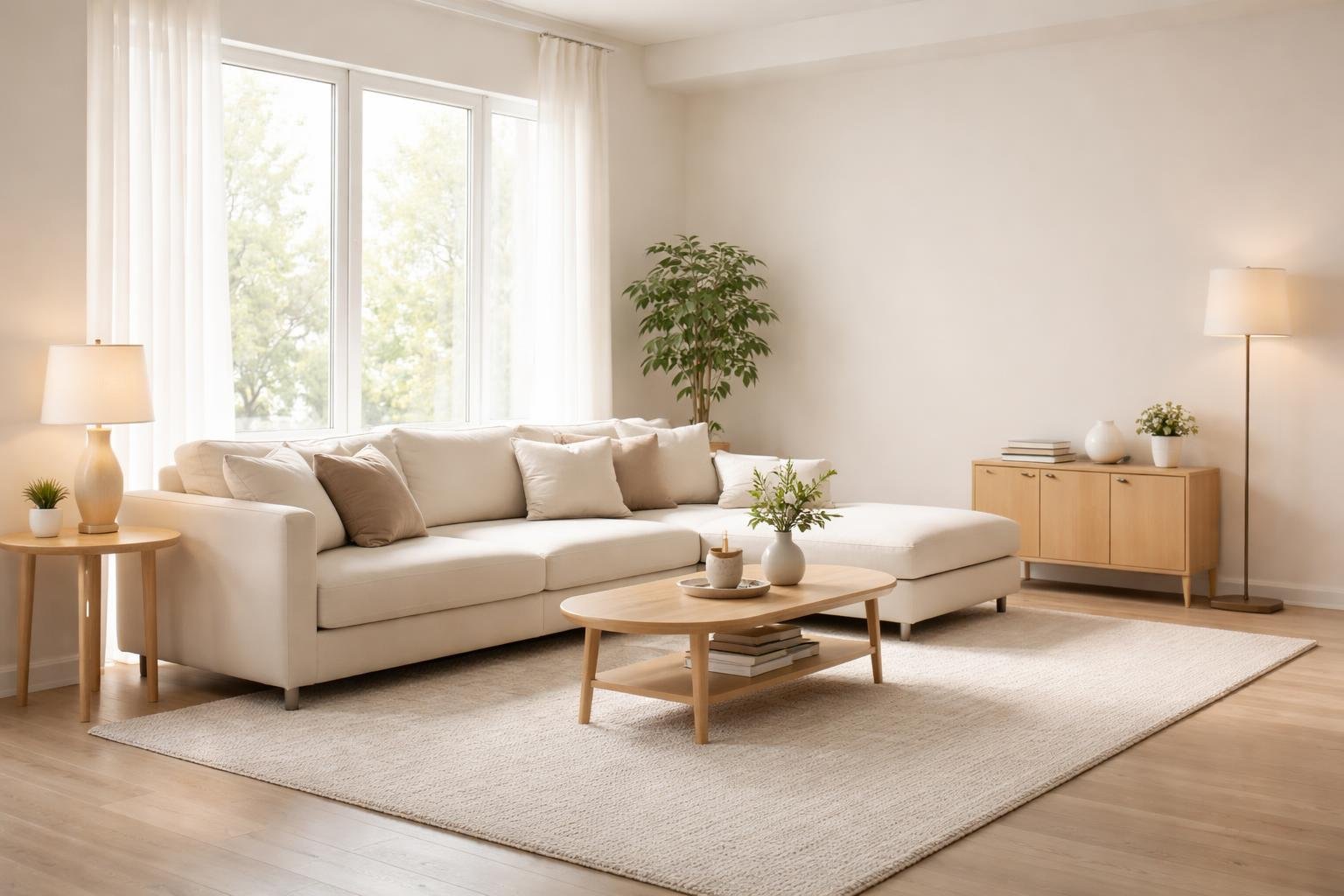
Your home's vibe comes from how all its elements work together. Things like natural light, room layout, and even the scents in your space play a bigger role than you might think. When you understand which factors affect the atmosphere most, you can make smart tweaks that create real impact.
This guide will show you practical ways to refresh your home's feel without major projects or spending much money. You'll learn creative strategies to elevate your atmosphere and discover simple daily habits that keep your space feeling welcoming and new.
Creative Ways to Elevate Your Home's Atmosphere
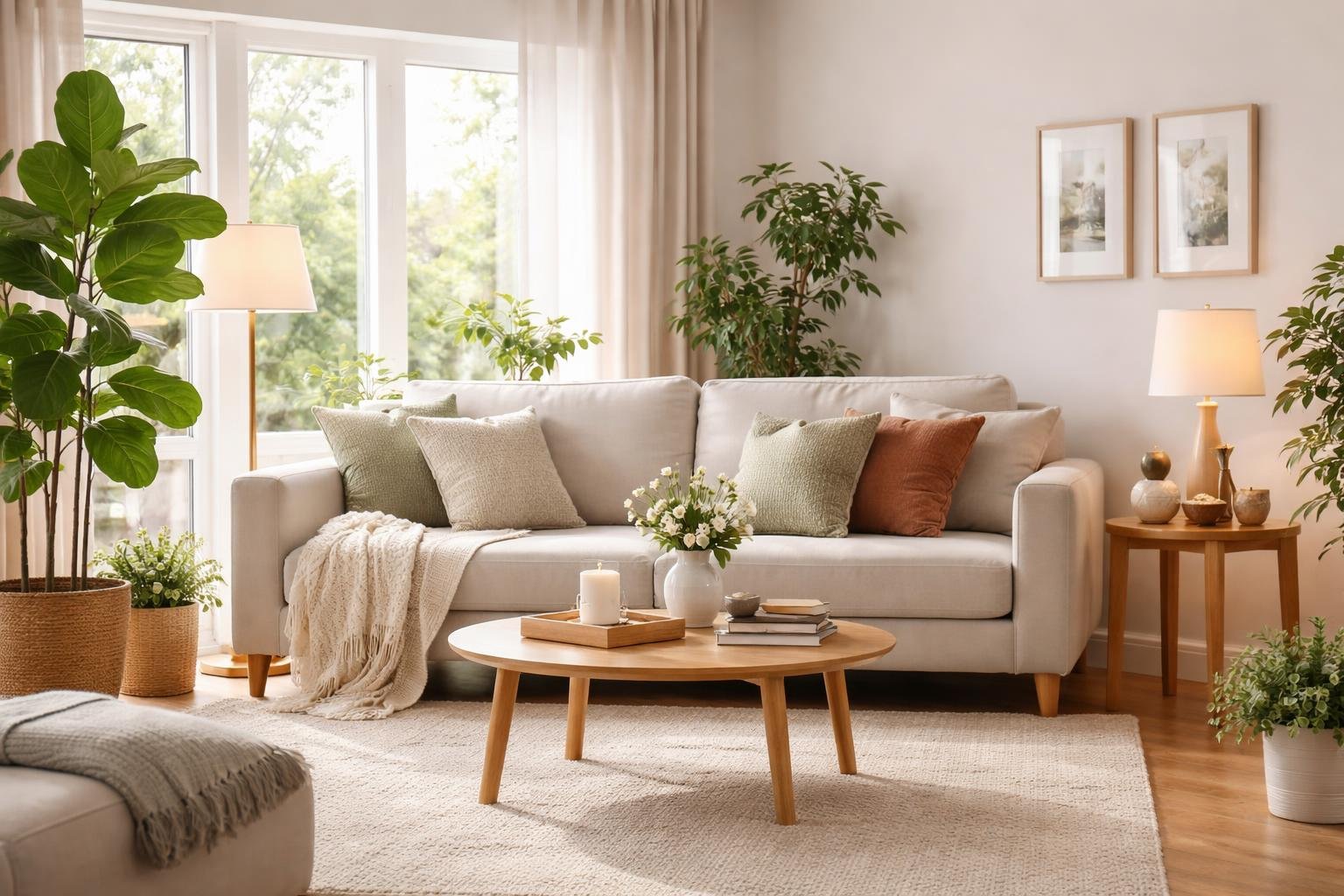
Small adjustments to lighting, textures, scents, and greenery can shift how your home feels without buying new furniture or changing your layout. These changes work because they tap into your senses and create immediate shifts in comfort and mood.
Harnessing the Power of Lighting
Lighting affects how you feel in a room more than almost any other element. Overhead lights can make spaces feel harsh and unwelcoming. Layer different light sources instead to create depth and warmth.
Place table lamps and floor lamps in corners and near seating areas. Use warm-toned bulbs (2700K-3000K) rather than cool white ones. Dimmer switches let you adjust brightness based on the time of day and your activities.
Consider these lighting options:
- Task lighting for reading or work areas
- Accent lighting to highlight art or architectural features
- Ambient lighting for overall room illumination
- Candles for instant atmosphere during evening hours
The key is avoiding reliance on a single overhead fixture. Multiple light sources at different heights make rooms feel more welcoming and complete.
Layering Textures for a Cozy Ambience
Texture adds visual interest and physical comfort without requiring a full redesign. Your home likely already has smooth surfaces like walls, windows, and hard floors. Adding varied textures creates contrast that makes spaces feel more inviting.
Soft textiles work particularly well. Drape a chunky knit throw over your sofa or add textured pillows in linen, velvet, or wool. Place a plush area rug under furniture groupings to define spaces and add warmth underfoot.
Mix materials like wood, metal, and fabric within the same room. A woven basket, ceramic vase, or wooden tray adds tactile variety. Even switching out smooth curtains for ones with texture can change how a room feels.
The goal is creating layers that invite touch and make your space feel lived-in rather than sterile.
Incorporating Inviting Scents
Your sense of smell directly connects to memory and emotion. The right scents make your home feel cleaner, more relaxing, or more energizing depending on what you choose.
Start by removing bad odors rather than covering them up. Open windows regularly to circulate fresh air. Empty trash bins frequently and clean fabrics that hold smells.
Add pleasant scents through these methods:
- Essential oil diffusers with lavender for calm or citrus for energy
- Simmer pots with cinnamon, orange peels, and cloves
- Natural candles made from soy or beeswax
- Fresh flowers or herbs like eucalyptus
Keep scents subtle. Strong artificial fragrances can overwhelm and cause headaches. Natural options tend to smell cleaner and less chemical.
Refreshing Energy With Indoor Plants
Plants improve air quality while adding life and color to your rooms. They create a connection to nature that makes indoor spaces feel fresher and more balanced.
Choose low-maintenance varieties if you're new to plant care. Snake plants, pothos, and ZZ plants survive in various light conditions and tolerate missed waterings. Place them at different heights using plant stands, shelves, or hanging planters.
Group plants in odd numbers (three or five) for visual appeal. Larger plants like fiddle leaf figs or monstera work as focal points in empty corners. Smaller plants fit on shelves, counters, and side tables.
Real plants outperform fake ones for changing your home's energy, but they do require basic care. Water when soil feels dry and wipe dust off leaves monthly to keep them healthy.
Simple Habits and Adjustments for a Fresh Feel
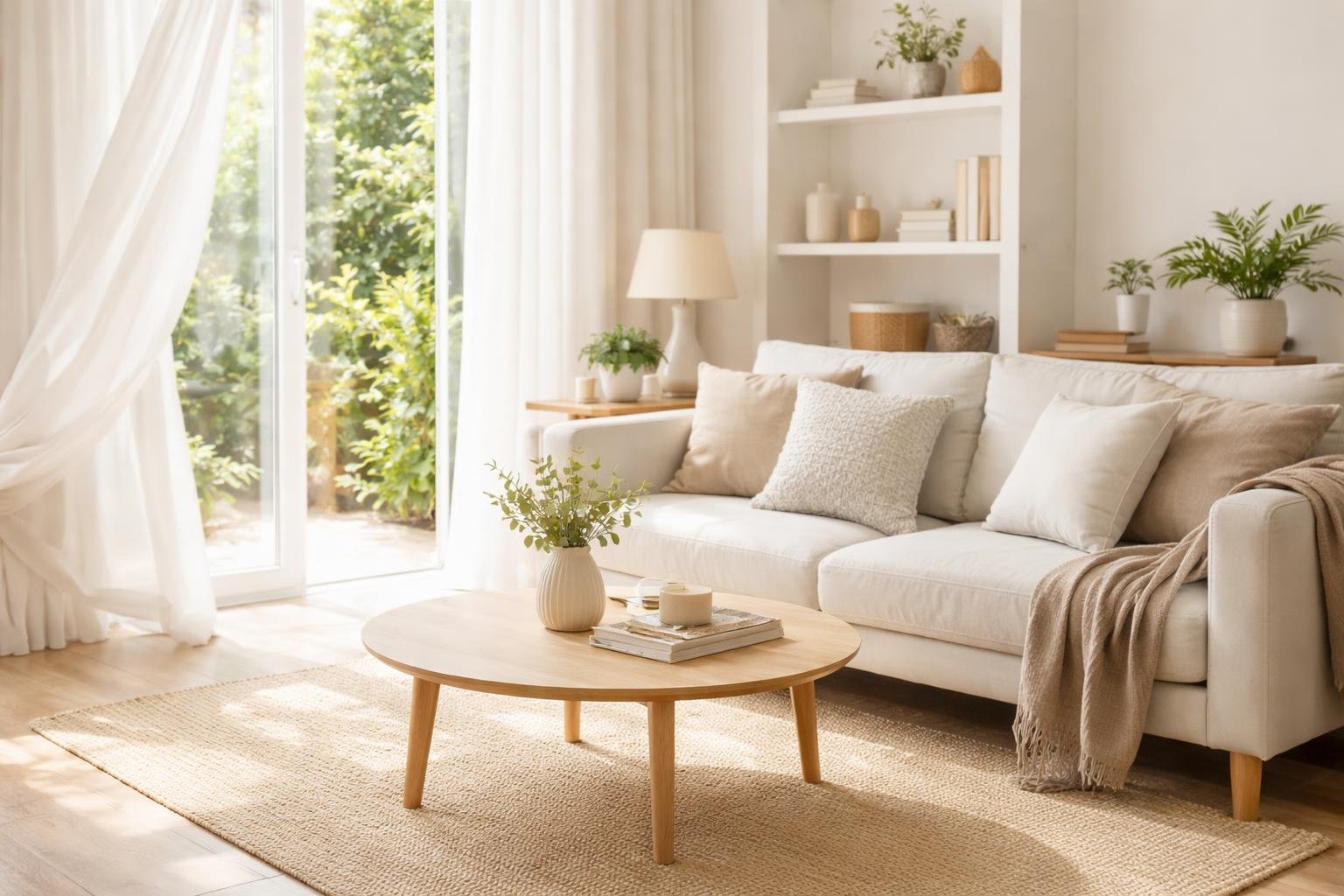
Small daily practices can shift your home's atmosphere without requiring new furniture or decor. Adjusting light, keeping spaces tidy, selecting the right sounds, and displaying personal items all work together to create a more inviting environment.
Maximizing Natural Light
Natural light changes how a room feels and can make spaces appear larger and more welcoming. Opening curtains and blinds first thing in the morning lets sunlight fill your home and improves your mood throughout the day.
Clean your windows regularly to remove dust and grime that blocks light. Dirty windows can reduce the amount of sunlight entering your home by up to 40%. Wipe down both sides of the glass every few weeks.
Position mirrors across from windows to bounce light around the room. This simple placement doubles the effect of whatever natural light you have. You can also trim any bushes or trees outside that block windows during peak sunlight hours.
Keep window treatments light and airy when possible. Heavy, dark curtains absorb light instead of letting it through. Sheer panels or light-colored fabrics let you maintain privacy while still allowing sunlight to enter your space.
Maintaining an Organized Space
Clutter affects how your brain processes a room and can make you feel stressed without realizing why. A messy space creates visual noise that disrupts the calm feeling most people want at home.
Set up a daily five-minute pick-up routine. Walk through each room and put items back where they belong. This prevents small messes from building into overwhelming cleaning projects.
Designate a specific spot for items you use every day. Keys, mail, shoes, and bags should each have their own place near the door. When everything has a home, keeping your space tidy becomes automatic instead of a chore.
Clear flat surfaces like counters, tables, and dressers regularly. These areas collect random items quickly and make rooms feel chaotic. Keep only what you actively use on display and store the rest.
Curating Personalized Playlists
Sound shapes the atmosphere of your home just as much as what you see. The right music or ambient noise can make your space feel energizing in the morning or relaxing in the evening.
Create different playlists for different times of day and activities. Upbeat music works well for morning routines and cleaning. Softer, slower songs help wind down in the evening. Match the sound to what you want to feel.
Try ambient sounds if music feels too distracting. Flowing water, rain, or gentle instrumental tracks provide background noise without demanding attention. These sounds can make your home feel more spa-like and peaceful.
Keep the volume at a comfortable level that fills the space without overwhelming it. Sound should enhance your environment, not dominate it.
Showcasing Meaningful Art or Photos
The items you display on your walls tell a story about who you are and what matters to you. Personal touches make a house feel like your specific home rather than a generic space.
Rotate photos and art pieces seasonally or whenever they stop catching your eye. You don't need new items—just move existing pieces to different rooms or swap what's currently displayed with items you've stored away. Fresh placement makes familiar objects feel new again.
Display photos of actual memories and experiences instead of stock images or generic prints. Pictures from trips, family gatherings, or personal achievements create emotional connections every time you see them.
Group smaller items together instead of spreading them out. Three to five pieces arranged on one wall create more impact than single items scattered around a room. This approach also makes your displays feel intentional rather than random.
Frequently Asked Questions
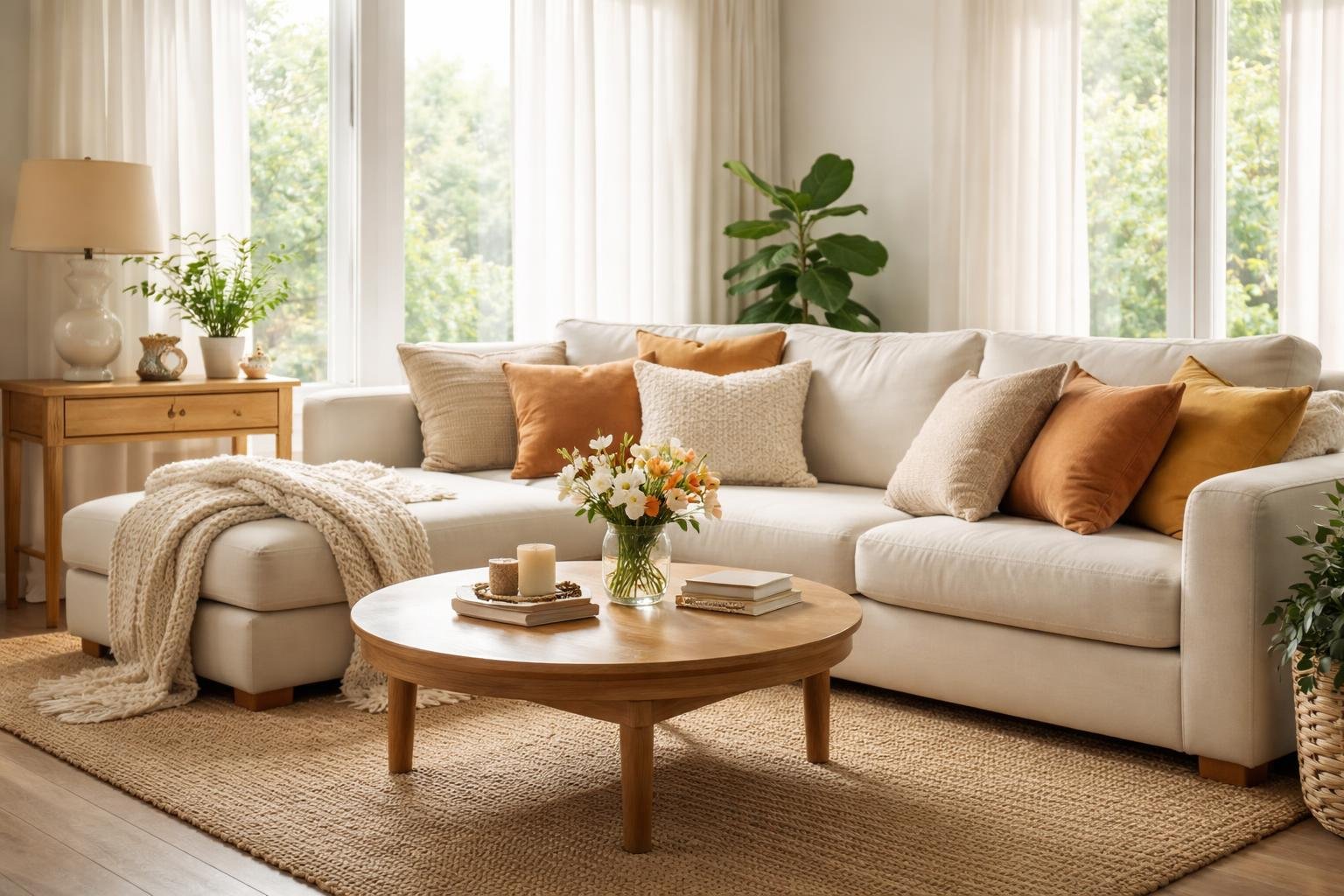
Small changes can shift how your home feels. You can adjust lighting, rearrange furniture, clean strategically, and enhance your entrance to create a better atmosphere.
What are the fastest ways to make a home feel more inviting without changing the decor?
Open your curtains and windows to let in natural light and fresh air. This simple step makes rooms feel cleaner and more welcoming within minutes.
Move your furniture away from walls by a few inches. This creates better flow and makes your space feel less rigid.
Add soft textures like throw blankets or pillows you already own to seating areas. Place them where people naturally gather to make these spots more comfortable.
Light a candle or use essential oils in common areas. Scent affects how people feel when they enter your home.
How can lighting upgrades change the mood of a room without buying new furniture?
Replace harsh overhead bulbs with warm-toned bulbs between 2700K and 3000K. This color temperature makes spaces feel cozy instead of clinical.
Add dimmer switches to your existing light fixtures. This lets you control brightness based on the time of day and activity.
Move lamps to different locations in your room. Place them in dark corners or near seating areas to create layers of light instead of relying on one central fixture.
Use the lighting you have at different times. Turn off overhead lights in the evening and use only lamps to create a softer atmosphere.
What low-cost changes make a home look more luxurious and polished?
Replace old cabinet hardware with matching knobs or pulls. This small upgrade makes kitchens and bathrooms look more cohesive and intentional.
Remove items from countertops and surfaces. Keeping only a few carefully chosen objects visible makes your home look more expensive.
Upgrade your switch plates and outlet covers to match throughout each room. Mismatched or yellowed plates make spaces look dated.
Iron or steam your curtains and straighten artwork on walls. Crisp fabrics and level frames signal attention to detail.
How can I refresh my home's vibe using what I already own?
Rotate items from storage into your current displays. Things you haven't seen in months will feel new again.
Rearrange furniture to create new conversation areas or improve traffic flow. Move your sofa away from the wall or angle chairs toward each other.
Swap items between rooms to give each space a different feel. Your bedroom lamp might work better in the living room and vice versa.
Group similar items together instead of spreading them around. Three candles clustered on a tray look more intentional than three candles scattered across a room.
What simple cleaning and decluttering steps make a home feel instantly upgraded?
Clean your baseboards, light switches, and door frames. These areas collect dust but often get overlooked, and cleaning them makes everything look fresher.
Clear off flat surfaces like counters, tables, and dressers. Leave only items you use daily or truly love.
Organize cords and cables behind furniture and entertainment centers. Visible wires create visual clutter that makes spaces feel messy.
Wash your windows inside and out. Clean glass lets in more light and makes your whole home feel cleaner.
How can I improve my home's exterior curb appeal without a major renovation?
Pressure wash your front walkway, porch, and siding. Removing dirt and grime makes your home look maintained.
Add or replace house numbers with larger, more visible ones. Clear numbers look modern and help your home stand out.
Trim bushes and edge your lawn along walkways. Defined borders make your landscaping look intentional.
Place potted plants on either side of your front door. This frames the entrance and adds color without permanent changes.