



How to Organize a Small Pantry Without Spending a Fortune
July 19, 2026
A cluttered pantry makes cooking harder and wastes both food and money. When items get lost in the back of shelves or expire before you find them, it creates frustration every time you try to make a meal. The good news is that you don't need expensive organizing systems to fix this problem.
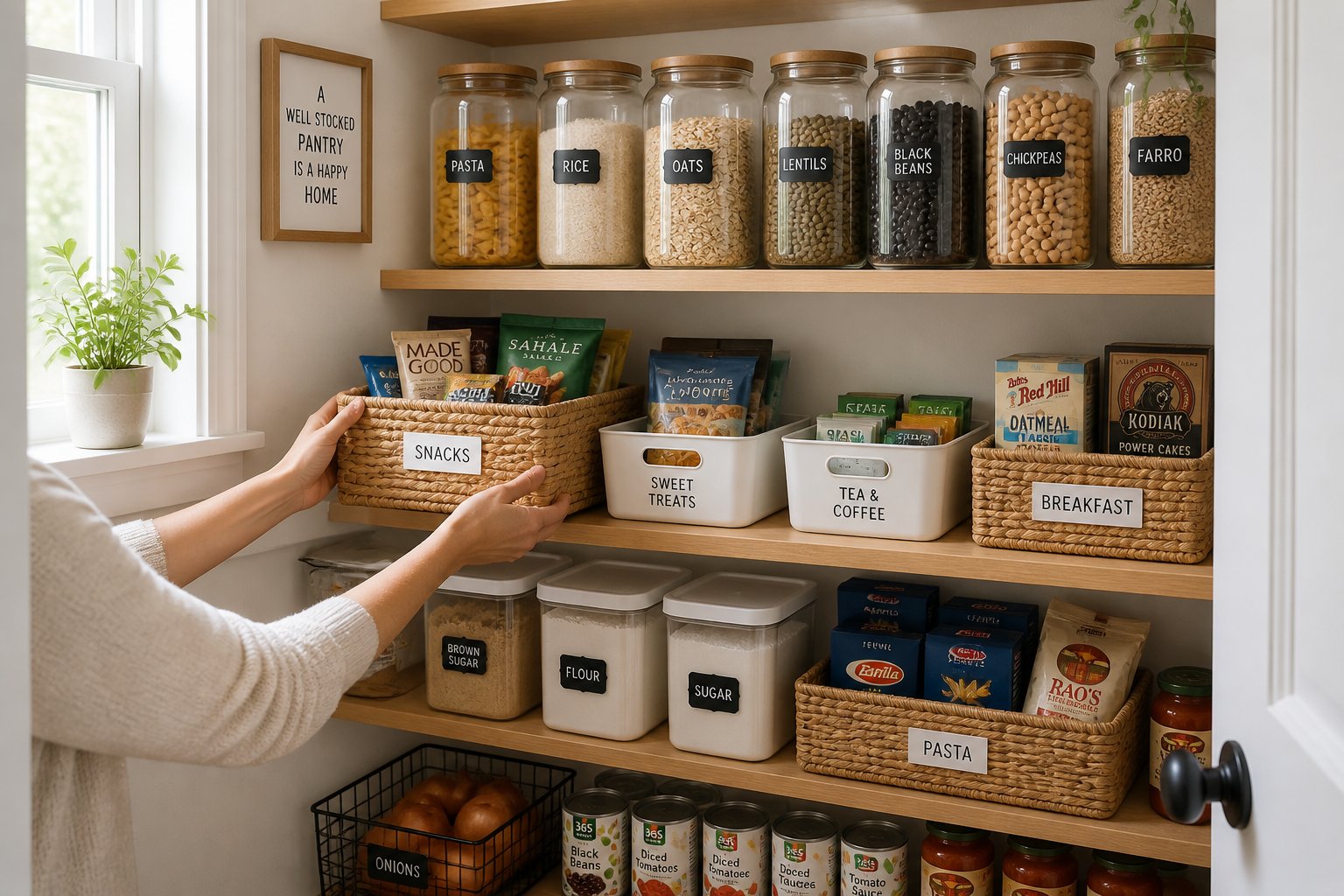
You can transform your small pantry into a functional space using simple strategies that cost little to nothing. The key is removing everything first, grouping similar items together, and using basic storage methods you likely already have at home. Small changes like these make a big difference in how your kitchen works.
This guide will show you practical ways to maximize your pantry space and keep it organized over time. You'll learn which storage solutions actually work for tight spaces and how to maintain order without buying specialty products.
Maximizing Space With Smart Solutions
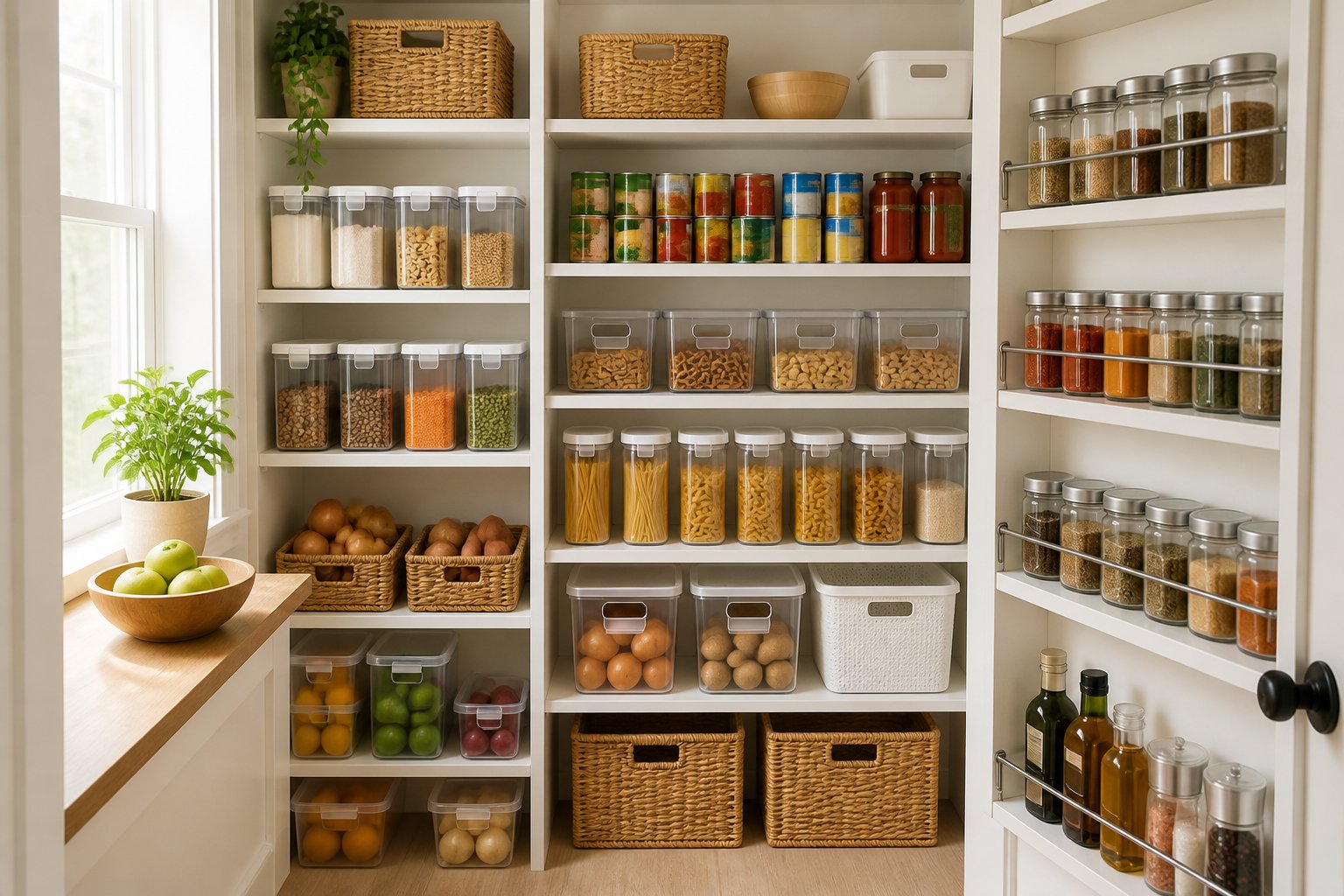
Small pantries work better when you focus on using every inch wisely and choosing storage methods that fit your budget. The key is to assess what space you actually have, select organizers that cost less but work well, and take advantage of areas you might be overlooking.
Evaluating Available Storage Areas
Start by emptying your pantry completely and measuring the space. Write down the height, width, and depth of each shelf. Check the distance between shelves to see if you can add extra levels.
Look at the back of your pantry door. This space often goes unused but can hold a lot of items. Measure the door's width and note any hinges or handles that might get in the way.
Check for gaps between shelves and the ceiling. Most pantries have several inches of unused vertical space above the top shelf. Also look at the floor area to see if you can fit bins or baskets underneath the bottom shelf.
Take note of corner spaces and side walls. These spots can fit narrow organizers or hooks. Make a simple sketch of your pantry with all measurements so you know exactly what will fit before buying anything.
Choosing Affordable Organizers
Skip expensive custom systems and use basic containers instead. Clear plastic bins from dollar stores work just as well as pricey versions. You can see what's inside without opening them, and they stack easily.
Cardboard boxes and shoeboxes cost nothing if you already have them. Cover them with wrapping paper or contact paper to make them look better. Mason jars and empty pasta sauce jars store dry goods like rice, beans, and pasta at no cost.
Budget-Friendly Options:
- Tension rods ($3-5 each) create dividers for baking sheets and cutting boards
- Wire baskets from thrift stores ($2-4) hold snacks and packets
- Lazy Susans ($5-8) make corner spaces accessible
- Drawer organizers ($3-6) separate small items
Buy organizers one section at a time rather than all at once. This spreads out the cost and lets you test what works best in your space.
Utilizing Vertical and Hidden Spaces
Stack items using risers made from small boxes or books you already own. This creates layers so you can see everything on a single shelf. Place taller items in the back and shorter ones in front.
Mount adhesive hooks on the inside walls of your pantry. They hold measuring cups, oven mitts, and small bags. Command strips stick to most surfaces and remove cleanly when you move.
Hang a shoe organizer on the back of your pantry door. The clear pockets hold spice jars, snack bags, and sauce packets. You can find these for under $10 at most stores.
Use the space under shelves by adding hanging baskets or installing a second rod. Clip-on wire baskets attach to existing shelves without tools. They create storage for lightweight items like napkins or tea bags.
Store flat items like cutting boards and baking sheets vertically using tension rods or file holders. This method saves space and makes it easier to grab what you need.
Sustaining Order and Efficiency
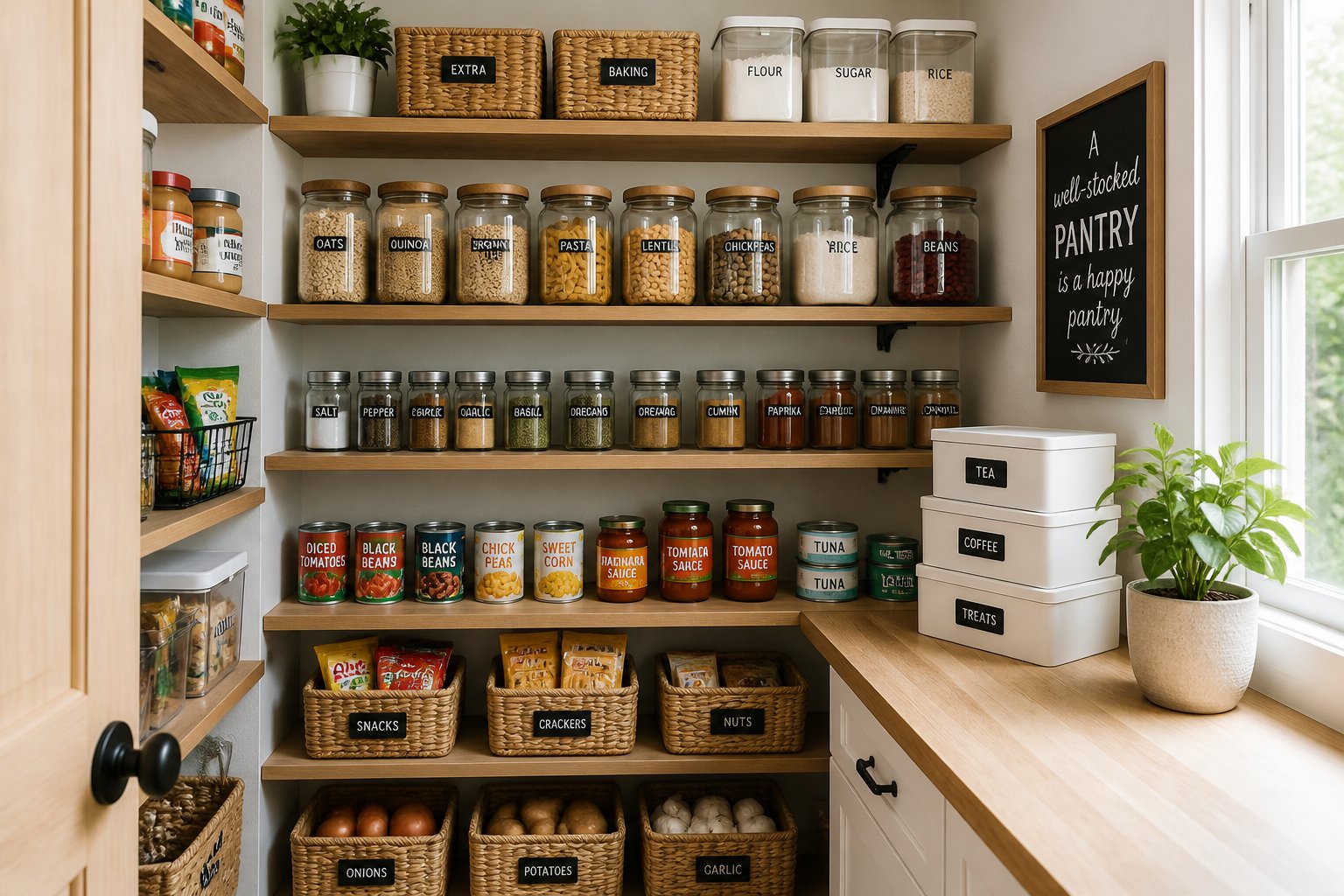
Keeping your pantry organized after the initial setup requires small daily actions and smart systems. Labels prevent confusion, strategic placement saves time, and quick maintenance habits stop clutter from building up again.
Simple Labeling Strategies
Labels keep everyone in your household on the same page about where items belong. You don't need a fancy label maker to get started. Masking tape and a permanent marker work perfectly fine for containers and shelf edges.
Write clear names on containers that hold bulk items like flour, sugar, rice, and pasta. Add expiration dates to items you've transferred from original packaging so nothing goes to waste.
Label shelf edges to mark zones for different food categories. This helps family members put groceries away in the right spots. Use simple categories like "snacks," "breakfast," or "baking supplies."
For bins and baskets, attach labels to the front so you can see what's inside without pulling everything out. You can also use clear containers instead of labels since you'll see exactly what's stored inside.
Organizing Based on Usage Frequency
Place items you use daily at eye level where they're easiest to reach. This includes things like coffee, cooking oils, and everyday spices.
Put less frequently used items on higher or lower shelves. Holiday baking supplies, special occasion items, and backup stock belong in these harder-to-reach spots. This approach saves you from moving things around constantly to get what you need.
Group items by meal type or purpose to speed up cooking. Keep all breakfast items together, baking supplies in one zone, and snack foods in their own area. You'll spend less time searching and more time actually cooking.
Store heavy items like canned goods and large containers on lower shelves. This makes them safer to grab and reduces the risk of dropping something on your foot.
Establishing Easy Maintenance Habits
Spend two minutes after each grocery trip putting new items behind older ones. This rotation system prevents food from expiring in the back of your pantry.
Do a quick five-minute pantry check once a week. Pull out anything that's expired, consolidate opened packages, and straighten containers that have shifted around.
Return items to their designated spots immediately after use. This single habit prevents the gradual slide back into chaos. When everyone follows the same system, maintaining order becomes effortless.
Wipe down one shelf each week while you're doing your quick check. A damp cloth removes crumbs and spills before they become sticky messes that require serious scrubbing.
Frequently Asked Questions
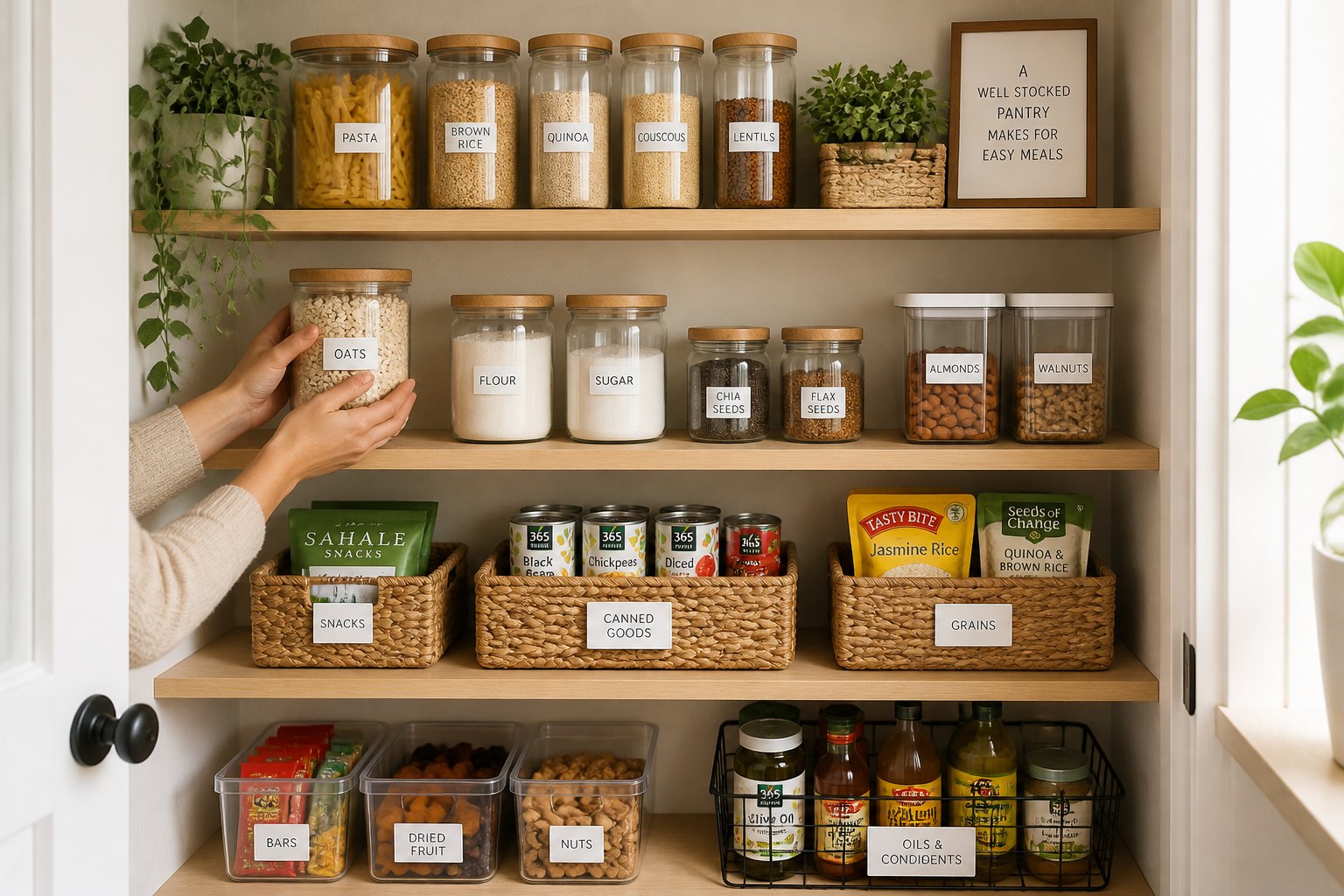
Zone-based layouts and simple repurposed containers can keep your small pantry functional without costing much. The right setup depends on your shelf depth, available vertical space, and which staples you actually use.
What is the most practical layout for organizing a small pantry with limited space?
A zone-based layout works best for small pantries. Group similar items together using an organizer so you know exactly where to find things.
Create zones for breakfast items, snacks, baking supplies, and canned goods. Put the items you use most often at eye level where you can reach them easily. Store heavy items like flour bags and large jars on lower shelves for safety.
Use the top shelves for things you rarely need. The back of your pantry door can hold spices, small packets, or cleaning supplies if you add over-the-door organizers.
How can deep pantry shelves be organized so items stay visible and easy to reach?
Use tiered shelf risers to create levels in deep shelves. This lets you see items in the back without moving everything in front.
Lazy Susans work well for deep corners and hard-to-reach areas. You can spin them to access items instead of digging through shelves. Place small items like spice jars and condiments on these rotating platforms.
Pull items forward after each use so everything stays visible. Store tall items like cereal boxes and pasta containers toward the back, with shorter items in front. This creates a natural stepped arrangement.
Which low-cost storage solutions work best for small pantries when you don't want to buy matching containers?
Mason jars and recycled glass containers work perfectly for dry goods. You already have many of these at home, and they let you see what's inside.
Shoe boxes and cardboard organizers can hold packets, snack bags, and small items. Cover them with contact paper or leftover wrapping paper if you want them to look nicer. Dollar store bins and baskets cost very little and group similar items together.
Use binder clips to seal open bags of chips or flour. Hang small items in clear plastic bags on hooks or command strips. Empty cereal boxes cut in half make free drawer dividers for organizing smaller packages.
What pantry organization system makes it easiest to maintain order week to week?
A system where everything has a specific home is easiest to maintain. Label your zones and containers so everyone in your household knows where items belong.
Keep a small basket near the front for items that need to be used soon. Check this basket when planning meals so food doesn't go to waste. Return items to their designated spots right after you use them instead of setting them anywhere.
Do a quick five-minute tidy-up once a week. Wipe down one shelf, throw away any empty packages, and push items forward so you can see what you have.
What are the essential staples to keep on hand in a small pantry without overstocking?
Focus on basics you actually cook with every week. Rice, pasta, canned tomatoes, beans, and cooking oil are useful staples that store well.
Keep flour, sugar, salt, and your most-used spices on hand. Stock a few cans of soup or vegetables for quick meals. Buy only what fits comfortably in your space.
Check what you have before shopping so you don't buy duplicates. Store one backup of items you use frequently, but avoid stocking more than that. Buy bulk items only if you have a specific plan to use them within a few months.