


How to Meal Prep Faster With an Organized Fridge
July 22, 2026
Opening your fridge shouldn't feel like a guessing game. When you can't find what you need or forget about food until it spoils, meal prep takes longer and becomes more stressful than it needs to be. A disorganized fridge wastes your time, money, and energy every single day.
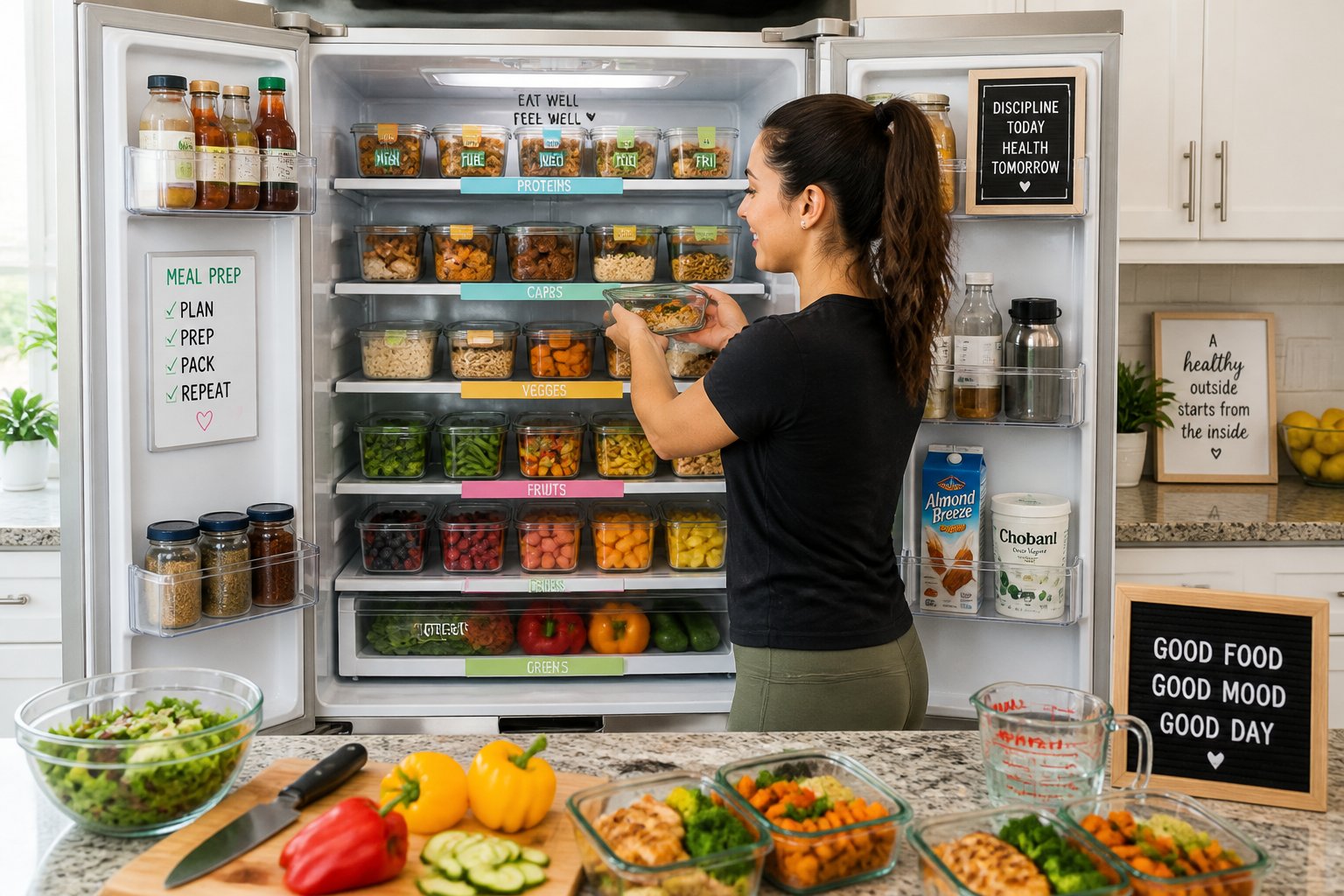
An organized fridge cuts your meal prep time in half by putting ingredients where you can see them and grab them quickly. When everything has a place and you can spot your food at a glance, you spend less time searching and more time cooking. You'll also waste less food because nothing gets lost in the back of a shelf.
This guide shows you how to set up your fridge to make meal prep faster and easier. You'll learn where to store different foods, how to create zones that work for your routine, and simple habits that keep your system running smoothly week after week.
Strategic Fridge Organization for Efficient Meal Prep
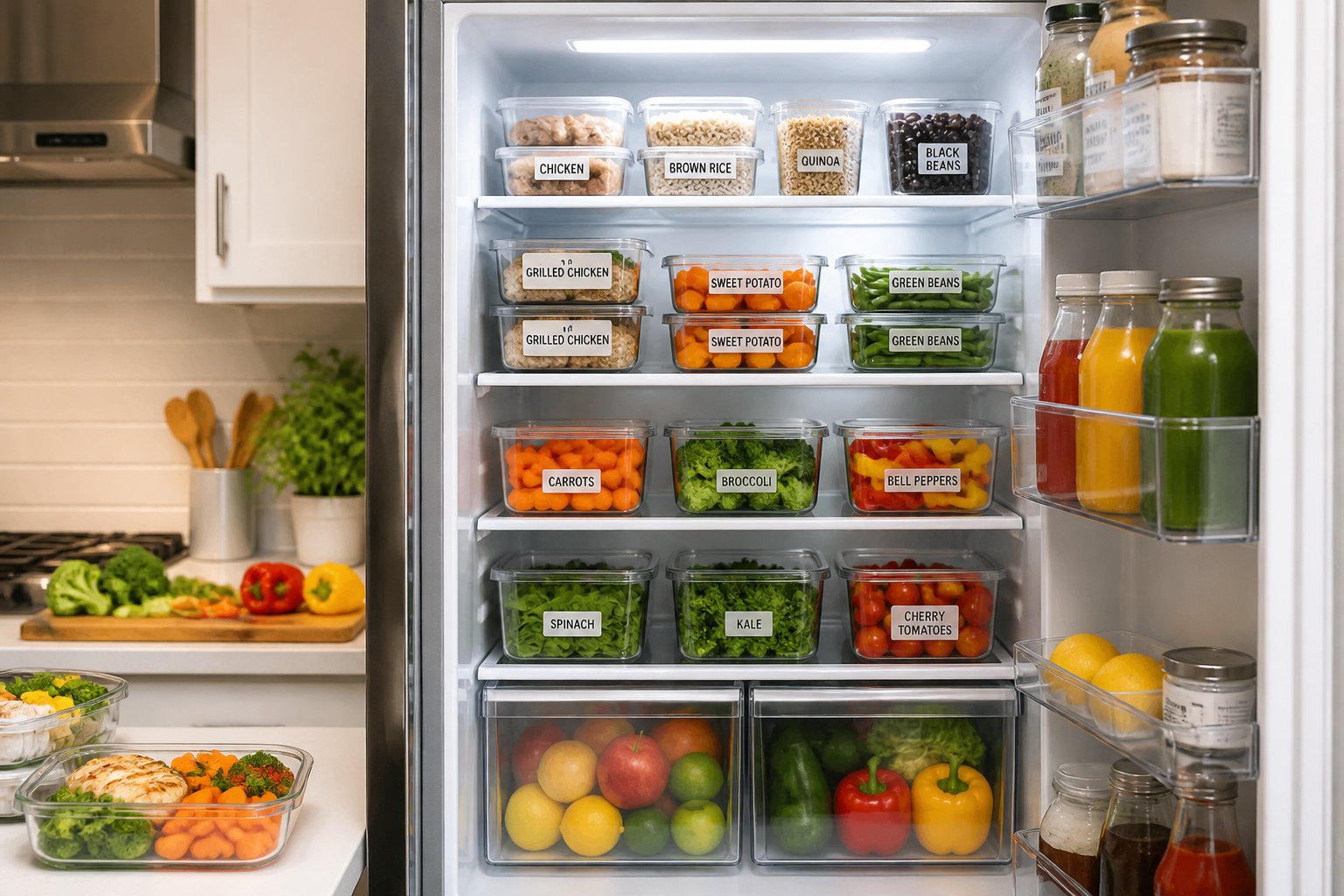
The right containers, clearly defined zones, and a simple labeling system turn your fridge into a meal prep station that saves time and reduces waste.
Choosing the Right Storage Containers
The containers you pick determine how much space you save and how long your food stays fresh. Clear containers let you see what's inside without opening lids. Stackable designs help you use vertical space better.
Glass containers work well for reheating meals but take up more room. Plastic containers are lighter and often cheaper. Look for containers with airtight seals to keep food fresh longer.
Choose containers in similar sizes so they stack neatly. Square or rectangular shapes fit better in fridges than round ones. 5-pack fridge storage containers with partitions help you separate different meal components without using multiple containers.
Buy enough containers to hold three to five days of meals. This prevents you from running out of storage when you batch cook. Avoid containers that are too large because they waste fridge space and make portions harder to control.
Designating Meal Prep Zones
Set up specific areas in your fridge for different food types. This stops you from digging through shelves to find what you need.
Keep ready-to-eat meals on the middle shelves at eye level. Put raw ingredients for future prep sessions on lower shelves. Store fresh produce in crisper drawers to maintain proper humidity.
Create a snack zone on one shelf or door section. This makes healthy options easy to grab when you're hungry. Put drinks and condiments on door shelves where temperature changes won't harm them.
Use clear bins to group similar items together. One bin can hold breakfast items while another holds lunch components. Label each zone so everyone in your household knows where things belong.
Reserve one section for leftovers near the front. This reminds you to use them before they spoil.
Labeling and Dating Prepared Foods
Write the prep date and contents on every container using a marker or label. This tells you when food needs to be eaten.
Most prepared meals stay safe for three to four days in the fridge. Write "use by" dates instead of just prep dates to make decisions faster. Include reheating instructions on labels when meals need specific temperatures or times.
Use color-coded labels or dots for different meal types. Blue might mean breakfast while green means lunch. This system helps you grab the right meal quickly.
Keep a roll of masking tape and a permanent marker near your fridge for quick labeling. Washi tape works well and peels off easily without leaving residue. Check labels every few days and move older items to the front so you eat them first.
Practical Meal Prep Habits That Speed Up Your Routine
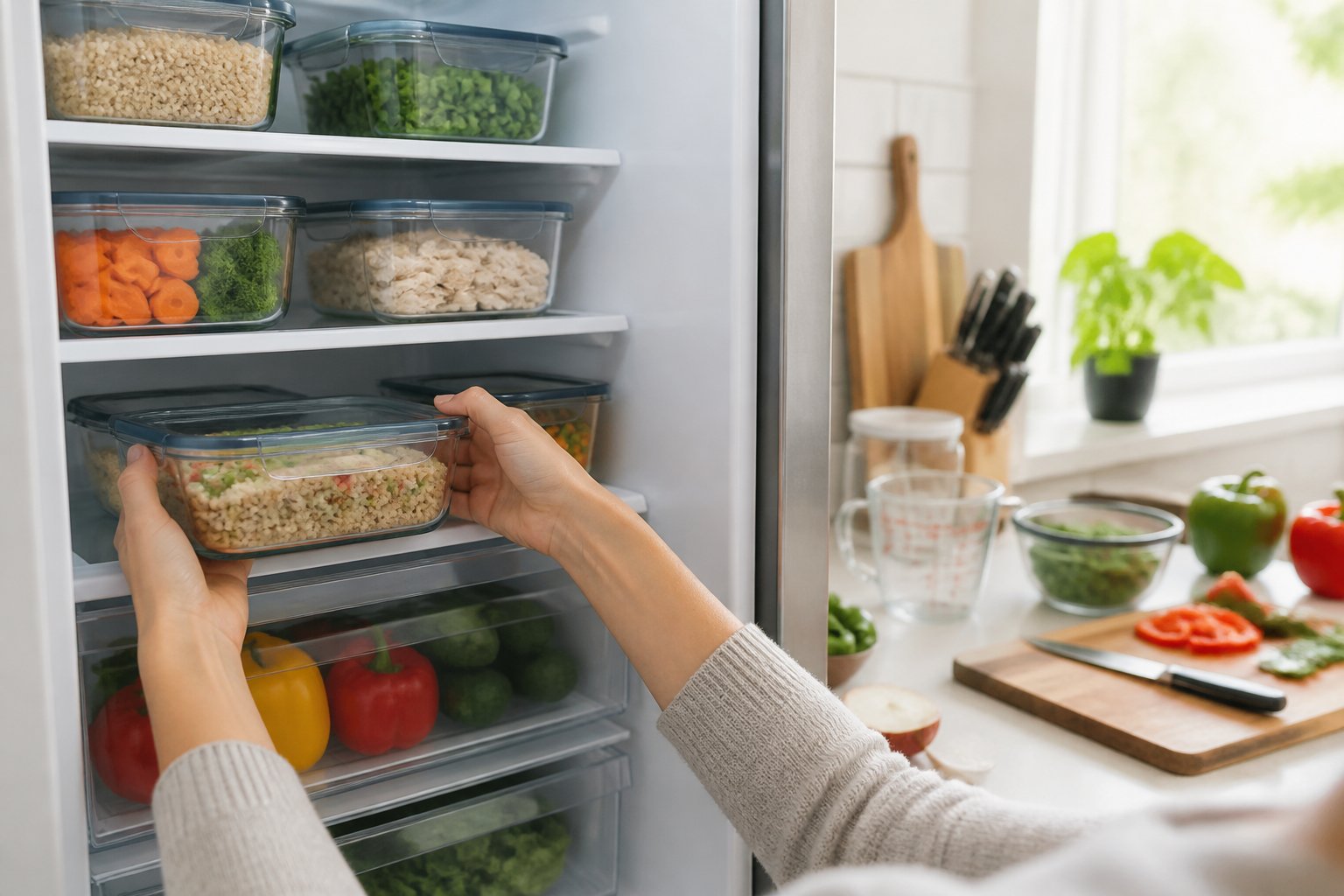
Building smart meal prep habits saves you hours each week and reduces kitchen stress. The right approach involves cooking multiple items at once, shopping with a clear plan, and storing ingredients so they're ready to use.
Batch Cooking and Ingredient Grouping
Batch cooking means preparing large amounts of food in one session instead of cooking every day. Cook proteins like chicken, ground beef, or beans in bulk quantities. Roast several sheet pans of vegetables at the same time while your oven is already hot.
Group similar ingredients together during prep. Chop all your onions at once rather than cutting them separately for each meal. Wash and prep all your leafy greens together. This approach cuts down on the number of times you need to switch tools and clean your cutting board.
Focus on versatile base ingredients that work in multiple meals. Rice, quinoa, and pasta can be cooked in large batches and used throughout the week. Season proteins simply so you can add different flavors later when you assemble meals.
Keep a large bowl nearby for scraps and set out small prep bowls for sorted ingredients. This keeps your workspace clean and makes cooking faster.
Optimizing Your Shopping List for Prep Success
Write your shopping list by store section to avoid backtracking through aisles. Group produce items together, then proteins, then pantry staples. This organization cuts your shopping time significantly.
Plan meals that share ingredients to reduce your total item count. If you buy spinach, use it in salads, smoothies, and cooked dishes. Purchase items you can prep once and use multiple ways.
Buy pre-washed greens and pre-cut vegetables when your budget allows. These items cost more but save substantial prep time. Stock up on shelf-stable items like canned beans, rice, and frozen vegetables during sales.
Check your fridge before shopping to avoid buying duplicates. Take a photo of your fridge contents if you often forget what you have.
Storing Prepared Ingredients for Quick Access
Store prepped ingredients in clear containers so you can see what you have without opening each one. Label containers with the date you prepared the food and what's inside.
Place ingredients you'll use first at eye level in your fridge. Put items you prepped most recently toward the back. This rotation system prevents food waste.
Use stackable rectangular containers instead of round ones to maximize fridge space. Keep similar items together in zones. Store all breakfast ingredients in one area and lunch items in another.
Prepare ingredients in stages based on how long they stay fresh. Wash and chop vegetables that last longer like carrots and bell peppers first. Save delicate items like herbs and berries for later in the week.
Frequently Asked Questions
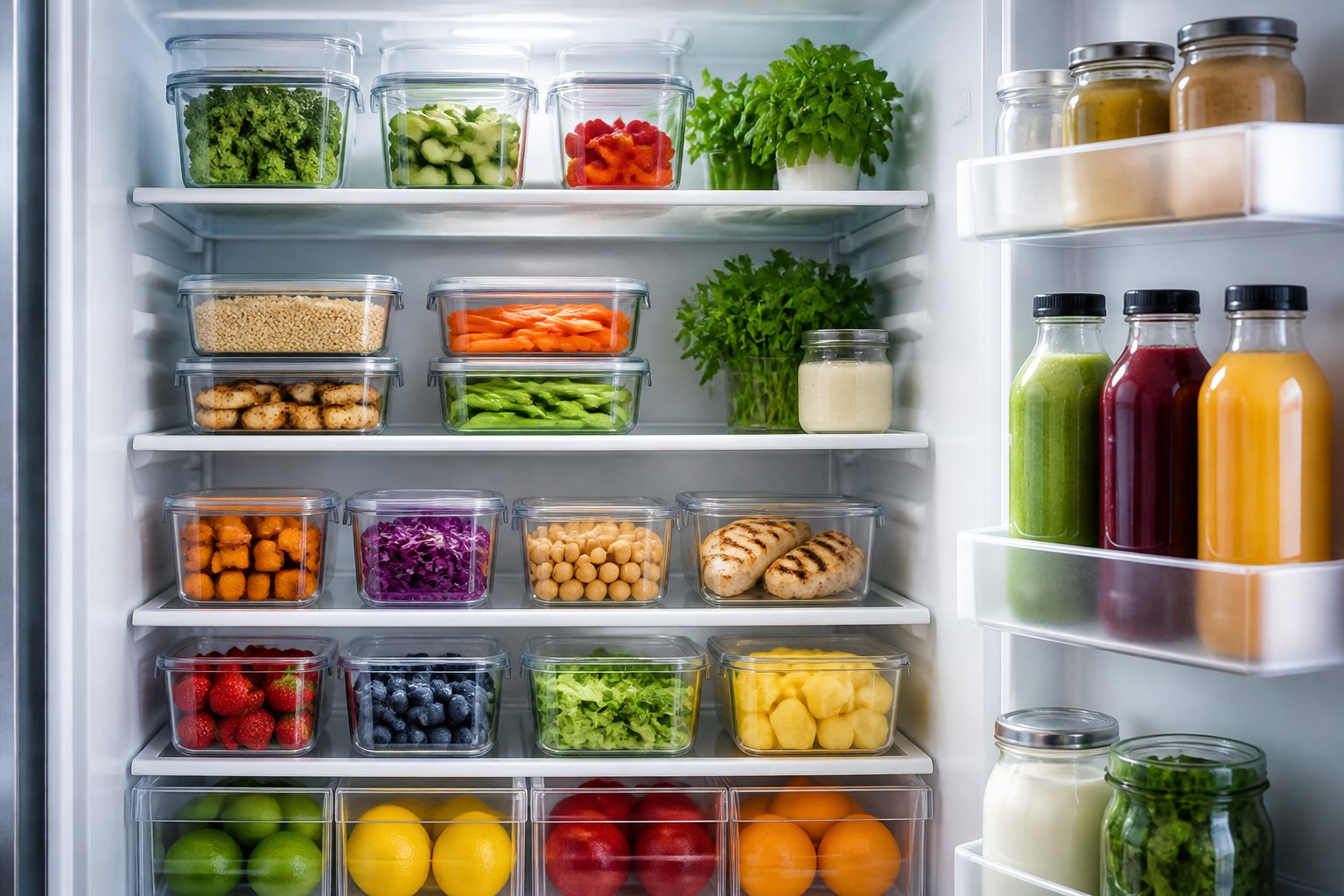
A well-organized fridge layout with dedicated zones, clear containers, and proper labeling can cut your meal prep time significantly. Understanding temperature zones, storage methods, and simple restocking habits helps you maintain freshness and reduce waste throughout the week.
What is the best way to organize a fridge layout to streamline weekly meal prep?
Set up four main zones in your fridge to make meal prep faster. Create a meal prep zone on the middle shelf where you keep portioned containers at eye level. Use the top shelf for ready-to-eat foods and drinks.
Designate one drawer for washed and prepped vegetables. Keep raw proteins on the bottom shelf where it's coldest and spills won't contaminate other foods.
Store condiments and sauces in the door compartments. This system lets you find what you need quickly without searching through crowded shelves.
Which containers and storage methods keep prepped ingredients visible and easy to grab?
Glass containers work best because you can see what's inside without opening them. Square or rectangular containers stack better than round ones and use shelf space more efficiently.
Use clear bins to group similar items together. Label the front of each bin so you know what category of food it holds.
Store items you'll use first at the front of each shelf. Keep herb savers or small jars with water for fresh herbs on the top shelf where they're visible.
How long should I wait before putting freshly cooked food into the refrigerator?
You should refrigerate cooked food within two hours of cooking. If the room temperature is above 90°F, refrigerate within one hour.
You don't need to let food cool to room temperature first. Divide large batches into smaller, shallow containers so they cool faster in the fridge.
Hot food won't harm your refrigerator. Modern fridges can handle the temperature change without affecting other stored items.
How should I label and date meal prep items to prevent waste and save time?
Write the date you prepared the food on each container using a marker or label. Include what the food is if the container isn't clear.
Most meal prep items stay fresh for 3-4 days in the fridge. Mark an "eat by" date that's three days from when you cooked it.
Place a small whiteboard on your fridge door to track what needs to be eaten first. This takes less than a minute but helps you avoid forgotten food in the back of shelves.
What foods should be stored on different shelves to maintain food safety and freshness?
Store raw meat, poultry, and fish on the bottom shelf in sealed containers. This prevents their juices from dripping onto other foods.
Keep dairy products like milk and yogurt on the middle or top shelves where the temperature stays most consistent. The door is actually the warmest part of your fridge, so avoid storing milk there.
Set your crisper drawers to different humidity levels. Use high humidity for leafy greens and herbs, and low humidity for fruits and vegetables that rot easily.
How can I set up a fridge restocking routine that reduces prep time during the week?
Pick one day each week to clean out old food and wipe down shelves. This takes about 15 minutes and prevents buildup.
Prep ingredients right after grocery shopping while everything is fresh. Wash and chop vegetables, portion proteins, and cook grains all at once.
Check your meal prep containers every two days and move older items to the front. Restock your grab-and-go section with new portions as you use them up.