


How Social Media Is Redefining What a ‘Nice Home’ Means
April 26, 2026
Many people learn what a nice home looks like from Instagram, TikTok, and Pinterest. Seeing many staged rooms and popular styles online can change how you think about a house. Social media shows curated spaces that shape what people expect from interior design.
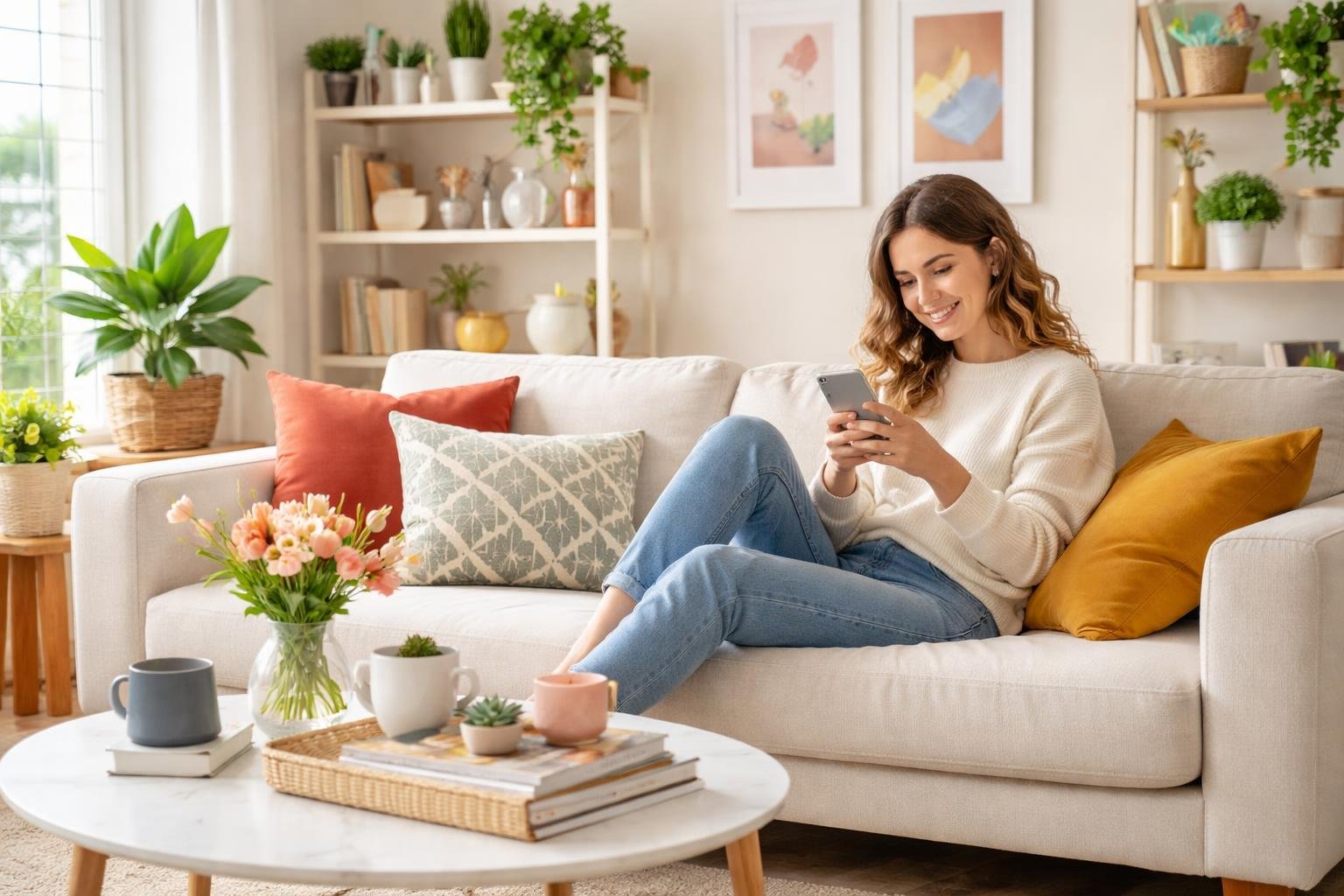
This influence goes beyond ideas and inspiration. Repeatedly seeing certain looks can change what you call luxury, what you think you need to be comfortable, and how you feel about your own home. For example, many parents say social media makes them expect a home that is not realistic for their budget.
Knowing how social media affects home tastes can help you make better choices for your own space. This article looks at how online platforms shape design trends, change feelings about where we live, and affect the housing market.
The Influence of Visual Platforms on Home Design
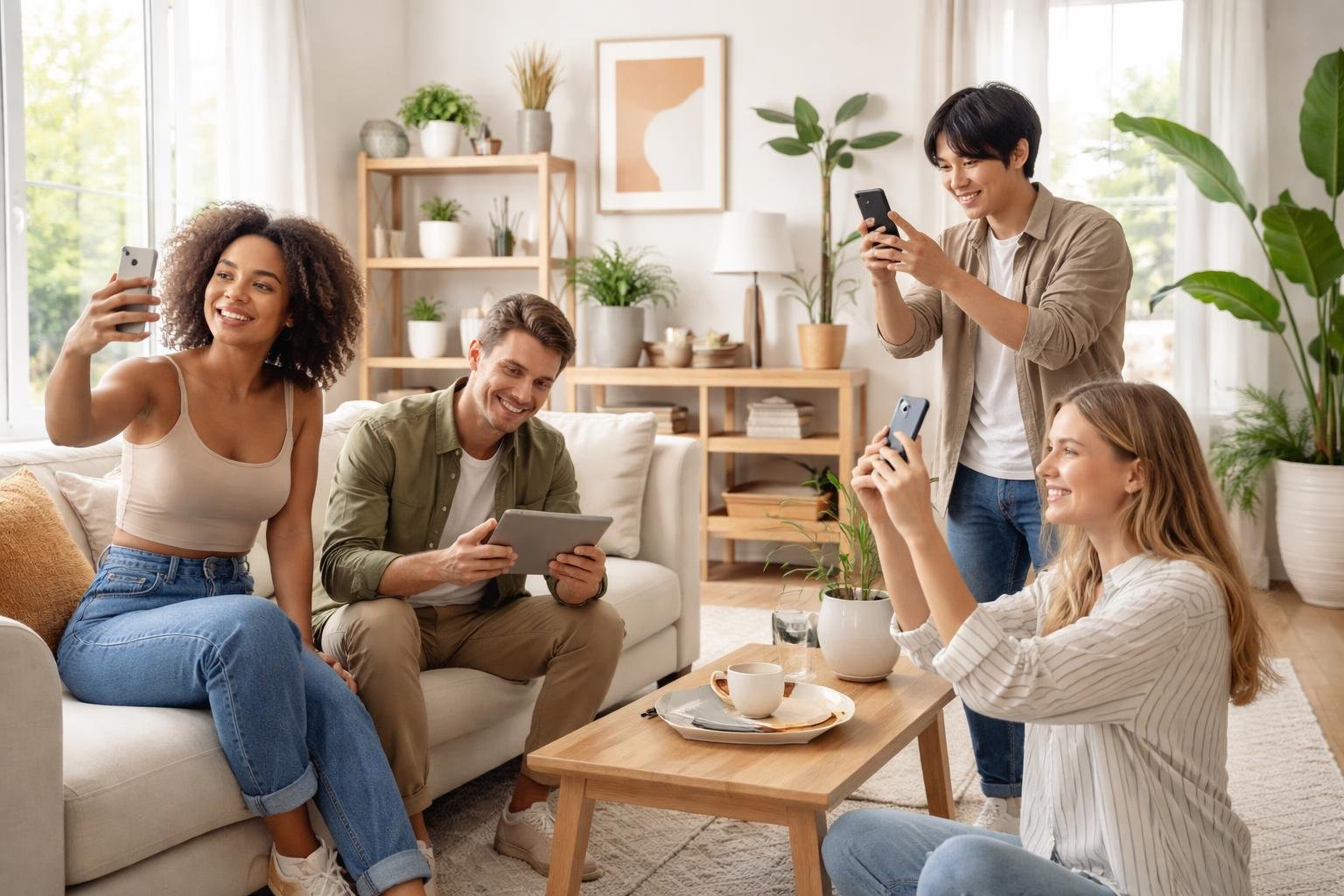
Apps like Instagram and Pinterest have changed how people decide what a nice home looks like. These sites show new design ideas quickly. They let anyone see styles from around the world.
Instagram-Worthy Interiors
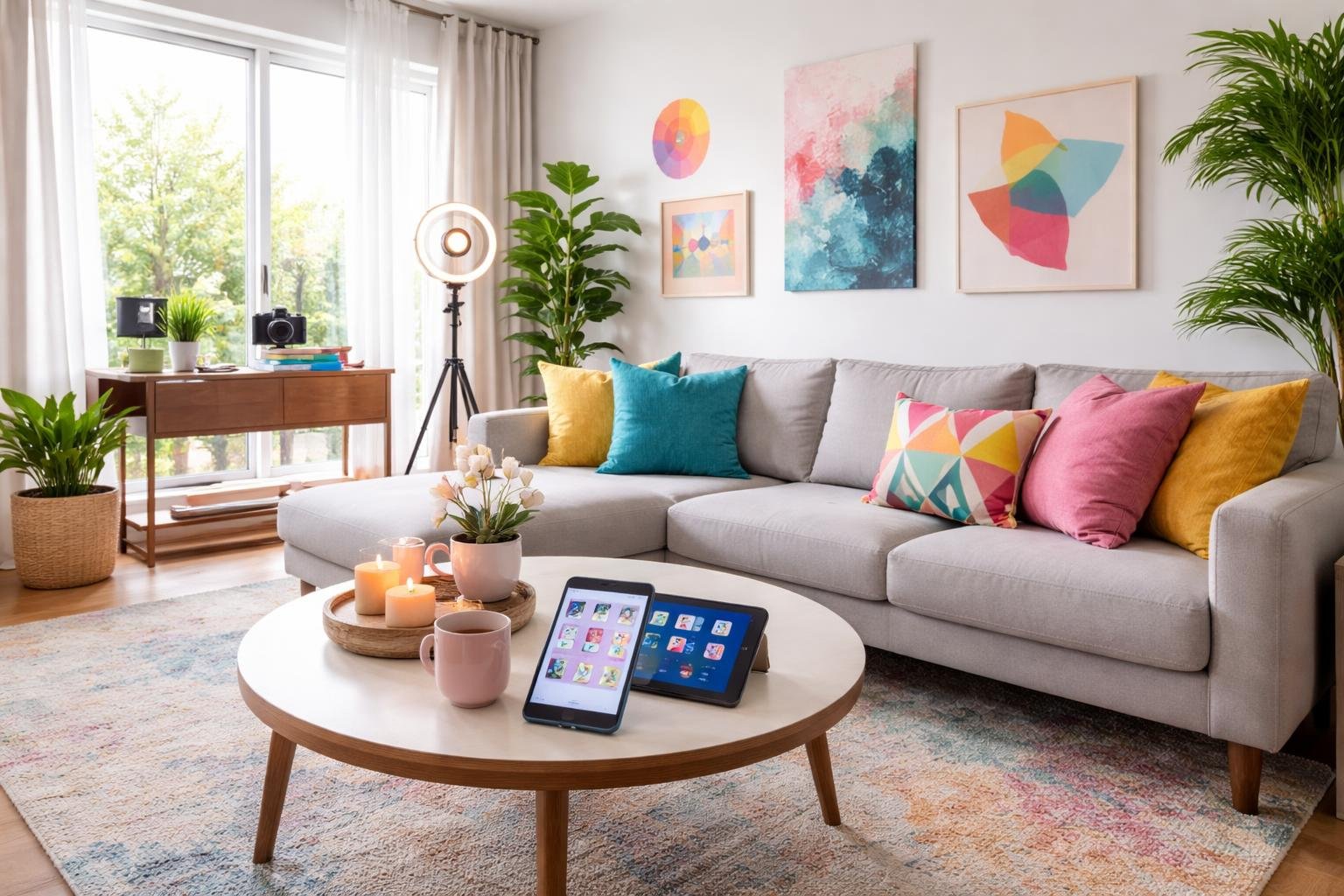
Now many design choices are about what looks good in photos. Rooms need to look clear and bright on small phone screens. That means good light, simple shapes, and colors that stand out in pictures.
People use the word "Instagrammable" to mean things that look great in photos. You might pick a bold wall, a unique light, or a special piece of furniture because it will photograph well. Many people plan where to place things so the picture looks nice.
Key elements of Instagram-worthy design include:
- Bold accent walls or patterned wallpaper
- Lots of natural light
- Little clutter and tidy surfaces
- A statement piece that draws the eye
- Coordinated color schemes
Design used to be mostly about comfort and how well a room works. Now it often mixes those needs with how the room will look in photos. For example, a velvet sofa in a bright color or a neat gallery wall can feel cozy and also look great when shared online.
The Rise of Influencer-Driven Aesthetics
Interior design influencers now set trends for millions of people. They share their homes every day, so their choices feel easy to copy. You might watch them style shelves, arrange pillows, or pick paint colors and think you can do the same.
Big influencers can start whole design movements. When someone with many followers shows a style or product, it spreads fast. Soon you see the same rattan chairs, terracotta pots, or neutral paint in many feeds.
This has changed who decides what looks good. Professional designers now compete with self-taught creators who post often and seem relatable. You can follow a creator as they renovate on a budget or style a room step by step.
Trends Inspired by Viral Content
Hashtags and viral posts turn into design trends that spread worldwide in days. One video of a room makeover can get millions of views and inspire many people to copy it. You spot a look on TikTok or Pinterest, and then it shows up in homes everywhere.
Recent viral design trends include:
- Cottagecore with vintage finds
- Grandmillennial mixes of old patterns
- Maximalist gallery walls
- Curved furniture and organic shapes
- Earth-tone color palettes
These trends move much faster than old design cycles. What’s popular can change in months instead of years. You might try a viral look and then find a new one is trending soon after.
Because trends change so quickly, styles that fill your feed today can feel out of date within a year as new viral posts push different looks forward.
How Social Media Changes What a “Nice Home” Means
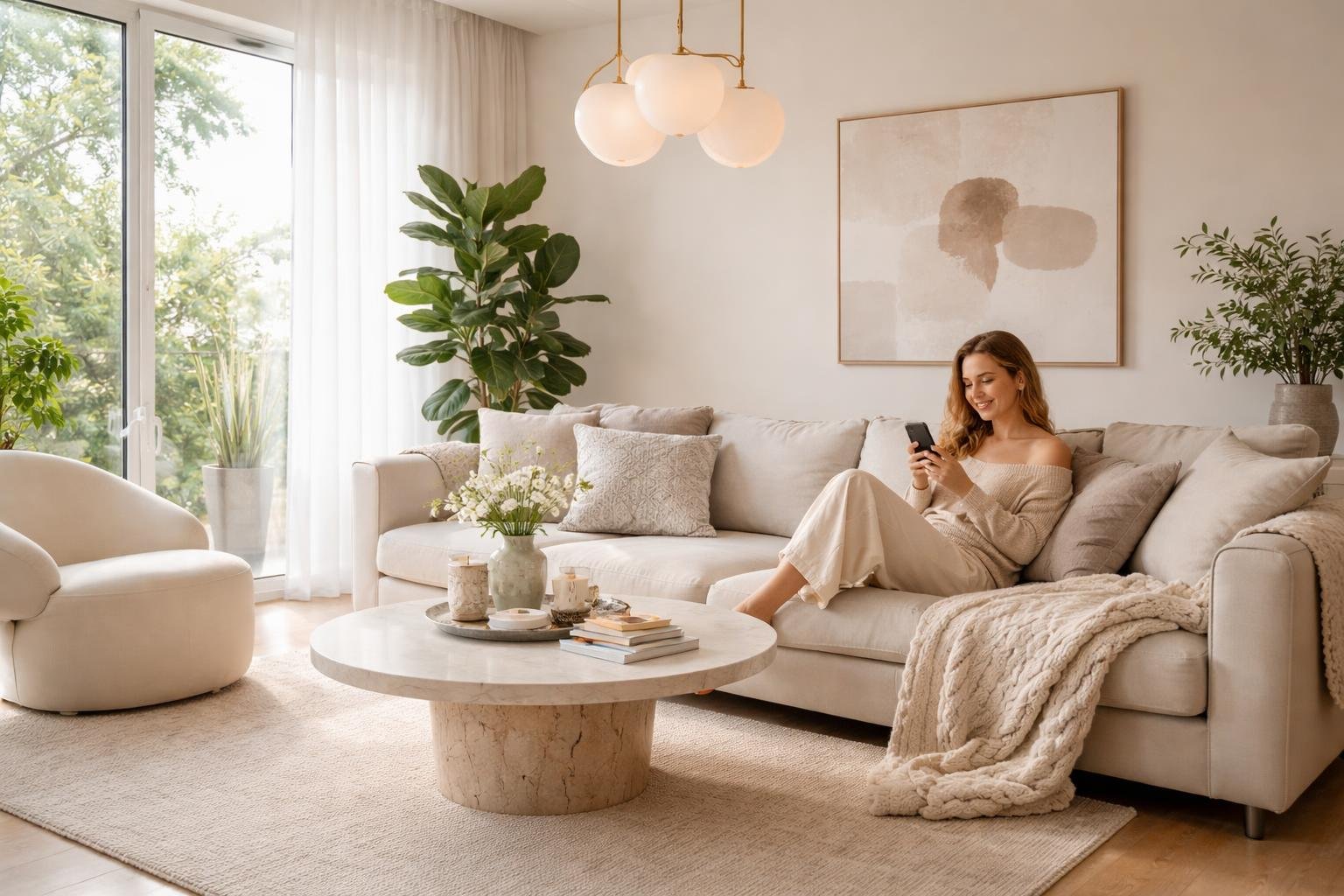
Social media has changed how people think about a nice home. It is less about having the most expensive furniture or formal rooms. Now, people care more about comfort, flexible spaces, and rooms that look good in photos.
Minimalist and Maximalist Styles
On social media, you will see two main styles. Minimalist rooms are simple and tidy. They use neutral colors, clean lines, and only a few items. These rooms feel calm and open.
Maximalist rooms are full of color, patterns, and many objects. They might have lots of pictures on the wall, shelves with plants, books, and other decorations. These rooms feel lively and busy.
Both styles look planned and intentional. A “nice home” now means having a clear style, not spending a lot of money. Thoughtful choices make a home feel special.
New Ideas About Personal Space
Social media shows new ways to make personal space, even in small homes. People create small zones for certain activities, like a reading corner with a lamp and chair or a meditation spot with cushions and plants.
Privacy can come from clever layouts instead of separate rooms. You can use room dividers, curtains, or how you place furniture to make private areas inside a bigger room. This lets you change the space to fit your needs.
Emergence of Multipurpose Rooms
Your home office can also be a guest room, gym, or craft space. People need rooms to do many things now. A dining table might be a work desk during the day and a family table at night.
Furniture is made to be flexible. Murphy beds fold into walls, desks can become vanities, and ottomans hide storage. The best homes use smart design that fits your life instead of sticking to strict room rules.
Now, a nice home is one that works well every day, not one with rooms you rarely use.
Community and Connection in the Digital Age

Social media changes how people show their homes and invite others in. Instagram and TikTok turn living rooms and kitchens into posts for likes and comments. Video calls and virtual tours can replace some in-person visits.
Showcasing Homes for Social Validation
People often decorate with an audience in mind. Your home can become part of your online identity. When you share photos, you look for likes, comments, and shares.
This can change your choices. You might pick furniture or paint because they look good in photos, not because you love them. Trends spread fast on Pinterest and Instagram and push people toward certain styles.
Now a "nice home" means more than comfort and use. It should look good in photos. People set up small photo spots in their homes with clean lines, good light, and trendy decor to get attention on social media.
Online Home Tours and Virtual Gatherings
You can invite people into your home without them coming over. Virtual tours using video calls, Instagram Stories, and YouTube let you show your space to many people. These tours let you control what others see.
Video calls make your background part of how you present yourself. You pick rooms with good light or a neat wall to sit in front of. Some people buy decor just to look good on video calls.
Virtual gatherings set new standards for homes. You might make certain spots "Zoom-ready" with better chairs, tidy shelves, or interesting art. Your home now serves you in real life and as a backdrop for online meetings.
The Role of Home Automation and Smart Technology
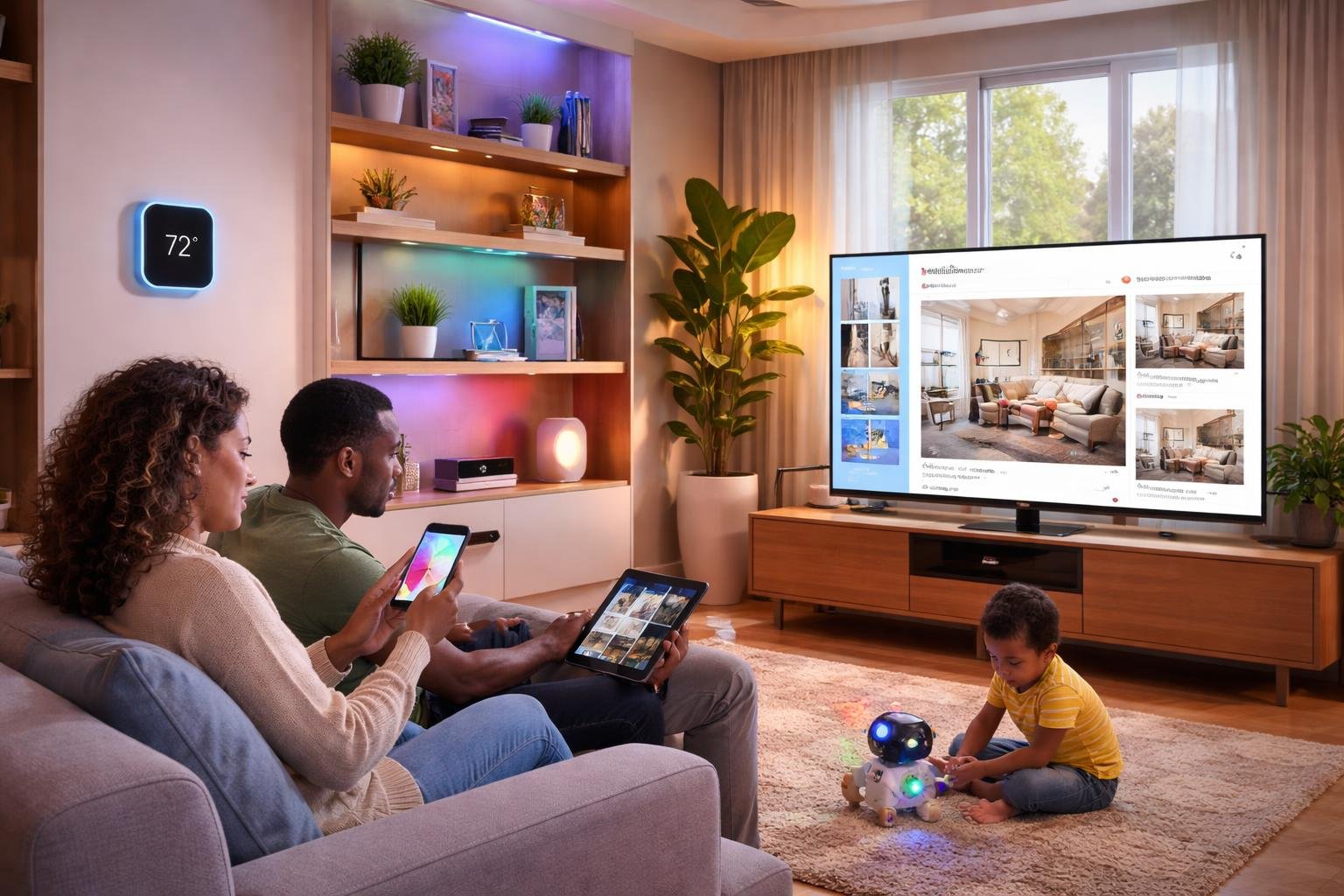
Smart home features now affect how people decide if a house looks "nice" on social media. Connected devices and energy-saving systems make homes look modern and attractive in photos and videos.
Integrating Connected Devices
Your home can look more appealing on social media when you show smart technology. Voice assistants, automated lights, and thermostats you control with an app make a space feel up-to-date and well planned.
Many buyers now want homes with smart tech already built in. That means these devices are becoming expected, not just extra perks.
Smart devices also give you ideas for posts. You can film your lights changing, show your phone controlling the thermostat, or share a video from your security camera. These clips show that your home uses modern tools that make life easier.
Common smart devices that boost home appeal:
- Smart door locks and video doorbells
- Automated window blinds
- Voice-controlled lighting systems
- Smart thermostats
- Connected security cameras
These devices look good in pictures and videos. They turn normal home features into things people notice and talk about online.
Sustainability and Energy Efficiency
Smart technology helps cut energy use, and that matters to people who see your home on social media. Green features now make a home look responsible and well cared for.
Energy monitors show real-time data about how much power you use. You can share these numbers to show you care about the environment. Smart thermostats learn your routine and change the temperature by themselves, saving energy without you having to do much.
Solar panels with smart energy systems make homes look modern online. These systems store extra energy and use it at the best times of day. People who care about the planet like to see this technology.
Smart homes can also track water use, help appliances run better, and lower utility bills. When you post about these features, you show that a nice home is comfortable and eco-friendly.
Democratization of Interior Inspiration and Education
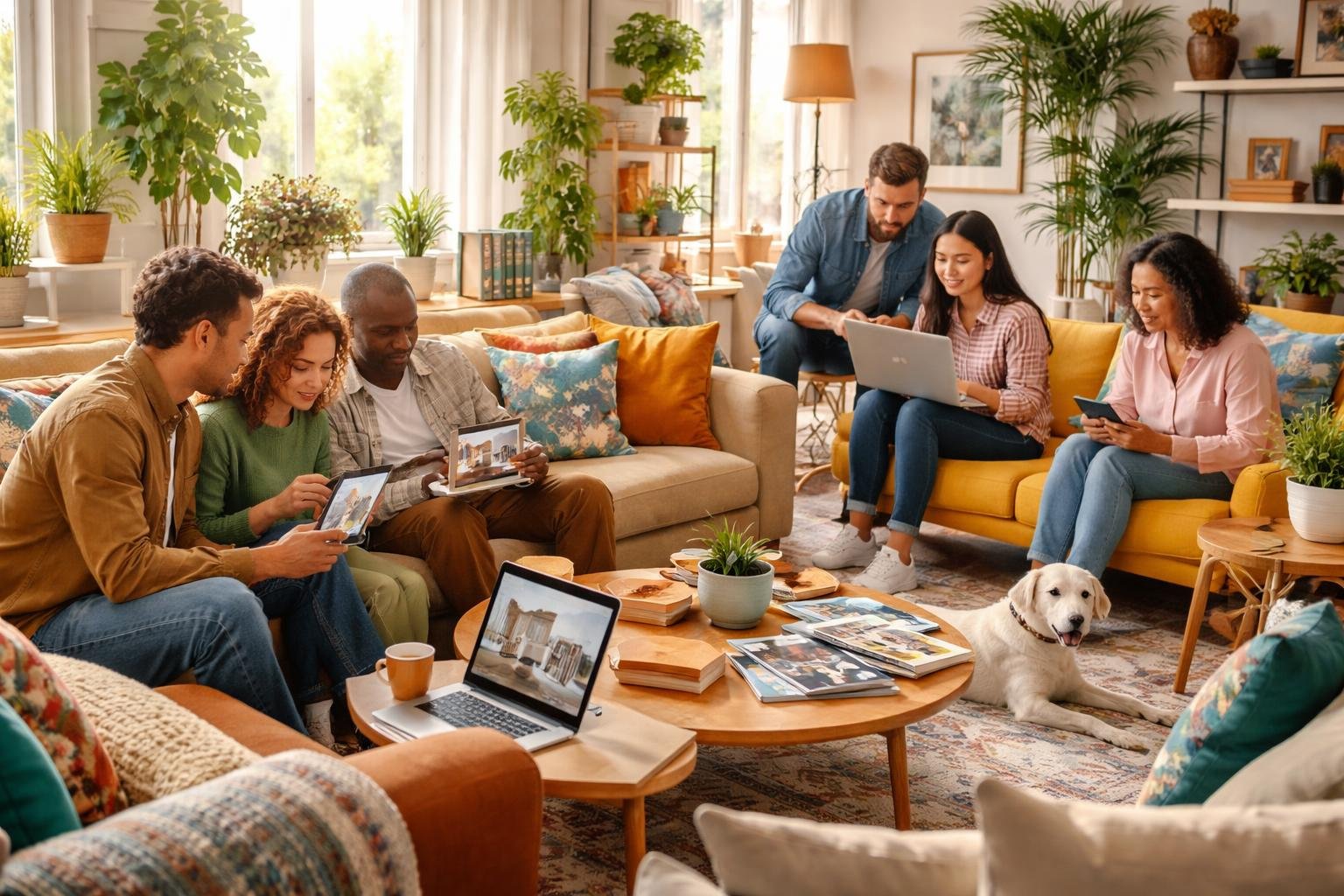
Social media has opened up design ideas that were once only for professionals. Now you can find expert tips, global trends, and step-by-step guides without hiring a designer or buying expensive magazines.
Access to Global Design Ideas
Sites like Pinterest and Instagram give you millions of design ideas. You can learn about Japanese minimalism, Scandinavian cozy styles, or Mediterranean looks from your phone in seconds.
This ease of access works both ways. You are not stuck with what your local stores sell or what local designers suggest. A homeowner in rural Kansas can get ideas from a Tokyo apartment or a Paris loft just as easily as someone in a big city.
The gap has narrowed a lot. Design ideas that used to be only for rich clients are now free and available to anyone with internet access. You can follow the same designers, see the same trends, and learn the same color tips professionals use.
This change means your design choices are no longer set by location or money. You can mix styles from around the world in ways that were hard before social media connected people everywhere.
DIY Culture and Tutorial Popularity
Video platforms like TikTok and YouTube turn tricky design tasks into easy-to-follow tutorials. You can learn to put up peel-and-stick wallpaper, build shelves, or reupholster furniture by watching short videos.
This tutorial culture makes home improvement less scary. Jobs that once needed a pro now have many step-by-step guides, often made by people who learned the skill themselves.
Popular DIY tutorial categories include:
- Furniture refinishing and painting
- Budget-friendly room makeovers
- Custom storage solutions
- Textile crafts like macramé and pillow making
- Wall treatments and accent installations
Comments on these tutorials create learning groups. You can ask questions, solve problems, and show your results. This peer-to-peer learning means you get advice from real people, not just from design books.
Economic and Societal Implications
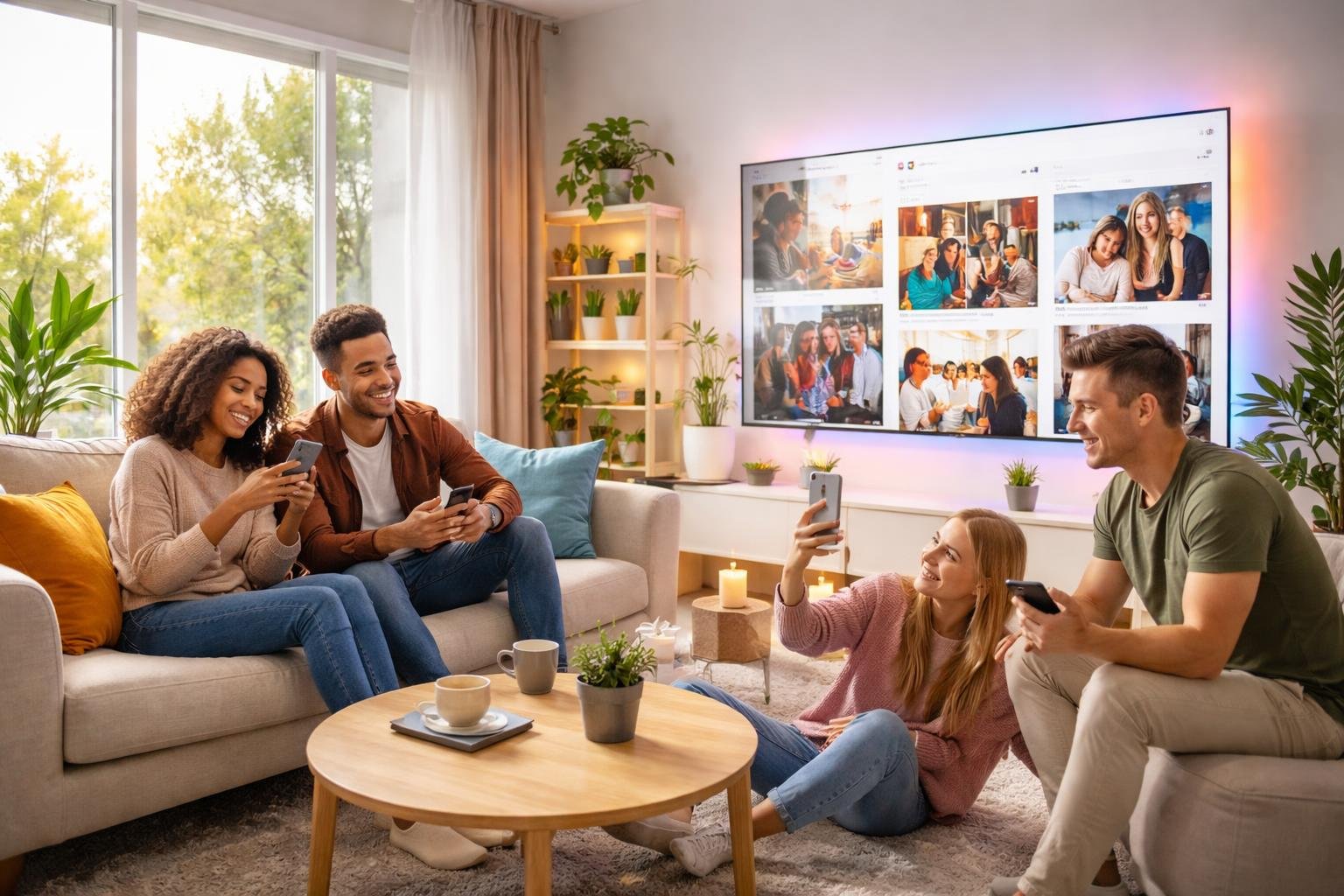
Social media has changed what people expect when they look for homes. Photos and videos that look great online are now a must. This puts money pressure on sellers and real estate agents.
Impact on Real Estate Photography
Agents spend a lot more on professional photos than before Instagram and Pinterest. Listings need many high-quality images that look good on phones and match other polished content buyers see online.
Professional photography can cost from about $150 to $500 for one home. For expensive listings, agents might spend much more. Many also pay for drone photos, virtual staging, and twilight shots to make a listing stand out.
Common items in a photo package:
- Wide-angle interior shots with good lighting
- Exterior photos taken in good weather
- Close-up shots of special features
- Drone or aerial photos for larger homes
Because of these costs, small brokerages and people selling homes on their own can find it hard to compete with listings that have professional media. This changes who can sell homes easily and how houses are presented online.
Evolving Expectations for Property Listings
Buyers now expect listings to look like the homes they see on social media. People want granite countertops, open layouts, and neutral colors because these styles look better in photos and videos.
Houses that do not photograph well often stay on the market longer, even if they are a good deal. Unique architectural features or small, cozy rooms can be ignored because they do not show well in quick social media posts.
Virtual tours and 3D walkthroughs are no longer special — they are expected. Listings with video content get many more inquiries than those without. This puts pressure on sellers to pay for these tools just to meet basic buyer expectations.
Emotional and Psychological Effects
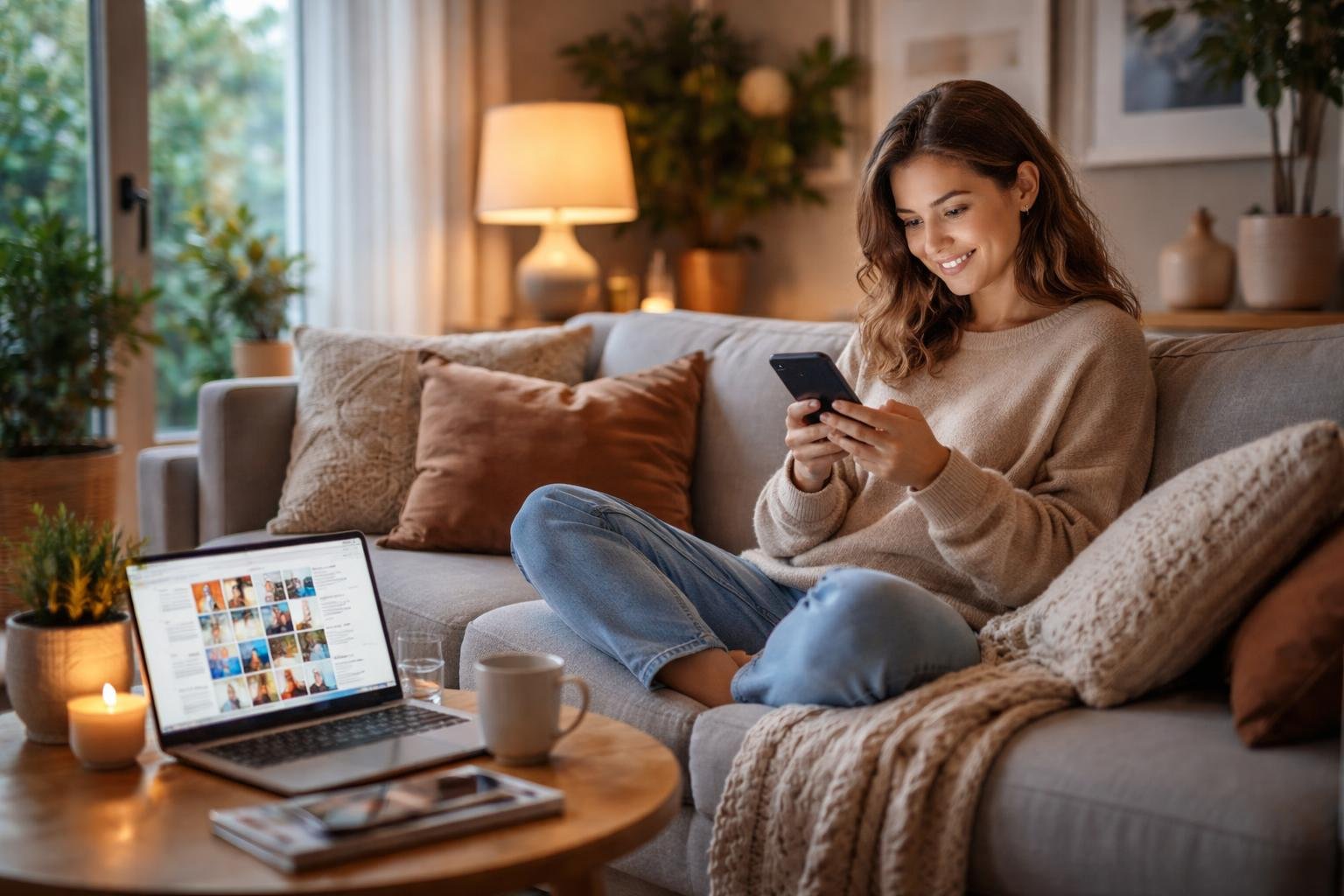
Social media has changed how people see and feel about their homes. It creates new pressures about how homes should look. These online influences can affect mood and how satisfied you feel with your home.
Comparison Culture and Aspirational Living
When you scroll through Instagram or Pinterest, you see carefully styled rooms with great lighting and expensive furniture. These images set high and often unrealistic standards for what a "nice home" should be.
This leads to social comparison. You might measure your living room against influencer homes with very costly sofas and decor. Seeing these ideal images can make you feel like your home is not good enough.
Common comparison triggers include:
- Kitchen makeovers with high-end appliances
- Minimalist looks that need costly storage systems
- Seasonal decor that requires new buys
- Perfectly tidy rooms that do not show real daily life
Trying to match these trends can change how you spend money and how stressed you feel. You might replace useful items just because they do not look good in photos or do not match current styles.
Mental Wellness and Home Satisfaction
How happy you are with your home now partly depends on social media. Studies find that people who use social media a lot often feel less happy with their living space. You might have been fine with your bedroom until you saw dozens of "bedroom makeover" posts in one week.
This change affects mental health in clear ways. You may feel nervous about having guests because your home does not look "Instagram-worthy." Some people stop sharing photos of their homes because they feel embarrassed about old or simple rooms.
But social media can also help. It can give real ideas for improving your space on a small budget. Support groups share honest tips and celebrate different home styles. The difference is whether you use social media to get ideas or to compare yourself to others.
Future Directions and Emerging Trends
Social media is starting to add tools like virtual home tours and AI design tips. These will change how people judge and create "nice" homes.
Virtual Reality Home Experiences
Platforms are adding virtual reality (VR) features so you can walk through homes from your couch. Instagram and TikTok are testing ways to show 360-degree room tours from influencers and real estate accounts.
With VR, you can see a home's layout, lighting, and flow using your phone or a headset. This helps you judge if a design works in real space instead of just in a flat photo.
Key VR features coming to social media:
- Interactive room walkthroughs with clickable furniture and decor
- Live virtual tours led by designers and homeowners
- AR filters that let you place furniture from posts into your own room
These tools may help people focus less on perfect photos and more on spaces that are comfortable and useful to live in.
Personalization Through Data-Driven Design
Social media sites use what you look at and click on to show you home ideas that match your taste and budget. The apps track which room styles you save, share, or spend time viewing.
You get home design feeds based on your location, clues about your income, and what you have looked at before. Pinterest and Instagram already give recommendations that learn from what you do.
This data-driven way of working means you see fewer one-size-fits-all "dream homes" and more realistic options you could actually make. The algorithms take into account your climate, home size, and past purchases to suggest practical designs instead of only showing fancy looks you cannot afford.
Frequently Asked Questions
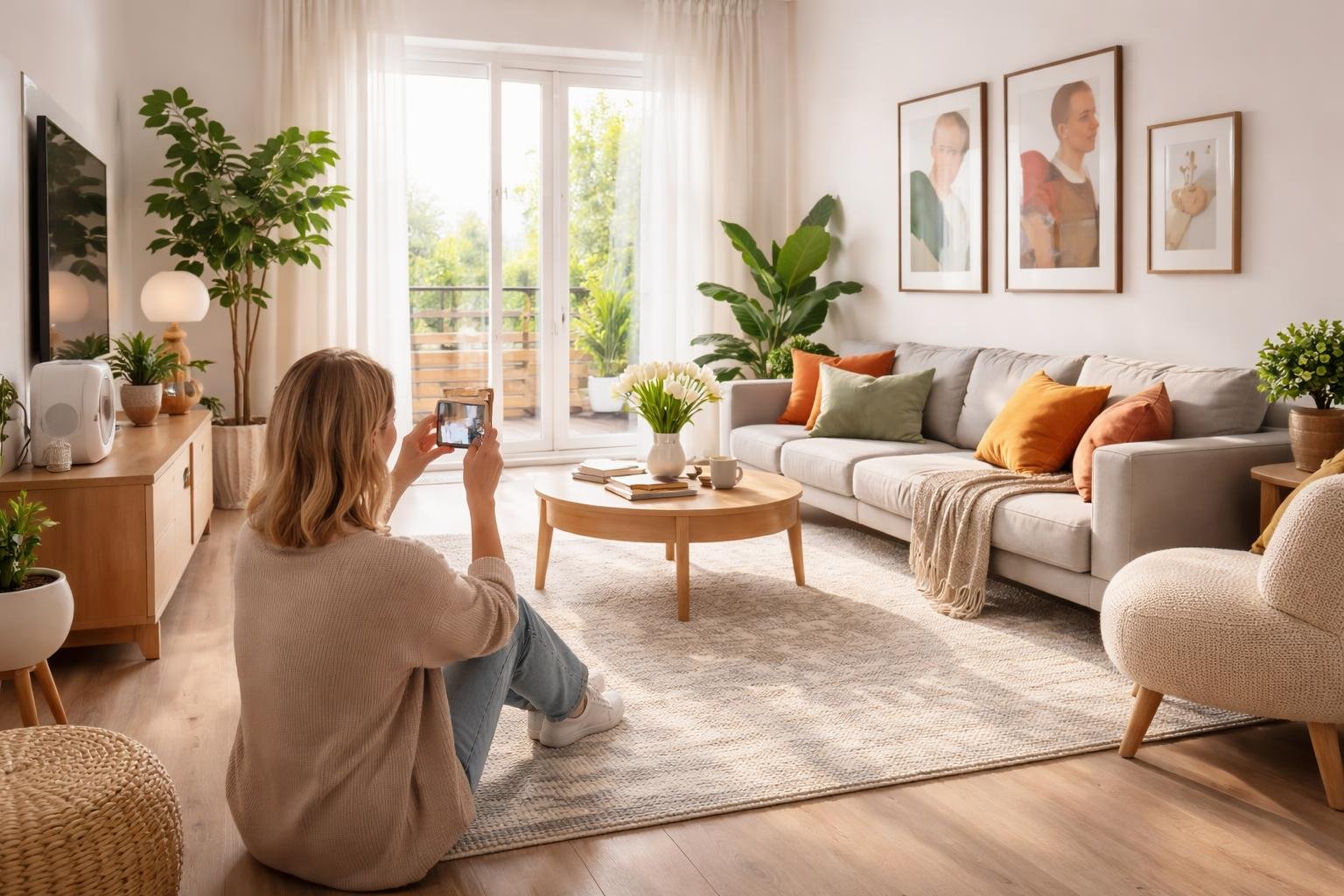
Social media now influences how millions of people think about home design. These platforms often focus on looks and shareability more than everyday comfort. Knowing this can help you make better choices for your own space.
How have Instagram and TikTok trends changed what people think a well-designed home is?
Instagram and TikTok have made visual impact the most important sign of good design for many people. Before these apps, design magazines and experts guided most home style choices. Now, viral hashtags and short videos can make a specific look popular in just a few days.
These apps reward spaces that photograph well. Bright natural light, simple rooms, and strong accent walls look better in photos than cozy but plain rooms.
You see the same styles repeated in millions of posts. Aesthetic themes like "cottagecore" or "modern farmhouse" spread fast because people share and copy what gets attention. This creates cycles where certain looks stay popular for months before a new trend appears.
What home features and design choices tend to perform best on social media, and why?
Clean, simple rooms with good light get the most likes and shares. White or light-colored walls act like blank pages that make furniture and decor stand out. Big windows and natural sunlight make rooms look larger and more welcoming in photos.
Bold or unique items grab attention. A cool light fixture, a bright chair, or a patterned backsplash gives people something to notice. Plants also do well because they add color and life to pictures.
Open floor plans look better in photos than many small separate rooms. They create lines of sight that make spaces look bigger and more connected in one shot.
Useful features are often ignored if they do not look good. Good storage, practical lighting, and hard-wearing materials help daily life but usually get fewer likes and shares.
How does social media influence home-buying and renovation decisions?
Many buyers now think about how "Instagrammable" a home is. People may choose features that look good in pictures instead of those that fit their real needs. Items like kitchen islands, open shelves, and spa-like bathrooms are popular partly because they appear a lot online.
Social media shows new renovation ideas you might not know about. A viral before-and-after video can inspire someone to start a project. It can also teach you about problems to watch for from other people's experiences.
Fast-changing trends make some people feel they must redo their homes often. When your feed shows new styles every few months, a recent update can feel old fast. This can push people to make unnecessary renovations to keep up.
What are the psychological effects of comparing your home to curated content online?
Seeing perfect-looking homes all the time can make you unhappy with your own space. Creators spend time staging, lighting, and editing photos. What you see is the nicest version of their home, not what it looks like every day.
This comparison can cause feelings of not being good enough or stress about your living space. You may feel pressure to make your home look the same, even though most people do not live in showroom conditions.
Only seeing tidy, styled homes changes what you think is normal. Regular lived-in homes can start to seem messy or wrong by comparison.
Some people begin to shop more and more to copy looks they see online. The constant flow of new products and styles can lead to spending more than you need or can afford.
How can homeowners create a stylish, comfortable space without chasing every online trend?
Start by thinking about what you actually need every day. Make a short list: storage for hobbies, a comfy place to sit, or a spot to work. Use these needs first, then add decoration.
Choose simple, classic pieces for big purchases. Neutral sofas, solid wood tables, and plain light fixtures last longer than trendy items. You can change the room’s look later with small things like pillows, art, or paint.
Limit how much home content you see if it makes you feel bad. Unfollow accounts that make you compare yourself or want to spend money. Follow people who give useful tips instead of only pretty photos.
It’s okay to skip trends that don’t fit your life. If a style looks nice but is hard to clean or doesn’t match how you live, don’t use it.
Why do some social media–driven home trends put looks before usefulness, and how can you balance both?
Social media rewards images that make people stop scrolling. Bold pictures and strange choices get more likes than practical design. So creators often show things that look good, not what works best every day.
Photos don’t show daily problems. A picture won’t tell you if open shelves collect dust or if a white couch stains easily. You only see a perfect moment, not the chores behind it.
Before you commit to a trend, test if it will work for you. Ask if the feature does something useful in your home besides looking good. Look up the real-life pros and cons.
Try trends in temporary or small ways first. Use removable wallpaper, test a trend in one small area, or buy a cheap version to try. This helps you decide before spending a lot.
Make function your priority in busy areas. Kitchens, bathrooms, and entryways should work well first and look nice second. Save purely decorative choices for rooms that get less use.