


7 Spots in Your Kitchen You're Forgetting to Organize
July 15, 2026
You probably wipe down your counters and organize your pantry on a regular basis. But some areas in your kitchen stay messy without you even noticing. These hidden spots collect clutter and make your whole kitchen feel less organized.
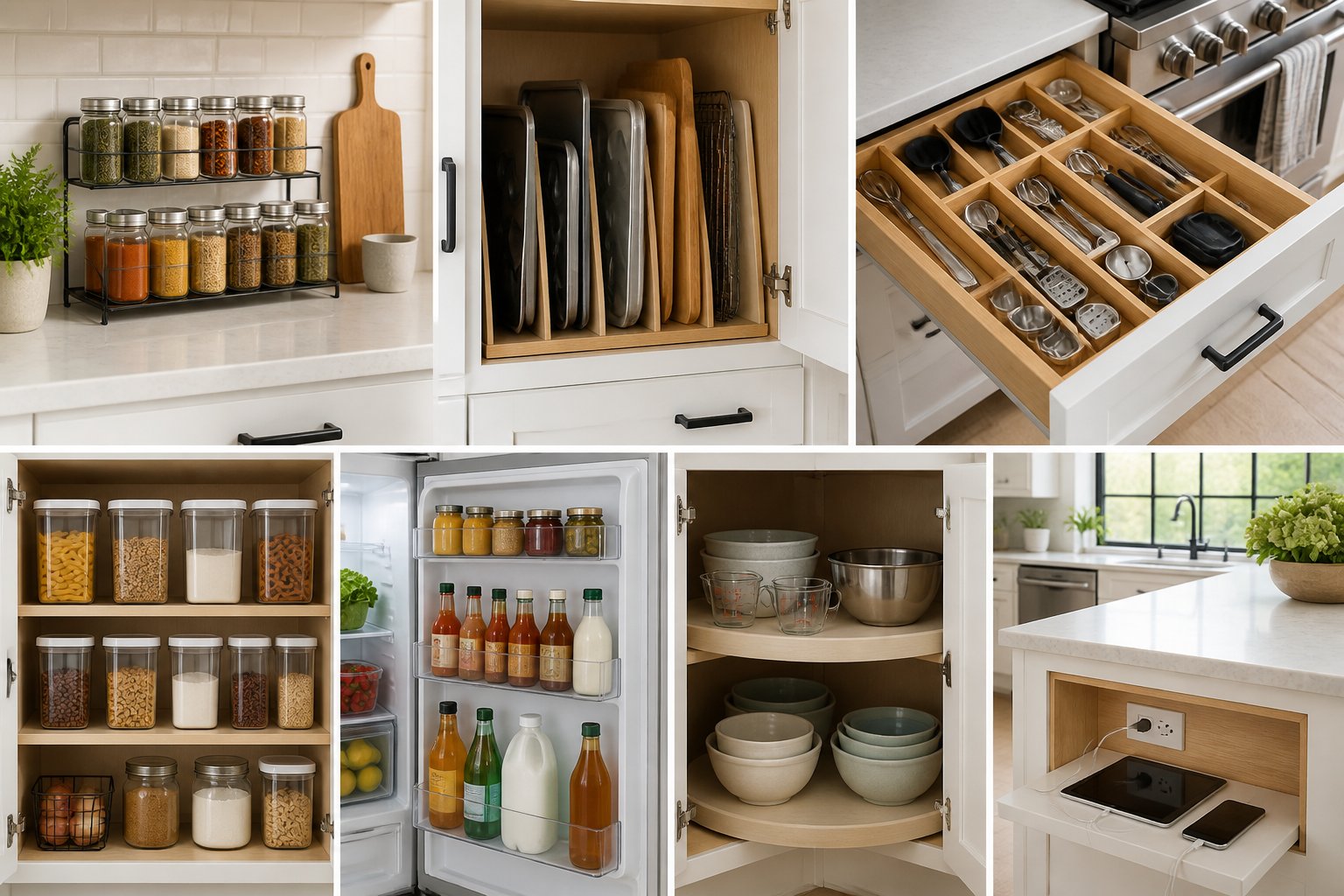
The truth is, most kitchens have at least seven forgotten zones that never get organized, and they're quietly making your space harder to use. These areas often hide in plain sight. You walk past them every day without giving them a second thought.
Getting these spots under control doesn't take much time or effort. Once you know where to look, you can tackle each area quickly. Your kitchen will work better and feel cleaner when everything has its place.
Overlooked Storage Zones
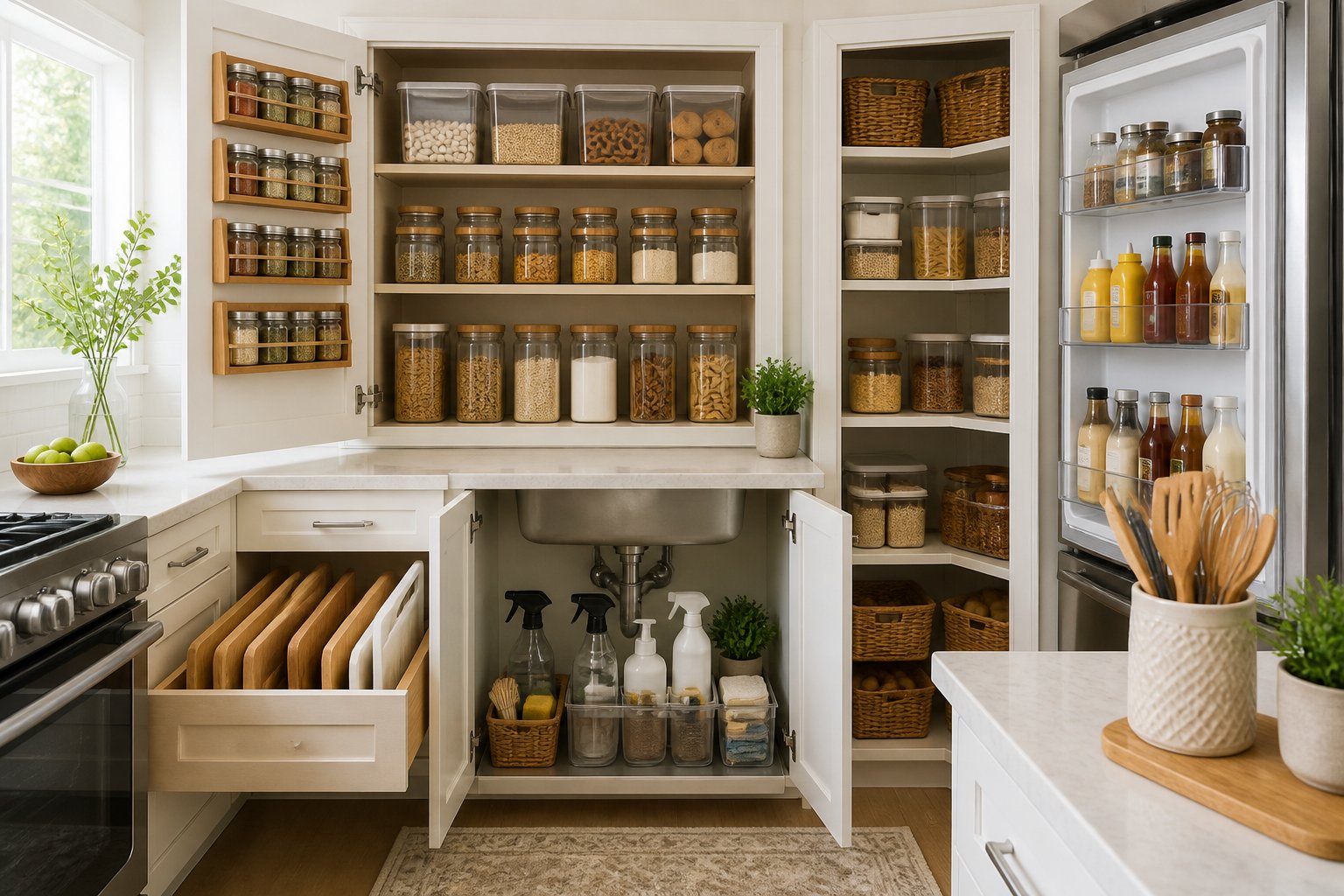
Your kitchen has several storage areas that often get ignored during organizing sessions. These spaces can add significant storage capacity when used properly.
Behind Small Appliances
The space behind your coffee maker, toaster, and other countertop appliances often becomes a collection point for crumbs and forgotten items. You can use this area to store items you don't need every day.
Pull your appliances forward a few inches from the wall. The gap behind them works well for storing flat items like cutting boards, baking sheets, or serving platters. You can also place a narrow shelf or riser behind larger appliances to create two levels of storage.
Keep frequently used appliances toward the front of your counter. Push less-used items like your waffle maker or food processor toward the back. This system helps you access what you need without creating clutter.
Clean behind appliances at least once a month. Food particles and spills can attract pests if left unchecked.
Inside Cabinet Doors
Cabinet doors offer valuable vertical storage that most people overlook. The inside of these doors can hold many kitchen items without taking up shelf space.
Install adhesive hooks for measuring cups, pot holders, or small utensils. Mount wire racks to store aluminum foil, plastic wrap, and parchment paper boxes. You can also attach small baskets for sponges, scrub brushes, or seasoning packets.
Under your sink cabinet, use the door to hang cleaning gloves or store spray bottles. Add a mounted paper towel holder or a small rack for garbage bags.
Make sure any hardware you install doesn't interfere with the cabinet closing properly. Test the door swing before adding items to ensure everything fits.
Under the Sink
The area beneath your kitchen sink easily becomes disorganized because of the plumbing. This space needs the right storage solutions to work efficiently.
Use stackable bins or pull-out drawers designed to fit around pipes. These containers help you group similar items together and make everything easier to reach. Store cleaning supplies in one bin, dish soap and sponges in another, and trash bags in a third.
Add a tension rod across the cabinet to hang spray bottles by their triggers. This frees up floor space for other items. You can also use command hooks on the cabinet sides to hang rubber gloves or small brushes.
Keep this area dry by checking for leaks regularly. Remove everything and wipe down the cabinet interior at least twice a year.
Unexpected Clutter Collectors
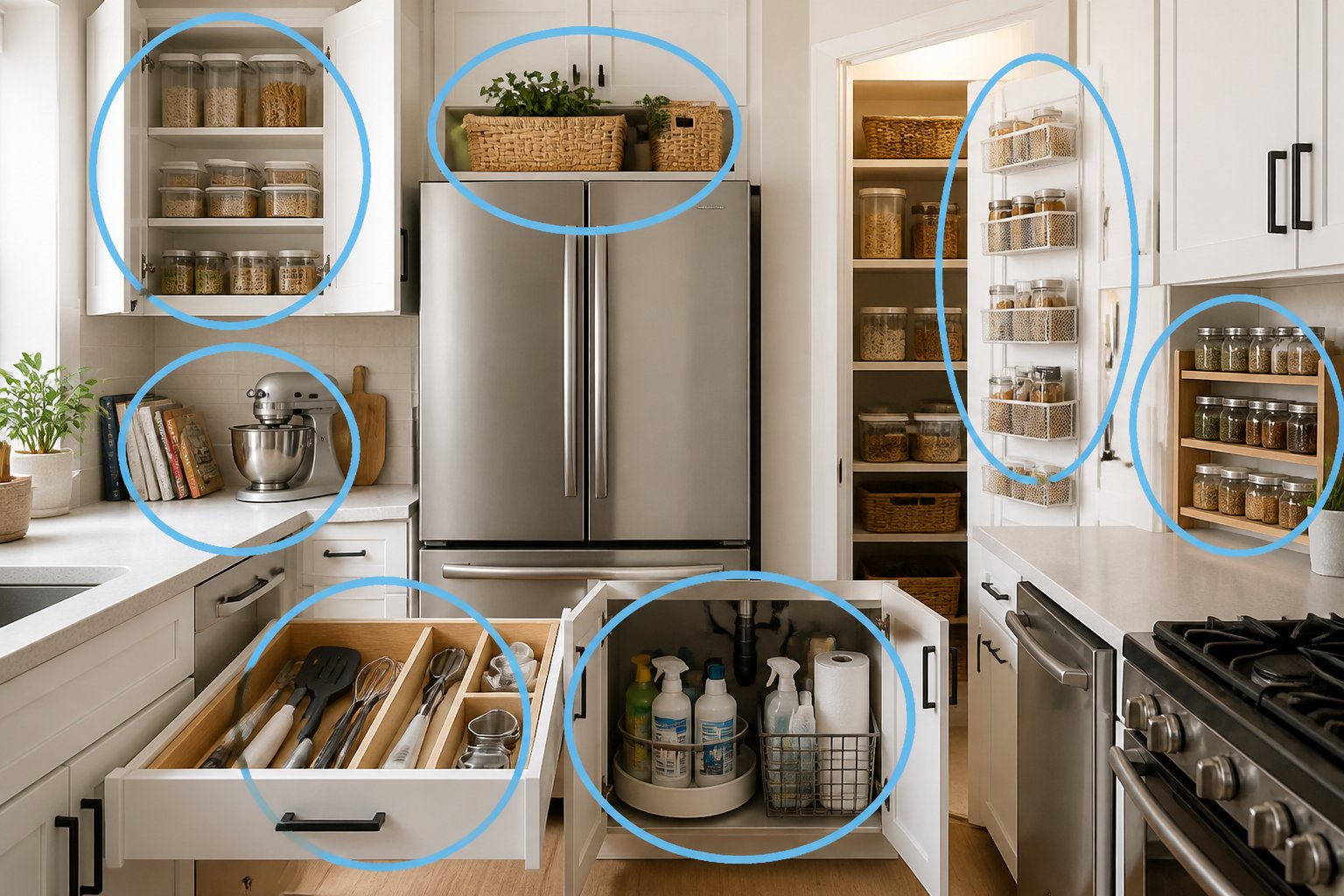
Some kitchen areas become messy without you noticing because they're hidden or tucked away. These spots collect random items over time and turn into disorganized zones that slow down your daily cooking routine.
Drawer Organizers and Inserts
Your drawer organizers probably hold more clutter than you realize. These containers start as helpful tools but often become catch-alls for items that don't have another home.
Check your organizer compartments for broken utensils, duplicate tools, and gadgets you never use. Many people keep three can openers or multiple potato peelers in these inserts without thinking about it. Remove anything that's bent, rusty, or missing parts.
The small sections in drawer organizers fill up with random items like twist ties, expired coupons, and loose batteries. Sort through these sections every few months. Keep only the twist ties you need for the current week and move batteries to a designated spot outside the kitchen.
What to keep: One of each essential tool in good condition, frequently used measuring spoons, and items you've used in the past month.
Pantry Shelf Corners
The back corners of pantry shelves hide forgotten food and duplicate items. You can't see what's there, so things get pushed back and expire.
Pull everything forward from the corners once a month. You'll likely find cans past their dates, opened packages that went stale, and ingredients you bought twice because you forgot you had them. This practice saves money because you stop buying duplicates.
Use lazy Susans or small bins to make corner items easier to reach. These tools let you spin or pull out items instead of digging around blindly. Label your bins by category like "baking supplies" or "breakfast items" so you know what belongs there.
Group similar items together and put newer products in the back. This system keeps older food at the front where you'll use it first.
Refrigerator Door Compartments
Door shelves collect old condiments and expired sauces faster than any other kitchen spot. These compartments are convenient, but that makes them easy to ignore during regular fridge cleaning.
Go through each door bin and check expiration dates. Many condiments last months after opening, but some only stay good for a few weeks. Salad dressings typically last 1-3 months after opening, while mayo lasts about 2 months in the fridge.
Wipe down the bins while they're empty because sticky drips build up quickly. Remove the bins completely if they're dishwasher safe for a thorough clean.
Store your most-used items at eye level in the door. Put backup bottles or less frequent condiments on the lower shelves. This approach keeps your daily items accessible and prevents you from buying duplicates you already have.
Above the Fridge
The space above your refrigerator turns into a dumping ground because it's out of sight and hard to reach. This area often holds items that don't belong in the kitchen at all.
Remove everything from this spot and sort it into three groups: kitchen items you use, kitchen items you don't use, and non-kitchen items. Be honest about what you actually need up there. That bread maker you haven't touched in two years doesn't need premium storage space.
Keep only lightweight items you use occasionally, like serving platters for holidays or extra vases. Store these items in labeled bins or baskets so you can pull them down easily. Heavy appliances don't belong here because they're difficult to lift down safely.
Clean the top of your fridge while this space is empty. Dust and grease collect up there even though you can't see it.
Frequently Asked Questions
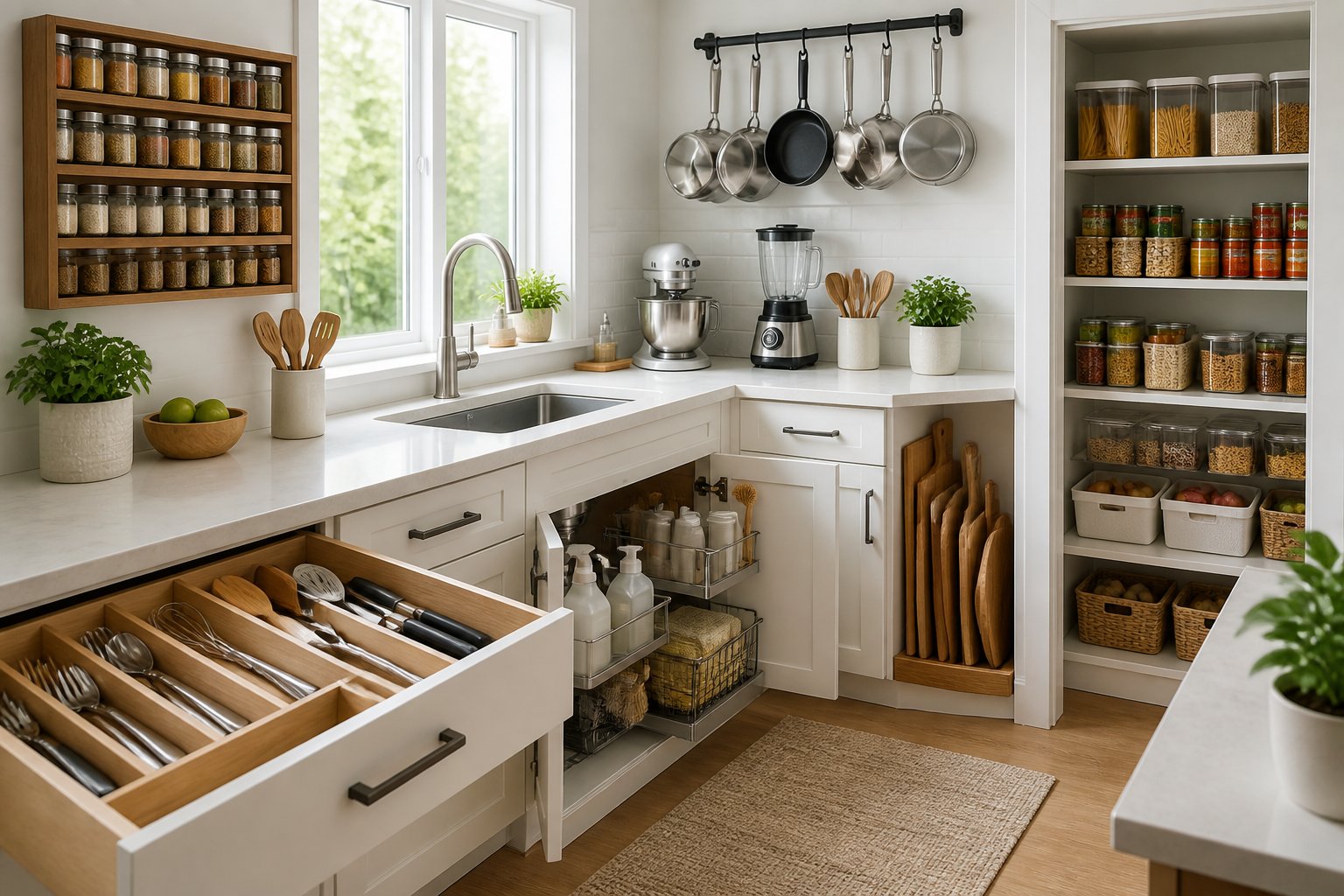
Kitchen clutter often builds up in spots that stay hidden from daily view, while smart organization strategies can maximize storage in even the smallest spaces. These practical solutions help you maintain order in cabinets, drawers, and specialized storage areas throughout your kitchen.
Which overlooked areas in a kitchen tend to collect the most clutter, and why?
The space under your sink becomes cluttered because it lacks shelving and often holds cleaning supplies that pile up over time. Cabinet corners are hard to reach, so items get pushed back and forgotten. Your junk drawer accumulates random tools and gadgets because you don't have designated spots for these items.
The top of your refrigerator collects items you rarely use since it's out of sight. The back of deep pantry shelves becomes a graveyard for expired food because you can't see what's there. These spots fill up quickly because they're not part of your regular cleaning routine.
How can I organize a small apartment kitchen without adding bulky storage?
Use vertical space by hanging items on walls or inside cabinet doors. Install adhesive hooks to hold mugs, utensils, or pot holders. Magnetic strips mounted on walls can store knives and metal spice containers.
Stack items with shelf risers to double your cabinet space. Store frequently used appliances on your counter and keep rarely used ones in higher cabinets. Use drawer dividers made from cardboard or small containers you already own.
Nesting bowls and stackable containers save space in small cabinets. Keep only the kitchen items you actually use and donate the rest.
What is the most effective way to organize small kitchen cabinets for daily use?
Place items you use every day at eye level or within arm's reach. Store plates and bowls near your dishwasher to make unloading faster. Keep glasses and mugs close to your refrigerator or sink for easy access to drinks.
Group similar items together in each cabinet. Put baking supplies in one area and cooking supplies in another. Use clear containers or labels so you can quickly find what you need.
Stack items by size with larger pieces on the bottom. Leave some empty space in each cabinet so you can easily grab items without moving other things around.
How should I set up kitchen drawers so utensils and tools stay easy to find?
Use drawer dividers to create separate sections for different types of utensils. Keep forks, spoons, and knives in their own compartments. Store cooking utensils like spatulas and wooden spoons in a separate drawer or container near your stove.
Place the items you use most often in the top drawers at waist level. Put specialty tools and gadgets you rarely use in lower drawers. Arrange everything so you can see each item without digging through piles.
Keep sharp knives in a drawer insert with slots or on a magnetic strip for safety. Remove any duplicate items or tools you haven't used in the past year.
What are the best methods for organizing pantry shelves to prevent food from getting lost or expiring?
Use clear containers to store dry goods like flour, sugar, rice, and pasta. You can see when supplies are running low and these containers keep food fresh longer. Label each container with the contents and expiration date.
Place newer items in the back and move older items to the front so you use them first. Group similar foods together on the same shelf. Keep breakfast items separate from snacks and baking supplies.
Store heavy items on lower shelves and lighter items up high. Put frequently used foods at eye level where you'll see them every day. Check expiration dates monthly and throw out anything that's past its date.
How can I organize the space under the sink to keep cleaning supplies accessible and safe?
Install a tension rod or small shelving unit to create two levels of storage. This doubles your usable space and keeps items from getting lost in the back. Store tall bottles on one side and smaller items on the other.
Use caddies or bins to group similar products together. Keep sponges and scrubbers in one container and cleaning sprays in another. This makes it easy to grab what you need and return it to the right spot.
Place frequently used items like dish soap and all-purpose cleaner in front. Store less-used supplies toward the back. If you have young children, use childproof locks or move all cleaning supplies to a higher cabinet.