


5 Subtle Upgrades That Instantly Make Your Home Feel More Premium
April 29, 2026
You don't need a full renovation to make your home feel more expensive. Small, planned changes can change how your space looks and feels without a big budget or long construction.
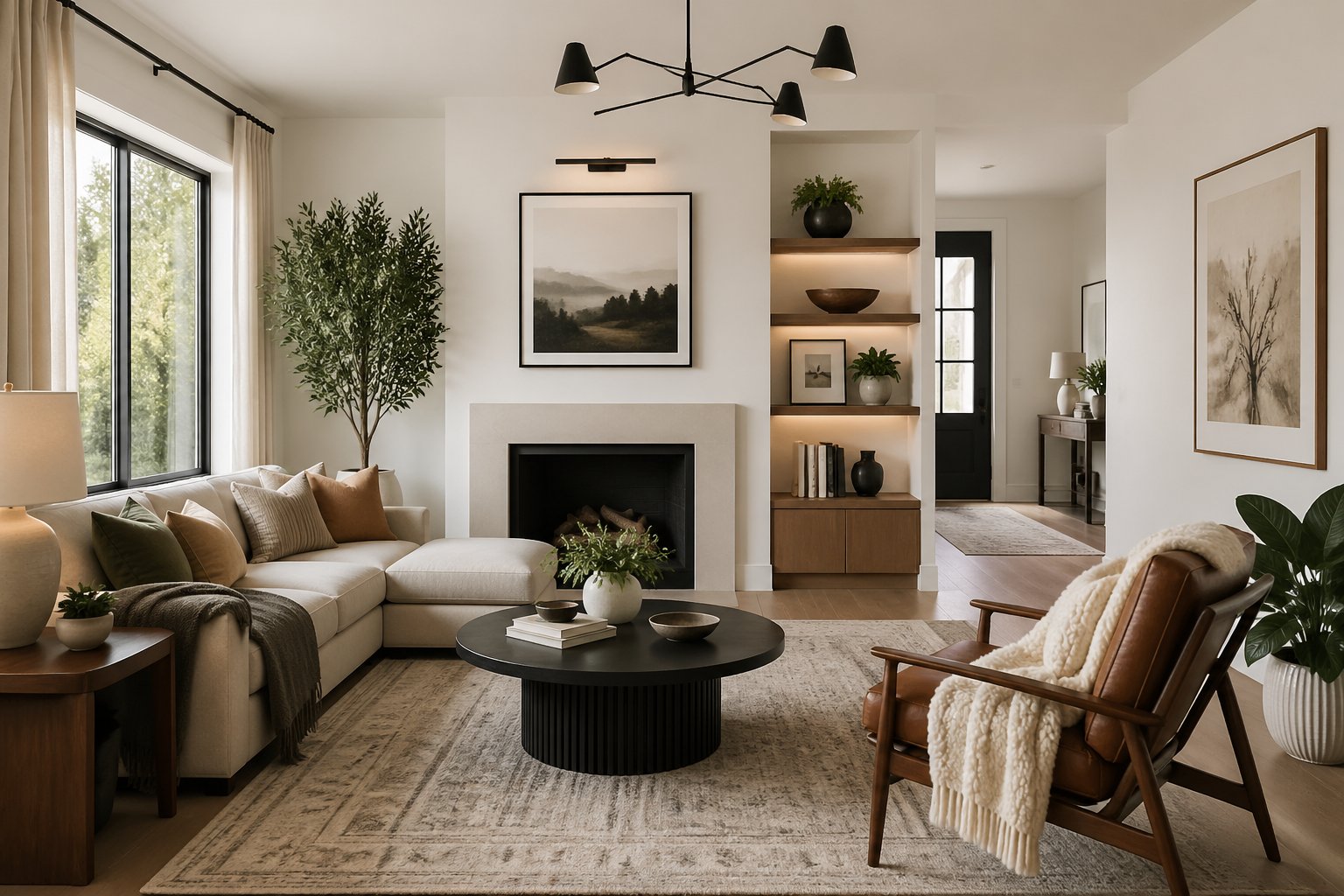
The best upgrades focus on small details that add polish and comfort. Simple swaps like new cabinet handles or better lighting can make a room feel more refined. These work because they fix the small things people notice first.
Choose upgrades that improve how your home looks and works. When you pick quality details and useful features, even basic rooms can feel more premium and well thought out.
Elevating Interiors With Thoughtful Details
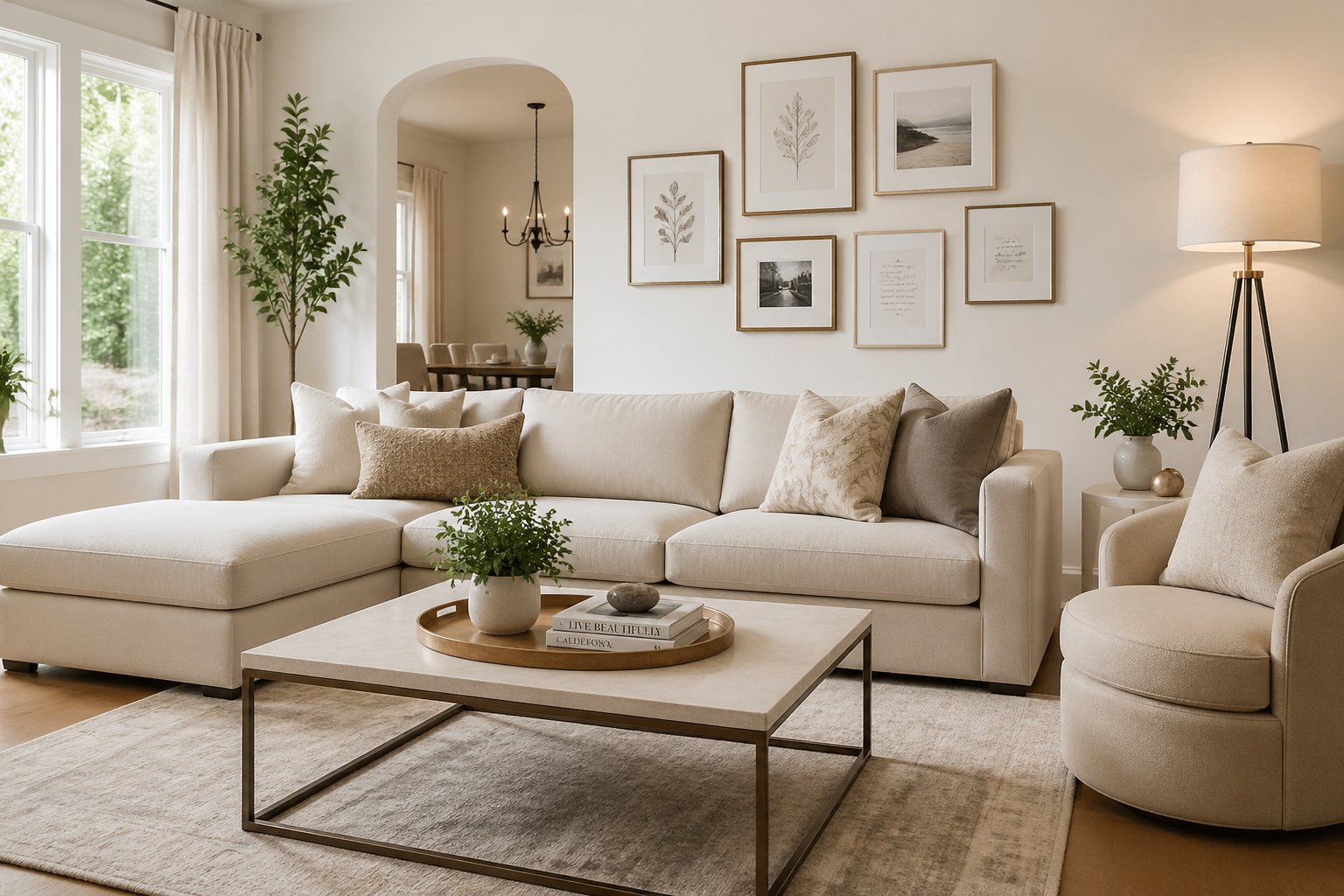
Premium interiors use simple design choices to add depth and interest. Good lighting, better hardware, and smart wall finishes can turn ordinary rooms into nicer spaces.
Incorporating Ambient Lighting Layers
A single overhead light can make a room feel flat and plain. Use several light sources at different heights to add warmth and shape.
Start with three kinds of light: ambient (ceiling lights), task (desk lamps, under-cabinet lights), and accent (wall lights, picture lights). This lets you change the mood and use of a room at different times. Putting dimmer switches on each circuit helps you control how bright each light is.
Key lighting upgrades include:
- Wall sconces next to mirrors or artwork
- LED strip lights under kitchen cabinets and inside shelves
- Table lamps placed at different heights around the room
- Recessed lights on separate circuits from main fixtures
The color of your bulbs matters. Warm white bulbs (2700–3000K) make living rooms and bedrooms feel cozy. Cooler bulbs (3500–4100K) are better for kitchens and bathrooms where you need clear, accurate light.
Upgrading Cabinet and Door Hardware
Old or cheap-looking hardware can make good cabinets and doors look less nice. Changing handles and knobs takes little time but can make a big difference.
Materials that look high-end:
- Brushed brass or aged bronze for a warm look
- Matte black for a modern feel
- Polished nickel for a classic style
- Unlacquered brass that darkens naturally over time
Use the same finish on hardware in connected rooms. For example, kitchen cabinet pulls should match nearby door handles and light fixtures. Consistent finishes make the space feel planned and calm.
Think about size when you pick hardware. Big cabinets need bigger pulls (about 5–8 inches). Drawer pulls should fit the drawer size. Large knobs on small drawers look odd, and tiny pulls on wide doors can seem too small.
Curating High-Impact Wall Treatments
Plain walls miss a chance to add texture and interest. Wall treatments can define a space and create a focal point without changing the structure.
Board and batten or picture frame molding adds depth and usually costs $2–4 per square foot for materials. These look good in dining rooms, hallways, and bedrooms. Paint the molding the same color as the wall for a subtle look, or use a different color for more contrast.
Textured wallpaper on one accent wall adds pattern without overwhelming the room. Grasscloth, linen-like textures, or small geometric patterns look refined. Peel-and-stick wallpaper is great for renters because it can be removed.
Shiplap or vertical paneling adds a natural texture to bathrooms and entryways. Put it halfway up the wall (wainscoting height) and paint it a shade a little lighter or darker than the wall. This helps separate areas while keeping the room open.
Enhancing Everyday Comfort With Modern Features
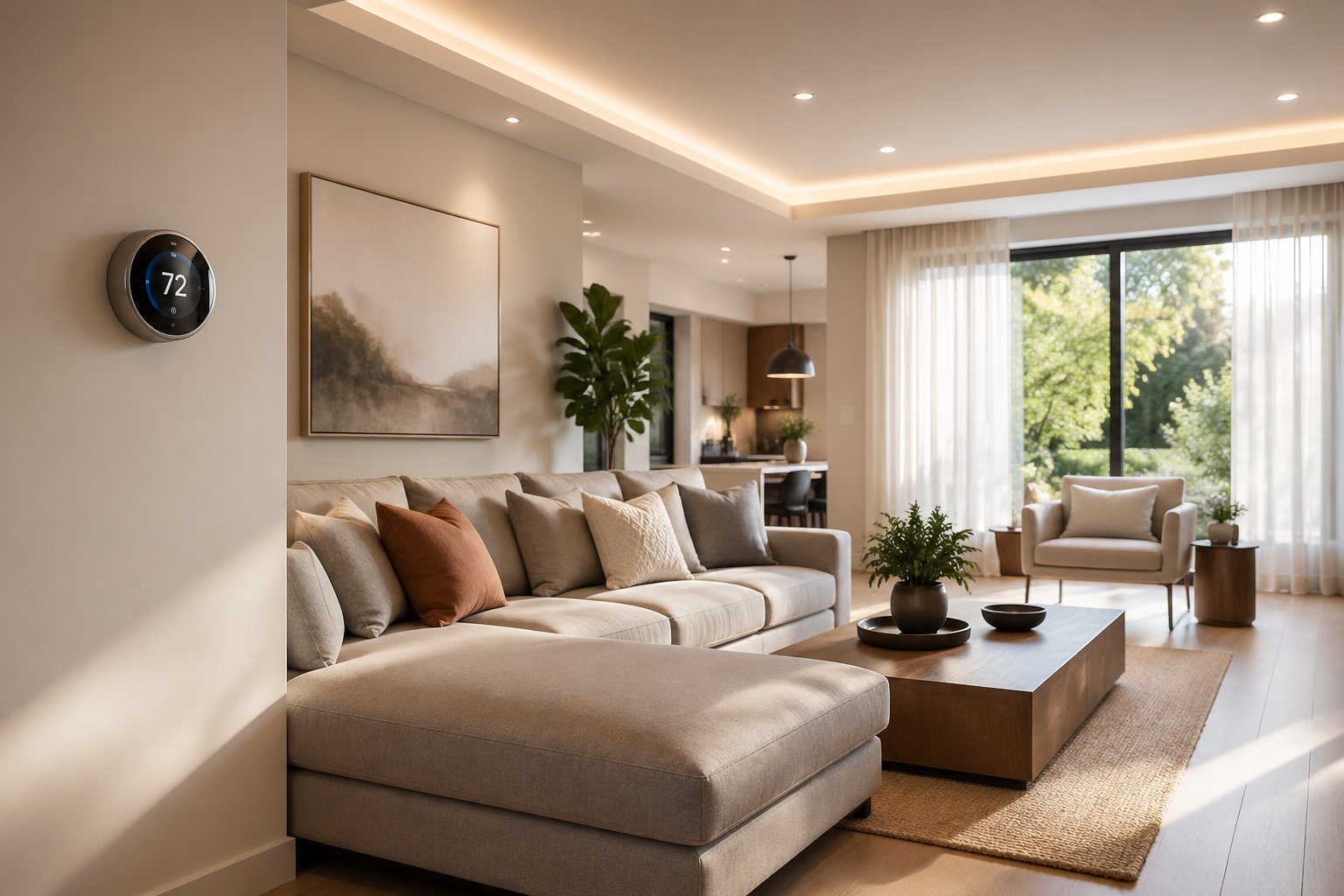
Modern features change how you use your home each day. The right tools and fixtures make life easier and make your home look nicer.
Integrating Smart Home Essentials
Smart home devices help you without big work. A smart thermostat learns when you are home and sets the temperature automatically. This saves energy and keeps you comfortable. Smart lights let you change brightness and color from your phone or by voice.
A video doorbell adds security and ease. You can see who is at the door and talk to them from anywhere. Smart plugs make normal appliances controllable from your phone so you can turn them on or off or set a schedule.
Key smart additions to consider:
- Smart speaker with voice assistant
- Automated window blinds
- Motion-sensor lighting for hallways and closets
- Smart locks for keyless entry
These upgrades work quietly in the background. They make your home respond to your needs without you having to do much.
Switching to Statement Fixtures
Light fixtures and hardware change how a room looks right away. Replacing cheap fixtures with chosen pieces makes a big difference.
Start with rooms you use most. A modern pendant light over the dining table or kitchen island draws attention and adds shape to the room. Wall lights in bathrooms or hallways add both function and style.
Change cabinet pulls, doorknobs, and faucets around the house. Finishes like brushed brass, matte black, or polished nickel give a pulled-together look. These small metal pieces are touched often, so better quality feels nicer.
Focus on items at eye level first since they are seen more. Even swapping outlet covers and switch plates for better ones in matching finishes makes a noticeable difference.
Frequently Asked Questions
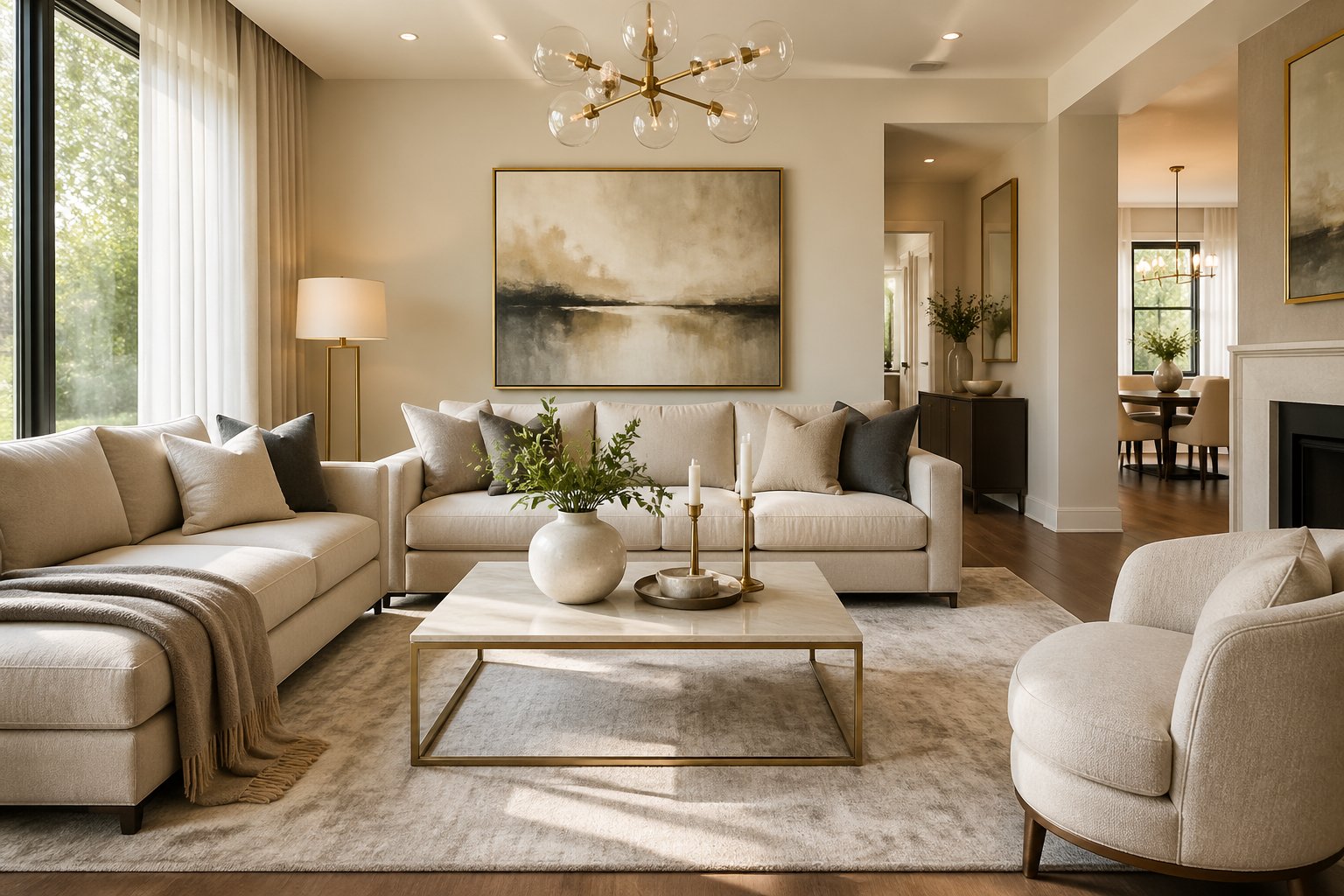
You can make your home feel more premium without big work or hiring a designer. Simple choices in paint, hardware, and styling can change how your home looks and feels.
What are the easiest small upgrades that make a home feel more high-end without a full renovation?
Start with hardware and fixtures. Swap cheap cabinet pulls, door handles, and light switch covers for finishes like brushed brass, matte black, or unlacquered brass.
Change your window treatments. Replace basic blinds with floor-length curtains hung close to the ceiling. This makes rooms look taller and more finished.
Improve lighting. Add dimmer switches and use several light sources at different heights. Table lamps, floor lamps, and wall lights add depth that a single ceiling light cannot.
Update faucets in the kitchen and bathroom too. Using similar finishes for faucets and hardware around the house helps everything feel planned and higher quality.
Which common home upgrades tend to look tacky or overdone, and how can you avoid them?
Trendy accent walls can look dated fast and split a room visually. Instead of loud patterns or very bright colors, try subtle texture like shiplap, board-and-batten, or paint in similar tones.
Matching furniture sets from big-box stores can make a room feel like a showroom. Mix furniture from different places and times to make the space feel collected and personal.
Too many shiny metal finishes can make a room feel cheap. Use gold, silver, or rose gold sparingly—pick a few pieces, not everything.
Open kitchen shelves need constant tidying to look good. If you use them, keep items simple, use matching dishes, and leave empty space so it doesn't feel cluttered.
Generic wall art and mass-produced signs hurt a premium look. Choose art that matters to you, use good frames, and pick pieces that fit the wall size.
What living room paint colors make a space feel more premium and inviting?
Warm neutrals are the most flexible choice. Greige (gray-beige), soft taupe, and warm whites look good with many light types and furniture styles.
Darker, rich neutrals can feel more expensive without being too bold. Try warm charcoal, deep navy, or forest green for an accent wall or small rooms like a powder room.
Cool white can seem cold in rooms with little natural light. Pick whites with warm undertones like cream, ivory, or off-white to keep the room cozy.
Earth tones like terracotta, clay, and sage green make a room feel grounded. They look great with wood and stone for a natural, premium feel.
Let your lighting guide your color choice. Test paint patches in daylight and at night with your lamps before you paint the whole room.
What are the biggest design mistakes to avoid when choosing finishes, fixtures, and hardware?
Using too many metal finishes makes a room look messy. Use two, maybe three, matching metals in nearby rooms. Your kitchen and dining area should share the same main finish.
Picking fixtures only because they are trendy means they will look old fast. Choose simple, classic shapes made from good materials instead.
Not planning where lights, pipes, and outlets go can cause problems later. Decide on lighting, plumbing, and electrical locations before you finish the layout.
Hardware that is the wrong size looks accidental, not stylish. Make sure cabinet pulls match the size of doors and drawers.
Not thinking about how well a finish holds up causes extra work later. Pick durable finishes like matte black or oil-rubbed bronze for kitchen hardware instead of shiny finishes that show fingerprints.
What is the 3-5-7 rule for decorating, and how do you apply it in a living room?
The 3-5-7 rule means grouping items in odd numbers for a nicer look. Odd numbers feel more natural than even ones.
Use this rule on coffee tables, shelves, and mantels. Three candles of different heights look better than two or four identical ones.
You can use it for furniture too. A sofa with two different side tables (three pieces total) feels more planned than two matching tables.
Layer items in groups of three, five, or seven with different heights and textures. Mix tall, medium, and short pieces to make the display interesting.
This rule is a guideline, not a law. Break it when you want a balanced, formal look, like around a fireplace.
What quick home projects should you prioritize before hosting guests or the holidays?
Start with a deep clean and declutter. Clear counters, organize open shelves, and remove personal items from bathrooms. A clean space looks more expensive.
Fix up the entryway because it sets the tone for the whole home. Add a small table, a mirror, and good lighting if you can. In tight spaces, use a bench and coat hooks.
Upgrading the guest bathroom makes a big difference. Use fresh white towels, put soap and lotion on a tray, and make sure the mirror has good light.
Check your lighting around the house. Replace burned-out bulbs and make sure main areas have ambient, task, and accent lighting.
Fresh flowers or good fake plants add life to rooms. Put them in the entryway, living room, and guest bathroom for best effect.