


Why Hosting Feels Like a Social Test (And How to Reframe It)
June 17, 2026
Hosting often feels like you're being judged on every detail, from how clean your home is to whether the food tastes perfect. This pressure turns what should be an enjoyable gathering into something that feels more like a performance review. You worry about whether people are having fun, if the music is right, or if your décor looks good enough.

The truth is that hosting feels like a test because we've learned to treat it as one, measuring our worth by how impressed our guests seem rather than focusing on genuine connection. Most people don't remember the fancy appetizers or perfectly arranged flowers. They remember how welcome they felt and whether they enjoyed spending time together.
The good news is that you can change how you approach hosting by understanding where these pressures come from and learning to focus on what actually matters. When you shift your mindset from performing to connecting, entertaining becomes less stressful and more rewarding for everyone involved.
Understanding the Social Pressures of Entertaining

Hosting has shifted from a simple social act to something that feels like being judged. The weight of expectation now comes from multiple sources, and recognizing where these pressures originate helps you separate what matters from what doesn't.
Origins of Performance Anxiety When Hosting
Social media changed how people view home entertaining. Platforms like Instagram and Pinterest created a visual standard that didn't exist before. You see styled tablescapes, coordinated color schemes, and perfectly plated food that took hours to prepare.
These images don't show the stress or cost behind them. They also skip the boring parts that make gatherings actually work.
The comparison happens automatically. When you host, you might worry your home doesn't look magazine-ready. You might feel your food needs to be restaurant-quality. This wasn't how hosting worked before the internet made everyone's gatherings visible.
Key triggers include:
- Comparing your space to styled photos online
- Worrying guests will judge your cooking skills
- Feeling your decor isn't cohesive enough
- Assuming everyone expects elaborate preparation
The anxiety builds because hosting now feels like creating content, not just creating connection.
Common Social Expectations and Their Impact
Modern hosting comes with unwritten rules that vary by social group. You might feel pressure to offer specific dietary options, craft cocktails, or themed decor. Some guests expect homemade everything. Others assume you'll accommodate their schedules perfectly.
These expectations create real work. Shopping for special ingredients takes time. Cleaning your entire house adds hours. Coordinating timing for multiple dishes causes stress.
The emotional labor is harder to measure. You feel responsible for everyone's comfort and enjoyment. If conversation lags, you blame yourself. If someone looks bored, you feel like you failed.
This responsibility extends beyond the event itself. You worry about thank-you messages, whether to post photos, and if people actually had fun.
Signs You May Be Internalizing Social Roles
You might be taking on too much pressure without realizing it. Certain patterns show when hosting has become more about performance than pleasure.
Watch for these behaviors:
- Apologizing for your home before guests arrive
- Avoiding hosting because the house isn't perfect
- Spending more than you can afford on supplies
- Losing sleep over menu planning
- Feeling exhausted before guests even show up
You may also notice you're hosting the way you think you should, not the way that suits you. This means copying other people's styles instead of using your own strengths.
If you dread hosting more than you enjoy it, social pressure has likely taken over. The role of host has become a test you're trying to pass rather than a chance to spend time with people you like.
Shifting Perspective: Embracing Authentic Hospitality
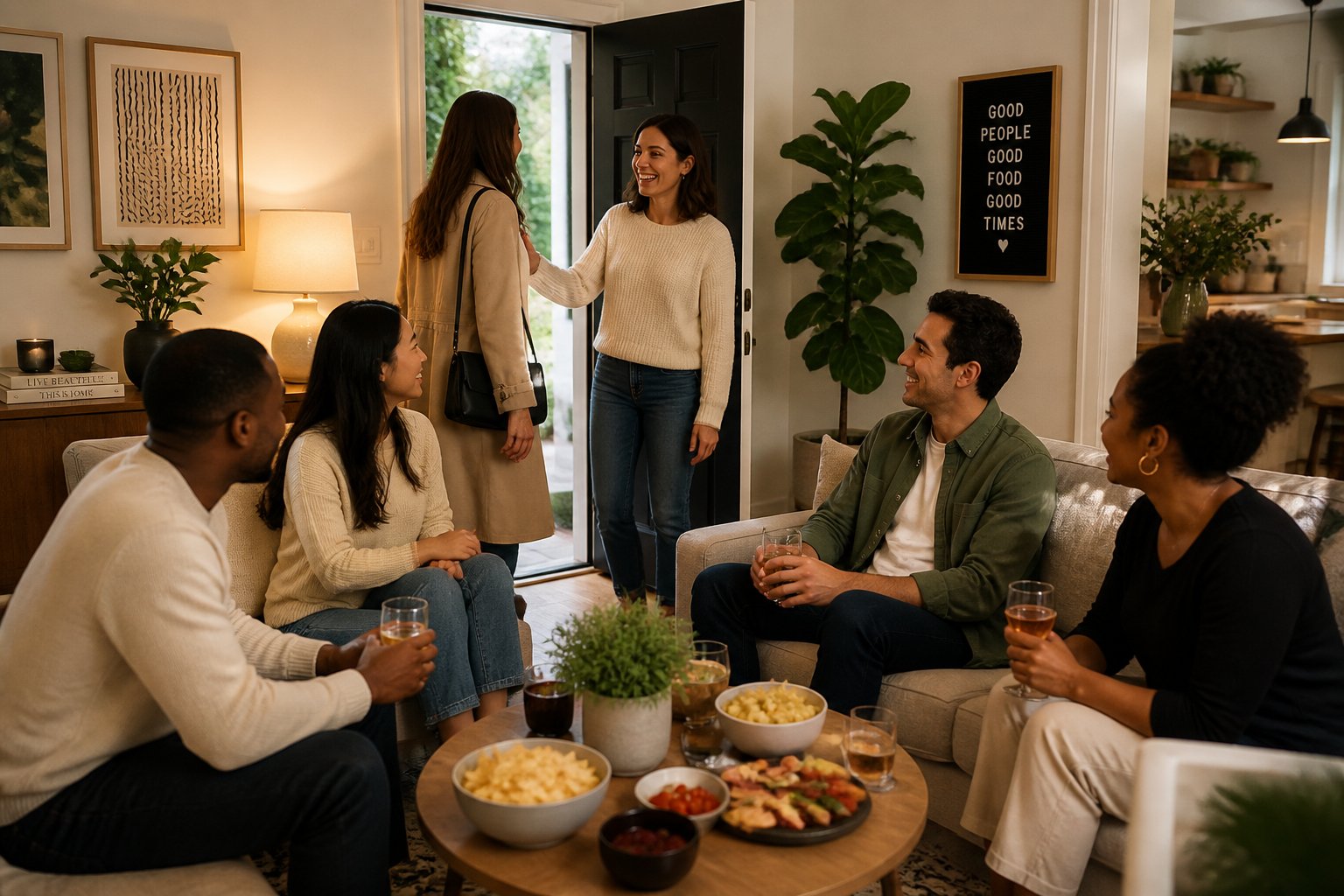
Real hospitality centers on genuine connection rather than flawless execution. When you focus on creating a welcoming environment instead of achieving perfection, hosting becomes less stressful and more meaningful for everyone involved.
Cultivating a Mindset of Connection Over Perfection
Your guests come to spend time with you, not to inspect your home or judge your cooking skills. They want to feel comfortable and welcomed. When you shift your focus from creating a perfect event to building real connections, the pressure drops significantly.
Start by asking yourself what truly matters. A slightly messy kitchen won't ruin an evening, but a stressed host definitely affects the mood. Your energy and attention create the atmosphere more than any decoration or elaborate meal.
Simple ways to prioritize connection:
- Put away your phone and be present during the visit
- Ask questions that invite real conversation
- Share the work by letting guests help in the kitchen
- Accept compliments without pointing out flaws
The goal is to create a space where people feel relaxed enough to be themselves. This happens when you're relaxed too. You don't need expensive ingredients or a spotless house to make someone feel valued.
Strategies for Setting Realistic Expectations
Setting clear boundaries with yourself prevents the spiral of over-preparation. Decide ahead of time what you can reasonably accomplish with your available time, budget, and energy.
Choose one or two things to do well instead of ten things done poorly. Maybe you make a great lasagna but skip the homemade dessert. Or you keep the menu simple but set a nice table. This approach lets you execute confidently without burning out.
Practical boundaries to consider:
- Limit your guest list to a number you can comfortably serve
- Pick recipes you've made before
- Set a firm start time and stick to it
- Buy some items pre-made without guilt
Communicate your plans honestly. If you're ordering pizza, just say so. Most people appreciate transparency more than forced formality.
Building Confidence as a Host
Confidence grows through practice and preparation. Start small with low-stakes gatherings. Invite one or two people over for coffee before planning a dinner party for eight.
Keep a simple hosting playbook of meals and activities that work for you. When you have go-to recipes and reliable routines, you spend less mental energy on decisions and more on enjoying your guests.
Track what works. After each gathering, note what went smoothly and what you'd change. This builds a personal system based on your actual experience rather than borrowed standards.
Remember that your guests want you to succeed. They're not secretly hoping you'll fail or looking for mistakes. Most people feel grateful for the invitation and want to contribute to a good time.
Frequently Asked Questions

Hosting anxiety often comes with specific questions about judgment, energy, and how to manage the social pressure. These answers address the most common concerns people have when opening their homes to others.
Why does hosting make me feel judged or evaluated by my guests?
Your brain treats hosting as a performance because you're presenting multiple aspects of your life at once. Your home, cooking, conversation skills, and hospitality are all on display. This creates a sense that guests are forming opinions about you as a person, not just enjoying a meal or visit.
Most guests aren't actually critiquing you the way you think they are. They're focused on their own experience and whether they feel welcome. When you notice judgment fears creeping in, remind yourself that people remember how they felt, not whether your couch had a stain or your appetizer was store-bought.
The feeling of being evaluated gets stronger when you tie your worth to how well the event goes. Hosting is an action you're taking, not a reflection of your value.
Why is hosting people at my house so exhausting, even when I like them?
Hosting requires you to manage multiple roles at the same time. You're a cook, server, conversationalist, and problem-solver all at once. Your brain is tracking who needs a drink, whether the food is ready, if everyone is included in conversation, and dozens of other details.
This mental load is tiring even when you enjoy the people. You can't fully relax because you're responsible for the experience. Unlike being a guest, you can't just show up and participate.
The exhaustion also comes from the prep work and cleanup that bookend the actual event. By the time guests leave, you've been in hosting mode for hours longer than the gathering itself.
How can introverts host without feeling socially depleted or overwhelmed?
Set a clear end time for your gathering and stick to it. Knowing when the event will finish helps you pace your energy. You can tell guests upfront that you're planning a two-hour brunch or an evening that wraps up by 9 PM.
Build in small breaks during the event by excusing yourself to check on food or refill drinks. These brief moments alone help you reset without abandoning your guests.
Choose smaller guest lists when possible. Hosting four people takes significantly less energy than hosting ten. You can have deeper conversations and feel less pressure to manage group dynamics.
What are practical ways to reduce hosting anxiety before and during a gathering?
Prepare as much as you can the day before. Set the table, prep ingredients, clean main areas, and decide what you'll wear. This reduces the number of decisions you need to make on the actual day.
Create a simple timeline for the day of the event. Write down when to start cooking each dish, when to shower, and when to do final touches. Having a plan keeps you from feeling scattered.
Accept that something will probably go wrong, and that's normal. Burned rolls or a late start doesn't ruin the gathering. When small things go off track, acknowledge them briefly and move on rather than apologizing repeatedly.
During the event, focus on one task at a time instead of mentally juggling everything. If you're talking to someone, be in that conversation. If you're plating food, focus on that. This prevents the overwhelm that comes from trying to do everything at once.
How do I set boundaries and expectations with guests without seeming rude?
Include key information in your invitation. If you're serving dinner at 6 PM, say so. If kids aren't invited or you need people to leave by a certain time, state it upfront. Clear communication prevents assumptions.
Use specific language instead of hints. Say "We're planning for the evening to wrap up around 9 PM" rather than hoping people pick up on subtle cues. Most guests appreciate knowing what to expect.
You can say no to requests that add stress without offering lengthy explanations. If someone asks to bring their friend, you can simply say "I'm keeping it small this time, but thanks for asking."
How can I reframe social anxiety about hosting into a more manageable mindset?
Shift your focus from impressing people to connecting with them. Your goal isn't to prove you're a perfect host. It's to spend time with people you care about in your space.
Remind yourself that hospitality is about generosity, not perfection. You're offering your time, space, and effort. That matters more than whether everything goes smoothly.
Treat hosting like a skill you're building rather than a test you pass or fail. Each time you host, you learn what works for you and what doesn't. Anxiety often decreases as you gain experience and realize that most gatherings turn out fine despite small imperfections.