



Transform Your Fridge Into an Aesthetic Organized Dream in One Weekend
July 10, 2026
Your fridge probably holds a lot more than just food. It stores expired condiments, mystery leftovers, and a chaotic mess that makes finding anything a challenge. Most people avoid organizing their fridge because it seems like a big job that takes too much time.
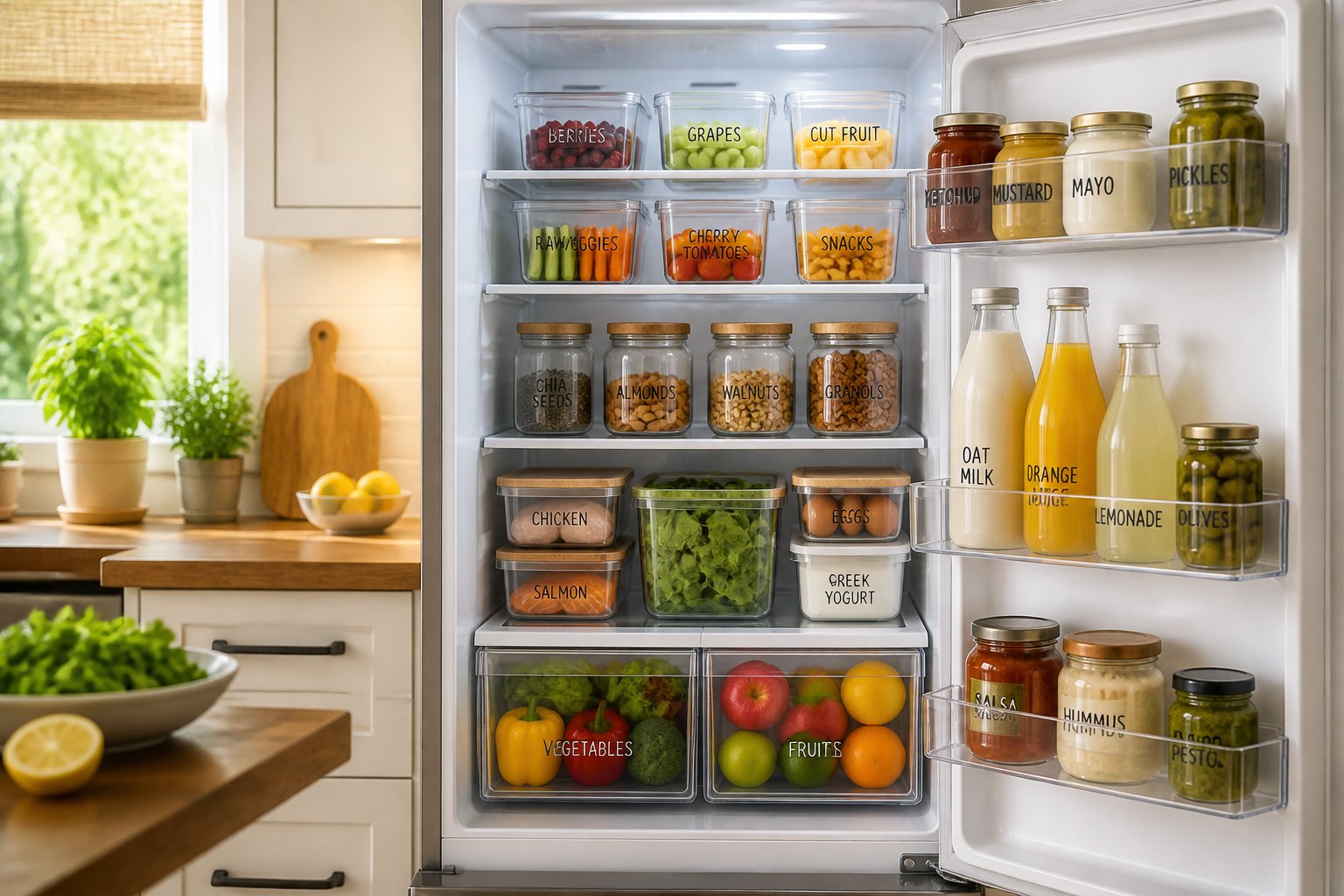
You can transform your refrigerator into an organized, visually pleasing space in just one weekend using simple storage solutions and smart layout strategies. The process involves clearing out what you don't need, grouping similar items together, and adding a few organizational tools that make everything easier to find. Once you set up a good system, keeping your fridge tidy becomes simple.
This guide walks you through practical steps to organize your fridge from top to bottom. You'll learn which storage containers work best, how to arrange items for maximum efficiency, and ways to make your fridge look clean and appealing every time you open the door.
Step-By-Step Organization Techniques
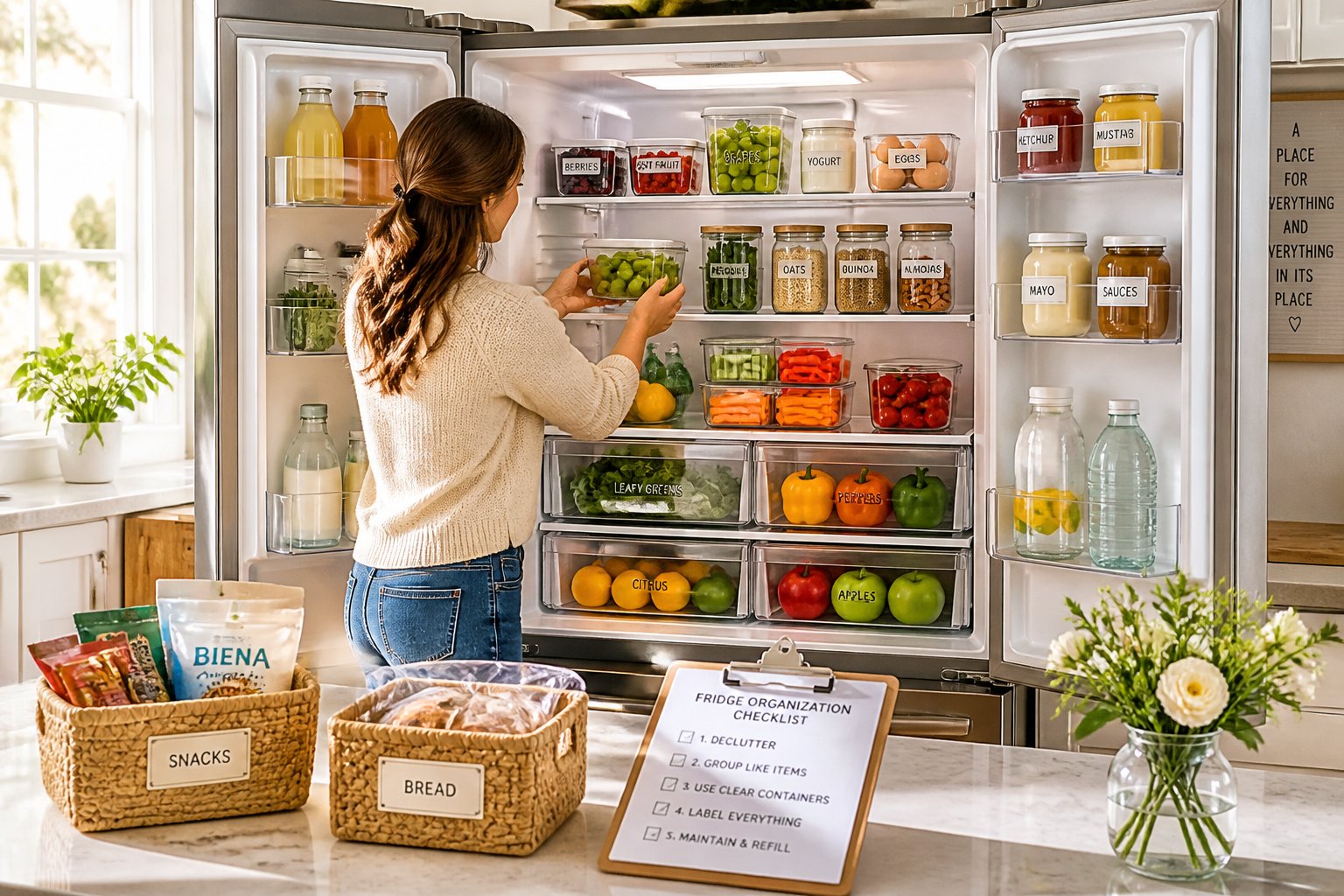
A well-organized fridge starts with removing expired items, dividing your space into clear zones, and selecting the right containers to maintain both function and visual appeal.
Pre-Cleaning and Decluttering Essentials
Remove everything from your fridge before you begin organizing. Check expiration dates on all items and throw away anything past its prime or showing signs of spoilage.
Take out all removable shelves and drawers. Wash them with warm soapy water and dry them completely. While the shelves are out, wipe down the interior walls and surfaces with a mixture of water and white vinegar.
Sort your remaining items into categories as you prepare to put them back. Group similar foods together like dairy products, condiments, vegetables, fruits, and beverages. This sorting step makes the next phase much easier and helps you see exactly what you have.
Zoning for Efficiency and Aesthetics
Assign specific areas of your fridge for different food categories. Place dairy items like milk, yogurt, and cheese on upper shelves where the temperature stays most consistent. Store raw meats on the lowest shelf to prevent drips from contaminating other foods.
Reserve door shelves for condiments and beverages that have higher salt or sugar content, which helps them stay fresh despite temperature fluctuations. Keep fruits and vegetables in their designated drawers, separating them to prevent ethylene-producing fruits from speeding up vegetable spoilage.
Create a visible "eat first" zone near eye level for leftovers and foods approaching their expiration dates. This designated spot reduces food waste and keeps older items from getting lost behind newer purchases.
Optimal Storage Containers and Tools
Choose clear, stackable containers with airtight lids for storing cut produce, leftovers, and prepped meals. Clear containers let you see contents at a glance without opening multiple boxes.
Essential organization tools include:
- Clear bins for grouping small items like cheese sticks or yogurt cups
- Lazy Susans for corner spaces and condiment storage
- Stackable egg holders and can dispensers
- Labels and erasable markers for dating leftovers
Use uniform container sizes when possible to maximize shelf space and create clean lines. Square or rectangular containers fit more efficiently than round ones and reduce wasted space between items.
Styling Tips for a Visual Upgrade
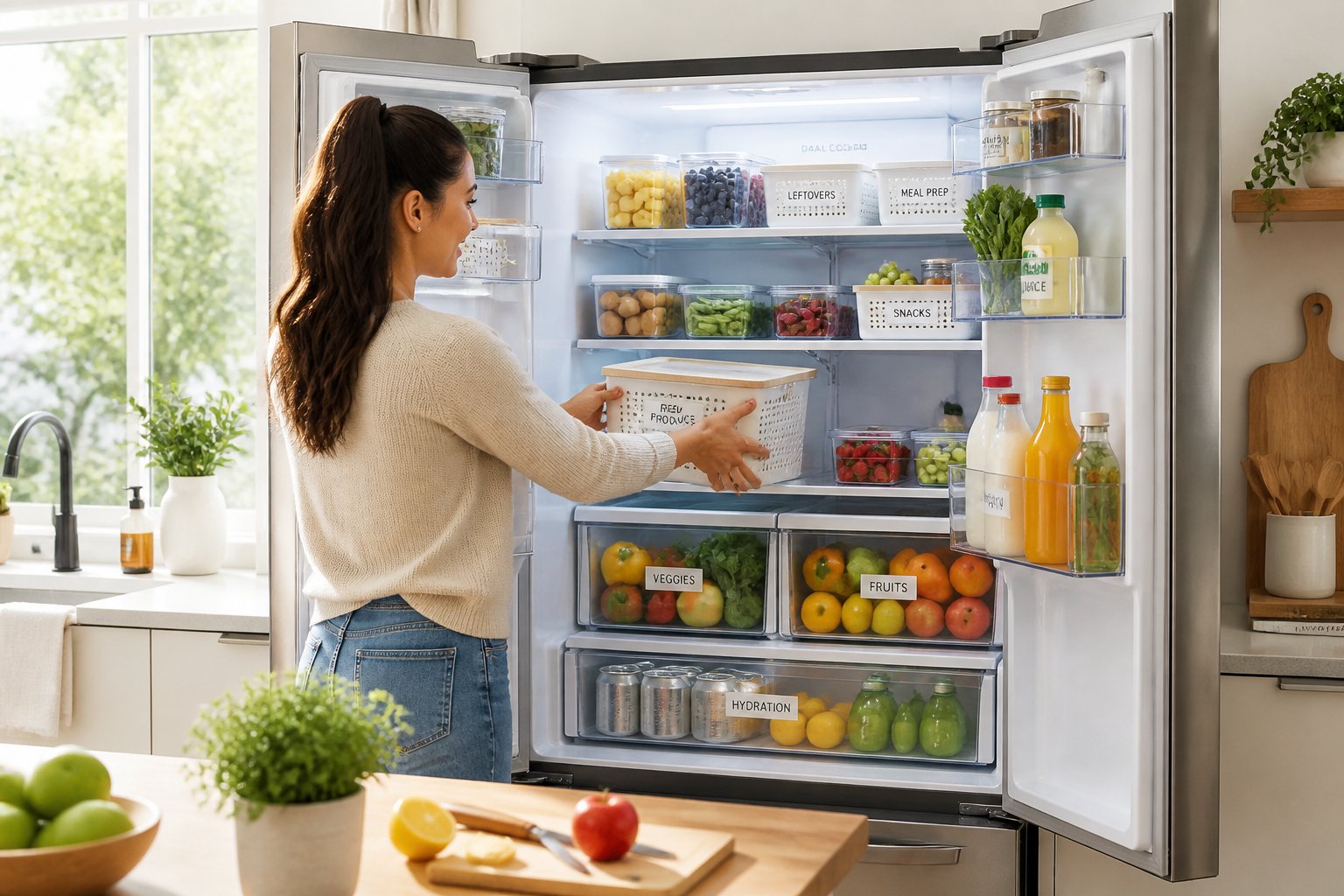
A well-organized fridge needs the right finishing touches to look truly polished. Simple design choices like matching containers and thoughtful labels make your refrigerator both functional and attractive.
Consistent Labeling and Color Coordination
Labels keep your fridge system working long-term. Use a label maker or pre-printed adhesive labels to mark containers with contents and expiration dates. Place labels on the front of containers at eye level for quick identification.
Color coordination creates visual calm in your fridge. Choose storage containers in 2-3 complementary colors that match your kitchen style. Clear containers work well as a neutral base, while white or light gray bins add a clean look.
Group similar items by color when possible. Store red and orange produce together, keep green vegetables in one section, and arrange dairy products in uniform white packaging. This natural color blocking makes items easier to find.
Match your container sizes to your shelf heights. Tall bins work for back rows, while shorter containers fit in front for easy access.
Incorporating Decorative Elements
Small decorative touches elevate your fridge's appearance without sacrificing function. Add a small vase with fresh herbs like basil or mint to your top shelf. These herbs stay fresh and add a natural element.
Use wooden or bamboo drawer organizers for a warm, natural aesthetic. These materials look better than plastic and work well for corralling small items like cheese sticks or yogurt tubes.
Line shelves with washable shelf liners in subtle patterns or solid colors. This protects your shelves and adds visual interest. Choose food-safe materials that wipe clean easily.
Place drinks in glass bottles when possible instead of keeping them in their original packaging. Transfer juices or milk to matching glass containers for a cohesive look.
Maintaining Your New System Over Time
Schedule a 10-minute fridge refresh every Sunday before grocery shopping. Remove expired items, wipe down containers, and reorganize anything that shifted during the week.
Replace labels when they fade or peel. Keep extra labels and a marker in a kitchen drawer for quick updates. Update expiration dates each time you refill containers.
Wipe down bins and containers during your weekly cleaning. Use warm soapy water and dry completely before returning items to the fridge. This prevents buildup and keeps your system looking fresh.
Adjust your organization as seasons change. Summer might require more space for fresh produce and cold drinks, while winter needs room for holiday leftovers. Move bins and adjust shelf heights to match your current needs.
Frequently Asked Questions
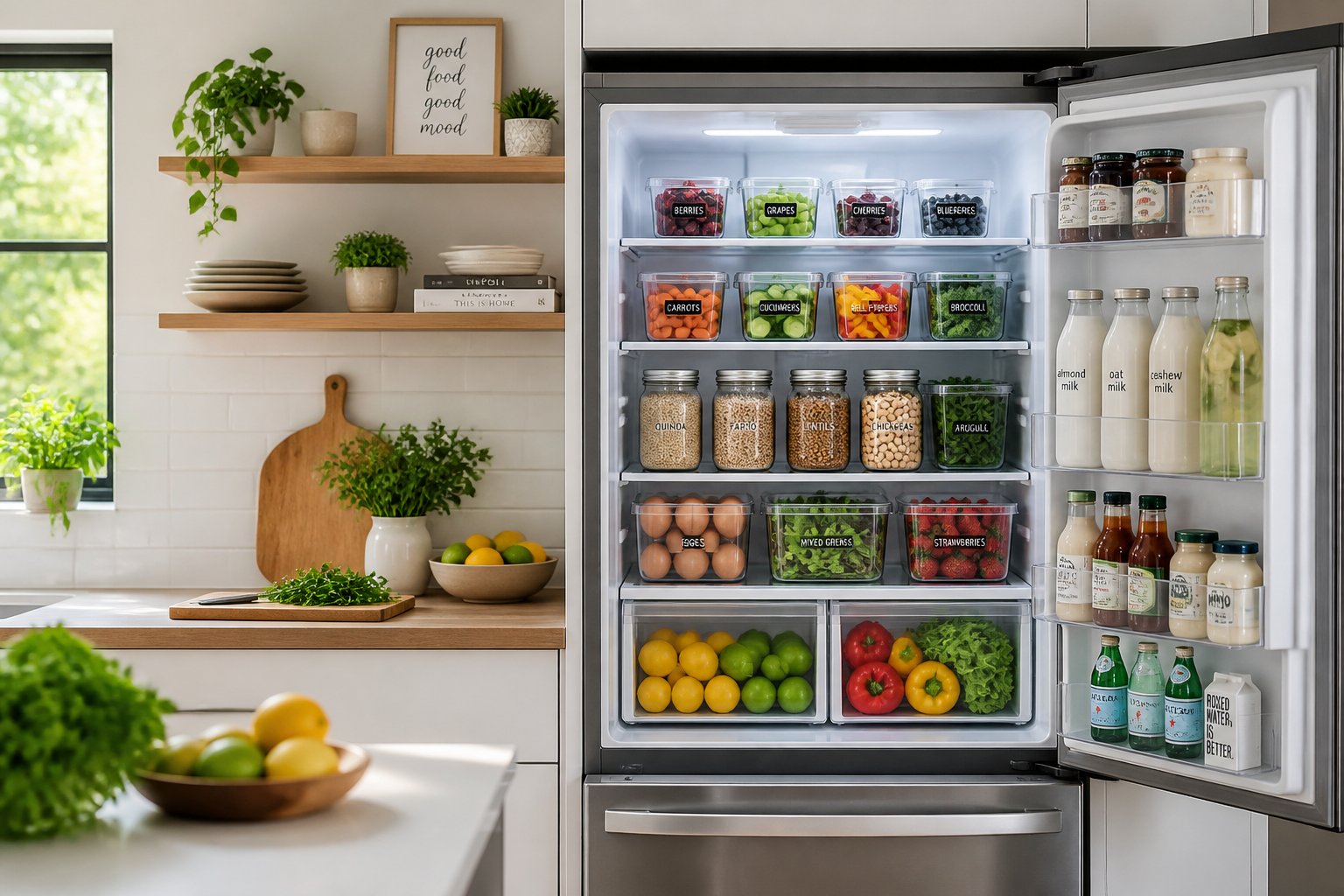
Getting your fridge organized requires knowing the right steps, tools, and maintenance habits that make the transformation last beyond the initial weekend effort.
What are the essential steps to reorganize a refrigerator efficiently over a weekend?
Start by removing everything from your fridge on the first day. Sort items into three groups: keep, toss, and donate or give away soon-to-expire items to friends or family.
Clean all surfaces before putting anything back. This includes shelves, drawers, bins, and walls.
Measure your shelves and drawers before buying any organizing products. You'll avoid purchasing bins that don't fit and wasting money on returns.
Group similar items together as you return them to the fridge. Put dairy products in one zone, condiments in another, and produce in designated drawers.
Which storage bins and organizers work best for different fridge zones and food types?
Clear plastic bins work best because you can see what's inside without opening them. Use shallow bins for items like cheese and deli meats that stack poorly.
Tall, narrow bins fit well on door shelves for condiment bottles and drink containers. Wide bins with handles make it easy to pull out snacks or yogurt cups from deep shelves.
Egg holders and can dispensers help specific items stay in place. Lazy Susans work well for corners where items get lost or pushed to the back.
Choose bins that are easy to remove and wash. Your organizers will get dirty and need regular cleaning to stay fresh.
How should foods be grouped and labeled to keep the refrigerator consistently tidy?
Place raw meats on the bottom shelf to prevent drips from contaminating other foods. Keep ready-to-eat items like leftovers and prepared snacks on upper shelves.
Store fruits and vegetables in separate drawers when possible. Many produce items release gases that make other foods spoil faster when mixed together.
Label bins with categories like "breakfast," "snacks," or "dinner prep." You can use a label maker or simple masking tape with a marker.
Date your leftovers with removable labels or dry-erase markers on containers. This helps you use older items first and reduces food waste.
What is the best way to deep-clean the refrigerator before putting everything back?
Unplug your fridge or turn the temperature up before cleaning if you plan to take more than 30 minutes. This saves energy and prevents the motor from working overtime.
Remove all shelves and drawers that come out. Wash them in your sink with warm water and dish soap, then dry them completely.
Mix equal parts water and white vinegar in a spray bottle for the interior walls and fixed parts. This solution cuts through sticky spills without harsh chemicals.
Wipe down door seals with a cloth and soapy water. These rubber strips collect crumbs and spills that can affect how well your door closes.
How can you maximize fridge space while keeping items visible and easy to access?
Adjust your shelves to different heights based on what you store most often. Most fridges have movable shelves that accommodate taller items like pitchers or cake containers.
Use stackable organizers to create layers without blocking visibility. Clear stacking bins let you see the bottom layer without unstacking everything.
Store items you use daily at eye level in the front. Place less-frequently used items like special sauces or backup condiments toward the back or on lower shelves.
Keep a small open bin near the front for items that expire soon. This "eat first" zone helps you remember to use things before they go bad.
What routines and rules help maintain an organized refrigerator without constant rework?
Do a quick five-minute fridge check before grocery shopping. Remove expired items and wipe up any fresh spills while they're still easy to clean.
Put new groceries behind older items of the same type. This first-in-first-out method ensures you use things before they expire.
Assign each family member their own bin for personal snacks or drinks. This prevents items from migrating to random spots throughout the fridge.
Wipe down one shelf or drawer each week during your regular cleaning routine. This prevents buildup and keeps your weekend reorganization efforts intact for months.