



The Real Reason Some Homes Feel Instantly Welcoming
June 12, 2026
You walk into a house and feel calm right away, even if you can't say why. Another home might look great in photos but feel strange when you step inside. The real reason some homes feel instantly welcoming is not random.
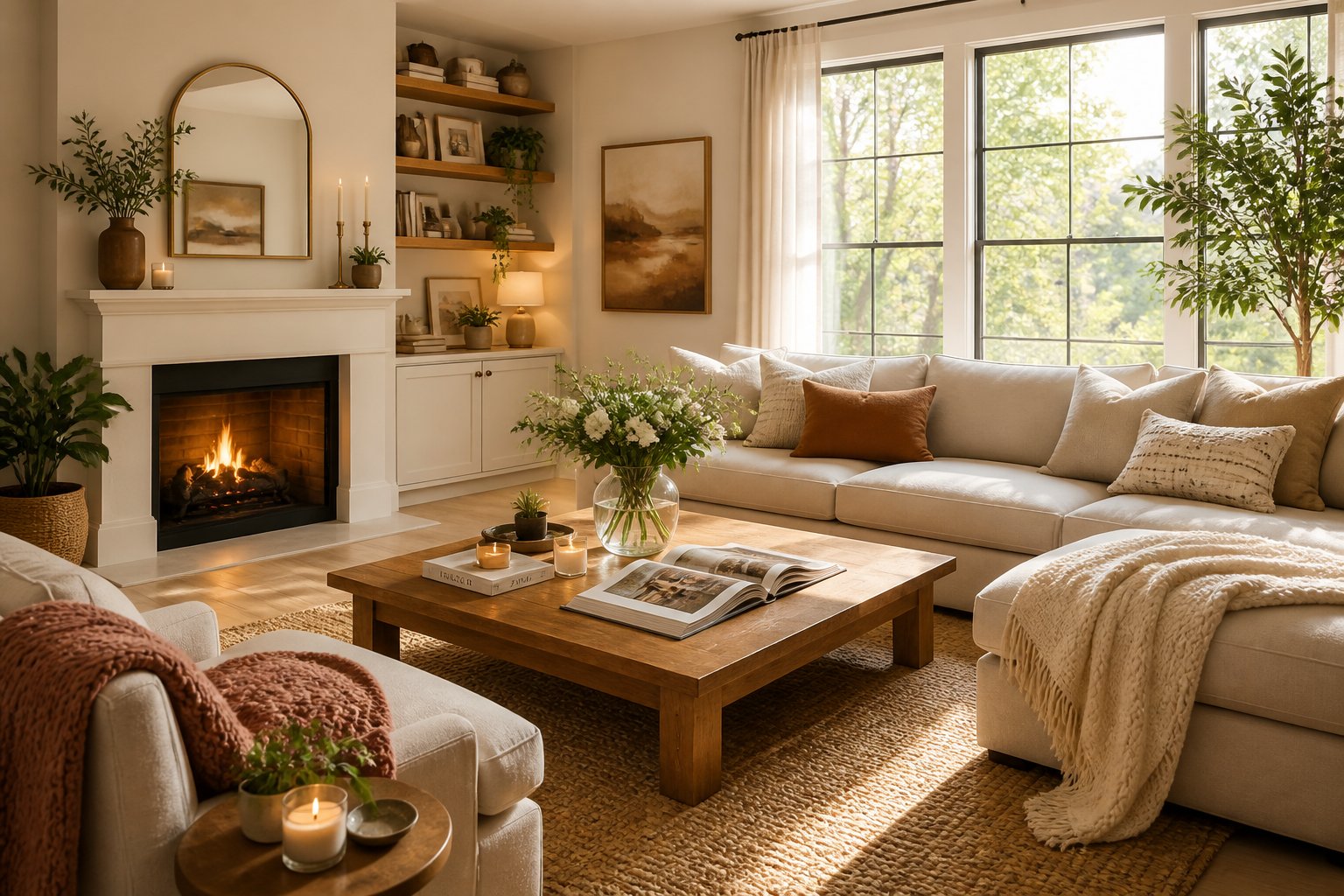
A home feels welcoming when its layout, lighting, and design all work together to make your brain relaxed without you noticing. It is not about expensive furniture or the latest trends. It is about how light moves through the rooms, how spaces connect, and how your senses react to the place.
Knowing this helps you choose a home and arrange your space better. These ideas are simple and useful. You do not need a big budget to make a place feel comfortable and welcoming.
The real reason some homes feel instantly welcoming
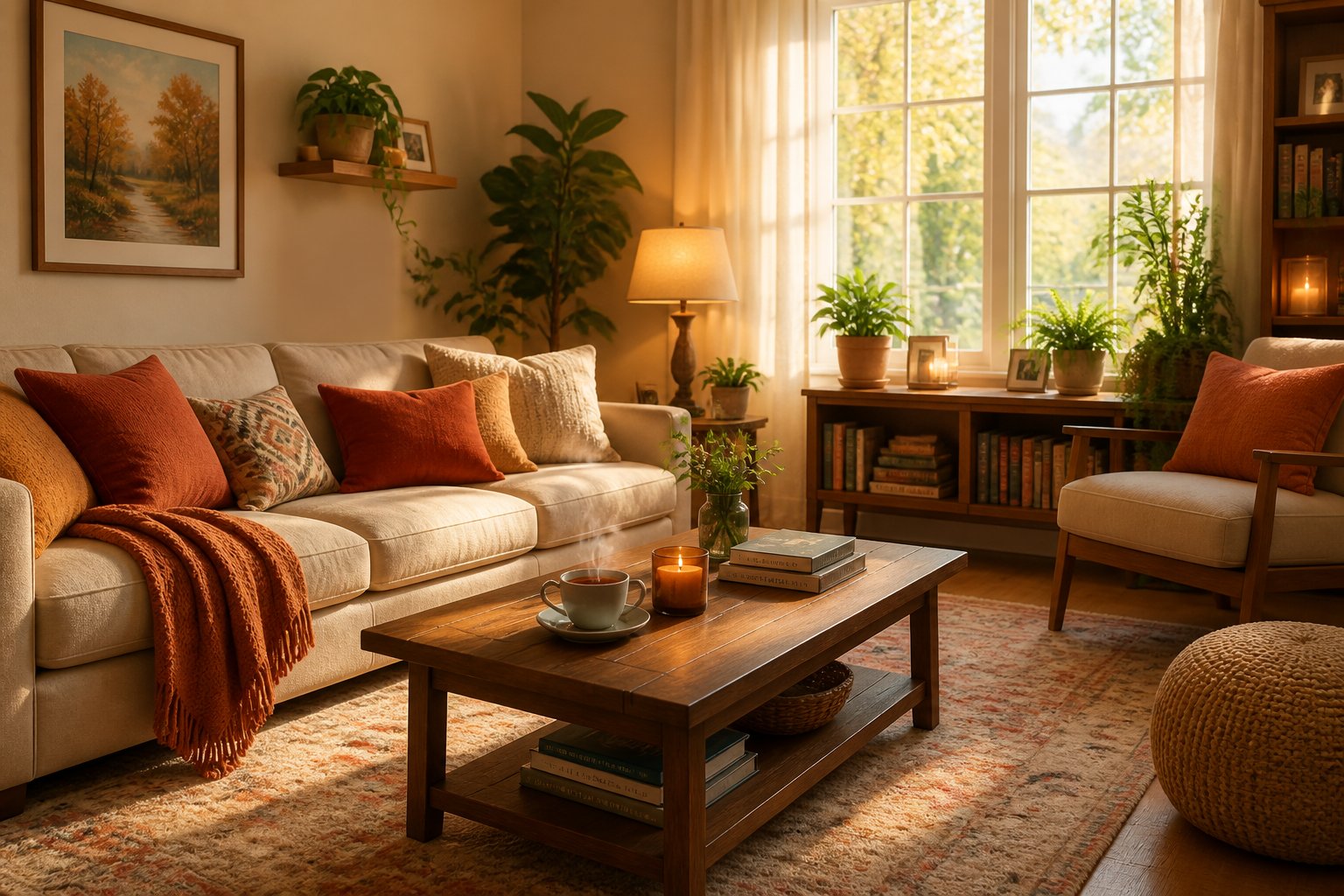
Your brain decides quickly if a home feels warm and safe. In seconds you notice things that match memories and basic rules your body uses to feel comfort.
Simple things that make a space feel comfortable
When you enter a room, your mind looks for signs that it is safe and familiar. This scan happens almost instantly — often in less than three seconds.
Common signs that make a place feel welcoming:
- Furniture sized to people, not too big or too small
- Clear paths that show where to walk
- Neat spaces without too much clutter
- Layouts that are easy to understand
- Personal items that show someone lives there
Soft blankets or cushions feel cozy because your brain links soft things with warmth and safety. Balanced furniture and symmetry also make a room feel steady and cared for.
Smells matter too. The scent of baking, wood, or clean laundry can bring back happy memories and make you feel at home.
Emotional Responses to Home Environments
The real reason some homes feel instantly welcoming is how they make you feel in your body and mind. Warm lighting feels safe because it reminds people of firelight. Harsh, cool light can feel cold and unfriendly.
Natural materials like wood and stone make people calm. Seeing things from nature tells your brain the place is not dangerous.
Room temperature affects mood. Most people find 68–72°F (20–22°C) comfortable. Colors matter too. Soft warm colors like beige, cream, and light brown feel cozy. Very bright white or very dark colors can feel cold or heavy.
Personal items lower stress. Photos, books, and lived-in furniture show the home is used and cared for. That makes visitors feel safe and welcome.
Design and Sensory Elements That Influence Atmosphere
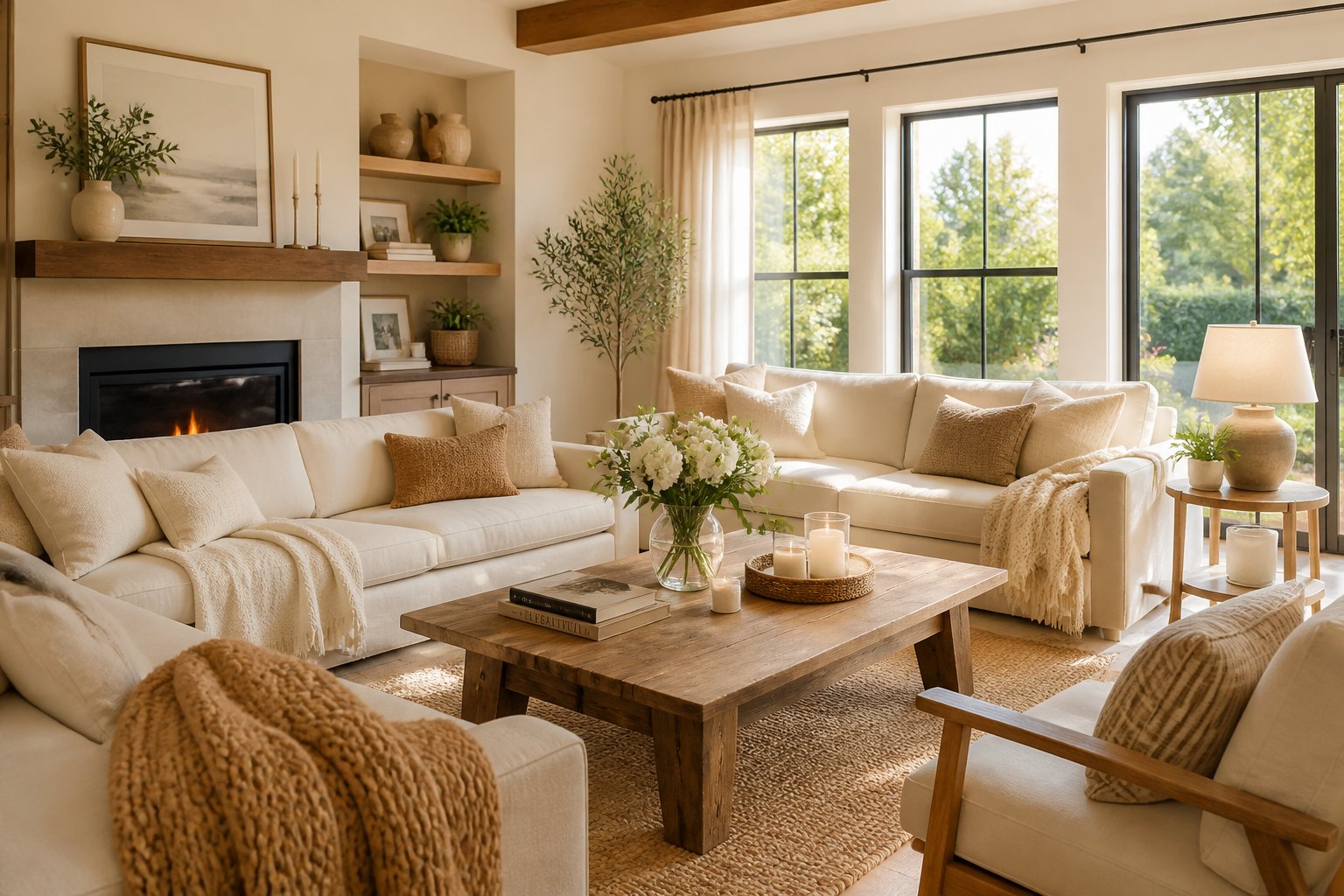
A home's mood comes from many simple things working together. Lighting, textures, colors, smells, and personal touches combine to make a place feel welcoming.
Lighting and Spatial Flow
Natural light changes how you feel more than almost anything else. Rooms with lights at different heights feel balanced and cozy. Use a mix of general, task, and accent lighting instead of only one bright ceiling light.
How light moves through the house matters too. Windows that catch morning or evening sun make the day feel natural. Dimmer switches help you change brightness for different times and activities.
Spatial flow means how easy it is to move around and see between rooms. Open views make a home feel bigger and friendlier. Doorways should be clear and pathways free of obstacles so people can move naturally through the space.
Texture, Color, and Scent Choices
Your sense of touch is always working at home through fabrics and surfaces. Soft textiles like cotton throws, wool rugs, and linen curtains add warmth that hard surfaces do not. Mix smooth and rough textures to make a room interesting without feeling busy.
Color affects how calm or awake you feel. Warm neutrals like beige, cream, and light gray help you relax. Cool colors work well where you need focus. A simple way to balance colors is the 60-30-10 rule: 60% main color, 30% secondary color, and 10% accent color.
Scent is strongly linked to memory and mood. Natural smells from wood, plants, or essential oils make spaces feel peaceful and memorable. Try to avoid strong artificial air fresheners because they can be too much or cause reactions.
Personalization Versus Minimalism
Personal items like family photos, books, and things you collected make a home feel lived-in and real. These items tell your story and help you feel connected to your space. Focus on showing items that matter, not filling every surface with random stuff.
Minimalism does not mean removing all personality. It means keeping things that are useful or that you truly like. Clear surfaces and good storage cut down on visual clutter and make cleaning easier.
Find a balance between too much and too little. Display personal items in small groups of three or five so they look planned instead of messy. You can also rotate seasonal pieces or collections to keep the space fresh without adding more things.
Frequently Asked Questions
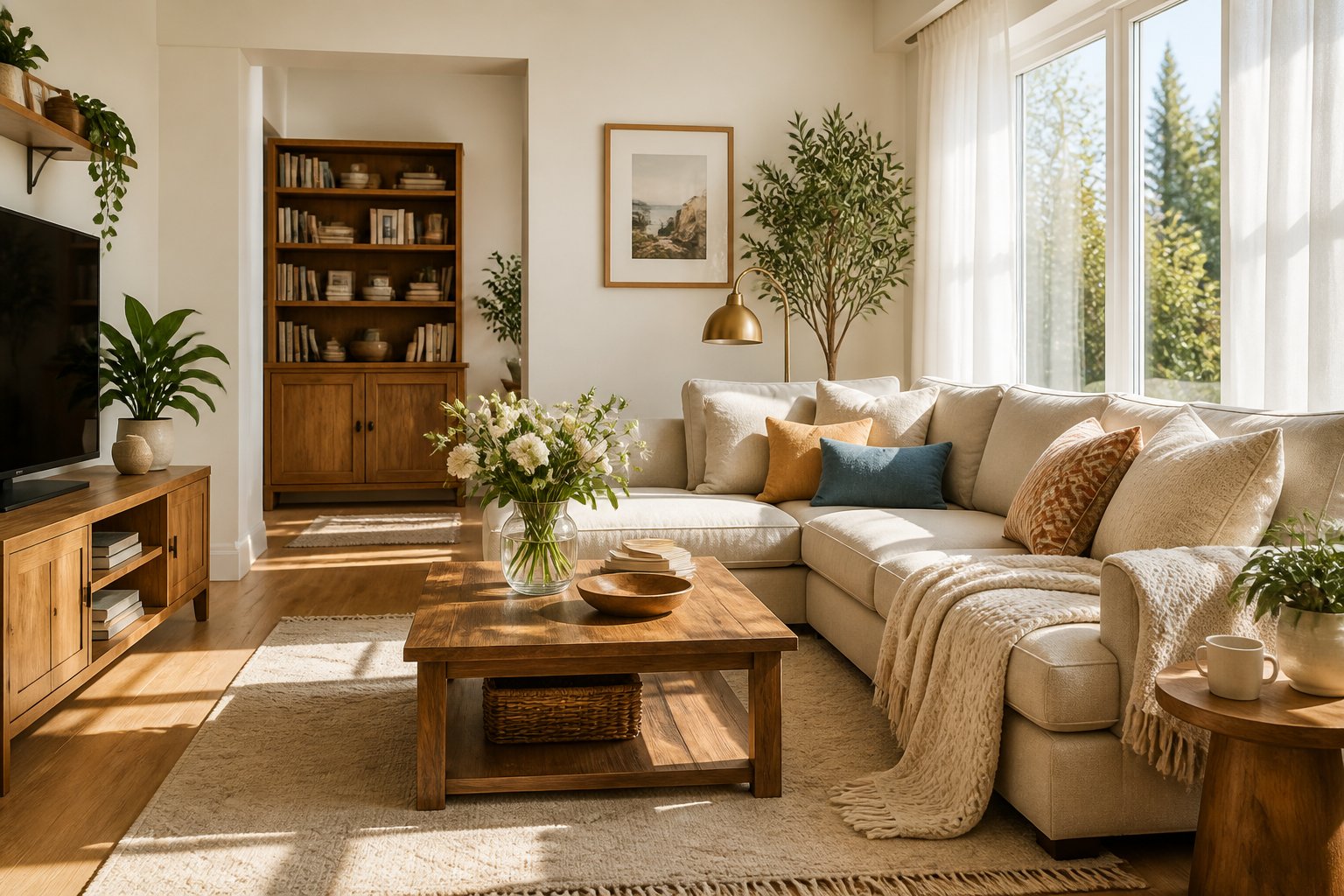
The real reason some homes feel instantly welcoming is that certain design choices send quick signals to your brain. These choices include the color and warmth of light, how furniture is arranged, and what you see when you walk in.
What psychological cues make a home feel welcoming the moment you walk in?
Your brain decides how a place feels in about three to seven seconds after you enter. A clear entryway with places to store shoes or coats shows the home is organized. Personal items like family photos or souvenirs show someone lives there and makes the place feel lived-in.
Soft fabrics you can see from the door make you want to touch and stay. Being able to see into the next room makes you feel safer because there are no hidden spots. Natural things like wood and plants calm people because humans are used to those materials.
Which lighting choices create the strongest sense of warmth and comfort in a space?
Using several types of light works better than just one overhead light. Try to have three kinds: general ceiling light, task lights like table lamps, and accent lights for special spots.
Warm white bulbs (about 2700K–3000K) feel cozy. Bright cool white light (over 4000K) can feel cold and unfriendly. Dimmer switches help you change the mood for different times and activities.
Lamps at eye level make soft pools of light that make a room feel used and welcoming. Having light at different heights reduces harsh shadows and gives your eyes comfortable places to look.
How do color palettes influence whether a room feels calm, inviting, or cold?
Warm neutral colors like beige, cream, and soft gray make a room feel cozy and welcoming. They reflect light without being harsh. Very cool grays and bright white can feel cold or sterile unless you add warm wood or textured fabrics.
The warmth or coolness of a color matters more than the exact shade. For example, warm terracotta feels friendly, while cool blue-gray can feel distant. Warm tones help your body relax.
Use an accent color in at least three places in a room. Repeating the color makes the space feel planned and calm instead of random.
What layout and furniture placement patterns help a home feel open and easy to move through?
Keep clear pathways that are about 36 inches wide so people can walk without squeezing by. If furniture blocks the path, people tense up even if they do not notice it.
Arrange seating in small groups instead of pushing everything against the walls. That makes a room feel used and welcoming. Rooms that connect logically—like kitchens near dining areas and mudrooms near garages—make daily life easier.
Choose furniture that fits the room size. A huge couch in a small room feels cramped. Tiny furniture in a large room feels empty and cold.
Which small details most often make a home look more expensive and thoughtfully designed?
Good hardware matters. Metal drawer pulls and door handles feel solid compared to cheap plastic ones. Using the same finish for hardware across the home looks deliberate.
Thicker crown molding and baseboards add a feeling of quality. Hanging curtains from the ceiling makes ceilings seem higher. Curtains should reach the floor or slightly puddle, not hang a little short.
A fresh coat of neutral paint helps everything else look cleaner. Real plants in nice pots also make a room look cared for without costing much.
How do cleanliness and order make guests feel safe and relaxed in a home?
Clutter can cause stress because your brain notices every object. Clear surfaces let your mind rest and focus on the people in the room instead of the stuff around them. You feel calmer when you can quickly look around and see nothing dangerous or messy.
Clean floors and dust-free surfaces show that someone cares for the home regularly. This makes people think that other things, like plumbing and wiring, are probably taken care of too. Visible dirt makes your mind wonder what else might be wrong.
Storage that hides everyday items like mail and keys reduces visual chaos. Open shelves work only when items are grouped and kept to a few important things. When everything has a place, the home feels neater and more peaceful.