



5 Signs Your Home is Ready for a Glow-Up (And Where to Start)
June 28, 2026
Your home works hard for you every day. It shelters your family, holds your belongings, and serves as the backdrop for your daily life. Over time, even the most well-maintained spaces can start to feel tired, outdated, or just not quite right anymore.
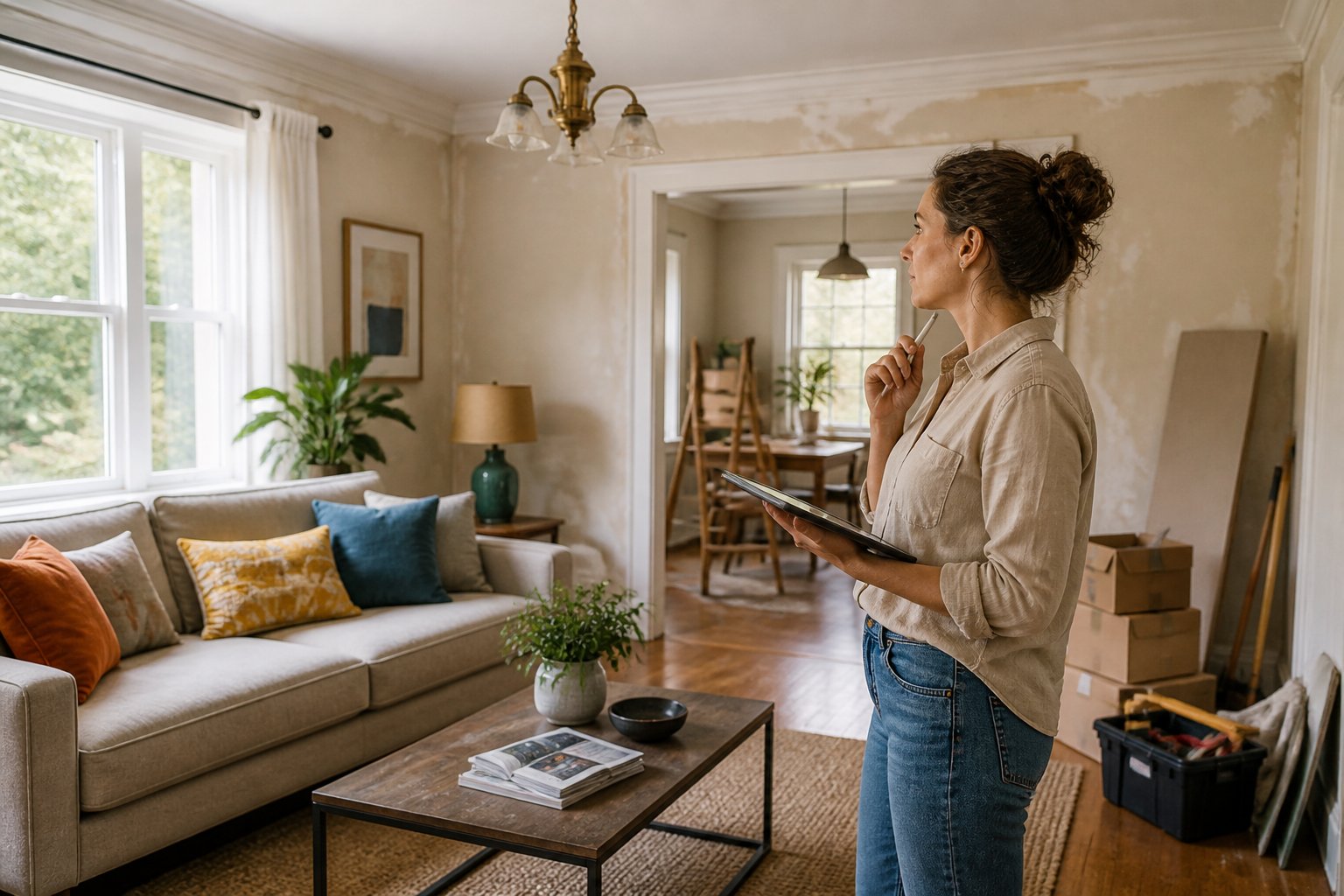
Knowing when your home needs a refresh can help you create a more comfortable and functional living environment. Some signs are obvious, like peeling paint or broken fixtures. Others are more subtle, like a layout that no longer works for your family or colors that make your rooms feel dark and cramped.
The good news is that updating your home doesn't have to mean a complete overhaul. You can start small with targeted changes that make a real difference. This guide will help you spot the key signs that your space is ready for an update and show you practical ways to get started.
Telltale Signs Your Living Space Needs an Update
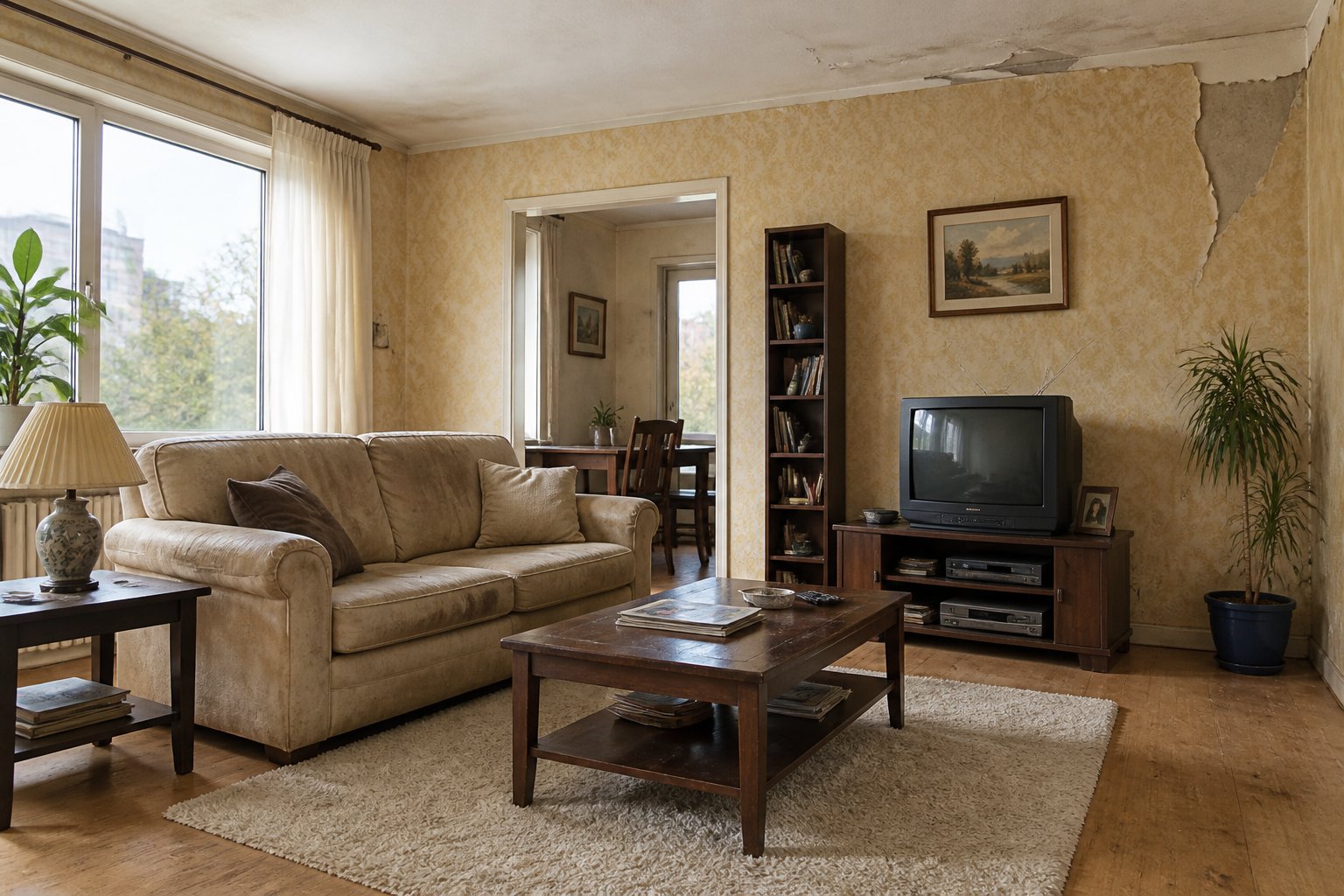
Your home gives you clear signals when it's time for a refresh. These signs range from visible wear on fixtures to how well your space works for your daily life.
Outdated Fixtures and Finishes
Your light fixtures, cabinet hardware, and faucets tell a story about when your home was last updated. Brass finishes from the 1990s, golden oak cabinets, or builder-grade chrome fixtures make your space look dated.
Popcorn ceilings and laminate countertops with visible seams are other common signs of aging interiors. These features were popular decades ago but now make rooms feel old and tired. Your flooring also shows age through worn carpet, scratched hardwood, or cracked tile grout.
Common outdated elements include:
- Vertical blinds or heavy drapes
- Almond or harvest gold appliances
- Mirrored closet doors
- Linoleum flooring in kitchens
- Pink or blue bathroom tile
Even if these features still work, they affect how your home feels and looks every day.
Persistent Clutter and Disorganization
When you can't find storage space for your belongings, your home's layout isn't meeting your needs. Countertops piled with items, overstuffed closets, and boxes stacked in corners signal that your space lacks proper organization systems.
Closed-off rooms with single purposes create wasted space in modern homes. A formal dining room you use twice a year takes up valuable square footage. Small, separated rooms make it hard to keep an eye on kids or chat with guests while you cook.
Your storage problems might stem from outdated closet systems with just a single rod and shelf. Modern life requires more organized solutions for everything from shoes to small appliances.
Declining Comfort and Functionality
Your home should make daily tasks easier, not harder. Rooms that feel too dark, too cold, or too hot point to problems with windows, insulation, or lighting. Rising utility bills often mean your home is working against you.
Spaces that don't fit how you actually live create constant frustration. A tiny kitchen with no counter space makes meal prep stressful. A bathroom shared by multiple people without enough storage leads to daily conflicts.
Physical damage like cracks in walls, water stains, or doors that stick are red flags. These issues affect both safety and comfort in your home.
Actionable Steps for a Home Transformation
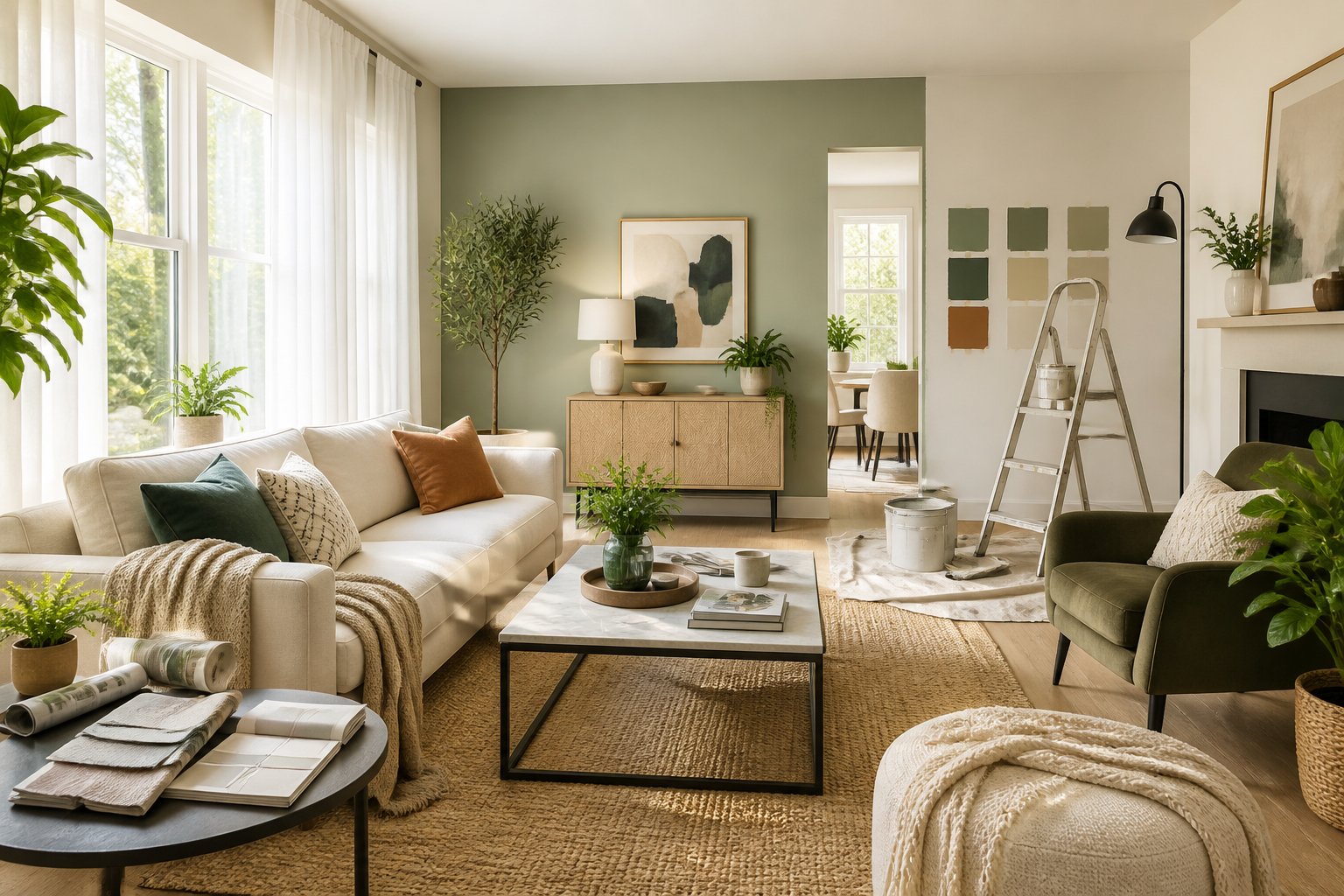
Transforming your home requires a clear plan that addresses which spaces to update first, what style direction to follow, and how much money to allocate. These three factors work together to turn your vision into reality.
Prioritizing High-Impact Rooms
Start with rooms that get the most use or create the strongest first impression. Your kitchen and bathrooms typically deliver the best return on effort because people spend significant time in these spaces daily.
The entryway matters more than you might think. It sets the tone for your entire home and takes less time and money to update than larger rooms.
Living rooms and primary bedrooms come next on the priority list. These spaces affect your comfort and relaxation every single day.
Consider these factors when choosing which room to tackle first:
- Daily usage: Rooms you use most benefit you longer
- Visible wear: Spaces showing the most damage need attention sooner
- Guest traffic: Areas visitors see first make the biggest impression
- Budget efficiency: Some rooms cost less to update but still create major impact
Focus on one room at a time if you have a limited budget. This approach lets you complete each space fully before moving on.
Selecting a Design Direction
Pick a clear style before you buy anything or hire contractors. Your design direction should match how you actually live, not just what looks good in photos.
Modern styles work well if you prefer clean lines and minimal clutter. Traditional designs suit homes with classic architecture and formal spaces. Transitional styles blend both approaches for flexibility.
Create a simple mood board with 5-10 images that share common elements. Look for patterns in colors, textures, and furniture shapes across your saved images.
Choose a neutral base color for walls and large furniture pieces. Add personality through accent colors in pillows, art, and smaller items you can change later.
Stay consistent with finishes throughout connected spaces. If you choose brushed nickel in the bathroom, use the same finish in nearby rooms.
Budgeting for Renovation Essentials
Set aside 10-20% more than your estimated costs for unexpected issues. Old homes especially reveal hidden problems once work begins.
Break your budget into these categories:
| Category | Typical Percentage |
|---|---|
| Labor | 20-35% |
| Materials | 40-50% |
| Fixtures and finishes | 15-25% |
| Contingency fund | 10-20% |
Paint delivers the most visual change for the least money. New lighting fixtures come in second for budget-friendly impact.
Save money on structural elements like cabinets and countertops by choosing mid-range options. Spend more on items you touch daily, like faucets and door hardware.
Get three quotes for any work you plan to hire out. The lowest bid is not always the best value if quality suffers.
Track every expense in a simple spreadsheet as you go. This habit prevents budget creep and helps you make informed choices about where to cut costs if needed.
Frequently Asked Questions
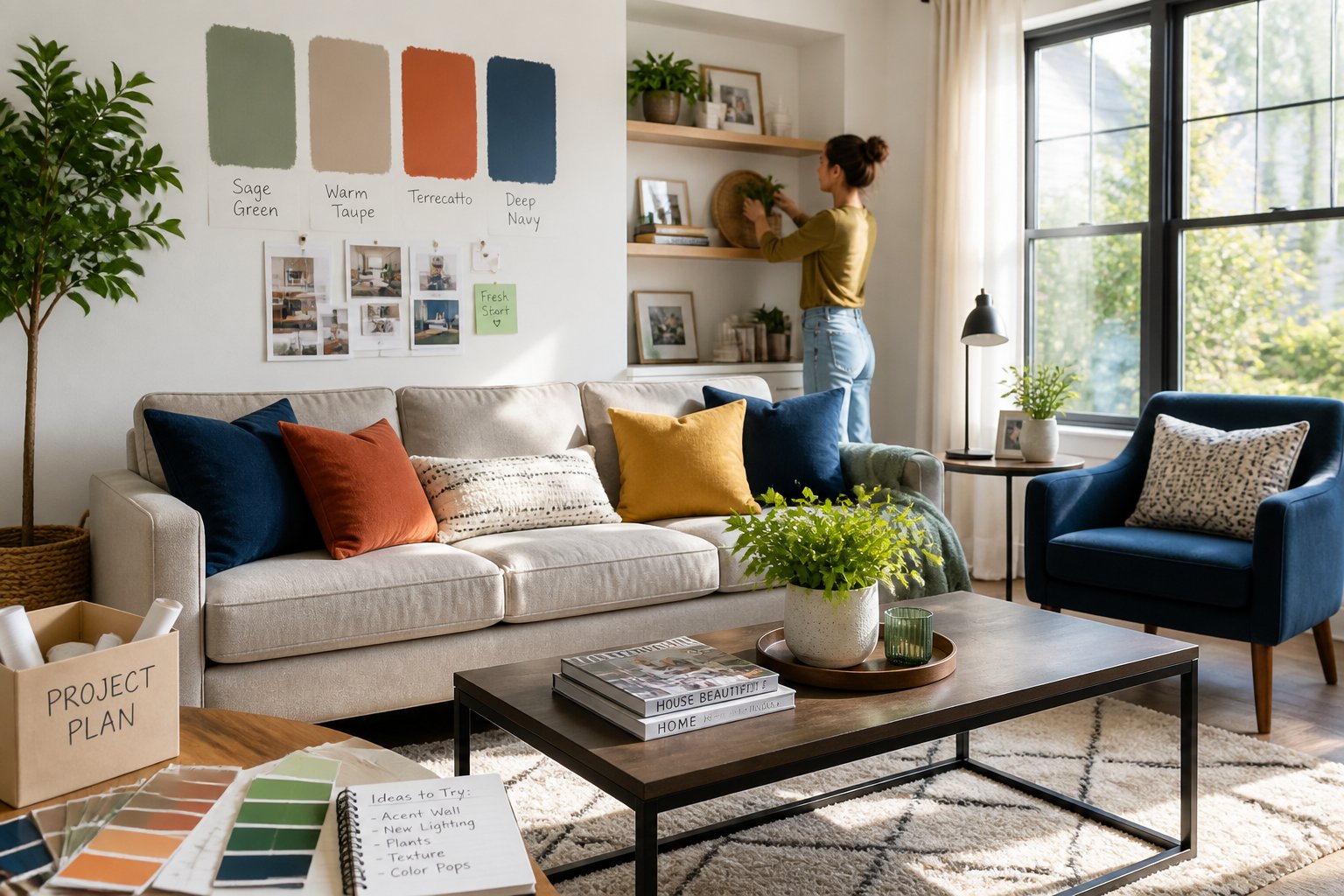
Homeowners often wonder when minor fixes turn into a need for real updates, and which changes deliver the most noticeable results without breaking the bank. Understanding where to invest your time and money helps you tackle a home refresh with confidence.
What are the clearest signs that my home needs an upgrade rather than just a quick tidy?
Your home needs an upgrade when you notice physical damage that cleaning can't fix. Peeling paint, cracked tiles, chipped countertops, and scratched floors signal wear that requires actual repairs or replacements.
Outdated features also point to a need for upgrades. If your fixtures, cabinet hardware, or light switches look like they haven't been changed in 15 years, tidying won't make them look modern.
Layout problems are another clear sign. When your space doesn't work for how you actually live, no amount of organizing will solve the issue.
Where should I start if I want the biggest visual impact from a home refresh?
Paint creates the most noticeable change for your effort. Fresh paint on walls transforms a room faster than almost any other single update.
Your entryway and main living spaces deserve priority. These areas make first impressions and get the most daily use from both you and guests.
Updating visible hardware and fixtures also delivers strong results. Replacing old door handles, cabinet pulls, light fixtures, and faucets throughout your home creates a cohesive updated look.
What are the most effective low-cost changes that make a home look updated fast?
Replacing cabinet hardware costs just a few dollars per piece but changes the entire look of your kitchen or bathroom. New knobs and pulls make old cabinets appear refreshed.
Removing heavy curtains and maximizing natural light brightens spaces without spending anything. This simple change makes rooms feel larger and more modern.
Deep cleaning areas you normally skip makes a significant difference. Clean grout, baseboards, light fixtures, and windows all contribute to a fresh appearance. Rearranging furniture you already own can also improve flow and function at zero cost.
How can I give my home a glow-up with DIY projects and minimal tools?
You can paint walls, trim, and doors with basic supplies from any hardware store. A roller, brush, painter's tape, and paint are the only tools you need.
Peel-and-stick options work for multiple surfaces. You can apply peel-and-stick tile to backsplashes, wallpaper to accent walls, and vinyl planks to floors without specialized equipment.
Simple furniture assembly and swaps require just a screwdriver and maybe an Allen wrench. Moving pieces between rooms or adding affordable new items creates fresh layouts without complicated skills.
What can I do to refresh my home in a week if I have little to no budget?
Deep clean every surface you can reach. Scrub floors, wipe down walls, clean windows, and tackle built-up grime in bathrooms and kitchens.
Declutter and reorganize your belongings. Removing excess items from counters, shelves, and floors makes your space look instantly better.
Rearrange your furniture to improve traffic flow. Move pieces to create better conversation areas or open up cramped spaces. Add better lighting by moving lamps to darker corners and using higher-wattage bulbs in existing fixtures.
Which rooms or features typically offer the best return on effort when updating a home?
Kitchens deliver strong returns because people spend significant time there and notice details. Even small updates like new hardware, a fresh backsplash, or painted cabinets make a difference.
Bathrooms also provide good value for updates. These smaller spaces cost less to refresh but create a big impact on daily comfort.
Your home's entryway sets the tone for the entire house. Improvements here affect how you and visitors perceive your whole space. Fixing visible wear like cracked tiles, peeling paint, or damaged surfaces prevents small problems from becoming expensive repairs.